
BeginnerFriendly Mindfulness Retreats: Top Picks in [Region/Country] with Reviews & Pricing

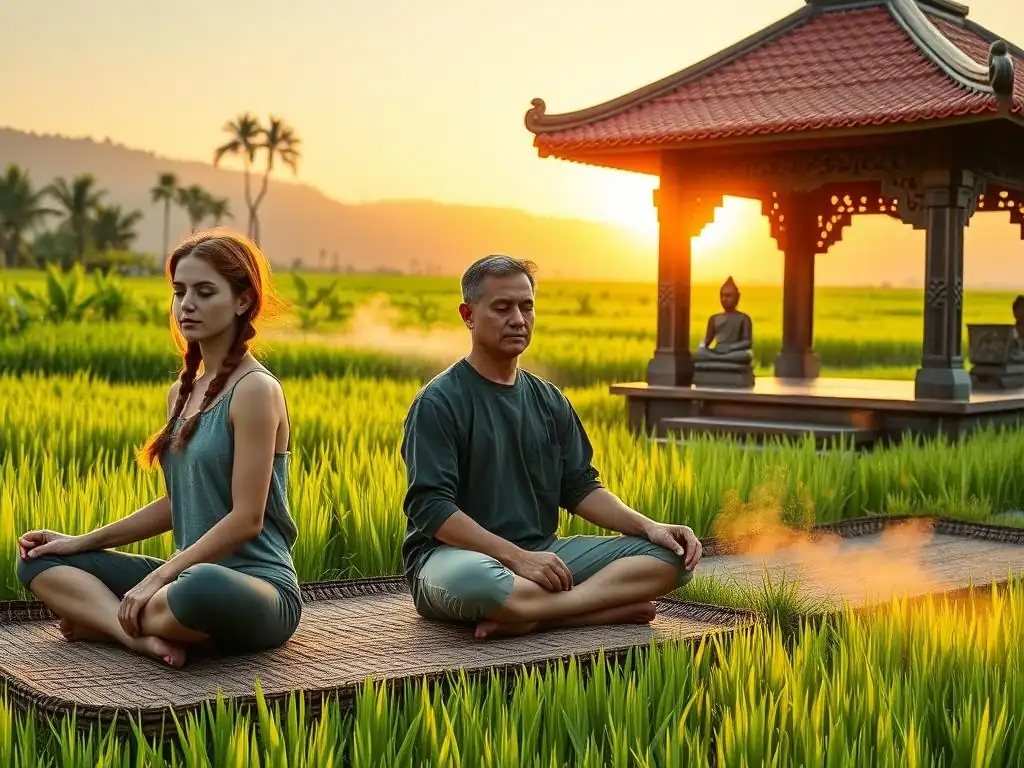
Welcome to Mind Care Guide, your trusted companion on the journey to mental well-being. Feeling overwhelmed and yearning for inner peace? You're not alone. Discover how a mindfulness retreat can be the transformative experience you need. This guide explores mindfulness retreats for beginners, offering insights, reviews, and pricing information to help you find the perfect sanctuary for your mind. Ready to embark on a path to serenity? Let's begin...
Beginner-Friendly Mindfulness Retreats: Top Picks in California with Reviews & Pricing
- Finding the Perfect Mindfulness Retreat for Beginners in California
- Top Mindfulness Retreats for Beginners in California: A Comparative Guide
-
Reviewing the Best Mindfulness Retreats for Beginners in California
- 1. Spirit Rock Meditation Center: An Immersive Introduction to Mindfulness
- 2. Esalen Institute: Deepening Your Mindfulness Practice in a Supportive Environment
- 3. Mount Madonna Center: A Holistic Approach to Mindfulness and Well-being
- 4. Land of Medicine Buddha: Budget-Friendly Mindfulness Retreat for Beginners in California
- What to Expect on Your First Mindfulness Retreat
- Choosing the Right Mindfulness Retreat: Factors to Consider
- Alternatives to Mindfulness Retreats for Beginners
- Investing in Your Mental Wellness: The Value of Mindfulness Retreats
-
Frequently Asked Questions
- What exactly are mindfulness retreats, and are they suitable for beginners?
- What are the potential benefits of attending a mindfulness retreat, especially for someone new to the practice?
- How do I choose the right mindfulness retreat for my needs as a beginner?
- What kind of activities can I expect to participate in during a beginner-friendly mindfulness retreat?
- Are mindfulness retreats expensive, and are there ways to find affordable options?
- Final Reflection: Finding Your Inner Peace, One Retreat at a Time
- Unwind and Rediscover Your Inner Peace
Finding the Perfect Mindfulness Retreat for Beginners in California
Embarking on the journey of mindfulness can be transformative, and for many, a dedicated retreat offers an ideal starting point. California, with its diverse landscapes ranging from serene coastlines to peaceful mountains, provides a wealth of options for those seeking to disconnect from daily distractions and delve into their inner world. Choosing the right environment is key for a positive first experience with mindfulness retreats for beginners. It's about finding a place where the pace slows down, external noise fades, and the focus shifts inward, guided by experienced instructors in a supportive community setting.
Selecting a beginner mindfulness retreat in California requires considering several factors tailored specifically to those new to the practice. Unlike advanced retreats that might involve extended periods of silence or intense meditation schedules, beginner-friendly options typically offer a gentler introduction. They often include clear instructions on basic mindfulness techniques, opportunities for questions, and a balance between structured practice and free time. This approach ensures that newcomers feel comfortable and supported as they explore the foundations of mindfulness, making the experience accessible and less intimidating.
Why Choose a Mindfulness Retreat for Beginners?
Choosing a dedicated mindfulness retreat for beginners provides a unique opportunity to immerse oneself fully in the practice without the distractions of everyday life. In our fast-paced world, finding uninterrupted time to cultivate present-moment awareness can be challenging. A retreat environment removes these external pressures, offering a focused space where participants can dedicate their energy entirely to learning and practicing mindfulness techniques under expert guidance. This immersive setting accelerates the learning process and allows for deeper insights than sporadic practice at home might afford.
Furthermore, beginner mindfulness retreats are specifically designed with the novice in mind. They break down complex concepts into understandable steps, introduce foundational meditation practices like breath awareness and body scans, and provide a supportive group dynamic. Being surrounded by others who are also new to mindfulness can foster a sense of community and shared experience, reducing feelings of isolation that might arise when practicing alone. Instructors are typically skilled in working with beginners, offering patience, clear explanations, and personalized support, which is invaluable when navigating the initial stages of a mindfulness journey.
Benefits of Beginner Mindfulness Retreats: Stress Reduction and Mental Clarity
One of the most significant benefits reported by participants in beginner mindfulness retreats is a profound reduction in stress and anxiety. By learning to observe thoughts and feelings without judgment, individuals develop a greater capacity to manage stress responses in their daily lives. The structured environment, often combined with periods of silence and gentle movement like walking meditation or yoga, naturally promotes relaxation and calms the nervous system. Many attendees leave feeling significantly more peaceful and less reactive to life's challenges.
Beyond stress reduction, beginner mindfulness retreats also contribute significantly to enhanced mental clarity and focus. Regular practice, even over a few days, trains the mind to stay present and less susceptible to wandering or getting caught in worry loops. This improved attention span and focus can positively impact various aspects of life, from work performance to personal relationships. Participants often report feeling more 'present' and aware of their surroundings and internal states, leading to a greater sense of calm and improved decision-making capabilities rooted in clarity rather than reactivity.
Top Mindfulness Retreats for Beginners in California: A Comparative Guide
California is home to numerous centers offering mindfulness retreats, each with its unique approach and setting. For beginners, identifying which retreat aligns best with their needs can feel overwhelming. This guide compares some of the top options, focusing on aspects crucial for a positive first experience. We aim to provide a clear overview to help you navigate the choices and find a retreat that feels right for you, whether you seek a silent immersion, a holistic wellness experience, or a budget-friendly option.
The selection criteria for the best mindfulness retreats for beginners in California go beyond just the location or price. It involves looking at the program's suitability for novices, the qualifications of the teachers, the overall environment, and the value offered. While some retreats are explicitly labeled "beginner," others might have programs or specific events tailored to those new to mindfulness. Understanding these nuances is key to choosing a retreat that will provide a foundational, supportive, and enriching introduction to the practice.
Criteria for Selecting the Best Beginner-Friendly Mindfulness Retreats
Location & Accessibility
The location of a mindfulness retreat significantly impacts the overall experience. California offers settings from the serene Big Sur coastline to the quietude of the Sierra Nevada foothills. For beginners, a location that feels accessible and offers a peaceful natural environment can enhance the sense of getting away and disconnecting. Consider how easy it is to travel to the retreat center and whether the surrounding nature provides an additional layer of tranquility and opportunity for reflective walks. A location that allows for a sense of escape without being overly complicated to reach can minimize travel stress.
The accessibility of the location also pertains to the environment within the retreat center itself. Is it easily navigable? Are facilities close together? For some beginners, a sprawling campus might feel overwhelming, while others might appreciate the space. Evaluating the setting based on your personal preferences for natural beauty and ease of access is important. A well-chosen location contributes significantly to the retreat's ability to provide a peaceful sanctuary conducive to introspection and practice.
Program Structure & Activities
A program specifically designed for mindfulness retreats for beginners should offer a balanced and gentle introduction. Look for schedules that include clear instructions on meditation techniques, guided sessions rather than just silent ones, and opportunities for Q&A with teachers. Retreats that integrate periods of walking meditation, mindful eating, and perhaps gentle yoga or stretching can make the practice more accessible and less daunting than prolonged sitting meditation. A good beginner program avoids overly rigid schedules and allows for some personal time.
The activities offered should support the learning process without feeling overwhelming. Workshops on the principles of mindfulness, discussions on integrating practice into daily life, and opportunities for group sharing (though silent retreats are also an option, perhaps less common for absolute beginners) contribute to a well-rounded experience. Examine the sample schedule provided by the retreat center to ensure it aligns with your comfort level and learning style as a beginner.
Instructor Expertise & Experience
The quality of instruction is paramount, especially for mindfulness retreats for beginners. Experienced teachers who are skilled at explaining concepts clearly, guiding meditations effectively, and creating a supportive atmosphere can make a significant difference in a beginner's experience. Look for information about the instructors' backgrounds, training, and years of teaching experience. Retreat centers often provide biographies of their lead teachers on their websites.
An empathetic and approachable instructor can help beginners navigate the challenges that may arise during practice, such as restlessness or difficult emotions. Their ability to hold space for participants and offer encouragement is invaluable. While specific certifications vary, look for teachers with established meditation practices and experience guiding groups, particularly those with a focus on introductory programs. The teacher's presence and guidance are central to the learning and healing process on retreat.
Accommodation & Amenities
The type of accommodation and available amenities contribute to the overall comfort and experience of a mindfulness retreat. Options can range from shared dormitory-style rooms to private cabins or hotel-like rooms. For beginners, choosing accommodation that feels safe and comfortable is important, allowing for restful sleep and personal space when needed. While luxury isn't necessary, cleanliness and basic comforts are key to supporting the retreat experience.
Amenities might include meditation halls, dining areas, walking trails, and perhaps access to nature like gardens or forests. Some centers offer additional facilities like libraries, art spaces, or wellness services, though these are often secondary to the core retreat program. Consider what level of comfort and privacy you require to feel at ease, as being comfortable in your living space allows you to focus more fully on the mindfulness practice itself.
Pricing & Value
The cost of mindfulness retreats for beginners in California varies widely depending on duration, accommodation type, and the center's facilities. Prices can range from a few hundred dollars for a weekend program with shared rooms to over a thousand dollars for longer, more private retreats. When evaluating pricing, consider what is included: typically, this covers accommodation, all meals (often vegetarian and mindfully prepared), and the full retreat program with instruction.
Value is not just about the lowest price but what you receive for your investment. A slightly more expensive retreat might offer more experienced teachers, better food, or a more conducive environment, which could be worthwhile for a first retreat experience. Look for centers that offer different pricing tiers or potential scholarship options. Compare what different retreats offer at similar price points to determine which provides the best value for your specific needs as a beginner.
Reviewing the Best Mindfulness Retreats for Beginners in California
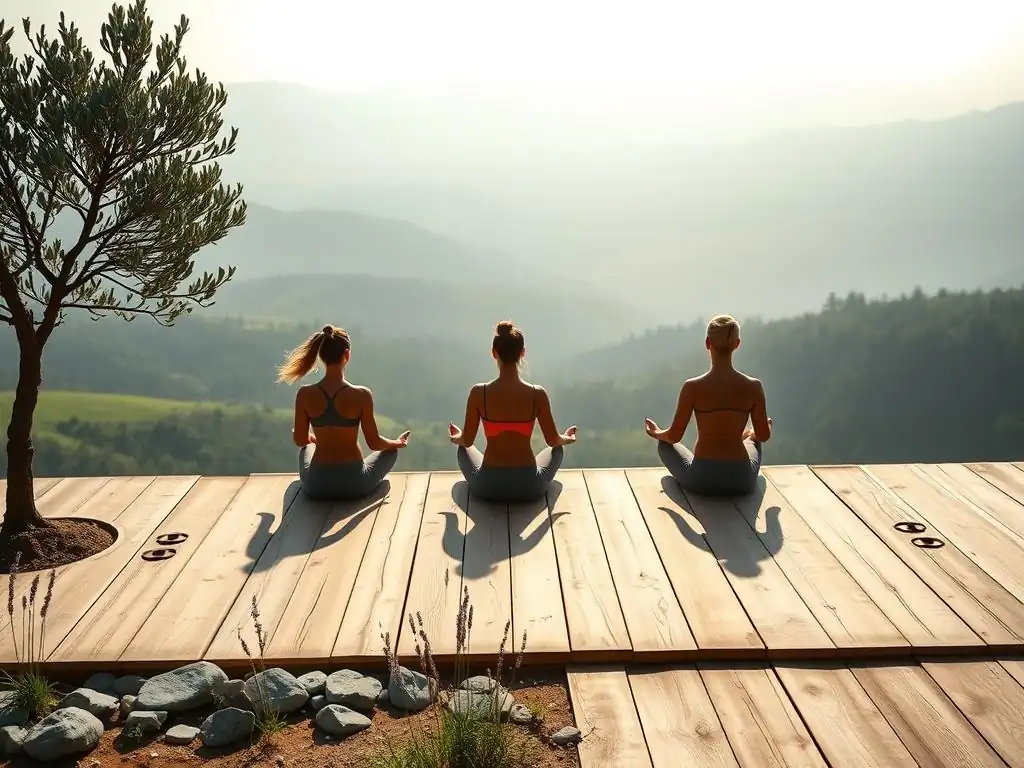
California hosts several highly-regarded centers known for their welcoming environment and excellent programs suitable for those new to mindfulness. Based on criteria important for beginners, including program structure, instruction, and overall experience, we highlight a few top picks. These centers offer diverse approaches, from traditional Buddhist-based practices to more secular or holistic methods, providing options to suit different preferences while maintaining a focus on foundational mindfulness training.
Choosing among these options depends on your specific interests and what you hope to gain from your first mindfulness retreat experience. Some centers emphasize silent practice, while others integrate more discussion or movement. Consider which approach resonates most with you as you read about these recommended mindfulness retreats for beginners in California. Each offers a unique pathway to explore present-moment awareness and cultivate inner peace.
1. Spirit Rock Meditation Center: An Immersive Introduction to Mindfulness
Located in the peaceful hills of Woodacre, California, Spirit Rock Meditation Center is a renowned non-profit organization rooted in the Vipassana (Insight Meditation) tradition. It offers a wide range of retreats, including specific programs designed for mindfulness retreats for beginners. The center is known for its dedicated teachers, many of whom have trained in Asia and the West and have decades of personal practice and teaching experience. The serene natural setting, spanning over 400 acres, provides ample space for quiet contemplation and walking meditation amidst oak woodlands and rolling hills.
Spirit Rock's beginner retreats often focus on foundational practices like mindful breathing, body scanning, and walking meditation. The environment is supportive, encouraging participants to step away from their usual routines and immerse themselves fully in the present moment. The center typically hosts many participants, creating a sense of collective practice, though periods of silence are usually observed outside of instruction and Q&A sessions, which helps cultivate introspection. Accommodations are generally simple and comfortable, often in shared rooms, emphasizing community and shared purpose.
Program Highlights: Guided Meditations, Dharma Talks, and Nature Hikes
Beginner programs at Spirit Rock typically feature a structured daily schedule that balances guided meditation sessions with periods of silent practice. Participants receive clear instructions on various techniques, making the practice accessible even to those with no prior experience. A key component is the inclusion of "Dharma talks," which are teachings on the principles of mindfulness, compassion, and the path to liberation, delivered by experienced teachers in an engaging and understandable manner.
Beyond formal sitting and walking meditation, the program often includes opportunities to practice mindful movement, such as gentle yoga or stretching, and encourages mindful engagement with the beautiful natural surroundings through designated walking trails. The integration of nature into the practice helps beginners connect with the world around them with greater awareness. There are usually dedicated periods for questions and answers, allowing participants to clarify doubts and deepen their understanding of the teachings and practice.
Pricing and Packages: [Pricing Information and Link to Booking/Affiliate Link]
Pricing for beginner mindfulness retreats at Spirit Rock varies based on the duration of the retreat (typically ranging from a few days to a week) and the type of accommodation (shared rooms are standard, limited single rooms may be available). As an approximation, a weekend retreat might range from $350 to $600, while a week-long program could be approximately $700 to $1200 or more. These figures are estimates and subject to change.
The cost typically includes accommodation, all meals (vegetarian and often organic), and the full retreat program. Spirit Rock is a non-profit and relies on donations (dana) for the teachings themselves, separate from the room and board fee. Financial assistance and scholarships are often available for those with limited resources, making the retreats more accessible.
Review Summary: Ideal for absolute beginners seeking a gentle introduction to Buddhist Mindfulness.
Participants in Spirit Rock's beginner mindfulness retreats often praise the depth of the teachings and the skill of the instructors. Many reviews highlight the peaceful and supportive atmosphere, noting that the environment makes it easy to let go of distractions and focus inward. The integration of silent practice with guided sessions and talks is frequently mentioned as effective for building a foundational understanding of mindfulness.
The natural setting is also a significant draw, contributing to a sense of calm and connection. It is widely regarded as an excellent place for those new to both meditation and the Buddhist principles that underpin Insight Meditation.
2. Esalen Institute: Deepening Your Mindfulness Practice in a Supportive Environment
Nestled on the dramatic cliffs of Big Sur, California, the Esalen Institute is renowned for its experiential learning programs that blend psychological, spiritual, and physical practices. While not exclusively a meditation center, Esalen offers numerous workshops and retreats focused on mindfulness, somatic awareness, and personal growth that are highly suitable for mindfulness retreats for beginners seeking a holistic approach. The stunning ocean views, natural hot springs, and lush gardens provide a breathtaking backdrop for introspection and healing, creating a truly immersive environment.
Esalen's programs often emphasize the connection between mind, body, and spirit. Mindfulness practices are frequently integrated with movement, bodywork, and group process, appealing to beginners who may find prolonged sitting challenging or who are interested in exploring mindfulness through different modalities. The community aspect is strong, with shared meals and opportunities for informal interaction, fostering a supportive and open atmosphere. The environment encourages vulnerability and exploration, making it a unique setting for a first retreat experience.
Program Highlights: Focused on Somatic Awareness, Bodywork, and Experiential Learning
Esalen's approach to mindfulness often incorporates somatic practices, helping participants become more aware of sensations and emotions in the body. Workshops might include guided meditations that focus on the body scan, mindful movement sessions like Tai Chi or contact improvisation, and discussions on the mind-body connection. The emphasis is on experiential learning, encouraging participants to explore mindfulness not just as a mental exercise but as a way of being fully present in their physical experience.
Many programs also include elements of Gestalt practice, massage, or other therapeutic modalities, integrated mindfully into the retreat schedule. The schedule typically includes dedicated time for workshop sessions, communal meals, and free time to enjoy the hot springs, explore the grounds, or simply rest and reflect. This blend of structured learning, physical awareness, and relaxation provides a multi-faceted entry point into mindfulness for beginners.
Pricing and Packages: [Pricing Information and Link to Booking/Affiliate Link]
Esalen's pricing structure is based on the workshop chosen and the type of accommodation, ranging from shared rooms with bunk beds to private rooms with ocean views. As a general approximation, a weekend workshop (typically 2-3 nights) might range from $400 to $900 per person for shared accommodation, while longer retreats (5-7 nights) could range from $1500 to $3000 or significantly more for premium private rooms. These are estimates and subject to change.
The cost includes the workshop tuition, accommodation, and three meals daily. Esalen is known for being on the higher end of the price spectrum, reflecting its unique location and comprehensive program offerings, but they sometimes offer limited scholarships or payment plans.
Review Summary: Great for those looking for a holistic approach in a beautiful setting.
Reviews of Esalen's mindfulness-focused programs often highlight the transformative power of the integrated approach, combining meditation with somatic practices and group interaction. Participants frequently comment on the profound impact of the stunning natural environment and the healing properties of the hot springs. The quality of the instructors and the supportive community atmosphere are also consistently praised. It is considered an excellent choice for beginners interested in exploring mindfulness through a broader lens of mind-body-spirit connection within a unique and iconic Californian setting.
3. Mount Madonna Center: A Holistic Approach to Mindfulness and Well-being
Located in the Santa Cruz Mountains, Mount Madonna Center is a spiritual sanctuary and yoga retreat center inspired by the teachings of Baba Hari Dass. It offers a variety of programs focused on yoga, Ayurveda, and spiritual practices, including retreats that incorporate mindfulness and meditation suitable for beginners. The center is situated on 355 acres of redwood forests and open meadows, providing a peaceful and secluded environment conducive to inner reflection and practice. The atmosphere is one of gentle discipline and community living.
Mount Madonna's approach is holistic, viewing mindfulness as part of a broader path towards well-being that includes physical health, ethical living, and spiritual growth. Beginner mindfulness retreats often integrate meditation with daily yoga classes, breathwork (pranayama), and teachings on yogic philosophy. This makes it an excellent option for individuals who are interested in exploring mindfulness within the context of a comprehensive wellness practice. The daily schedule is structured but gentle, allowing ample time for practice, rest, and contemplation.
Program Highlights: Combines Mindfulness with Yoga and Ayurvedic Principles
Programs at Mount Madonna Center often weave mindfulness meditation throughout the day, complementing physical yoga practice and philosophical discussions. Beginners are introduced to basic sitting and walking meditation techniques, often linked to breath awareness and body sensation. Daily hatha yoga classes, typically gentle and accessible, help prepare the body and mind for meditation. The integration of Ayurvedic principles might include discussions on diet, daily routines, and understanding one's constitution for optimal well-being, all approached mindfully.
The schedule usually includes periods of silence, communal service (seva), and opportunities to participate in traditional ceremonies or chanting, depending on the specific retreat. This blend of physical, mental, and spiritual practices offers a rich and layered experience for beginners. The focus is on cultivating awareness in all activities, from eating to walking to interacting with others, making mindfulness a living practice throughout the retreat.
Pricing and Packages: [Pricing Information and Link to Booking/Affiliate Link]
Pricing for retreats at Mount Madonna Center is generally moderate compared to some other centers. Costs vary based on the program length and accommodation type (ranging from camping and dormitory beds to private rooms). As an approximation, a weekend retreat might cost between $300 and $500, while a week-long program could range from approximately $600 to $1000. These figures are estimates and subject to change. The price typically includes accommodation, all vegetarian meals, and participation in the full retreat program, including yoga classes and workshops. Financial assistance and payment plans may be available, reflecting the center's mission of accessibility.
Review Summary: A well-rounded retreat for those seeking a comprehensive mind-body connection.
Reviews of Mount Madonna's programs often highlight the nurturing and peaceful environment, as well as the high quality of the yoga and meditation instruction. Participants appreciate the integration of mindfulness with physical practice and philosophical teachings, finding it a comprehensive approach to well-being. The healthy vegetarian food and the natural beauty of the redwood setting are frequently mentioned as positive aspects. It is considered a great option for beginners who are interested in exploring mindfulness as part of a broader path of yoga and holistic health.
4. Land of Medicine Buddha: Budget-Friendly Mindfulness Retreat for Beginners in California
Situated in the redwood forest near Soquel, California, the Land of Medicine Buddha (LMB) is a Tibetan Buddhist retreat center affiliated with the Foundation for the Preservation of the Mahayana Tradition (FPMT). It offers a variety of retreats and programs rooted in Buddhist philosophy and practice, including options that are particularly accessible and welcoming for mindfulness retreats for beginners, often at a more affordable price point. The center provides a serene and focused environment for meditation and study.
LMB emphasizes compassion and wisdom as cultivated through practices like mindfulness and analytical meditation. While rooted in a specific tradition, their introductory programs are often presented in a way that is accessible to people of all backgrounds and beliefs. The atmosphere is one of devotion and study, with opportunities to learn about Buddhist principles and how they apply to cultivating a mindful and compassionate life. Accommodation is simple, often in shared rooms or dormitory style, fostering a sense of community among participants.
Program Highlights: Affordable Buddhist Teachings and Mindfulness Practices
Programs at Land of Medicine Buddha suitable for beginners typically include guided meditations on topics such as breath awareness, loving-kindness (Metta), and impermanence. Teachings often focus on core Buddhist concepts relevant to developing mindfulness and emotional balance, presented by resident or visiting monastics and lay teachers. The schedule usually includes multiple meditation sessions, teachings, and opportunities for discussion or questions.
The center offers a more structured approach to mindfulness, often within the context of a spiritual path. Participants have the opportunity to engage with Buddhist rituals and practices, though these are usually optional or presented in an introductory manner. The focus is on providing practical tools for developing a calm and clear mind through meditation and understanding the principles that support a mindful life. The emphasis on affordability makes it a particularly appealing option for those seeking a budget-friendly entry into mindfulness retreats for beginners.
Pricing and Packages: [Pricing Information and Link to Booking/Affiliate Link]
Land of Medicine Buddha is known for offering very affordable retreat options, reflecting its mission to make the Dharma accessible. Pricing is typically on a sliding scale or donation basis for teachings, with a modest fee for accommodation and meals. As an approximation, a weekend retreat might cost between $150 and $300, and longer retreats (though less common for absolute beginners) would also be relatively inexpensive compared to other centers.
These are estimates and subject to change. The cost generally covers simple accommodation (often shared) and three vegetarian meals per day. The center relies on donations for the teachings, encouraging participants to offer what they can according to their means, embodying the principle of generosity.
Review Summary: Perfect for beginners looking for an inexpensive entry point to Mindfulness within a Buddhist context.
Participants who attend programs at Land of Medicine Buddha often highlight the affordability and the authenticity of the Buddhist teachings. Reviews frequently mention the dedication and wisdom of the teachers and the peaceful, focused atmosphere of the center. While the accommodations are simple, the sense of community and the opportunity to learn in a traditional setting are highly valued. It is considered an excellent resource for beginners interested in exploring mindfulness from a Buddhist perspective without a significant financial barrier.
What to Expect on Your First Mindfulness Retreat
Attending your first mindfulness retreat, especially as a beginner, can bring a mix of excitement and apprehension. It's a step away from your usual routine into a period of focused introspection and practice. Knowing what to expect can help alleviate concerns and allow you to arrive with a more open and prepared mindset. While each retreat center has its unique schedule and style, there are common elements that define the experience of mindfulness retreats for beginners, focusing on creating a supportive environment for learning and practice.
The primary goal of a beginner mindfulness retreat is to provide you with the tools and experience to cultivate present-moment awareness. This involves dedicated time for meditation, guidance from experienced teachers, and the opportunity to observe your mind and body without the usual external distractions. It's an invitation to pause, reflect, and connect with yourself on a deeper level, laying a foundation for integrating mindfulness into your daily life after the retreat concludes.
Preparing for Your Beginner Mindfulness Retreat: Packing Essentials and Mindset
Preparation for a beginner mindfulness retreat involves both practical packing and cultivating the right mindset. Practically, pack comfortable, loose-fitting clothing suitable for sitting and gentle movement. Layers are advisable as temperatures can fluctuate. Bring comfortable walking shoes for mindful walks. Most centers provide meditation cushions or benches, but you might bring your own if you have a strong preference. Other essentials often include a water bottle, a journal and pen for reflections (if the retreat allows writing), and personal toiletries. Check the specific center's recommendations, but generally, keep it simple.
Cultivating the right mindset involves setting intentions without rigid expectations. Approach the retreat with curiosity and openness. Understand that it's a period of practice, not necessarily immediate bliss. You might encounter restlessness, boredom, or difficult emotions – this is a normal part of the process. Be patient and kind to yourself. Commit to following the schedule and guidelines, including periods of silence if applicable. Leave behind electronic devices or commit to limiting their use significantly, as disconnecting is key to immersion. Remind yourself that this is an opportunity for self-care and learning.
Packing Checklist:
- Comfortable, layered clothing
- Walking shoes
- Water bottle
- Journal and pen
- Personal toiletries
- Alarm clock (not phone)
- Rain gear (depending on season/location)
- Small backpack for walks
- Medication, if needed
Mindset Preparation:
- Set an intention (e.g., to be present, to learn)
- Release rigid expectations
- Cultivate patience and self-compassion
- Commit to following the schedule and guidelines
- Prepare to disconnect from devices
- Approach with curiosity and openness
Sample Daily Schedule at a Mindfulness Retreat
While schedules vary, a typical day at a mindfulness retreat for beginners often follows a rhythm that balances structured practice with periods of rest and mindful activity. A sample day might look something like this:
- Early Morning (e.g., 6:00 AM): Wake up, personal time
- Morning (e.g., 6:30 AM - 8:00 AM): Sitting meditation, possibly followed by walking meditation
- Breakfast (e.g., 8:00 AM - 9:00 AM): Mindful eating
- Late Morning (e.g., 9:00 AM - 12:00 PM): Dharma talk or teaching, guided meditation, silent practice
- Lunch (e.g., 12:00 PM - 1:00 PM): Mindful eating, followed by mindful chores or personal time
- Afternoon (e.g., 1:00 PM - 4:00 PM): Walking meditation, sitting meditation, possibly a workshop or Q&A
- Late Afternoon (e.g., 4:00 PM - 5:00 PM): Rest or personal practice
- Evening (e.g., 5:00 PM - 6:00 PM): Gentle yoga or mindful movement
- Dinner (e.g., 6:00 PM - 7:00 PM): Mindful eating
- Late Evening (e.g., 7:00 PM - 9:00 PM): Evening talk or meditation, followed by silent time
- Night: Rest
This structure provides regular opportunities for formal practice while integrating mindfulness into daily activities like eating and walking. The balance helps beginners sustain attention and learn how to bring mindfulness into different aspects of their lives. Periods of silence are often incorporated, allowing participants to deepen their internal focus without the need for external communication.
Attending a mindfulness retreat for beginners can present challenges, as spending extended time in silence or focused practice can bring up physical discomfort, mental restlessness, or emotional intensity. It's common to experience boredom, frustration, or impatience. These experiences are not signs of failure but rather opportunities to practice mindfulness by observing them without judgment. Acknowledge these feelings with kindness and gently bring your attention back to your chosen anchor, such as the breath. Remember that challenges are part of the growth process.
To maximize your experience, fully commit to the schedule and guidelines provided by the retreat center. Engage sincerely in the practices, even when they feel difficult. Utilize the opportunity to speak with teachers during designated Q&A or interview times to ask questions and seek guidance.
Be open to connecting with other participants, even if only through shared silence and presence. Most importantly, practice self-compassion; treat yourself with the same kindness you would offer a friend who is learning something new and challenging. The insights gained from navigating difficulties mindfully can be some of the most valuable takeaways from the retreat.
Choosing the Right Mindfulness Retreat: Factors to Consider
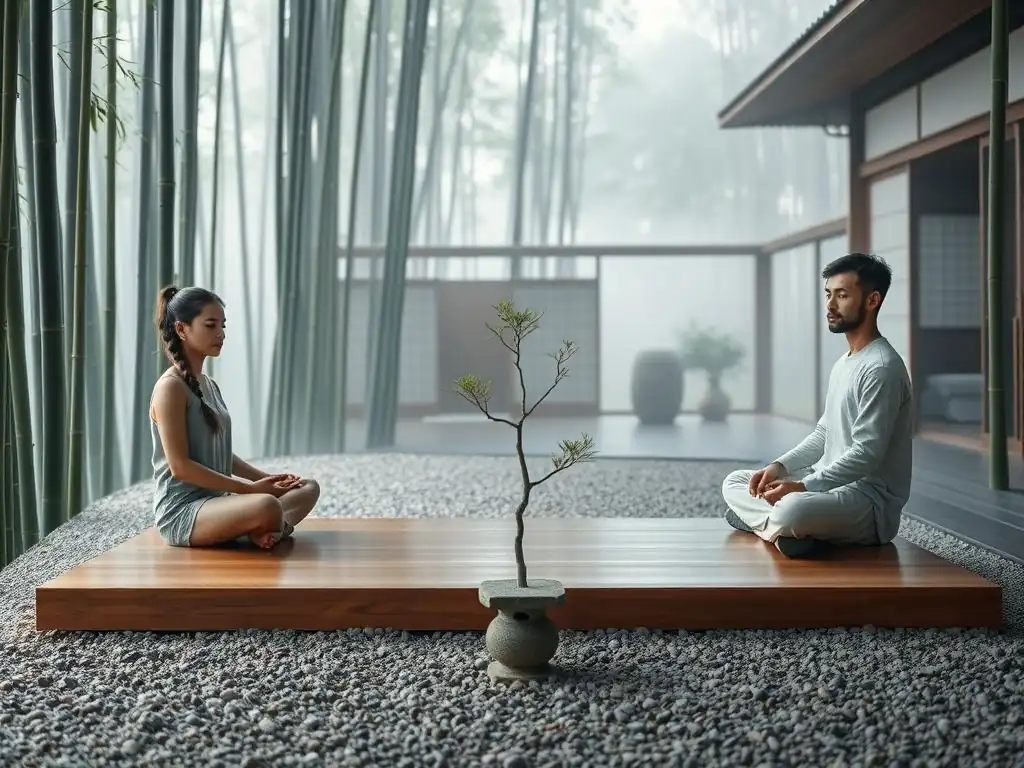
Selecting the ideal mindfulness retreat for beginners involves more than just picking a location or comparing prices. It requires introspection about your personal goals and preferences. Since this is likely your first immersive experience, finding a retreat that feels like a good fit will significantly impact your comfort level and the effectiveness of the learning process. Consider what you hope to achieve and what kind of environment will best support your initial steps into dedicated mindfulness practice.
Think about your personality and learning style. Are you someone who thrives in a structured environment or prefers more flexibility? Do you learn best through direct instruction, experiential activities, or quiet contemplation? Reflecting on these aspects will help you narrow down the options among the various mindfulness retreats for beginners available and choose one that resonates deeply with your needs and aspirations for cultivating a mindful life.
Identifying Your Goals for Mindfulness Practice
Before choosing a retreat, take some time to identify why you are interested in mindfulness and what you hope to gain. Are you seeking stress reduction, improved focus, emotional regulation, or a deeper sense of peace? Perhaps you are simply curious about meditation and want to learn the basics correctly from experienced teachers. Clearly defining your goals will help you evaluate which retreat program's focus and structure are most aligned with your intentions.
For example, if stress reduction is your primary goal, look for retreats that specifically mention techniques for managing stress or anxiety. If you are interested in emotional regulation, seek programs that discuss working with difficult emotions mindfully. While most beginner retreats cover foundational practices, some may have a particular emphasis that aligns more closely with your personal reasons for exploring mindfulness. Having clear goals helps make your search for the right beginner mindfulness retreat more focused and effective.
Understanding Different Mindfulness Techniques and Approaches
Mindfulness is a broad term encompassing various meditation techniques and approaches. While the core principle involves paying attention to the present moment without judgment, the methods used can differ. Some retreats focus primarily on Vipassana (Insight Meditation), which emphasizes observing physical sensations, thoughts, and emotions. Others might incorporate Metta (Loving-Kindness) meditation, which cultivates compassion towards oneself and others. Some secular programs may use simplified techniques derived from these traditions.
For beginners, it's helpful to understand these differences, though an introductory retreat will typically cover the basics applicable across traditions. Some retreats might also integrate mindfulness with other practices like yoga, Qigong, or nature connection. Consider which approach feels most appealing or accessible to you. Reading about the retreat's specific techniques and the tradition it comes from (if any) can give you a better sense of whether it's the right fit for your first experience with mindfulness retreats for beginners.
Reading Reviews and Testimonials: Finding the Best Fit
Reading reviews and testimonials from past participants is an invaluable step in choosing a mindfulness retreat for beginners. Pay close attention to feedback specifically from individuals who identify as beginners or who attended introductory programs. Look for comments on the clarity of instruction, the approachability of the teachers, the comfort level of the accommodations, and the overall atmosphere. Do past participants describe the environment as welcoming and supportive for newcomers?
Reviews can offer insights into the practical aspects of the retreat, such as the quality of the food, the suitability of the daily schedule, and how well the center manages logistics. While individual experiences vary, recurring themes in reviews can provide a reliable indicator of what you can expect. Look for testimonials that resonate with your own goals and preferences, helping you gauge whether a particular retreat center is likely to be a good match for your first immersive mindfulness experience.
Alternatives to Mindfulness Retreats for Beginners
While an immersive retreat offers unique benefits, it may not be feasible for everyone due to time, cost, or other commitments. Fortunately, there are several excellent alternatives for beginners looking to start a mindfulness practice without attending a residential retreat. These options provide flexibility and accessibility, allowing individuals to learn and practice mindfulness from the comfort of their homes or within their local communities. Exploring these alternatives can be a great way to build a foundation or supplement a future retreat experience.
These alternative pathways to mindfulness for beginners still emphasize core principles: paying attention to the present moment with openness and non-judgment. Whether through guided sessions on an app, structured online courses, or in-person group meetings, the goal remains the same – to cultivate awareness and integrate mindfulness into daily life. These options offer different levels of structure and community, allowing individuals to choose the format that best suits their lifestyle and learning preferences.
Online Mindfulness Courses and Apps: A Convenient Option
For many beginners, online resources and mobile applications offer the most convenient way to start practicing mindfulness. Apps like Calm, Headspace, and Insight Timer provide guided meditations ranging from short sessions for busy days to longer practices. They often have specific programs tailored for beginners, covering fundamental techniques like mindful breathing, body scans, and cultivating gratitude. These platforms allow you to practice anytime, anywhere, fitting mindfulness into your personal schedule.
Online courses, available through platforms like Coursera, edX, or specialized mindfulness websites, offer more structured learning. These courses often include video lectures, readings, guided practices, and sometimes even online community forums. They provide a deeper dive into the principles and benefits of mindfulness than apps alone might offer. While they lack the immersive environment of a retreat, online courses and apps are highly accessible and cost-effective tools for learning the basics of mindfulness for beginners.
Calm: Guided Meditations for Beginners
Calm is one of the most popular mindfulness apps, known for its user-friendly interface and extensive library of guided meditations, sleep stories, and relaxation music. It features specific programs designed for beginners, such as a "7 Days of Calm" or "21 Days of Mindfulness" series, which introduce foundational concepts and practices in short, manageable sessions (often 5-15 minutes). The app's calming visuals and soothing voice guidance make it very approachable for those new to meditation.
The beginner content on Calm focuses on teaching basic techniques like focusing on the breath, observing thoughts without judgment, and cultivating body awareness. It breaks down the practice into simple steps, making it easy for users to get started and build a consistent habit. While it's a subscription service, many find the guided content and variety of resources well worth the investment for establishing a regular mindfulness practice at home.
Coursera: Mindfulness for Well-being Course
Coursera, a leading online learning platform, hosts numerous courses from universities and institutions worldwide. One relevant example for beginners is courses focused on Mindfulness-Based Stress Reduction (MBSR) or general mindfulness for well-being, often offered by reputable universities like the University of Toronto or Emory University. These courses typically span several weeks (e.g., 4-8 weeks) and provide a more academic and structured understanding of mindfulness.
A typical mindfulness course on Coursera might include video lectures explaining the science behind mindfulness, guided meditation audios, readings, and weekly assignments or reflections. They often cover topics like the history of mindfulness, its psychological benefits, and practical applications for stress, anxiety, and focus. While not interactive in the same way as an in-person retreat, these courses offer a comprehensive educational foundation in mindfulness for beginners seeking structured learning at their own pace.
Local Mindfulness Groups and Workshops: Building Community
Joining a local mindfulness group or attending weekend workshops can provide a valuable in-person experience without the commitment of a residential retreat. Many cities and towns have meditation centers, community centers, or yoga studios that offer drop-in meditation sessions, beginner workshops, or ongoing mindfulness classes. These settings allow you to practice in the presence of others and receive guidance from a local instructor.
Local groups often foster a sense of community and provide a support system for your practice. Workshops might focus on specific topics, such as mindful communication, mindful eating, or integrating mindfulness into daily routines. While they don't offer the immersive experience of a retreat, these local options provide direct interaction with teachers and fellow practitioners, offering accountability and shared learning that can be very beneficial for beginners establishing a practice. Search online for "mindfulness groups near me" or check local community boards and yoga studio schedules.
Investing in Your Mental Wellness: The Value of Mindfulness Retreats
Choosing to attend a mindfulness retreat, particularly one designed for beginners, is a significant investment – not just of money, but of time and energy. It's an investment in your mental and emotional well-being, offering a dedicated period to step back from the demands of life and cultivate inner resources. For those new to the practice, this focused time in a supportive environment can be foundational, providing the skills and insights needed to integrate mindfulness into daily life for long-term benefit.
The value of mindfulness retreats for beginners extends far beyond the duration of the stay. The skills learned – how to observe thoughts, manage stress, cultivate patience, and stay present – are portable and applicable to every aspect of life. It's an opportunity to reset, gain perspective, and build a relationship with yourself based on greater awareness and compassion. This investment in learning mindfulness can yield significant returns in improved mental clarity, emotional resilience, and overall life satisfaction.
Long-Term Benefits of Mindfulness for Stress Management and Emotional Regulation
Regular mindfulness practice, initiated or deepened through a beginner retreat, offers substantial long-term benefits for managing stress and regulating emotions. By consistently training the mind to observe thoughts and feelings without being overwhelmed by them, individuals develop a greater capacity to respond to stressful situations with calm and clarity rather than reactivity. This shift in response pattern can significantly reduce the physical and psychological toll of chronic stress.
Furthermore, mindfulness enhances emotional intelligence. It helps individuals recognize and understand their emotions as they arise, allowing for a more skillful response. Instead of suppressing or being consumed by difficult feelings like anger, sadness, or fear, mindfulness teaches how to acknowledge them, explore their sensations in the body, and choose how to respond consciously. Over time, this leads to greater emotional stability, resilience, and a more balanced emotional life.
Making Mindfulness a Sustainable Practice After Your Retreat.
The insights and skills gained during a mindfulness retreat for beginners are most impactful when carried forward into daily life. The challenge is transitioning from the structured, supportive retreat environment back to the demands of the everyday world. Making mindfulness a sustainable practice requires intention and effort. Start small: commit to a few minutes of formal meditation each day, perhaps revisiting techniques learned on retreat like mindful breathing or a short body scan.
Integrate mindfulness informally into daily activities: practice mindful eating during meals, mindful walking during commutes, or mindful listening when speaking with others. Schedule regular check-ins with your practice, perhaps setting aside a specific time each day. Connect with a local meditation group or continue using mindfulness apps or online resources to maintain momentum and community support. View the retreat as a powerful starting point, not an end in itself, and commit to nurturing the seeds of mindfulness you planted during your time away.
Frequently Asked Questions
What exactly are mindfulness retreats, and are they suitable for beginners?
Mindfulness retreats are structured getaways focused on cultivating present moment awareness through practices like meditation. They are indeed suitable for beginners, often offering introductory sessions and guidance.
What are the potential benefits of attending a mindfulness retreat, especially for someone new to the practice?
Beginners can experience reduced stress and anxiety, improved focus and concentration, and a greater sense of inner peace and self-awareness. These retreats provide a supportive environment to learn and practice.
How do I choose the right mindfulness retreat for my needs as a beginner?
Consider factors like the retreat's duration, the instructor's experience, the retreat's focus (e.g., yoga, meditation), and the overall cost. Reading reviews is highly recommended.
What kind of activities can I expect to participate in during a beginner-friendly mindfulness retreat?
Typical activities include guided meditation sessions, mindful movement practices like yoga or walking meditation, group discussions, and periods of silent reflection.
Are mindfulness retreats expensive, and are there ways to find affordable options?
Costs vary widely. Look for retreats offering early bird discounts, scholarships, or partial work-trade opportunities to make them more accessible.
Final Reflection: Finding Your Inner Peace, One Retreat at a Time
The pursuit of mindfulness is no longer a niche practice; it's a vital tool for navigating the increasingly demanding pace of modern life. The overwhelming response to beginner-friendly mindfulness retreats highlights a growing societal need for accessible pathways to stress reduction and self-discovery. This burgeoning interest underscores the importance of creating spaces where individuals can disconnect from the digital world and reconnect with their inner selves.
The transformative power of even a short mindfulness retreat is undeniable. I've personally witnessed the profound shifts in perspective and well-being experienced by participants, from reduced anxiety and improved sleep to a greater sense of self-awareness and compassion. The time you enjoy wasting is not wasted time.
– Bertrand Russell. This quote resonates deeply, as the seemingly "wasted" time spent in quiet reflection often yields the most significant personal growth. The retreats highlighted in this article offer a structured yet gentle introduction to mindfulness practices, making them ideal for those hesitant to embark on this journey alone.
Now, it's your turn. Consider what aspects of your life could benefit from a more mindful approach. Perhaps it's incorporating simple meditation into your daily routine, or simply taking a few moments each day to appreciate the present moment. Don't wait for a perfect opportunity; start small, and allow the seeds of mindfulness to blossom within you. The journey to inner peace begins with a single, conscious breath. Choose a retreat that resonates with you, or simply begin your own personal mindfulness practice today. Your well-being is worth it.
Unwind and Rediscover Your Inner Peace
Thanks for taking the time to explore the world of beginner-friendly mindfulness retreats with us! We hope you found the perfect escape amongst our top picks. Ready to take the next step towards a more mindful you?
- Book your transformative retreat now: Don't just dream about it—schedule your peaceful getaway and experience the benefits firsthand. Our curated list makes finding the perfect retreat a breeze.
- Share your experience: Tell your friends and family about your journey towards mindfulness. Inspire others to prioritize their well-being!
- Dive deeper into mindfulness practices: Explore our website for additional resources and articles to continue your mindfulness journey beyond your retreat.
What specific aspect of mindfulness are you most excited to cultivate during your retreat?