
GABA and the Amygdala: Calming Your Brain's Fear Signals

Welcome to Mind Care Guide, your trusted companion on the journey to mental well-being.
Do you ever feel like your fears are overwhelming, hijacking your peace of mind? It's a common struggle, and understanding the neuroscience behind it can be incredibly empowering. This article dives deep into how GABA can reduce amygdala fear, offering a fascinating look at how this crucial neurotransmitter influences your brain's fear response. Ready to unlock the secrets to a calmer, more resilient you?
GABA and the Amygdala: Calming Fear Responses
- Understanding the Amygdala's Role in Fear and Anxiety
- GABA: The Brain's Primary Inhibitory Neurotransmitter
- The Connection Between GABA and the Amygdala
- Can GABA Reduce Amygdala Fear? Exploring the Evidence
- Strategies to Increase GABA Levels Naturally for Amygdala Regulation
- When to Seek Professional Help for Amygdala-Related Anxiety
- The Future of GABA Research in Anxiety Treatment
-
Frequently Asked Questions
- ### How does GABA influence the amygdala's activity?
- ### Can GABA supplements directly reduce fear responses triggered by the amygdala?
- ### What other strategies, besides supplements, can help increase GABA levels naturally?
- ### What mental health conditions are linked to imbalances in GABA and amygdala function?
- ### How can therapy help regulate the amygdala and improve GABA function related to fear?
- Final Reflection: Unlocking Inner Peace Through GABA and Amygdala Regulation
- Unlock Your Inner Calm: Practical Steps to Manage Anxiety
Understanding the Amygdala's Role in Fear and Anxiety
The Amygdala: The Brain's Rapid Threat Detector
Nestled deep within the temporal lobes, the amygdala is a small, almond-shaped structure that serves as the brain's primary alarm system. Its crucial function is to quickly process sensory information from the environment and evaluate potential threats. This rapid assessment happens almost instantaneously, often before the conscious parts of the brain have fully processed what is happening. For example, if you suddenly hear a loud noise or see a sudden movement in your peripheral vision, the amygdala is among the first brain regions to react, triggering a cascade of responses designed to protect you.
This rapid threat detection is incredibly efficient and evolutionarily vital for survival. The amygdala receives input from various sensory pathways, including sight, sound, and even smell, allowing it to quickly identify stimuli associated with danger based on past experiences or innate programming. Studies using fMRI scans have shown increased amygdala activity when individuals are presented with fearful faces or threatening images, even when shown for only milliseconds. This automatic processing highlights the amygdala's role as a vigilant sentinel, constantly scanning the environment for potential harm.
Amygdala's Role in Initiating the Fight-or-Flight Response
Once the amygdala identifies a potential threat, it doesn't just sit idly by; it initiates a rapid, widespread physiological response known as the fight-or-flight or acute stress response. This involves sending signals to other brain regions, including the hypothalamus, which in turn activates the sympathetic nervous system and the adrenal glands. Hormones like adrenaline and cortisol are then released into the bloodstream, preparing the body to either confront the threat or flee from it.
The physical manifestations of this response are profound and immediate: heart rate increases, breathing quickens, muscles tense, and digestion slows down. Energy is diverted to essential survival functions. This ancient mechanism, while critical for escaping a saber-toothed tiger, can be triggered by non-life-threatening stressors in modern life, such as a looming deadline or a social interaction perceived as threatening. The amygdala's role in triggering this powerful response is a key reason why understanding its function is vital for comprehending anxiety and fear.
Amygdala Overactivity and Anxiety Disorders
In healthy individuals, the amygdala's activation is proportionate to the actual threat level and subsides once the danger has passed. However, in many anxiety disorders, the amygdala appears to be hyperactive or overly sensitive, triggering the fight-or-flight response in situations that pose little to no real danger. This persistent state of heightened alert can lead to chronic feelings of fear, worry, and physical symptoms associated with stress.
Conditions like Generalized Anxiety Disorder (GAD), Panic Disorder, Social Anxiety Disorder, and Post-Traumatic Stress Disorder (PTSD) are often associated with dysregulation in the amygdala's activity. Research using neuroimaging techniques has frequently observed elevated amygdala responses to neutral or non-threatening stimuli in individuals with these conditions compared to healthy controls. This suggests that an overactive amygdala contributes significantly to the pervasive and often debilitating fear and anxiety experienced by those with these disorders.
GABA: The Brain's Primary Inhibitory Neurotransmitter
What is GABA and How Does it Work?
Gamma-aminobutyric acid, or GABA, is the principal inhibitory neurotransmitter in the central nervous system. Unlike excitatory neurotransmitters that stimulate brain activity, GABA's primary function is to reduce neuronal excitability. It acts like the brain's natural "brake," slowing down or stopping the firing of neurons. This inhibitory action is critical for maintaining balance in brain activity, preventing neurons from becoming overstimulated and firing uncontrollably, which could lead to seizures or excessive anxiety.
GABA is synthesized in the brain from glutamate, the main excitatory neurotransmitter, demonstrating a fascinating balance within the nervous system. Approximately 20-40% of neurons in the brain use GABA as their neurotransmitter. Its widespread distribution and crucial inhibitory role mean that GABA plays a vital part in numerous brain functions, including sleep, muscle tone, and, significantly, the regulation of fear and anxiety responses.
GABA's Mechanism of Action: Hyperpolarization and Neuronal Inhibition
GABA exerts its inhibitory effects by binding to specific proteins on the surface of neurons called GABA receptors. The most common and well-studied types are GABA-A and GABA-B receptors. When GABA binds to a GABA-A receptor, it typically opens an ion channel that allows negatively charged chloride ions to flow into the neuron. This influx of negative charge makes the inside of the neuron more negative, a process called hyperpolarization.
Hyperpolarization makes it more difficult for the neuron to fire an action potential, effectively reducing its excitability. Think of it like pushing down the "fire" button on a device, but the battery is now much weaker. By increasing the threshold required for a neuron to activate, GABA effectively dampens the signal transmission. This precise mechanism is key to how GABA can reduce amygdala fear and overall neural activity in specific brain circuits.
GABA's Role in Reducing Anxiety and Promoting Calmness
Given its role as the brain's primary inhibitor, it's logical that GABA plays a significant role in modulating mood and anxiety. By dampening neuronal activity, particularly in circuits involved in stress and fear, GABA helps to promote a state of calmness and relaxation. Low levels of GABA or impaired GABAergic signaling have been associated with increased anxiety, stress, and even depression.
Many common anti-anxiety medications, such as benzodiazepines, work by enhancing the effects of GABA at the GABA-A receptor. These drugs essentially mimic or boost GABA's natural inhibitory action, leading to a reduction in neural excitability in key brain areas, including the amygdala. This pharmacological evidence strongly supports the critical role of adequate GABAergic function in maintaining emotional balance and mitigating excessive fear responses.
The Connection Between GABA and the Amygdala
GABA Receptors in the Amygdala: Gatekeepers of Fear Expression
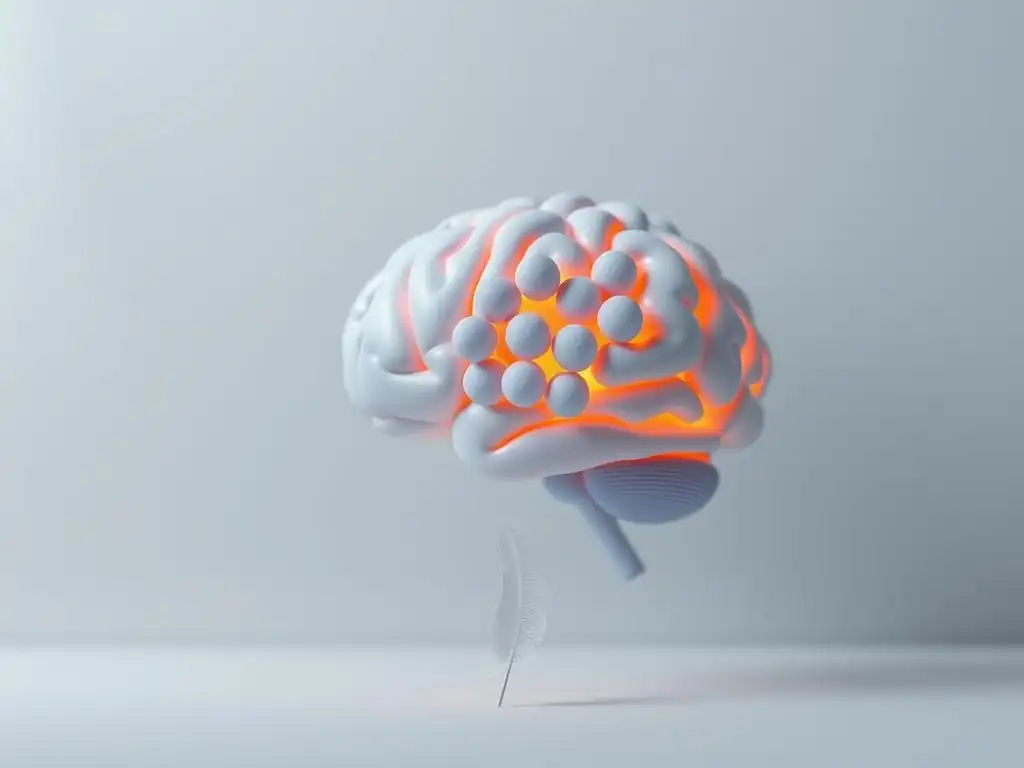
The amygdala, being a central hub for processing fear and emotion, is richly populated with GABA receptors, particularly GABA-A receptors. These receptors are strategically located on the neurons within the amygdala that are responsible for generating and propagating fear signals. By having these "brakes" readily available within the fear processing center, the brain can regulate the intensity and duration of its fear response.
The presence of a high density of GABA receptors in the amygdala means that GABA can directly influence how the amygdala responds to perceived threats. When GABA binds to these receptors, it inhibits the activity of amygdala neurons. This inhibition acts like a gatekeeper, preventing or reducing the transmission of fear signals to other brain areas that initiate the physical and emotional aspects of the fear response. This localized action is critical for the brain's ability to modulate fear effectively.
GABA's Modulation of Amygdala Activity and Emotional Regulation
GABA's inhibitory action on the amygdala is a cornerstone of the brain's emotional regulation system. Adequate GABAergic tone helps to keep the amygdala's reactivity in check, ensuring that it doesn't overreact to non-threatening stimuli or remain hyperactive long after a threat has passed. When GABA is functioning optimally, the amygdala is less likely to trigger excessive fear or anxiety.
Conversely, impaired GABA signaling within the amygdala can lead to heightened sensitivity and exaggerated responses to stressors. This dysregulation contributes significantly to the persistent state of worry and fear characteristic of anxiety disorders. Therefore, understanding how GABA modulates amygdala activity provides crucial insights into the neurobiological basis of anxiety and highlights potential targets for therapeutic intervention aimed at helping GABA reduce amygdala fear responses.
The GABA-Amygdala Circuit: A Target for Anxiety Management
The interconnected pathway involving GABA and the amygdala is recognized as a key circuit involved in anxiety and fear. This circuit includes not only the amygdala itself but also other brain regions that send GABAergic projections to the amygdala, such as parts of the prefrontal cortex and interneurons within the amygdala complex. These inhibitory pathways act to dampen amygdala output.
Because of its central role, the GABA-amygdala circuit is a major target for pharmacological and potentially non-pharmacological interventions aimed at managing anxiety. Strategies that enhance GABAergic function within this circuit hold promise for calming an overactive amygdala and thereby reducing excessive fear and anxiety. Research and clinical efforts are increasingly focused on modulating this specific pathway to restore emotional balance.
Can GABA Reduce Amygdala Fear? Exploring the Evidence
Pharmacological research provides strong evidence that enhancing GABAergic activity can reduce amygdala fear and related anxiety. Medications that act as GABA agonists, meaning they bind to and activate GABA receptors, have demonstrated efficacy in reducing anxiety symptoms. Benzodiazepines, for instance, are positive allosteric modulators of GABA-A receptors, increasing the frequency of channel opening when GABA is bound.
Studies using neuroimaging have shown that benzodiazepines reduce activity in the amygdala in response to fearful stimuli in both healthy individuals and those with anxiety disorders. For example, one fMRI study showed a significant reduction in amygdala activation in participants given a benzodiazepine compared to a placebo when viewing emotionally negative images. This provides direct evidence that enhancing GABAergic signaling can dampen the amygdala's fear response. However, it's important to note that these medications can have side effects and risks, including dependence.
GABA Supplementation: Bioavailability and Potential Effects on Fear Processing
The question of whether taking GABA supplements can directly impact amygdala fear is more complex and less definitively answered than the effects of pharmaceuticals. Oral GABA supplements face significant challenges crossing the blood-brain barrier (BBB), the protective filter that prevents many substances from entering the brain. Estimates of how much orally administered GABA reaches the brain vary widely, with many studies suggesting very limited passage.
Despite the BBB challenge, some studies and anecdotal reports suggest potential calming effects from GABA supplements. These effects might be mediated indirectly, perhaps through the gut-brain axis (as some GABA is produced in the gut) or by influencing the peripheral nervous system, which can in turn affect brain activity. However, direct evidence showing that oral GABA supplementation specifically reduces amygdala activity in humans is scarce and requires much more rigorous research. Therefore, while some people report benefits, the scientific consensus on oral GABA's ability to directly reduce amygdala fear is not strong.
Lifestyle Choices that Promote GABA Production and Reduce Amygdala Hyperactivity
Beyond medication and supplements, certain lifestyle factors are known to influence the brain's natural GABA production and activity, which can indirectly help GABA reduce amygdala fear over time. Regular physical activity, mindfulness meditation, and certain dietary patterns have been linked to increased GABA levels or improved GABAergic function. These approaches offer non-pharmacological ways to support the brain's natural calming systems.
For example, engaging in aerobic exercise has been shown in some studies to increase GABA concentrations in specific brain regions. Similarly, consistent meditation practice is associated with altered brain activity patterns, including changes in areas related to emotional regulation and potentially increased GABAergic tone. Adopting these healthy habits can contribute to a more balanced neurochemical environment, potentially making the amygdala less reactive to stress and fear.
Strategies to Increase GABA Levels Naturally for Amygdala Regulation
Diet and GABA: The Gut-Brain Connection and GABA Production
The relationship between diet and GABA is fascinating, partly due to the gut-brain connection. While dietary GABA itself may not easily cross the BBB, the gut microbiome, the vast community of bacteria in our intestines, is known to produce various neuroactive compounds, including GABA. Consuming a diet rich in fermented foods (like yogurt, kefir, sauerkraut) containing probiotics may influence gut bacteria composition and potentially impact GABA production in the gut.
Furthermore, the building blocks for GABA synthesis in the brain come from our diet. Glutamate, which is converted into GABA, is a common amino acid found in protein-rich foods. While simply eating more glutamate won't necessarily increase brain GABA (as glutamate is also excitatory), ensuring adequate nutrient intake supports the metabolic pathways involved in neurotransmitter synthesis. A balanced diet supporting overall brain health is foundational for optimal neurotransmitter function.
Exercise and GABA: Aerobic vs. Resistance Training
Exercise is a powerful modulator of brain chemistry, and its effects on GABA are noteworthy. Both aerobic exercise (like running, swimming, cycling) and resistance training (weightlifting) have been investigated for their impact on GABA levels. Several studies, particularly using magnetic resonance spectroscopy (MRS) in humans, have reported increases in cortical GABA concentrations following acute bouts of exercise.
For instance, one study published in the Journal of Neuroscience found that a single 20-minute session of moderate-intensity exercise increased GABA levels in the visual cortex. While the effects may vary depending on exercise type, intensity, and duration, as well as the specific brain region studied, the evidence suggests that regular physical activity can enhance GABAergic tone. This exercise-induced increase in GABA could contribute to the well-known anxiety-reducing and mood-boosting effects of working out, indirectly helping GABA reduce amygdala fear over time.
Mindfulness and Meditation: Activating the Parasympathetic Nervous System
Mindfulness and meditation practices are techniques that cultivate present moment awareness and often involve deep breathing and relaxation. These practices are known to activate the parasympathetic nervous system, which counteracts the fight-or-flight response initiated by the sympathetic nervous system and the amygdala. Regular meditation has been associated with structural and functional changes in the brain, including areas involved in emotional regulation.
Neuroimaging studies have shown that experienced meditators exhibit reduced amygdala reactivity to emotional stimuli compared to non-meditators. While direct evidence linking meditation explicitly to increased GABA levels in the amygdala is still emerging, the overall effect of calming the stress response and reducing amygdala hypervigilance aligns with enhanced inhibitory control, potentially involving the GABAergic system. Practices that promote relaxation and reduce the perception of threat can support the brain's natural ability to regulate fear via pathways involving GABA.
Sleep Hygiene: Optimizing Sleep for GABA Regulation and Amygdala Function
Sleep is a critical process for brain health and emotional regulation. Chronic sleep deprivation is known to impair prefrontal cortex function and increase amygdala reactivity to negative stimuli, making individuals more susceptible to stress and anxiety. Poor sleep can disrupt neurotransmitter systems, including GABAergic signaling.
Conversely, sufficient, high-quality sleep supports the brain's restorative processes and helps maintain balanced neurotransmitter levels. Prioritizing good sleep hygiene – maintaining a consistent sleep schedule, creating a dark and quiet sleep environment, and avoiding stimulants before bed – can contribute to healthier GABA levels and better regulation of the amygdala. Ensuring adequate rest is a fundamental step in supporting the brain's natural ability to keep fear responses in check.
Identifying Symptoms of Amygdala Dysfunction and Anxiety
Recognizing when everyday stress or worry has crossed the line into an anxiety disorder potentially involving amygdala dysfunction is crucial. Symptoms can include persistent, excessive worry about everyday things, feeling restless or on edge, difficulty concentrating, irritability, muscle tension, and sleep disturbances. Physical symptoms like a racing heart, sweating, trembling, and shortness of breath, especially during panic attacks, are strong indicators of an overactive fight-or-flight response originating in the amygdala.
If these symptoms are frequent, intense, and interfere significantly with your daily life, relationships, or work, it's a strong signal to seek professional help. While understanding how GABA reduce amygdala fear provides valuable insight, self-treating severe or persistent anxiety without professional guidance can be ineffective or even harmful. Mental health professionals are trained to diagnose these conditions and recommend appropriate, evidence-based interventions.
Evidence-Based Therapies Targeting the Amygdala and GABA System
Several evidence-based psychotherapies are highly effective in treating anxiety disorders by indirectly influencing the brain circuits involved in fear, including the amygdala and potentially the GABAergic system. Cognitive Behavioral Therapy (CBT) is a prime example. CBT helps individuals identify and challenge distorted thought patterns and behaviors that contribute to anxiety. By changing how you think about and react to perceived threats, CBT can, over time, reduce the amygdala's reactivity.
Exposure therapy, often a component of CBT, involves gradually and safely confronting feared situations. This process helps the brain learn that the feared stimulus is not actually dangerous, leading to a reduction in the amygdala's conditioned fear response. While these therapies don't directly increase GABA levels, they promote new learning pathways that can strengthen the regulatory control of the prefrontal cortex over the amygdala, essentially enhancing the brain's natural ability to modulate fear signals, which involves inhibitory neurotransmission.
Anxiolytic Medications: GABAergic Mechanisms and Potential Side Effects
For moderate to severe anxiety, a healthcare provider may recommend medication. As mentioned, many anxiolytic (anti-anxiety) medications work by targeting the GABAergic system to help GABA reduce amygdala fear. Benzodiazepines enhance GABA-A receptor function, leading to rapid reduction in anxiety symptoms by increasing inhibition in the amygdala and other brain areas.
Other medications, like certain antidepressants (SSRIs or SNRIs), are also commonly used for anxiety. While their primary mechanism involves serotonin and norepinephrine, they can indirectly influence GABAergic transmission and modulate amygdala activity over time with consistent use. It is essential to discuss the potential benefits, risks, and side effects of any medication with a qualified healthcare professional. These medications can be powerful tools but require careful management.
The Future of GABA Research in Anxiety Treatment
Novel Therapies Targeting the GABA-Amygdala Pathway
Research into the GABA-amygdala pathway continues to evolve, seeking more precise and effective treatments for anxiety. Scientists are exploring novel compounds that might modulate GABA receptors differently than existing drugs, aiming for fewer side effects and less potential for dependence. This includes investigating subtype-selective GABA-A receptor modulators that could target specific neural circuits involved in anxiety without affecting others crucial for cognition or motor function.
Furthermore, non-pharmacological interventions are also being studied at a deeper level to understand their neurobiological impact. Techniques like Transcranial Magnetic Stimulation (TMS) or Deep Brain Stimulation (DBS) are being explored for severe, treatment-resistant anxiety, with some approaches aiming to modulate activity in brain regions connected to the amygdala, potentially influencing GABAergic tone indirectly. The goal is to develop therapies that can more specifically and safely help GABA reduce amygdala fear signals.
Precision Medicine: Tailoring GABAergic Interventions for Anxiety Relief
The concept of precision medicine is increasingly relevant in mental health. Researchers are working towards identifying biomarkers – biological indicators – that could predict an individual's response to specific GABAergic treatments or identify individuals whose anxiety is particularly linked to GABA-amygdala dysfunction. This could involve genetic testing to look for variations in genes related to GABA synthesis, transport, or receptor function, or using neuroimaging to assess GABA levels or receptor density in the amygdala.
Tailoring interventions based on an individual's unique neurobiological profile could lead to more effective treatment strategies. Instead of a trial-and-error approach, clinicians might one day be able to select the most appropriate therapy – whether it's a specific medication, a particular type of therapy, or a targeted lifestyle intervention – that is most likely to enhance GABAergic function in the specific way needed to help that person GABA reduce amygdala fear.
Long-Term Impact of GABA-Based Interventions on Mental Well-being
Understanding the long-term impact of interventions that modulate the GABA-amygdala circuit is a critical area of ongoing research. While acute relief from anxiety is important, promoting sustained mental well-being requires addressing the underlying mechanisms of fear regulation. Studies are investigating whether lifestyle changes, therapies, or even novel medications can lead to lasting changes in amygdala structure or function, or in the efficiency of GABAergic signaling, that promote resilience to stress and anxiety over the long term.
The hope is that by supporting and enhancing the brain's natural inhibitory systems, particularly the ability of GABA reduce amygdala fear responses, it's possible not just to manage symptoms but to foster a more enduring state of emotional balance and improved mental health. Future research will continue to refine our understanding of this vital circuit and develop innovative strategies to support its optimal function throughout life.
Frequently Asked Questions
### How does GABA influence the amygdala's activity?
GABA acts as an inhibitory neurotransmitter in the brain. It reduces the activity of neurons in the amygdala, which is responsible for processing fear and anxiety.
### Can GABA supplements directly reduce fear responses triggered by the amygdala?
While some believe GABA supplements can help, their effectiveness in directly reducing fear responses is debated. GABA may not effectively cross the blood-brain barrier to directly impact the amygdala.
### What other strategies, besides supplements, can help increase GABA levels naturally?
Lifestyle changes like regular exercise, mindfulness meditation, and a healthy diet can naturally boost GABA levels and promote a calming effect on the amygdala.
### What mental health conditions are linked to imbalances in GABA and amygdala function?
Anxiety disorders, PTSD, and phobias are often associated with impaired GABAergic transmission and overactivity in the amygdala. This can lead to heightened fear responses.
Cognitive Behavioral Therapy (CBT) and other therapies can help individuals reframe fearful thoughts and develop coping mechanisms, thereby regulating amygdala activity and potentially improving GABA function.
Final Reflection: Unlocking Inner Peace Through GABA and Amygdala Regulation
Understanding the intricate relationship between GABA and the amygdala is not just a scientific pursuit; it's a key to unlocking a more peaceful and resilient inner landscape. The overwhelming prevalence of anxiety and fear in our modern world underscores the urgent need to explore natural pathways to emotional regulation, and the GABA-amygdala connection offers a powerful avenue for achieving this. This knowledge empowers us to take control of our responses to stress and fear, moving beyond mere coping mechanisms to a deeper understanding of our own neurobiology.
The impact of this research extends far beyond the scientific community; it touches upon the very fabric of our social and emotional well-being. The constant barrage of stressful stimuli in our daily lives – from social media to global events – significantly impacts our amygdala's activity, leading to heightened anxiety and fear. Understanding how GABA can modulate this activity offers a profound shift in perspective, allowing us to approach challenges with greater clarity and composure. As the renowned neuroscientist Joseph LeDoux stated, Fear is not just a feeling; it's a complex system of brain circuits.
This understanding allows us to move beyond simply managing symptoms and towards actively influencing the very circuits that generate fear.
Now, consider your own life. How often do you feel overwhelmed by anxiety or fear? What strategies do you currently employ to manage these feelings? This article has provided you with a deeper understanding of the neurobiological mechanisms at play.
I invite you to explore the possibilities of incorporating GABA-supporting strategies into your daily routine – whether through diet, supplements, or mindfulness practices. By nurturing your brain's natural calming mechanisms, you are not just treating symptoms, but cultivating a more resilient and peaceful relationship with yourself and the world around you. Embrace this knowledge, and embark on a journey towards a calmer, more empowered you.
Unlock Your Inner Calm: Practical Steps to Manage Anxiety
Thanks for taking the time to explore the fascinating connection between GABA and your amygdala! You've learned valuable insights into calming your brain's fear response, and now it's time to put that knowledge into action.
Here's how to start feeling more peaceful and in control:
- Prioritize GABA-boosting activities: Start incorporating stress-reducing practices like gentle exercise, meditation, or spending time in nature into your daily routine. Even 15 minutes a day can make a difference.
- Share your newfound knowledge: Discuss what you've learned with a friend or family member. Sharing your insights might help them, and it'll reinforce your own understanding.
- Experiment with calming rituals: Try creating a personalized evening ritual that includes a warm bath, reading, or listening to calming music – anything that helps you wind down before bed.
Ready to embark on your journey to a calmer, more resilient you? What simple step will you take today to nurture your brain's natural calming mechanisms?