
Tai Chi vs. Meditation: Which Gentle Practice is Right for Your Mind?

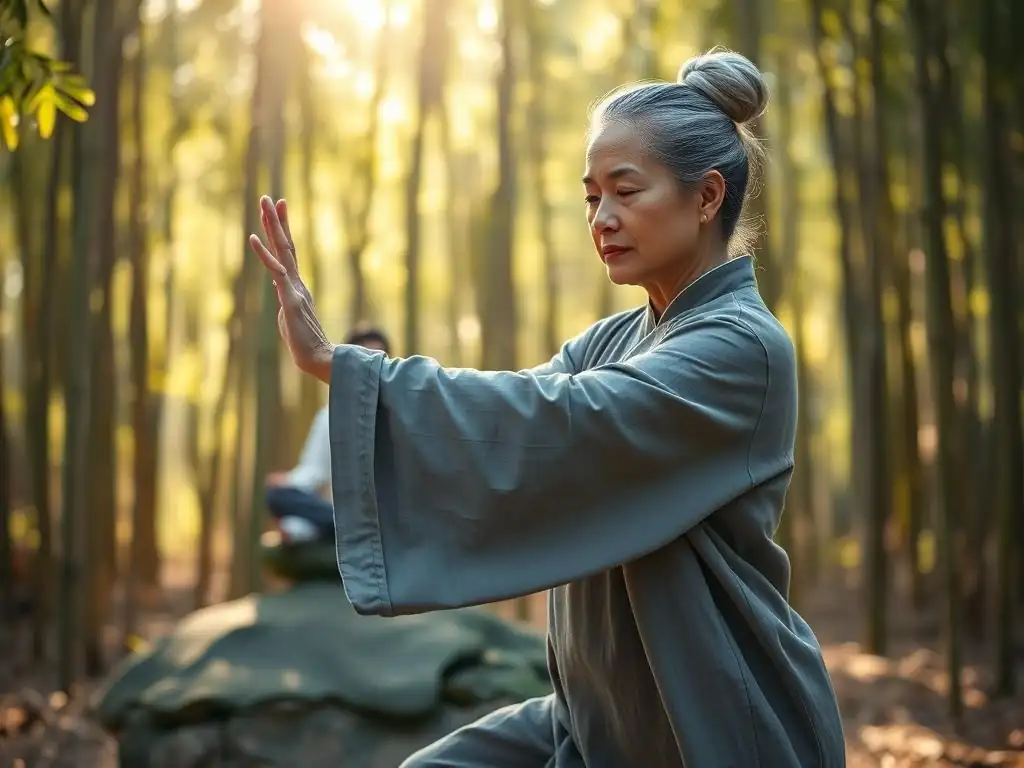
Welcome to Mind Care Guide, your trusted sanctuary for navigating the journey to mental well-being. Feeling overwhelmed by stress? You're not alone. Discover how gentle practices can unlock inner peace, starting with an exploration of Tai chi meditation benefits stress, and which method – Tai Chi or traditional meditation – might be the perfect fit for your unique needs. Curious to learn more? Let's begin.
Tai Chi vs. Yoga: Which Gentle Practice is Right for Your Mind?
- Introduction: Exploring Gentle Practices for Mental Well-being
- What is Tai Chi? An Overview of Movement and Mindfulness
- What is Yoga? Exploring Inner Peace and Mental Clarity
- Tai Chi Yoga Benefits Stress: A Comparative Analysis
- Tai Chi vs. Yoga: Key Differences and Similarities
- Mental Health Benefits Beyond Stress Reduction
- Choosing the Right Practice for You: Factors to Consider
- Integrating Tai Chi and Yoga into Your Daily Routine
- Conclusion: Embracing Gentle Practices for a Healthier Mind
-
Frequently Asked Questions
- What are the key differences between Tai Chi and meditation in terms of stress reduction?
- How do the Tai Chi meditation benefits stress compare to those of traditional meditation?
- Can Tai Chi effectively reduce stress without the meditation aspect?
- Is one practice better than the other for people with specific mental health challenges, like anxiety?
- Where can I find reliable resources and support for learning Tai Chi or meditation for stress reduction?
- Final Reflection: Finding Your Path to Inner Peace
- Unleash Your Inner Calm: Find Your Perfect Practice
Introduction: Exploring Gentle Practices for Mental Well-being
Understanding the Growing Need for Stress Reduction Techniques
In today's fast-paced world, chronic stress has become an unwelcome companion for many. The constant demands of work, personal life, and the sheer volume of information we process can overwhelm our nervous systems, leading to a cascade of negative health consequences. Beyond the immediate feelings of tension and irritability, prolonged stress is linked to serious physical and mental health issues, including heart disease, digestive problems, anxiety disorders, and depression. According to various health organizations, a significant percentage of adults report experiencing high levels of stress regularly, highlighting a critical need for effective coping mechanisms and preventative strategies.
This pervasive challenge underscores the importance of finding sustainable ways to manage stress and cultivate inner peace. Traditional methods like exercise and therapy are valuable, but there's a growing interest in gentle, holistic practices that address the mind-body connection. People are seeking accessible techniques that can be integrated into daily life to foster resilience and improve overall well-being without requiring intense physical exertion or significant financial investment.
Introducing Tai Chi and Yoga as Mindful Practices
Among the various gentle approaches gaining popularity, Tai Chi and Yoga stand out as time-tested disciplines with profound benefits for both physical and mental health. Both practices originated in ancient Eastern traditions and emphasize the harmonious connection between mind, body, and spirit. While distinct in their execution, they share a common foundation in mindfulness, breath control, and deliberate movement or stillness.
Tai Chi, often described as "meditation in motion," involves slow, flowing movements performed with deep breathing and focused attention. Yoga, encompassing a wide range of styles, typically combines physical postures (asanas), breathing exercises (pranayama), and meditation. Both offer pathways to reduce stress, improve focus, and enhance emotional regulation. By exploring their unique characteristics and shared benefits, individuals can determine which practice, or perhaps a combination, might be the most suitable tool for their journey toward mental well-being.
What is Tai Chi? An Overview of Movement and Mindfulness
The History and Philosophy of Tai Chi
Tai Chi Chuan, often shortened to Tai Chi, is an ancient Chinese martial art that has evolved into a gentle form of exercise and a moving meditation. Its origins are debated, but it is believed to have developed over several centuries, drawing on principles from Taoism and traditional Chinese medicine. The philosophy behind Tai Chi is rooted in the concept of Qi (life energy) and the balance of Yin and Yang. Practitioners aim to cultivate and harmonize their Qi through slow, continuous movements, promoting health and vitality.
Historically, Tai Chi was practiced for self-defense, but its health benefits became increasingly recognized. It emphasizes yielding over resisting, softness over hardness, and the idea that internal strength comes from relaxation and proper alignment rather than brute force. The practice encourages a deep connection to the present moment and a sense of flow, embodying the principles of non-resistance and adaptability found in Taoist philosophy.
Core Principles of Tai Chi: Slow Movements, Breathing, and Focus
The essence of Tai Chi lies in its core principles, which are consistently applied regardless of the specific style (e.g., Yang, Wu, Chen). The movements are performed slowly, smoothly, and continuously, transitioning seamlessly from one posture to the next. This deliberate pace allows practitioners to become acutely aware of their bodies, their balance, and the flow of energy.
Central to the practice is deep, diaphragmatic breathing. Breath is coordinated with the movements, typically inhaling during expansive motions and exhaling during gathering or yielding ones. This conscious breathing helps to calm the nervous system and enhance the meditative aspect. Focus is also paramount; practitioners maintain a quiet mind, directing their attention inward, observing sensations, and maintaining concentration on the sequence of movements. This combination of gentle motion, rhythmic breath, and focused awareness is what gives Tai Chi its unique power as a moving meditation, offering significant Tai chi meditation benefits stress reduction.
Tai Chi for Beginners: Getting Started with Gentle Movements
Starting Tai Chi is often less intimidating for beginners compared to more physically demanding practices. Many styles offer simplified forms that are easy to learn, focusing on fundamental postures and transitions. Beginner classes typically introduce basic movements, correct posture, and the principles of coordinated breathing. There is no need for special equipment, only comfortable clothing and a small amount of space.
A typical beginner session might involve warm-up exercises, learning a short sequence of movements (a "form"), and practicing mindful breathing. The emphasis is on relaxation, fluidity, and internal awareness rather than achieving perfect external form immediately. Consistency is key; even short, regular practice sessions of 15-20 minutes can begin to yield noticeable improvements in balance, flexibility, and mental calm. Many people find that the gentle nature of Tai Chi makes it particularly accessible, especially for those with physical limitations or those seeking a low-impact way to explore movement as a form of meditation.
What is Yoga? Exploring Inner Peace and Mental Clarity
Different Types of Yoga: Hatha, Vinyasa, and More
Yoga is a diverse practice with roots in ancient India, encompassing a wide array of styles that cater to different preferences and goals. Hatha Yoga is often considered a foundational style, focusing on basic postures (asanas) and breathing techniques, typically practiced at a slower pace. It provides a good entry point for beginners to learn the fundamentals of alignment and breath awareness.
Vinyasa Yoga, also known as flow yoga, links movement with breath in a continuous sequence. Classes can range from gentle to vigorous, offering a dynamic and sometimes physically challenging practice.
Other popular styles include Iyengar Yoga, which emphasizes precise alignment using props; restorative yoga, which uses props to support the body in passive stretches for deep relaxation; and Kundalini Yoga, which incorporates chanting, meditation, and specific postures and breathing techniques to awaken energy. The variety means that individuals can find a style that resonates with their physical capabilities and mental state, from seeking stress relief through gentle stretches to building resilience through a more active practice.
Core Principles of Yoga: Breath Awareness, Postures, and Meditation
Despite the variations in style, several core principles underpin most yoga practices. Breath awareness, or pranayama, is fundamental. Conscious control and regulation of breath are used to calm the mind, energize the body, and deepen postures. Techniques range from simple deep breathing to more complex practices like alternate nostril breathing.
Physical postures, or asanas, are perhaps the most recognizable aspect of yoga for many. Asanas are designed to stretch, strengthen, and balance the body. Holding postures requires focus and can reveal areas of tension, offering opportunities for release. The third pillar is meditation, or dhyana. While some yoga classes incorporate formal seated meditation, the practice of moving through asanas with mindful awareness and coordinated breath can itself be a form of moving meditation, cultivating present moment awareness and mental clarity. The integration of these elements aims to unify the body and mind, leading to a state of inner peace.
Yoga Techniques for Beginners: Finding Your Flow
Beginning yoga can feel daunting given the variety of poses and styles, but many entry points exist. Most studios and online platforms offer beginner classes that focus on foundational poses, safe alignment, and basic breathing techniques. Props like blocks, straps, and blankets are often used to make poses more accessible and comfortable for those with limited flexibility or strength.
A typical beginner class might include gentle warm-ups, learning key poses like Downward-Facing Dog, Warrior II, and child's pose, practicing simple breathwork, and ending with a period of relaxation (Savasana). The focus is on listening to your body, moving without judgment, and cultivating self-compassion. Starting with a gentle Hatha or Restorative class can be an excellent way to build confidence and familiarity with the basic principles before exploring more dynamic styles. Even short, consistent practice sessions at home can significantly impact flexibility, strength, and mental calm.
Tai Chi Yoga Benefits Stress: A Comparative Analysis
Tai Chi's Impact on Stress Reduction: A Holistic Approach
Tai Chi offers a unique and powerful approach to stress reduction by addressing the mind-body connection through gentle, flowing movement. Unlike high-intensity exercise which can sometimes temporarily increase cortisol levels before reducing them, Tai Chi's slow, deliberate pace tends to induce a relaxation response relatively quickly. Research has shown that regular Tai Chi practice can significantly lower levels of stress hormones like cortisol. For example, a study published in the International Journal of Behavioral Medicine found that participants who practiced Tai Chi for 12 weeks showed reduced levels of cortisol compared to a control group.
The meditative quality of Tai Chi is key to its stress-reducing benefits. By focusing on the movements and breath, practitioners interrupt the cycle of anxious thoughts and worries that often fuel stress. This moving meditation, sometimes referred to in the context of Tai chi meditation benefits stress, helps to quiet the sympathetic nervous system (the "fight or flight" response) and activate the parasympathetic nervous system (the "rest and digest" response). This physiological shift promotes a state of calm and relaxation throughout the body.
How Tai Chi Reduces Cortisol Levels and Promotes Relaxation
The mechanism by which Tai Chi reduces cortisol involves several pathways. The rhythmic, repetitive nature of the movements, combined with deep, controlled breathing, acts as a powerful antidote to the body's stress response. When stressed, the body releases cortisol, preparing for perceived threats. Chronic stress leads to elevated cortisol, which can suppress the immune system, disrupt sleep, and contribute to anxiety and depression.
Tai Chi practice helps to regulate the hypothalamic-pituitary-adrenal (HPA) axis, which controls the body's stress response. By promoting relaxation and reducing mental chatter, Tai Chi signals to the brain that the body is safe, dampening the release of stress hormones. Furthermore, the gentle physical activity helps to release muscular tension, a common physical manifestation of stress. This combination of physiological and psychological effects makes Tai Chi a remarkably effective tool for promoting deep relaxation and mitigating the harmful effects of chronic stress.
The Mind-Body Connection in Tai Chi Practice
The strength of Tai Chi lies in its seamless integration of mind and body. Every movement is intended to be performed with conscious awareness, connecting intention with action. This constant focus on the present moment prevents the mind from dwelling on past stressors or future anxieties. The slow pace allows for introspection and a heightened sensitivity to internal sensations.
Through consistent practice, individuals develop a greater awareness of how stress manifests physically – perhaps as tension in the shoulders, tightness in the chest, or a knot in the stomach. By mindfully moving through these sensations with breath and gentle motion, practitioners learn to release physical stress patterns. This improved mind-body connection empowers individuals to recognize the early signs of stress and apply techniques learned in Tai Chi, such as focused breathing or gentle movement, to manage their response more effectively in daily life.
Yoga's Impact on Stress Reduction: Cultivating Inner Calm
Yoga is widely recognized for its ability to reduce stress and cultivate a sense of inner calm, making it a popular practice for mental well-being. The combination of physical postures, breathwork, and meditation directly addresses the physiological and psychological components of stress. Engaging in yoga helps to release physical tension stored in the muscles, which is a common symptom of stress and anxiety.
Furthermore, the focus on breath control ( pranayama) is a powerful tool for calming the nervous system. Techniques like deep abdominal breathing or ujjayi breath (ocean breath) activate the parasympathetic nervous system, counteracting the fight-or-flight response. Regular yoga practice has been shown to lower heart rate and blood pressure, physiological indicators of reduced stress. A meta-analysis of multiple studies published in the Journal of Alternative and Complementary Medicine indicated that yoga interventions significantly reduced symptoms of depression and anxiety.
How Yoga Alters Brain Activity and Reduces Anxiety
Yoga practice has a measurable impact on brain activity, contributing to reduced anxiety and improved mood. Studies using fMRI scans have shown that yoga can increase levels of Gamma-aminobutyric acid (GABA) in the brain. GABA is a neurotransmitter that helps regulate nerve activity; lower levels are associated with anxiety and depression. Increased GABA levels promote feelings of calm and relaxation.
Additionally, the meditative aspects of yoga, whether through holding postures mindfully or engaging in dedicated meditation, help to quiet the default mode network (DMN) in the brain. The DMN is active when the mind wanders or ruminates, often contributing to worry and stress. By shifting focus to the breath and body, yoga helps to disengage the DMN, reducing rumination and promoting a sense of presence and peace. This neurological effect underlies yoga's efficacy in alleviating symptoms of generalized anxiety disorder and panic disorder for many practitioners.
The Power of Present Moment Awareness in Yoga
A core tenet of yoga is the cultivation of present moment awareness, or mindfulness. As practitioners move through postures and focus on their breath, they are encouraged to observe their physical sensations, thoughts, and emotions without judgment. This practice of non-reactive observation helps to interrupt the cycle of stress-inducing thoughts about the past or future.
By anchoring attention to the breath and body in the present, yoga helps individuals develop the capacity to step back from stressful situations and respond more thoughtfully rather than reacting impulsively. This enhanced ability to stay present not only reduces anxiety during practice but also builds a skill that can be applied to daily life challenges. Over time, this cultivated mindfulness fosters greater emotional regulation and resilience in the face of stressors.
Tai Chi vs. Yoga: Key Differences and Similarities
Fluid Movement vs. Static Poses: A Fundamental Distinction
One of the most apparent differences between Tai Chi and Yoga lies in their approach to physical movement. Tai Chi is characterized by its continuous, flowing sequences of slow, deliberate movements. There are no prolonged static holds; instead, the focus is on smooth transitions and maintaining a constant state of gentle motion. This fluidity is central to the practice's meditative quality and its connection to the concept of Qi flowing through the body.
Yoga, while some styles include flow (Vinyasa), often incorporates static holds of postures (asanas). Practitioners move into a pose and then hold it for a period, focusing on alignment, breath, and sensation within that stillness. Even in dynamic styles, there are moments of pause and stability. This difference in emphasis – continuous flow versus held poses – impacts the physical experience and the type of strength and flexibility developed. Tai Chi builds strength through sustained, controlled movement, while yoga builds strength through isometric holds and deeper stretches.
Focus and Concentration: How Each Practice Cultivates Mental Clarity
Both Tai Chi and Yoga are powerful tools for cultivating focus and mental clarity, but they approach it slightly differently. In Tai Chi, concentration is directed towards the precise execution of the sequence of movements, the coordination of breath with motion, and the internal sensation of energy flow. The continuous nature of the practice requires sustained attention to navigate the transitions smoothly and maintain balance. This trains the mind to stay focused on a single, ongoing task.
Yoga cultivates focus through the mindful execution and holding of postures, as well as through dedicated breathwork and meditation. Practitioners are encouraged to bring their attention to specific points in the body, the sensation of the stretch or strength, and the rhythm of their breath. In held poses, the challenge often involves maintaining concentration despite physical discomfort or mental distractions. Both practices effectively train the mind to resist wandering and stay anchored in the present, but Tai Chi's method is more about maintaining a state of flow, while yoga often involves focusing within moments of stillness or held effort.
Accessibility and Convenience: Finding the Right Fit for Your Lifestyle
When considering which practice to adopt, accessibility and convenience are practical factors. Both Tai Chi and Yoga can be practiced in various settings, including studios, community centers, parks, and at home. Neither requires expensive equipment, primarily needing comfortable clothing and enough space to move.
However, there can be differences in physical accessibility depending on the specific style. Gentle Tai Chi forms and Restorative or Chair Yoga are highly accessible for individuals with limited mobility, chronic conditions, or those recovering from injury. More vigorous styles of Yoga (like Ashtanga or hot yoga) require a higher level of physical fitness and flexibility.
Tai Chi's slow, low-impact nature often makes it immediately accessible to a wider range of ages and physical conditions, particularly for those seeking gentle movement for stress reduction. Ultimately, the "right fit" depends on individual physical capabilities, personal preferences, and the availability of suitable classes or resources.
Mental Health Benefits Beyond Stress Reduction
Tai Chi and Improved Mood: Combating Depression and Anxiety
Beyond its well-documented Tai chi meditation benefits stress, Tai Chi has shown promising results in improving mood and alleviating symptoms of depression and anxiety. The gentle physical activity releases endorphins, natural mood elevators. The meditative component helps to disrupt negative thought patterns often associated with depression and anxiety.
Studies have indicated that regular Tai Chi practice can lead to significant reductions in depressive symptoms and anxiety levels. For instance, a review published in the Journal of Psychiatric Research found that Tai Chi was associated with reduced symptoms of depression in various populations. The social interaction experienced in group classes can also combat feelings of isolation, which are common in mood disorders. By fostering a sense of calm, control, and connection, Tai Chi provides a holistic pathway to enhance emotional well-being.
Yoga and Enhanced Cognitive Function: Improving Focus and Memory
Yoga's benefits extend to cognitive function, with regular practice linked to improvements in focus, concentration, and memory. The mindfulness cultivated in yoga helps to train the brain to pay attention and resist distractions, which is crucial for cognitive tasks. The physical postures also increase blood flow to the brain, potentially supporting cognitive health.
Research has demonstrated that yoga can improve executive functions, including working memory and cognitive flexibility. A study published in the Journal of Physical Activity and Health found that even a single session of Hatha yoga significantly improved performance on cognitive tests. The stress-reducing effects of yoga also indirectly benefit cognition, as chronic stress is known to impair memory and concentration. By calming the mind and improving brain health, yoga helps practitioners think more clearly and retain information more effectively.
Tai Chi and Yoga for Emotional Regulation: Developing Resilience
Both Tai Chi and Yoga serve as powerful tools for developing emotional regulation and building resilience. By practicing mindfulness, individuals become more aware of their emotional states without being overwhelmed by them. They learn to observe emotions arising and passing, rather than identifying with them or being controlled by them.
The physical practices provide a safe space to experience and process emotions that may be held as tension in the body. Through breath and movement, practitioners can learn to release physical and emotional blockages. Over time, this increased awareness and capacity for release builds emotional resilience, enabling individuals to navigate challenging feelings and stressful situations with greater ease and less reactivity. Both disciplines teach patience, self-compassion, and acceptance – qualities essential for managing the ups and downs of emotional life.
Choosing the Right Practice for You: Factors to Consider
Your Physical Condition and Mobility
The first step in choosing between Tai Chi and Yoga, or deciding to try both, is honestly assessing your current physical condition and mobility. If you have significant physical limitations, chronic pain, or are recovering from an injury, gentle Tai Chi forms or restorative/chair yoga might be more suitable starting points. Tai Chi's emphasis on slow, continuous movement with minimal weight-bearing on joints can be particularly beneficial for those with conditions like arthritis or fibromyalgia.
If you have reasonable mobility and are looking to build flexibility and strength alongside mental calm, many styles of Hatha or Vinyasa yoga could be appropriate. Consider your energy levels as well; Tai Chi is generally lower intensity, while some yoga styles can be quite physically demanding. Consulting with a healthcare provider before starting any new exercise program is always recommended, especially if you have pre-existing health conditions.
Your Personal Preferences and Goals
Consider what you hope to gain from a gentle practice and what type of activity you find most appealing. Are you drawn to the idea of fluid, dance-like movements, or do you prefer holding static poses and exploring deep stretches? Do you want a practice that is primarily focused on relaxation and balance, or one that also builds significant physical strength and flexibility?
Think about the environment you prefer. While both can be done solo, group classes offer community and instruction. Visit a local Tai Chi class or a beginner yoga class to get a feel for the atmosphere and teaching style. Some people find the continuous flow of Tai Chi more meditative, while others prefer the structured poses and dedicated meditation time in yoga. Your personal inclination towards movement style and desired outcomes should heavily influence your choice.
Time Commitment and Accessibility
Finally, consider how much time you can realistically commit to practice and the accessibility of classes or resources. Both practices yield greater benefits with consistency, even if it's just 15-30 minutes a few times a week. Look into class schedules at local centers or explore the vast number of online resources available.
Tai Chi forms can take time to learn, but short, simplified versions exist for beginners. Yoga classes vary in length, typically ranging from 45 to 90 minutes. Consider whether you prefer structured class times or the flexibility of practicing on your own schedule. The key is to choose a practice that you feel you can realistically integrate into your routine, making it a sustainable habit for long-term mental well-being.
Integrating Tai Chi and Yoga into Your Daily Routine
Combining Tai Chi and Yoga for Synergistic Effects
For some individuals, the greatest benefits may come from integrating both Tai Chi and Yoga into their wellness routine. These practices, while different, can be complementary. Tai Chi's focus on continuous flow and internal energy can enhance the meditative aspect of yoga poses, while yoga's emphasis on alignment and stretching can improve flexibility and posture relevant to Tai Chi.
Practicing Tai Chi in the morning can be a gentle way to start the day, promoting balance and calm energy. A yoga session later in the day can help release tension built up throughout the hours, perhaps focusing on restorative poses in the evening for better sleep. Alternatively, dedicating different days of the week to each practice can provide a balanced approach to physical and mental conditioning. Experimenting with combining elements, such as incorporating mindful breathing techniques from yoga into Tai Chi movements, can also deepen the practice.
Tips for Making Tai Chi and Yoga a Sustainable Habit
Making any new practice a consistent habit requires intention and strategy. Start small – aim for 15-20 minutes a few times a week rather than overwhelming yourself with daily hour-long sessions. Find a class or online resource that you enjoy and a teacher whose style resonates with you. Practicing with others can provide motivation and a sense of community.
Schedule your practice time and treat it as a non-negotiable appointment with yourself. Create a dedicated space in your home that is calm and free from distractions if practicing alone. Be patient with your progress; both Tai Chi and Yoga are lifelong journeys, not destinations. Celebrate small victories, whether it's holding a pose for a few extra breaths or feeling a deeper sense of calm after a session. Remember why you started – to reduce stress and improve your mental well-being – and let that motivation guide you.
Conclusion: Embracing Gentle Practices for a Healthier Mind
The Power of Tai Chi and Yoga for Overall Mental Well-being
Tai Chi and Yoga stand as powerful testament to the profound connection between physical movement, breath, and mental state. Both offer accessible, gentle pathways to navigate the challenges of modern stress and cultivate a healthier mind. From the flowing movements of Tai Chi, which bring significant Tai chi meditation benefits stress reduction, to the mindful postures and breathwork of Yoga, these ancient practices provide effective tools for calming the nervous system, reducing anxiety, and improving mood.
Beyond stress relief, regular engagement in either Tai Chi or Yoga can enhance cognitive function, build emotional resilience, and foster a deeper connection with one's inner self. They are not just forms of exercise; they are holistic disciplines that nourish the mind, body, and spirit, offering a sustainable approach to mental well-being.
Finding Your Path to Inner Peace and Stress Reduction Through Gentle Practices
Choosing between Tai Chi and Yoga, or deciding to practice both, is a personal journey. Consider your physical needs, personal preferences for movement and focus, and what feels most accessible and enjoyable. The most effective practice is the one you will actually do consistently. Whether you are drawn to the graceful flow of Tai Chi or the grounding strength of yoga poses, embracing a gentle practice is an investment in your peace of mind.
By committing to either Tai Chi, Yoga, or a combination, you are actively choosing to prioritize your mental health. These practices offer more than just temporary relief; they build internal resources, equipping you with the skills to navigate life's challenges with greater calm, clarity, and resilience. Begin exploring, be patient with yourself, and discover the transformative power of gentle movement and mindfulness on your path to inner peace and stress reduction.
Frequently Asked Questions
What are the key differences between Tai Chi and meditation in terms of stress reduction?
Tai Chi combines gentle movements with focused breathing, while meditation primarily involves mental focus and stillness. Tai Chi offers a physical component alongside mental benefits, whereas meditation is primarily mental.
How do the Tai Chi meditation benefits stress compare to those of traditional meditation?
Both practices can reduce stress by promoting relaxation and mindfulness. Tai Chi's physical activity might be more appealing to some, while meditation offers a direct path to inner calm. The Mind Care Guide suggests trying both to see what works best.
Can Tai Chi effectively reduce stress without the meditation aspect?
Yes, the slow, deliberate movements of Tai Chi, even without explicit meditation, can still lower stress. The focus on body awareness and coordination naturally promotes relaxation.
Is one practice better than the other for people with specific mental health challenges, like anxiety?
It depends on the individual. Both can be beneficial, but Tai Chi's physical component might be helpful for those who struggle to sit still during meditation. Consult the Mind Care Guide for more tailored advice.
Where can I find reliable resources and support for learning Tai Chi or meditation for stress reduction?
The Mind Care Guide offers a comprehensive collection of information, support, and resources. You can also search for local classes or online tutorials led by qualified instructors.
Final Reflection: Finding Your Path to Inner Peace
The pursuit of stress reduction is a universal human desire, and both Tai Chi and meditation offer powerful pathways to achieve it. In today's fast-paced world, the need for effective stress management techniques is more critical than ever, making the exploration of practices like Tai Chi and meditation incredibly relevant. The gentle movements and mindful focus offered by both disciplines provide a potent antidote to the anxieties of modern life.
The subtle yet profound impact of incorporating mindful movement and stillness into daily life cannot be overstated. These practices are not merely fleeting trends; they represent a return to ancient wisdom, offering a holistic approach to well-being that transcends the limitations of purely pharmaceutical or technological solutions. As the renowned philosopher Lao Tzu wisely observed: Knowing others is intelligence; knowing yourself is true wisdom. Mastering others is strength; mastering yourself is true power.
This quote perfectly encapsulates the core benefit of both Tai Chi and meditation: the cultivation of self-awareness and inner strength, leading to a more resilient and peaceful existence.
Consider the insights shared in this article. Which path – the flowing movements of Tai Chi or the quiet stillness of meditation – resonates most deeply with your needs and preferences? Take the time to experiment, to discover the practice that best supports your journey towards a calmer, more centered self. The benefits await – a reduction in stress, an increase in self-awareness, and a deeper connection to your inner peace. Embrace the journey, and find the gentle practice that will nourish your mind and spirit.
Unleash Your Inner Calm: Find Your Perfect Practice
Thanks for taking the time to explore the world of gentle practices for your mind! We hope you gained valuable insights into the unique benefits of Tai Chi and meditation. Ready to take the next step on your journey to inner peace?
- Try a beginner's Tai Chi or meditation video online: This is the perfect way to experience the calming effects firsthand. There are many free resources available!
- Share your thoughts: Which practice resonated most with you, and why? Let’s build a supportive community for mindful living!
- Consider a local class: Connecting with a teacher and fellow practitioners can deepen your practice and provide valuable support.
Which gentle practice will you integrate into your daily routine, and how will you make it a sustainable part of your life?