
Community as Healer: Collective Approaches to Mental Wellness in Indigenous Nations

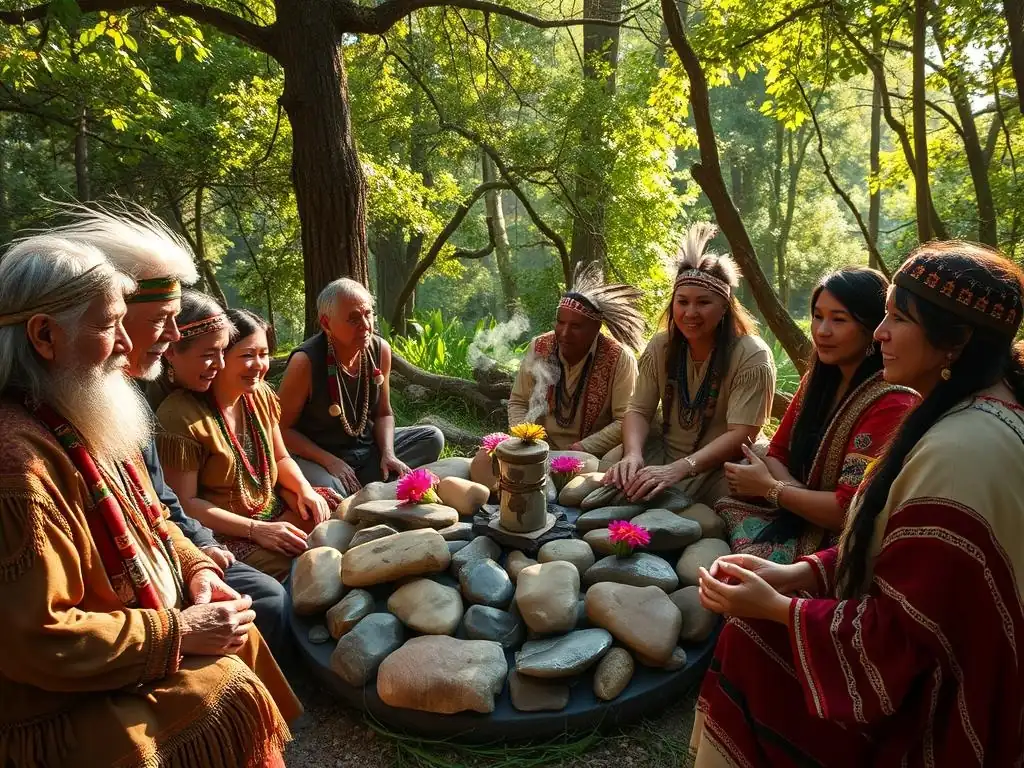
Welcome to Mind Care Guide, a sanctuary for understanding and nurturing your mental well-being.
Feeling isolated or disconnected? This month, we delve into the profound wisdom of Indigenous mental wellness communities and their powerful, collective approaches to healing. Discover how connection and cultural understanding can be vital pathways, especially in the face of crisis. Explore our main article, "Community as Healer," and begin your journey toward a stronger, more resilient you. What insights might these ancient practices hold for your own path to mental wellness?
Community as Healer: Collective Approaches to Mental Wellness in Inuit Nunangat
- Understanding Inuit Mental Wellness: A Community-Based Perspective
- The Power of Collective Healing: Community-Led Mental Wellness Initiatives
- Addressing Suicide Prevention Through Community Action in Inuit Nunangat
- Building Stronger Inuit Mental Wellness Communities: Practical Strategies
- Resources and Support for Inuit Mental Wellness
- The Future of Inuit Mental Wellness: A Vision of Collective Strength and Resilience
-
Frequently Asked Questions
- How does the concept of community play a role in Indigenous mental wellness?
- What are some traditional healing practices used in Indigenous mental wellness communities?
- What are the primary challenges faced by Indigenous mental wellness communities in accessing mental healthcare?
- How can non-Indigenous mental health professionals better support Indigenous mental wellness communities?
- What resources are available for those seeking support within Indigenous mental wellness communities?
- Final Reflection: Weaving the Threads of Community Healing
- Ignite Your Community's Healing Journey
Understanding Inuit Mental Wellness: A Community-Based Perspective
The Importance of Community in Inuit Healing Practices
In Inuit Nunangat, the concept of well-being is deeply intertwined with community connection. Unlike Western models that often prioritize individual therapy, Inuit healing practices historically and currently emphasize collective support, shared experiences, and the strength derived from belonging to a group. This communal approach acknowledges that a person's health is inseparable from the health of their family, their community, and their relationship with the land and culture. Strong social networks act as a protective factor against mental health challenges, providing a sense of security, identity, and mutual aid.
The community serves as a primary source of resilience. Elders share wisdom, youth learn traditional skills, and community gatherings reinforce cultural values and social bonds. When individuals face difficulties, the collective provides a safety net, offering practical support, emotional comfort, and cultural guidance. This inherent structure within many Inuit communities forms the bedrock for effective Indigenous mental wellness communities, where healing is not a solitary journey but a shared path walked together.
Defining Inuit Mental Health: Beyond Individual Wellbeing
Defining mental health within an Inuit context extends far beyond the absence of illness in an individual. It encompasses a holistic view that includes spiritual, emotional, physical, and social well-being, all connected to culture, language, land, and community. A healthy individual is one who is connected to their family, integrated into community life, grounded in their cultural identity, and feels a sense of purpose and belonging. This perspective aligns with Inuit Qaujimajatuqangit, traditional knowledge and values, which emphasize principles like Pijitsirniq (serving and providing for family and community) and Pilimmaksarniq (skills and knowledge acquisition through observation, doing, and practice).
Mental wellness in Inuit Nunangat is also understood in relation to historical and ongoing challenges. Factors such as colonization, forced relocation, residential schools, and rapid socio-economic changes have profoundly impacted community structures and individual well-being. Therefore, addressing mental health requires understanding these systemic factors and working towards healing at both the individual and collective levels. Building strong Indigenous mental wellness communities involves restoring balance and harmony disrupted by these external forces.
Recognizing Intergenerational Trauma and its Impact on Mental Health in Inuit Communities
Intergenerational trauma is a significant factor impacting mental health in Inuit Nunangat. This trauma stems from historical injustices, including the residential school system, forced relocations, and the disruption of traditional ways of life. The effects of these traumas are not confined to those who directly experienced them but are passed down through generations, manifesting as higher rates of anxiety, depression, substance use issues, and tragically, suicide. The erosion of cultural practices, language, and community structures weakened protective factors that historically supported mental well-being.
The legacy of trauma impacts family dynamics and community cohesion. For example, challenges in parenting skills, communication breakdowns, and strained relationships can be linked to the unresolved trauma experienced by previous generations. Addressing intergenerational trauma requires approaches that acknowledge this historical context and support healing at the community level. Initiatives focused on cultural revitalization, language reclamation, and traditional parenting practices are crucial components of building resilient Indigenous mental wellness communities capable of confronting and healing from this deep-seated pain.
The Power of Collective Healing: Community-Led Mental Wellness Initiatives
Inuit Qaujimajatuqangit (Traditional Knowledge) and its Role in Mental Wellness
Inuit Qaujimajatuqangit (IQ) represents the collective knowledge, wisdom, and values accumulated over generations. It is a rich source of guidance for living in harmony with the land, community, and oneself. Integrating IQ into mental wellness initiatives is fundamental because it provides culturally relevant frameworks for understanding health, illness, and healing. Principles like Inuuqatigiitsiarniq (respecting others, relationships, and caring for people) and Tunnganarniq (fostering good spirit by being open, welcoming, and inclusive) are inherently therapeutic and crucial for building strong social support systems.
Land-based healing programs, guided by Elders who hold IQ, are powerful examples of this integration. These programs often involve spending time on the land, engaging in traditional activities like hunting, fishing, or sewing, and sharing stories and teachings. This reconnection to the land and cultural practices can restore a sense of identity, purpose, and belonging, counteracting feelings of isolation and despair. By centering IQ, these initiatives empower communities to lead their own healing journeys, fostering resilience within Indigenous mental wellness communities.
Community Gatherings and Storytelling: Facilitating Dialogue and Support
Community gatherings and storytelling are vital components of collective healing in Inuit Nunangat. Sharing circles, community feasts, and cultural celebrations provide platforms for people to connect, share experiences, and offer mutual support in a safe and familiar environment. Storytelling, in particular, is a powerful traditional practice that conveys wisdom, history, and life lessons. Sharing personal stories of struggle and resilience within a supportive group can reduce feelings of shame and isolation, which often accompany mental health challenges.
These gatherings reinforce social bonds and strengthen the fabric of Indigenous mental wellness communities. They create spaces where individuals feel heard, understood, and validated. For example, a community feast might include time for Elders to share traditional stories or for individuals to speak about their experiences with grief or loss. Such events normalize seeking support and highlight the community's capacity to hold space for difficult emotions, fostering a sense of collective strength and shared healing.
Language Revitalization as a Tool for Mental Health: Strengthening Identity and Resilience
Language is a carrier of culture, knowledge, and identity. For Inuit, Inuktitut is intrinsically linked to their history, worldview, and sense of self. The decline in Inuktitut fluency due to historical assimilation policies has had a detrimental impact on cultural transmission and identity, contributing to mental health challenges. Conversely, efforts to revitalize and promote the use of Inuktitut are powerful tools for strengthening identity and building resilience within Indigenous mental wellness communities.
Learning and speaking Inuktitut connects individuals to their ancestors, their culture, and their community in a profound way. It facilitates communication with Elders, allowing for the direct transmission of IQ and traditional knowledge related to well-being. Language programs, immersion schools, and the use of Inuktitut in mental health resources and services are crucial steps in this revitalization process. By reclaiming and strengthening their language, Inuit communities are simultaneously reinforcing their cultural identity, which is a fundamental protective factor for mental wellness.
Addressing Suicide Prevention Through Community Action in Inuit Nunangat
Identifying Risk Factors and Protective Factors within Inuit Communities
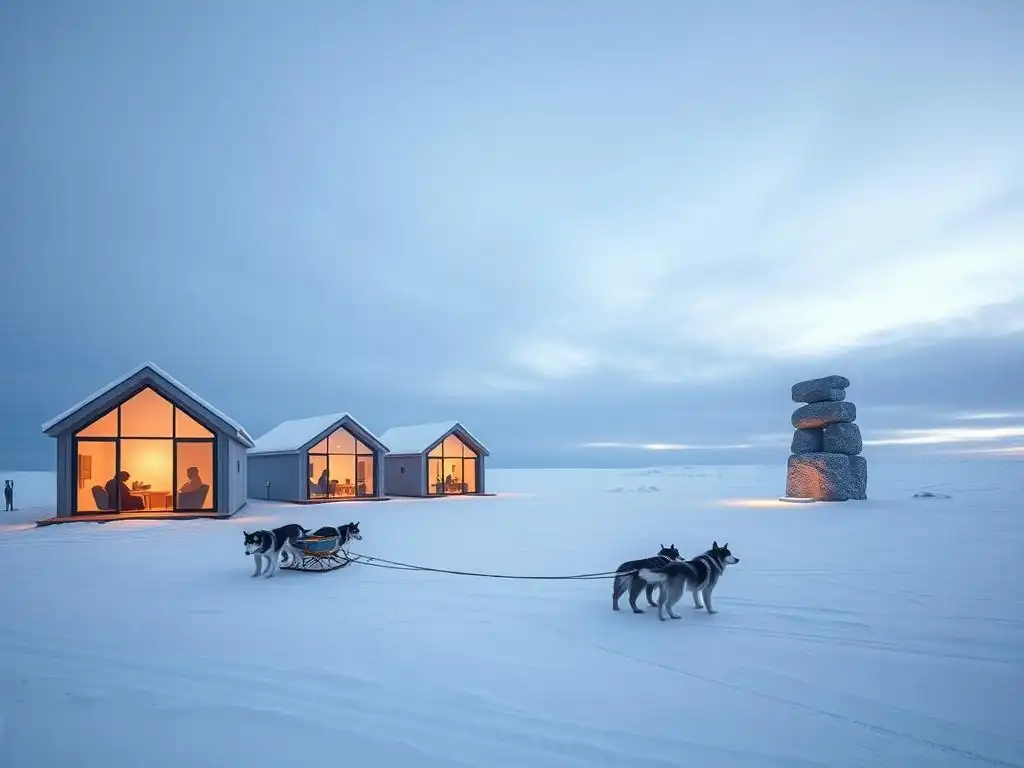
Understanding the complex interplay of risk and protective factors is crucial for effective suicide prevention in Inuit Nunangat. Risk factors often include the legacies of colonization, intergenerational trauma, high rates of poverty, inadequate housing, food insecurity, lack of access to culturally appropriate services, and experiences of discrimination. Tragically, suicide rates in Inuit Nunangat are reported to be among the highest in the world, often cited as being several times higher than the Canadian national average, underscoring the urgency of targeted interventions.
However, Inuit communities also possess immense protective factors. These include strong family ties, cultural identity, connection to the land, traditional knowledge (IQ), community cohesion, and the resilience of the human spirit. Highlighting and strengthening these protective factors is central to community-based prevention efforts. Initiatives that promote cultural activities, support youth engagement, foster Elder-youth connections, and build strong social networks are essential components of suicide prevention strategies within Indigenous mental wellness communities.
Community-Based Suicide Prevention Programs: A Holistic Approach
Effective suicide prevention in Inuit Nunangat requires programs that are developed by and for the community, taking a holistic and culturally relevant approach. These programs often go beyond crisis intervention to address the root causes of distress and build long-term resilience. Examples include land-based healing camps, cultural programs, peer support networks, youth mentorship initiatives, and community-led workshops on coping skills and emotional well-being.
A holistic approach means addressing mental, emotional, physical, and spiritual health simultaneously. It involves integrating traditional healing practices with relevant clinical support, delivered by culturally competent professionals where possible. For instance, a program might combine traditional counseling circles facilitated by Elders with access to psychological services. Such community-based initiatives empower local leaders and members to be agents of change, fostering a sense of ownership and collective responsibility for well-being within Indigenous mental wellness communities.
Integrating Inuit Qaujimajatuqangit with Modern Mental Health Practices
Successfully addressing mental health challenges, including suicide prevention, in Inuit Nunangat necessitates a respectful integration of Inuit Qaujimajatuqangit with modern mental health practices. This integration acknowledges the value of both systems of knowledge and seeks to create a hybrid approach that is culturally safe and effective. It means that mental health services should not solely rely on Western therapeutic models but should actively incorporate traditional healing methods, cultural practices, and the guidance of Elders.
Practically, this could involve training mental health professionals on IQ and cultural competency, employing Inuit community members as counselors or support workers, and adapting therapeutic interventions to be congruent with Inuit values and worldviews. For example, therapy might take place on the land, incorporate storytelling, or involve family and community members. This integration ensures that services are not only accessible but also relevant and meaningful to individuals, strengthening the capacity of Indigenous mental wellness communities to support their members effectively.
Building Stronger Inuit Mental Wellness Communities: Practical Strategies
Fostering Collaboration Between Elders, Youth, and Mental Health Professionals
Building stronger Inuit mental wellness communities requires intentional efforts to foster collaboration across generations and disciplines. Elders hold invaluable wisdom and traditional knowledge about healing and well-being. Youth are the future and face unique contemporary challenges. Mental health professionals bring clinical expertise. Effective strategies involve creating platforms where these groups can learn from each other, share perspectives, and work together to design and implement mental wellness initiatives.
Mentorship programs where Elders guide youth, joint workshops that combine traditional teachings with mental health education, and community advisory boards that include representatives from all groups are practical ways to facilitate this collaboration. For instance, a youth mental health program might be co-designed by young people, guided by Elders on cultural protocols, and supported by a mental health professional for clinical insights. This collaborative approach ensures that initiatives are culturally grounded, relevant to current needs, and sustainable, strengthening the fabric of Indigenous mental wellness communities.
Creating Safe Spaces for Open Dialogue and Support
Creating safe spaces where individuals feel comfortable discussing their mental health challenges is paramount in Inuit Nunangat. Due to historical trauma and ongoing stigma, many may be hesitant to speak openly about their struggles, particularly concerning suicide. Safe spaces can take many forms: dedicated community centers, sharing circles facilitated by trusted community members, online forums (if accessible and culturally monitored), or informal gatherings within homes or on the land.
These spaces must be non-judgmental, confidential, and culturally sensitive. They should be places where people feel heard, respected, and supported without fear of shame or reprisal. Training community members in peer support and basic counseling skills can help facilitate these safe spaces. By prioritizing the creation and maintenance of such environments, communities foster an atmosphere of trust and openness, making it easier for individuals to seek help and strengthening the collective capacity of Indigenous mental wellness communities to support one another.
Promoting Culturally Relevant Mental Health Education and Awareness
Promoting mental health education and awareness that is culturally relevant is crucial for reducing stigma and increasing help-seeking behaviors in Inuit Nunangat. Information needs to be presented in ways that resonate with Inuit cultural values and experiences, using appropriate language (including Inuktitut) and incorporating traditional understandings of well-being. This education should cover topics such as recognizing signs of distress, understanding the impact of trauma, developing coping skills, and knowing where to access support.
Awareness campaigns could utilize traditional storytelling, community radio, local television, and culturally appropriate materials developed by Inuit organizations. Education should also target health professionals and educators working in the region to enhance their cultural competency. By increasing understanding and reducing stigma through culturally relevant means, communities empower individuals to prioritize their mental health and build collective knowledge, reinforcing the foundation of strong Indigenous mental wellness communities.
Resources and Support for Inuit Mental Wellness
Inuit Tapiriit Kanatami and Regional Inuit Organization Mental Health Initiatives
National and regional Inuit organizations play a vital role in advocating for and supporting mental wellness initiatives in Inuit Nunangat. Inuit Tapiriit Kanatami (ITK), the national representational organization for Inuit in Canada, works on policy development, research, and advocacy related to Inuit health and well-being, including mental health and suicide prevention. They often collaborate with government bodies and other partners to address systemic issues affecting Inuit mental wellness communities.
Regional Inuit Organizations (RIOs), such as Nunavut Tunngavik Incorporated (NTI), Makivik Corporation in Nunavik, Inuvialuit Regional Corporation (IRC) in the Inuvialuit Settlement Region, and Nunatsiavut Government in Nunatsiavut, also lead and support various health and social programs tailored to the specific needs of their respective regions. These initiatives often include funding for community-based programs, mental health services, training opportunities, and cultural programs aimed at promoting well-being and resilience.
Links to Culturally Relevant Mental Health Resources in Inuktitut
Access to mental health resources in Inuktitut is essential for ensuring services are accessible and culturally safe for Inuit language speakers. Efforts are ongoing to develop and translate mental health information, screening tools, and therapeutic materials into Inuktitut dialects. While direct links cannot be provided here, it is important to note that resources developed by Inuit organizations and health authorities in the region are increasingly available in Inuktitut.
These resources often include information on coping strategies, understanding common mental health challenges, suicide prevention resources, and guides on accessing local support services. Some initiatives also focus on developing Inuktitut terminology for mental health concepts to ensure accurate and culturally appropriate communication. The availability of such resources strengthens the capacity of Indigenous mental wellness communities to support their members in their preferred language.
Information on Accessing Mental Health Services in Inuit Nunangat
Accessing mental health services in Inuit Nunangat can present unique challenges due to vast distances, limited infrastructure in remote communities, and a shortage of trained professionals. Services are typically delivered through community health centers, regional hospitals, and sometimes through visiting specialists or telehealth services. Crisis intervention services are often available through local health facilities or dedicated crisis lines, though availability can vary by region and time of day.
Information on accessing services is usually available through local community health centers, hamlet offices, or regional health authorities. Some regional Inuit organizations also provide information or support navigation. While the system faces capacity challenges, there is a growing recognition of the need for culturally competent and community-based care. Understanding the available pathways, even if limited, is a crucial step for individuals seeking support within Inuit mental wellness communities.
The Future of Inuit Mental Wellness: A Vision of Collective Strength and Resilience
Empowering Inuit Communities to Lead their Own Healing
The future of Inuit mental wellness lies in empowering communities to lead their own healing journeys. This means shifting power and resources to local levels, enabling communities to design, implement, and evaluate mental wellness initiatives that are truly reflective of their needs, cultures, and priorities. It involves supporting community members to become trained helpers, counselors, and program facilitators, building local capacity and reducing reliance on external expertise that may not fully understand the local context.
Empowerment also means respecting and supporting the continued use of traditional healing practices and IQ as central components of well-being. Funding models and policy frameworks need to adapt to support these community-led, culturally grounded approaches. When communities are empowered to drive their own mental wellness strategies, it fosters a sense of ownership, agency, and collective efficacy, which are powerful forces for positive change within Indigenous mental wellness communities.
Advocating for Systemic Change to Support Inuit Mental Health
Achieving lasting improvements in Inuit mental wellness requires significant systemic change. This includes advocating for equitable access to high-quality, culturally appropriate healthcare services, including mental health support, comparable to the rest of Canada. It also involves addressing the social determinants of health that profoundly impact mental well-being, such as poverty, housing insecurity, food insecurity, and educational disparities.
Advocacy efforts by Inuit organizations and community leaders are crucial in holding governments accountable and pushing for policy changes that support Inuit self-determination and well-being. This includes advocating for adequate funding for mental health programs, supporting language revitalization efforts, and implementing the Calls to Action from the Truth and Reconciliation Commission and the Calls for Justice from the National Inquiry into Missing and Murdered Indigenous Women and Girls. Systemic change is necessary to create environments where Indigenous mental wellness communities can thrive.
Celebrating the Resilience and Strength of Inuit Cultures
Finally, looking towards the future of Inuit mental wellness involves actively celebrating the immense resilience and strength inherent in Inuit cultures. Despite the profound challenges faced over generations, Inuit have maintained strong connections to their land, language, cultural practices, and community bonds. These strengths are not just historical footnotes but living, breathing foundations for healing and well-being in the present day.
Highlighting stories of resilience, celebrating cultural achievements, supporting artistic and cultural expression, and fostering intergenerational connections are vital components of promoting mental wellness. Recognizing and building upon existing strengths within families and communities reinforces a positive self-image and collective identity. By focusing on the inherent strengths and celebrating their vibrant cultures, Inuit communities are building a future characterized by hope, healing, and robust Indigenous mental wellness communities.
- Implement more community-led healing circles.
- Expand land-based program offerings.
- Increase availability of mental health resources in Inuktitut.
- Advocate for increased funding for community wellness initiatives.
- Develop youth mentorship programs involving Elders.
Frequently Asked Questions
How does the concept of community play a role in Indigenous mental wellness?
Community is central to Indigenous mental wellness, acting as a source of support, belonging, and cultural preservation, countering the effects of historical trauma and societal marginalization. It fosters a sense of collective identity.
What are some traditional healing practices used in Indigenous mental wellness communities?
Traditional healing practices often involve ceremonies, storytelling, connection to the land, and working with elders and healers. These practices emphasize holistic well-being encompassing mind, body, and spirit.
What are the primary challenges faced by Indigenous mental wellness communities in accessing mental healthcare?
Significant challenges include historical trauma, systemic racism, lack of culturally appropriate services, geographical barriers, and distrust of mainstream healthcare.
How can non-Indigenous mental health professionals better support Indigenous mental wellness communities?
Non-Indigenous professionals can improve support by prioritizing cultural humility, building respectful relationships, incorporating Indigenous knowledge and practices, and advocating for equitable access to resources.
What resources are available for those seeking support within Indigenous mental wellness communities?
Resources often include community health centers, traditional healers, elders, peer support groups, and culturally tailored mental health programs addressing specific needs and promoting healing and resilience.
Final Reflection: Weaving the Threads of Community Healing
The urgent need for culturally relevant mental wellness support within Indigenous communities is not simply a statistic; it's a crisis demanding immediate and sustained action. This article has explored the powerful role of community-based initiatives in addressing the disproportionate mental health challenges faced by Indigenous peoples, highlighting the efficacy of approaches rooted in traditional knowledge, practices, and social structures. We've seen how these approaches offer a vital alternative to often inadequate and culturally insensitive mainstream systems.
The resilience and strength demonstrated by Indigenous communities in the face of historical trauma and ongoing systemic challenges is profoundly inspiring. Their commitment to healing through collective action, revitalizing traditional practices, and fostering strong intergenerational connections is a testament to the enduring power of community. We are not just individuals; we are connected to the land, to our ancestors, and to each other. Our healing is a collective journey.
This sentiment, echoing across countless Indigenous voices, underscores the importance of centering community in any meaningful discussion of mental wellness.
Now, consider the ways in which you can contribute to this vital work. Perhaps it's through supporting Indigenous-led initiatives in your area, amplifying the voices of Indigenous mental health advocates, or simply educating yourself on the unique challenges and strengths of these communities.
Let us move beyond awareness to action, recognizing that true healing requires not only individual support but also the collective strength of a community committed to well-being. The future of Indigenous mental wellness depends on our shared commitment to building a more just and equitable world, one where community is not just a concept, but a powerful force for healing.
Ignite Your Community's Healing Journey
Thank you for taking the time to explore the powerful role community plays in Indigenous mental wellness. You've gained valuable insights into collective healing practices—now let's put that knowledge into action!
- Share this article with someone who could benefit from learning about these powerful approaches. Let's amplify these vital voices and spread awareness.
- Research local Indigenous organizations in your area and find ways to support their initiatives, whether through volunteering, donations, or simply learning more about their work.
- Consider organizing or participating in a community-based wellness event focused on traditional healing practices. This could be as simple as sharing a meal or as complex as organizing a larger gathering.
What small step can you take today to foster a stronger sense of community and support mental wellness in your community?