
The Power of Vulnerability: Why Men Talking Helps Break Stigma

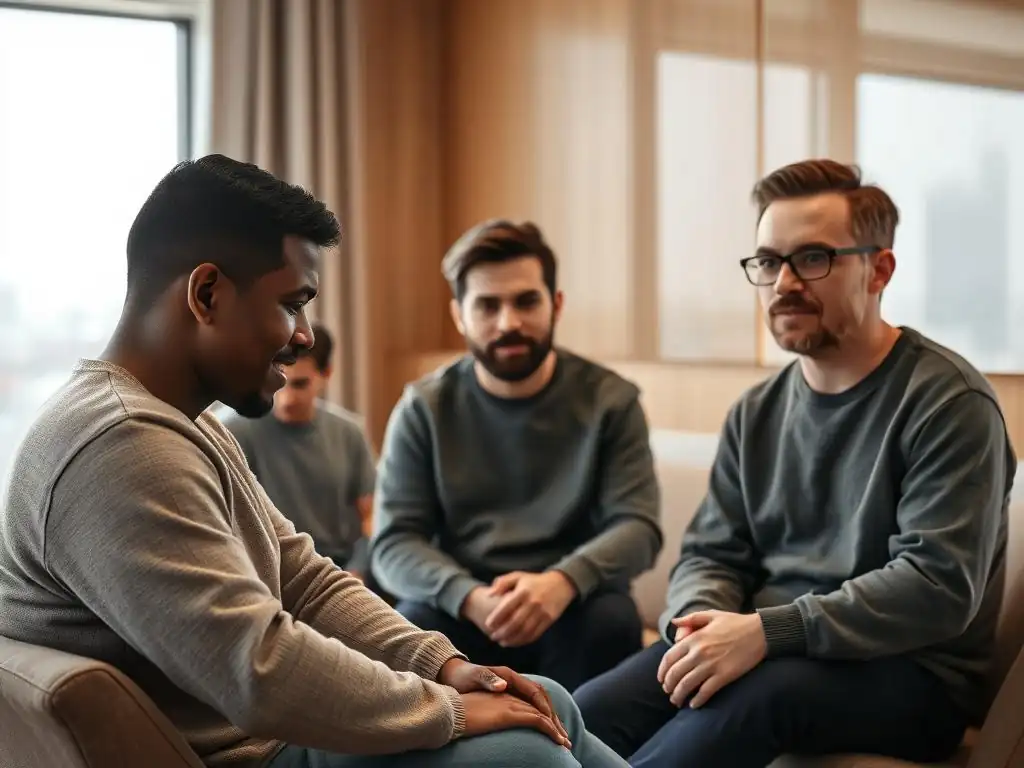
Welcome to Mind Care Guide, your trusted companion on the journey to mental well-being.
Feeling lost, overwhelmed, or like you're facing these challenges alone? You're not. Especially if you're a man navigating the complexities of mental health. We understand it can be tough. That's why we're diving deep into men’s vulnerability mental health support – exploring why opening up, embracing vulnerability, and seeking help can be a powerful act of self-care. Ready to discover how talking can break down stigma and unlock a path to a healthier you? Let's explore the power of vulnerability together...
The Power of Vulnerability: Why Men Talking Helps Break Stigma
- Understanding Men’s Vulnerability and Mental Health
- The Impact of Suppressed Emotions on Men's Mental Health
- Talking as a Tool for Men's Mental Health Support
- Breaking Down the Stigma: Men Leading the Way in Mental Health Advocacy
- Practical Steps for Men to Embrace Vulnerability
- Addressing Common Concerns About Men's Vulnerability
- The Ripple Effect: How Men's Vulnerability Benefits Society
- Resources for Men Seeking Mental Health Support
- Moving Forward: Continued Efforts to Promote Men’s Vulnerability and Mental Health Support
-
Frequently Asked Questions
- What is vulnerability and why is it important for men's mental health?
- How does talking about their feelings help men break the stigma surrounding mental health?
- What are some practical steps men can take to become more vulnerable?
- Where can men find mental health support specifically tailored to their needs and experiences?
- What are the potential long-term benefits of men embracing vulnerability and seeking mental health support?
- Final Reflection: Embracing Vulnerability, Building a Stronger Future
- Unlock Your Inner Strength: Share Your Story
Understanding Men’s Vulnerability and Mental Health
Defining Vulnerability in the Context of Men's Mental Well-being
Vulnerability, in the context of men's mental health, is the capacity and willingness to be open and exposed, both to oneself and to others, regarding one's internal emotional state, fears, insecurities, and struggles. It is about acknowledging and expressing feelings that are often perceived as 'weakness' within traditional masculine norms, such as sadness, fear, uncertainty, or the need for help. Embracing vulnerability means allowing oneself to be seen, even when it feels uncomfortable or risky, and recognizing that this openness is not a deficit but a pathway to deeper connection, authenticity, and resilience.
This definition moves beyond the common misconception that vulnerability equates to fragility or helplessness. Instead, it highlights the courage required for self-disclosure and emotional honesty. For men navigating mental health challenges, understanding vulnerability as a strength can be transformative. It is the foundation upon which genuine men’s vulnerability mental health support can be built, allowing individuals to move past stoicism and access the help they need.
Why Men Struggle to Express Vulnerability: Societal Expectations and Stigma
Societal expectations surrounding masculinity have historically created significant barriers to men expressing vulnerability. From a young age, many men are taught, implicitly or explicitly, to suppress emotions other than anger or stoicism. Phrases like "man up," "boys don't cry," and the expectation to be providers and protectors without showing weakness contribute to a culture where emotional repression is seen as a sign of strength. This ingrained conditioning makes it incredibly difficult for men to admit when they are struggling, whether with stress, anxiety, or depression.
This cultural pressure is compounded by the pervasive stigma attached to mental health issues. Seeking help is often viewed as a failure, a sign that a man cannot handle his own problems. This fear of judgment from peers, family, and even healthcare providers prevents many men from discussing their feelings or seeking professional men’s vulnerability mental health support. The perceived risk of losing respect, status, or relationships outweighs the potential benefits of opening up for many, leading to isolation and worsening mental health conditions.
The Impact of Suppressed Emotions on Men's Mental Health
The Link Between Emotional Repression and Mental Health Issues in Men
The persistent suppression of emotions has a profound and detrimental impact on men's mental and physical health. When feelings are not acknowledged or processed, they don't simply disappear; they often manifest in unhealthy ways. Chronic emotional repression can lead to increased stress levels, which are linked to a host of physical ailments, including heart disease, high blood pressure, and compromised immune function. Psychologically, this repression can contribute to a buildup of negative emotions, leading to feelings of numbness, irritability, or sudden, explosive outbursts.
Furthermore, the inability to articulate or understand one's emotional state makes it difficult to identify the root causes of distress. This lack of emotional literacy hinders problem-solving and coping mechanisms. Instead of addressing underlying issues, men may turn to maladaptive behaviors such as substance abuse, excessive risk-taking, or workaholism as ways to self-medicate or distract from painful feelings. Studies and clinical observations consistently show a correlation between emotional avoidance and higher rates of depression and anxiety among men. Accessing men’s vulnerability mental health support requires first acknowledging the presence of emotional distress, which repression actively prevents.
Common Mental Health Challenges Faced by Men: Depression, Anxiety, and Suicide
While men and women can experience similar mental health conditions, men often exhibit different symptoms and are less likely to seek formal diagnosis or treatment. Depression in men, for instance, may present not as sadness but as anger, irritability, fatigue, difficulty sleeping, or reckless behavior. Anxiety might manifest as restlessness, difficulty concentrating, or physical symptoms rather than overt worry. These presentations can be harder to recognize, both by the men themselves and those around them, delaying crucial intervention.
Perhaps the most alarming consequence of unaddressed mental health struggles in men is the tragically high rate of suicide. Globally, men are significantly more likely than women to die by suicide, though women attempt suicide more often. In the United States, for example, men accounted for nearly 70% of suicide deaths in recent years, with middle-aged men being particularly vulnerable. This stark statistic underscores the urgent need to dismantle the barriers preventing men from accessing men’s vulnerability mental health support and to encourage open conversations about their struggles.
Talking as a Tool for Men's Mental Health Support
The Therapeutic Benefits of Open Communication for Men
Open communication is a powerful therapeutic tool, particularly for men who have been conditioned to remain silent about their feelings. The act of articulating one's thoughts and emotions to a trusted person – whether a friend, family member, therapist, or peer – can significantly reduce the burden of internal struggle. This process, often referred to as 'talking therapy' or simply 'venting,' helps externalize internal conflict, making it feel less overwhelming and more manageable. It can provide clarity, perspective, and validation, assuring a man that he is not alone in his experiences.
Sharing also fosters connection, combating the isolation that often accompanies mental health challenges. When men feel understood and accepted despite their struggles, it reinforces the idea that vulnerability is not a weakness but a pathway to genuine human connection. This can break cycles of shame and secrecy, paving the way for healing. Effective men’s vulnerability mental health support systems rely heavily on creating environments where such open communication is not just tolerated, but actively encouraged and valued.
Identifying and accessing safe spaces is crucial for men beginning to explore vulnerability and seek support. These spaces offer confidentiality, understanding, and a sense of community among individuals facing similar challenges. Online forums dedicated to men's mental health provide a degree of anonymity that can lower the initial barrier to sharing, allowing men to articulate feelings they might not yet be ready to voice face-to-face. Platforms like Reddit's r/MensLib or specialized mental health forums offer threads where men can read others' experiences, ask questions, and share their own stories without immediate fear of judgment.
Peer support groups, whether online or in-person, offer a more direct form of connection. Organizations like Movember or local community centers often facilitate men's talking groups. These groups provide a structured, facilitated environment where men can share their experiences, listen to others, and learn coping strategies from peers and facilitators. The shared understanding within these groups can be incredibly validating, demonstrating that struggles with mental health are common and that seeking men’s vulnerability mental health support is a sign of proactive self-care, not failure.
Breaking Down the Stigma: Men Leading the Way in Mental Health Advocacy
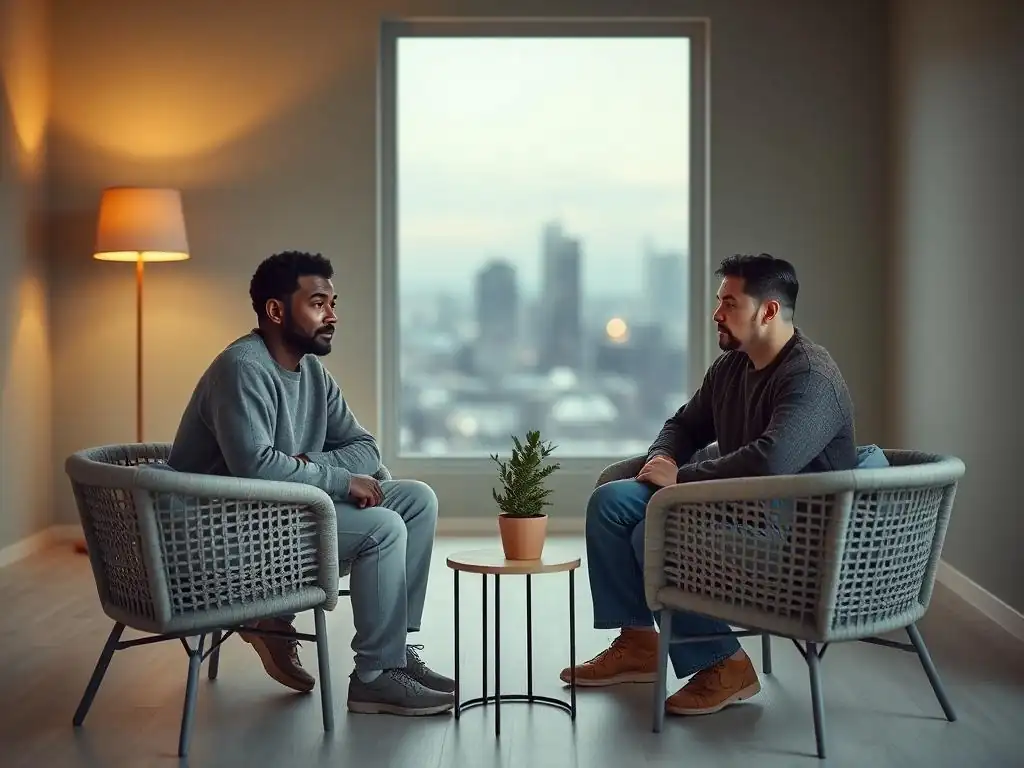
Examples of Men Publicly Sharing Their Vulnerabilities: Celebrities and Athletes
The visibility of prominent men sharing their mental health journeys plays a critical role in normalizing vulnerability and challenging stigma. When celebrities, athletes, and public figures speak openly about their struggles with depression, anxiety, panic attacks, or seeking therapy, it sends a powerful message that these experiences are not uncommon and are not signs of personal failure. High-profile examples include Dwayne "The Rock" Johnson discussing his battles with depression, Michael Phelps opening up about his struggles with anxiety and suicidal thoughts, and Ryan Reynolds speaking candidly about his lifelong fight with anxiety.
These public declarations resonate deeply because they come from men who are often perceived as embodying traditional masculine ideals of strength and success. Their willingness to be vulnerable demonstrates that mental health challenges can affect anyone, regardless of their achievements or public image. This helps to dismantle the myth that "real men" don't experience emotional pain or need help, making it easier for other men to consider seeking men’s vulnerability mental health support for themselves.
How Male Role Models Can Encourage Other Men to Seek Mental Health Support
Male role models, whether famous figures or men within a community, family, or workplace, have a unique ability to influence the behavior and attitudes of other men. By sharing their own experiences of vulnerability, acknowledging difficult emotions, and talking about how they actively manage their mental well-being, these role models provide tangible examples of healthy masculinity. They show that seeking therapy, practicing mindfulness, or openly discussing feelings are not only acceptable but are vital components of a strong and fulfilling life.
These role models can use their platforms – big or small – to advocate for greater awareness of men's mental health issues and promote available men’s vulnerability mental health support resources. They can encourage open conversations among friends and family, challenge stigmatizing language, and highlight the benefits of emotional openness. Their actions create a ripple effect, empowering other men to take similar steps and fostering a culture where seeking help is seen as a proactive and courageous choice.
Practical Steps for Men to Embrace Vulnerability
Starting Small: Building Trust and Sharing with Close Friends/Family
Embracing vulnerability doesn't require immediately sharing one's deepest fears with the world. A practical first step is to identify one or two trusted individuals within one's close circle – a partner, a sibling, a parent, or a close friend. These are people with whom a foundation of trust and mutual respect already exists. Begin by sharing something relatively small or less intensely personal, such as a feeling of stress about work, a minor frustration, or a moment of self-doubt.
Observing how these small acts of sharing are received can help build confidence. Positive and empathetic responses reinforce that vulnerability can lead to connection, not rejection. Gradually, as comfort levels increase and trust deepens, one can explore sharing more significant emotional experiences. This incremental approach makes the process of opening up feel less daunting and helps men build the skills and confidence needed to engage in more comprehensive men’s vulnerability mental health support if required.
Joining a men's support group offers a structured and supportive environment specifically designed for men to share their experiences. These groups provide a unique sense of community among individuals who understand the specific pressures and challenges faced by men. Within the group setting, facilitated discussions encourage members to express their thoughts and feelings without fear of judgment, knowing that others in the room have likely navigated similar emotional terrain.
The shared experiences within these groups normalize feelings of struggle and reduce feelings of isolation. Hearing how other men have coped with issues like relationship difficulties, work stress, or emotional numbness can provide new perspectives and practical strategies. These groups are powerful examples of proactive men’s vulnerability mental health support, fostering mutual encouragement and accountability as members work towards greater emotional honesty and well-being.
Seeking Professional Help: Therapy and Counseling for Men's Mental Health
Seeking professional help from a therapist or counselor is a crucial and effective step for men looking to address mental health challenges and explore vulnerability in a safe, confidential setting. Mental health professionals are trained to provide objective support, teach coping mechanisms, and help individuals process difficult emotions and experiences. Therapy offers a dedicated space to understand the roots of emotional repression and develop healthier ways of managing feelings.
Therapists specializing in men's issues can be particularly helpful, as they are often attuned to the specific ways men express distress and the societal pressures they face. They can guide men in identifying emotional patterns, challenging limiting beliefs about masculinity, and developing skills for open communication. Engaging in therapy is a significant act of courage and self-care, representing a commitment to one's mental well-being and an investment in long-term men’s vulnerability mental health support.
Addressing Common Concerns About Men's Vulnerability
Overcoming the Fear of Judgment and Rejection
One of the most significant hurdles men face when considering vulnerability is the deep-seated fear of judgment and rejection. The worry that sharing one's true feelings will lead to being seen as weak, inadequate, or "less of a man" is a powerful deterrent. This fear is often rooted in past negative experiences or the pervasive cultural messaging discussed earlier. Overcoming this fear begins with challenging the internal voice that equates vulnerability with weakness.
It helps to remember that true strength lies not in suppressing difficulty, but in acknowledging it and actively seeking solutions or support. Start by testing the waters with trusted individuals who have proven themselves to be empathetic and non-judgmental. Reframe the act of sharing as an act of courage and authenticity. Recognizing that those who truly care will respond with support, not scorn, can gradually diminish this fear, opening the door to valuable men’s vulnerability mental health support.
Reframing Vulnerability as Strength, Not Weakness
Shifting the perspective on vulnerability from a weakness to a strength is fundamental for promoting men's mental health. Vulnerability requires immense courage – the courage to face one's own internal landscape, the courage to defy societal expectations, and the courage to risk being misunderstood or judged for the sake of authenticity and connection. It is a proactive choice to engage with life fully, including its challenges and emotional complexities.
Embracing vulnerability allows for genuine connection with others, building stronger relationships based on honesty and mutual understanding. It fosters resilience by enabling individuals to process difficult experiences rather than letting them fester. It also empowers men to seek and accept help when needed, which is an ultimate sign of self-awareness and strength. Promoting this reframed understanding is key to encouraging men to access vital men’s vulnerability mental health support.
The Ripple Effect: How Men's Vulnerability Benefits Society
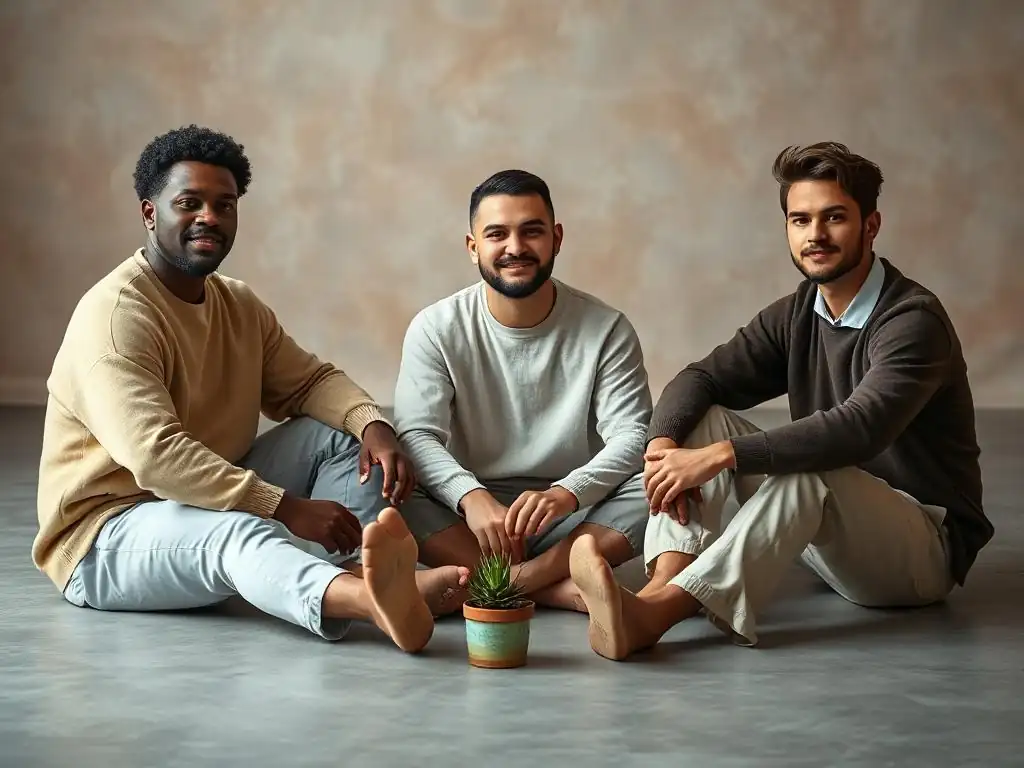
Creating a More Empathetic and Supportive Culture for All
When men embrace vulnerability and openly discuss their mental health, it creates a ripple effect that benefits not just individual men, but society as a whole. Their openness challenges rigid gender norms and helps to dismantle the toxic aspects of traditional masculinity that harm everyone. As men become more comfortable expressing a full range of emotions and seeking help, it normalizes these behaviors for boys and younger men, fostering a healthier standard of emotional expression from an early age.
This shift contributes to a more empathetic and supportive culture where mental health is viewed with the same importance as physical health. It reduces overall stigma, making it easier for people of all genders to talk about their struggles and access care. A society where men can be vulnerable is a society where everyone feels safer to be authentic, leading to stronger communities and a collective increase in well-being. This systemic change is a direct outcome of greater men’s vulnerability mental health support.
Improving Relationships and Communication Through Openness
Men's willingness to be vulnerable significantly improves their personal relationships. Openly sharing feelings and needs fosters deeper intimacy and understanding with partners, family members, and friends. It allows for more honest and effective communication, reducing misunderstandings and conflict that often arise from unspoken emotions and assumptions. For example, a man who can articulate feeling overwhelmed by work stress is better equipped to ask for support from his partner than one who simply withdraws or becomes irritable.
This improved communication extends to parenting, allowing fathers to connect more authentically with their children and model healthy emotional expression. In the workplace, leaders and colleagues who are comfortable discussing stress or seeking support can create a more supportive and collaborative environment. Ultimately, embracing vulnerability enhances emotional intelligence, leading to more fulfilling connections and contributing to the overall strength of social bonds, which are integral to effective men’s vulnerability mental health support networks.
Resources for Men Seeking Mental Health Support
Online Mental Health Resources Specifically for Men
The digital landscape offers numerous resources tailored specifically for men seeking mental health support. Websites like the Movember Foundation provide extensive information on men's health issues, including mental health, and offer practical guides and resources. Online communities and forums, as mentioned earlier, provide peer support and a space for anonymous sharing. Additionally, many reputable mental health organizations have sections on their websites dedicated to men's mental health, offering articles, self-assessment tools, and directories of services.
These online platforms can be a valuable starting point for men who may not yet feel ready to talk to someone directly but are looking for information and connection. They provide accessible, confidential, and often free or low-cost resources that address the unique challenges men face in seeking help. Exploring these resources is a proactive step towards engaging with men’s vulnerability mental health support.
Finding a Therapist or Counselor Specializing in Men's Issues
Finding a mental health professional who is a good fit is essential. Many therapists and counselors either specialize in men's issues or have significant experience working with male clients. These professionals are often more attuned to the specific ways men express distress, the impact of societal pressures on their mental health, and effective therapeutic approaches for men. Directories from professional psychological associations or online therapy platforms often allow filtering by specialization.
When seeking a therapist, it's okay to ask about their experience working with male clients and their approach to topics like masculinity, emotional expression, and help-seeking behaviors. Finding a therapist with whom one feels comfortable and understood is crucial for building trust and making progress. Investing in professional therapy is a significant step towards long-term men’s vulnerability mental health support.
National Organizations Offering Mental Health Resources for Men
Several national and international organizations are dedicated to promoting mental health and offer resources relevant to men. Organizations like the National Alliance on Mental Illness (NAMI) or the Depression and Bipolar Support Alliance (DBSA) provide information on various conditions, support group listings, and helplines. Specifically focused organizations, like those mentioned previously, often have campaigns and resources directly addressing the barriers men face in seeking help.
These organizations can provide valuable information, connect individuals with local support groups or services, and offer crisis intervention resources. They often have websites with extensive libraries of articles, FAQs, and tools. Reaching out to these national bodies is a tangible way to access broad men’s vulnerability mental health support and guidance.
Moving Forward: Continued Efforts to Promote Men’s Vulnerability and Mental Health Support
The Importance of Ongoing Conversations and Awareness Campaigns
Promoting men’s vulnerability and mental health support is not a one-time effort but an ongoing process. Continued conversations at all levels – within families, friendships, workplaces, and public discourse – are essential to keep the topic visible and reduce stigma. Awareness campaigns, like those run by organizations such as Movember, play a vital role in reaching large audiences, challenging traditional norms, and highlighting the importance of men's mental well-being.
These efforts need to be sustained and creative to reach diverse groups of men and address the specific challenges faced by different communities. Sharing stories, providing education on mental health literacy, and promoting available resources must be a continuous priority. An environment where talking about mental health is normal and expected is the ultimate goal for effective men’s vulnerability mental health support.
Challenging Traditional Masculinity Norms to Foster a Healthier Environment
Ultimately, fostering a healthier environment for men's mental health requires challenging and redefining traditional masculinity norms that equate emotional suppression with strength. This involves encouraging a broader understanding of what it means to be a man, one that includes emotional intelligence, empathy, and the capacity for vulnerability. Education in schools, media representation, and conversations within families all play a role in shaping these norms.
By celebrating emotional openness and help-seeking as signs of strength and resilience, society can create a culture where men feel empowered, rather than shamed, for addressing their mental health needs. This fundamental shift is necessary to ensure that men’s vulnerability mental health support is not just available, but actively sought and embraced, leading to healthier, happier lives for men and stronger communities for everyone.
Frequently Asked Questions
What is vulnerability and why is it important for men's mental health?
Vulnerability, in this context, is the willingness to show emotions and be open about one's feelings. It's crucial because it allows men to break down harmful stereotypes and seek help when needed. This leads to improved mental well-being.
How does talking about their feelings help men break the stigma surrounding mental health?
Sharing feelings normalizes the experience of struggling with mental health challenges. This encourages other men to seek support without shame and helps to dismantle societal expectations of stoicism.
What are some practical steps men can take to become more vulnerable?
Start small by sharing feelings with trusted friends or family members. Consider joining a support group or seeking therapy to create a safe space for vulnerability. Remember, it's a process, not an overnight change.
Where can men find mental health support specifically tailored to their needs and experiences?
Mind Care Guide and similar platforms offer resources, information, and support groups designed for men. Look for therapists specializing in men's mental health and consider online communities dedicated to male mental well-being.
What are the potential long-term benefits of men embracing vulnerability and seeking mental health support?
Increased vulnerability can lead to stronger relationships, improved emotional regulation, and a greater sense of self-worth. Seeking support fosters resilience and coping mechanisms, ultimately contributing to overall better mental health and a fulfilling life.
Final Reflection: Embracing Vulnerability, Building a Stronger Future
The conversation around men's mental health is finally shifting, but the stigma surrounding vulnerability remains a significant barrier to seeking help. This article has explored the crucial link between men expressing their emotions and fostering a healthier, more supportive society. The silence surrounding male vulnerability is not only detrimental to individual well-being but also perpetuates a culture that prioritizes stoicism over emotional health.
The impact of societal expectations on men's emotional expression is profound and far-reaching. We've seen how traditional masculinity often discourages open communication, leading to isolation and a reluctance to seek help when needed. This silence has devastating consequences, contributing to higher rates of suicide and other mental health crises among men. What is needed is not a new theory, but a new practice.
- This quote, while not directly about men's vulnerability, highlights the urgent need for action, not just discussion. We must move beyond simply acknowledging the problem and actively work towards creating spaces where men feel safe and empowered to share their experiences.
You, the reader, now hold the power to contribute to this vital shift. Consider how you can actively challenge the stigma surrounding vulnerability in your own life – whether it's by fostering open communication with the men in your life, seeking support for yourself, or advocating for better mental health resources. Let's collectively build a future where men feel empowered to embrace their emotions, seek help without shame, and thrive in a culture that values their well-being. This is not just about individual healing; it's about building a stronger, more compassionate society for everyone.
Thanks for taking the time to explore the power of vulnerability and open communication among men. We hope you gained valuable insights into breaking down harmful stigmas and building stronger connections. Now, let's turn these insights into action!
- Start a conversation: Reach out to a male friend, family member, or colleague – share your thoughts on the article and see where the conversation leads. Even a small step can make a big difference.
- Engage with the Mind Care Guide community: Share your experiences (anonymously if you prefer) in the comments section below. Let's create a safe space for open dialogue and mutual support.
- Challenge the silence: Look for opportunities to engage in healthy conversations about mental health with the men in your life. This could be as simple as offering a listening ear or sharing this article.
What's one small step you can take today to foster greater vulnerability and understanding among the men in your life?