
Your Sleep Sanctuary: Building a Routine That Fights Anxiety


Welcome to Mind Care Guide.
Are you tossing and turning, your mind racing as you try to drift off? We understand the frustration and worry that comes with sleep anxiety. You're not alone, and finding peace is possible. This guide is designed to help you reclaim your nights and discover a powerful sleep anxiety relief routine. Curious how to finally break free from the cycle of sleeplessness? Let's explore practical strategies and gentle techniques to help you create your own personal sleep sanctuary.
- Building a Sleep Sanctuary for Anxiety Relief
- Creating a Personalized Sleep Anxiety Relief Routine
- Techniques for Immediate Relief
- Long-Term Strategies
- When to Seek Professional Help
- Conclusion: Reclaiming Sleep and Managing Anxiety
-
Frequently Asked Questions
- ### What is sleep anxiety and how does a "Sleep Anxiety Relief Routine" help?
- ### Why is a consistent routine important for sleep anxiety relief?
- ### What are some key elements to include in a "Sleep Anxiety Relief Routine"?
- ### How long does it typically take to see results from implementing a "Sleep Anxiety Relief Routine"?
- ### What if my "Sleep Anxiety Relief Routine" isn't working?
- Final Reflection: Weaving Calm into the Night
- Unlock Your Restful Nights: Start Your Anxiety-Fighting Routine Now!
Building a Sleep Sanctuary for Anxiety Relief
Creating a dedicated space and consistent habits can significantly impact the struggle with sleep anxiety. A "sleep sanctuary" isn't just about the physical room; it's about cultivating a mental and emotional state conducive to rest. This involves understanding the intricate link between worry and wakefulness and implementing specific strategies to break the cycle. Developing a solid sleep anxiety relief routine is a cornerstone of this process, providing structure and predictability that can soothe an anxious mind.
Embarking on the journey to build your personal sleep sanctuary requires commitment and patience. It's about making conscious choices throughout the day and evening to prepare your body and mind for restorative sleep. By focusing on controllable elements like your environment, pre-sleep activities, and daily habits, you empower yourself to reduce nighttime anxiety and improve the quality of your rest. This comprehensive approach forms the foundation of an effective sleep anxiety relief routine tailored to your specific needs.
Understanding the Connection Between Anxiety and Sleep
Anxiety and sleep problems often exist in a bidirectional relationship, each exacerbating the other. For many, the quiet of night brings a surge of worries, making it difficult to fall asleep or stay asleep. This difficulty then fuels more anxiety about not getting enough rest, creating a challenging loop. Recognizing the signs of sleep anxiety and understanding how it operates is the first critical step in developing a successful sleep anxiety relief routine.
The impact of this disturbed sleep extends far beyond feeling tired. Chronic sleep deprivation, often linked to anxiety, can affect mood, concentration, decision-making, and physical health. Studies have consistently shown that insufficient sleep can increase reactivity to stress and negative emotions. Therefore, addressing sleep issues is not just about getting more rest; it's a vital component of overall anxiety management and building resilience.
The Vicious Cycle: Anxiety Disrupting Sleep
Anxiety activates the body's stress response, triggering the release of hormones like cortisol. This physiological state of alertness is fundamentally incompatible with sleep, which requires a state of calm and relaxation. Anxious thoughts often become amplified in the silence of the night, leading to racing thoughts, rumination, and physical tension that prevent sleep onset or cause frequent awakenings.
This inability to sleep then becomes a new source of anxiety. Worrying about not getting enough rest, fearing the consequences of fatigue the next day, and anticipating another sleepless night all contribute to heightened arousal before bedtime. This fear of not sleeping, sometimes called psychophysiological insomnia, reinforces the difficulty, trapping individuals in a vicious cycle where anxiety prevents sleep, and lack of sleep increases anxiety. Breaking this cycle is a primary goal of any sleep anxiety relief routine.
The Impact of Poor Sleep on Anxiety
Research indicates a strong link between chronic sleep deprivation and increased anxiety levels. Even a single night of poor sleep can make individuals more emotionally reactive and less able to cope with minor stressors. Over time, this can significantly worsen existing anxiety disorders or contribute to the development of new ones. Lack of sleep impairs the prefrontal cortex, the part of the brain responsible for regulating emotions and executive functions, making it harder to control anxious thoughts and responses.
Furthermore, poor sleep disrupts circadian rhythms and neurotransmitter balance, impacting mood regulation. Individuals experiencing sleep deprivation often report increased irritability, nervousness, and a reduced ability to manage stress. This underscores why improving sleep quality is a crucial element in any comprehensive approach to managing anxiety and why developing a robust sleep anxiety relief routine is so beneficial.
Recognizing Sleep Anxiety Symptoms
Sleep anxiety manifests in various ways. Common symptoms include difficulty falling asleep (insomnia), waking up frequently during the night, early morning awakenings, and feeling unrefreshed upon waking. Mentally, it often involves excessive worrying about sleep itself, intrusive thoughts that surface at night, or a sense of dread as bedtime approaches. Physically, symptoms can include restlessness, muscle tension, rapid heartbeat, or stomach upset when trying to sleep.
Recognizing these specific signs is important because it helps identify sleep anxiety as the root cause rather than just general insomnia. Understanding how your anxiety impacts your sleep allows you to target those specific challenges when building your personalized sleep anxiety relief routine. For instance, if racing thoughts are the main issue, your routine might heavily emphasize relaxation techniques.
Creating a Personalized Sleep Anxiety Relief Routine
Developing a personalized sleep anxiety relief routine is a proactive step towards reclaiming your nights and improving your overall well-being. This isn't a one-size-fits-all solution; it requires self-awareness and willingness to experiment to find what works best for you. A successful routine addresses not only the physical aspects of sleep but also the mental and emotional components of anxiety.
The process involves several key steps, from assessing your current habits to optimizing your environment and incorporating calming practices. By systematically addressing these areas, you build a consistent framework that signals to your body and mind that it's time to wind down and prepare for rest. This dedicated approach to a sleep anxiety relief routine can significantly reduce bedtime worries.
Step 1: Assessing Sleep Habits and Anxiety Triggers
The first step in building an effective sleep anxiety relief routine is to gain a clear understanding of your current sleep patterns and identify what specifically triggers your anxiety around bedtime. This self-assessment is crucial for tailoring strategies that are truly effective for you. Without knowing the 'why' behind your sleep struggles, it's difficult to implement targeted solutions.
This phase involves honest reflection and potentially tracking your habits over a period of time. Are certain activities before bed making things worse? Do specific worries consistently surface when you lie down? Identifying these patterns provides the roadmap for building a routine that directly addresses your challenges with sleep anxiety.
Identifying Contributing Factors
Numerous factors can contribute to sleep anxiety. These might include lifestyle choices like caffeine or alcohol consumption late in the day, irregular sleep schedules, lack of exposure to natural light, or excessive screen time close to bed. Psychological factors like chronic stress, unresolved worries, or even the pressure to get enough sleep can also play a significant role. Environmental factors in your bedroom, such as noise or light, can also contribute to wakefulness and anxiety.
Pinpointing which of these factors are most relevant to your situation allows you to prioritize changes in your sleep anxiety relief routine. For example, if you notice that checking work emails before bed consistently spikes your anxiety, limiting that activity becomes a critical component of your routine.
Utilizing a Sleep Journal
A sleep journal is an invaluable tool for assessing your habits and identifying triggers. For a week or two, track the following:
- Bedtime and wake-up time
- How long it took to fall asleep
- Number and duration of awakenings
- Activities before bed (e.g., watching TV, reading, working)
- Food and drink consumed in the evening (including caffeine and alcohol)
- Exercise timing and type
- Anxiety levels before bed (e.g., on a scale of 1-10)
- Specific worries or thoughts that kept you awake
- How you felt upon waking
Reviewing this journal can reveal patterns you might not have been aware of. For instance, you might discover that nights you ate a heavy meal late were followed by restless sleep, or that days with intense evening exercise led to feeling too wired to sleep. This data is essential for creating a truly effective sleep anxiety relief routine.
Step 2: Optimizing Your Sleep Environment
Your bedroom environment plays a significant role in your ability to relax and sleep. Transforming it into a "sleep sanctuary" means making it a space solely dedicated to rest and intimacy, free from distractions and discomforts that can fuel anxiety. This physical aspect is a fundamental part of any comprehensive sleep anxiety relief routine.
Creating an optimal sleep environment involves controlling light, temperature, and sound, as well as ensuring your bed itself is comfortable. Small changes in your bedroom can have a surprisingly large impact on your ability to wind down and minimize environmental triggers for wakefulness and anxiety.
Creating a Dark, Quiet, and Cool Space
The ideal sleep environment is dark, quiet, and cool. Darkness signals to your brain that it's nighttime, promoting melatonin production. Use blackout curtains or blinds to eliminate external light sources. Silence is crucial for preventing disturbances; consider earplugs if necessary. Temperature is also key; many sleep experts suggest an optimal range between 60-67°F (15-19°C). A cooler room helps lower your body temperature, which is a natural part of the sleep onset process.
Ensuring your bedroom meets these criteria removes common environmental barriers to sleep. When your physical space is optimized, it reduces potential sources of frustration or discomfort that can contribute to bedtime anxiety, making your sleep anxiety relief routine more effective.
The Importance of Mattress and Pillows
Your mattress and pillows are critical for physical comfort and support. An uncomfortable bed can lead to tossing and turning, physical aches, and increased frustration, all of which exacerbate sleep anxiety. While specific preferences vary, a mattress that supports your spine's natural curve and pillows that align your head and neck are essential.
Investing in a comfortable sleep surface is an investment in your sleep quality. If your current mattress or pillows are old or unsupportive, consider replacing them. Physical comfort is a foundational element of feeling relaxed and safe in your sleep environment, directly supporting your sleep anxiety relief routine.
Using White Noise or Ambient Sounds
For some individuals, complete silence can make them more aware of their thoughts or external noises. Using white noise, pink noise, or calming ambient sounds (like nature sounds) can help mask distracting noises and create a consistent auditory environment. This can be particularly helpful for those whose sleep is easily disrupted by sudden sounds.
Experiment with different types of sounds to find what you find most soothing. Apps, sound machines, or even a fan can provide this consistent background noise. This technique can create a sense of auditory security, helping to quiet the mental chatter often associated with sleep anxiety and complementing your overall sleep anxiety relief routine.
Step 3: Establishing a Relaxing Bedtime Routine
A consistent, calming bedtime routine is perhaps the most powerful tool in a sleep anxiety relief routine. It signals to your body and mind that the day is ending and it's time to transition into a state of rest. This predictability can significantly reduce the anticipatory anxiety that many people experience as bedtime approaches.
The goal is to create a buffer zone between the stresses of the day and the attempt to sleep. This routine should be a period of winding down, free from stimulating activities. It's about cultivating a sense of peace and relaxation that makes falling asleep feel less like a struggle and more like a natural progression.
Limiting Screen Time
Electronic screens emit blue light, which can suppress melatonin production and make you feel more alert. Using phones, tablets, or computers in the hour or two before bed can interfere with your body's natural sleep signals. The content consumed on screens, such as stressful news or engaging social media, can also stimulate the mind and increase anxiety.
Make a conscious effort to disconnect from screens at least 60-90 minutes before your desired bedtime. Replace screen time with calming activities as part of your sleep anxiety relief routine. This simple change can have a profound positive impact on your ability to wind down.
Practicing Mindfulness or Meditation
Mindfulness and meditation techniques can be incredibly effective for calming an anxious mind before sleep. Practices like guided meditation, body scans, or focusing on your breath can help anchor you in the present moment, reducing rumination about past worries or future anxieties. Even just 5-10 minutes of quiet, focused breathing can make a difference.
There are numerous apps and online resources offering guided meditations specifically for sleep or anxiety. Incorporating these into your bedtime routine helps train your mind to let go of stressful thoughts and cultivate a state of peaceful awareness, directly supporting your sleep anxiety relief routine.
Incorporating Gentle Stretching or Yoga
Gentle physical activity can help release muscle tension that often accompanies anxiety. Light stretching, restorative yoga poses, or even just a few minutes of conscious relaxation can prepare your body for rest. Avoid vigorous exercise close to bedtime, as this can be stimulating, but gentle movement can be very soothing.
Focus on slow, deliberate movements and pair them with deep breathing. This combination helps relax both the body and the mind. Adding this element to your sleep anxiety relief routine can help alleviate physical restlessness that might otherwise keep you awake.
A Sample Bedtime Routine Schedule
Here is an example of what a sleep anxiety relief routine might look like, starting about 60-90 minutes before your target sleep time:
- 9:00 PM: Finish work, put away electronics.
- 9:00 - 9:15 PM: Prepare for the next day (e.g., pack lunch, lay out clothes) to reduce morning anxiety.
- 9:15 - 9:45 PM: Engage in a relaxing activity like reading a physical book, listening to calm music, or taking a warm bath.
- 9:45 - 10:00 PM: Practice gentle stretching, yoga, or a short mindfulness meditation.
- 10:00 - 10:15 PM: Brush teeth, wash face, get into comfortable sleepwear. Ensure the bedroom is dark, cool, and quiet.
- 10:15 PM: Get into bed. If unable to fall asleep after 20 minutes, get out of bed and do a quiet, non-stimulating activity in low light until you feel sleepy, then return to bed.
This is just a template; customize the activities and timing to fit your lifestyle and preferences. The key is consistency and choosing activities that you find genuinely relaxing.
Step 4: Dietary Considerations
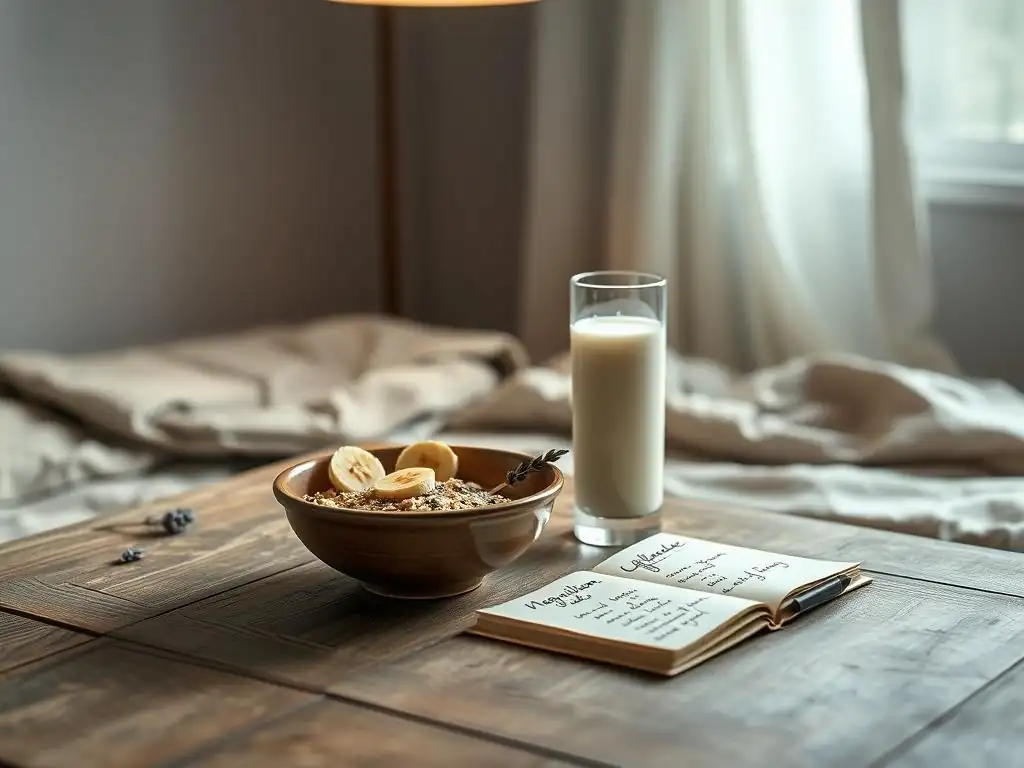
What you eat and drink, particularly in the hours leading up to bedtime, can significantly impact your sleep quality and anxiety levels. Certain substances are known stimulants, while others can promote relaxation. Paying attention to your evening diet is an important, often overlooked, part of a comprehensive sleep anxiety relief routine.
Making conscious dietary choices can help avoid unnecessary physiological arousal that makes it harder to fall asleep when anxious. It's about fueling your body in a way that supports calm and rest rather than disrupting it.
Foods and Drinks to Avoid
Several substances should generally be avoided in the evening if you struggle with sleep anxiety:
- Caffeine: Found in coffee, tea, soda, and chocolate, caffeine is a stimulant that can stay in your system for several hours. Avoid it for at least 4-6 hours before bed, and potentially longer if you are sensitive.
- Alcohol: While it might initially make you feel sleepy, alcohol disrupts sleep architecture later in the night, leading to fragmented sleep and early awakenings. It can also worsen anxiety for some individuals as its effects wear off.
- Heavy or Spicy Meals: Eating a large meal close to bedtime can cause indigestion, heartburn, or discomfort that makes it difficult to lie down comfortably and relax.
- Nicotine: Nicotine is a stimulant. Avoid smoking or using nicotine products close to bedtime.
Being mindful of these common culprits is a straightforward but effective step in refining your sleep anxiety relief routine.
Foods and Drinks That Promote Relaxation
Conversely, some foods and drinks may help promote relaxation and sleepiness:
- Warm Milk: Contains tryptophan, an amino acid that can be converted into serotonin and melatonin. The warmth itself can also be soothing.
- Chamomile Tea: Widely known for its calming properties.
- Foods High in Magnesium: Magnesium is a mineral that plays a role in relaxation. Examples include leafy greens, nuts, and seeds.
- Small, Light Snack: If you're genuinely hungry, a small, easily digestible snack like a banana or a handful of almonds might prevent hunger pangs from waking you up. Avoid sugary snacks that can cause blood sugar spikes and crashes.
Incorporating these into your evening routine, alongside avoiding stimulants, can contribute positively to your sleep anxiety relief routine.
Step 5: Addressing Underlying Anxiety
While a good sleep anxiety relief routine can significantly improve sleep, it's also important to address the root causes of the anxiety itself. Sleep problems are often a symptom of broader anxiety issues. Focusing solely on sleep hygiene without addressing the underlying anxiety may only provide partial relief.
Seeking professional help to manage anxiety can enhance the effectiveness of your sleep routine and lead to more sustainable improvements in both areas. Therapeutic approaches and, in some cases, medication can help manage the anxiety that disrupts sleep.
Cognitive Behavioral Therapy (CBT)
Cognitive Behavioral Therapy (CBT) is a highly effective treatment for both anxiety disorders and insomnia (CBT-I). CBT helps individuals identify and challenge negative thought patterns that contribute to anxiety and sleep difficulties. For anxiety, it might involve techniques to confront fears and worries. For insomnia (CBT-I), it specifically targets beliefs about sleep and behaviors that interfere with it, such as spending too much time in bed awake.
Combining CBT for anxiety with CBT-I can be a powerful strategy for breaking the sleep-anxiety cycle. A therapist can help you develop coping mechanisms for anxiety that extend beyond the bedtime routine, reinforcing the benefits of your sleep anxiety relief routine throughout the day.
Seeking Professional Help
If your sleep anxiety is persistent and significantly impacting your quality of life, seeking help from a mental health professional is recommended. A therapist or counselor can provide personalized strategies for managing anxiety, teach relaxation techniques, and help you process underlying stressors.
They can also assess whether there are other contributing factors to your sleep difficulties, such as an undiagnosed sleep disorder or medical condition. Professional guidance is invaluable when building a comprehensive sleep anxiety relief routine that addresses both symptoms and causes.
Techniques for Immediate Relief
Sometimes, despite having a solid sleep anxiety relief routine, you might still experience moments of heightened anxiety when trying to fall asleep. Having a few immediate techniques at your disposal can help you manage these moments without getting caught in a spiral of frustration and worry. These are tools to use when anxiety spikes in the moment.
These techniques are designed to calm the nervous system and redirect your focus away from anxious thoughts. Practicing them regularly during the day can make them more effective when you need them most at night. They complement your broader sleep anxiety relief routine by providing in-the-moment coping strategies.
Deep Breathing Exercises
Deep breathing is a simple yet powerful technique for calming the nervous system. When anxious, breathing tends to become shallow and rapid. Slow, deep breaths signal to your body that it's safe to relax.
One common technique is the 4-7-8 method:
- Exhale completely through your mouth, making a whoosh sound.
- Close your mouth and inhale quietly through your nose for a count of 4.
- Hold your breath for a count of 7.
- Exhale completely through your mouth, making a whoosh sound, for a count of 8.
- Repeat this cycle for four breaths.
Focusing on the counts and the sensation of your breath moving in and out can help distract from anxious thoughts and lower your heart rate, making it easier to return to your sleep anxiety relief routine efforts.
Progressive Muscle Relaxation
Anxiety often manifests as physical tension. Progressive muscle relaxation (PMR) involves systematically tensing and then releasing different muscle groups in the body. This process helps you become more aware of where you hold tension and teaches you how to release it.
To practice PMR: Starting with your toes, tense the muscles tightly for about 5 seconds, then completely release the tension for 10-15 seconds. Move up your body, group by group (feet, calves, thighs, abdomen, arms, hands, shoulders, face). Pay attention to the difference between the tense and relaxed states. This physical release can be very grounding when experiencing sleep anxiety.
Visualization Techniques
Visualization involves creating calming mental images to promote relaxation. Instead of focusing on worries, you focus on a peaceful scene or experience. This could be a favorite vacation spot, a serene natural landscape, or any image you find soothing.
Imagine the scene with as much detail as possible – what you see, hear, smell, and feel. For example, visualize a calm beach: feel the warm sand, hear the gentle waves, smell the salt air, see the blue sky. Focusing intensely on this positive imagery can help push anxious thoughts to the background, supporting your sleep anxiety relief routine.
Long-Term Strategies
While immediate techniques help in the moment, incorporating long-term strategies into your daily life is essential for sustained sleep anxiety relief. These habits build resilience against anxiety and promote better sleep health overall. They are the foundational elements that support your nightly sleep anxiety relief routine.
Consistency in these areas helps regulate your body's natural sleep-wake cycle and reduces overall stress levels, making you less susceptible to sleep anxiety in the first place. These are not just bedtime habits but lifestyle choices that contribute to better mental and physical health.
Regular Exercise
Regular physical activity is a powerful tool for managing anxiety and improving sleep. Exercise helps reduce stress hormones, releases endorphins (natural mood boosters), and can tire your body in a healthy way. Aim for at least 150 minutes of moderate-intensity aerobic activity or 75 minutes of vigorous activity per week, as recommended by health guidelines.
Timing is important: avoid intense workouts right before bed (within 2-3 hours) as this can be stimulating. Morning or afternoon exercise is often best. Incorporating regular movement into your day is a key component of supporting your sleep anxiety relief routine.
Maintaining a Consistent Sleep Schedule
Going to bed and waking up at roughly the same time each day, even on weekends, helps regulate your body's internal clock (circadian rhythm). This consistency strengthens the sleep-wake cycle, making it easier to fall asleep and wake up naturally.
While it might be tempting to sleep in on weekends after a poor night, doing so can disrupt your rhythm further. Try to keep your weekend sleep schedule within an hour of your weekday schedule. This regularity is a cornerstone of an effective sleep anxiety relief routine.
Practicing Good Sleep Hygiene
Sleep hygiene refers to a set of practices that promote healthy sleep. Beyond the bedtime routine and environment, it includes:
- Limiting naps, especially long or late-afternoon ones.
- Getting adequate exposure to natural light, particularly in the morning.
- Using your bed only for sleep and intimacy, not for work, eating, or watching TV extensively.
- Avoiding lying in bed awake for extended periods. If you can't sleep after 20 minutes, get up until you feel sleepy.
Adhering to good sleep hygiene principles reinforces the effectiveness of your specific sleep anxiety relief routine by creating optimal conditions for sleep.
When to Seek Professional Help
While implementing a sleep anxiety relief routine and lifestyle changes can be very effective, there are times when professional intervention is necessary. If your sleep problems or anxiety are severe, persistent, or significantly impacting your daily functioning, it's important to consult a healthcare provider or mental health professional.
Seeking help is a sign of strength, not weakness. Professionals can provide diagnosis, personalized treatment plans, and support that may be beyond what self-help strategies can offer.
Recognizing Signs for Intervention
Consider seeking professional help if:
- Your sleep difficulties occur most nights for several months.
- Anxiety about sleep is causing significant distress.
- Lack of sleep is negatively affecting your work, relationships, or physical health.
- You experience symptoms of a potential sleep disorder like sleep apnea or restless legs syndrome.
- Your anxiety feels overwhelming or unmanageable despite self-help efforts.
- You have thoughts of self-harm or hopelessness related to your sleep or anxiety.
These are indicators that the issue may require more than adjustments to your sleep anxiety relief routine alone.
Types of Therapists
Various mental health professionals can help with sleep anxiety:
- Psychologists: Often specialize in therapy like CBT and can provide counseling for anxiety and sleep issues.
- ** Psychiatrists:** Medical doctors who can diagnose mental health conditions and prescribe medication if necessary, potentially including short-term sleep aids or anxiety medication.
- Licensed Clinical Social Workers (LCSW) or Licensed Professional Counselors (LPC): Provide counseling and therapy for anxiety and related issues.
- Sleep Specialists: Medical doctors who specialize in diagnosing and treating sleep disorders. They may work in conjunction with a therapist.
Finding a therapist who is a good fit and has experience with anxiety and/or sleep disorders is important for successful treatment.
Teletherapy Options
Teletherapy, or online therapy, has become increasingly accessible. This can be a convenient option for those who have difficulty traveling to appointments, live in rural areas, or prefer the comfort of their own home. Many therapists offer sessions via video call or phone.
Teletherapy can be just as effective as in-person therapy for treating anxiety and insomnia and can provide valuable support in developing and maintaining your sleep anxiety relief routine. Check with your insurance provider to see if teletherapy is covered.
Conclusion: Reclaiming Sleep and Managing Anxiety
Navigating sleep anxiety can feel overwhelming, but by building a comprehensive sleep anxiety relief routine, you can reclaim your nights and significantly improve your well-being. This journey involves understanding the intricate link between anxiety and sleep, optimizing your environment, establishing consistent pre-sleep habits, making mindful dietary choices, and addressing the underlying anxiety itself.
While implementing these strategies requires patience and practice, the benefits of a successful sleep anxiety relief routine extend far beyond getting more hours of rest. It leads to reduced daytime anxiety, improved mood, better concentration, and an overall enhanced quality of life. Remember that it's okay to seek professional support when needed. By taking proactive steps, you can create your personal sleep sanctuary and find peace with sleep.
Frequently Asked Questions
### What is sleep anxiety and how does a "Sleep Anxiety Relief Routine" help?
Sleep anxiety is anxiety experienced specifically related to sleep or the fear of not being able to sleep. A Sleep Anxiety Relief Routine helps by establishing consistent habits that signal to your brain it's time to rest, reducing worry.
### Why is a consistent routine important for sleep anxiety relief?
A consistent routine provides predictability and control, counteracting the uncertainty and fear that fuel anxiety. It helps regulate your circadian rhythm, making it easier to fall and stay asleep.
### What are some key elements to include in a "Sleep Anxiety Relief Routine"?
Key elements include relaxation techniques like meditation or deep breathing, a consistent sleep schedule, and creating a comfortable and calming sleep environment.
### How long does it typically take to see results from implementing a "Sleep Anxiety Relief Routine"?
While individual results vary, many people experience noticeable improvements within a few weeks of consistent practice. It's crucial to be patient and persistent with your routine.
### What if my "Sleep Anxiety Relief Routine" isn't working?
Consider adjusting your routine based on your individual needs and preferences. If problems persist, seek professional help from a therapist or sleep specialist.
Final Reflection: Weaving Calm into the Night
The pursuit of restful sleep is no longer a luxury; it's a fundamental pillar of mental and physical well-being, especially in our increasingly anxious world. The strategies outlined in this article – from establishing a consistent sleep schedule to cultivating a relaxing pre-sleep routine – are not merely suggestions, but essential tools in combating the pervasive grip of sleep anxiety. Ignoring the importance of sleep hygiene is akin to ignoring the foundation upon which a healthy life is built.
The impact of chronic sleep disruption on our collective mental health is undeniable. The constant pressure to perform, the relentless stream of information, and the pervasive uncertainty of modern life have created a perfect storm for sleep anxiety. Sleep is the golden chain that ties health and our bodies together.
– Thomas Dekker. This quote highlights the profound interconnectedness between sleep, our physical health, and our overall well-being, a connection often overlooked in our fast-paced lives. The ongoing struggle to find peace and quiet in our minds before sleep is a shared experience, and understanding the root causes and implementing effective solutions is crucial for a healthier, more balanced existence.
Now, consider your own sleep sanctuary. What elements can you incorporate to make it truly yours? Perhaps it's a warm bath, a calming meditation, or simply the quiet comfort of a well-loved book. Take the time to experiment, to discover the rituals that soothe your mind and prepare your body for restorative sleep. Don't underestimate the power of small, consistent changes. By actively cultivating a sleep routine tailored to your individual needs, you're not just improving your sleep; you're investing in your overall health, happiness, and resilience. Begin tonight. Your peaceful slumber awaits.
Unlock Your Restful Nights: Start Your Anxiety-Fighting Routine Now!
Thanks for taking the time to explore the power of sleep in managing anxiety. We hope you found practical strategies to build your own sleep sanctuary! Now it's time to put that knowledge into action.
- Prioritize your bedtime routine: Implement one new sleep-hygiene tip from the article tonight. Even a small change can make a big difference.
- Share your sleep wins (or challenges!) with our community in the comments below. Let's support each other on this journey to better rest.
- Try a guided meditation before bed – you might be surprised by how quickly you drift off.
Ready to experience the transformative power of a consistent sleep routine? What small step will you take tonight to build your own personal sleep sanctuary?