
Walking Meditation & Mindful Observation: Stress Reduction Outdoors


Welcome to Mind Care Guide, a sanctuary for your mental well-being.
Feeling overwhelmed by stress? Discover the profound benefits of outdoor walking meditation and how mindful observation can unlock surprising pathways to stress relief. Are you ready to transform a simple walk into a powerful practice? Let's explore how connecting with nature can reconnect you with yourself.
Walking Meditation & Mindful Observation: Stress Reduction Outdoors
- Introduction to Outdoor Walking Meditation for Stress Relief
- Understanding Walking Meditation Techniques for Stress Reduction
- Mindful Observation: Enhancing Your Outdoor Walking Meditation
- Step-by-Step Guide to Outdoor Walking Meditation for Stress Relief
- Overcoming Challenges in Outdoor Walking Meditation
- Benefits of Outdoor Walking Meditation for Stress and Anxiety
- Creating a Consistent Outdoor Walking Meditation Practice
- Advanced Techniques for Outdoor Walking Meditation
- The Science Behind Outdoor Walking Meditation and Stress Reduction
- Conclusion: Embrace Outdoor Walking Meditation for Lasting Stress Relief
-
Frequently Asked Questions
- What is walking meditation and how does it relate to stress relief?
- How does outdoor walking meditation specifically help with stress relief?
- What are some key techniques for practicing outdoor walking meditation effectively?
- How often should I practice outdoor walking meditation for optimal stress reduction?
- Where can I find more resources and support for learning about outdoor walking meditation and stress management?
- Final Reflection: Finding Stillness in the Strides
- Unveil Your Inner Peace: Take a Mindful Walk Today
Introduction to Outdoor Walking Meditation for Stress Relief
In today's fast-paced world, finding effective ways to manage stress is paramount for mental well-being. While traditional seated meditation is widely recognized, the practice of walking meditation offers a dynamic alternative, particularly when integrated with the restorative power of nature. Combining mindful movement with the sensory richness of the outdoors provides a unique pathway to stress reduction.
This article explores how outdoor walking meditation can become a powerful tool in your stress management toolkit. We will delve into the techniques, benefits, and practical steps for cultivating a mindful walking practice amidst nature, helping you harness the combined benefits of movement, mindfulness, and the healing environment of the natural world for profound stress relief.
The Power of Mindfulness in Nature for Mental Well-being
Nature possesses an inherent capacity to soothe the mind and body. Spending time outdoors, whether in a park, forest, or even a quiet garden, has been shown to significantly impact mental well-being. Research, including studies cited by organizations focused on environmental psychology, suggests that exposure to natural environments can decrease levels of cortisol, often referred to as the body's primary stress hormone, by approximately 10-15% after just 20-30 minutes. This reduction in cortisol is a key factor in alleviating the physiological symptoms of stress.
Furthermore, the presence of natural elements like trees, water, and open spaces can reduce rumination – the repetitive dwelling on negative thoughts. A study published around 2015 found that participants who walked for 90 minutes in a natural setting reported lower levels of rumination and showed reduced neural activity in a brain region linked to mental illness, compared to those who walked in an urban environment. Integrating mindfulness with nature amplifies these benefits, teaching us to fully inhabit the present moment and observe the natural world without judgment, further promoting mental clarity and emotional balance.
Benefits of Combining Walking Meditation with Outdoor Environments
The synergy between walking meditation and outdoor environments creates a potent practice for stress relief. The physical act of walking provides a gentle, rhythmic movement that can be grounding, while the natural setting offers a rich sensory landscape that facilitates mindful awareness. This combination helps to break the cycle of stress by diverting attention from internal worries and focusing it on external, calming stimuli.
Beyond stress reduction, combining walking meditation with nature has documented benefits for mood enhancement. Studies indicate that "green exercise" – physical activity in natural spaces – can lead to significant improvements in self-esteem and mood, with effects often noticeable within the first five minutes of engagement.
For instance, a meta-analysis of studies found that engaging in outdoor physical activity led to greater positive effects on mental health compared to indoor activity. An outdoor walking meditation practice leverages these benefits, offering a holistic approach that addresses both the mental and physical aspects of stress, making outdoor walking meditation stress relief a particularly effective strategy.
Understanding Walking Meditation Techniques for Stress Reduction
Walking meditation is not merely a casual stroll; it is a deliberate practice of bringing mindful awareness to the act of walking. Unlike walking for exercise or transportation, the focus is not on reaching a destination but on the journey itself – specifically, the sensations and experiences of each step. This simple yet profound practice can be performed anywhere, but its effectiveness for stress reduction is often amplified when practiced outdoors.
The core principle involves paying attention to the present moment as you move. This includes noticing the physical sensations in your body, the rhythm of your breath, and the environment around you. By anchoring your awareness in these present experiences, you create space from stressful thoughts and worries, allowing the mind to settle and find a sense of calm.
What is Walking Meditation? A Beginner's Guide
Walking meditation, also known as kinhin in some Zen traditions, is a moving meditation practice. It involves walking slowly and deliberately, bringing full awareness to each movement of the body. For beginners, this might mean focusing intensely on the sensation of the foot lifting, moving forward, and making contact with the ground. The pace is typically slower than a normal walk, allowing for heightened awareness of the physical process.
The goal is not to clear the mind entirely, which can be a challenging expectation, but rather to observe thoughts and feelings as they arise without getting caught up in them. When the mind inevitably wanders – which it will – the practice is simply to notice where it went and gently bring your attention back to the sensation of walking. This non-judgmental redirection is a fundamental skill cultivated in mindfulness practices, including outdoor walking meditation for stress relief.
Key Elements of a Mindful Walking Practice
Several elements are crucial for cultivating a mindful walking practice. Firstly, intention is key. Before you begin, set a clear intention to be present and aware during your walk. Secondly, pace is important; choose a speed that allows you to comfortably focus on your sensations without feeling rushed or strained. For some, a slow, deliberate pace is best, while others may find a slightly brisker, yet still mindful, pace more grounding.
Thirdly, awareness is the cornerstone. Direct your attention to specific anchors, such as the breath or the physical sensations of walking. Fourthly, non-judgment is vital. Observe your thoughts, feelings, and external stimuli without labeling them as good or bad. If you find yourself distracted, simply notice it and return your focus. Finally, consistency, even in short bursts, helps build the habit and deepen the practice, making outdoor walking meditation stress relief more accessible over time.
Focusing on Breath, Body, and Environment
During walking meditation, you can choose different anchors for your attention. Focusing on the breath involves noticing its rhythm and depth as you walk, perhaps coordinating steps with inhalations and exhalations (e.g., two steps per inhale, two per exhale). This helps to regulate your nervous system and deepen relaxation.
Paying attention to the body involves tuning into the physical sensations of walking: the weight shifting from one foot to the other, the feeling of the ground beneath your feet, the movement of your legs and arms. This grounds you firmly in the present moment. Alternatively, you can focus on the environment – the sights, sounds, smells, and textures around you. This is particularly powerful in outdoor walking meditation, allowing you to connect deeply with nature. Shifting your focus between these anchors can keep the practice fresh and engaging.
Mindful Observation: Enhancing Your Outdoor Walking Meditation
Mindful observation is the practice of paying deliberate, non-judgmental attention to the sensory details of your surroundings. When integrated into outdoor walking meditation, it transforms a simple walk into a rich, immersive experience that significantly enhances stress relief by drawing your attention away from internal stressors and towards the external world.
This practice encourages you to truly see, hear, smell, and feel the environment around you. It's about engaging with nature not just as a backdrop but as an active participant in your mindful journey. By cultivating this heightened awareness, you deepen your connection to the present moment and the natural world, fostering a sense of peace and perspective.
Cultivating Awareness Through Sensory Observation
Cultivating awareness through sensory observation during your mindful walk involves intentionally engaging each of your senses. Instead of letting your mind drift, you actively direct your attention outwards. This could mean pausing to truly look at the intricate patterns on a leaf, rather than just seeing a green blur. Or taking a moment to listen to the distinct calls of different birds, distinguishing them from the general background noise.
This conscious effort to observe sensory details helps to quiet the internal chatter of the mind. When you are fully absorbed in noticing the texture of bark, the scent of damp earth, or the feeling of a breeze on your skin, there is less mental space available for worrying thoughts. This deliberate shift in focus is a powerful mechanism for stress reduction, anchoring you firmly in the reality of the present moment through the tangible details of your environment.
Noticing Details in Nature: A Practice for Stress Relief
Focusing on the specific details found in nature is a potent form of mindful observation for stress relief. It's about slowing down enough to appreciate the subtle beauty often overlooked in daily life. You might notice the way light filters through the leaves, creating dappled patterns on the path, or the vibrant colors of a small wildflower pushing through cracks in the pavement.
Consider observing the movement of insects, the delicate structure of a spiderweb, or the unique shape of different clouds. This detailed observation engages the prefrontal cortex, the part of the brain involved in focus and planning, in a non-stressful way, helping to calm the more reactive parts of the brain associated with anxiety. Spending just a few minutes actively noticing these small details can break the loop of anxious thought and provide a sense of wonder and connection, contributing significantly to outdoor walking meditation stress relief.
Engaging All Senses: Sight, Sound, Smell, Touch
To fully enhance your outdoor walking meditation, make a conscious effort to engage all your senses.
- Sight: Notice the colors, shapes, light, and shadow. Observe the textures of surfaces from afar.
- Sound: Listen to the sounds of nature – birdsong, wind in the trees, rustling leaves, flowing water. Also notice distant sounds like traffic, but allow them to be just sounds, without judgment.
- Smell: Inhale the scents of the outdoors – damp earth after rain, pine needles, blooming flowers, fresh air.
- Touch: Feel the ground beneath your feet, the temperature of the air on your skin, the texture of a leaf or bark if you choose to pause and gently touch it.
- (Taste is less commonly engaged during walking meditation, but you might notice the taste of fresh air or moisture).
By systematically engaging each sense, you create a rich tapestry of present-moment experience. This multi-sensory engagement is incredibly effective at pulling your awareness out of your head and into your body and the environment, making it a profound tool for managing stress and anxiety during your outdoor walking meditation practice.
Step-by-Step Guide to Outdoor Walking Meditation for Stress Relief
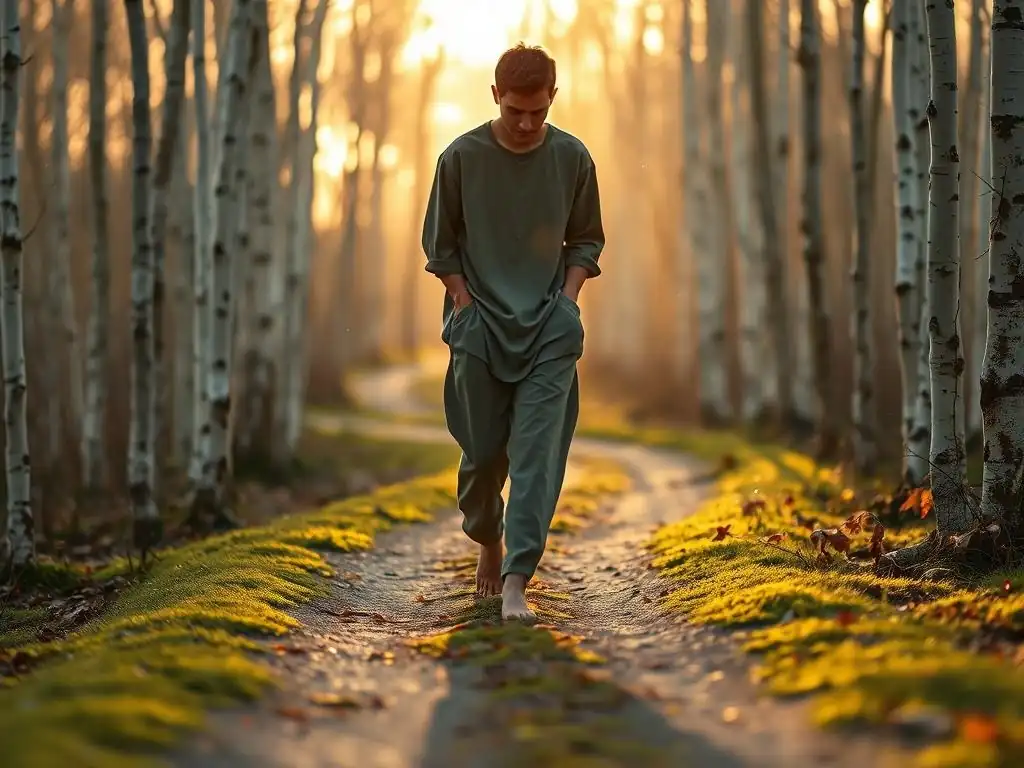
Embarking on outdoor walking meditation is a simple yet powerful practice accessible to almost everyone. It doesn't require special equipment or a specific location, although finding a peaceful natural setting can enhance the experience. This guide provides a basic framework to help you begin your journey toward finding outdoor walking meditation stress relief. Remember, the key is patience and gentle persistence.
Start with short sessions, perhaps just 10-15 minutes, and gradually increase the duration as you become more comfortable. The goal is progress, not perfection. Each mindful step is an opportunity to return to the present moment and release tension.
Preparing for Your Mindful Walk: Location and Intention
Preparation is minimal but helpful. First, choose a location. This could be a local park, a trail, a quiet street lined with trees, or even your own backyard. Aim for a place where you feel relatively safe and where you can minimize significant distractions, especially when starting out. A loop or a path you can walk back and forth on can be easier than navigating a complex route.
Next, set your intention. Before you step outside, take a moment to pause. What is your purpose for this walk? Is it stress reduction, cultivating presence, or simply connecting with nature? Silently state your intention, such as "My intention for this walk is to practice mindful awareness of my body and the environment." This mental preparation helps focus your mind from the outset and reinforces the purpose of the practice beyond just physical exercise.
The First Steps: Establishing a Comfortable Pace
Begin by standing still for a moment, taking a few deep breaths to center yourself. Notice the feeling of your feet on the ground. When you start walking, do so slowly and deliberately. Find a comfortable pace – one that feels natural but is perhaps slightly slower than your usual walking speed. This allows you to bring more attention to the sensations of movement.
As you take your first steps, bring your awareness to the physical action:
- Notice the lifting of one foot.
- Feel the swing of the leg.
- Sense the weight shifting to the standing leg.
- Feel the foot extending forward.
- Notice the contact of the heel with the ground.
- Feel the roll of the foot forward through the arch.
- Sense the toes pushing off the ground.
Repeat this sequence with each step. Initially, you might focus solely on the feet and legs. This detailed attention to the mechanics of walking helps to ground your awareness in the body, immediately offering a break from mental loops and aiding in stress reduction.
Maintaining Focus and Redirecting Wandering Thoughts
Maintaining focus is perhaps the most challenging, yet fundamental, aspect of walking meditation. Your mind will wander – to your to-do list, a past conversation, or future worries. This is completely normal. The practice isn't about stopping thoughts, but about noticing them without judgment and gently returning your attention to your chosen anchor (breath, body sensations, or environment).
When you realize your mind has drifted, simply acknowledge the thought – perhaps silently noting "thinking" – and then compassionately guide your attention back to the feeling of your feet on the ground, the rhythm of your breath, or the sights and sounds around you. Think of it like training a puppy; you gently lead it back, not scold it. Each time you notice wandering and return to the present, you strengthen your "mindfulness muscle," making outdoor walking meditation stress relief more accessible over time.
Integrating Mindful Observation into Your Walking Meditation
Once you feel comfortable focusing on the physical sensations of walking, begin to broaden your awareness to include mindful observation of the environment. This can be done in several ways:
- Alternating Focus: Spend a few minutes focusing on your body sensations, then a few minutes focusing on sounds, then sights, and so on.
- Layered Awareness: Maintain a background awareness of your body moving while simultaneously allowing your senses to take in the environment. Notice the feeling of walking and the sound of the wind.
- Pausing for Observation: Occasionally pause your walk completely to stand still and engage fully with one sense – perhaps closing your eyes to just listen, or focusing intently on the visual details of one small area.
Integrating mindful observation adds a rich layer to your practice, connecting you more deeply with the restorative power of nature and providing additional anchors for your attention, significantly enhancing the stress-relieving benefits of outdoor walking meditation.
Overcoming Challenges in Outdoor Walking Meditation
While outdoor walking meditation offers immense benefits for stress reduction, practicing outdoors can also present unique challenges compared to indoor meditation. Distractions from the environment, other people, or even internal resistance can arise. Learning to navigate these challenges is part of the practice itself and can deepen your ability to remain present amidst life's inevitable interruptions.
Approaching these obstacles with patience and a sense of curiosity, rather than frustration, is key. Each challenge is an opportunity to practice acceptance and gentle redirection, strengthening your mindfulness skills and making your outdoor walking meditation for stress relief more resilient.
Dealing with Distractions: Noise, Weather, and Other People
Outdoor environments are inherently less controlled than indoor spaces. You may encounter loud traffic noise, unexpected weather changes, or other people using the same space.
- Noise: Rather than getting irritated by sounds, try to simply notice them. If a loud noise occurs, acknowledge it ("loud sound") and return your focus. See if you can hear sounds in different layers – close sounds, distant sounds.
- Weather: If it's windy, feel the wind on your skin. If it's raining gently, notice the sound of raindrops and the smell of wet earth. If the weather is genuinely unpleasant or unsafe (e.g., heavy rain, extreme heat), it's okay to shorten your walk or choose an indoor alternative.
- Other People: When you encounter others, you can simply acknowledge their presence without dwelling on them. If you feel self-conscious, remember that you are simply walking mindfully, and most people are focused on their own activities. You can shift your gaze slightly downwards if eye contact feels distracting.
These external elements are not failures of the practice but opportunities to practice acceptance and non-reactivity. By incorporating them into your awareness rather than fighting against them, you strengthen your ability to find calm even in chaotic environments, enhancing the effectiveness of outdoor walking meditation stress relief.
Staying Present: Strategies for Re-Centering Your Attention
Even without external distractions, the mind's tendency to wander is a constant challenge. Staying present requires gentle, consistent effort.
- Anchor Reinforcement: When you notice your mind has drifted, gently remind yourself of your chosen anchor – the sensation of your feet, the rhythm of your breath, or the sights/sounds around you. Explicitly bring your attention back to that anchor.
- Brief Pause: If your mind feels particularly busy or you're caught in a strong thought loop, consider pausing your walk for a few moments. Stand still, take a few deep breaths, and consciously re-center your awareness in your body before resuming your walk.
- Mindful Labeling: Briefly and non-judgmentally label what is happening (e.g., "planning," "worrying," "remembering," "hearing car"). This act of labeling can create a slight distance from the thought or sensation, making it easier to release and return to the present moment of your outdoor walking meditation.
These strategies help to cultivate the skill of returning to the present, which is not only central to mindfulness but also directly counteracts the mental patterns associated with stress and anxiety.
Adapting Your Practice to Different Outdoor Environments
The beauty of outdoor walking meditation is its adaptability. You don't need a pristine wilderness trail.
- Urban Parks: Focus on the trees, grass, sky, and the sounds of nature that cut through the urban noise. Notice the contrast between the natural and built environment.
- Beaches: Pay attention to the feeling of sand underfoot, the sound of the waves, the smell of salt air, and the vastness of the horizon.
- Forest Trails: Engage with the dense smells of earth and leaves, the filtered light, the sounds of birds and insects, and the varied textures of trees and plants.
- Neighborhood Walks: Even walking in your neighborhood, you can find elements of nature – trees, gardens, the sky, the feeling of the air. Focus on these natural elements rather than the houses or cars.
By adapting your mindful observation to the specific environment you are in, you can find opportunities for presence and stress reduction wherever you are. Each environment offers unique sensory experiences to anchor your awareness during your outdoor walking meditation for stress relief.
Benefits of Outdoor Walking Meditation for Stress and Anxiety
Engaging in outdoor walking meditation offers a powerful combination of physical activity, mindfulness practice, and exposure to nature, all of which are independently known to reduce stress and anxiety. When combined, their effects are synergistic, providing a holistic approach to managing mental pressure and promoting emotional well-being. This practice helps to calm the nervous system, quiet the overactive mind, and foster a greater sense of connection and peace.
The benefits extend beyond immediate stress reduction, contributing to long-term improvements in mood, focus, and overall resilience. Making outdoor walking meditation a regular part of your routine can be a transformative step towards a calmer, more centered life, effectively providing outdoor walking meditation stress relief on a consistent basis.
Reducing Stress Hormones Through Nature and Mindfulness
One of the most significant physiological benefits of outdoor walking meditation is its impact on stress hormones. As mentioned earlier, spending time in nature has been linked to lower cortisol levels. For example, a study involving forest bathing (a form of mindful immersion in nature) showed participants had significantly lower concentrations of cortisol in their saliva after spending time in a forest compared to an urban setting.
Mindfulness practice itself has also been shown to reduce cortisol and other stress-related hormones like adrenaline. By combining the two – mindful walking in nature – you create an optimal environment for your body's stress response system to regulate. The rhythmic movement of walking, coupled with focused, non-judgmental awareness of a calming natural environment, sends signals to your brain that it is safe to relax, thereby lowering the physiological markers of stress.
Improving Mood and Emotional Regulation
Outdoor walking meditation has a profound positive impact on mood and enhances emotional regulation. Physical activity, even moderate walking, releases endorphins, often called "feel-good" chemicals, which naturally elevate mood. Combining this with exposure to nature, which has been shown to increase feelings of happiness and decrease anger, creates a powerful mood-boosting effect.
Mindfulness practice cultivates the ability to observe emotions without being overwhelmed by them. During a mindful walk, you might notice feelings of frustration or sadness arise, but instead of getting lost in them, you practice acknowledging them ("feeling sadness") and returning your attention to your walk and the environment. This practice builds emotional resilience, helping you to navigate difficult feelings with greater ease and preventing them from escalating into prolonged stress or anxiety.
Enhancing Focus and Concentration
In an age of constant digital distraction, the ability to focus and concentrate is increasingly valuable. Outdoor walking meditation, with its emphasis on directing and redirecting attention, is an excellent practice for strengthening these cognitive skills. By repeatedly bringing your awareness back to your chosen anchor – the breath, the body, or the environment – you are actively training your brain to focus.
The natural environment, with its non-demanding stimuli, provides an ideal backdrop for this training. Unlike the attention-grabbing alerts of screens, nature's elements invite gentle observation. Regular practice, even for 15-20 minutes several times a week, can lead to noticeable improvements in your ability to concentrate not only during your walk but also in other areas of your life, making outdoor walking meditation stress relief a benefit that extends beyond your time outdoors.
Creating a Consistent Outdoor Walking Meditation Practice
Consistency is key to reaping the full benefits of outdoor walking meditation for stress relief. Like any skill, mindfulness and the ability to find calm through movement and nature improve with regular practice. Building a consistent routine can seem challenging amidst busy schedules, but even short, regular sessions can be highly effective. The aim is to make mindful walks a natural and integrated part of your life, rather than an occasional activity.
Think of it as a commitment to your well-being, similar to eating nutritious food or getting enough sleep. Prioritizing this practice, even in small ways, sends a powerful message to yourself that your mental health is important.
Scheduling Regular Time for Mindful Walks
To establish consistency, try to schedule your outdoor walking meditation sessions. Treat them like any other important appointment. Even dedicating just 10-15 minutes a few times a week can make a difference. Consider incorporating it into your existing routine:
- A mindful walk during your lunch break.
- A sunrise or sunset walk to start or end your day.
- A short walk around a park after work.
- Using part of your commute time if you walk or use public transport near green spaces.
Putting it on your calendar increases the likelihood that you will follow through. Be flexible; if you miss a session, don't dwell on it – simply aim to practice at the next opportunity. The goal is sustainable habit formation, not perfect adherence.
Finding the Right Location for Your Practice
Finding one or two go-to locations that feel comfortable and accessible can significantly help with consistency. While variety can be interesting, having a familiar spot reduces the barrier to starting. Look for places that:
- Are easily accessible from your home or work.
- Feel relatively safe and peaceful.
- Offer some natural elements (trees, grass, water, open sky).
- Have a path or area suitable for walking at a mindful pace without too many obstacles.
Having a convenient location removes the need to spend time deciding where to go, making it easier to simply step outside and begin your practice. Whether it's a small neighborhood park, a local trail entrance, or a quiet section of a nearby nature preserve, finding your spot is crucial for consistent outdoor walking meditation stress relief.
Tracking Your Progress and Noticing the Benefits
Paying attention to the effects of your practice can be a powerful motivator for consistency. You don't need formal tracking, but simply taking a moment after each walk to notice how you feel can be insightful. Ask yourself:
- How do I feel physically compared to before the walk?
- How does my mind feel – is it calmer, clearer?
- What is my emotional state?
- Did I notice anything new or interesting during my walk?
You might keep a brief journal entry or simply make a mental note. Over time, you may start to notice patterns – perhaps you feel significantly less stressed after your walks, or you find it easier to focus during the rest of your day. Recognizing these benefits reinforces the value of the practice and encourages you to continue seeking outdoor walking meditation stress relief.
Advanced Techniques for Outdoor Walking Meditation
Once you've established a regular outdoor walking meditation practice and feel comfortable with the basic techniques, you might wish to explore more advanced approaches to deepen your experience and further enhance stress reduction. These techniques build upon the foundation of mindful movement and observation, adding layers of intention and engagement with the environment.
Advanced techniques aren't necessarily more difficult, but they often involve a more refined focus or the integration of other mindful practices. They offer ways to keep your outdoor walking meditation practice fresh and continue to explore the profound connection between mindfulness, movement, and nature.
Incorporating Gratitude into Your Practice
Adding a layer of gratitude can transform your outdoor walking meditation into a powerful practice for cultivating positive emotions and perspective, which are crucial for combating stress. As you walk, intentionally bring to mind things you are grateful for, both in your life and in the natural environment around you.
For example, you might feel gratitude for:
- The ability to walk and move your body.
- The beauty of a specific tree or flower you observe.
- The feeling of fresh air or sunshine.
- The presence of birdsong or other natural sounds.
- The simple opportunity to be present in nature.
As you walk, you can silently repeat phrases of gratitude or simply hold a feeling of thankfulness in your heart. This practice shifts your focus from what might be causing stress or worry to the abundance and positive aspects of your life and the world around you, deepening the stress-relieving effects of your outdoor walking meditation.
Exploring Different Walking Paths and Environments
While having a familiar spot is helpful for consistency, exploring different outdoor environments can enrich your practice and offer new sensory experiences. Each location presents unique opportunities for mindful observation. Walking a new trail or visiting a different park challenges your senses in new ways.
Consider exploring:
- Paths with varying terrain (forest floor, gravel, sand).
- Environments with different types of nature (woods, fields, water bodies).
- Locations with different light conditions (early morning mist, dappled afternoon sun).
Exploring new paths keeps your mind engaged and prevents the practice from becoming monotonous. It also allows you to discover which environments resonate most deeply with you, providing optimal settings for finding outdoor walking meditation stress relief.
Mindful Walking and Nature Photography: Combining Practices
For those who enjoy photography, combining mindful walking with nature photography can be a unique and deeply engaging practice. This isn't about rushing to take perfect photos, but using the camera as a tool to enhance mindful observation.
As you walk mindfully, pay close attention to details, light, and composition. When something truly captures your attention – perhaps the texture of bark, the pattern of leaves, or the way light hits a flower – pause mindfully. Before taking a picture, take a moment to simply observe the subject with your senses, appreciate its presence, and notice how you feel.
Then, mindfully frame and take the photo. This process encourages you to slow down, see the world with fresh eyes, and engage deeply with the present moment through both observation and creative expression, adding another layer to your outdoor walking meditation stress relief practice.
The Science Behind Outdoor Walking Meditation and Stress Reduction
The effectiveness of outdoor walking meditation for stress relief is supported by a growing body of scientific research across multiple disciplines, including environmental psychology, neuroscience, and mindfulness studies. Understanding the scientific basis can help solidify your confidence in the practice and motivate you to make it a regular part of your life. It's not just a feeling; there are measurable physiological and psychological changes occurring.
Research points to several key mechanisms through which this combined practice exerts its stress-reducing effects, including altering brain activity, regulating hormonal responses, and improving overall mental and emotional function.
Research on the Benefits of Nature Exposure for Mental Health
Extensive research highlights the significant benefits of nature exposure for mental health. Studies consistently show that spending time in green spaces can lower blood pressure, reduce heart rate, and decrease muscle tension – all physiological indicators of stress reduction. A study published in 2018 found that just 10-20 minutes of contact with nature per day could lead to significant reductions in cortisol levels.
Furthermore, exposure to natural environments has been linked to improvements in attention span and cognitive function, possibly due to the restorative effect nature has on our directed attention capacity. This "attention restoration theory" suggests that nature allows our minds to wander in a soft, engaging way, replenishing our ability to focus on demanding tasks later. This inherent benefit of nature is a powerful foundation for outdoor walking meditation stress relief.
The Role of Mindfulness in Reducing Stress and Anxiety
Mindfulness practice itself has been rigorously studied and proven effective in reducing stress and anxiety. Techniques like mindful breathing and body scanning activate the parasympathetic nervous system, which is responsible for the body's "rest and digest" state, counteracting the "fight or flight" response triggered by stress.
Neuroimaging studies, such as those using fMRI, have shown that regular mindfulness meditation can lead to structural and functional changes in the brain. Areas associated with stress and fear, like the amygdala, may show decreased activity, while areas associated with attention, emotional regulation, and self-awareness, like the prefrontal cortex and hippocampus, may show increased activity or volume. This neurological reshaping provides a robust basis for the stress-reducing power of mindfulness.
How Walking Meditation Affects the Brain and Body
Walking meditation combines the benefits of mindful presence with gentle physical activity. The rhythmic, repetitive nature of walking can be inherently calming, similar to other repetitive actions like knitting or drumming. This rhythmic movement can help to regulate brain activity and promote a sense of flow.
When walking mindfully outdoors, you engage brain networks associated with both internal awareness (like the default mode network, which is often overactive in stressed individuals) and external awareness (networks involved in processing sensory information). By gently shifting attention between internal sensations (body, breath) and external stimuli (environment), you help to balance these networks and reduce rumination. The combination of movement, mindfulness, and natural exposure creates a unique synergy that supports both mental clarity and physical relaxation, making outdoor walking meditation a potent tool for stress relief rooted in tangible biological processes.
Conclusion: Embrace Outdoor Walking Meditation for Lasting Stress Relief
Outdoor walking meditation is a simple yet profound practice that offers a powerful pathway to stress reduction and enhanced well-being. By combining the mindful act of walking with the restorative power of nature and the practice of mindful observation, you create a holistic approach to calming the mind and body. It requires no special equipment and can be adapted to almost any outdoor environment, making it an accessible tool for navigating the stresses of modern life.
Making outdoor walking meditation a regular part of your routine can lead to significant and lasting improvements in your ability to manage stress, regulate emotions, and cultivate a greater sense of presence and connection with the world around you. Embrace the opportunity to slow down, step outside, and walk your way to a calmer, more centered state of being.
Integrating Mindful Observation into Daily Life
The skills cultivated during outdoor walking meditation, particularly mindful observation, can be integrated into many other aspects of your daily life, extending the benefits of stress relief beyond your dedicated practice time. Look for opportunities to bring mindful awareness to everyday activities:
- Mindfully observing the sensations while washing dishes.
- Paying attention to the taste, smell, and texture of your food while eating.
- Noticing the feeling of water during a shower.
- Bringing awareness to the sounds and sights during your commute.
By weaving these small moments of mindful observation into your day, you train your brain to be more present and less reactive to stressors, reinforcing the lessons learned during your outdoor walking meditation and fostering a general sense of calm and awareness throughout your day.
Resources for Further Learning about Walking Meditation and Mindfulness
For those interested in deepening their understanding and practice of outdoor walking meditation and mindfulness, numerous resources are available. Explore books by renowned mindfulness teachers who discuss walking meditation as part of a broader practice. Many meditation centers and online platforms offer guided walking meditations, which can be particularly helpful when starting out or exploring new techniques.
Look for local mindfulness groups or workshops that might offer guided outdoor sessions. Websites dedicated to mental health and mindfulness often provide articles, videos, and audio guides on mindful walking techniques. Engaging with these resources can provide additional support, guidance, and inspiration for maintaining and evolving your outdoor walking meditation practice for continued stress relief and well-being.
Frequently Asked Questions
What is walking meditation and how does it relate to stress relief?
Walking meditation is a form of mindfulness that involves paying attention to the sensation of walking while outdoors. This focused attention helps to reduce stress by grounding you in the present moment and lessening anxious thoughts.
How does outdoor walking meditation specifically help with stress relief?
Being outdoors exposes you to nature's calming effects, such as fresh air and sunlight. Combining this with the mindful practice of walking meditation creates a powerful stress-reducing combination, promoting both physical and mental well-being.
What are some key techniques for practicing outdoor walking meditation effectively?
Focus on the sensations of your feet making contact with the ground, your breath, and the sights and sounds around you. Avoid judging your thoughts; simply observe them without getting carried away. Choose a quiet and safe outdoor space to enhance your focus.
How often should I practice outdoor walking meditation for optimal stress reduction?
Even short sessions of 10-15 minutes can be beneficial. Aim for regular practice, such as a few times a week, to experience lasting stress relief and improved mental well-being. Consistency is key to reaping the full benefits.
Where can I find more resources and support for learning about outdoor walking meditation and stress management?
Mind Care Guide offers a comprehensive guide to mental well-being, including information, support, and resources for various mental health challenges. You can also find guided meditations and tips on mindful observation for stress reduction.
Final Reflection: Finding Stillness in the Strides
The simple act of walking, when infused with mindful awareness, offers a potent antidote to the relentless stress of modern life. This isn't just a fleeting trend; it's a rediscovery of an ancient practice perfectly suited to our increasingly frenetic world. The ability to find peace and calm amidst the chaos is not a luxury, but a necessity for our well-being.
Outdoor walking meditation has profoundly impacted my own life, shifting my perspective from one of constant striving to one of gentle acceptance. The rhythmic movement of my feet on the earth, combined with focused attention on my breath and surroundings, creates a space for quiet contemplation and self-discovery. It's a practice that allows me to connect with nature's inherent tranquility, a connection often lost in the digital age. Nature does not hurry, yet everything is accomplished.
– Lao Tzu. This quote perfectly encapsulates the essence of mindful walking – finding peace and productivity in a slower, more deliberate pace.
Now, I invite you to integrate this practice into your own life. Begin with just five minutes each day, focusing on the sensations of your feet on the ground, the air on your skin, and the sights and sounds around you. Let go of the need to achieve or perform, and simply be present in the moment. Embrace the stillness within the strides, and discover the transformative power of mindful walking in reducing stress and enriching your life. The path to inner peace begins with a single, mindful step.
Unveil Your Inner Peace: Take a Mindful Walk Today
Thanks for taking the time to explore the power of walking meditation and mindful observation with us! We hope you've discovered new ways to reduce stress and find tranquility in nature. Now, it's time to put your newfound knowledge into practice.
- Take a 15-minute mindful walk: Focus on your senses—the feel of the breeze, the sounds around you, the sights before your eyes. Notice your breath and your body's movement. This is your primary step to experiencing the benefits discussed.
- Share your experience: Tell us (or a friend!) about your mindful walk. What did you notice? How did it make you feel? Sharing your journey can deepen your understanding and inspire others.
- Challenge yourself with a nature photography walk: Capture the beauty around you through mindful observation and a camera lens. This creative approach helps strengthen your focus and appreciation of your surroundings.
Ready to embrace a more peaceful and present you? What small step will you take today to incorporate mindful walking into your daily life?