
Limiting Caffeine: Is Your Morning Coffee Fueling Anxiety?

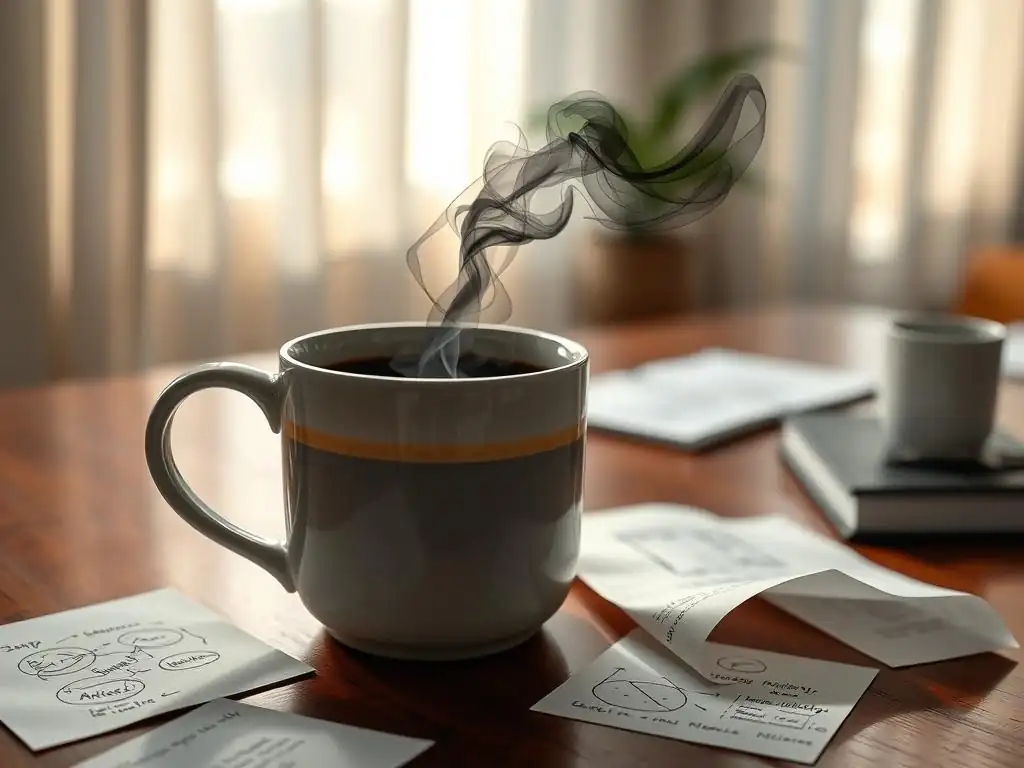
Welcome to Mind Care Guide, your compassionate companion on the journey to mental well-being. Are you finding that your daily coffee, while a seemingly harmless ritual, might actually be contributing to your anxiety? Delve into our guide exploring how caffeine could be fueling your anxiety symptoms and discover practical strategies to regain control and cultivate inner peace. Let's unravel this connection together and find a path towards a calmer, more balanced you.
- Limiting Caffeine: Is Your Morning Coffee Fueling Anxiety? - Mind Care Guide
- Recognizing the Signs: Is Caffeine Making You Anxious?
- How Much Caffeine is Too Much? Finding Your Threshold
- Strategies for Reducing Caffeine Intake and Managing Anxiety
- Dietary Changes to Counteract Caffeine's Effects on Anxiety
- Lifestyle Modifications to Complement Caffeine Reduction
- When to Seek Professional Help for Caffeine-Related Anxiety
- Debunking Caffeine Myths: Separating Fact from Fiction
- Creating a Personalized Caffeine Reduction Plan for Anxiety Relief
-
Frequently Asked Questions
- How does caffeine intake potentially exacerbate anxiety symptoms?
- What are some common physical symptoms of caffeine-induced anxiety?
- How much caffeine is generally considered "too much" for someone with anxiety?
- Besides coffee, what other sources of caffeine should I be aware of?
- What are some strategies to gradually reduce caffeine intake and minimize withdrawal symptoms?
- Final Reflection: The Quiet Anxiety of Our Daily Rituals
- Unleash Your Calm: Take Control of Your Caffeine Intake
Limiting Caffeine: Is Your Morning Coffee Fueling Anxiety? - Mind Care Guide
How Caffeine Impacts the Body and Mind
Caffeine is a potent central nervous system stimulant that primarily affects the brain by blocking adenosine, a neurotransmitter that promotes relaxation and sleep. When adenosine is blocked, it leads to increased alertness and reduced fatigue. However, this also triggers the release of other neurotransmitters like adrenaline and cortisol, which are part of the body's "fight or flight" response system.
This surge in adrenaline causes several physiological changes designed to prepare the body for perceived danger. Heart rate increases, blood pressure rises, muscles tense, and breathing may become more rapid. While these effects can provide a temporary boost in energy and focus, they also closely mimic the physical symptoms of anxiety, potentially contributing to or exacerbating feelings of nervousness and unease for susceptible individuals.
The Link Between Caffeine Consumption and Anxiety Symptoms
For many, the stimulating effects of caffeine are mild and manageable, resulting only in increased wakefulness. However, for others, particularly those with a predisposition to anxiety or panic, caffeine can significantly heighten anxiety symptoms. The physiological responses triggered by caffeine, such as a racing heart or shortness of breath, can be misinterpreted by the brain as signs of danger, initiating or worsening an anxiety response.
Research indicates a clear dose-dependent relationship, meaning higher caffeine intake is generally associated with a greater likelihood of experiencing anxiety. For instance, while a small amount like 50 mg (about half a cup of coffee) might have little effect, doses exceeding 200 mg in a single sitting or over 400 mg daily are more commonly linked to heightened nervousness, restlessness, and even panic attacks in sensitive individuals. Understanding how caffeine fueling anxiety symptoms manifests personally is crucial for managing its impact.
Differentiating Caffeine-Induced Anxiety from Other Anxiety Disorders
While caffeine can produce symptoms that feel very much like anxiety, it's important to distinguish caffeine-induced anxiety from clinical anxiety disorders like Generalized Anxiety Disorder (GAD) or Panic Disorder. Caffeine-induced anxiety typically occurs shortly after consuming caffeine and is directly related to the amount consumed. The symptoms tend to subside as the caffeine is metabolized and leaves the system.
In contrast, clinical anxiety disorders are chronic conditions characterized by persistent worry or panic attacks that occur independently of caffeine intake. While caffeine can certainly exacerbate these pre-existing conditions, the anxiety is not solely caused by the substance. A key differentiator is that symptoms of caffeine-induced anxiety often resolve or significantly improve with caffeine reduction or elimination, whereas symptoms of a clinical anxiety disorder typically require broader therapeutic approaches.
Recognizing the Signs: Is Caffeine Making You Anxious?
Recognizing if caffeine is contributing to your anxiety involves paying close attention to your body's reactions after consumption. Many people don't immediately connect their afternoon jitters or evening restlessness to the coffee they had hours earlier. Common indicators include feeling unusually keyed up, having difficulty sitting still, or experiencing a sense of impending doom or dread shortly after consuming caffeinated beverages or foods.
These symptoms often appear within 30 to 60 minutes of intake and can persist for several hours, depending on your metabolism and the amount consumed. Keeping a simple log of your caffeine intake and subsequent feelings can be an effective way to identify patterns and confirm if caffeine fueling anxiety symptoms is a reality for you. Note the time, type, and amount of caffeine, and how you feel an hour or two later.
Common Physical Manifestations of Caffeine-Induced Anxiety
The physical effects of caffeine-induced anxiety are often the most noticeable. These can include a rapid or pounding heartbeat (palpitations), trembling or shaking hands, and excessive sweating, even in cool environments. Some individuals might experience shortness of breath or a feeling of tightness in the chest, which can be particularly alarming and mistaken for a panic attack or other medical issue.
Digestive upset, such as nausea or an upset stomach, is also a frequent physical symptom. Muscle tension, particularly in the shoulders and neck, and headaches are common as well. These physical signs are direct results of caffeine's stimulant effect on the nervous system and its role in releasing stress hormones, providing tangible clues that caffeine fueling anxiety symptoms is a possibility to consider.
Psychological Signs: Caffeine and Increased Worry
Beyond the physical, caffeine can significantly impact your psychological state, potentially amplifying anxious thoughts and feelings. Increased worry, often about hypothetical or minor issues, is a common psychological symptom. You might find yourself overthinking situations, feeling unusually irritable, or having difficulty concentrating on tasks because your mind feels restless or scattered.
Insomnia or difficulty falling asleep is another major psychological consequence, as caffeine interferes with sleep regulation. Poor sleep, in turn, is a significant contributor to increased anxiety levels, creating a vicious cycle where caffeine consumption impairs sleep, leading to more anxiety, which might then prompt further caffeine use to combat fatigue. This interplay highlights how caffeine fueling anxiety symptoms can disrupt both mental peace and daily functioning.
How Much Caffeine is Too Much? Finding Your Threshold

Determining Your Personal Caffeine Sensitivity
Caffeine sensitivity varies significantly from person to person, influenced by factors like genetics, body weight, metabolism, and tolerance built over time. Some individuals can consume several cups of coffee daily without issue, while others experience caffeine fueling anxiety symptoms after just a few sips of tea. Your personal sensitivity dictates how your body processes caffeine and how strongly it reacts to its stimulant effects.
Understanding your sensitivity often requires observation. Pay attention to how different amounts of caffeine affect your energy levels, mood, and anxiety levels. If you notice increased heart rate, jitters, or nervousness after even small amounts, your sensitivity is likely high. Conversely, if you can consume moderate amounts without significant negative effects, your sensitivity might be lower. This personal threshold, rather than a universal guideline, is key to managing caffeine's impact on your anxiety.
Recommended Daily Caffeine Limits for Anxiety Management
While general guidelines exist, such as the FDA's suggestion of up to 400 mg of caffeine per day for healthy adults, this limit is often far too high for individuals prone to anxiety. For anxiety management, a much lower threshold is typically recommended. Many people find that staying below 200 mg per day, or even under 100 mg, significantly reduces their anxiety symptoms.
Some individuals may need to eliminate caffeine entirely to see a noticeable improvement in their anxiety. It's often best to start by reducing your intake gradually and observing the effects. If caffeine fueling anxiety symptoms persist even at lower doses, complete elimination might be necessary. Consulting with a healthcare professional can help determine a safe and effective limit based on your individual health profile and anxiety levels.
Coffee is the most obvious source of caffeine, but it's far from the only one. Many other beverages and foods contain significant amounts that can contribute to your overall daily intake and potentially exacerbate anxiety. Teas, especially black and green varieties, contain varying levels of caffeine (a cup of black tea might have 30-50 mg). Energy drinks are notorious for high caffeine content, often ranging from 100 mg to over 200 mg per serving, sometimes combined with other stimulants.
Soft drinks like cola and mountain dew also contain caffeine, typically 30-50 mg per can. Chocolate, particularly dark chocolate, contains smaller amounts, but consuming a large quantity could add up. Be mindful of over-the-counter pain relievers, weight-loss pills, and other medications, as some include caffeine as an active ingredient. Being aware of these hidden sources is vital when you are trying to assess your total intake and manage caffeine fueling anxiety symptoms.
Strategies for Reducing Caffeine Intake and Managing Anxiety
Gradual Caffeine Reduction: A Step-by-Step Approach
Quitting caffeine cold turkey can lead to unpleasant withdrawal symptoms like headaches, fatigue, and irritability, which can ironically worsen feelings of anxiety. A gradual reduction approach is often more manageable and comfortable. This involves slowly decreasing your daily intake over a period of one to two weeks or longer.
For example, if you typically drink three cups of coffee a day, you might reduce to two and a half cups for a few days, then two cups, and so on. Another effective method is to mix regular coffee with decaf, gradually increasing the ratio of decaf over time. This tapering strategy allows your body to adjust slowly, minimizing withdrawal effects and making the transition less stressful while you work on reducing caffeine fueling anxiety symptoms.
Caffeine Alternatives: Exploring Healthier Energy Boosters
As you reduce caffeine, you might miss the ritual or the feeling of having a warm beverage. Fortunately, there are many healthy alternatives that can provide a sense of comfort or even a natural energy lift without the anxiety-inducing effects. Herbal teas like chamomile, peppermint, or ginger are caffeine-free and can be calming or invigorating depending on the type.
Water is an essential energy booster, as dehydration can cause fatigue and mimic anxiety symptoms. Staying well-hydrated can help maintain energy levels naturally. Other options include golden milk (turmeric latte), decaf coffee or tea, or even simply sparkling water with a twist of lemon. Experimenting with these alternatives can help satisfy the craving for a beverage while supporting your goal of managing caffeine fueling anxiety symptoms.
Mindful Consumption: Paying Attention to Your Body's Signals
Mindful consumption means being fully present and aware of how what you consume affects you, both physically and mentally. Before reaching for a caffeinated drink, pause and ask yourself if you truly need it or if you're just following a habit. When you do consume caffeine, pay close attention to how your body feels afterwards.
Notice if you experience an increase in heart rate, restlessness, or anxious thoughts. By consciously connecting the consumption of caffeine with subsequent feelings of anxiety, you build a stronger awareness of your personal threshold and the impact of caffeine fueling anxiety symptoms. This mindful approach empowers you to make more informed choices about your intake based on your body's real-time feedback.
Dietary Changes to Counteract Caffeine's Effects on Anxiety
Foods and Nutrients That Support Anxiety Reduction
While reducing caffeine is key, supporting your mental well-being through a balanced diet can further help manage anxiety, including symptoms related to caffeine. Foods rich in complex carbohydrates, like whole grains, fruits, and vegetables, can have a calming effect by increasing serotonin levels in the brain. Lean proteins provide amino acids necessary for neurotransmitter production.
Certain nutrients are particularly beneficial for anxiety. Magnesium, found in leafy greens, nuts, and seeds, plays a role in nerve function and stress response. Omega-3 fatty acids, abundant in fatty fish like salmon, are linked to reduced anxiety and depression. B vitamins, found in whole grains, meat, and dairy, are crucial for nervous system health. Incorporating these nutrient-dense foods can help build resilience against anxiety, whether or not caffeine fueling anxiety symptoms is a primary concern.
The Role of Hydration in Managing Caffeine's Impact
Hydration is often overlooked but is fundamentally important when considering the effects of caffeine on anxiety. Caffeine is a mild diuretic, meaning it can increase urination and potentially lead to dehydration if not balanced with adequate fluid intake. Dehydration itself can cause symptoms that overlap with anxiety, such as dizziness, fatigue, difficulty concentrating, and irritability.
Staying well-hydrated by drinking plenty of water throughout the day can help mitigate some of caffeine's negative physical effects and support overall nervous system function. Aim for at least 8 glasses of water per day, and more if you are consuming caffeine or exercising. Proper hydration ensures your body functions optimally, potentially reducing the likelihood of caffeine fueling anxiety symptoms.
Balancing Blood Sugar Levels to Minimize Caffeine Jitters
Fluctuations in blood sugar can significantly impact mood and energy levels, sometimes leading to symptoms like shakiness, dizziness, and irritability, which can be mistaken for or exacerbate anxiety. When blood sugar drops, some individuals reach for caffeine for a quick energy boost, but this can create a cycle where the caffeine spike is followed by a crash, potentially worsening anxiety.
Eating regular, balanced meals and snacks containing a mix of complex carbohydrates, protein, and healthy fats helps maintain stable blood sugar levels. Avoiding excessive consumption of sugary foods and refined carbohydrates can prevent sharp spikes and crashes. Steady blood sugar provides a more stable foundation for energy and mood, reducing the need for caffeine to counteract slumps and helping to minimize the likelihood of caffeine fueling anxiety symptoms.
Lifestyle Modifications to Complement Caffeine Reduction

The Importance of Sleep Hygiene for Anxiety Management
Good sleep hygiene is paramount for managing both general anxiety and the specific issue of caffeine fueling anxiety symptoms. Caffeine can disrupt sleep patterns, especially when consumed later in the day, leading to insufficient or poor-quality sleep. Lack of sleep increases cortisol levels and heightens the body's stress response, making you more vulnerable to anxiety during your waking hours.
Establishing a consistent sleep schedule, creating a relaxing bedtime routine, ensuring your bedroom is dark, quiet, and cool, and avoiding screens before bed are all crucial steps. Prioritizing 7-9 hours of quality sleep per night can significantly improve your body's ability to manage stress and reduce the likelihood that residual caffeine effects will trigger or worsen anxiety symptoms.
Exercise and Physical Activity as Natural Anxiety Relievers
Regular physical activity is a powerful tool for reducing anxiety and improving mood. Exercise releases endorphins, natural mood boosters, and helps to reduce stress hormones like cortisol. Engaging in physical activity can also provide a healthy outlet for nervous energy and tension that might otherwise manifest as anxiety, including the restlessness associated with caffeine fueling anxiety symptoms.
Aim for at least 30 minutes of moderate-intensity exercise most days of the week. This could be brisk walking, jogging, swimming, cycling, or dancing. Even short bursts of activity, like a 15-minute walk, can be beneficial. Finding an activity you enjoy makes it easier to stick with, providing a consistent natural method for managing stress and anxiety that complements caffeine reduction efforts.
Mindfulness and relaxation techniques can be very effective in calming the nervous system and directly counteracting the stimulating effects of caffeine. Practices such as deep breathing exercises, meditation, progressive muscle relaxation, or yoga can help lower heart rate, reduce muscle tension, and quiet a racing mind – all common symptoms of anxiety, including those potentially caused by caffeine fueling anxiety symptoms.
Incorporating short relaxation breaks throughout your day can help manage stress proactively. Even a few minutes of focused breathing can make a difference. These techniques provide you with tools to manage the physical and psychological sensations of anxiety as they arise, offering a sense of control and helping to soothe the body and mind without relying on external substances.
Recognizing When Caffeine Reduction Isn't Enough
While reducing or eliminating caffeine can significantly alleviate anxiety for many, it's important to recognize when this step alone is not sufficient. If you have substantially reduced or cut out caffeine and still experience persistent or severe anxiety symptoms that interfere with your daily life, work, or relationships, it's a strong indicator that your anxiety may have underlying causes beyond caffeine consumption.
Symptoms that persist despite significant lifestyle changes, or feelings of panic, worry, or fear that seem disproportionate to the situation and are not clearly linked to recent caffeine intake, suggest a potential clinical anxiety disorder. In these cases, professional evaluation is necessary to understand the full scope of your anxiety and develop an appropriate treatment plan. Even if caffeine fueling anxiety symptoms is part of the picture, there might be more to address.
Consulting a Healthcare Professional for Anxiety Management
If you suspect your anxiety is more than just a reaction to caffeine, or if you are struggling to manage your symptoms, consulting a healthcare professional is a crucial step. Your primary care physician can help rule out any underlying medical conditions that might be contributing to your symptoms. They can also provide initial guidance on managing anxiety and discuss whether medication might be an appropriate option for your specific situation.
Be prepared to discuss your symptoms, their duration and severity, your lifestyle habits (including caffeine intake), and any family history of anxiety or mental health conditions. A doctor can provide a preliminary assessment and refer you to a mental health specialist if needed. Taking this step ensures you receive a proper diagnosis and access to evidence-based treatments.
Exploring Therapy Options for Anxiety Disorders
For many types of anxiety disorders, psychotherapy is a highly effective treatment. Cognitive Behavioral Therapy (CBT) is particularly well-regarded for anxiety, helping individuals identify and challenge negative thought patterns and behaviors that contribute to their anxiety. Exposure therapy, a type of CBT, is effective for phobias and panic disorder.
Other therapeutic approaches, such as Acceptance and Commitment Therapy (ACT) or mindfulness-based therapies, can also be beneficial. A mental health professional, such as a therapist, counselor, or psychologist, can assess your specific needs and recommend the most suitable type of therapy. Therapy provides strategies and coping mechanisms to manage anxiety long-term, addressing root causes that may exist independently of or be exacerbated by caffeine fueling anxiety symptoms.
Debunking Caffeine Myths: Separating Fact from Fiction
Common Misconceptions About Caffeine and Anxiety
Several myths surround caffeine consumption, particularly regarding its effects on anxiety. One common misconception is that "a little bit of caffeine is harmless for everyone." While true for some, individual sensitivity varies wildly, and even small amounts can trigger caffeine fueling anxiety symptoms in sensitive individuals. Another myth is that "decaf coffee has no caffeine." Decaffeinated coffee still contains a small amount of caffeine, typically around 2-15 mg per cup, which could be enough to affect highly sensitive people.
Some believe that building tolerance eliminates any negative effects, but while tolerance reduces the initial stimulant impact, it doesn't necessarily negate the potential for increased heart rate, sleep disruption, or the underlying physiological stress response that can contribute to anxiety. Understanding these facts helps in making informed choices about your intake.
Understanding the Long-Term Effects of Caffeine on Mental Health
The long-term effects of chronic, high caffeine consumption on mental health are an area of ongoing research. While moderate use might have some cognitive benefits for some, consistent heavy use is associated with increased risk of anxiety disorders, sleep disturbances, and potentially worsening symptoms in individuals with panic disorder or GAD. Chronic sleep deprivation induced by caffeine can also have cumulative negative effects on mood and cognitive function.
Furthermore, long-term reliance on caffeine to manage fatigue can mask underlying health issues or lifestyle factors contributing to low energy. While caffeine itself doesn't cause major psychiatric illness in healthy individuals, it can significantly exacerbate existing vulnerabilities and contribute to a state of chronic physiological arousal that makes managing anxiety more challenging. The potential for caffeine fueling anxiety symptoms over time is a valid concern.
Caffeine Withdrawal: Managing Symptoms and Staying on Track
When you reduce or eliminate caffeine after regular use, you may experience withdrawal symptoms. These typically include headaches (often described as throbbing), fatigue, irritability, difficulty concentrating, and sometimes flu-like symptoms such as nausea or muscle aches. These symptoms are temporary but can be uncomfortable and might mimic or worsen anxiety symptoms, leading some people to relapse.
Managing withdrawal involves gradual reduction, staying well-hydrated, getting adequate sleep, and potentially using over-the-counter pain relievers for headaches (though consult a doctor first). Recognizing that these symptoms are temporary and a sign that your body is adjusting can help you stay motivated. The withdrawal phase is a bridge to experiencing the benefits of less caffeine, including potentially reduced caffeine fueling anxiety symptoms.
Creating a Personalized Caffeine Reduction Plan for Anxiety Relief
Assessing Your Current Caffeine Intake
The first step in creating a personalized plan to reduce caffeine fueling anxiety symptoms is to understand exactly how much caffeine you are currently consuming. For a few days, track everything you eat and drink that contains caffeine. This includes coffee (note size and type), tea, soda, energy drinks, chocolate, and any medications. Look up the estimated caffeine content for each item.
Be honest and thorough in your tracking. You might be surprised by the total amount you consume daily, especially from less obvious sources. This assessment provides a baseline from which you can realistically plan your reduction, making the goal tangible and measurable. Knowing your starting point is crucial for setting achievable targets.
Setting Realistic Goals for Caffeine Reduction
Once you know your average daily intake, set realistic goals for reduction. Avoid aiming to go from 400 mg to zero overnight. A more sustainable approach is to reduce your intake by a small percentage each week, perhaps 10-25%. For example, if you consume 300 mg daily, aim for 225-270 mg the first week.
Your goals should be based on your current intake, your sensitivity, and your lifestyle. Consider why you're reducing (e.g., specifically targeting caffeine fueling anxiety symptoms) and keep that motivation in mind. Realistic goals prevent frustration and increase the likelihood of long-term success. Remember that consistency is more important than speed.
Tracking Your Progress and Adjusting Your Plan
As you implement your reduction plan, continue tracking your caffeine intake and, importantly, how you feel. Note any changes in your anxiety levels, sleep patterns, energy, mood, and withdrawal symptoms. This tracking helps you see the impact of your reduction efforts and identify what works best for your body.
Be prepared to adjust your plan as needed. If withdrawal symptoms are too severe, slow down the reduction pace. If you reach a certain level and notice a significant improvement in caffeine fueling anxiety symptoms, you might choose to maintain that level or continue reducing slowly. This iterative process allows you to fine-tune your plan for optimal results and sustainable change.
Frequently Asked Questions
How does caffeine intake potentially exacerbate anxiety symptoms?
Caffeine is a stimulant that can mimic and intensify the physiological symptoms of anxiety, such as increased heart rate and restlessness. This can lead individuals prone to anxiety to experience heightened feelings of panic or worry.
What are some common physical symptoms of caffeine-induced anxiety?
Common physical symptoms include palpitations, sweating, tremors, and difficulty breathing. These symptoms can be easily mistaken for, or worsen existing, anxiety disorders.
How much caffeine is generally considered "too much" for someone with anxiety?
There's no one-size-fits-all answer, but generally, exceeding 400mg of caffeine per day is considered high for most adults. However, even smaller amounts can trigger anxiety in sensitive individuals.
Besides coffee, what other sources of caffeine should I be aware of?
Be mindful of caffeine in tea, energy drinks, soda, chocolate, and even some over-the-counter medications. Reading labels carefully is crucial.
What are some strategies to gradually reduce caffeine intake and minimize withdrawal symptoms?
Try switching to decaf, reducing portion sizes, and gradually tapering off your caffeine consumption over several weeks. Staying hydrated and getting enough sleep can also help.
Final Reflection: The Quiet Anxiety of Our Daily Rituals
The pervasive nature of caffeine in modern life masks a hidden cost: for many, that morning pick-me-up is fueling a cycle of anxiety. We've explored the intricate relationship between caffeine intake and anxiety symptoms, examining the physiological mechanisms and individual sensitivities that contribute to this often-overlooked connection. The implications are far-reaching, impacting not only individual well-being but also the collective understanding of stress management in our fast-paced world.
The exploration of this topic has profoundly impacted my own understanding of personal well-being. I've become far more mindful of my own caffeine consumption and the subtle ways it influences my mood and energy levels. The price of anything is the amount of life you exchange for it,
– Henry David Thoreau. This quote resonates deeply, highlighting the often-unseen trade-offs we make in our daily routines, especially when it comes to substances we believe are harmless. The subtle shift in perspective, from viewing caffeine as a simple stimulant to recognizing its potential to exacerbate underlying anxieties, is crucial for fostering a healthier relationship with our bodies and minds.
Consider your own relationship with caffeine. Are you truly aware of how it affects you? This isn't about eliminating coffee entirely; it's about cultivating a mindful approach, listening to your body's signals, and making conscious choices that support your overall well-being. Take a moment to reflect on your caffeine consumption and its impact on your anxiety levels. Perhaps a small adjustment, a mindful reduction, or a shift in timing could lead to a significant improvement in your daily experience. The journey towards a calmer, more balanced life begins with awareness and conscious choices.
Unleash Your Calm: Take Control of Your Caffeine Intake
Thanks for taking the time to explore the connection between caffeine and anxiety with us! We hope you gained valuable insights into managing your caffeine consumption for a more balanced and peaceful day. Now, let's put that knowledge into action:
- Track your caffeine intake for a week. This simple step will reveal your current consumption habits and help you identify potential triggers. Consider using a journal or a simple app to log your coffee, tea, and other caffeinated beverages.
- Experiment with decaf alternatives. Explore the world of delicious herbal teas, or try experimenting with adding a splash of milk to your coffee to slightly reduce the caffeine impact.
- Share your experience! Tell us about your journey in the comments below. What challenges are you facing? What strategies are working for you? Let's build a supportive community together!
Are you ready to discover a calmer, more centered you by making conscious choices about your caffeine consumption?