
Your Guide to Reducing Brain Inflammation Through Smart Food Choices


Welcome to Mind Care Guide, a sanctuary for your mental well-being.
Feeling overwhelmed by the complexities of mental health? Perhaps you've heard whispers about the gut-brain connection and its influence on your mood. This is where we come in. Delve into our comprehensive guide exploring the powerful link between diet and mental health, specifically focusing on antiinflammatory foods and their incredible potential to soothe and nourish your mind. Are you ready to discover how simple food choices can unlock a brighter, calmer, and more balanced you? Let's explore the possibilities together...
Your Guide to Reducing Brain Inflammation Through Smart Food Choices
- Understanding Brain Inflammation and Mental Health
- The Power of Anti-Inflammatory Foods for Mental Health
- Top Anti-Inflammatory Foods to Boost Brain Health
- Creating Your Anti-Inflammatory Meal Plan for Mental Wellness
- Lifestyle Factors That Support Anti-Inflammatory Efforts
- Tracking Your Progress and Monitoring Your Mental Well-being
- Long-Term Strategies for Maintaining an Anti-Inflammatory Lifestyle
-
Frequently Asked Questions
- What is the connection between anti-inflammatory foods and mental health?
- Which specific foods are considered "anti-inflammatory" and beneficial for mental health?
- How quickly can dietary changes impact brain inflammation and mental well-being?
- Can anti-inflammatory foods replace traditional mental health treatments like therapy or medication?
- What are some simple ways to incorporate more anti-inflammatory foods into my daily diet?
- Final Reflection: Nourishing the Mind, One Bite at a Time
- Unlock Your Brain's Potential: Nourish Your Mind Today!
Understanding Brain Inflammation and Mental Health
The Connection Between Inflammation and Mental Well-being
Emerging research highlights a significant link between chronic inflammation in the body and the development or exacerbation of various mental health conditions, including depression, anxiety, and even neurodegenerative disorders. While acute inflammation is a vital part of the body's defense and healing processes, persistent low-grade inflammation can have detrimental effects, particularly on the delicate tissues of the brain. This chronic inflammatory state can disrupt neurotransmitter function, impair communication between brain cells, and contribute to the psychological distress experienced by individuals.
Studies have shown that individuals with major depressive disorder often exhibit elevated levels of inflammatory markers in their blood, such as C-reactive protein (CRP) and pro-inflammatory cytokines like IL-6 and TNF-alpha. This suggests that inflammation isn't just a symptom but potentially a contributing factor to the condition. Addressing this underlying inflammation through lifestyle changes, including dietary interventions focusing on antiinflammatory foods mental health, is becoming an increasingly recognized strategy in a holistic approach to mental wellness.
How Inflammation Affects Brain Function and Cognitive Health
Chronic inflammation can impair several critical aspects of brain function. It can damage neurons and synapses, which are essential for learning, memory, and cognitive processing. The inflammatory response can also compromise the blood-brain barrier, a protective shield that regulates the passage of substances into the brain, potentially allowing harmful molecules to enter and cause further damage. Furthermore, inflammation affects neurogenesis, the process by which new brain cells are formed, particularly in areas like the hippocampus, crucial for memory and emotional regulation.
The impact extends beyond mood disorders to cognitive decline. Conditions like "brain fog," difficulty concentrating, and memory problems are often associated with inflammatory states. Persistent inflammation can also influence the production and signaling of neurotransmitters like serotonin, dopamine, and norepinephrine, which play key roles in mood, motivation, and cognitive performance. Therefore, strategies aimed at reducing inflammation, such as incorporating antiinflammatory foods mental health strategies, are vital not just for mood but for preserving cognitive vitality.
Identifying the Root Causes of Brain Inflammation
Brain inflammation doesn't typically arise in isolation; it's often a consequence of systemic inflammation driven by various factors. A primary driver is an unhealthy diet high in processed foods, refined sugars, unhealthy fats (like trans fats and excessive omega-6 fatty acids), and low in nutrient-dense, anti-inflammatory foods. Other significant contributors include chronic stress, lack of physical activity, poor sleep quality, exposure to environmental toxins, and imbalances in the gut microbiome. An unhealthy gut, in particular, can lead to increased intestinal permeability (leaky gut), allowing inflammatory substances to enter the bloodstream and travel to the brain.
Recognizing these root causes is the first step toward mitigation. Addressing dietary habits is one of the most accessible and impactful strategies. Shifting away from inflammatory triggers and embracing a diet rich in antiinflammatory foods mental health benefits is a cornerstone of reducing the burden of chronic inflammation on the brain and supporting overall mental well-being.
The Power of Anti-Inflammatory Foods for Mental Health
Antiinflammatory Foods Mental Health: A Natural Approach
Adopting a diet rich in antiinflammatory foods mental health benefits offers a powerful, natural strategy to support brain health and emotional balance. This approach focuses on consuming nutrient-dense foods packed with antioxidants, healthy fats, vitamins, and minerals that actively work to quell inflammation throughout the body, including the brain. Unlike pharmacological interventions that target specific symptoms, dietary changes address the underlying inflammatory processes, promoting a healthier internal environment.
Incorporating antiinflammatory foods mental health into your daily routine can lead to tangible improvements over time. Research suggests that consistent adherence to an anti-inflammatory eating pattern, such as the Mediterranean diet, is associated with a lower risk of depression and better cognitive function. This dietary shift empowers individuals to take an active role in managing their mental wellness by nourishing their brains from within.
Key Nutrients and Compounds That Combat Inflammation
Several key nutrients and compounds found abundantly in specific foods are particularly effective at combating inflammation. Omega-3 fatty acids, especially EPA and DHA found in fatty fish, are potent anti-inflammatory agents that can cross the blood-brain barrier. Antioxidants like polyphenols, flavonoids, and carotenoids, found in colorful fruits and vegetables, neutralize harmful free radicals and protect cells from damage, reducing the inflammatory cascade. Vitamins such as C, E, and D, along with minerals like magnesium and zinc, also play crucial roles in modulating the immune response and reducing inflammation.
Curcumin (from turmeric), gingerols (from ginger), and various compounds in leafy greens and berries are examples of specific phytonutrients with well-documented anti-inflammatory properties. Focusing on foods rich in these elements provides the body with the building blocks it needs to fight inflammation effectively. Embracing these antiinflammatory foods mental health strategies translates to providing your brain with the optimal environment to thrive.
The Role of Diet in Managing Mood and Cognitive Function
The connection between diet, mood, and cognitive function is increasingly clear. A diet high in inflammatory foods can lead to blood sugar dysregulation, gut microbiome imbalances, and nutrient deficiencies, all of which negatively impact brain health and mood. Conversely, a diet centered on antiinflammatory foods mental health benefits provides the necessary fuel and protective compounds for optimal brain performance.
Adequate intake of omega-3s, for instance, is linked to better mood regulation and reduced symptoms of depression and anxiety. Antioxidant-rich foods protect against oxidative stress, which is implicated in cognitive decline. A healthy gut microbiome, fostered by fiber-rich anti-inflammatory foods, communicates with the brain via the gut-brain axis, influencing neurotransmitter production and overall mental state. Making conscious food choices is a fundamental step in supporting both emotional resilience and sharp cognitive abilities.
Top Anti-Inflammatory Foods to Boost Brain Health
Fruits and Vegetables Rich in Antioxidants for Brain Protection
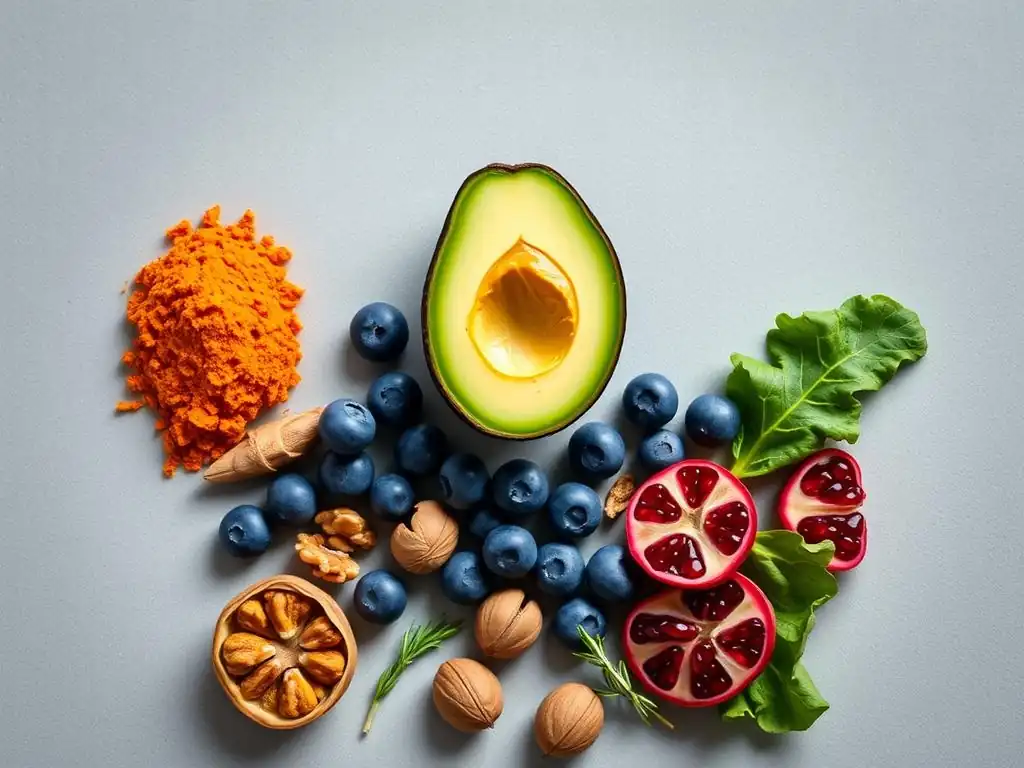
Fruits and vegetables are cornerstones of an anti-inflammatory diet, largely due to their high concentration of antioxidants and phytonutrients. These compounds help neutralize free radicals, unstable molecules that can cause cellular damage and contribute to inflammation. Including a wide variety of colorful produce ensures a broad spectrum of protective compounds. Aim for diversity in your plate to maximize the benefits of these antiinflammatory foods mental health proponents.
Consuming a minimum of 5-7 servings of fruits and vegetables daily is a common recommendation, but some experts suggest even higher amounts for optimal health benefits. For example, a single cup of cooked spinach provides a significant portion of your daily vitamin K needs, essential for brain health, while half a cup of blueberries offers a powerful dose of anthocyanins, potent antioxidants.
Berries: A Powerful Source of Anti-Inflammatory Compounds
Berries, such as blueberries, strawberries, raspberries, and blackberries, are nutritional powerhouses packed with antioxidants, particularly anthocyanins and flavonoids. These compounds have been shown to reduce inflammation and oxidative stress in the brain, potentially improving memory and cognitive function. Research indicates that regular berry consumption can help protect against age-related cognitive decline.
A study published in the Annals of Neurology found that older adults who consumed at least one serving of blueberries per week had a slower rate of cognitive decline compared to those who consumed fewer. Half a cup of blueberries contains approximately 40-50 calories and provides vitamin C and K, along with a significant antioxidant load. Incorporating a handful of mixed berries into your daily routine is a delicious way to leverage the power of antiinflammatory foods mental health benefits.
Leafy Greens: Essential Nutrients for Brain Health
Leafy green vegetables like spinach, kale, collard greens, and Swiss chard are nutrient-dense powerhouses. They are excellent sources of vitamins K, A, and C, as well as folate, lutein, and zeaxanthin – compounds linked to cognitive protection. These greens contain sulforaphane and other anti-inflammatory compounds that help detoxify the body and reduce systemic inflammation.
Consuming just one serving of leafy greens daily has been associated with slower cognitive decline, equivalent to being 11 years younger cognitively compared to those who rarely eat them, according to research from Rush University. A cup of raw kale provides over 200% of the daily value for Vitamin C and over 600% for Vitamin K. Making leafy greens a staple in your meals is a simple yet effective strategy for supporting brain health with antiinflammatory foods mental health advantages.
Blueberries, Spinach, and Kale: Antioxidant and Nutrient Powerhouses
Let's highlight these three stars. Blueberries are renowned for their high levels of anthocyanins, which give them their deep blue color and potent antioxidant activity. These antioxidants help combat oxidative stress and inflammation in the brain. A standard serving (about 1 cup) provides roughly 14% of the daily recommended intake of fiber and is relatively low in sugar compared to many other fruits.
Spinach is incredibly rich in vitamins and minerals, including folate, which is crucial for neurotransmitter synthesis and cognitive function. It also contains lutein and zeaxanthin, carotenoids that accumulate in the brain and are associated with better memory. Just one cup of cooked spinach offers about 6 grams of protein and is an excellent source of iron.
Kale, often called a superfood, is packed with vitamins A, C, and K, and contains sulforaphane, a compound studied for its anti-inflammatory and potentially anti-cancer properties. It's also a good source of fiber. Incorporating these specific antiinflammatory foods mental health boosters regularly can significantly enhance your diet's anti-inflammatory potential.
Healthy Fats for Brain Function and Reduced Inflammation
Not all fats are created equal. Healthy fats are crucial for brain structure and function and play a key role in modulating inflammation. The brain is composed of about 60% fat, primarily omega-3 fatty acids, highlighting their importance. Including sources of healthy fats is essential when building a diet focused on antiinflammatory foods mental health.
Replacing inflammatory fats (like trans fats and excessive saturated fats) with healthy alternatives can significantly lower inflammatory markers in the body. For example, studies have shown that increasing intake of omega-3 fatty acids can lead to reductions in inflammatory cytokines. Choosing the right types of fats is a fundamental step in supporting both physical and mental health.
Omega-3 Fatty Acids: The Importance of Fish Oil and Flaxseeds
Omega-3 fatty acids, particularly EPA (eicosapentaenoic acid) and DHA (docosahexaenoic acid), are perhaps the most well-known anti-inflammatory fats. DHA is a major structural component of the brain's gray matter, and both EPA and DHA have potent anti-inflammatory effects, helping to reduce inflammatory signaling molecules. They are crucial antiinflammatory foods mental health advocates.
Fatty fish like salmon, mackerel, sardines, and anchovies are the richest sources of EPA and DHA. Aiming for at least two servings of fatty fish per week is often recommended, providing approximately 1-2 grams of EPA+DHA. For vegetarians and vegans, alpha-linolenic acid (ALA) found in flaxseeds, chia seeds, and walnuts can be converted into EPA and DHA, although the conversion rate is relatively low. One tablespoon of ground flaxseeds provides about 2.3 grams of ALA.
Monounsaturated Fats: Olive Oil and Avocados for Cognitive Support
Monounsaturated fats, primarily found in olive oil, avocados, and nuts, are also important components of an anti-inflammatory diet. Extra virgin olive oil, a staple of the Mediterranean diet, contains oleocanthal, a phenolic compound with anti-inflammatory properties similar to ibuprofen. These fats help improve cholesterol levels and reduce markers of inflammation.
Avocados are another excellent source of monounsaturated fats, along with fiber, potassium, and vitamins K, C, E, and B6. They also contain lutein and zeaxanthin, beneficial for eye and brain health. Half an avocado contains around 160 calories and provides about 15 grams of healthy fats. Regular consumption of these antiinflammatory foods mental health boosters can contribute significantly to reducing overall inflammation.
Spices and Herbs with Anti-Inflammatory Properties
Beyond providing flavor, many spices and herbs possess powerful anti-inflammatory and antioxidant properties. Incorporating these into your cooking is an easy and effective way to boost the anti-inflammatory potential of your meals. They are valuable additions to the list of antiinflammatory foods mental health allies.
Ancient traditions and modern science alike recognize the medicinal properties of these natural ingredients. For instance, adding a teaspoon of turmeric to your curry or a slice of ginger to your tea introduces potent anti-inflammatory compounds directly into your system.
Turmeric and Curcumin: A Potent Anti-Inflammatory Duo
Turmeric, a vibrant yellow spice commonly used in Indian cuisine, contains curcumin, a compound with remarkable anti-inflammatory and antioxidant effects. Curcumin has been extensively studied for its potential benefits in various inflammatory conditions, including those affecting the brain. It can help reduce inflammatory markers and may support neurogenesis.
While turmeric contains curcumin, the concentration is not very high. To achieve significant therapeutic effects, it's often recommended to use curcumin extracts, which are standardized to contain higher amounts of curcumin. However, simply incorporating turmeric into your cooking, especially when combined with black pepper (which contains piperine, enhancing curcumin absorption), is a beneficial practice for leveraging these antiinflammatory foods mental health advantages.
Ginger: Natural Relief for Inflammation and Cognitive Enhancement
Ginger is another potent spice with a long history of medicinal use, known for its anti-inflammatory and antioxidant properties attributed to compounds called gingerols. Ginger can help reduce systemic inflammation and has been studied for its potential effects on cognitive function, including improving reaction time and working memory in some individuals.
Adding fresh or dried ginger to teas, smoothies, or stir-fries is a simple way to include it in your diet. Consuming even a small amount regularly can contribute to your anti-inflammatory efforts. For example, using about 1 gram of ginger extract daily has shown benefits in reducing muscle pain from exercise-induced inflammation.
Rosemary, Garlic, and Cloves: Flavorful Inflammation Fighters
Many other herbs and spices also contribute to an anti-inflammatory diet. Rosemary contains rosmarinic acid and carnosic acid, compounds with antioxidant and anti-inflammatory effects. Garlic, known for its distinct flavor, contains sulfur compounds that have been shown to reduce inflammation and support immune function.
Cloves are exceptionally high in antioxidants, particularly eugenol, which has powerful anti-inflammatory properties. A single teaspoon of ground cloves contains a significant amount of manganese and provides a high ORAC (Oxygen Radical Absorbance Capacity) score, indicating strong antioxidant activity. Using a variety of these flavorful ingredients not only enhances your dishes but also supports your brain health with these antiinflammatory foods mental health benefits.
Creating Your Anti-Inflammatory Meal Plan for Mental Wellness
Creating a meal plan centered around antiinflammatory foods mental health benefits doesn't have to be complicated. It's about making conscious choices to prioritize nutrient-dense foods and reduce inflammatory triggers. The goal is sustainability, making these changes a natural part of your daily routine.
Start by gradually incorporating more anti-inflammatory ingredients into your existing meals. Swap refined grains for whole grains, add extra vegetables to your dishes, and choose healthy fats over unhealthy ones. Planning ahead can make adherence much easier.
Sample Meal Ideas for an Anti-Inflammatory Diet
Here are some sample meal ideas focusing on antiinflammatory foods mental health:
- Breakfast: Oatmeal topped with berries, walnuts, and a sprinkle of cinnamon; or a spinach and mushroom omelet cooked in olive oil with a side of avocado.
- Lunch: Large salad with mixed greens, colorful vegetables, chickpeas or grilled salmon, topped with an olive oil and lemon dressing; or lentil soup with a side of whole-grain bread.
- Dinner: Baked salmon with roasted broccoli and sweet potato; or chicken or tofu stir-fry with plenty of vegetables (broccoli, bell peppers, snap peas) seasoned with ginger and turmeric, served with brown rice.
- Snacks: A handful of almonds or walnuts, an apple with almond butter, plain Greek yogurt with berries, or vegetable sticks (carrots, cucumbers) with hummus.
Recipe Ideas: Delicious and Nutritious Brain-Boosting Meals
Here are a couple of simple recipe concepts utilizing antiinflammatory foods mental health ingredients:
- Berry & Spinach Smoothie:
- 1 cup fresh spinach
- 1/2 cup mixed berries (blueberries, raspberries)
- 1/2 banana
- 1 tablespoon chia seeds or flaxseeds
- 1/2 cup unsweetened almond milk or water
- Combine all ingredients in a blender and blend until smooth. This provides antioxidants, omega-3s, and fiber.
- Turmeric Roasted Vegetable Medley:
- Broccoli florets, chopped carrots, cauliflower florets, diced sweet potato
- 2 tablespoons extra virgin olive oil
- 1 teaspoon turmeric powder
- 1/2 teaspoon ginger powder
- Pinch of black pepper
- Salt to taste
- Preheat oven to 400°F (200°C). Toss vegetables with olive oil, turmeric, ginger, black pepper, and salt on a baking sheet. Roast for 20-25 minutes, or until tender and slightly browned.
Foods to Avoid: Inflammatory Triggers to Eliminate
Just as important as adding antiinflammatory foods mental health boosters is reducing or eliminating foods that promote inflammation. Certain dietary components can trigger inflammatory responses in the body, counteracting the benefits of healthy eating. Identifying and minimizing these triggers is crucial for managing brain inflammation.
Being mindful of hidden sugars and unhealthy fats in processed foods is key. While occasional indulgence might not cause significant harm, chronic consumption of inflammatory foods can perpetuate a state of low-grade inflammation that impacts mental well-being.
Processed Foods and Sugary Drinks: The Impact on Brain Health
Processed foods, often high in refined sugars, unhealthy fats (like trans and excessive omega-6 fats), and artificial additives, are major drivers of inflammation. Sugary drinks, such as sodas and fruit juices with added sugar, cause rapid spikes in blood sugar, which can trigger inflammatory pathways. High sugar intake is consistently linked to increased levels of inflammatory markers.
Consumption of ultra-processed foods has been associated with a higher risk of depression and anxiety. These foods often lack the fiber, vitamins, and antioxidants found in whole, antiinflammatory foods mental health advocates. Reducing your intake of processed snacks, fast food, sugary cereals, and sweetened beverages is one of the most impactful steps you can take.
Gluten and Dairy: Considerations for Some Individuals
For some individuals, gluten (found in wheat, barley, and rye) and dairy products can be inflammatory triggers, even in the absence of celiac disease or lactose intolerance. Non-celiac gluten sensitivity or dairy intolerance can cause digestive issues, but also systemic inflammation that may affect the brain. Symptoms can range from gut discomfort to fatigue, headaches, and mood changes.
If you suspect gluten or dairy might be contributing to your symptoms, an elimination diet under the guidance of a healthcare professional or registered dietitian can help identify sensitivities. While not universally inflammatory, for those who are sensitive, avoiding these foods can be a crucial part of their antiinflammatory foods mental health strategy.
Supplementing Your Diet for Optimal Brain Health
While focusing on whole antiinflammatory foods mental health is paramount, certain supplements can help fill nutritional gaps or provide higher doses of specific anti-inflammatory compounds. Supplements should complement, not replace, a healthy diet. Always consult with a healthcare professional before starting any new supplement regimen.
Supplements can be particularly useful for individuals with dietary restrictions or those who have difficulty obtaining sufficient amounts of certain nutrients from food alone. The goal is to support the body's natural ability to reduce inflammation and promote brain health.
Vitamin D, Magnesium, and Probiotics: Supporting Brain Health
- Vitamin D: Low levels of Vitamin D are common and have been linked to increased inflammation and a higher risk of depression. Vitamin D plays a role in immune regulation and brain function. Supplementation may be necessary, especially for those with limited sun exposure. A target blood level is often recommended.
- Magnesium: This essential mineral is involved in hundreds of biochemical reactions in the body, including those related to stress response and neurotransmitter function. Magnesium deficiency is also common and can contribute to inflammation and anxiety. Increasing intake through foods like leafy greens, nuts, seeds, and whole grains, or considering a supplement, can be beneficial.
- Probiotics: A healthy gut microbiome is strongly linked to brain health via the gut-brain axis. Probiotics, beneficial bacteria found in fermented foods or supplements, can help restore gut balance, reduce inflammation, and potentially improve mood. Choosing a diverse, high-quality probiotic supplement may support your antiinflammatory foods mental health efforts by improving gut health.
Lifestyle Factors That Support Anti-Inflammatory Efforts
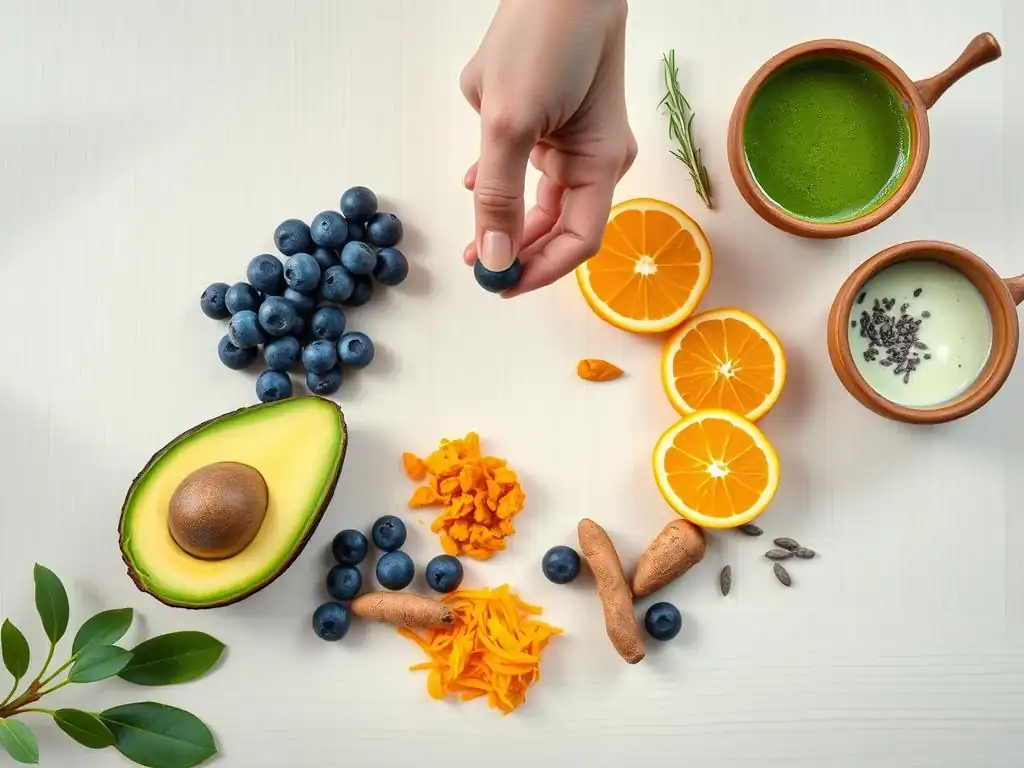
Diet is a cornerstone, but it's part of a larger lifestyle picture that impacts inflammation and mental well-being. Integrating other healthy habits amplifies the benefits of consuming antiinflammatory foods mental health boosters. These factors work synergistically to create an environment where the brain can function optimally and inflammation is kept at bay.
Addressing lifestyle factors provides a comprehensive approach to managing brain inflammation and supporting mental health. It acknowledges that well-being is multi-faceted and requires attention to the body's interconnected systems.
The Importance of Exercise and Physical Activity
Regular physical activity is a powerful anti-inflammatory intervention. Exercise helps reduce inflammatory markers, improves circulation (which benefits the brain), reduces stress hormones, and promotes the release of endorphins, which have mood-boosting effects. Both aerobic exercise and strength training contribute to reducing chronic inflammation.
Aim for at least 150 minutes of moderate-intensity aerobic activity or 75 minutes of vigorous-intensity activity per week, plus muscle-strengthening activities two or more days a week, as recommended by health guidelines. Even moderate activities like brisk walking can significantly impact inflammatory levels and complement your antiinflammatory foods mental health strategy.
Stress Management Techniques for Reducing Inflammation
Chronic stress is a significant contributor to systemic inflammation. The body's stress response, involving the release of cortisol, can become dysregulated under prolonged stress, leading to increased inflammatory signaling. Learning effective stress management techniques is therefore crucial for reducing brain inflammation and supporting mental health.
Techniques such as mindfulness meditation, deep breathing exercises, yoga, spending time in nature, or engaging in hobbies can help activate the body's relaxation response and lower stress hormone levels. Incorporating daily stress reduction practices helps mitigate the inflammatory load and enhances the positive effects of antiinflammatory foods mental health choices.
The Role of Sleep in Brain Health and Inflammation Control
Adequate, quality sleep is essential for brain health and plays a critical role in regulating inflammation. During sleep, the brain clears waste products and undergoes restorative processes. Sleep deprivation, especially chronic lack of sleep, is associated with elevated levels of inflammatory markers. Aiming for 7-9 hours of quality sleep per night allows the body and brain to repair and regenerate effectively.
Prioritizing sleep hygiene – maintaining a consistent sleep schedule, creating a relaxing bedtime routine, and ensuring a dark, quiet sleep environment – can significantly improve sleep quality. Sufficient rest supports the body's natural anti-inflammatory processes and is a vital partner to consuming antiinflammatory foods mental health boosters.
Tracking Your Progress and Monitoring Your Mental Well-being
Embarking on a journey to reduce brain inflammation through diet is a process that requires consistency and self-awareness. Tracking your progress allows you to see the impact of your dietary and lifestyle changes on your mental well-being and helps you identify what works best for you. It provides valuable feedback on your antiinflammatory foods mental health efforts.
Monitoring how you feel over time can be incredibly motivating and help you stay committed to your new habits. It shifts the focus from short-term fixes to sustainable, long-term health improvements.
Monitoring Mood, Cognition, and Energy Levels
Pay attention to subtle changes in your mood, cognitive function, and energy levels as you consistently incorporate antiinflammatory foods mental health strategies into your life. Do you feel less anxious or irritable? Is your focus clearer? Do you have more sustained energy throughout the day? These are all indicators of potential reductions in inflammation and improved brain function.
It might take several weeks or months to notice significant changes, as reducing chronic inflammation is a gradual process. Be patient with yourself and celebrate small victories along the way. Tracking these subjective experiences provides a personal measure of success.
Utilizing Journals and Mental Health Apps
Keeping a journal can be a powerful tool for tracking your progress. Note down what you eat, how you feel emotionally and physically each day, your sleep duration, exercise, and stress levels. Over time, you may start to see patterns emerge between your diet and your mental state. For example, you might notice that days you consumed more antiinflammatory foods mental health boosters correspond with better mood or clearer thinking.
Mental health apps can also help by allowing you to log mood, track habits (like diet and exercise), and even provide insights based on the data you enter. Some apps offer guided meditations or stress-reduction exercises, further supporting your overall wellness goals.
- Journaling:
- Record daily food intake.
- Note mood fluctuations (e.g., using a scale of 1-10 or descriptive words).
- Track energy levels.
- Document cognitive clarity or "brain fog."
- Record sleep duration and quality.
- Note physical activity.
- Describe any stress triggers or management techniques used.
- Using Mental Health Apps:
- Track mood daily.
- Log habits like eating anti-inflammatory meals.
- Monitor sleep patterns automatically or manually.
- Access guided meditations or breathing exercises.
- Review progress charts over weeks or months.
Long-Term Strategies for Maintaining an Anti-Inflammatory Lifestyle
Committing to an anti-inflammatory lifestyle for mental health is a marathon, not a sprint. The goal is to create sustainable habits that support brain health and well-being over the long term. This involves integrating antiinflammatory foods mental health choices into your daily life in a way that is enjoyable and manageable.
Sustainability comes from making gradual, consistent changes rather than drastic, temporary ones. It’s about building a foundation of healthy habits that become second nature, providing lasting benefits for your mental and physical health.
Making Sustainable Dietary Changes for Lasting Mental Health Benefits
Focus on progress, not perfection. Instead of trying to overhaul your diet overnight, start by making small, manageable changes. Perhaps swap your sugary breakfast cereal for oatmeal and berries, or replace processed snacks with nuts and seeds. Gradually increase your intake of leafy greens and fatty fish. These incremental steps make the transition less daunting and more sustainable.
Find ways to make antiinflammatory foods mental health friendly delicious and appealing. Experiment with new recipes, try different cooking methods, and explore new fruits, vegetables, and spices. Enjoying what you eat is crucial for long-term adherence.
Staying Motivated and Consistent with Your Anti-Inflammatory Diet
Maintaining motivation can be challenging. Connecting with the "why" behind your choices is essential – focus on how these changes make you feel and the positive impact they have on your mental well-being. Remember that reducing inflammation is a key strategy for supporting your brain health.
Find a support system, whether it's friends, family, or an online community focused on healthy eating and mental wellness. Share your successes and challenges. Don't get discouraged by occasional slip-ups; simply acknowledge them and get back on track with your next meal. Consistency over time is more important than being perfect every single day.
Consulting with a Healthcare Professional for Personalized Guidance
While this guide provides general information about antiinflammatory foods mental health, individual needs can vary. Factors like existing health conditions, medications, allergies, and specific nutrient deficiencies can influence the best dietary approach for you.
Consulting with a doctor, registered dietitian, or nutritionist specializing in mental health or functional medicine can provide personalized guidance. They can help you assess your current diet, identify potential inflammatory triggers specific to you, recommend appropriate antiinflammatory foods mental health strategies, and suggest necessary supplements based on your unique health profile. A professional can offer tailored advice to optimize your journey towards reduced brain inflammation and enhanced mental wellness.
Frequently Asked Questions
What is the connection between anti-inflammatory foods and mental health?
Brain inflammation has been linked to various mental health conditions. Anti-inflammatory foods can help reduce this inflammation, potentially improving mood and cognitive function. This approach supports overall mental well-being.
Which specific foods are considered "anti-inflammatory" and beneficial for mental health?
Foods rich in omega-3 fatty acids, like fatty fish, flaxseeds, and walnuts, are excellent choices. Other beneficial foods include berries, leafy greens, and turmeric, all known for their anti-inflammatory properties.
How quickly can dietary changes impact brain inflammation and mental well-being?
While results vary, some people experience improvements in mood and focus within weeks of adopting an anti-inflammatory diet. Consistent adherence to a healthy eating plan is crucial for long-term benefits.
Can anti-inflammatory foods replace traditional mental health treatments like therapy or medication?
No, anti-inflammatory foods are best viewed as a complementary approach to mental health care. They can support overall well-being, but shouldn't replace therapy or prescribed medication when needed.
What are some simple ways to incorporate more anti-inflammatory foods into my daily diet?
Start by adding a serving of berries to your breakfast or snacking on nuts and seeds. Include leafy greens in your lunch and dinner, and aim to eat fatty fish a couple of times a week to reduce inflammation.
Final Reflection: Nourishing the Mind, One Bite at a Time
The connection between what we eat and the health of our brains is undeniable, and the impact of inflammation on mental well-being is increasingly recognized. Understanding this link empowers us to take proactive steps towards better mental health, simply by adjusting our diets. The power to influence our cognitive function and emotional stability through mindful eating is a revolutionary concept, one that deserves widespread attention and application.
This exploration into anti-inflammatory foods and their role in mental health has profoundly impacted my own understanding of wellness. It's not just about treating symptoms; it's about nurturing the very foundation of our thoughts and feelings. The journey towards better mental health is a holistic one, and diet plays a crucial, often underestimated, role. The food you eat can be either the safest and most powerful form of medicine or the slowest form of poison.
- Ann Wigmore. This quote perfectly encapsulates the responsibility we have in choosing foods that support, rather than hinder, our mental well-being.
Now, consider your own plate. What choices are you making today that nourish your mind? This isn't about perfection; it's about progress. Start small – incorporate one or two anti-inflammatory foods into your daily routine. Experiment with new recipes, explore different flavors, and discover the joy of fueling your brain with the best possible nutrients. Remember, every conscious choice you make is a step towards a healthier, happier, and more vibrant you. Let's cultivate a culture of mindful eating, one that prioritizes both physical and mental well-being.
Unlock Your Brain's Potential: Nourish Your Mind Today!
Thanks for taking the time to explore the power of food in reducing brain inflammation! You've now learned valuable strategies to nourish your mind and boost cognitive function. Ready to put this knowledge into action?
- Prioritize brain-boosting foods: Start incorporating foods like blueberries, fatty fish, and leafy greens into your diet this week. Make a grocery list today!
- Share this article with a friend or family member who might benefit from these tips. Let's spread the word about brain health together!
- Join the Mind Care Guide community forum (not a real forum) to discuss your experience and share your favorite brain-healthy recipes. What unique strategies are you excited to try?
What's one small change you can make today to improve your brain health?