
The MindDiet Connection: Making AntiInflammatory Choices for Mental Strength


Welcome to Mind Care Guide, your sanctuary for nurturing mental well-being.
Feeling overwhelmed by the noise and seeking a clearer path to inner peace? You're not alone. Discover how the choices you make at the table can profoundly impact your mental landscape, starting with the powerful connection between an antiinflammatory diet and mental health. Intrigued? Let's explore how nourishing your body can help you cultivate a resilient and thriving mind.
- The MindDiet Connection: Antiinflammatory Choices for Mental Strength
- Key Antiinflammatory Foods for Mental Well-being
- Foods to Avoid on an Antiinflammatory Diet for Optimal Mental Health
- Creating Your Antiinflammatory Meal Plan for Mental Strength
- Beyond Diet: Lifestyle Factors that Support Mental Health
- The Antiinflammatory Diet: A Powerful Tool for Holistic Mental Health
-
Frequently Asked Questions
- What is the MindDiet and how does it relate to mental health?
- How can an anti-inflammatory diet improve mental well-being?
- What foods should I include in an anti-inflammatory diet for mental health?
- Are there any foods I should avoid on an anti-inflammatory diet?
- Can an anti-inflammatory diet alone improve mental health?
- Final Reflection: Cultivating Mental Strength Through the Plate
- Unleash Your Mental Strength: Take Charge of Your MindDiet
The MindDiet Connection: Antiinflammatory Choices for Mental Strength
What is an Antiinflammatory Diet?
An anti-inflammatory diet is not a restrictive fad; rather, it is an eating pattern focused on consuming foods that help reduce chronic low-grade inflammation in the body. This dietary approach emphasizes whole, unprocessed foods rich in antioxidants, fiber, and healthy fats, while limiting items known to promote inflammation, such as refined sugars, processed meats, and trans fats. The core principle is to nourish the body with nutrients that support cellular health and immune balance.
Adopting this way of eating involves prioritizing vibrant fruits and vegetables, whole grains, lean proteins, and beneficial fats like those found in olive oil and fatty fish. It encourages regular consumption of foods like berries, leafy greens, nuts, seeds, and herbs and spices known for their anti-inflammatory properties. This dietary strategy aims to create a state of balance within the body, which is increasingly understood to have profound implications extending beyond physical health, significantly impacting mental well-being.
The Gut-Brain Axis: How Diet Affects Your Mind
The gut-brain axis is a complex bidirectional communication system linking the central nervous system (brain) and the enteric nervous system (gut). This connection is mediated by various pathways, including the vagus nerve, immune system, hormones, and importantly, the metabolites produced by the trillions of microorganisms living in your gut – the gut microbiome. What you eat directly influences the composition and function of this microbiome.
A diet rich in fiber and diverse nutrients, characteristic of an anti-inflammatory diet, fosters a healthy and diverse gut microbiome. These beneficial bacteria produce compounds like short-chain fatty acids (SCFAs), such as butyrate, which nourish gut cells, reduce inflammation, and can cross the blood-brain barrier to influence brain function and mood. Conversely, a diet high in processed foods, sugar, and unhealthy fats can promote the growth of harmful bacteria, disrupt the gut barrier, and increase inflammation, sending negative signals to the brain and potentially impacting mental health.
Inflammation and Mental Health: Unveiling the Link
Emerging research strongly suggests a significant link between chronic low-grade inflammation and various mental health conditions, including depression, anxiety, and cognitive decline. While acute inflammation is a necessary immune response to injury or infection, chronic inflammation persists, often at a subtle level, damaging tissues and disrupting normal bodily functions, including those in the brain.
Studies indicate that individuals experiencing depression often exhibit higher levels of inflammatory markers in their blood, such as C-reactive protein (CRP) and pro-inflammatory cytokines. This inflammation can affect neurotransmitter pathways (like serotonin and dopamine), impair neurogenesis (the creation of new brain cells), and disrupt the blood-brain barrier. By reducing systemic inflammation, an antiinflammatory diet for mental health aims to mitigate these negative impacts, potentially improving mood, reducing anxiety symptoms, and supporting cognitive function.
Key Antiinflammatory Foods for Mental Well-being
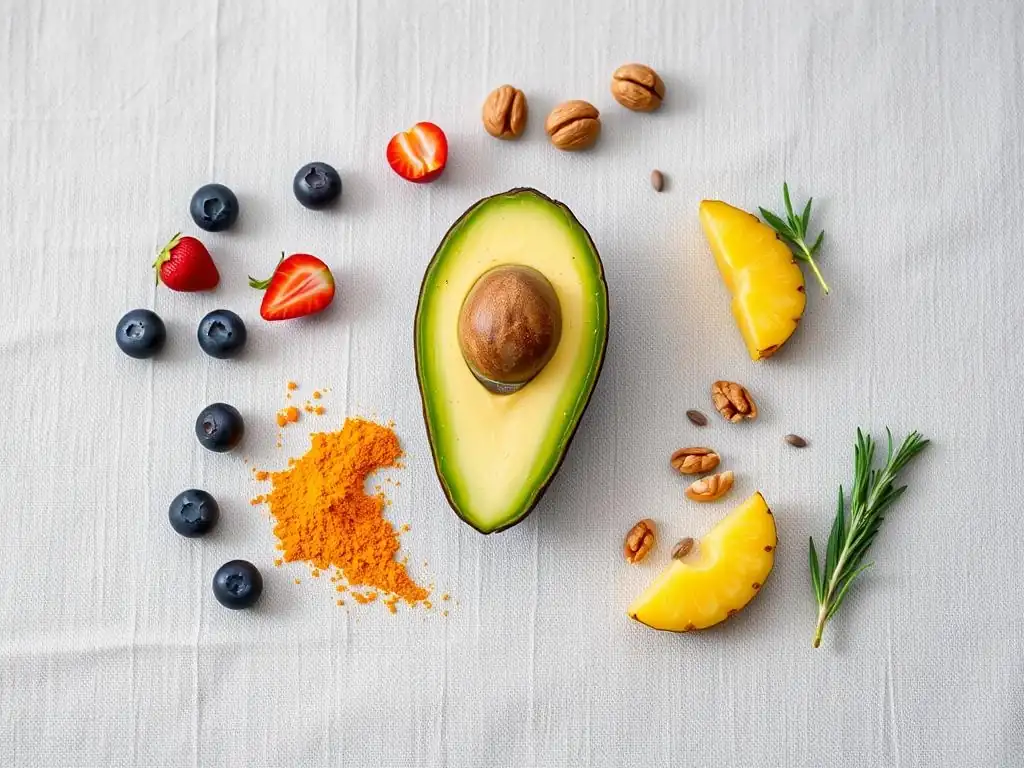
Fruits and Vegetables: Nature's Antiinflammatory Powerhouses
Fruits and vegetables are cornerstones of an anti-inflammatory diet, packed with vitamins, minerals, fiber, and potent antioxidants. These compounds work synergistically to combat oxidative stress and reduce inflammation throughout the body, including the brain. Their high fiber content also nourishes beneficial gut bacteria, further supporting the gut-brain axis.
Incorporating a wide variety of colorful fruits and vegetables ensures a broad spectrum of these beneficial compounds. Aim for multiple servings daily, exploring options like vibrant bell peppers, deep-colored eggplants, cruciferous vegetables, and a rainbow of berries. This diversity is key to harnessing their full anti-inflammatory potential and supporting comprehensive mental well-being.
Berries: Antioxidant-Rich Brain Boosters
Berries, such as blueberries, strawberries, raspberries, and blackberries, are particularly rich in antioxidants called anthocyanins and flavonoids. These powerful plant compounds give berries their vibrant colors and are known for their ability to cross the blood-brain barrier and exert protective effects on brain cells. They help neutralize free radicals, reduce oxidative stress, and dampen inflammatory pathways.
Consumption of berries has been associated with improved cognitive function and protection against age-related cognitive decline in some studies. For example, research has indicated that regular blueberry consumption may enhance memory and executive function. Including a handful of mixed berries in your daily routine – in yogurt, smoothies, or simply as a snack – is a delicious way to support your antiinflammatory diet mental health goals.
Leafy Greens: Fueling Cognitive Function
Leafy green vegetables like spinach, kale, collard greens, and Swiss chard are nutritional powerhouses, providing essential vitamins (K, A, C), folate, magnesium, and antioxidants. Folate, a B vitamin, is crucial for neurotransmitter synthesis and is often found at lower levels in individuals with depression. Magnesium is also vital for nerve function and stress regulation.
These greens contribute significantly to reducing inflammation due to their high antioxidant content. Studies have shown that higher consumption of leafy greens is linked to slower cognitive decline. Aim to include a serving of leafy greens daily, whether in salads, smoothies, stir-fries, or cooked as a side dish, to leverage their brain-boosting and anti-inflammatory benefits.
Broccoli: Sulforaphane for Neuroprotection
Broccoli and other cruciferous vegetables like cauliflower, Brussels sprouts, and cabbage contain sulforaphane, a potent compound with remarkable anti-inflammatory and antioxidant properties. Sulforaphane activates cellular defense pathways that help protect against oxidative damage and inflammation, which are implicated in neurodegenerative diseases and mood disorders.
Sulforaphane has been shown to enhance the production of glutathione, the body's master antioxidant, and activate Nrf2, a protein that regulates antioxidant and detoxification genes. These mechanisms contribute to its potential neuroprotective effects. Steaming broccoli lightly helps preserve its sulforaphane content, making it an excellent addition to an antiinflammatory diet for mental health.
Healthy Fats: Essential for Brain Health and Reduced Inflammation
Not all fats are created equal. Healthy fats, particularly omega-3 fatty acids and monounsaturated fats, are crucial components of brain cell membranes and play a vital role in reducing inflammation. The brain is composed of nearly 60% fat, making dietary fat intake fundamentally important for its structure and function.
Replacing inflammatory fats (like trans fats and excessive saturated fats) with healthy alternatives is a key step in an antiinflammatory diet. These beneficial fats help maintain the fluidity of cell membranes, allowing for better communication between brain cells, and provide building blocks for anti-inflammatory signaling molecules.
Omega-3 Fatty Acids: Sources and Benefits for Mental Clarity
Omega-3 fatty acids, specifically EPA (eicosapentaenoic acid) and DHA (docosahexaenoic acid), are perhaps the most well-known fats for their anti-inflammatory effects and benefits for mental health. These polyunsaturated fats are incorporated into cell membranes, reducing the production of inflammatory substances and promoting the production of anti-inflammatory ones.
Fatty fish such as salmon, mackerel, sardines, and anchovies are the richest sources of EPA and DHA. Plant-based sources like flaxseeds, chia seeds, and walnuts contain ALA (alpha-linolenic acid), which the body can convert to EPA and DHA, though less efficiently. Regular intake of omega-3s has been associated with reduced symptoms of depression and anxiety in some studies, highlighting their importance in an antiinflammatory diet mental health strategy.
Avocados: Monounsaturated Fats for Brain Cell Health
Avocados are an excellent source of monounsaturated fats, primarily oleic acid, the same type of fat found in olive oil. These fats are beneficial for cardiovascular health, which in turn supports brain health by ensuring good blood flow. Monounsaturated fats also play a role in maintaining the health and flexibility of brain cell membranes.
Beyond healthy fats, avocados provide a host of other nutrients beneficial for the brain, including folate, potassium, and vitamins K, C, E, and B6. Folate, as mentioned, is essential for neurotransmitter synthesis, while potassium helps regulate nerve signals. Including avocados in your diet can contribute to reduced inflammation and support cognitive function.
Lean Proteins: Supporting Brain Function and Mood Regulation
Protein is essential for the synthesis of neurotransmitters, the chemical messengers in the brain that regulate mood, cognition, and behavior. Amino acids, the building blocks of protein, are used to create crucial neurotransmitters like serotonin, dopamine, and norepinephrine. Ensuring adequate intake of high-quality, lean protein is vital for maintaining balanced brain chemistry.
Choosing lean protein sources as part of an antiinflammatory diet helps provide these essential amino acids without contributing excessive amounts of inflammatory saturated fats often found in processed or fatty meats. This supports not only muscle and tissue repair but also the intricate processes occurring within the brain that govern mental state.
Salmon: Rich in Omega-3s and Amino Acids
Salmon is an exemplary lean protein source that fits perfectly within an anti-inflammatory diet for mental health. It provides high-quality protein, supplying the necessary amino acids for neurotransmitter production. Crucially, salmon is also one of the best dietary sources of EPA and DHA omega-3 fatty acids.
Including salmon in your diet two to three times a week provides a significant boost of these anti-inflammatory fats, which directly benefit brain cell health and function. Salmon also contains Vitamin D and B vitamins, both of which play roles in mood regulation and neurological health.
Probiotics and Prebiotics: Nurturing a Healthy Gut Microbiome
A healthy gut microbiome is fundamental to the gut-brain axis and, consequently, to mental well-being. Probiotics are live beneficial bacteria that can populate the gut, while prebiotics are types of fiber that feed these beneficial bacteria. Consuming both supports a balanced and diverse gut ecosystem, which is a key component of an anti-inflammatory diet.
A thriving gut microbiome is associated with lower levels of inflammation and improved production of beneficial compounds like SCFAs, which positively influence brain function and mood. Nurturing your gut health through diet is a direct way to support your mental health via the gut-brain connection.
Yogurt: Contains Live Cultures for Gut Health
Yogurt, specifically varieties that contain live and active cultures, is a well-known source of probiotics. These beneficial bacteria can help improve the balance of the gut microbiome, contributing to a healthier gut environment. Choose plain, unsweetened yogurt to avoid added sugars, which can counteract the anti-inflammatory benefits.
Look for labels that specify "live and active cultures," such as Lactobacillus and Bifidobacterium strains. Combining yogurt with anti-inflammatory fruits like berries or prebiotics like oats can enhance its gut-supporting power, making it a valuable addition to an antiinflammatory diet mental health plan.
Garlic: Feeds Beneficial Gut Bacteria
Garlic is not only a flavorful addition to countless dishes but also a source of prebiotics, including inulin and fructooligosaccharides (FOS). These non-digestible fibers pass through the upper part of the digestive system undigested and reach the large intestine, where they are fermented by beneficial gut bacteria like Bifidobacteria.
By selectively feeding these good bacteria, garlic helps them thrive, promoting a healthier gut composition. Garlic also contains sulfur compounds like allicin, which have their own anti-inflammatory and antioxidant effects. Incorporating garlic regularly into your cooking supports both a healthy gut microbiome and overall anti-inflammatory processes.
Foods to Avoid on an Antiinflammatory Diet for Optimal Mental Health
Processed Foods: The Inflammation Trigger
Processed foods are typically high in unhealthy fats (trans fats, refined vegetable oils), added sugars, refined carbohydrates, and artificial additives, all of which can promote chronic inflammation in the body. Items like packaged snacks, sugary cereals, fast food, and processed meats offer little nutritional value and can disrupt gut health and metabolic balance.
Regular consumption of these foods can lead to increased levels of inflammatory markers and contribute to oxidative stress. For individuals focusing on an antiinflammatory diet for mental health, reducing or eliminating processed foods is a critical step to minimize inflammatory load and support a healthier internal environment conducive to better mood and cognitive function.
Sugary Drinks: A Recipe for Mental Health Problems
Sugary drinks, including soda, fruit juices with added sugar, and sweetened teas, are significant contributors to inflammation due to their high sugar content, particularly fructose. Rapid spikes in blood sugar caused by these drinks can trigger inflammatory responses and contribute to insulin resistance over time.
High sugar intake has been linked to mood swings, increased anxiety, and a higher risk of depression. The inflammatory burden from sugary drinks can negatively impact the gut microbiome and directly affect brain chemistry. Choosing water, unsweetened tea, or water infused with fruit is a simple yet powerful anti-inflammatory choice for mental well-being.
Refined Carbohydrates: Impact on Mood and Energy Levels
Refined carbohydrates, such as white bread, white rice, pastries, and pasta made from white flour, have been stripped of their fiber and many nutrients during processing. They are quickly digested, leading to rapid spikes and crashes in blood sugar levels, similar to sugary drinks. This glycemic volatility can trigger inflammatory pathways and negatively impact mood and energy levels.
These fluctuations can contribute to feelings of irritability, fatigue, and difficulty concentrating, exacerbating symptoms of anxiety and depression. Opting for whole grains like brown rice, quinoa, oats, and whole wheat bread provides fiber and nutrients that support stable blood sugar and contribute to the anti-inflammatory benefits of the diet.
Excessive Alcohol Consumption: Detrimental Effects on the Brain
While moderate alcohol consumption is sometimes debated, excessive or chronic alcohol intake is clearly detrimental to both physical and mental health and promotes inflammation. Alcohol can disrupt the gut barrier, leading to increased gut permeability (leaky gut), allowing inflammatory compounds to enter the bloodstream.
Furthermore, alcohol is a neurotoxin that can impair brain function, disrupt sleep patterns, deplete B vitamins essential for nerve health, and worsen symptoms of depression and anxiety. Limiting alcohol or avoiding it altogether is an important component of an antiinflammatory diet mental health approach, supporting both brain health and overall reduced inflammation.
Creating Your Antiinflammatory Meal Plan for Mental Strength

Sample Antiinflammatory Breakfast Ideas for Mental Clarity
Starting your day with anti-inflammatory foods sets a positive tone for both your physical and mental energy. Breakfast should aim to provide sustained energy and nutrients without causing rapid blood sugar spikes. Focus on combining fiber, healthy fats, and protein.
Examples include oatmeal made with rolled oats (a whole grain and prebiotic source), topped with anti-inflammatory berries, nuts (like walnuts or almonds for omega-3s and healthy fats), and a sprinkle of chia seeds. Another option is scrambled eggs (a good source of protein and choline) with sautéed spinach and mushrooms, cooked in olive oil, perhaps with a side of avocado. A smoothie blending leafy greens, berries, a source of healthy fat (like avocado or chia seeds), and protein powder or Greek yogurt is also an excellent choice.
Antiinflammatory Lunch Options for Sustained Focus
Lunch should provide nutrients to maintain focus and energy throughout the afternoon without causing a post-meal slump. Building a meal around lean protein, plenty of vegetables, and healthy fats is key to an antiinflammatory diet mental health strategy.
Consider a large salad packed with dark leafy greens, colorful vegetables like bell peppers and cucumbers, lean protein such as grilled chicken, salmon, or lentils, and healthy fats like avocado, nuts, or seeds, dressed with olive oil and lemon juice. Lentil or vegetable soup with a side of whole-grain bread is another warming option. Leftovers from an anti-inflammatory dinner, like baked fish and roasted vegetables, also make an easy and nutritious lunch.
Delicious and Nutritious Antiinflammatory Dinner Recipes
Dinner provides an opportunity to refuel and support overnight repair processes. Focus on balanced meals that are satisfying and rich in anti-inflammatory ingredients. Ensure a good source of protein, plenty of non-starchy vegetables, and healthy fats.
Baked or grilled fatty fish (like salmon or mackerel) served with a generous portion of roasted or steamed non-starchy vegetables such as broccoli, Brussels sprouts, or asparagus, drizzled with olive oil, is a classic anti-inflammatory dinner. A chicken or tofu stir-fry packed with a variety of colorful vegetables (broccoli, bell peppers, snap peas) and cooked in a small amount of sesame or olive oil, flavored with garlic, ginger, and soy sauce or tamari, is another flavorful option. Include brown rice or quinoa in moderation if desired.
Antiinflammatory Snack Ideas for Brainpower
Snacks can help bridge the gap between meals and prevent excessive hunger that might lead to poor food choices. Choose snacks that combine fiber, protein, and healthy fats to keep you feeling full and provide sustained energy, supporting concentration and mood.
A handful of nuts (like walnuts, almonds, or pecans) provides healthy fats, protein, and fiber. Apple slices with almond butter offer fiber, healthy fats, and a bit of protein. Plain Greek yogurt topped with berries and a sprinkle of seeds is a good source of protein and probiotics. Vegetable sticks (carrots, celery, bell peppers) with hummus (made from chickpeas, olive oil, and tahini) offer fiber, protein, and healthy fats.
Beyond Diet: Lifestyle Factors that Support Mental Health
Stress Management Techniques: Reducing Inflammation Through Mindfulness
Chronic stress is a significant contributor to inflammation in the body. When stressed, the body releases hormones like cortisol, which, while helpful in acute situations, can promote inflammation when elevated long-term. Therefore, integrating stress management techniques is a vital complement to an antiinflammatory diet for mental health.
Practices like mindfulness meditation, deep breathing exercises, yoga, or spending time in nature can help activate the body's relaxation response, lowering cortisol levels and reducing inflammatory markers. Dedicating even 10-15 minutes daily to a stress-reducing activity can have a tangible positive impact on both inflammation and mental well-being.
Regular Exercise: Boosting Mood and Cognitive Function
Regular physical activity is a powerful tool for reducing inflammation and improving mental health. Exercise helps lower inflammatory cytokines, improves circulation (including blood flow to the brain), and promotes the release of endorphins, natural mood boosters. It also supports better sleep and can help manage stress.
Aim for a combination of aerobic exercise (like walking, running, or swimming) and strength training. Even moderate activities, such as a brisk 30-minute walk most days of the week, can yield significant benefits. Physical activity complements an antiinflammatory diet mental health strategy by addressing inflammation and supporting brain health through different mechanisms.
Adequate Sleep: Essential for Brain Repair and Reduced Inflammation
Sleep is a critical period for brain repair, consolidation of memories, and regulation of hormones and inflammatory processes. Chronic sleep deprivation increases levels of inflammatory markers in the body and can negatively impact mood, concentration, and cognitive function. Most adults need between 7 and 9 hours of quality sleep per night.
Prioritizing sleep hygiene, such as maintaining a consistent sleep schedule, creating a relaxing bedtime routine, and ensuring your bedroom is dark, quiet, and cool, is essential. Getting sufficient restful sleep works synergistically with an antiinflammatory diet to support overall mental and physical resilience and reduce inflammatory burden.
Humans are social beings, and strong social connections are vital for mental well-being. Social isolation and loneliness have been linked to increased stress, inflammation, and a higher risk of depression and anxiety. Engaging in meaningful social interactions provides emotional support and a sense of belonging.
Making time for friends, family, or community activities can buffer the effects of stress and contribute to a more positive outlook. Nurturing relationships is a powerful, non-dietary component of a holistic approach to mental health, working alongside an antiinflammatory diet to build resilience against life's challenges.
The Antiinflammatory Diet: A Powerful Tool for Holistic Mental Health
Tracking Your Progress: Monitoring the Benefits of Dietary Changes
Adopting an antiinflammatory diet for mental health is a journey, and the benefits may unfold gradually. It can be helpful to track your progress to notice the positive changes. This might involve keeping a simple journal to note your mood levels, energy throughout the day, sleep quality, and any changes in anxiety or stress symptoms.
Pay attention to how different foods make you feel. Do you notice more stable energy after a meal rich in whole foods compared to one high in sugar? Do you feel less sluggish? Observing these subtle shifts can provide motivation and insight into how your dietary choices are impacting your mental state and overall well-being.
Consulting with a Healthcare Professional: Personalized Guidance and Support
While this guide provides a general overview of how an antiinflammatory diet can support mental health, individual needs vary. Consulting with a healthcare professional, such as a doctor or a registered dietitian nutritionist, is highly recommended, especially if you have existing health conditions, are taking medications, or have specific dietary restrictions or concerns.
A qualified professional can provide personalized guidance tailored to your unique health profile and circumstances. They can help you create a safe and effective antiinflammatory diet plan, ensure you are meeting all your nutritional needs, and integrate dietary changes with other aspects of your mental health care plan, ensuring a comprehensive and supportive approach.
Frequently Asked Questions
What is the MindDiet and how does it relate to mental health?
The MindDiet combines principles from the Mediterranean and DASH diets, focusing on anti-inflammatory foods that can help improve cognitive function and reduce the risk of mental decline.
How can an anti-inflammatory diet improve mental well-being?
An anti-inflammatory diet is linked to better mental health by reducing inflammation in the body, which has been associated with depression, anxiety, and other mental health challenges.
What foods should I include in an anti-inflammatory diet for mental health?
Focus on foods rich in omega-3 fatty acids, antioxidants, and fiber. Include items like fruits, vegetables, whole grains, and nuts to support your mental health.
Are there any foods I should avoid on an anti-inflammatory diet?
Yes, it's best to limit or avoid processed foods, sugars, and trans fats, as they can increase inflammation and negatively impact your mental health.
Can an anti-inflammatory diet alone improve mental health?
While an anti-inflammatory diet can be beneficial, it's essential to combine it with other practices like exercise, mindfulness, and therapy for a well-rounded approach to mental well-being.
Final Reflection: Cultivating Mental Strength Through the Plate
The connection between what we eat and how we feel is undeniable, and the impact of an anti-inflammatory diet on mental well-being is becoming increasingly clear. We've explored the intricate pathways linking inflammation to mental health conditions, from depression and anxiety to neurodegenerative diseases. This isn't just about fleeting mood boosts; it's about building a resilient mind, capable of navigating the challenges of life with greater ease and strength.
The journey towards mental wellness is a deeply personal one, and understanding the role of nutrition is a powerful step in taking control of our mental health. It's not about restrictive diets or unattainable perfection, but about making conscious choices that nourish our bodies and minds. As Hippocrates wisely stated, Let food be thy medicine and medicine be thy food.
This ancient wisdom holds profound truth, especially when considering the long-term impact of consistently choosing anti-inflammatory foods. The shift towards a mindful approach to eating, one that prioritizes whole, unprocessed foods, is not just a trend; it's a fundamental shift towards a healthier, happier future.
Consider the power you hold in shaping your mental landscape. You are not a passive recipient of your mental state; you are an active participant in its creation. By consciously incorporating anti-inflammatory foods into your diet, you are investing in your mental resilience, building a foundation for a stronger, more vibrant you. Start small, explore new recipes, and pay attention to how different foods make you feel. Embrace this journey of self-discovery and empower yourself to cultivate the mental strength you deserve.
Unleash Your Mental Strength: Take Charge of Your MindDiet
Thanks for taking the time to explore the powerful connection between your diet and mental well-being! You've now armed yourself with knowledge to make positive changes. Ready to put it into action?
- Prioritize one anti-inflammatory food: Start small! Choose one new anti-inflammatory food (like blueberries or salmon) to add to your diet this week and track how you feel.
- Share your MindDiet journey: Tell a friend or family member about what you've learned and invite them to join you on this path to better mental health. Sharing your experience can be surprisingly motivating!
- Explore MindCareGuide's resources: Dive deeper into creating a personalized MindDiet plan by checking out our other articles on this topic – we have a wealth of information to help you build resilience.
What small step will you take today to nurture your mental strength through your diet?