
The Vagus Nerve & Yoga: Calming Your Body's Stress Response


Welcome to Mind Care Guide, a space dedicated to nurturing your mental well-being.
Feeling overwhelmed or disconnected? Did you know a powerful pathway to calm resides within you? Explore the fascinating connection between your body and mind as we delve into the world of vagus nerve yoga benefits. Discover how gentle movements and mindful breathing can activate this vital nerve, easing stress and fostering a deeper sense of peace. Curious to learn more? Your journey to a calmer, more balanced you starts here...
The Vagus Nerve & Yoga: Calming Your Body's Stress Response
- Understanding the Vagus Nerve and Its Role in Stress
- Yoga for Vagus Nerve Stimulation: Unlocking Relaxation and Well-being
- Specific Yoga Poses to Stimulate the Vagus Nerve
- Yoga Sequences for Enhanced Vagal Tone
- Beyond Yoga: Other Ways to Stimulate Your Vagus Nerve
- Integrating Vagus Nerve Yoga into Your Mental Wellness Routine
- Maximizing Vagus Nerve Yoga Benefits: Tips and Considerations
- Conclusion: Harnessing the Power of Yoga for Vagus Nerve Health and Mental Well-being
-
Frequently Asked Questions
- What is the vagus nerve, and what role does it play in mental well-being?
- How can yoga specifically benefit the vagus nerve and, consequently, mental health?
- What are some specific yoga poses or breathing exercises that are most effective for stimulating the vagus nerve?
- How quickly can someone expect to see vagus nerve yoga benefits, and how often should they practice?
- Are there any potential risks or contraindications associated with using yoga to stimulate the vagus nerve?
- Final Reflection: Unlocking Inner Peace Through the Vagus Nerve and Yoga
- Unlock Your Inner Calm: Take Charge of Your Stress
Understanding the Vagus Nerve and Its Role in Stress
The Anatomy and Function of the Vagus Nerve
The vagus nerve, often referred to as the "wandering nerve," is the longest cranial nerve in the human body, originating in the brainstem and extending down through the neck, chest, and abdomen. It serves as a critical communication pathway, transmitting signals between the brain and many major organs, including the heart, lungs, and digestive tract. This extensive reach allows the vagus nerve to play a central role in regulating numerous involuntary bodily functions, from heart rate and breathing to digestion and immune response. Its intricate network is essential for maintaining homeostasis, the body's internal balance.
Structurally, the vagus nerve is a mixed nerve, meaning it contains both afferent (sensory) fibers that send information to the brain (about 80% of its fibers) and efferent (motor) fibers that send commands from the brain (about 20%). This bidirectional communication is vital for the brain to monitor the state of internal organs and respond appropriately.
For instance, sensory information from the gut can influence mood and stress levels, while signals from the brain via the vagus nerve can modulate inflammation or digestive processes. Understanding this complex anatomy provides insight into how practices like yoga can influence this nerve's function.
The Vagus Nerve and the Autonomic Nervous System: Sympathetic vs. Parasympathetic
The autonomic nervous system (ANS) controls involuntary bodily functions and is broadly divided into two branches: the sympathetic nervous system (SNS) and the parasympathetic nervous system (PNS). The SNS is primarily responsible for the "fight or flight" response, preparing the body for action during perceived threats by increasing heart rate, raising blood pressure, and diverting energy to muscles.
In contrast, the PNS governs the "rest and digest" state, promoting calm, conserving energy, and supporting functions like digestion and repair. The vagus nerve is the principal component of the PNS, acting as the primary brake on the body's stress response activated by the SNS.
In times of chronic stress, the SNS can become overactive, leading to persistent symptoms like elevated heart rate, anxiety, and digestive issues. The vagus nerve counteracts these effects by signaling relaxation, slowing the heart, lowering blood pressure, and promoting a state of calm. A well-functioning vagus nerve means the body can effectively switch between states of arousal and relaxation, adapting appropriately to environmental demands. Practices that stimulate the vagus nerve, such as vagus nerve yoga, help strengthen this crucial balance, enhancing the body's ability to recover from stress and promoting overall well-being.
Vagal Tone: Heart Rate Variability (HRV) as an Indicator
Vagal tone refers to the activity level of the vagus nerve. A higher vagal tone indicates stronger vagus nerve function and a greater capacity for the body to relax and recover from stress. It signifies a more robust and adaptable nervous system, better equipped to handle life's challenges. Conversely, low vagal tone is often associated with increased inflammation, higher susceptibility to stress, anxiety, depression, and various physical health issues. Improving vagal tone is a key objective for enhancing resilience and promoting mental and physical health.
Heart Rate Variability (HRV) is widely used as a non-invasive measure of vagal tone. HRV is the variation in the time interval between consecutive heartbeats. While it might seem counterintuitive, a greater variability in the time between beats is generally associated with higher vagal tone and better health outcomes.
This variability reflects the heart's ability to adapt rapidly to changing demands, a process heavily influenced by the vagus nerve's input. Monitoring HRV, often done through wearable devices or specific apps, can provide feedback on the state of your autonomic nervous system and how practices like vagus nerve yoga are impacting your vagal tone over time. Studies have shown that practices known to stimulate the vagus nerve can lead to measurable increases in HRV.
Yoga for Vagus Nerve Stimulation: Unlocking Relaxation and Well-being
The Physiological Impact of Yoga on the Vagus Nerve
Yoga, particularly styles emphasizing breath control (pranayama) and mindful movement, exerts a profound physiological impact on the vagus nerve. Deep, slow, and rhythmic breathing, a cornerstone of many yoga practices, directly stimulates the vagus nerve. As you inhale, your heart rate slightly increases; as you exhale slowly, the vagus nerve signals the heart to slow down. Prolonging the exhale relative to the inhale enhances this vagal braking effect, promoting relaxation. This conscious regulation of breath bypasses the sympathetic stress response and activates the parasympathetic nervous system via the vagus nerve.
Beyond breath, specific yoga poses and the overall mindful approach contribute to vagal stimulation. Gentle stretches and twists can release tension in areas where the vagus nerve passes, such as the neck and diaphragm. The meditative aspect of holding poses and focusing on internal sensations reduces the mental chatter associated with stress, shifting the nervous system towards a calmer state. The combination of physical postures, breathwork, and mindfulness in yoga creates a potent synergy that directly enhances vagal tone, offering tangible vagus nerve yoga benefits for both the body and mind.
Mental and Physical Health Benefits of Vagus Nerve Stimulation Through Yoga
Actively stimulating the vagus nerve through yoga yields a wide array of mental and physical health benefits. On a mental level, increased vagal tone is linked to reduced symptoms of anxiety and depression. By promoting a state of relaxation and reducing the physiological markers of stress, such as cortisol levels (some research indicates regular yoga can reduce cortisol by 10-15%), yoga helps calm the nervous system and improve mood. This can lead to greater emotional resilience and a reduced tendency to react impulsively to stressors. The practice cultivates present moment awareness, which further supports mental clarity and reduces rumination.
Physically, the benefits of vagus nerve yoga are equally significant. Enhanced vagal tone is associated with improved digestion, as the vagus nerve plays a key role in regulating gut motility and secretion. It can also help regulate inflammation, a factor implicated in numerous chronic diseases; the vagus nerve has an "inflammatory reflex" that can dampen cytokine production. Furthermore, improved vagal tone contributes to better cardiovascular health by promoting a healthy heart rate and blood pressure regulation. The cumulative vagus nerve yoga benefits contribute to a more balanced, resilient, and healthier body and mind.
Specific Yoga Poses to Stimulate the Vagus Nerve
Diaphragmatic Breathing (Pranayama): Ujjayi Breath
Diaphragmatic breathing, or belly breathing, is one of the most effective ways to directly stimulate the vagus nerve. Ujjayi breath, often translated as "victorious breath," is a specific type of diaphragmatic breathing commonly used in yoga. It involves inhaling and exhaling deeply through the nose, creating a gentle constriction in the back of the throat that produces a soft, ocean-like sound. This conscious and controlled breathing pattern engages the diaphragm fully, which is directly connected to the vagus nerve pathways.
The slow, steady rhythm and the slight resistance created by the throat constriction in Ujjayi breath enhance the exhalation phase, which is key to activating the parasympathetic nervous system via the vagus nerve. Practicing Ujjayi breath for even a few minutes can significantly lower heart rate, reduce blood pressure, and induce a state of calm. It's a fundamental technique in vagus nerve yoga for its immediate and profound effects on the autonomic nervous system, making it accessible anytime, anywhere, to help manage stress responses.
Child's Pose (Balasana): Gentle Compression and Relaxation
Child's Pose is a restorative posture that offers gentle physical compression and promotes deep relaxation, both of which can indirectly stimulate the vagus nerve. In this pose, you rest on your knees, folding your torso forward over your thighs, with your forehead resting on the mat. The arms can be extended forward or rested alongside the body. The gentle pressure of the torso against the thighs can provide a mild massage to the abdominal organs, where the vagus nerve has a significant presence.
Holding Child's Pose encourages deep, natural breathing into the back of the body, which further supports diaphragmatic movement and vagal tone. The posture itself signals safety and surrender, helping to downregulate the sympathetic nervous system and activate the parasympathetic response. It's a grounding pose that allows the body and mind to release tension, making it a valuable addition to any vagus nerve yoga sequence aimed at calming the nervous system.
Legs-Up-the-Wall Pose (Viparita Karani): Promoting Relaxation and Circulation
Legs-Up-the-Wall Pose is a simple inversion that is highly effective for promoting relaxation and positively influencing the vagus nerve. In this pose, you lie on your back with your legs extended vertically up a wall, allowing your hips to be close to the wall. This position gently inverts the body without strain, encouraging a shift in blood flow.
The inversion helps to reduce swelling in the legs and feet and can influence baroreceptors (pressure sensors) in the neck and chest, which communicate with the vagus nerve. This can lead to a reflex slowing of the heart rate and a decrease in blood pressure, activating the parasympathetic response. The pose is inherently calming, allowing the nervous system to settle and promoting a sense of ease, contributing significantly to the vagus nerve yoga benefits experienced through restorative practices.
Corpse Pose (Savasana): Deep Relaxation and Integration
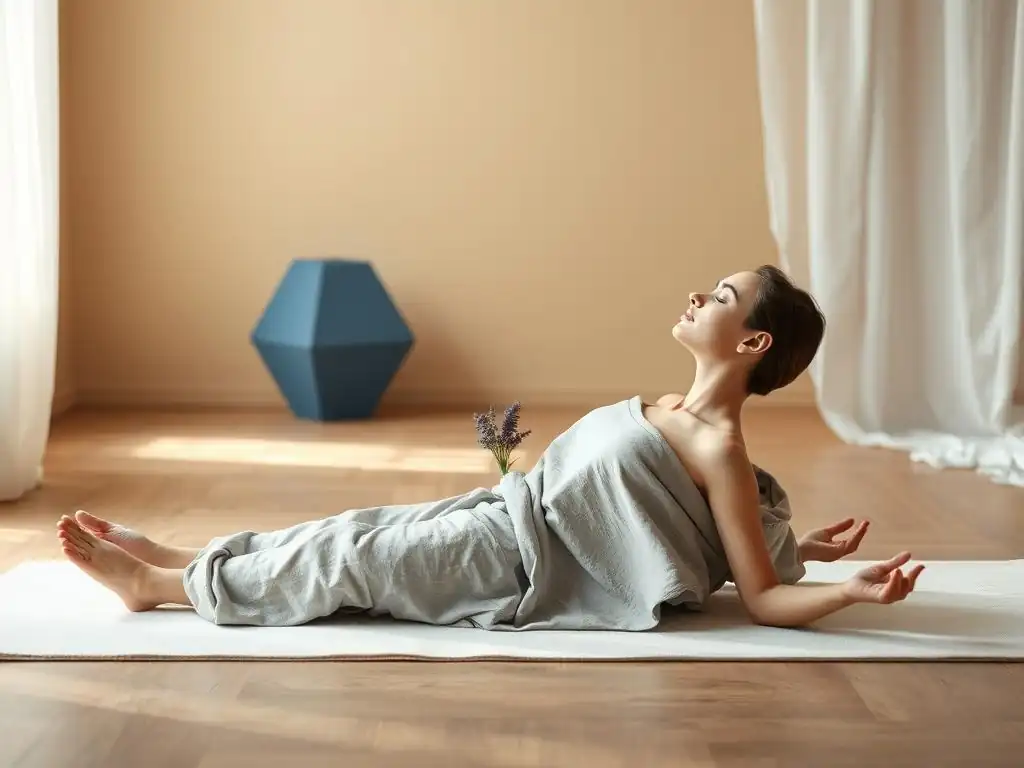
Savasana, or Corpse Pose, is the final resting pose in most yoga practices and is crucial for integrating the benefits of the session and promoting deep relaxation. Lying flat on your back with arms and legs gently splayed, the goal is to completely release all physical and mental tension. While seemingly simple, achieving true relaxation in Savasana can be challenging but is profoundly beneficial for vagal tone.
In this state of stillness and surrender, the nervous system has the opportunity to fully shift into the parasympathetic mode. With no muscular effort required and minimal sensory input, the vagus nerve can exert its calming influence without resistance. Dedicated time in Savasana allows the body to process the physiological changes initiated during the practice, consolidating the vagus nerve yoga benefits and leaving you feeling refreshed and centered. Even 5-10 minutes of conscious relaxation in Savasana can significantly reduce stress hormones and improve vagal activity.
Humming Bee Breath (Brahmari Pranayama)
Brahmari Pranayama, or Humming Bee Breath, is a powerful breathing technique known for its immediate calming effects and direct stimulation of the vagus nerve. It involves inhaling deeply and then exhaling slowly while making a low-pitched humming sound with the mouth closed. The vibrations created by the humming resonate in the head, chest, and throat, directly stimulating the vagus nerve fibers located in these areas.
Research suggests that the vocal vibrations produced during humming can significantly increase vagal tone. The prolonged exhalation combined with the soothing sound helps to quiet the mind and reduce physiological arousal. Practicing Brahmari for even a few rounds can lower heart rate, decrease blood pressure, and reduce feelings of anxiety and stress, making it an excellent tool in your vagus nerve yoga repertoire for instant calm.
Yoga Sequences for Enhanced Vagal Tone
A 15-Minute Morning Yoga Sequence for Vagus Nerve Stimulation
Starting the day with a short vagus nerve yoga sequence can set a positive tone and build resilience. A 15-minute routine could focus on gentle movements and breathwork to activate the parasympathetic system early on. This sequence could include:
- A few minutes of seated diaphragmatic breathing or Ujjayi breath to center and calm.
- Gentle neck rolls and shoulder shrugs to release tension.
- Cat-Cow pose (Marjaryasana-Bitilasana) to gently warm the spine and coordinate movement with breath.
- A brief hold in Child's Pose (Balasana) for grounding and relaxation.
- Finishing with 3-5 minutes in Savasana (Corpse Pose) or constructive rest position to integrate the practice.
This concise sequence incorporates key elements known to stimulate the vagus nerve, promoting a calm yet alert state to begin your day. The focus on breath throughout each movement enhances the vagal response, contributing to sustained calm and improved stress management as the day unfolds.
A 30-Minute Evening Yoga Routine to Reduce Stress and Improve Vagal Tone
An evening vagus nerve yoga routine can be longer and more focused on winding down, preparing the body and mind for restful sleep. A 30-minute practice allows for deeper relaxation and sustained vagal stimulation. A possible sequence could follow the structure outlined below, focusing on slow transitions and holding poses longer:
- Start with 5-7 minutes of mindful breathing, such as Ujjayi or Brahmari, to transition away from the day's activities.
- Move through gentle warm-up poses like seated twists or simple forward folds.
- Incorporate poses known for their calming effects, such as Cat-Cow (linking breath), Child's Pose (held for 1-2 minutes), and perhaps a gentle Supine Spinal Twist.
- Dedicate significant time (5-10 minutes) to Legs-Up-the-Wall (Viparita Karani) for deep relaxation and vagal stimulation.
- Conclude with 5-7 minutes in Savasana (Corpse Pose) to fully release tension and integrate the practice's benefits.
This extended evening sequence provides ample opportunity for the parasympathetic nervous system to become dominant, reducing evening cortisol levels and promoting improved sleep quality. The combination of breathwork, gentle movement, and restorative poses maximizes the vagus nerve yoga benefits, creating a powerful tool for stress reduction.
Sequence: Gentle Warm-up, Ujjayi Breathing, Cat-Cow, Child’s Pose, Legs-Up-The-Wall, Savasana
This specific sequence is a well-rounded example of a vagus nerve yoga practice that can be adapted for various durations. It strategically combines elements known to promote vagal tone. The Gentle Warm-up prepares the body, easing into movement. Ujjayi Breathing immediately centers the mind and initiates vagal activation through conscious breath control.
Cat-Cow links breath and movement, releasing spinal tension and further engaging the diaphragm. Child’s Pose offers grounding and gentle pressure, signaling safety to the nervous system. Legs-Up-The-Wall provides a restorative inversion that calms the heart rate and stimulates baroreceptors linked to the vagus nerve. Finally, Savasana allows for complete surrender and integration, solidifying the vagal tone improvements gained during the practice. This sequence effectively demonstrates how combining specific poses and breathwork can powerfully leverage vagus nerve yoga benefits for stress reduction and well-being.
Beyond Yoga: Other Ways to Stimulate Your Vagus Nerve
Cold Water Immersion and the Vagus Nerve
Exposure to cold, such as splashing cold water on your face, taking a cold shower, or immersing yourself in cold water, is a well-documented method for stimulating the vagus nerve. The sudden cold shock activates the dive reflex, a physiological response that involves a slowing of the heart rate, constriction of peripheral blood vessels, and a shift towards parasympathetic dominance, mediated by the vagus nerve. This response is a rapid way to reduce heart rate and blood pressure.
While initially uncomfortable, regular exposure to cold can help improve vagal tone over time, making the nervous system more resilient to stress. Starting with short bursts, like a 30-second cold shower at the end of a warm one, can be a gentle introduction. This technique provides a quick, physiological "reset" that complements the more sustained benefits offered by practices like vagus nerve yoga.
Meditation and Mindfulness for Vagal Tone: Loving-Kindness Meditation
Meditation and mindfulness practices are powerful tools for cultivating present moment awareness and calming the nervous system, which indirectly and directly benefits vagal tone. By focusing attention and observing thoughts and sensations without judgment, these practices reduce the mental rumination that often fuels the stress response. Regular meditation has been shown in studies to increase HRV, indicating improved vagal tone.
Loving-Kindness Meditation (Metta) is particularly effective for vagal stimulation. This practice involves cultivating feelings of warmth, compassion, and kindness towards oneself and others. Research suggests that fostering positive social emotions like compassion can directly activate the vagus nerve, which is linked to pro-social behavior and emotional regulation. Combining meditation with vagus nerve yoga techniques can create a comprehensive approach to enhancing mental and emotional well-being.
Meaningful social connection is another significant, often overlooked, stimulant for the vagus nerve. The vagus nerve is intricately involved in the "social engagement system," which governs our ability to connect with others, regulate our emotions in social contexts, and feel safe. Engaging in supportive, genuine interactions with friends, family, or a partner can activate the vagus nerve, promoting feelings of calm and belonging.
Activities such as sharing a meal, having a heartfelt conversation, or even gentle physical touch (like a hug) can trigger the release of oxytocin, a hormone associated with bonding, which in turn stimulates the vagus nerve. This highlights the profound connection between our relationships and our physiological state. Prioritizing healthy social connections is a vital component of a holistic approach to mental wellness, working alongside practices like vagus nerve yoga to build resilience.
Probiotics and Gut-Brain Axis Connection to the Vagus Nerve
Emerging research highlights the crucial link between gut health and brain function, mediated significantly by the vagus nerve. The gut-brain axis is a bidirectional communication system, and the vagus nerve serves as a major pathway for signals traveling between the digestive system and the central nervous system. The composition of our gut microbiota (the trillions of bacteria living in our intestines) can directly influence vagus nerve activity.
Consuming probiotics, which are beneficial live bacteria, can positively influence the gut microbiome. Certain strains of probiotics have been shown in studies to potentially modulate mood and reduce anxiety, partly through their interaction with the vagus nerve. For example, some Lactobacillus and Bifidobacterium strains may influence neurotransmitter production in the gut or reduce inflammation, signaling the brain via the vagus nerve. Supporting gut health through diet and probiotics is therefore another avenue to explore for enhancing vagal tone and complementing the benefits of vagus nerve yoga.
Integrating Vagus Nerve Yoga into Your Mental Wellness Routine
Establishing a Daily or Weekly Yoga and Breathwork Practice
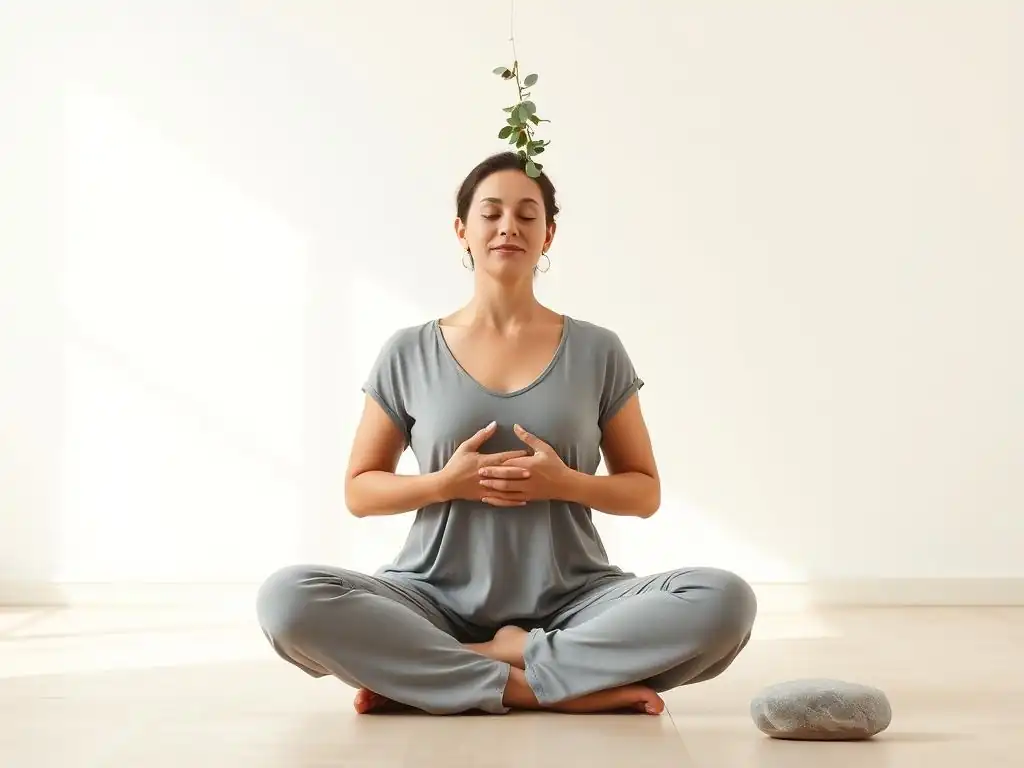
Consistency is key to realizing the full vagus nerve yoga benefits. Aiming for a regular practice, whether it's a few minutes of breathwork daily, a 15-minute morning sequence, or a longer 30-minute session a few times a week, helps to build and maintain vagal tone over time. Just like exercising a muscle, the vagus nerve responds positively to regular stimulation. Even short bursts of conscious breathing or a few restorative poses can make a difference in managing daily stress levels.
Consider blocking out specific time slots in your schedule for your vagus nerve yoga practice. This commitment helps transform it from an occasional activity into a foundational element of your mental wellness routine. Start small if needed, perhaps with just 5 minutes of deep breathing each morning, and gradually increase the duration and complexity of your practice as it feels comfortable and beneficial.
Recognizing and Responding to Your Body's Signals
A core aspect of vagus nerve yoga and overall mental wellness is developing greater interoceptive awareness – the ability to sense and interpret internal bodily signals. The vagus nerve is a primary pathway for this internal communication. By practicing yoga and mindfulness, you become more attuned to the subtle cues your body sends, such as tension in the shoulders, tightness in the chest, or changes in breathing patterns, which are often indicators of stress or nervous system state.
Learning to recognize these signals early allows you to respond proactively rather than reactively. Instead of waiting until you feel overwhelmed, you might notice the first signs of stress and choose to pause for a few minutes of Ujjayi breath or step into a quick Child's Pose. This conscious responsiveness, fostered through vagus nerve yoga, empowers you to regulate your nervous system more effectively throughout the day.
Consulting with Healthcare Professionals and Yoga Therapists
While vagus nerve yoga is a safe and beneficial practice for most people, it's always wise to consult with healthcare professionals, especially if you have pre-existing health conditions or are experiencing significant mental health challenges. They can provide guidance on how yoga might fit into your overall treatment plan and ensure there are no contraindications.
Additionally, working with a certified yoga therapist can be incredibly valuable. Yoga therapists are trained to adapt practices to individual needs and conditions, including those related to stress, anxiety, or trauma. They can help you tailor a vagus nerve yoga routine that is specifically suited to your body, your nervous system state, and your personal goals for improving vagal tone and mental well-being. Their expertise can help you maximize the specific vagus nerve yoga benefits relevant to your situation.
Maximizing Vagus Nerve Yoga Benefits: Tips and Considerations
Focusing on Proper Alignment and Breath Control
To maximize the vagus nerve yoga benefits, paying attention to proper alignment in poses is important. While deep stretches aren't always necessary for vagal stimulation, ensuring comfortable and stable postures allows you to relax more deeply and focus on the breath. Misalignment can create unnecessary tension, hindering the relaxation response.
Crucially, breath control (pranayama) is arguably the most potent tool within yoga for stimulating the vagus nerve. Focusing on slow, deep, and especially elongated exhalations is key. Ensure your breath is smooth and free of strain. Cultivating a conscious connection between movement and breath enhances the practice's ability to regulate the nervous system and improve vagal tone.
Cultivating Present Moment Awareness During Practice
Bringing mindful awareness to your vagus nerve yoga practice significantly enhances its effectiveness. Instead of going through the motions, try to fully inhabit each pose and breath. Pay attention to the physical sensations in your body, the flow of your breath, and the state of your mind without judgment.
This practice of present moment awareness helps to quiet the "thinking mind," which is often a source of stress and worry. By shifting your attention inward and anchoring it to the present experience, you help downregulate the sympathetic nervous system and activate the parasympathetic response mediated by the vagus nerve. This mindful approach is integral to unlocking the deeper vagus nerve yoga benefits.
Importance of Practicing in a Calm and Quiet Environment
The environment in which you practice vagus nerve yoga can influence its impact. A calm and quiet space minimizes external distractions, allowing you to focus inward and deepen your relaxation response. This helps to create a sense of safety and tranquility, which is conducive to activating the parasympathetic nervous system.
While it's not always possible to find complete silence, try to choose a space where you feel comfortable and won't be easily interrupted. Dim lighting, comfortable temperature, and perhaps a supportive prop like a blanket or cushion can further enhance the environment. Creating this peaceful setting supports the nervous system in shifting towards a state of rest and digest, amplifying the vagus nerve yoga benefits.
Conclusion: Harnessing the Power of Yoga for Vagus Nerve Health and Mental Well-being
Understanding the vagus nerve and its critical role in regulating our stress response provides a powerful lens through which to view the profound benefits of yoga. By consciously engaging in practices that stimulate this vital nerve – through specific breathing techniques, mindful postures, and dedicated relaxation – we can actively enhance our vagal tone. This leads to a more resilient nervous system, better equipped to navigate the challenges of modern life.
The vagus nerve yoga benefits extend across physical and mental domains, offering a holistic pathway to improved well-being. Incorporating these techniques into a regular routine, listening empathetically to your body's signals, and creating a supportive practice environment can unlock the transformative potential of yoga for calming your body's stress response and fostering lasting mental health.
Frequently Asked Questions
What is the vagus nerve, and what role does it play in mental well-being?
The vagus nerve is the longest cranial nerve in the body, connecting the brain to many major organs. It plays a crucial role in regulating the body's stress response and promoting relaxation.
How can yoga specifically benefit the vagus nerve and, consequently, mental health?
Certain yoga poses and breathing techniques stimulate the vagus nerve. This stimulation can lead to reduced anxiety, improved mood, and better overall mental well-being by activating the parasympathetic nervous system.
What are some specific yoga poses or breathing exercises that are most effective for stimulating the vagus nerve?
Diaphragmatic breathing (belly breathing), restorative poses like legs-up-the-wall, and gentle twists are highly effective. These practices promote relaxation and vagal tone, leading to improved mental health.
How quickly can someone expect to see vagus nerve yoga benefits, and how often should they practice?
Results can vary, but many experience noticeable improvements within a few weeks of regular practice. Aim for at least 2-3 sessions per week to see lasting vagus nerve yoga benefits.
Are there any potential risks or contraindications associated with using yoga to stimulate the vagus nerve?
Generally, yoga is safe, but individuals with certain medical conditions should consult their doctor first. Avoid poses that cause pain or discomfort, and listen to your body. Modified versions are always an option.
Final Reflection: Unlocking Inner Peace Through the Vagus Nerve and Yoga
The interconnectedness of mind and body, once a philosophical concept, is now a scientifically validated reality, particularly through our understanding of the vagus nerve and its profound impact on our stress response. Modern life, with its relentless demands and constant connectivity, leaves many of us in a state of chronic stress. Understanding how practices like yoga can directly influence this crucial nerve offers a powerful pathway to improved well-being and resilience.
The exploration of the vagus nerve and its role in regulating our emotional and physical states has been transformative, not only in my understanding of the body's intricate mechanisms but also in my personal practice of yoga. The subtle shifts in breathwork, the mindful movement, and the overall sense of calm cultivated through yoga directly impact vagal tone, offering a tangible experience of the mind-body connection. As Jon Kabat-Zinn eloquently stated, You can't stop the waves, but you can learn to surf.
Yoga, in conjunction with a deeper understanding of the vagus nerve, provides the tools to navigate the turbulent waters of stress and find a sense of equilibrium.
Now, consider your own relationship with stress. What practices, beyond yoga, can you incorporate into your daily life to nurture your vagus nerve and cultivate a greater sense of inner peace? Perhaps it's mindful breathing exercises throughout your day, spending time in nature, connecting with loved ones, or simply prioritizing moments of quiet reflection. The journey to a calmer, more resilient you begins with a single step – a conscious choice to prioritize your well-being and harness the incredible power of your body's natural stress-reducing mechanisms.
Unlock Your Inner Calm: Take Charge of Your Stress
Thanks for taking the time to explore the powerful connection between your vagus nerve and yoga! We hope you now have a clearer understanding of how to harness this natural pathway to inner peace. Ready to put this knowledge into practice?
- Prioritize a 15-minute daily yoga session: Focus on poses that encourage deep breathing and mindful movement – this is your key to activating your vagus nerve.
- Share your experience: Tell us (or a friend!) about your journey towards a calmer, more centered self. What poses resonated most with you?
- Try a guided meditation focusing on breathwork: These enhance vagal tone and can be incorporated easily into your daily routine.
So, what simple step will you take today to nurture your vagus nerve and cultivate a greater sense of calm?