
Sensory Healing: How Engaging Your Senses in Nature Boosts Mental Health


Welcome to Mind Care Guide, a safe space dedicated to nurturing your mental well-being.
Feeling overwhelmed? Perhaps the answer lies closer than you think. This week, we delve into the profound impact of nature on our minds. Discover how engaging your senses in the natural world can provide a powerful boost to your mental wellbeing. Intrigued? Let's explore the sensory path to healing and find out how you can harness the power of nature to cultivate a calmer, more resilient you. Read on to learn more!
Sensory Healing: How Engaging Your Senses in Nature Boosts Mental Health
- Introduction: The Profound Connection Between Nature and Mental Wellbeing
- The Science Behind Nature's Impact on Mental Health
-
Engaging Your Senses in Nature for Enhanced Mental Health: A Practical Guide
- Sight: Visual Sensory Experiences in Nature and Their Benefits
- Sound: Auditory Sensory Experiences in Nature and Their Benefits
- Smell: Olfactory Sensory Experiences in Nature and Their Benefits
- Touch: Tactile Sensory Experiences in Nature and Their Benefits
- Taste: Gustatory Sensory Experiences in Nature and Their Benefits (With Caution)
- Practical Activities for Sensory Healing in Nature
- Overcoming Barriers to Sensory Engagement with Nature
- The Long-Term Benefits of Sensory Healing in Nature
- Conclusion: Embracing Nature's Sensory Gifts for a Healthier Mind
-
Frequently Asked Questions
- How does spending time in nature specifically benefit mental wellbeing?
- What specific senses are most impacted when experiencing nature, and how does that impact mental health?
- Is there a recommended amount of time one should spend in nature to experience these mental health benefits?
- What if I live in a city with limited access to green spaces? Can I still experience these benefits?
- What resources are available to help me incorporate more nature into my daily life for mental wellbeing?
- Final Reflection: Reconnecting with Nature, Reconnecting with Ourselves
- Unlock Nature's Healing Power: Start Your Sensory Journey Today!
Introduction: The Profound Connection Between Nature and Mental Wellbeing
The modern world often keeps us indoors, disconnected from the natural environment. Yet, humans have evolved alongside nature for millennia, developing an innate connection that profoundly impacts our physical and mental state. Recognizing this bond is the first step toward harnessing nature's therapeutic potential. The concept of sensory healing in nature is rooted in the understanding that our senses act as powerful conduits, translating the external environment into internal experiences that shape our mood, stress levels, and overall mental health. Embracing this connection is key to unlocking how nature boosts mental wellbeing.
Exploring the Link Between Sensory Experiences and Mental Health
Our senses – sight, sound, smell, touch, and even taste – are our primary tools for interacting with the world. When these senses are engaged by the rich, diverse stimuli found in natural settings, they can trigger positive physiological and psychological responses. Unlike the often overwhelming and artificial sensory input of urban environments, nature offers a more balanced and restorative experience. This difference is critical; consistent exposure to calming natural sensory input can counteract the effects of chronic stress and improve emotional regulation, demonstrating a tangible link between our sensory environment and our internal state.
Research supports the idea that specific sensory engagements with nature have measurable effects. For instance, studies using fMRI scans have shown that viewing nature scenes activates areas of the brain associated with calm and empathy, while urban scenes may activate areas linked to fear and stress.
This isn't just about passive observation; actively engaging the senses, like feeling the texture of bark or listening intently to birdsong, deepens this connection and amplifies the positive impacts on mental health. It's this active sensory participation that transforms a simple walk into a potent therapeutic experience, confirming that nature boosts mental wellbeing through direct sensory interaction.
Why Nature's Sensory Input Matters for Your Mind
The specific qualities of nature's sensory input are uniquely beneficial for mental health. Natural soundscapes, free from the jarring noises of traffic or machinery, can lower heart rate and blood pressure. The visual complexity of natural patterns, like fractals in leaves or coastlines, has been shown to reduce physiological stress by up to 60% in some experiments.
The scent of pine needles or damp earth can evoke feelings of calm and reduce anxiety, partly due to compounds emitted by plants. This distinct sensory profile of nature contrasts sharply with the sensory overload often experienced in built environments, which can contribute to fatigue and irritability.
Furthermore, engaging with nature's sensory input provides a form of gentle, involuntary attention restoration. Unlike tasks that require directed focus (like working on a computer), nature captures our attention effortlessly with its ever-changing stimuli – a bird flying by, sunlight filtering through leaves, the feel of wind on skin. This allows the prefrontal cortex, responsible for directed attention, to rest and recover, leading to improved concentration and reduced mental fatigue. This restorative process, facilitated by nature's unique sensory qualities, underscores why nature boosts mental wellbeing so effectively, offering a respite from the demands of modern cognitive load.
The Science Behind Nature's Impact on Mental Health
The therapeutic effects of nature are not merely anecdotal; a growing body of scientific evidence explains the physiological and psychological mechanisms at play. Exposure to natural environments influences brain activity, hormone levels, and immune function in ways that promote mental wellness. This scientific validation reinforces the power of nature's sensory gifts as a tool for improving psychological states and underscores the truth that nature boosts mental wellbeing on a fundamental level.
How Natural Environments Reduce Stress and Anxiety
Spending time in natural settings has been shown to significantly reduce levels of cortisol, often referred to as the "stress hormone." Studies, including those conducted in controlled laboratory settings and real-world environments, have consistently demonstrated lower cortisol readings in individuals after just 20-30 minutes of exposure to nature compared to urban settings. For example, a study published in Frontiers in Psychology suggested that spending around 20 minutes in nature is sufficient to significantly lower cortisol levels. This physiological response directly combats the effects of chronic stress, which is linked to numerous mental health conditions like anxiety and depression.
Beyond hormonal changes, natural environments also influence our autonomic nervous system. They encourage a shift from the sympathetic nervous system (responsible for the "fight or flight" response) to the parasympathetic nervous system (responsible for "rest and digest"). This shift is characterized by lower heart rate, reduced blood pressure, and slower breathing, all indicators of a relaxed state.
The absence of perceived threats and the presence of calming stimuli in nature facilitate this shift, providing a physiological foundation for reduced feelings of stress and anxiety. This measurable impact demonstrates clearly how nature boosts mental wellbeing by altering our body's stress response mechanisms.
The Role of Sensory Stimuli in Activating the Parasympathetic Nervous System
Specific sensory inputs from nature are particularly effective at triggering the parasympathetic response. The gentle, non-threatening sounds of nature, such as the rustling of leaves, distant waves, or birdsong, are processed by the brain in a way that promotes relaxation.
These sounds often lack the suddenness and intensity of urban noise, which can keep the sympathetic system on high alert. Similarly, the visual experience of natural landscapes – often featuring soft edges, organic shapes, and calming colors like greens and blues – is less demanding on the visual processing centers of the brain than the sharp angles and complex structures of built environments.
Moreover, the olfactory stimuli from nature, particularly volatile organic compounds (VOCs) emitted by plants, known as phytoncides, have direct physiological effects. Research on forest bathing (Shinrin-Yoku) has shown that inhaling these compounds can decrease stress hormones and increase the activity of natural killer (NK) cells, which are important for immune function and overall health, including mental resilience. These sensory cues work in concert to signal safety and calm to the brain and body, actively engaging the parasympathetic nervous system and providing a direct pathway through which nature boosts mental wellbeing.
Nature's Sensory Richness: A Path to Mental Restoration
Attention Restoration Theory (ART) posits that exposure to natural environments can restore depleted attentional resources. This theory highlights two types of attention: directed attention (required for focused tasks) and fascination (effortless attention captured by interesting stimuli). Nature is rich in fascination – the movement of animals, the patterns of light and shadow, the changing textures of plants. This effortless engagement allows our directed attention capacity, which is often fatigued by the demands of modern life, to rest and recover.
The multi-sensory nature of outdoor environments is key to this restoration. It's not just about seeing greenery; it's the combination of sights, sounds, smells, and textures that fully immerses us and draws us away from ruminative thoughts and mental fatigue. This sensory immersion provides a break from the demands of cognitive load, leading to improved focus, problem-solving abilities, and overall mental clarity after spending time outdoors. This restorative power, fueled by nature's sensory richness, is a significant reason why nature boosts mental wellbeing and enhances cognitive function.
Engaging Your Senses in Nature for Enhanced Mental Health: A Practical Guide
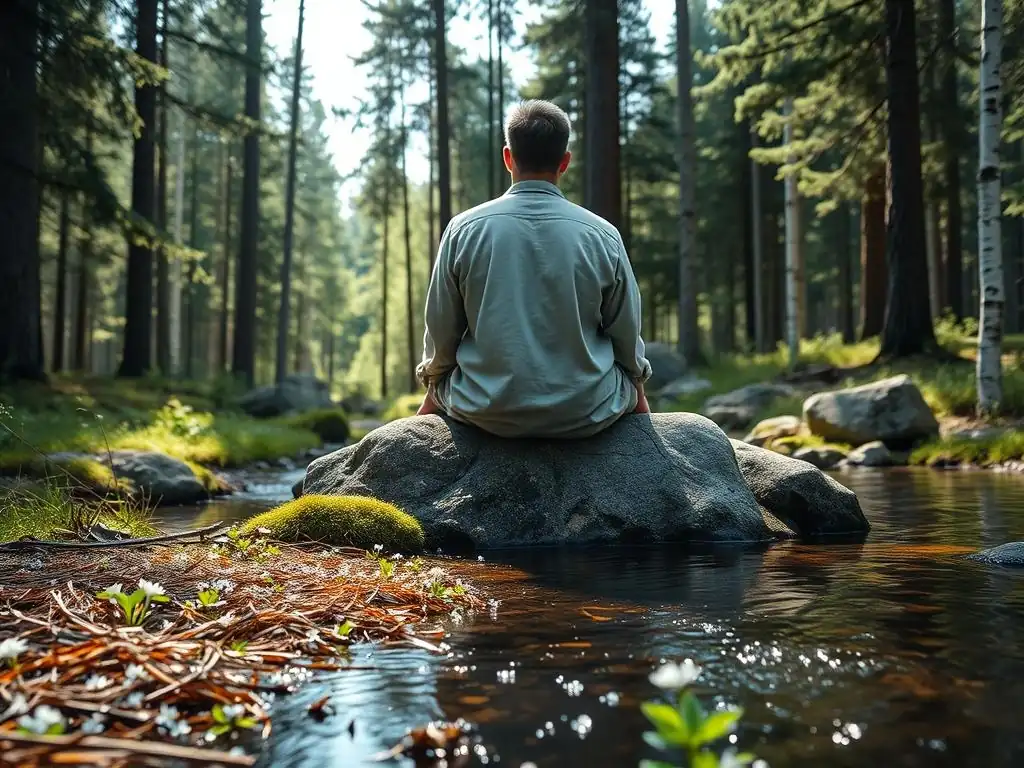
Actively engaging your senses is the most effective way to experience the healing power of nature. It's about more than just being in nature; it's about intentionally connecting with it through your sensory channels. This section offers practical ways to tune into nature's sensory palette and maximize its benefits for your mental health. By consciously employing these techniques, you can deepen your connection and unlock the full potential of how nature boosts mental wellbeing.
Sight: Visual Sensory Experiences in Nature and Their Benefits
Our sense of sight is perhaps the most dominant, and nature offers a feast for the eyes that can soothe and inspire.
Observing Natural Beauty: Landscapes, Colors, and Light
Take time to simply look at the natural world around you. Focus on the broad sweep of a landscape, noticing the horizon line and the shapes of hills or trees. Pay attention to the colors – the vibrant greens of leaves, the calming blues of the sky, the warm browns of earth and bark.
Observe how light changes throughout the day, casting different shadows and highlighting different textures. Studies have shown that viewing natural landscapes, even in photographs, can reduce stress and improve mood. For example, participants shown images of nature experienced greater positive emotion and lower heart rates compared to those shown urban images.
Mindful Observation: Techniques for Focusing on Visual Details in Nature
Beyond the grand view, practice mindful observation by focusing on small details. Look closely at the intricate pattern of veins on a leaf, the delicate structure of a flower petal, or the way moss grows on a stone. Choose a small area, perhaps a square foot of ground, and examine everything within it. What textures do you see?
What tiny organisms are moving? This focused attention on detail can anchor you in the present moment, reducing mind-wandering and promoting a sense of calm awareness. This deliberate visual engagement is a potent way to experience how nature boosts mental wellbeing through focused presence.
- Choose a specific natural object (a leaf, a flower, a rock).
- Examine its shape, color variations, lines, and textures for 5 minutes.
- Notice any changes in your own state of mind as you observe.
Sound: Auditory Sensory Experiences in Nature and Their Benefits
The soundscape of nature is often inherently calming, offering a stark contrast to the noise pollution of urban environments.
Natural Soundscapes: The Calming Effects of Birdsong, Water, and Wind
Tune into the natural sounds around you. Listen to the diverse calls of birds – their chirps, songs, and calls create a complex, ever-changing symphony. Pay attention to the sound of water, whether it's the gentle lapping of waves, the gurgle of a stream, or the rhythmic splash of rain.
Notice the sound of wind rustling through leaves or whistling around branches. Research indicates that natural sounds can promote relaxation and decrease sympathetic nervous system activity more effectively than artificial sounds. For example, listening to water sounds has been found to increase feelings of tranquility and reduce physiological stress markers.
Sound Meditation in Nature: Tuning Into the Subtle Sounds Around You
Find a quiet spot outdoors and close your eyes, or soften your gaze. Simply listen. Don't try to identify the sounds, just notice them as they arise and fade. Can you hear sounds close by, like insects buzzing? Can you hear sounds further away, like wind in the trees? Notice the layers of sound. This form of sound meditation can quiet the internal dialogue and connect you deeply to the present moment, reducing anxiety and fostering inner peace. This auditory immersion is a powerful technique for experiencing how nature boosts mental wellbeing through mindful listening.
- Sit quietly in a natural setting.
- Close your eyes or soften your gaze.
- Listen to all the sounds around you without judgment.
- Notice how different sounds make you feel.
Smell: Olfactory Sensory Experiences in Nature and Their Benefits
Our sense of smell is intimately linked to memory and emotion, and nature is full of evocative aromas that can lift our spirits and calm our minds.
The Power of Natural Aromas: Identifying and Appreciating Scents of Place
Actively engage your sense of smell when you are outdoors. What scents are present? The fresh, clean smell after rain? The sweet fragrance of flowers? The earthy aroma of damp soil? The distinct smell of pine or cedar trees? These natural aromas are often complex and can trigger positive emotional responses. Taking a deep breath and consciously appreciating these scents can be grounding and immediately calming. The scent of certain plants, like lavender or chamomile (often found in gardens), is well-known for its anxiety-reducing properties.
Forest Bathing (Shinrin-Yoku) and its Olfactory Benefits
Forest bathing, or Shinrin-Yoku, originating in Japan, emphasizes spending time in forests to improve health. A key component is inhaling the phytoncides released by trees. Studies on Shinrin-Yoku have shown that exposure to forest air containing these compounds can decrease blood pressure, lower stress hormone levels, and improve mood.
For instance, research conducted in Japan found that forest walks, involving the inhalation of forest air, led to lower concentrations of cortisol and adrenaline compared to city walks. This practice highlights the direct link between the olfactory experience of nature and significant physiological and mental health benefits. The simple act of breathing deeply in a forest is a powerful way to experience how nature boosts mental wellbeing.
- Walk slowly through a natural area, paying attention to the scents.
- Take deep breaths, inhaling the aromas of plants and soil.
- Notice how different smells affect your mood.
Touch: Tactile Sensory Experiences in Nature and Their Benefits
Connecting with nature through touch can be incredibly grounding and provide a tangible sense of connection to the earth.
Grounding (Earthing): Connecting with the Earth's Surface
Grounding, or Earthing, involves direct physical contact with the surface of the Earth, such as walking barefoot on grass, soil, or sand, or touching a tree. The theory is that this contact allows the body to absorb electrons from the Earth, which can have positive effects on inflammation, stress, and sleep. While research is ongoing, many people report feeling a sense of calm and stability when physically connected to the ground. Simply sitting with your bare hands or feet on the earth can be a simple yet powerful tactile experience.
Textures of Nature: Exploring Different Natural Materials with Your Hands
Engage your hands by touching different natural textures. Feel the rough bark of a tree, the smooth surface of a river stone, the soft petals of a flower, the cool dampness of moss, or the grainy texture of sand. These tactile experiences can be very soothing and provide a different way to connect with the natural world. Focusing on these sensations can bring you into the present moment and distract from anxious thoughts. This physical interaction is a direct way to feel how nature boosts mental wellbeing through grounding and sensory exploration.
- Remove your shoes and walk barefoot on grass or sand.
- Touch different natural objects – leaves, bark, stones, water.
- Notice the temperature, texture, and feel of each item.
Taste: Gustatory Sensory Experiences in Nature and Their Benefits (With Caution)
Engaging the sense of taste in nature requires significant caution due to the risks associated with consuming unidentified wild plants.
Foraging Safely: Identifying Edible Plants with Expert Guidance
This section requires extreme caution. Never consume any plant or fungus from nature unless you are absolutely certain of its identification and edibility, ideally under the guidance of a trained expert. Foraging for wild edibles can be a way to connect with nature through taste, but it must be done responsibly.
Learning to identify safe, edible berries, greens, or mushrooms with a knowledgeable guide can provide a unique sensory experience and a deeper appreciation for nature's bounty. Examples might include common edibles like wild berries (raspberries, blueberries, if positively identified) or certain edible greens found in specific regions, but specific examples should only be pursued with expert local knowledge.
Mindful Eating Outdoors: Savoring the Flavors of Natural Foods
A safer way to engage the sense of taste is by mindfully eating food in a natural setting. Bring a simple, healthy snack, like a piece of fruit, and eat it slowly outdoors. Pay attention to the flavors, textures, and smells of the food, noticing how the natural environment enhances the experience.
Eating mindfully outdoors can make the act of eating more enjoyable and grounding, connecting the sensory experience of food with the calming presence of nature. This mindful practice, while not directly tasting nature itself (unless safely foraging), enhances the overall sensory engagement and contributes to the feeling that nature boosts mental wellbeing.
- Caution: Never eat wild plants or fungi without expert identification.
- If safely foraging with an expert, taste small amounts of verified edibles.
- Eat a simple, healthy food item mindfully while sitting outdoors.
- Notice how the natural setting influences the taste and your experience of eating.
Practical Activities for Sensory Healing in Nature
Engaging your senses in nature can be woven into various activities, from dedicated walks to creating nature-inspired spaces. Implementing these practices can significantly enhance how nature boosts mental wellbeing in your life.
Creating a Sensory Nature Walk: A Step-by-Step Guide
Design a walk with sensory engagement in mind. Choose a location that offers diverse sensory stimuli – perhaps a park with trees, water, and different ground textures. Before you start, set an intention to engage each of your senses. As you walk, dedicate specific periods to each sense: 5 minutes focused only on what you see, 5 minutes on what you hear, 5 minutes on what you smell, and so on. Allow yourself to pause and fully immerse in the sensory experience of a particular spot.
Here is a simple structure you might follow:
- Plan: Choose a route with varied sensory elements.
- Intention: Decide which senses you will focus on and when.
- Observe (Sight): Spend time looking closely at colors, shapes, and light.
- Listen (Sound): Pause to identify and appreciate natural sounds.
- Inhale (Smell): Take deep breaths and notice the aromas.
- Feel (Touch): Touch different textures (bark, leaves, earth).
- Reflect: At the end, note how the experience made you feel.
This structured approach helps ensure you are actively engaging your senses rather than just walking passively. Making this a regular practice can deepen your connection to nature and amplify its positive effects on your mental health over time.
Building a Sensory Garden: A Therapeutic Space for Mental Wellness
If access to wild nature is limited, creating a sensory garden can bring the healing power of nature closer to home. Design the garden to stimulate all five senses. Include plants with varied textures (fuzzy lamb's ears, smooth hosta leaves), fragrant flowers and herbs (lavender, mint, rosemary), elements that create sound (bamboo chimes, a small water feature), visually appealing colors and forms, and potentially safe, edible plants (berry bushes, cherry tomatoes) for taste (again, with proper identification).
Even a small balcony or windowsill can become a mini sensory garden with a few potted plants chosen for their scent, texture, or visual appeal. Maintaining the garden itself can also be a therapeutic activity, providing gentle physical activity and a sense of accomplishment. A sensory garden offers a readily accessible space where you can engage with nature's healing elements daily, providing consistent opportunities to experience how nature boosts mental wellbeing.
Incorporating Nature's Sensory Elements into Daily Life: Small Changes, Big Impact
You don't need hours in a forest to benefit from nature's sensory healing. Look for small ways to bring nature's sensory input into your daily routine. Place a vase of fresh flowers on your desk, open windows to hear birdsong, use essential oils derived from natural sources (like pine or citrus), keep a small potted plant nearby to touch and look at, or take a few minutes to stand outside and feel the sun and wind on your skin.
Even brief moments of sensory engagement can make a difference. Looking out a window at trees for a few minutes, listening to nature sounds during a break, or stepping outside to feel the rain can provide micro-doses of nature's restorative power. These small, consistent interactions contribute cumulatively to improved mood and reduced stress, illustrating that even minor connections demonstrate how nature boosts mental wellbeing.
Overcoming Barriers to Sensory Engagement with Nature
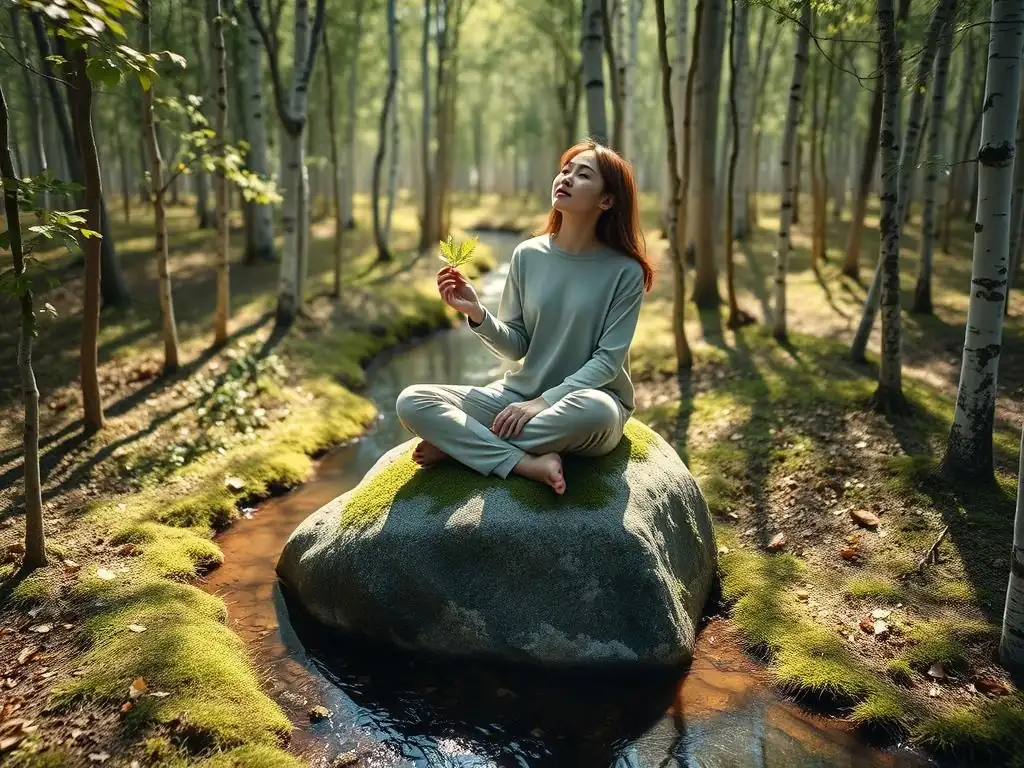
While the benefits are clear, accessing and engaging with nature isn't always easy. Identifying and addressing common barriers is crucial for making sensory healing in nature accessible to everyone.
Addressing Accessibility Issues: Bringing Nature to You
Physical accessibility can be a significant barrier for individuals with mobility challenges or those living in urban environments lacking green spaces. For those with limited mobility, seeking out parks or trails with paved paths or accessible features is important. When getting into nature is difficult, consider bringing nature indoors: potted plants, natural sounds recordings, nature documentaries, or even virtual reality experiences can offer some sensory connection, though they may not fully replicate the benefits of direct exposure.
For urban dwellers, utilizing small city parks, community gardens, or even balconies and rooftops can provide valuable access to nature's sensory input. Creating indoor spaces with natural materials, good light, and plants can also help. Public health initiatives in cities are increasingly recognizing the importance of urban green spaces, aiming to increase access for all residents. These efforts help ensure that more people can experience how nature boosts mental wellbeing, regardless of their location or physical ability.
Managing Sensory Sensitivities: Finding Your Comfort Zone in Nature
For some individuals, particularly those with sensory processing sensitivities, the sounds, sights, or textures of nature might feel overwhelming rather than calming. Loud bird calls, buzzing insects, unpredictable animal movements, or certain textures can be distressing. It's important to approach sensory engagement with nature gradually and respectfully of one's own boundaries.
Start with short exposures in less overwhelming environments, such as a quiet corner of a park rather than a dense forest. Use tools like noise-canceling headphones if certain sounds are bothersome (though this diminishes auditory engagement, it might allow for other sensory experiences). Focus on one sense at a time, rather than trying to take everything in at once.
Finding specific natural settings or activities that feel safe and comfortable is key. For example, some might find the controlled environment of a botanical garden more accessible than a wild trail. Patience and gentle exploration are vital to finding a way that nature boosts mental wellbeing in a way that feels right for you.
The Long-Term Benefits of Sensory Healing in Nature
Consistent engagement with nature's sensory world yields cumulative benefits that extend beyond immediate stress reduction, contributing to sustained improvements in mental health. Regular practice solidifies the pathways through which nature boosts mental wellbeing over time.
Improved Mood and Emotional Regulation
Regular sensory engagement with nature has been linked to significant improvements in mood and a greater ability to manage emotions. Studies have shown that frequent exposure to green spaces can reduce symptoms of depression and anxiety. For instance, longitudinal studies tracking individuals over time have indicated that those with greater access to or who spend more time in nature tend to report higher levels of happiness and lower levels of psychological distress.
This isn't just about feeling happier in the moment; consistent exposure seems to build resilience. By regularly activating the parasympathetic nervous system and providing opportunities for attention restoration, nature helps individuals develop a stronger capacity to bounce back from stressors and regulate intense emotions. This sustained benefit highlights how integrating nature's sensory healing into your routine contributes to long-term emotional stability and demonstrates that nature boosts mental wellbeing as an ongoing process.
Enhanced Cognitive Function and Creativity
The restorative effects of nature's sensory input on directed attention translate into tangible improvements in cognitive function. Studies have shown that spending time in nature can improve memory, problem-solving skills, and concentration. For example, research using the Attention Network Test (ANT) has demonstrated improved scores on attention measures after participants spent time walking in a nature setting compared to an urban one.
Furthermore, nature is a powerful catalyst for creativity. The relaxed state induced by sensory immersion in nature allows the mind to wander freely, making new connections and fostering innovative thinking. Anecdotal evidence from writers, artists, and scientists throughout history often points to time spent in nature as a source of inspiration. By reducing mental fatigue and promoting a state of open awareness, nature's sensory richness supports enhanced cognitive performance and creative output, proving once again that nature boosts mental wellbeing in multifaceted ways.
Increased Resilience to Stress
Perhaps one of the most significant long-term benefits is increased psychological resilience. Regular exposure to nature's calming and restorative influences helps build a buffer against the negative impacts of daily stress. By consistently lowering stress hormones and promoting a state of relaxation, the body and mind become better equipped to handle future stressors without becoming overwhelmed.
This resilience is built through the repeated experience of finding calm and restoration in nature. It teaches the nervous system to more readily shift into a relaxed state and provides a reliable coping mechanism. Individuals who regularly engage with nature often report feeling more capable of handling challenges and less affected by minor irritations. This enduring capacity to withstand and recover from adversity is a powerful testament to how consistently engaging with nature boosts mental wellbeing and fosters long-term psychological strength.
Conclusion: Embracing Nature's Sensory Gifts for a Healthier Mind
The evidence is compelling: engaging our senses in nature is a powerful, accessible, and enjoyable way to enhance mental health. From the calming sights and sounds to the grounding touch and evocative smells, nature offers a rich palette of sensory experiences that can reduce stress, improve mood, boost cognitive function, and build resilience.
Reconnecting with Nature for Sustainable Mental Wellbeing
In an increasingly fast-paced and disconnected world, intentionally reconnecting with nature is not just a pleasant pastime but a vital practice for sustainable mental wellbeing. Making time for sensory engagement with the natural world – whether through a mindful walk, cultivating a small garden, or simply pausing to appreciate a tree outside your window – can provide consistent, reliable support for your mental health journey. It's about nurturing an ongoing relationship with the source of so much healing.
Nature's Sensory Palette: A Tool for Self-Care and Mental Health Promotion
Think of nature's sensory palette as a readily available toolkit for self-care. Each sense offers a unique pathway to calm, restoration, and connection. By consciously utilizing sight, sound, smell, touch, and with caution, taste, we can tap into the profound ways that nature boosts mental wellbeing. Embracing sensory healing in nature is an empowering step toward a healthier, more balanced mind and a deeper appreciation for the world around us.
Frequently Asked Questions
How does spending time in nature specifically benefit mental wellbeing?
Spending time in nature provides sensory stimulation and reduces stress hormones like cortisol. This leads to improved mood, reduced anxiety, and a greater sense of overall wellbeing.
What specific senses are most impacted when experiencing nature, and how does that impact mental health?
Sight, sound, and smell are particularly impacted. Visually, nature offers calming patterns. Sounds of nature like birdsong reduce stress, and natural aromas can trigger positive emotional responses.
Is there a recommended amount of time one should spend in nature to experience these mental health benefits?
While any time in nature is beneficial, experts suggest at least 2 hours per week to see significant improvements. Even short, regular visits can offer noticeable mental health boosts.
What if I live in a city with limited access to green spaces? Can I still experience these benefits?
Yes, even small doses of nature can help. Try visiting local parks, community gardens, or even introducing plants into your home. Focusing on nature-related sensory experiences is key.
What resources are available to help me incorporate more nature into my daily life for mental wellbeing?
Mind Care Guide offers articles and resources on nature-based activities and therapies. You can also explore local nature groups or consider mindfulness practices in natural settings.
Final Reflection: Reconnecting with Nature, Reconnecting with Ourselves
The profound impact of nature on our mental wellbeing is no longer a fringe idea; it's a vital truth increasingly recognized by science and society. The evidence presented throughout this article demonstrates the undeniable link between engaging our senses in natural environments and experiencing significant improvements in mood, stress levels, and overall mental health. This isn't just about a pleasant stroll in the park; it's about a fundamental human need for connection with the natural world, a need that profoundly impacts our psychological and emotional well-being.
The shift towards recognizing nature's therapeutic power is a crucial step in addressing the growing mental health crisis. We've become increasingly disconnected from the natural world, sacrificing direct experience for the convenience of technology. This detachment has consequences, as evidenced by rising rates of anxiety and depression. We abuse land because we regard it as a commodity belonging to us. When we see land as a community to which we belong, we may begin to use it with love and respect.
- Aldo Leopold. This quote highlights the critical shift in perspective we need: from viewing nature as a resource to be exploited to recognizing it as a vital part of our own wellbeing, a community to which we intrinsically belong.
Consider how you can weave more nature into your daily life. Start small: a mindful walk in a nearby park, listening to the sounds of birdsong, feeling the sun on your skin, or even simply keeping a houseplant and tending to it. These seemingly insignificant acts can accumulate into a powerful force for positive change, fostering a deeper connection with yourself and the world around you. Embrace the healing power of nature; it's a gift freely available, waiting to be rediscovered and cherished.
Unlock Nature's Healing Power: Start Your Sensory Journey Today!
Thanks for exploring the amazing ways nature can heal and revitalize your mind! You've taken a powerful step towards better mental wellbeing. Now, let's turn that knowledge into action.
- Begin your sensory exploration: Find a nearby park, forest, or even your own backyard. Close your eyes, breathe deeply, and consciously engage all five senses. Notice the sounds, smells, textures, sights, and even tastes of your natural surroundings. This is your first step to a calmer, more centered you.
- Share your sensory discoveries: What natural wonders calmed and inspired you? Share your experience on social media using #NatureHeals and inspire others to join you on this journey.
- Create your personalized nature sanctuary: Designate a special spot in your home—a windowsill with plants, a collection of natural objects—that evokes the calming sensations you discovered today.
Ready to prioritize your mental health through the power of nature? What small step will you take today to reconnect with the healing embrace of the natural world?