
How the Enlightenment Revolutionized Understanding of Mental Health


Welcome to Mind Care Guide.
Are you curious about how our understanding of mental well-being has evolved? The journey is far more fascinating than you might imagine. Discover the surprising impact of Enlightenment’s impact on mental health and how its revolutionary ideas reshaped perceptions and treatments. Join us as we delve into this pivotal period, unearthing insights that continue to influence mental healthcare today. Prepare to be enlightened!
How the Enlightenment Revolutionized Understanding of Mental Health
- Introduction: The Dawn of Reason and Mental Wellbeing
- Pre-Enlightenment Perspectives on Mental Illness: A Dark Age
- The Enlightenment's Impact on Mental Health: Seeds of Change
- Key Figures of the Enlightenment and Their Contributions to Mental Health
- Shifting Paradigms: From Supernatural to Natural Explanations
- The Legacy of the Enlightenment: Shaping Modern Mental Health Care
- Conclusion: The Enduring Impact of the Enlightenment on Mental Health Understanding.
-
Frequently Asked Questions
- How did the Enlightenment challenge pre-Enlightenment views on mental illness?
- What role did philosophers play in shaping Enlightenment perspectives on mental health?
- How did the Enlightenment influence the treatment of individuals with mental health conditions?
- What are some limitations of the Enlightenment's impact on mental health?
- How does the Enlightenment's emphasis on reason still resonate in modern mental health care?
- Final Reflection: The Enduring Legacy of Enlightenment on Mental Health
- Unlock Your Understanding of Mental Well-being
Introduction: The Dawn of Reason and Mental Wellbeing
The Enlightenment, a powerful intellectual and cultural movement that swept across Europe in the 18th century, marked a pivotal shift in human thought. Characterized by an emphasis on reason, individualism, skepticism, and science, this era challenged traditional authority and dogma. While often associated with political revolutions and scientific discoveries, the Enlightenment's impact on mental health understanding was equally profound, though perhaps less widely celebrated.
Before this period, perspectives on mental illness were largely rooted in superstition and fear. The dawn of reason brought a new lens through which to view the complexities of the human mind, laying the groundwork for more humane treatment and scientific inquiry into psychological conditions.
Pre-Enlightenment Perspectives on Mental Illness: A Dark Age
Prior to the Enlightenment, the understanding and treatment of mental illness were steeped in ignorance and fear. Across many cultures, deviations from perceived normal behavior were often attributed to forces beyond human comprehension or control. This era represents a stark contrast to modern approaches, highlighting the significant journey humanity has undertaken in comprehending and caring for those experiencing mental health challenges. The prevailing views offered little hope for recovery and often led to extreme suffering for affected individuals.
Supernatural Explanations and Demonology
For centuries leading up to the Enlightenment, the dominant explanation for mental illness was rooted in supernatural beliefs. It was widely believed that individuals exhibiting symptoms of mental distress were possessed by demons, evil spirits, or were victims of witchcraft.
This perspective was deeply intertwined with religious doctrines and fueled widespread fear and persecution. For example, during the height of the witch trials in Europe and colonial America, estimated to have peaked between the 15th and 18th centuries, countless individuals, many likely suffering from mental health conditions, were accused, tortured, and executed based on behaviors misinterpreted as signs of demonic influence or pacts with the devil.
These supernatural explanations dictated the "treatments" administered. Exorcisms, prayers, religious rituals, and even brutal physical punishments were common practices aimed at expelling the malevolent forces believed to inhabit the afflicted person. There was little to no understanding of psychological or biological factors; the focus was solely on spiritual or moral failings. This deeply ingrained belief system meant that compassion and medical care were largely absent, replaced instead by fear, condemnation, and often, violence.
Inhumane Treatment and Asylums as Prisons
The societal response to mental illness before the Enlightenment was overwhelmingly characterized by neglect, fear, and cruelty. Individuals deemed "mad" or "insane" were often ostracized from their communities, chained, imprisoned, or confined in deplorable conditions. Early institutions intended for care were often indistinguishable from prisons, serving primarily as places of confinement rather than healing.
A notorious example is the Bethlehem Royal Hospital in London, known colloquially as "Bedlam," which by the 17th and early 18th centuries had become infamous for its chaotic, unsanitary, and inhumane conditions. Patients were often kept in chains, exhibited to the public for a fee, and subjected to cruel treatments like bleeding, purging, or dunking in cold water, all based on primitive and incorrect theories about the body's humors or to "shock" the person back to sanity.
These institutions lacked trained staff dedicated to therapeutic care; instead, wardens and attendants often resorted to physical restraint and punishment to manage patients. There was no concept of individual needs, dignity, or the possibility of recovery. The primary goal was segregation from society, ensuring public safety and comfort at the expense of the individual's well-being. This era represents a low point in the history of mental health care, where fear and misunderstanding dictated policy and practice, leading to immense suffering for those afflicted.
The Enlightenment's Impact on Mental Health: Seeds of Change

The Enlightenment, with its emphasis on reason, observation, and human rights, began to challenge the long-held superstitions surrounding mental illness. Thinkers of this age questioned traditional authority and advocated for a more scientific and humane approach to understanding the world, including the human mind. This intellectual revolution planted the crucial seeds for changing perceptions of mental health, moving away from purely supernatural explanations towards more empirical and compassionate viewpoints. The Enlightenment’s impact on mental health slowly but surely started to dismantle the barriers of fear and ignorance.
The Rise of Reason and Scientific Inquiry
A cornerstone of the Enlightenment was the fervent belief in the power of human reason and the importance of empirical observation. This intellectual shift encouraged scholars and physicians to look for natural, rather than supernatural, causes for phenomena, including mental illness. Figures like John Locke, while not primarily focused on mental illness, contributed significantly through his work on the human mind as a tabula rasa (blank slate) and his emphasis on sensory experience and reflection as the sources of knowledge. This fostered an environment where the mind itself became an object of study, paving the way for psychological inquiry.
Physicians and early scientists began to cautiously explore physiological explanations for mental disturbances, linking them to bodily imbalances or brain function, however rudimentary their understanding. While still far from modern neuroscience, this represented a radical departure from demonology. The Enlightenment’s impact on mental health was evident in this emerging desire to classify mental disorders, observe symptoms systematically, and seek rational explanations, even if those explanations were initially flawed. This period saw the hesitant beginnings of a medical model for understanding mental illness, a crucial step away from spiritual or moral judgments.
Human Rights and the Dignity of the Mentally Ill
Parallel to the rise of scientific inquiry was the Enlightenment's strong advocacy for human rights, liberty, and the inherent dignity of every individual. Philosophers like Jean-Jacques Rousseau and Immanuel Kant championed the idea that all people possessed intrinsic worth and deserved humane treatment. Although the application of these principles to marginalized groups, including those with mental illness, was slow and uneven, the core ideas provided a powerful moral framework to challenge the brutal conditions in asylums and the prevailing societal attitudes.
Advocates, inspired by Enlightenment ideals, began to argue that individuals suffering from mental illness were not criminals or possessed beings, but fellow human beings deserving of compassion and care. This nascent human rights perspective started to question the justification for chaining, beating, and exhibiting patients. While widespread reform took time, the intellectual climate fostered by the Enlightenment provided the philosophical basis for later movements demanding better treatment and recognition of the rights of people with mental health conditions. The Enlightenment's impact on mental health thus extended beyond scientific theory to encompass fundamental ethical considerations regarding patient care.
Key Figures of the Enlightenment and Their Contributions to Mental Health
The theoretical shifts of the Enlightenment were translated into practical reforms by pioneering individuals who dared to challenge the status quo of mental health care. These figures embodied the Enlightenment ideals of reason, humanity, and reform, demonstrating that a more compassionate and effective approach was possible. Their work laid the direct foundation for modern psychiatric practice and patient advocacy.
Philippe Pinel: Moral Treatment and the Revolution in Asylums
Philippe Pinel (1745-1826), a French physician, is one of the most celebrated figures associated with the reform of mental health care during the Enlightenment. Working at the Bicêtre Hospital for men and later the Salpêtrière Hospital for women in Paris during the tumultuous years of the French Revolution, Pinel famously ordered the removal of chains from patients. This act, often depicted dramatically in historical illustrations, was not merely symbolic; it was part of a systematic approach he termed "moral treatment."
Moral treatment, as implemented by Pinel and his colleagues, emphasized humane care, compassionate interaction, purposeful activity, and a therapeutic environment. Instead of physical restraint, patients were offered opportunities for exercise, fresh air, and engaging in work or hobbies. Pinel meticulously observed and recorded patient behaviors, attempting to understand their conditions through careful clinical description rather than relying on abstract theories.
His work at Bicêtre, starting around 1793, showed that many patients previously considered hopelessly incurable improved significantly when treated with kindness and respect in a structured, supportive environment. This practical demonstration provided compelling evidence for the efficacy of humane methods and significantly advanced the Enlightenment’s impact on mental health treatment.
William Tuke: The York Retreat and Humane Care
Across the English Channel, William Tuke (1732-1822), a Quaker merchant and philanthropist, independently initiated similar reforms driven by humanitarian concerns rooted in his religious beliefs, which strongly aligned with Enlightenment values of benevolence and human dignity. Disturbed by the harsh conditions he witnessed in existing asylums, Tuke established The York Retreat in 1796.
The York Retreat was designed as a small, family-like institution based on principles of compassionate care, therapeutic community, and non-restraint. Patients lived in a calm, orderly environment, encouraged to engage in meaningful activities, conversation, and self-reflection. Physical punishment and restraints were minimized, replaced by kindness, understanding, and moral persuasion.
Tuke's model proved highly successful, demonstrating that mental illness could be managed and ameliorated through humane methods rather than coercion and confinement. The success of The York Retreat became a powerful example globally, influencing asylum reform movements throughout the 19th century and further solidifying the Enlightenment’s impact on mental health practice.
Other Influential Thinkers: Shaping the Discourse on Mental Health
While Pinel and Tuke are primary examples of reformers, other thinkers contributed to the evolving discourse on mental health during the Enlightenment. Philosophers like David Hume (1711-1776), with his empirical approach to understanding the mind, and physicians like William Cullen (1710-1790), who attempted to classify diseases including "neuroses" based on symptoms rather than supernatural causes, played roles in shifting perspectives. Although their direct impact on asylum reform might have been less immediate than Pinel's or Tuke's, their intellectual work contributed to the broader acceptance of naturalistic explanations for mental states.
These thinkers, working within the Enlightenment framework, helped to normalize the study of the mind and its deviations. They contributed to a growing body of knowledge that, while often speculative or incorrect by modern standards, moved the conversation away from demonology and towards observation and classification. This intellectual fertile ground was essential for the eventual emergence of psychiatry as a medical discipline, demonstrating the multifaceted nature of the Enlightenment’s impact on mental health understanding.
Shifting Paradigms: From Supernatural to Natural Explanations
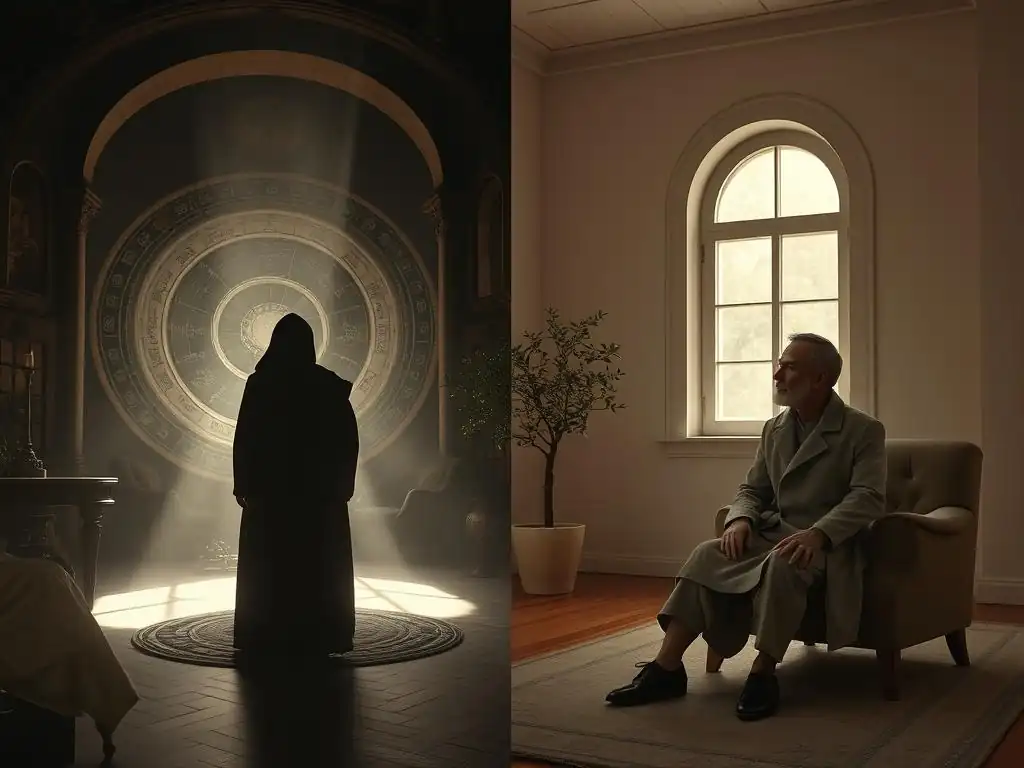
One of the most significant outcomes of the Enlightenment was the fundamental shift in how mental illness was conceptualized. The era's emphasis on reason, science, and empirical evidence directly challenged the long-standing dominance of supernatural explanations. This paradigm shift marked a critical turning point, paving the way for the development of modern psychiatry and psychology.
The Emergence of Medical Models of Mental Illness
Inspired by advances in other scientific fields, Enlightenment thinkers began to propose that mental illness was a condition affecting the brain or nervous system, similar to other physical ailments. This marked the hesitant birth of a medical model. Physicians like William Cullen, mentioned earlier, attempted to create nosologies (classifications of diseases) that included mental disorders, categorizing them based on observed symptoms rather than assumed causes. While these early classifications were rudimentary and often based on speculative physiology, they represented a crucial step towards viewing mental illness as a medical problem amenable to diagnosis and treatment by physicians.
This developing medical perspective meant that the focus gradually shifted from exorcism and punishment to understanding the underlying physical or physiological causes, however limited that understanding was initially. Institutions began, slowly and unevenly, to transition from places of mere confinement to places where medical observation and, eventually, therapeutic interventions were attempted. This nascent medicalization of mental illness was a direct consequence of the Enlightenment's drive to apply scientific reasoning to all aspects of human experience, profoundly influencing the Enlightenment’s impact on mental health care.
The Decline of Witch Hunts and Demonological Theories
The rise of Enlightenment rationality played a significant role in the decline of witch hunts and the widespread belief in demonological possession as a cause of mental illness. As scientific explanations for natural phenomena gained traction and legal systems began to demand empirical evidence rather than spectral testimony, the foundations of witchcraft accusations crumbled. Jurists and intellectuals influenced by Enlightenment principles became increasingly skeptical of claims of demonic influence.
While the decline was gradual and uneven across different regions, the intellectual climate fostered by the Enlightenment made it increasingly difficult to justify the persecution of individuals based on behaviors that could now, however imperfectly, be attributed to natural causes or illness. The last official execution for witchcraft in Europe is often cited as occurring in the mid-18th century, coinciding with the peak of the Enlightenment. This decline was a direct manifestation of the Enlightenment’s impact on mental health, freeing countless individuals from persecution and opening the door for more rational, albeit still evolving, approaches to care.
The Legacy of the Enlightenment: Shaping Modern Mental Health Care
The principles and reforms initiated during the Enlightenment cast a long shadow, profoundly shaping the trajectory of mental health care and understanding into the modern era. The era's emphasis on reason, humanity, and scientific inquiry laid the essential groundwork for future developments in the field. The Enlightenment's impact on mental health continues to resonate today in how we approach treatment, research, and patient rights.
The Foundations of Modern Psychiatry
The shift from supernatural explanations to medical models, spearheaded by Enlightenment thinkers and reformers like Pinel, provided the conceptual foundation for the development of psychiatry as a medical specialty. The emphasis on observation, classification, and seeking natural causes for mental illness, however rudimentary in the 18th century, evolved into the systematic clinical assessment and diagnostic frameworks used in modern psychiatry. The asylum reforms, particularly the move towards moral treatment, demonstrated the importance of the therapeutic environment and compassionate care, principles that are still central to effective mental health treatment today.
While 19th and 20th-century psychiatry saw its own challenges and debates, the fundamental idea that mental illness is a legitimate health concern, rather than a moral failing or spiritual affliction, originated in the Enlightenment. The scientific method championed during this era became the basis for psychiatric research, leading to advancements in understanding brain function, genetics, and the development of psychopharmacology and various psychotherapies. The Enlightenment's impact on mental health is undeniable in the very existence and methodology of modern psychiatric practice.
Perhaps one of the most enduring legacies of the Enlightenment is the recognition of the inherent rights and dignity of individuals, including those experiencing mental illness. The humanitarian reforms of Pinel and Tuke, driven by Enlightenment ideals, sparked a movement for patient advocacy and improved conditions that continued throughout the 19th and 20th centuries. While the fight for truly equitable and humane mental health care has been long and is ongoing, the philosophical basis for demanding such care originates from this era.
Today, the principles of informed consent, patient autonomy, destigmatization, and community-based care are deeply intertwined with the human rights framework that gained prominence during the Enlightenment. Advocacy groups and mental health professionals continue to work towards ensuring access to care, protecting patient rights, and combating discrimination, all reflecting the enduring influence of Enlightenment values. The Enlightenment’s impact on mental health is thus not only about scientific understanding but also about the fundamental ethical imperative to treat all individuals, regardless of their mental state, with respect and compassion.
Conclusion: The Enduring Impact of the Enlightenment on Mental Health Understanding.
The Enlightenment marked a transformative period in the history of mental health. By championing reason, scientific inquiry, and human rights, it fundamentally challenged centuries of superstition, fear, and inhumane treatment. The shift away from supernatural explanations towards natural and eventually medical models laid the groundwork for modern psychiatry and psychological science. The pioneering work of reformers like Pinel and Tuke demonstrated the power of humane treatment and therapeutic environments, proving that compassion and dignity were not only morally right but also effective in promoting recovery.
While the journey from the 18th century to today has been complex, with periods of progress and setbacks, the core principles established during the Enlightenment remain cornerstones of contemporary mental health care. The commitment to understanding mental illness through scientific investigation and the unwavering belief in the inherent dignity and rights of individuals experiencing mental health challenges are direct legacies of this revolutionary era. The Enlightenment’s impact on mental health understanding and care continues to shape our efforts to provide effective, ethical, and empathetic support for all.
Frequently Asked Questions
How did the Enlightenment challenge pre-Enlightenment views on mental illness?
The Enlightenment challenged superstitious and religious explanations, replacing them with more rational and scientific approaches. This shift emphasized observation and reason over demonology and divine punishment when understanding mental illness.
What role did philosophers play in shaping Enlightenment perspectives on mental health?
Philosophers like John Locke emphasized the role of environment and experience in shaping the mind. This perspective contributed to the idea that mental illness could be treated through environmental changes and therapy, rather than just punishment.
How did the Enlightenment influence the treatment of individuals with mental health conditions?
The Enlightenment encouraged the establishment of more humane asylums focused on treatment and rehabilitation. This was a move away from the harsh, punitive conditions that were previously common, emphasizing moral treatment.
What are some limitations of the Enlightenment's impact on mental health?
Despite progress, the Enlightenment's understanding of mental health was still limited by the scientific knowledge of the time. Stigma persisted, and treatments were often still experimental and sometimes harmful.
How does the Enlightenment's emphasis on reason still resonate in modern mental health care?
The Enlightenment's emphasis on evidence-based practice and scientific inquiry remains central to modern mental health care. We continue to value rational explanations and empirical research in understanding and treating mental illness.
Final Reflection: The Enduring Legacy of Enlightenment on Mental Health
The Enlightenment's radical shift towards reason and humanism, though imperfect, laid the groundwork for our modern understanding of mental health. Its impact reverberates even today, shaping our approaches to treatment, advocacy, and the very definition of mental well-being. We stand on the shoulders of those who dared to challenge the superstitious and inhumane practices of the past, paving the way for a more compassionate and evidence-based future.
The legacy of the Enlightenment is not simply a historical footnote; it's a living dialogue. Its emphasis on individual rights and the inherent dignity of all people continues to fuel the fight against stigma and discrimination surrounding mental illness. The movement's focus on empirical observation and scientific inquiry directly influenced the development of modern psychiatry and psychology. As Thomas Jefferson eloquently stated, Enlighten the people generally, and tyranny and oppressions of body and mind will vanish like evil spirits at the dawn of day.
This sentiment, though written in a different context, speaks volumes about the transformative power of knowledge and understanding in improving mental health outcomes.
Consider the implications of this historical journey. How can we, as individuals and as a society, continue to build upon the Enlightenment's legacy? Challenge the stigma surrounding mental illness in your own life. Advocate for policies that support mental health services and research. Embrace the power of empathy and understanding, recognizing the inherent worth and complexity of every human experience. The journey towards a truly just and compassionate world, where mental well-being is prioritized for all, is far from over, but the Enlightenment's enduring flame continues to light the path forward.
Unlock Your Understanding of Mental Well-being
Thank you for exploring the fascinating history of mental health understanding during the Enlightenment! We hope you gained valuable insights into the evolution of perspectives and treatments. Now it's time to put that knowledge into action.
- Dive deeper: Explore further resources on the Enlightenment's impact on modern psychology – search online for relevant academic journals and documentaries. This will deepen your understanding significantly.
- Share your thoughts: Engage in a discussion below by sharing your thoughts on how the Enlightenment's ideals continue to shape our approach to mental well-being today. Let’s learn from each other!
- Inspire others: Share this article with a friend or family member who might be interested in learning more about the historical context of mental health.
What surprising connection between the Enlightenment and a modern aspect of mental healthcare can you uncover through further research?