
Meditation in Motion: Finding Peace Through Yoga Asana

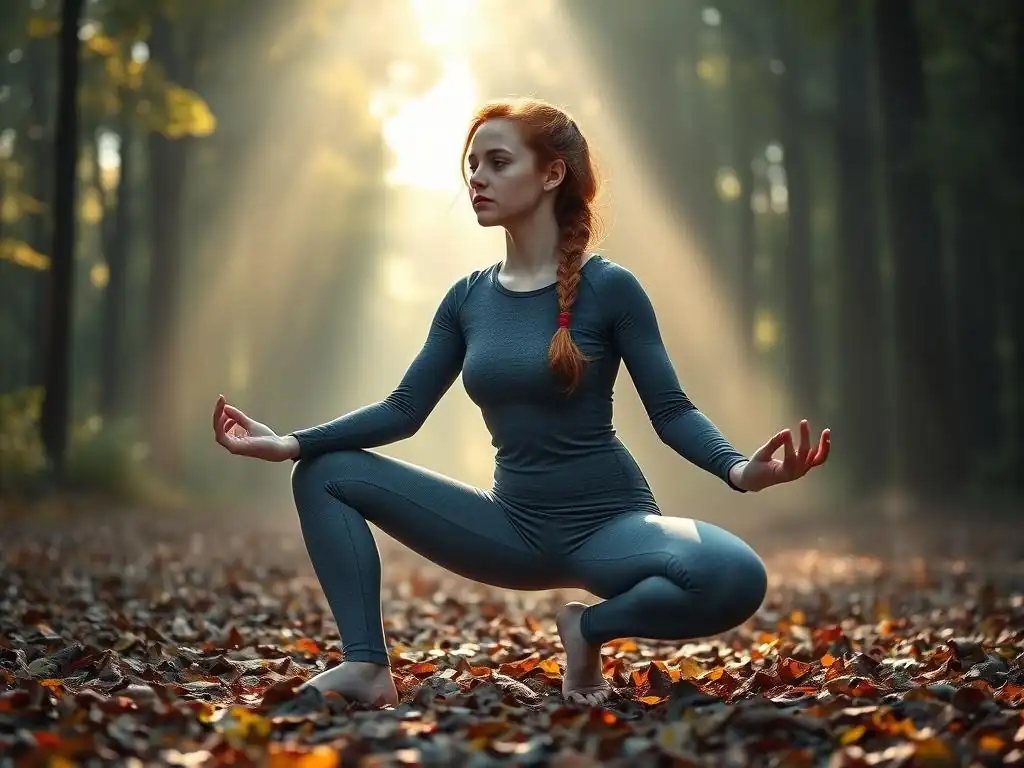
Welcome to Mind Care Guide, a sanctuary for your mental well-being.
Feeling overwhelmed by anxiety? You're not alone. Meditation in Motion: Finding Peace Through Yoga Asana, explores the powerful connection between ancient practice and modern relief. Discover how specific yoga asana for anxiety can calm your mind and body, creating a path towards inner peace. Intrigued? Let's begin your journey to a calmer, more centered you.
Yoga for Anxiety and Stress Reduction
- Understanding the Connection Between Yoga and Mental Wellbeing
- Practical Yoga Asana Techniques for Anxiety Relief
- Designing a Personalized Yoga Routine for Anxiety Management
- Guidelines for a Safe and Beneficial Yoga Practice
- Applying Yoga Principles to Everyday Life
- Scientific Evidence Supporting Yoga's Impact on Anxiety
- Additional Considerations for Yoga and Anxiety
-
Frequently Asked Questions
- What exactly is Yoga Asana, and how does it differ from other forms of yoga?
- How can Yoga Asana specifically help with anxiety?
- Are there specific Yoga Asana poses that are more effective for anxiety than others?
- How often should I practice Yoga Asana to experience its benefits for anxiety?
- Is it safe to practice Yoga Asana if I have pre-existing physical or mental health conditions?
- Final Reflection: Cultivating Inner Calm Through Movement
- Unleash Your Inner Calm: Take the Next Step on Your Yoga Journey
Understanding the Connection Between Yoga and Mental Wellbeing
Exploring the Mind-Body Connection Through Yoga
Yoga, as an ancient practice originating in India, offers a profound pathway to understanding and influencing the intricate connection between the mind and body. It's not merely a physical exercise; it's a holistic system that integrates movement, breath, and mindfulness. Through the practice of yoga asana, or physical postures, individuals are encouraged to become acutely aware of their physical sensations, breath patterns, and mental state simultaneously. This heightened awareness fosters a dialogue between the physical form and the internal landscape, revealing how physical tension can mirror mental stress and how conscious movement and breath can alleviate both.
This exploration helps individuals recognize real-time physiological responses to stress, such as shallow breathing, muscle tightness, or a racing heart. By consciously engaging in yoga asana, practitioners learn to deliberately counteract these stress responses. For example, holding a challenging pose might illuminate patterns of resistance or negative self-talk, while finding steadiness within it can build resilience.
Conversely, restorative poses can teach the body and mind how to relax deeply. This continuous loop of awareness and intentional action is fundamental to using yoga asana for anxiety, providing tangible tools to navigate overwhelming feelings by working directly with the physical manifestations of mental distress.
Differentiating Yoga Asana from Other Physical Activities
While many forms of exercise offer mental health benefits, yoga asana distinguishes itself through its explicit integration of breath control (pranayama), mindfulness, and philosophical principles alongside physical movement. Unlike activities focused solely on cardiovascular fitness or strength training, yoga asana emphasizes deliberate, often slower movements synchronized with the breath. This synchronization is key; it shifts the focus from external performance or exertion to internal sensation and presence. For instance, running might release endorphins that improve mood, but yoga asana specifically cultivates a meditative state during the physical activity.
Furthermore, yoga asana often involves holding poses for extended periods or flowing gently between them, encouraging introspection and body scan awareness that is less common in high-intensity or competitive sports. The intention behind the practice is also distinct – it's not typically about pushing physical limits for the sake of competition or peak performance, but rather about finding balance, cultivating inner peace, and fostering self-compassion.
This makes the practice of yoga asana particularly effective for addressing anxiety, as it directly targets the nervous system's stress response through conscious relaxation and intentional regulation of breath and attention, providing a unique form of yoga asana for anxiety relief.
Psychological Benefits of Specific Yoga Postures
Certain yoga asanas are particularly renowned for their capacity to soothe the nervous system and alleviate psychological distress. Poses like Child's Pose (Balasana) offer a sense of grounding and retreat, mimicking a fetal position that can feel inherently safe and comforting. Forward folds, such as Standing Forward Bend (Uttanasana) or Seated Forward Bend (Paschimottanasana), are often described as calming due to their introspective nature and the gentle pressure they can place on the abdomen, which is linked to the parasympathetic nervous system. These postures encourage a turning inward, reducing external stimuli and promoting a sense of introspection.
Moreover, poses that open the chest and shoulders, such as Cobra Pose (Bhujangasana) or Bridge Pose (Setu Bandhasana), can counteract the slumped posture often associated with anxiety and depression. Physically opening the front of the body can create a feeling of vulnerability but also empowerment and openness, potentially shifting emotional states.
Inverted poses, like Legs-Up-the-Wall (Viparita Karani), gently alter blood flow and can have a profoundly calming effect on the nervous system, reducing heart rate and promoting relaxation. These targeted effects highlight the power of specific yoga asana for anxiety management by directly influencing physical states linked to emotional wellbeing.
Practical Yoga Asana Techniques for Anxiety Relief
Effective Yoga Poses (Asanas) for Managing Anxiety
Legs-Up-the-Wall Pose (Viparita Karani) for Relaxation
Legs-Up-the-Wall Pose is a simple yet powerful restorative yoga asana for anxiety. To perform it, sit with one hip against a wall, then swing your legs up the wall as you lie back onto your mat or the floor. Your torso should be perpendicular to the wall, and your legs extended straight up, resting against the wall.
You can place a cushion or folded blanket under your hips for added comfort. This pose is considered an inversion, though a very gentle one, which helps to reverse the flow of gravity on the lower body, reducing swelling in the legs and feet.
Holding Viparita Karani for 5 to 15 minutes allows the body and mind to deeply relax. The gentle inversion encourages blood flow towards the upper body, which can soothe the nervous system. It helps to quiet the mind and reduce feelings of restlessness or agitation often associated with anxiety. The pose can also help regulate blood pressure and heart rate, promoting a state of calm. It's an excellent pose to practice before sleep or whenever you need a moment of profound rest and release from mental tension, making it a core yoga asana for anxiety relief.
Cat-Cow Pose (Marjaryasana to Bitilasana) for Stress Release
Cat-Cow Pose is a gentle, flowing sequence performed on hands and knees, moving between spinal flexion (Cat) and extension (Cow). Starting on all fours, with hands under shoulders and knees under hips, inhale as you drop your belly, lift your chest and tailbone (Cow Pose). Exhale as you round your spine towards the ceiling, tucking your chin and tailbone (Cat Pose). This fluid movement is synchronized with the breath, creating a moving meditation.
This simple sequence massages the spine and abdominal organs, releasing tension in the back, neck, and torso – areas where stress often accumulates. The rhythmic nature of the movement, linked with conscious breathing, helps to calm the nervous system and quiet a busy mind. It allows for a gentle release of physical and emotional rigidity. Practicing Cat-Cow for several rounds can help to ground you in your body and breath, providing immediate stress relief and serving as an accessible yoga asana for anxiety management that can be done almost anywhere.
Tree Pose (Vrksasana) for Grounding and Focus
Tree Pose is a standing balance pose that requires focus and concentration, making it an effective yoga asana for anxiety by anchoring your attention in the present moment. To practice, stand tall, shift your weight to one foot, and bring the sole of the opposite foot to your ankle, calf, or inner thigh (avoiding the knee joint). Hands can be at heart center, overhead, or by your sides. Find a steady point of gaze (drishti) in front of you to aid balance.
Balancing in Tree Pose demands your full attention, diverting focus away from anxious thoughts about the past or future. It builds physical stability and mental fortitude. The act of rooting down through the standing foot while lifting tall through the crown of the head creates a sense of groundedness and uprightness, which can translate to feeling more centered and secure emotionally. Practicing Tree Pose helps cultivate patience, concentration, and resilience, all valuable skills for managing anxiety effectively.
Reclined Butterfly Pose (Supta Baddha Konasana) for Emotional Release
Reclined Butterfly Pose is a deeply relaxing and often emotionally releasing restorative pose. Sit with the soles of your feet together and knees falling out to the sides. Gently recline back onto your mat, using props like blankets or bolsters under your back and knees for support if needed. Let your arms rest comfortably by your sides, palms facing up, or place one hand on your heart and the other on your belly.
Holding Supta Baddha Konasana for an extended period (5-20 minutes) allows the muscles in the inner thighs, hips, and groin to gently release tension. The hips are often considered a storage place for emotional stress and trauma, and this pose can facilitate their release. The supported, open posture is deeply soothing to the nervous system, inviting a sense of surrender and ease. It provides a safe space for introspection and the processing of emotions, making it a powerful yoga asana for anxiety and emotional wellbeing.
Complementary Breathing Techniques (Pranayama)
Box Breathing: Promoting Calmness and Focus
Box Breathing, or Square Breathing, is a simple yet highly effective pranayama technique for calming the nervous system and improving focus. It involves inhaling, holding the breath, exhaling, and holding the breath again, each for the same count, typically four. Sit comfortably with a straight spine. Inhale slowly for a count of four. Hold your breath for a count of four. Exhale slowly for a count of four. Hold your breath again for a count of four. Repeat this cycle for several minutes.
This rhythmic and controlled breathing pattern helps to regulate the autonomic nervous system, specifically activating the parasympathetic "rest and digest" response while calming the sympathetic "fight or flight" response often heightened in anxiety. By focusing on the counting, the mind is given a simple task, interrupting the cycle of anxious thoughts. Practicing Box Breathing before or after yoga asana for anxiety can deepen the sense of calm and presence cultivated during the physical practice.
Alternate Nostril Breathing (Nadi Shodhana): Balancing Energy
Alternate Nostril Breathing is a classic pranayama technique designed to balance the flow of energy (prana) through the body's subtle channels (nadis). It is said to balance the left and right hemispheres of the brain, promoting mental clarity and emotional equilibrium. Sit comfortably with a straight spine. Close your right nostril with your right thumb and inhale deeply through the left nostril.
Close the left nostril with your ring finger and release the thumb from the right nostril, exhaling completely through the right. Inhale through the right nostril. Close the right nostril with your thumb and release the ring finger from the left nostril, exhaling completely through the left. This completes one round.
Nadi Shodhana is particularly beneficial for reducing stress, soothing the nervous system, and quieting the mind. It helps to alleviate feelings of restlessness, worry, and panic. Regular practice can improve respiratory function and promote a sense of inner peace and balance. Integrating this breathing technique with yoga asana for anxiety amplifies the calming effects, helping to create a more stable and centered state of being.
Designing a Personalized Yoga Routine for Anxiety Management
Evaluating Anxiety Levels and Physical Capabilities
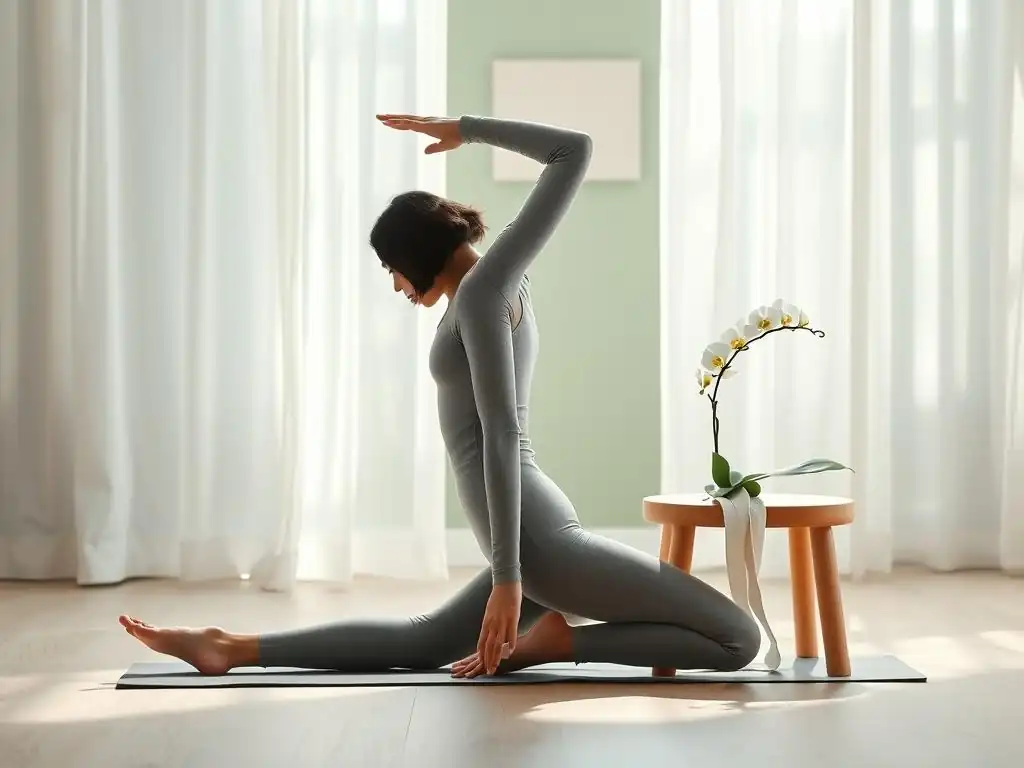
Creating an effective yoga asana routine for anxiety begins with an honest self-assessment of both your current anxiety levels and your physical capabilities. Anxiety manifests differently in everyone – some experience physical restlessness, others intrusive thoughts, panic attacks, or pervasive worry. Understanding your specific symptoms on a given day can help you choose appropriate practices. For instance, high physical energy driven by anxiety might benefit from more dynamic poses initially, while overwhelming mental fatigue might call for gentle, restorative practices.
Simultaneously, assess your physical condition. Are you new to yoga? Do you have any injuries or physical limitations? A beginner might start with foundational poses and shorter practice times (e.g., 10-15 minutes), while someone with more experience might explore longer holds or more complex sequences.
It's crucial to choose poses that feel accessible and safe, avoiding anything that causes pain or excessive strain. The goal is to create a supportive practice, not another source of stress or frustration. Many find starting with just 5-10 minutes of simple stretches and breathwork each day can make a significant difference in managing mild to moderate anxiety.
Developing a Consistent Yoga Schedule
Consistency is often more important than duration or intensity when using yoga asana for anxiety management. Establishing a regular schedule helps build a routine that your mind and body can rely on, signaling a dedicated time for self-care and stress reduction. Even short, frequent practices (e.g., 15-20 minutes daily) can yield more significant benefits over time than infrequent, long sessions. Consider where yoga fits best into your day – morning practice might help set a calm tone, while evening practice can help unwind before sleep.
Try to make your yoga time non-negotiable, treating it with the same importance as other appointments. However, be flexible and compassionate with yourself; if you miss a session, simply return to your practice when you can. A consistent schedule helps regulate the nervous system and reinforce positive coping mechanisms. Data suggests that regular practice, even just 2-3 times per week, can lead to measurable reductions in anxiety symptoms over several months, impacting physiological markers like heart rate variability and cortisol levels.
Incorporating Mindfulness into Each Asana
Mindfulness is the bedrock of yoga asana for anxiety. It involves paying deliberate, non-judgmental attention to the present moment – the sensations in your body, the rhythm of your breath, and the thoughts and emotions that arise. As you move through each pose, bring your awareness fully to the physical experience. Notice where you feel tension, where you feel ease, and how your breath supports the pose. Rather than striving for a perfect shape, focus on the internal experience of the posture.
When anxious thoughts inevitably arise during practice, acknowledge them without judgment, and gently guide your attention back to your breath or body. This practice of redirection is a powerful tool for managing intrusive thoughts off the mat as well. Mindfulness transforms physical exercise into a meditative experience, cultivating a deeper connection with yourself and fostering a sense of calm presence. It's the mindful approach that elevates yoga asana from mere stretching to a potent therapy for the anxious mind.
Guidelines for a Safe and Beneficial Yoga Practice
Prioritizing Body Awareness and Injury Prevention
Safety in yoga asana practice is paramount, especially when using it as a tool for managing anxiety, as anxiety can sometimes heighten physical tension or disconnect us from bodily signals. Cultivate deep body awareness by paying close attention to sensations as you move. Differentiate between a comfortable stretch or gentle challenge and sharp or pinching pain, which is a signal to ease off or adjust. Listen to your body each day, recognizing that its capabilities may vary.
Avoid pushing yourself too aggressively or trying to achieve poses that feel beyond your current capacity. Ego has no place on the yoga mat when practicing for mental wellbeing. Focus on proper alignment, which helps protect your joints and muscles. For example, in poses like Warrior II, ensuring your front knee is stacked directly over your ankle protects the knee joint. Prioritizing safety allows for a sustainable practice that nurtures rather than harms the body, reinforcing the positive effects of yoga asana for anxiety.
Adapting Poses with Modifications and Props
Yoga is a practice for every body, and modifications and props are essential tools to make poses accessible and supportive, particularly when dealing with physical limitations or high anxiety. Don't view props like blocks, blankets, straps, or bolsters as crutches; they are aids that can help you find stability, release tension, and experience the intended benefits of a pose more fully and safely. For example, placing a block under your hands in a forward fold can alleviate pressure on the hamstrings and lower back, making the pose more comfortable and calming.
Similarly, modifying poses allows you to tailor the practice to your current needs. If a standing pose feels too challenging when anxious, try a seated or reclined variation. If balancing is difficult, practice near a wall for support. Using props and modifications empowers you to practice yoga asana for anxiety in a way that feels supportive and non-intimidating, ensuring that the experience is one of ease and self-compassion rather than struggle.
Seeking Guidance from a Certified Yoga Instructor
While there are many resources available online, practicing yoga asana under the guidance of a certified and experienced yoga instructor is highly recommended, especially when using yoga for specific mental health goals like anxiety reduction. An instructor can provide personalized guidance on alignment, offer modifications tailored to your body and needs, and help you deepen your understanding of the mind-body connection. They can observe your practice and offer cues that you might not recognize on your own.
Look for instructors who have experience or training in teaching yoga for stress, trauma, or mental health. They can help you identify poses and techniques that are most beneficial for your specific type of anxiety and guide you in developing a safe and effective personal practice. While online resources are convenient, the feedback and adjustments from a qualified teacher in person can significantly enhance the safety and efficacy of your yoga asana for anxiety practice.
Applying Yoga Principles to Everyday Life
Enhancing Mindfulness and Self-Reflection
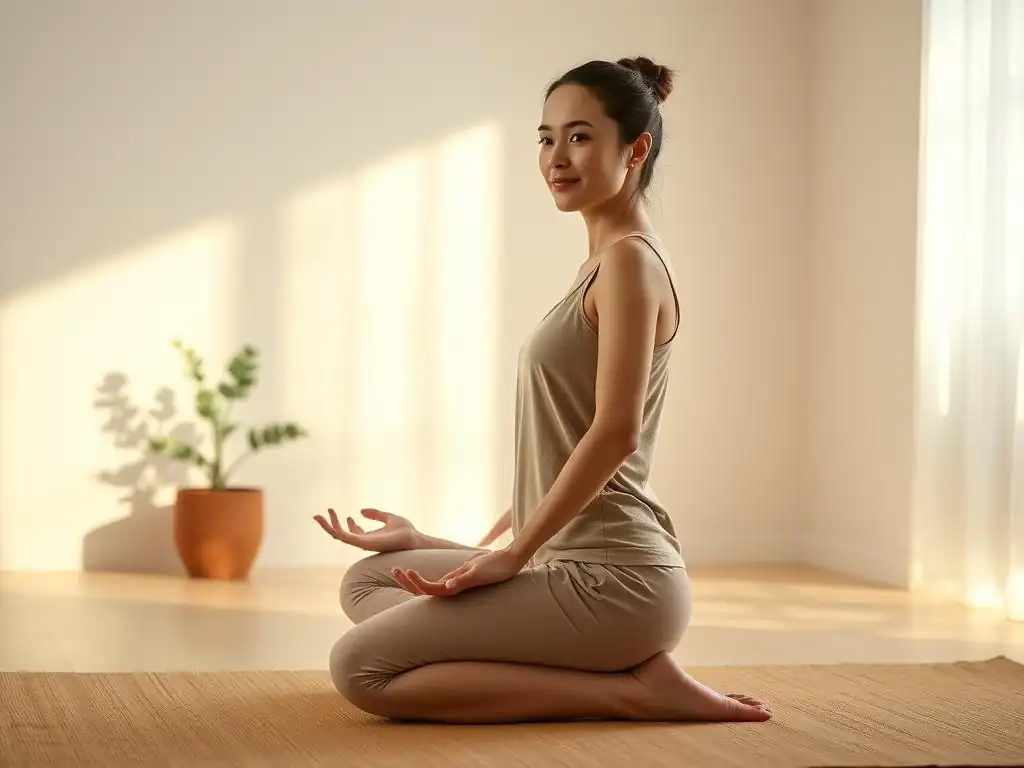
The principles cultivated on the yoga mat, particularly mindfulness and self-reflection, are powerful tools that can be integrated into daily life to manage anxiety. Mindfulness, the practice of present-moment awareness, can be applied during routine activities like eating, walking, or listening to others. By bringing non-judgmental attention to these moments, you interrupt the anxious mind's tendency to dwell on the past or future, grounding yourself in reality. This constant practice reinforces the skills learned during yoga asana for anxiety.
Self-reflection, encouraged during quiet moments on the mat, can be extended through journaling or simply pausing periodically throughout the day to check in with your thoughts, emotions, and physical sensations. Ask yourself: What am I feeling right now? Where am I holding tension? What do I need in this moment? This practice builds emotional intelligence and allows you to identify triggers and patterns related to your anxiety, enabling a more proactive approach to managing it off the mat.
Utilizing Yoga Philosophy for Stress Management
Beyond the physical postures, yoga philosophy offers profound insights that can inform how we approach stress and anxiety. Concepts like Santosha (contentment), Ahimsa (non-violence towards oneself and others), and Ishvara Pranidhana (surrender to a higher power or the flow of life) provide frameworks for navigating challenges. Practicing Santosha means finding peace and acceptance with your current circumstances, even when they are difficult, reducing the internal struggle that fuels anxiety.
Ahimsa reminds you to be kind and compassionate towards yourself, especially when experiencing anxiety, rather than self-critical. This self-compassion is a crucial antidote to the negative self-talk often associated with anxiety. Ishvara Pranidhana encourages letting go of the need to control everything, surrendering to the uncertainty of life. While these are deep philosophical concepts, even a basic understanding and attempt to apply them can shift your perspective and reduce the mental burden of stress, complementing the physical practice of yoga asana for anxiety relief.
Maintaining a Regular Practice for Sustained Wellbeing
Just as consistent practice builds strength and flexibility, maintaining a regular yoga asana routine is key to achieving sustained mental wellbeing and managing anxiety long-term. The benefits of yoga are cumulative; regular engagement helps to rewire the nervous system, build resilience to stress, and reinforce positive coping mechanisms. Sporadic practice may offer temporary relief, but a consistent routine creates a stable foundation for mental health.
Aim for regularity, even if it means shorter sessions on busy days. Consider your yoga practice a vital part of your mental health toolkit, alongside other strategies. Over time, you may notice that you are better equipped to handle stressful situations, your baseline anxiety level decreases, and you have a reliable method to return to a state of calm. Making yoga asana for anxiety a consistent habit is an investment in your ongoing peace of mind.
Scientific Evidence Supporting Yoga's Impact on Anxiety
Overview of Research on Yoga and Mental Health
A growing body of scientific research supports the effectiveness of yoga asana and related practices in improving mental health outcomes, including significant reductions in anxiety. Numerous studies, ranging from small pilot trials to larger randomized controlled trials and meta-analyses, have investigated yoga's impact on various anxiety disorders and general stress levels. While study methodologies vary, a consistent finding across much of this research is that regular yoga practice is associated with decreased self-reported anxiety symptoms.
For example, a meta-analysis published in the Journal of Clinical Psychiatry in 2018 reviewed multiple studies and concluded that yoga interventions were effective in reducing symptoms in individuals with diagnosed anxiety disorders. Another review in the British Journal of Sports Medicine in 2017 found moderate-quality evidence suggesting yoga's benefits for depression and anxiety. While more large-scale, high-quality research is always needed, the existing evidence provides a strong indication that yoga asana can be a valuable complementary approach for managing anxiety.
The Role of the Nervous System in Anxiety and Yoga's Effects
Anxiety is deeply rooted in the dysregulation of the autonomic nervous system (ANS), particularly an overactive sympathetic "fight or flight" response and an underactive parasympathetic "rest and digest" response. Yoga asana, especially when combined with breath control (pranayama) and mindfulness, directly influences the ANS. Slow, conscious movements and deep, regulated breathing stimulate the vagus nerve, a key component of the parasympathetic nervous system.
Activation of the parasympathetic nervous system helps to lower heart rate, reduce blood pressure, and decrease the production of stress hormones. Studies using physiological measures like heart rate variability (HRV), which indicates the body's ability to adapt to stress, often show improved HRV in regular yoga practitioners compared to control groups. This suggests that yoga asana helps to restore balance to the ANS, making the body less reactive to stressors and reducing the physiological symptoms associated with anxiety.
Hormonal Changes Associated with Yoga Asana
Research indicates that practicing yoga asana can influence the body's stress hormone levels, providing a biochemical pathway for anxiety reduction. Cortisol, often referred to as the primary stress hormone, is typically elevated in individuals experiencing chronic stress and anxiety. Studies have measured cortisol levels in saliva, blood, or urine before and after yoga interventions.
Multiple studies have reported a significant decrease in cortisol levels among participants who regularly practice yoga. For instance, some findings suggest reductions in salivary cortisol by around 10-20% after several weeks of consistent yoga practice, compared to baseline or control groups. Additionally, yoga may increase levels of gamma-aminobutyric acid (GABA), a neurotransmitter that acts as a natural tranquilizer in the brain, helping to regulate nerve activity and reduce feelings of anxiety and fear. This hormonal and neurotransmitter modulation underscores the physiological impact of yoga asana for anxiety relief.
Additional Considerations for Yoga and Anxiety
Combining Yoga Asana with Medication or Therapy
Yoga asana is widely considered a complementary therapy and can often be safely and effectively combined with conventional medical treatments for anxiety, such as medication or psychotherapy (like Cognitive Behavioral Therapy or CBT). Yoga should not be seen as a replacement for prescribed medication or professional therapy unless advised by a healthcare provider. Instead, it can enhance the benefits of these treatments.
For individuals taking anti-anxiety medication, yoga can provide additional coping strategies and physical benefits. When combined with therapy, yoga can serve as a practical tool to implement principles learned in sessions, such as mindfulness, body awareness, and stress reduction techniques. Open communication with your doctor and therapist about your yoga practice is crucial to ensure a coordinated and effective treatment plan for managing anxiety.
Alternative Strategies for Anxiety Reduction
While yoga asana is a powerful tool, it is one of many strategies available for managing anxiety. Exploring other complementary approaches can create a comprehensive self-care plan. These might include meditation (seated or walking), breathwork practices even outside of a yoga context, spending time in nature, engaging in regular aerobic exercise (like walking, running, or swimming), maintaining a balanced diet, ensuring adequate sleep hygiene, and practicing creative outlets like art or music.
Different strategies resonate with different people and can be beneficial at various times. Some individuals find that a combination of physical activity, like yoga asana for anxiety, paired with quiet meditation and creative expression, provides the most effective relief. Experimenting with different techniques allows you to build a personalized toolkit for navigating anxious feelings and promoting overall wellbeing.
Recognizing When Professional Mental Health Support is Necessary
It is essential to recognize that while yoga asana and other self-care practices can significantly help manage anxiety symptoms, they may not be sufficient for everyone, especially those experiencing severe or debilitating anxiety disorders. If your anxiety is interfering significantly with your daily life, work, relationships, or if you are experiencing panic attacks or persistent feelings of hopelessness, it is crucial to seek professional help.
Mental health professionals, such as therapists, counselors, psychologists, or psychiatrists, can provide diagnosis, personalized treatment plans, and access to therapies or medications that may be necessary. Yoga can be a wonderful support tool alongside professional care, but it should not delay or replace seeking help when needed. Recognizing the signs that require professional intervention is a sign of strength and self-care.
Frequently Asked Questions
What exactly is Yoga Asana, and how does it differ from other forms of yoga?
Yoga Asana refers to the physical postures practiced in yoga. It differs from other forms like pranayama (breathwork) or meditation, though these are often integrated into an asana practice.
How can Yoga Asana specifically help with anxiety?
Yoga Asana can help with anxiety by reducing stress hormones like cortisol and promoting relaxation. Specific poses can also help calm the nervous system and improve mood.
Are there specific Yoga Asana poses that are more effective for anxiety than others?
Yes, certain poses like Balasana (Child's Pose), Uttanasana (Standing Forward Bend), and Savasana (Corpse Pose) are known for their calming and grounding effects, making them particularly helpful for anxiety.
How often should I practice Yoga Asana to experience its benefits for anxiety?
Consistency is key! Aim for at least 3-4 times a week, even for short sessions, to experience the long-term benefits of yoga asana on anxiety levels.
Is it safe to practice Yoga Asana if I have pre-existing physical or mental health conditions?
It's crucial to consult with a healthcare professional or qualified yoga instructor before starting any new exercise program, especially if you have pre-existing conditions. They can help you modify poses or find a suitable practice for your individual needs.
Final Reflection: Cultivating Inner Calm Through Movement
The ancient practice of yoga asana, far from being a mere physical exercise, offers a potent antidote to the anxieties of modern life. In a world increasingly characterized by relentless demands and constant connectivity, the ability to find stillness within the storm is more crucial than ever. This exploration of yoga asana as a pathway to peace highlights the profound connection between mindful movement and emotional well-being, a connection that resonates deeply with the growing need for accessible stress-management techniques.
The impact of yoga asana on the cultural landscape is undeniable. Its integration into mainstream wellness practices speaks volumes about its effectiveness in addressing widespread anxiety and stress. The simple act of focusing on breath and body, even for a few minutes each day, can shift our perspective and cultivate a sense of groundedness. As the renowned yoga teacher B.K.S. Iyengar once said, Yoga is a light, which once lit, will never dim. The better you practice, the brighter the flame.
This quote encapsulates the transformative power of consistent practice and its lasting effect on our mental and emotional state.
Consider the ways in which you can incorporate the principles of mindful movement into your own life. Perhaps it's setting aside just five minutes each morning for a simple sun salutation, or dedicating a longer period to a more structured practice. Don't underestimate the power of even small, consistent actions. By cultivating a deeper connection with your body and breath through yoga asana, you are not merely engaging in physical exercise; you are actively investing in your mental and emotional well-being, creating a sanctuary of peace within yourself, a sanctuary you can access anytime, anywhere. Begin your journey today.
Unleash Your Inner Calm: Take the Next Step on Your Yoga Journey
Thanks for taking the time to explore the powerful connection between yoga and inner peace! We hope you found this article insightful and inspiring. Now it's time to put your newfound knowledge into practice.
Here's how to continue your journey:
- Prioritize your first mindful movement session: Even 10 minutes of sun salutations can make a world of difference. Set a timer and focus on your breath and body.
- Share your experience: Let us know what pose resonated with you the most – or share a tip to help other readers begin their practice in the comments below!
- Consider exploring different yoga styles: From Vinyasa to Restorative, there's a practice out there for everyone. See what feels right for you.
What small step will you take today to cultivate more mindfulness in your life?