
Eat Your Way to Better Mental Health: Top AntiInflammatory Foods

Welcome to Mind Care Guide, a safe space dedicated to your mental well-being.
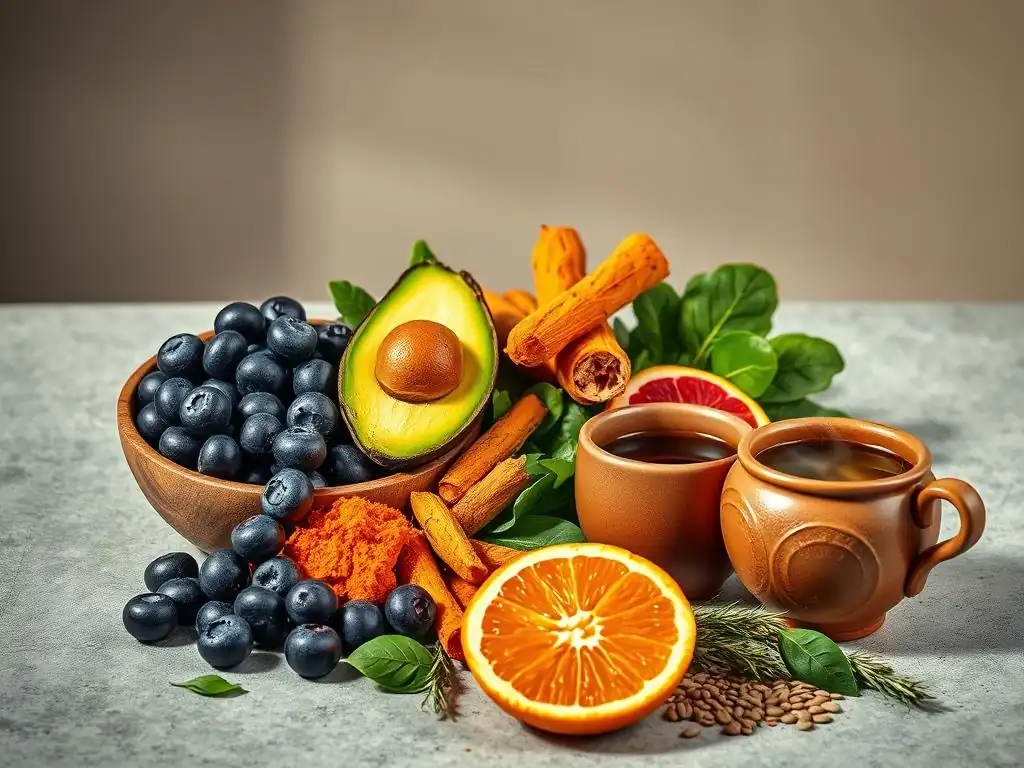
Are you feeling overwhelmed, like your mind and body are working against you? It's more common than you think, and often, the answer lies closer than you realize. This week, we're diving deep into a fascinating connection: the power of antiinflammatory foods mental health. Could what you eat truly impact your mood and mental clarity? Join us as we explore the top foods that can help reduce inflammation and pave the way for a happier, healthier you. Intrigued? Let's discover the delicious path to a brighter mind!
Eat Your Way to Better Mental Health: Top Anti-Inflammatory Foods
- Understanding the Link Between Inflammation and Mental Health
-
Top Anti-Inflammatory Foods for Mental Wellness
- Berries: Nature's Antioxidant Powerhouses for Brain Health
- Fatty Fish: Omega-3 Rich Foods for Reducing Inflammation
- Leafy Greens: Nutrient-Packed Options for a Healthy Mind
- Nuts and Seeds: Healthy Fats and Inflammation Fighters
- Olive Oil: A Mediterranean Staple for Brain Protection
- Turmeric: The Power of Curcumin for Mental Clarity
- Ginger: A Natural Anti-Inflammatory for Mood Regulation
- Creating Your Anti-Inflammatory Meal Plan for Mental Health
- The Long-Term Benefits of an Anti-Inflammatory Diet for Mental Well-being
- Beyond Food: Lifestyle Factors That Complement an Anti-Inflammatory Diet
- Conclusion: Embracing Anti-Inflammatory Foods for a Healthier Mind
-
Frequently Asked Questions
- What exactly is the connection between anti-inflammatory foods and mental health?
- Which are some of the top anti-inflammatory foods I should include in my diet for better mental health?
- How often should I consume anti-inflammatory foods to see a noticeable difference in my mental health?
- Can simply eating anti-inflammatory foods completely replace other mental health treatments, such as therapy or medication?
- Are there any specific foods or ingredients that I should actively avoid to minimize inflammation and support my mental health?
- Final Reflection: Nourishing the Mind, Body, and Soul
- Unleash Your Inner Radiance: Nourish Your Mind & Body
Understanding the Link Between Inflammation and Mental Health
How Inflammation Impacts Brain Function and Mood
Chronic inflammation, often a silent process within the body, is increasingly recognized as a significant factor influencing brain function and mood. Unlike acute inflammation, which is a healthy response to injury, chronic low-grade inflammation can persist and negatively affect delicate neural pathways and neurotransmitter systems. Research indicates that inflammatory molecules called cytokines can cross the blood-brain barrier, interfering with neurochemical signals crucial for mood regulation, cognitive processes, and stress response.
This persistent inflammatory state in the brain can manifest as symptoms commonly associated with various mental health challenges, including fatigue, difficulty concentrating, and even altered mood states like increased anxiety or feelings of low energy. Studies have shown elevated levels of inflammatory markers in individuals experiencing depression and anxiety, suggesting a potential link where reducing inflammation could offer a pathway to improving mental health symptoms. Focusing on antiinflammatory foods mental health strategies is becoming a key area of interest in holistic well-being.
The Gut-Brain Axis: A Key Connection to Mental Well-being
The intricate connection between the gut and the brain, known as the gut-brain axis, plays a pivotal role in both physical and mental health. The gut microbiome – trillions of microorganisms living in our digestive tract – significantly influences this axis. An imbalance in the gut bacteria, often caused by poor diet and inflammation, can lead to increased gut permeability (sometimes called "leaky gut"), allowing inflammatory substances to enter the bloodstream and travel to the brain.
Furthermore, the gut produces many neurotransmitters, including serotonin, often dubbed the "feel-good" chemical, with a significant portion produced in the gut rather than the brain. Inflammation in the gut can disrupt this production and signaling, directly impacting mood and contributing to mental health issues. Supporting a healthy gut microbiome through an anti-inflammatory diet is therefore a powerful way to support the gut-brain axis and enhance overall mental well-being.
Top Anti-Inflammatory Foods for Mental Wellness
Berries: Nature's Antioxidant Powerhouses for Brain Health
Berries are nutritional powerhouses, packed with antioxidants, particularly anthocyanins, which give them their vibrant colors. These compounds are potent fighters against oxidative stress and inflammation, processes implicated in cognitive decline and mood disorders. Consuming berries regularly provides the brain with protection against damage and supports healthy cellular function, contributing to improved focus and emotional stability.
Including a variety of berries in your diet is a delicious way to harness their benefits. Whether fresh or frozen, adding them to yogurt, smoothies, or simply enjoying them as a snack provides a concentrated dose of anti-inflammatory compounds. Their relatively low sugar content compared to other fruits also makes them an excellent choice for an antiinflammatory foods mental health focused diet.
Specific Berries and Their Mental Health Benefits (e.g., Blueberries, Strawberries)
Blueberries are often highlighted for their exceptional antioxidant capacity. Research suggests that the anthocyanins in blueberries can accumulate in brain areas important for memory and learning, potentially improving cognitive performance and offering neuroprotective benefits. Studies have linked regular blueberry consumption to improvements in mood and reduced symptoms of depression in certain populations.
Strawberries, while also rich in anthocyanins, are notable for their high vitamin C content. Vitamin C is a crucial antioxidant that helps protect the brain from oxidative damage and supports the production of neurotransmitters. A cup of strawberries can provide well over 100% of the daily recommended intake of Vitamin C, making them a valuable addition to an antiinflammatory foods mental health plan. Raspberries and blackberries also offer similar benefits, boasting high fiber and antioxidant levels.
Fatty Fish: Omega-3 Rich Foods for Reducing Inflammation
Fatty fish are renowned for their high levels of omega-3 fatty acids, specifically EPA (eicosapentaenoic acid) and DHA (docosahexaenoic acid). These essential fats are critical components of brain cell membranes and play a direct role in reducing systemic inflammation. Unlike many other fats, EPA and DHA actively work to lower inflammatory markers in the body, which in turn can positively impact brain health and mood regulation.
Regular consumption of fatty fish has been associated with a lower risk of depression and anxiety in various studies. The omega-3s help improve the fluidity of cell membranes, facilitating better communication between brain cells and supporting overall neurological function. Incorporating fatty fish into your diet several times a week is a highly effective strategy for leveraging antiinflammatory foods mental health benefits.
Best Types of Fatty Fish for Cognitive Function (e.g., Salmon, Tuna, Mackerel)
Salmon is perhaps the most popular choice, known for its rich content of both EPA and DHA. A typical 3-ounce serving of wild salmon can provide over 1500-2000 mg of combined EPA and DHA, a significant amount compared to dietary recommendations. Its consistent nutrient profile makes it an excellent staple for an anti-inflammatory diet aimed at mental wellness.
Tuna, particularly albacore or skipjack, also offers good levels of omega-3s, though amounts can vary and concerns about mercury should be considered. Mackerel and sardines are other excellent options, often providing high omega-3 content with less risk of mercury accumulation due to their smaller size. Aiming for 2-3 servings of these fatty fish per week is a practical target for supporting brain health and reducing inflammation.
Leafy Greens: Nutrient-Packed Options for a Healthy Mind
Leafy green vegetables are nutritional powerhouses, offering a dense array of vitamins, minerals, and antioxidants crucial for brain health. They are particularly rich in vitamins K, A, and C, as well as folate. Folate, a B vitamin, is essential for neurotransmitter synthesis and has been linked to mood regulation; low levels are sometimes observed in individuals with depression.
Furthermore, leafy greens contain various phytochemicals with potent anti-inflammatory properties. Their high fiber content also supports a healthy gut microbiome, reinforcing the positive connection between gut health and mental well-being. Regularly consuming a generous portion of leafy greens is a fundamental component of an antiinflammatory foods mental health approach.
Incorporating Leafy Greens Into Your Anti-Inflammatory Diet (e.g., Spinach, Kale)
Spinach is incredibly versatile and packed with nutrients like folate, magnesium, and antioxidants such as lutein and zeaxanthin, which are beneficial for cognitive function. It can be easily added raw to salads and smoothies or cooked into stir-fries, soups, and omelets, making it simple to increase your intake daily.
Kale is another nutrient-dense green, offering high amounts of vitamins K, A, C, and manganese. It also contains compounds like sulforaphane, which has demonstrated anti-inflammatory effects. Kale can be used in salads (massaged to soften), baked into chips, or added to cooked dishes. Aiming for at least one serving of leafy greens per day is a manageable goal with significant benefits for supporting mental health with antiinflammatory foods.
Nuts and Seeds: Healthy Fats and Inflammation Fighters
Nuts and seeds are excellent sources of healthy fats, including monounsaturated and polyunsaturated fats, as well as fiber, protein, vitamins, and minerals. Many varieties, particularly walnuts and chia seeds, are good sources of alpha-linolenic acid (ALA), a plant-based omega-3 fatty acid that the body can convert into EPA and DHA, albeit less efficiently than consuming them directly from fish.
Beyond omega-3s, nuts and seeds contain antioxidants like vitamin E and selenium, which help protect brain cells from oxidative damage. Their fiber content also supports digestive health, contributing to a healthier gut-brain axis. Including a handful of nuts or a tablespoon of seeds daily is a simple yet effective way to boost your intake of antiinflammatory foods mental health supporters.
The Mental Health Benefits of Specific Nuts and Seeds (e.g., Walnuts, Chia Seeds)
Walnuts stand out among nuts due to their significantly higher ALA omega-3 content compared to other nuts. Their unique nutrient profile, including polyphenols and antioxidants, has led to research exploring their potential links to improved cognitive function and reduced risk of depression. A small handful (about 1 ounce or 7 walnuts) provides a notable amount of ALA.
Chia seeds are another excellent source of ALA, fiber, and various minerals like magnesium and phosphorus. When mixed with liquid, they form a gel, which can aid digestive health and help regulate blood sugar levels. Their anti-inflammatory compounds contribute to overall well-being, supporting mental clarity and stable energy levels. Adding chia seeds to yogurt, smoothies, or oatmeal is an easy way to incorporate them.
Olive Oil: A Mediterranean Staple for Brain Protection

Extra virgin olive oil (EVOO) is a cornerstone of the Mediterranean diet, a dietary pattern consistently linked to better cognitive function and reduced risk of mental health disorders. EVOO is rich in monounsaturated fats, which are considered heart-healthy, but its true anti-inflammatory power comes from its high concentration of polyphenols and antioxidants, such as oleocanthal.
Oleocanthal has been shown to possess anti-inflammatory properties similar to ibuprofen, though its effects in dietary amounts are milder and chronic. These compounds protect brain cells from oxidative stress and inflammation, potentially preserving cognitive function and supporting mood stability over the long term. Using EVOO as a primary fat source is a fundamental aspect of an antiinflammatory foods mental health diet.
Choosing and Using Olive Oil for Optimal Anti-Inflammatory Effects
To maximize the anti-inflammatory benefits, it's crucial to choose high-quality extra virgin olive oil. "Extra virgin" indicates that the oil was produced by cold pressing, preserving its beneficial compounds. Look for oils that come in dark bottles and have a harvest date on the label, ideally consumed within 12-18 months of pressing.
Use EVOO generously in salad dressings, drizzled over cooked vegetables, or as a finishing oil for dishes. While EVOO has a relatively high smoke point compared to some oils, its beneficial polyphenols can be degraded by very high heat. For high-temperature cooking, consider using oils with higher smoke points, but rely on EVOO for low-to-medium heat applications and finishing to get the most antiinflammatory foods mental health benefits.
Turmeric: The Power of Curcumin for Mental Clarity
Turmeric is a vibrant yellow spice widely used in Indian cuisine and traditional medicine. Its primary active compound is curcumin, a polyphenol with potent anti-inflammatory and antioxidant properties. Research into curcumin has exploded in recent years, revealing its potential benefits for various health conditions, including those related to brain health and mood.
Curcumin can influence several pathways involved in inflammation and oxidative stress within the brain. Some studies suggest it may help increase levels of brain-derived neurotrophic factor (BDNF), a protein that supports the growth and survival of nerve cells and plays a role in memory and learning. While the amount of curcumin in turmeric spice is not as high as in concentrated supplements, regular dietary intake still contributes to its cumulative anti-inflammatory effects for mental health.
How to Incorporate Turmeric Into Your Daily Diet for Mental Health Benefits
Incorporating turmeric into your daily meals is simpler than you might think. Add it to curries, soups, stews, or rice dishes. A popular way to consume it is in "golden milk," a warm beverage made with milk (dairy or plant-based), turmeric, ginger, and a pinch of black pepper.
The absorption of curcumin is significantly enhanced when consumed with black pepper, which contains piperine, and with healthy fats, such as those found in olive oil or coconut milk. Therefore, combining turmeric with these ingredients in your cooking is a smart strategy to maximize its antiinflammatory foods mental health potential. Aim for about 1/4 to 1/2 teaspoon of turmeric powder per day in your cooking.
Ginger: A Natural Anti-Inflammatory for Mood Regulation
Ginger is another ancient spice celebrated for its medicinal properties, largely attributed to its bioactive compounds, particularly gingerols. Gingerols have powerful anti-inflammatory and antioxidant effects that can help combat oxidative stress and reduce inflammation throughout the body, including the brain.
Beyond its direct anti-inflammatory action, ginger may also support digestive health, which, as discussed, is closely linked to mental well-being via the gut-brain axis. By potentially soothing the digestive tract and promoting healthy gut function, ginger can indirectly contribute to improved mood and reduced anxiety. Its warming properties are also often perceived as comforting and calming.
Using Ginger to Reduce Inflammation and Improve Mental Well-being
Ginger can be used fresh, dried, ground, or as a juice in various dishes and beverages. Fresh ginger can be grated into stir-fries, soups, or dressings. Ground ginger is a staple in baking and spice blends. Ginger tea, made by steeping fresh ginger slices in hot water, is a popular way to consume it, especially when feeling unwell or stressed.
Adding ginger to your diet alongside other antiinflammatory foods mental health supporters like turmeric and leafy greens can create a synergistic effect, enhancing the overall anti-inflammatory power of your meals. Whether in sweet or savory dishes, incorporating ginger provides a flavorful boost to your health efforts.
Creating Your Anti-Inflammatory Meal Plan for Mental Health
Sample Meal Ideas Featuring Anti-Inflammatory Foods
Building an anti-inflammatory meal plan doesn't have to be complicated; it focuses on incorporating the foods discussed above into balanced meals. Here are a few sample ideas to get you started:
- Breakfast: A smoothie made with spinach, blueberries, chia seeds, and a plant-based milk, or oatmeal topped with walnuts, berries, and a sprinkle of cinnamon and turmeric.
- Lunch: A large salad with mixed greens, grilled salmon or chickpeas, avocado, and a dressing made with extra virgin olive oil and lemon juice, perhaps with a side of quinoa.
- Dinner: Baked chicken or lentil curry with turmeric and ginger, served with a generous portion of steamed kale or spinach and brown rice, drizzled with EVOO.
- Snacks: A handful of walnuts or almonds, a small bowl of mixed berries, or vegetable sticks with hummus.
These ideas prioritize nutrient density and the inclusion of key antiinflammatory foods mental health champions throughout the day.
Tips for Successfully Incorporating These Foods Into Your Diet
Making sustainable dietary changes is about consistency and practicality. Start small if needed; perhaps focus on adding one new anti-inflammatory food each week. Prep ingredients in advance, like washing and chopping leafy greens or making a batch of berry compote.
Keep your pantry stocked with staples like olive oil, nuts, seeds, and dried spices like turmeric and ginger. Buy frozen berries and vegetables for convenience and to ensure you always have them on hand. Experiment with different recipes to find enjoyable ways to eat these foods, making your antiinflammatory foods mental health journey both healthy and delicious.
- [ ] Start by adding berries to breakfast daily.
- [ ] Plan for fatty fish or a plant-based omega-3 source twice a week.
- [ ] Ensure leafy greens are included in at least one meal per day.
- [ ] Keep nuts or seeds handy for snacks.
- [ ] Use extra virgin olive oil as your primary cooking and finishing oil.
- [ ] Experiment with adding turmeric and ginger to soups or teas.
The Long-Term Benefits of an Anti-Inflammatory Diet for Mental Well-being
Reducing the Risk of Mental Health Disorders Through Diet
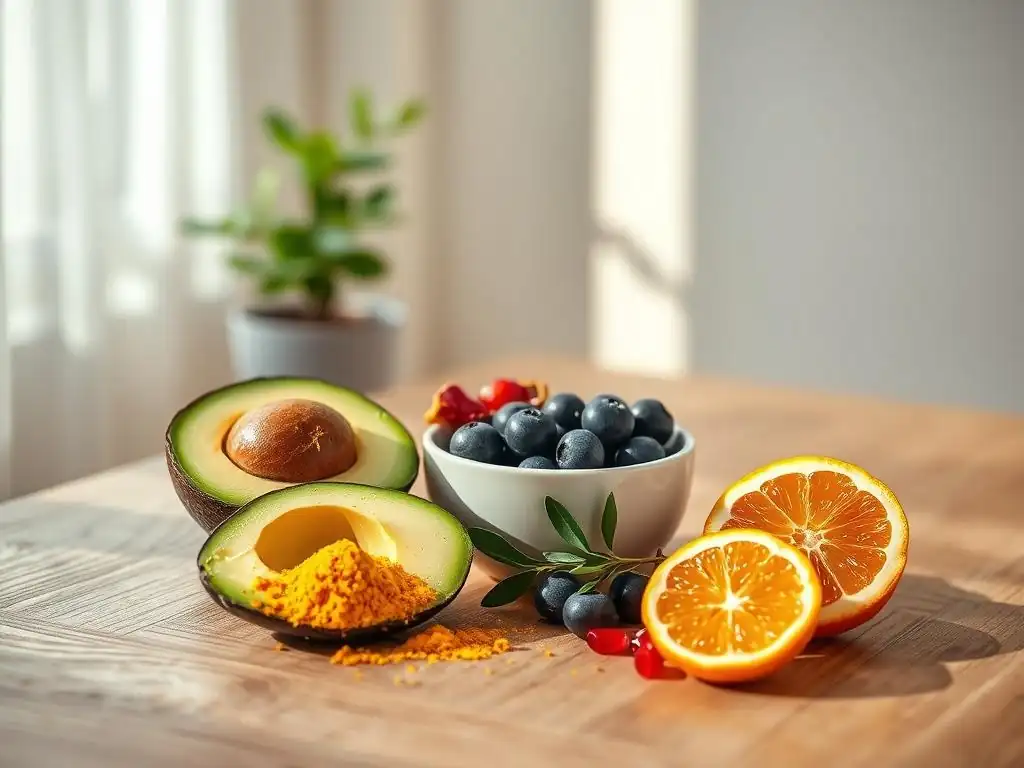
Adopting an anti-inflammatory diet is not just about managing current symptoms; it's a powerful preventative strategy. By consistently reducing chronic inflammation in the body and brain, you are actively working to lower your risk of developing various mental health disorders over time. Research suggests a correlation between inflammatory markers and the incidence of conditions like depression, anxiety disorders, and even neurodegenerative diseases.
A diet rich in antiinflammatory foods mental health supporters like omega-3s, antioxidants, and fiber helps create an environment in the body that is less conducive to the processes underlying these conditions. It supports healthier brain structure and function, stabilizes mood, and improves resilience to stress, contributing to long-term psychological well-being.
Improving Cognitive Function and Mood Over Time
The benefits of an anti-inflammatory diet for the brain extend to cognitive function. Reduced inflammation can lead to improvements in memory, focus, and executive function. Antioxidants protect brain cells from damage, while healthy fats provide the building blocks for brain cell membranes, enhancing communication between neurons.
Over weeks and months of consistently eating antiinflammatory foods mental health can see noticeable improvements. Many individuals report feeling more energetic, experiencing more stable moods, and having better concentration. This dietary approach provides the brain with the optimal conditions to function at its best, leading to sustained improvements in both cognitive performance and emotional state.
Beyond Food: Lifestyle Factors That Complement an Anti-Inflammatory Diet
The Role of Exercise in Reducing Inflammation and Boosting Mental Health
While focusing on antiinflammatory foods mental health is crucial, lifestyle factors significantly amplify these benefits. Regular physical activity is a powerful anti-inflammatory agent in itself. Exercise helps reduce systemic inflammation, improves circulation (including blood flow to the brain), and stimulates the release of endorphins, natural mood boosters.
Engaging in moderate exercise for at least 30 minutes most days of the week can complement your dietary efforts, creating a more robust defense against chronic inflammation and supporting overall mental resilience. Activities like brisk walking, jogging, swimming, or cycling are excellent choices.
Stress Management Techniques for Optimal Mental Well-being
Chronic stress is a major contributor to inflammation in the body. Finding effective ways to manage stress is therefore essential when pursuing an anti-inflammatory lifestyle for mental health. Techniques such as mindfulness meditation, deep breathing exercises, yoga, or spending time in nature can help lower stress hormones like cortisol, which are linked to increased inflammation.
Incorporating stress management into your daily routine alongside eating antiinflammatory foods mental health can create a powerful synergy, helping to calm both the mind and the body's inflammatory response. Even short periods of relaxation or enjoyable hobbies can make a significant difference.
Importance of Sleep for Inflammation Control and Brain Health
Adequate, quality sleep is fundamental for both physical and mental health, playing a critical role in regulating inflammation. During sleep, the body repairs itself and clears out waste products, including those that can contribute to inflammation. Chronic sleep deprivation, conversely, is associated with increased levels of inflammatory markers.
Aiming for 7-9 hours of quality sleep per night supports the body's natural anti-inflammatory processes and is vital for optimal brain function. Establishing a regular sleep schedule and creating a restful sleep environment complements the benefits derived from consuming antiinflammatory foods mental health and other healthy lifestyle choices.
Conclusion: Embracing Anti-Inflammatory Foods for a Healthier Mind
Frequently Asked Questions
What exactly is the connection between anti-inflammatory foods and mental health?
Anti-inflammatory foods can positively impact mental health by reducing inflammation in the brain. This reduction can alleviate symptoms associated with conditions like depression and anxiety, improving overall well-being.
Which are some of the top anti-inflammatory foods I should include in my diet for better mental health?
Some top contenders include fatty fish like salmon (rich in omega-3s), berries (packed with antioxidants), and leafy green vegetables like spinach and kale. These foods can help combat inflammation and support brain function.
How often should I consume anti-inflammatory foods to see a noticeable difference in my mental health?
While individual results vary, aiming for consistent consumption of these foods is key. Incorporating them into your diet several times a week may lead to gradual improvements in mood and cognitive function.
Can simply eating anti-inflammatory foods completely replace other mental health treatments, such as therapy or medication?
No, anti-inflammatory foods are not a replacement for professional mental health treatment. They are a complementary approach that can enhance the effectiveness of therapy or medication.
Are there any specific foods or ingredients that I should actively avoid to minimize inflammation and support my mental health?
Yes, it's generally best to limit or avoid processed foods, sugary drinks, and excessive amounts of red meat. These can promote inflammation and negatively impact your mental well-being.
Final Reflection: Nourishing the Mind, Body, and Soul
The connection between what we eat and how we feel is undeniable, and the power of anti-inflammatory foods to support mental well-being is a crucial piece of this puzzle. We've explored a range of nutrient-rich options, from vibrant berries to calming chamomile tea, demonstrating how a carefully curated diet can significantly impact our mental health landscape. This isn't just about fleeting improvements; it's about building a sustainable foundation for a happier, healthier life.
The ongoing exploration of the gut-brain axis continues to reveal the profound influence of our diet on our mental state. It's a journey of self-discovery, understanding how the foods we consume directly impact our mood, energy levels, and cognitive function. You are what you eat,
is more than just a cliché; it's a fundamental truth that deserves our attention and mindful practice. This understanding empowers us to take control of our well-being, not just through medication or therapy, but through the simple, yet powerful act of nourishing ourselves with the right foods.
Consider the foods you consume daily. Are they fueling your mind and body with the nutrients they need to thrive? I invite you to take a moment to reflect on your eating habits and consciously incorporate more anti-inflammatory foods into your diet. Start small, experiment with new recipes, and listen to your body. The journey towards better mental health is a personal one, and by making conscious choices about our nutrition, we can cultivate a stronger, more resilient mind and spirit. Let food be your medicine, and embark on this path towards a brighter, healthier you.
Unleash Your Inner Radiance: Nourish Your Mind & Body
Thanks for taking the time to explore the power of anti-inflammatory foods for better mental health! We hope you discovered some delicious and effective ways to nurture your well-being. Now it's time to put this knowledge into action.
- Prioritize one new anti-inflammatory food: Choose one recipe or food from the article that excites you and commit to incorporating it into your diet this week. Small changes make a big difference!
- Share your culinary journey: Tell us (or a friend!) about your experience with your chosen food. What did you make? How did it make you feel? We'd love to hear your story!
- Explore further: Dive deeper into the world of anti-inflammatory eating by researching other foods mentioned or exploring similar recipes online.
What simple swap will you make today to boost your mental and physical health?