
Building Your Inner Fortress: Strategies for Personal Resilience Against Suicide


Welcome to Mind Care Guide, your sanctuary for cultivating mental well-being.
Feeling overwhelmed? You're not alone. This space is dedicated to providing you with the knowledge and support you need to navigate life's challenges. We understand that building inner strength is crucial, especially when facing difficult times. In this article, we delve into Resilience strategies prevent suicide, offering actionable steps you can take to fortify your mental fortress. Discover how to build resilience and find hope in the face of adversity. Curious to learn more about protecting your well-being? Let's begin.
Building Your Inner Fortress: Strategies for Personal Resilience Against Suicide
- Understanding the Link Between Resilience and Suicide Prevention
- Identifying Your Inner Resources: Building Blocks of Resilience
-
Practical Strategies for Enhancing Personal Resilience
- Developing a Growth Mindset: Embracing Challenges and Learning from Setbacks
- Cultivating Self-Compassion: Treating Yourself with Kindness and Understanding
- Practicing Mindfulness and Meditation: Reducing Stress and Enhancing Emotional Regulation
- Setting Realistic Goals and Celebrating Small Victories
- Building Healthy Habits: Nutrition, Exercise, and Sleep for Mental Well-being
- Coping with Stress and Trauma: Strengthening Your Mental Fortress
- Building a Robust Support Network for Suicide Prevention
- Developing a Personal Crisis Plan for Suicide Prevention
- Maintaining Long-Term Resilience: A Lifelong Journey
- Resources for Suicide Prevention and Mental Health Support
- The Power of Resilience: Hope for a Brighter Future
-
Frequently Asked Questions
- How can building resilience help prevent suicide?
- What are some effective resilience strategies I can start using today?
- Where can I find resources to further develop my resilience skills?
- What if I'm already experiencing suicidal thoughts; are resilience strategies still helpful?
- How can I support a friend or family member who is struggling with suicidal thoughts and building resilience?
- Final Reflection: Fortifying the Inner Fortress Against Despair
- Unleash Your Inner Strength: Build Resilience Today
Understanding the Link Between Resilience and Suicide Prevention
Why Personal Resilience is Crucial in Suicide Prevention
Personal resilience acts as a powerful buffer against the challenges and stressors of life, including those that can contribute to suicidal thoughts. It's the ability to bounce back from adversity, adapt to difficult situations, and maintain mental well-being even when faced with significant stress, trauma, or loss. Research consistently shows that individuals with higher levels of resilience are better equipped to navigate crises, cope with negative emotions, and seek help when needed.
For instance, studies involving populations exposed to high stress, like veterans or disaster survivors, often demonstrate that resilience is a key factor distinguishing those who develop severe mental health issues from those who maintain stable well-being. Building personal resilience strategies prevent suicide by strengthening an individual's internal resources and coping capacity.
Moreover, resilience isn't an innate trait possessed by only a few; it's a dynamic process and a set of skills that can be learned and developed over time. Focusing on building these skills empowers individuals, giving them a sense of agency and control during times when they might otherwise feel overwhelmed and hopeless.
By fostering resilience, we enhance an individual's capacity to see beyond immediate difficulties, identify solutions, and maintain connections, all of which are vital protective factors against suicide. These resilience strategies prevent suicide by helping individuals build a stronger sense of self-worth and purpose, making them less vulnerable to the isolating and despairing feelings that can accompany suicidal ideation.
The Role of Mental Strength in Overcoming Suicidal Thoughts
Mental strength, often intertwined with resilience, is essential in confronting and overcoming suicidal thoughts. It involves the capacity to manage difficult emotions, challenge negative thought patterns, and maintain a focus on values and goals even when experiencing intense psychological pain. Suicidal thoughts often arise from feelings of hopelessness, worthlessness, and a belief that pain is unbearable and unending. Mental strength allows an individual to recognize these thoughts as symptoms of distress rather than absolute truths. It provides the inner fortitude to resist impulsive actions and to actively seek alternative perspectives and solutions.
Developing mental strength involves practices such as cognitive restructuring – learning to identify and challenge distorted or unhelpful thinking. For example, replacing a thought like "I am a failure and everyone would be better off without me" with "I am struggling right now, but this pain is temporary, and I have overcome challenges before."
This shift isn't about denying pain but about creating mental space to explore options beyond ending one's life. Building mental strength through targeted resilience strategies prevent suicide by equipping individuals with the internal tools needed to fight the powerful pull of suicidal ideation and to hold onto hope for recovery and a better future.
Identifying Your Inner Resources: Building Blocks of Resilience
Recognizing Your Strengths and Coping Mechanisms
Everyone possesses unique strengths and existing coping mechanisms, even if they are not immediately apparent during times of crisis. Identifying these is a foundational step in building resilience. Strengths can be personality traits like perseverance, creativity, kindness, or a sense of humor. They can also be learned skills, such as problem-solving, the ability to learn new things, or effective communication. Think about past challenges you've faced and overcome – what qualities or actions helped you through? Perhaps you are good at finding information, connecting with others, or simply putting one foot in front of the other.
Acknowledging these internal resources builds confidence and provides a starting point for developing more robust resilience strategies prevent suicide. Existing coping mechanisms, even if they aren't always the healthiest (like avoiding problems), demonstrate an attempt to manage distress. The goal is to identify these and then refine or replace less effective ones with healthier alternatives. Acknowledging that you have survived difficult periods before using certain skills reinforces the idea that you possess the inherent capacity to manage future challenges. Listing these strengths can be a powerful reminder of your capabilities during moments of doubt.
Tapping into Your Support System: Family, Friends, and Community
A strong support system is one of the most significant external resources contributing to personal resilience. This network includes family members, friends, mentors, colleagues, and community connections. These relationships provide emotional support, practical assistance, a sense of belonging, and different perspectives during tough times. Knowing you are not alone and that there are people who care about you creates a vital safety net. Sharing your struggles with trusted individuals can alleviate feelings of isolation, which is a major risk factor for suicide.
Actively engaging with your support system means reaching out, being open about your experiences (to the extent you feel comfortable), and allowing others to help. It also means nurturing these relationships during good times, so they are strong when you need them most. Community involvement, whether through clubs, volunteer work, or cultural groups, can also broaden your support network and provide a sense of purpose and connection beyond your immediate circle. These connections form part of the essential resilience strategies prevent suicide by providing external strength and reducing the burden of carrying difficult emotions alone.
Practical Strategies for Enhancing Personal Resilience
Developing a Growth Mindset: Embracing Challenges and Learning from Setbacks
A growth mindset is the belief that abilities and intelligence can be developed through dedication and hard work. Applied to resilience, it's the belief that you can grow and learn from challenges and setbacks, rather than seeing them as insurmountable obstacles or proof of personal failure. People with a growth mindset tend to embrace challenges, persist in the face of difficulties, see effort as a path to mastery, learn from criticism, and find lessons and inspiration in the success of others. This contrasts with a fixed mindset, which assumes qualities are innate and unchangeable.
Adopting a growth mindset involves reframing negative experiences. Instead of thinking, "I failed, I'm not good enough," you might think, "This didn't work, what can I learn from this experience to try differently next time?" This perspective shift reduces the emotional impact of setbacks and fosters a proactive approach to problem-solving. Cultivating this mindset is a key component of resilience strategies prevent suicide because it builds the internal belief that difficult situations are temporary and manageable, and that personal growth is possible even through pain.
Cultivating Self-Compassion: Treating Yourself with Kindness and Understanding
Self-compassion involves treating yourself with the same kindness, care, and understanding you would offer a good friend experiencing difficulty. It's recognizing that suffering, failure, and imperfection are part of the shared human experience, rather than isolating personal flaws. When faced with pain or setbacks, self-compassion means responding with warmth and understanding, rather than harsh self-criticism. This is particularly important when dealing with the intense negative self-judgment that often accompanies suicidal thoughts.
Practicing self-compassion involves three core components: self-kindness (being gentle with yourself), common humanity (recognizing you're not alone in your suffering), and mindfulness (observing your thoughts and feelings without judgment). Instead of blaming yourself for feeling distressed, self-compassion allows you to acknowledge the pain and respond with a desire to alleviate it. Research suggests self-compassion is strongly linked to greater emotional resilience and reduced symptoms of depression and anxiety. Integrating self-compassion into your routine are resilience strategies prevent suicide that help dismantle the self-criticism fueling hopelessness.
Practicing Mindfulness and Meditation: Reducing Stress and Enhancing Emotional Regulation
Mindfulness is the practice of paying deliberate attention to the present moment without judgment. Meditation is a common way to cultivate mindfulness. Regular practice helps individuals become more aware of their thoughts, feelings, and bodily sensations without getting swept away by them. This awareness is crucial for emotional regulation – the ability to manage and respond to emotional experiences constructively. For someone struggling with intense emotional pain or suicidal thoughts, mindfulness can create a vital space between experiencing a feeling and reacting to it.
Studies have shown that mindfulness-based interventions can significantly reduce symptoms of stress, anxiety, and depression. For example, some meta-analyses indicate effect sizes demonstrating moderate improvements in these areas. By becoming more attuned to your internal state, you can identify triggers for distress earlier and apply coping strategies before becoming overwhelmed. Mindfulness helps build tolerance for difficult emotions, recognizing that they are temporary and do not define you. These practices are powerful resilience strategies prevent suicide as they enhance emotional awareness and control, making intense feelings less overwhelming.
Setting Realistic Goals and Celebrating Small Victories
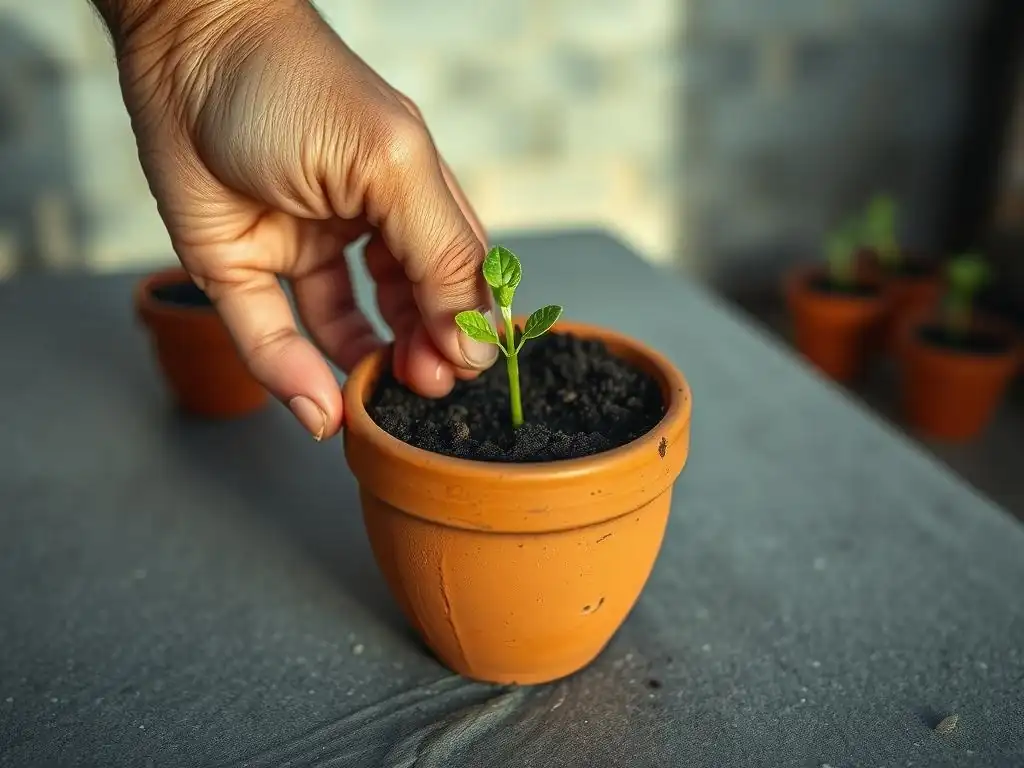
Setting achievable goals, even small ones, and acknowledging your progress is a powerful way to build resilience and combat feelings of hopelessness. When struggling, large tasks can feel insurmountable. Breaking things down into smaller, manageable steps makes progress feel possible and provides a sense of accomplishment. These small victories build momentum and reinforce the belief that you are capable of positive action and change.
Goals don't have to be grand; they can be as simple as getting out of bed, taking a shower, or completing one small chore. The key is that they are realistic for your current capacity and that you consciously acknowledge and celebrate completing them. This process helps rebuild a sense of agency and competence, which are often eroded by depression or suicidal ideation. Consistently setting and achieving small goals are practical resilience strategies prevent suicide that help restore a sense of control and purpose in daily life.
Building Healthy Habits: Nutrition, Exercise, and Sleep for Mental Well-being
Physical health is deeply interconnected with mental well-being. Prioritizing healthy habits like balanced nutrition, regular exercise, and sufficient sleep forms a fundamental layer of personal resilience. Poor physical health can exacerbate symptoms of depression and anxiety and reduce your capacity to cope with stress. Conversely, taking care of your body can significantly improve mood, energy levels, and overall mental fortitude.
Aim for balanced meals rich in nutrients. Engage in regular physical activity – even a short walk can release endorphins and reduce stress. Prioritize 7-9 hours of quality sleep per night, as sleep deprivation severely impairs emotional regulation and cognitive function. While these habits may seem basic, their cumulative effect on your capacity to handle stress and maintain emotional balance is profound. Integrating these healthy habits are vital resilience strategies prevent suicide that provide a strong physical foundation for mental strength.
Coping with Stress and Trauma: Strengthening Your Mental Fortress
Identifying and Managing Stress Triggers
Understanding what triggers your stress is a critical step in managing it effectively. Triggers can be external events (like a difficult conversation, a challenging deadline, or financial worries) or internal states (like negative self-talk, perfectionism, or fear of failure). Becoming aware of these patterns allows you to anticipate stressful situations and develop strategies to navigate them proactively. This awareness can be cultivated through journaling, mindfulness, or simply reflecting on what precedes feelings of overwhelm.
Once triggers are identified, you can explore various management techniques. This might involve setting boundaries with others, improving time management, learning refusal skills, or avoiding certain situations altogether if they are consistently detrimental to your well-being. The goal isn't necessarily to eliminate all stress, but to reduce exposure to unnecessary stressors and build effective ways to respond to unavoidable ones. Proactively managing stress triggers is a key element of resilience strategies prevent suicide by reducing the frequency and intensity of crises.
Developing Healthy Coping Mechanisms for Stress
Developing a repertoire of healthy coping mechanisms is essential for processing stress without resorting to harmful behaviors. While unhealthy coping might include substance use, avoidance, or excessive worry, healthy coping involves actively managing the stressor or your reaction to it in a constructive way. Examples include talking to a trusted friend, engaging in physical activity, practicing relaxation techniques (like deep breathing or progressive muscle relaxation), pursuing hobbies, spending time in nature, or creative expression.
It's helpful to have a list of go-to coping strategies that you can access when feeling stressed. This allows for a deliberate choice of a healthy response rather than falling back on automatic, potentially harmful ones. Experiment to find what works best for you. What helps you feel calm, centered, or provides a healthy distraction? Having these tools readily available strengthens your ability to navigate difficult moments. Building a diverse set of healthy coping mechanisms are practical resilience strategies prevent suicide that provide alternatives to despair.
Processing Trauma and Seeking Support
Trauma, whether a single event or ongoing experiences, can significantly impact resilience and increase vulnerability to suicidal thoughts. Processing trauma is often a complex and challenging journey that typically requires professional support. Trauma can affect how you view yourself, others, and the world, leading to persistent feelings of fear, shame, or hopelessness. Trying to process trauma alone can be overwhelming and may inadvertently cause re-traumatization.
Seeking help from a therapist specializing in trauma-informed care is crucial. Therapies like Trauma-Focused Cognitive Behavioral Therapy (TF-CBT), Eye Movement Desensitization and Reprocessing (EMDR), or Somatic Experiencing can provide effective ways to process traumatic memories and reduce their emotional impact. Support groups for trauma survivors can also offer a sense of community and understanding. Engaging in trauma processing with professional guidance is a vital part of building resilience strategies prevent suicide for those whose experiences have deeply impacted their mental well-being.
Building a Robust Support Network for Suicide Prevention
Identifying Trusted Individuals to Confide In
Having a few trusted individuals with whom you can be truly open and vulnerable is invaluable, especially when experiencing distress. These are people you feel safe with, who listen without judgment, and who offer support. They might be family members, friends, mentors, or colleagues. Think about who in your life makes you feel seen, heard, and accepted. It's not about having dozens of contacts, but about identifying a few key people you can rely on during tough times.
Make a conscious effort to nurture these relationships. This involves being present for them as well and communicating openly about your needs (to the extent you feel comfortable). Letting trusted individuals know when you are struggling allows them to offer support and reduces the burden of carrying difficult emotions alone. This connection is a fundamental aspect of resilience strategies prevent suicide, providing external strength and reducing isolation.
Engaging with Support Groups and Online Communities
Beyond personal contacts, connecting with support groups or online communities can provide a unique form of understanding and solidarity. These groups often consist of people who have shared similar experiences, such as grief, mental health challenges, or specific life transitions. Sharing stories and coping strategies with peers can reduce feelings of isolation, validate your experiences, and offer practical advice from those who have walked a similar path.
Many organizations offer in-person or online support groups for various mental health conditions or life challenges. Finding a group where you feel comfortable and connected can significantly enhance your support network. While online communities offer accessibility, it's important to choose reputable and moderated platforms. These connections are powerful resilience strategies prevent suicide because they foster a sense of belonging and shared experience, reminding individuals that they are not alone in their struggles.
Seeking Professional Help: Therapy and Counseling Options
Professional mental health support is a critical component of building and maintaining resilience, especially when dealing with complex issues like suicidal ideation, depression, anxiety, or trauma. Therapists, counselors, psychologists, and psychiatrists are trained to provide evidence-based interventions, coping strategies, and support tailored to your specific needs. They can help you understand the root causes of your distress, develop healthier thought patterns, and build effective coping skills.
Don't view seeking professional help as a sign of weakness, but rather as a proactive step towards healing and strengthening your mental fortress. There are various types of therapy available, such as Cognitive Behavioral Therapy (CBT), Dialectical Behavior Therapy (DBT), and psychodynamic therapy, among others. A mental health professional can help you determine the most suitable approach. Accessing professional guidance is one of the most effective resilience strategies prevent suicide, providing expert support and clinical interventions.
Developing a Personal Crisis Plan for Suicide Prevention

Identifying Warning Signs and Triggers
Creating a personal crisis plan is a proactive step to take when you are feeling stable. It involves identifying your personal warning signs that indicate your mental health is deteriorating and that you might be at risk of suicidal thoughts. These signs are unique to each person but might include changes in sleep or appetite, withdrawal from social activities, increased irritability, feelings of hopelessness, or specific negative thought patterns.
Simultaneously, identify your personal triggers – situations, events, or feelings that tend to worsen your mental state or precede suicidal thoughts. This could be an anniversary of a loss, conflict with loved ones, financial stress, or feeling overwhelmed. Writing these down helps you become more aware of your patterns and signals that you need to activate your crisis plan. Recognizing warning signs and triggers is the first step in utilizing resilience strategies prevent suicide during moments of acute distress.
Creating a List of Coping Strategies and Support Contacts
Your crisis plan should include a list of healthy coping strategies you can use when warning signs appear or triggers occur. These are the strategies you identified earlier – mindfulness exercises, going for a walk, listening to music, journaling, etc. Write them down so you don't have to think of them in the moment of crisis.
Equally important is a list of support contacts. Include trusted family members or friends, but also professional resources. This list should include:
- Names and phone numbers of trusted individuals.
- Contact information for your therapist or psychiatrist.
- The number for a crisis hotline (like 988).
- The location of the nearest emergency room or crisis center.
Having this list readily accessible (perhaps in your phone or wallet) ensures you know exactly who to call or what steps to take when you are in distress. This list is a concrete example of proactive resilience strategies prevent suicide.
Practicing Self-Soothing Techniques
Include specific self-soothing techniques in your crisis plan that can help ground you during moments of intense anxiety or distress. These are simple actions that engage your senses or calm your nervous system. Examples include:
- Taking slow, deep breaths.
- Holding a comforting object (like a soft blanket or stress ball).
- Listening to calming music.
- Splashing cold water on your face.
- Focusing on your five senses (what you see, hear, smell, taste, touch).
Practice these techniques when you are not in crisis so they feel familiar and accessible when you need them most. These simple yet effective techniques are part of the resilience strategies prevent suicide that can help de-escalate intense emotional states.
[ ] Identify 3-5 personal warning signs.
[ ] List 2-3 common triggers.
[ ] Write down 5 healthy coping strategies.
[ ] Create a list of emergency contacts (trusted person, therapist, crisis line).
[ ] Practice one self-soothing technique daily.
Maintaining Long-Term Resilience: A Lifelong Journey
Regularly Evaluating and Adjusting Your Strategies
Building resilience is not a one-time fix but an ongoing process that requires regular evaluation and adjustment. Your life circumstances change, and so do the challenges you face. What worked for you a year ago might not be as effective today. Periodically review your resilience strategies prevent suicide – your coping mechanisms, your support network, and your self-care habits. Ask yourself:
- Are these strategies still effective?
- Are there new challenges I need to prepare for?
- Are there new skills I want to learn?
Just as you might reassess physical fitness goals, regularly assessing your mental fitness strategies ensures they remain relevant and effective. This might involve checking in with your therapist periodically or simply scheduling time for self-reflection.
Prioritizing Self-Care and Mental Well-being
Long-term resilience is sustained by consistently prioritizing self-care and mental well-being, not just during crises, but as a regular part of your life. This involves making conscious choices daily that support your mental and emotional health. This could be dedicating time for hobbies, ensuring you take breaks during the day, setting boundaries around work or commitments, or simply allowing yourself time to rest without guilt.
Think of self-care as preventative maintenance for your mental fortress. Neglecting your basic needs for rest, relaxation, and enjoyment erodes your capacity to handle stress when it inevitably arises. Making self-care a non-negotiable part of your routine is crucial for maintaining the strength built through various resilience strategies prevent suicide.
Staying Connected with Your Support System
Maintaining strong connections with your support system requires ongoing effort. It's not just about reaching out when you need help, but also about nurturing those relationships consistently. This involves checking in with friends and family, being present for their lives, and contributing to the relationship. Social connection is a powerful protective factor against loneliness and despair.
Make time for meaningful interactions, whether through regular phone calls, meeting up for coffee, or participating in shared activities. Let your support system know you value them. These consistent connections are vital for long-term resilience and reinforce the idea that you are part of a community. Staying actively connected is fundamental among resilience strategies prevent suicide, providing continuous external support.
Resources for Suicide Prevention and Mental Health Support
988 Suicide & Crisis Lifeline
The 988 Suicide & Crisis Lifeline is a national network of local crisis centers that provides free and confidential emotional support to people in suicidal crisis or emotional distress 24 hours a day, 7 days a week in the United States. By calling or texting 988, individuals are connected with trained crisis counselors who can provide immediate support and resources. The service is available in English and Spanish.
Crisis Text Line
Crisis Text Line provides free, 24/7, confidential support via text message. Text HOME to 741741 from anywhere in the US, anytime, about any type of crisis. Trained crisis counselors respond to help texters move from a hot moment to a cool moment. This service is particularly accessible for those who prefer texting over talking on the phone.
The Trevor Project
The Trevor Project is the leading national organization providing crisis intervention and suicide prevention services to lesbian, gay, bisexual, transgender, queer & questioning (LGBTQ) young people under 25. They offer various services including a 24/7 crisis hotline, chat, and text services, as well as online support communities.
The Jed Foundation
The Jed Foundation (JED) is a non-profit that protects emotional health and prevents suicide for teens and young adults. They work with high schools and colleges to strengthen their mental health, substance misuse, and suicide prevention programs and systems. JED also provides resources and tools for young people and their families online.
The Power of Resilience: Hope for a Brighter Future
Inspiring Stories of Overcoming Suicidal Thoughts
Stories of individuals who have overcome suicidal thoughts and built resilience are powerful reminders that recovery is possible and that there is hope for a brighter future. These narratives often highlight the turning points – perhaps reaching out for help, finding a therapy that worked, connecting with a support group, or discovering a new purpose in life. For example, many individuals share how hitting rock bottom became the impetus for seeking intensive therapy or engaging fully with a peer support program, leading to significant improvements in their mental well-being and a renewed sense of hope.
These stories demonstrate that experiencing suicidal ideation does not have to be an end point, but can be a difficult chapter that is overcome. They underscore the effectiveness of various resilience strategies prevent suicide when applied with persistence and support. Hearing from others who have navigated similar darkness can instill courage and belief in one's own capacity to heal and find meaning again.
Embracing Hope and Finding Meaning in Life
Ultimately, building resilience is about cultivating the capacity to find and hold onto hope, even when facing immense pain. Hope is not passive wishing, but an active belief that the future can be better than the present and that you have a role to play in making that happen. Finding meaning involves identifying what gives your life purpose – whether it's relationships, values, passions, creative pursuits, or contributing to something larger than yourself.
Focusing on meaning and purpose can provide motivation to endure difficult times and work towards a desired future. It helps shift focus from internal pain to external connection and contribution. While the journey of building resilience and preventing suicide is ongoing, embracing hope and actively seeking meaning are core components that illuminate the path forward. These elements reinforce the power of resilience strategies prevent suicide by providing a compelling reason to persevere and build a life worth living.
Frequently Asked Questions
How can building resilience help prevent suicide?
Building resilience equips individuals with coping mechanisms and problem-solving skills. These skills help them navigate life's stressors, reducing feelings of hopelessness and despair that can contribute to suicidal thoughts.
What are some effective resilience strategies I can start using today?
Simple strategies include practicing mindfulness, building a strong support network, and engaging in regular physical activity. These promote emotional regulation and a sense of connection, crucial for mental well-being.
Where can I find resources to further develop my resilience skills?
Mind Care Guide offers various articles, tools, and links to mental health professionals. Additionally, look for local support groups and online communities focused on resilience and suicide prevention.
What if I'm already experiencing suicidal thoughts; are resilience strategies still helpful?
Yes, but they are not a replacement for immediate professional help. Resilience strategies can complement therapy and other treatments, providing long-term coping skills and a foundation for recovery.
How can I support a friend or family member who is struggling with suicidal thoughts and building resilience?
Offer unconditional support and encourage them to seek professional help. Help them identify and utilize their existing strengths and coping mechanisms, while also respecting their boundaries.
Final Reflection: Fortifying the Inner Fortress Against Despair
The strategies outlined in this article—building self-awareness, cultivating strong relationships, and practicing self-compassion—are not merely theoretical exercises; they are vital lifelines in the ongoing struggle against suicide. The current mental health crisis demands that we equip ourselves and those around us with the tools to navigate difficult times and build resilience against overwhelming despair. Ignoring these strategies is not an option; our lives, and the lives of those we love, depend on our commitment to fostering inner strength.
The pervasive impact of societal pressures, economic hardship, and the ever-present weight of social media contribute to a climate where vulnerability is often stigmatized, rather than understood and supported. This creates a dangerous silence around mental health struggles, hindering open conversations and preventing individuals from seeking help. The greatest glory in living lies not in never falling, but in rising every time we fall.
– Nelson Mandela. This quote speaks to the very essence of resilience—the ability to bounce back from adversity, to learn from setbacks, and to find strength in our struggles. It's a testament to the power of the human spirit and the importance of fostering that spirit within ourselves and others.
You now possess the knowledge and the tools to begin building your own inner fortress. This is not a destination, but a journey—a continuous process of self-discovery, growth, and adaptation. Take the time to reflect on the strategies discussed, identify your personal strengths and weaknesses, and commit to nurturing your mental and emotional well-being. Reach out to loved ones, seek professional help if needed, and remember that you are not alone in this journey. Your life matters, and your resilience is worth cultivating.
Unleash Your Inner Strength: Build Resilience Today
Thanks for taking the time to explore strategies for building personal resilience. We hope this article provided you with valuable tools to navigate challenging times. Now, let's put these insights into action!
- Prioritize one self-care practice: Choose one action from the article (e.g., mindful breathing, connecting with a support system, setting realistic goals) and commit to doing it daily for the next week. Track your progress!
- Share this article: Pass along this knowledge to someone who might find it helpful. A simple act of sharing can make a world of difference.
- Join our community: Find others who are building their inner resilience by leaving a comment below. Share your experiences and inspire others!
What small step will you take today to strengthen your inner fortress?