
The Impact of Social Media: Athlete Mental Health and Online Scrutiny


Welcome to Mind Care Guide, your trusted space for nurturing mental well-being. Feeling the weight of online scrutiny? In a world where social media amplifies every action, we delve into the often-unseen pressures faced by athletes. Explore our comprehensive guide on social media athlete pressure and discover strategies for navigating the digital landscape with resilience and strength. Let's unpack the challenges and build a healthier relationship with the online world, together.
The Impact of Social Media: Athlete Mental Health and Online Scrutiny
- Introduction: Social Media's Double-Edged Sword for Athletes
- The Mental Health Challenges of Social Media for Athletes
- The Impact of Online Scrutiny on Athlete Mental Wellbeing
- Specific Examples of Social Media Impact on Athlete Mental Health
- Strategies for Athletes to Manage Social Media and Protect Their Mental Health
- Building a Positive Online Presence: Tips for Athletes
- The Role of Organizations and Teams in Supporting Athlete Mental Health on Social Media
- Addressing Social Media Athlete Pressure: A Call to Action
- Conclusion: Navigating the Digital Landscape for Athlete Mental Wellbeing
-
Frequently Asked Questions
- How does social media contribute to increased pressure on athletes?
- What are the main mental health challenges athletes face due to online criticism?
- How can athletes protect their mental health while using social media?
- What role do sports organizations play in supporting athlete mental health regarding social media?
- What are some signs that an athlete is struggling with mental health issues related to social media pressure?
- Final Reflection: The Unseen Weight of Online Fame: Athletes and Social Media
- Unleash Your Inner Advocate: Championing Athlete Mental Wellness
Social media has become an integral part of modern life, and for athletes, it presents a complex landscape of opportunities and challenges. While platforms like Instagram, Twitter, and TikTok offer avenues for building personal brands, connecting with fans, and securing endorsements, they also expose athletes to unprecedented levels of scrutiny, criticism, and pressure. This dual nature creates a unique environment where the pursuit of athletic excellence intersects with the demands and potential pitfalls of constant online visibility.
Navigating this digital space requires athletes to balance their public persona with their private well-being. The constant connection, the immediate feedback loop, and the pervasive nature of online interactions can significantly impact mental health, adding layers of complexity to the already high-pressure world of professional sports. Understanding this dynamic is crucial for supporting athletes in maintaining their mental well-being.
The proliferation of social media over the past two decades has fundamentally altered how athletes interact with the world. Gone are the days when media interactions were largely confined to press conferences and traditional news outlets. Today, athletes have direct access to millions of fans globally, allowing them to share their lives, promote causes, and engage with their audience in real-time. This has democratized access and given athletes more control over their narrative, moving beyond the filtered lens of traditional media.
However, this direct connection comes at a cost. Every post, every like, every comment becomes part of a public record, subject to instant analysis and judgment. For example, a simple training update might be met with criticism about technique, or a personal photo could spark debates about lifestyle choices. This constant exposure means athletes are "on" 24/7, blurring the lines between their professional and personal lives and intensifying the overall social media athlete pressure they face.
Understanding the Unique Pressures Faced by Athletes Online
Athletes operate under intense scrutiny in their professional lives, with performance constantly evaluated by coaches, fans, and media. Social media amplifies this, extending the arena of judgment into the digital realm. Unlike other public figures, athletes' performance is often tied to tangible, easily quantifiable outcomes – wins, losses, statistics. This makes them particularly vulnerable to commentary and criticism directly linked to their professional output, often delivered without filter or empathy online.
Beyond performance, athletes are also judged on their appearance, their personal lives, their political views, and their interactions. This creates unique social media athlete pressure, where the individual is inseparable from their public persona. A single misstep, either on the field or online, can trigger a torrent of negative attention, leading to significant stress, anxiety, and a feeling of being constantly monitored. The expectation to be both peak performers and flawless public figures online adds a heavy burden.
The pervasive nature of social media can exacerbate existing mental health vulnerabilities and introduce new ones for athletes. The environment of instant feedback and constant comparison is fertile ground for anxiety, depression, and low self-esteem, adding to the significant social media athlete pressure they already experience.
Social media creates a global stage where every game, race, or match is dissected in real-time by millions. Athletes are often aware of this, sometimes even checking platforms during halftime or after events. This awareness amplifies the pressure to perform flawlessly. For instance, after a missed penalty kick or a dropped pass, an athlete might immediately anticipate a barrage of negative comments online, making the failure feel even more public and devastating.
Studies and anecdotal evidence suggest that athletes feel immense pressure to live up to the expectations broadcasted and amplified on social media. They see highlight reels of their best moments shared widely, creating an expectation of consistent perfection. Conversely, errors or poor performances are often met with harsh criticism, sometimes going viral, which can significantly impact an athlete's confidence and contribute to performance anxiety. This constant pressure to be "highlight reel worthy" online adds a layer of stress beyond the demands of the sport itself.
Cyberbullying and Online Harassment Targeting Athletes
Athletes, particularly those with large followings, are frequent targets of cyberbullying and online harassment. This can range from rude or critical comments to hateful messages, threats, and even doxxing. The anonymity or perceived anonymity of online platforms can embolden individuals to say things they never would in person, creating a toxic environment for athletes.
The volume and intensity of this harassment can be overwhelming. Reports indicate some high-profile athletes receive thousands of abusive messages after a single game or controversial event. This constant influx of negativity can lead to significant psychological distress, including symptoms of anxiety, depression, and even trauma. It forces athletes to develop thick skins, but the cumulative effect of relentless online attacks takes a toll on mental well-being and highlights a severe aspect of social media athlete pressure.
Social media platforms are curated spaces where individuals often present idealized versions of their lives. For athletes, this can manifest as seeing peers securing lucrative endorsements, enjoying lavish lifestyles, or celebrating victories, potentially leading to feelings of inadequacy or FOMO. Comparing their own journey, performance, or public perception to the carefully constructed narratives of others online can be detrimental.
This constant social comparison can fuel self-doubt and dissatisfaction, even for highly successful athletes. Seeing others' perceived successes amplified online can diminish their own achievements. Furthermore, the pressure to maintain an active and engaging online presence to stay relevant can contribute to FOMO if they choose to disconnect for mental health reasons. This cycle of comparison and the pressure to constantly be present online contribute significantly to the overall social media athlete pressure.
The Impact of Online Scrutiny on Athlete Mental Wellbeing
Online scrutiny is an inherent part of being a public figure in the digital age, but for athletes, whose careers are often short and intensely performance-focused, the impact can be particularly profound. Every aspect of their life can be subject to public dissection, leading to significant mental health challenges.
Social media often creates a distorted public perception of athletes. Fans and commentators form opinions based on snippets of information, performance statistics, and carefully curated online personas. This public image may bear little resemblance to the athlete's reality, their struggles, or their personality off the field. Navigating this gap between public perception and personal reality is a significant challenge.
Athletes can feel immense pressure to conform to the public's expectations or defend themselves against mischaracterizations. This can lead to a sense of living under a microscope, where every action is judged. The constant awareness of being watched and judged online contributes to anxiety and a feeling of never being truly off-duty, intensifying the social media athlete pressure they face daily.
While athletes are often celebrated for their physical prowess, they are not immune to body image issues, and social media can exacerbate these concerns. Platforms are saturated with idealized body types, filtered images, and commentary on physical appearance, even within the context of sport. Athletes might receive comments criticizing their weight, muscle mass, or overall physique, often from individuals with little understanding of the physical demands of their sport.
This constant commentary and exposure to potentially unrealistic standards online can lead to self-doubt, disordered eating patterns, and body dysmorphia. Female athletes, in particular, often face intense scrutiny on their appearance, unrelated to their athletic performance. The pressure to look a certain way, perpetuated by online commentary and comparisons, adds a significant burden to the physical and mental demands of their training, highlighting another facet of social media athlete pressure.
The Constant Need for Validation and Approval Online
The architecture of social media, with its likes, shares, and comments, is designed to encourage engagement and seek validation. For athletes, positive online feedback can feel rewarding, a direct connection to appreciative fans. However, this can inadvertently create a dependency on external validation for self-worth. Relying on likes and positive comments for validation can be precarious, as online sentiment can shift rapidly.
Conversely, negative comments or a lack of engagement can be interpreted as rejection or failure, impacting self-esteem. This constant seeking of approval online adds another layer to the social media athlete pressure, potentially making athletes more sensitive to criticism and less resilient to setbacks. The need to maintain a positive online presence to garner approval can become a source of significant stress.
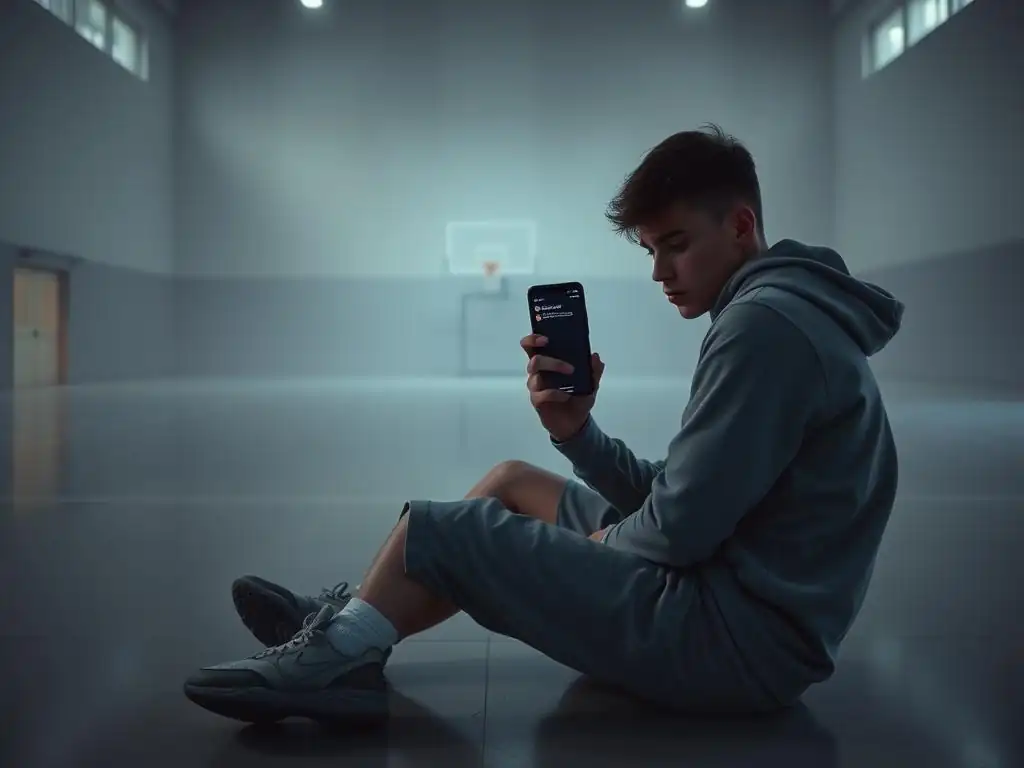
Examining real-world scenarios, even through approximations or generalized case studies, helps illustrate the tangible effects of social media on athlete mental health. These examples highlight how online pressures translate into real psychological challenges.
Numerous athletes across various sports have publicly shared their struggles with mental health, often citing social media as a significant factor. For instance, a prominent figure in gymnastics spoke about the overwhelming anxiety triggered by relentless online criticism of her performance and body image, leading her to withdraw from events to protect her mental health. Similarly, a star player in a major team sport discussed receiving death threats online after a crucial mistake, which resulted in severe panic attacks and difficulty sleeping.
Another example involves a young athlete who, after posting about a personal interest unrelated to their sport, faced backlash and harassment online, leading them to feel isolated and misunderstood. These cases, while varied in their specifics, underscore a common theme: the intense social media athlete pressure stemming from public scrutiny, cyberbullying, and the conflation of their athletic identity with their online persona, often leading to significant psychological distress requiring professional support.
Research, though still evolving, suggests a correlation between heavy social media use and increased rates of anxiety and depression among athletes. Spending excessive time online, particularly engaging with comments or comparing oneself to others, can contribute to negative thought patterns. One study among collegiate athletes indicated that those who reported higher levels of social media use also reported higher scores on scales measuring anxiety and depressive symptoms.
The pressure to maintain a curated online image, coupled with exposure to negativity and the fear of missing out, can create a perfect storm for mental health challenges. Athletes may feel constantly on edge, worried about what is being said about them online or feeling inadequate compared to their peers' perceived online successes. This constant state of hypervigilance and comparison significantly contributes to the social media athlete pressure that can manifest as anxiety and depression.
The Pressure to Maintain a Perfect Online Persona
There is immense pressure on athletes to cultivate and maintain a perfect or aspirational online persona. This often involves presenting a relentless positive attitude, showcasing only successes, and appearing constantly strong and resilient. This curated image is often far removed from the reality of training struggles, injuries, personal challenges, and emotional vulnerability.
Maintaining this façade is exhausting and can lead to feelings of inauthenticity and isolation. Athletes may feel they cannot show vulnerability or discuss their struggles for fear of appearing weak or attracting negative commentary. This pressure to be constantly "on" and perfect online adds another layer of social media athlete pressure, preventing them from expressing their true selves and seeking help when needed.
Given the significant challenges, developing effective strategies for managing social media is crucial for athletes' mental well-being. These strategies empower athletes to navigate the digital landscape more safely and healthily.
One of the most effective strategies is establishing clear boundaries around social media use. This involves consciously limiting the time spent on platforms, particularly during crucial periods like before competition or during recovery. Athletes can set specific times of day for checking social media or designate certain days as completely social media-free.
- Schedule specific "social media time" slots.
- Avoid checking social media first thing in the morning or last thing at night.
- Turn off notifications to reduce constant interruptions and the urge to check.
- Use app timers to monitor and limit usage duration.
These boundaries help reduce exposure to potential stressors, minimize the time spent on comparisons, and free up mental energy for training, recovery, and personal life, effectively reducing the ambient social media athlete pressure.
Developing a Strong Support System: Coaches, Family, and Mental Health Professionals
A robust support system is invaluable in helping athletes process and cope with online scrutiny and social media athlete pressure. Coaches, teammates, family members, and friends can provide emotional support, perspective, and a reality check away from the digital noise.
Mental health professionals, such as sports psychologists and therapists, play a critical role. They can equip athletes with coping mechanisms for dealing with criticism, managing anxiety related to online scrutiny, and developing a healthier relationship with social media. Having trusted individuals to talk to about the challenges they face online provides a vital buffer against the negative impacts.
Cultivating Self-Compassion and Resilience in the Face of Criticism
Social media criticism is often harsh and personal. Developing self-compassion helps athletes treat themselves with kindness and understanding, especially after mistakes or negative online interactions. Recognizing that online comments often reflect the commenter more than the athlete is a crucial step.
Building resilience involves developing the ability to bounce back from setbacks and negativity. This can be fostered through mindfulness practices, focusing on controllable aspects (like training and effort rather than public opinion), and reframing negative thoughts. Learning to detach from online validation and ground self-worth in internal values and real-world relationships is key to mitigating social media athlete pressure and protecting mental health.
Building a Positive Online Presence: Tips for Athletes
While mitigating the negative is essential, athletes can also strategically use social media to build a positive and supportive online presence that aligns with their mental well-being goals.
Authenticity vs. Image: Balancing Personal Branding with Mental Wellbeing
Authenticity online can be a powerful tool, allowing athletes to connect with fans on a more personal level. However, there's a balance to strike between being authentic and protecting privacy and mental space. Athletes don't need to share everything. They can choose to share aspects of their personality, training journey, or values that feel genuine without exposing themselves to unnecessary vulnerability or pressure.
Focusing on sharing content that is meaningful and positive, rather than constantly seeking external validation, can shift the online experience. It's about controlling the narrative they present while ensuring that narrative doesn't require pretending to be someone they're not, which adds undue social media athlete pressure.
Engaging with Fans in a Healthy and Constructive Manner
Social media allows direct fan engagement, which can be a positive experience. Athletes can choose to interact with positive comments, share fan art, or answer questions in a controlled environment (e.g., Q&A sessions). This fosters a sense of community and appreciation.
Crucially, athletes can learn to engage selectively and healthily. This might involve:
- Focusing on positive interactions.
- Avoiding engaging with trolls or negative comments.
- Setting boundaries on how and when they interact.
Healthy engagement builds a supportive online community without succumbing to the pressure to respond to every comment or defend themselves against negativity, reducing overall social media athlete pressure.
Reporting and Blocking Abusive Accounts
Platforms have tools to combat harassment, and athletes should be empowered to use them. Blocking accounts that post abusive or harmful content is a direct way to reduce exposure to negativity. Reporting severe instances of harassment or threats is also important, both for the athlete's safety and to hold perpetrators accountable.
Taking action against abusive accounts is a way for athletes to reclaim control over their online space. It sends a message that harassment is not tolerated and helps curate a safer environment. This proactive step is vital for protecting mental health from the most severe forms of social media athlete pressure.
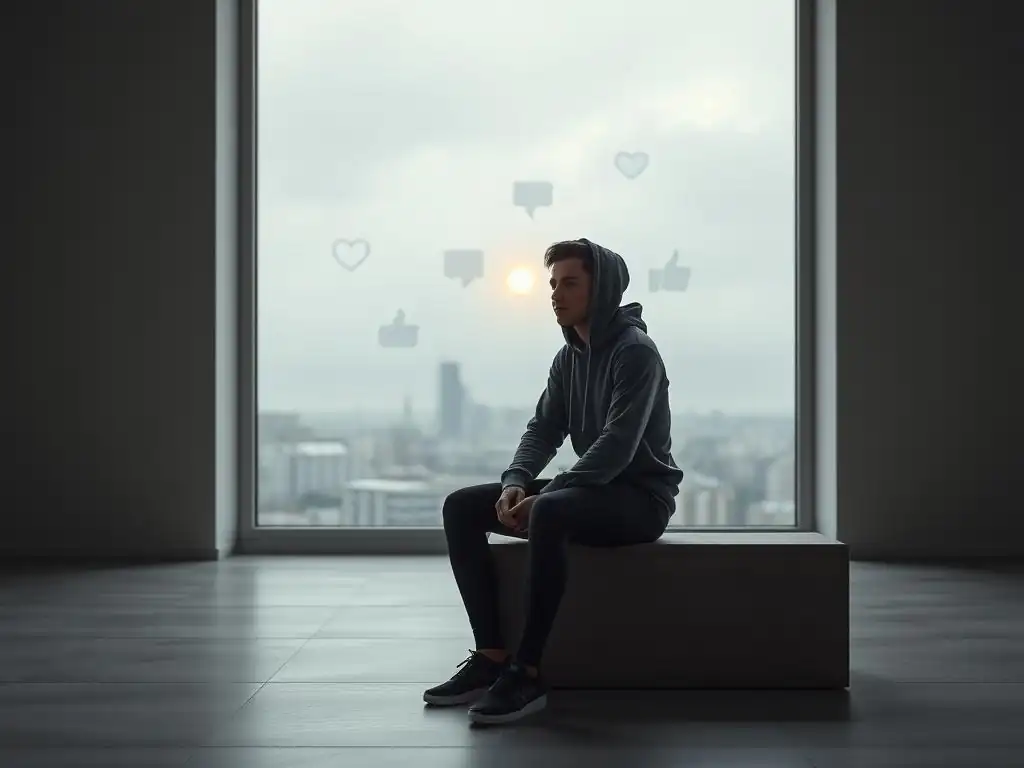
Addressing social media athlete pressure is not solely the responsibility of the individual athlete. Sports organizations, teams, and governing bodies have a crucial role to play in creating supportive environments and providing resources.
Teams and organizations can implement clear social media policies and guidelines for athletes. These policies should not only outline expectations for professional conduct online but also address the potential risks and provide guidance on safe and healthy usage.
Policies could include:
- Guidelines on appropriate content sharing.
- Information on privacy settings.
- Procedures for reporting harassment.
- Emphasis on the importance of mental health breaks from social media.
Clear guidelines help athletes understand the landscape and provide a framework for navigating online interactions responsibly, acknowledging the realities of social media athlete pressure.
Providing Mental Health Resources and Education for Athletes
Organizations should prioritize providing access to mental health resources specifically tailored to athletes. This includes access to sports psychologists, counselors, and mental health education programs. These resources should address the unique challenges posed by social media scrutiny.
Education should cover topics such as:
- The psychological impact of online criticism.
- Strategies for managing online pressure.
- Recognizing signs of distress in themselves and teammates.
- Utilizing available support systems.
Educating athletes about the mental health implications of social media and providing readily accessible support is a critical step in mitigating the negative effects of social media athlete pressure.
Creating a Supportive Team Environment
A supportive team culture where mental health is openly discussed and valued can significantly buffer the negative impacts of social media. When teammates feel comfortable sharing their struggles and supporting each other, it reduces feelings of isolation.
Coaches and team staff should foster an environment where athletes feel safe discussing social media challenges without fear of judgment. This includes recognizing the signs of distress related to online pressure and knowing how to direct athletes to appropriate resources. A strong internal support system within the team helps athletes cope with external social media athlete pressure.
Effectively managing the impact of social media on athlete mental health requires a collective effort involving athletes, organizations, and the broader community.
Encouraging responsible social media usage goes beyond simply setting rules; it involves educating athletes about the potential psychological effects and empowering them to make informed choices about their online presence and activity. This includes promoting awareness of privacy settings, the impact of comments, and the importance of digital boundaries.
Educational initiatives can help athletes develop media literacy skills, enabling them to critically evaluate online content and understand the dynamics of online interactions. Promoting a culture of responsible usage helps athletes navigate the digital world more safely and reduces their exposure to negative social media athlete pressure.
Encouraging Open Conversations About Mental Health
Breaking down the stigma surrounding mental health in sports is paramount. Encouraging athletes, coaches, and organizations to have open and honest conversations about mental health struggles, including those related to social media, is crucial. Sharing experiences can normalize these challenges and encourage help-seeking behavior.
Public campaigns and athlete testimonials can play a significant role in destigmatizing mental health issues. Creating safe spaces for dialogue within teams and organizations ensures that athletes feel heard and supported when facing the mental toll of social media athlete pressure.
While current research provides valuable insights, more longitudinal studies are needed to fully understand the long-term effects of social media exposure and scrutiny on athlete mental health across different career stages. Such research can inform better support strategies and policies.
Understanding how social media athlete pressure evolves over an athlete's career, from youth sports to professional levels, is essential. This research can help identify critical intervention points and develop targeted programs to protect athlete well-being in the digital age.
Social media is an undeniable force in the lives of modern athletes, presenting both opportunities for connection and significant challenges to mental health. The constant scrutiny, pressure to perform, cyberbullying, and social comparison inherent in online platforms contribute to a unique form of social media athlete pressure that can have profound psychological effects.
Addressing these challenges requires a multi-faceted approach. Athletes must be empowered with strategies to set boundaries, cultivate resilience, and build supportive networks. Simultaneously, sports organizations have a responsibility to provide resources, implement protective policies, and foster environments where mental health is prioritized and openly discussed.
In an era where athletes are constantly connected and exposed to public opinion, prioritizing mental health is no longer optional; it is essential for sustained performance and overall well-being. Recognizing the significant social media athlete pressure is the first step towards providing adequate support. This means viewing mental health care as equally important as physical training and injury prevention.
Investing in mental health resources, providing education on navigating online challenges, and creating a culture of support are vital actions that organizations and individuals can take. It is about equipping athletes with the tools they need to thrive not just physically, but mentally in the demanding world of professional sports amplified by social media.
Empowering Athletes to Thrive Both On and Off the Field
Ultimately, the goal is to empower athletes to navigate the digital landscape in a way that supports, rather than harms, their mental well-being. This involves helping them develop a strong sense of self-worth independent of online validation, build healthy relationships, and utilize social media as a tool rather than allowing it to control their emotional state.
By fostering resilience, providing robust support systems, and promoting responsible digital citizenship, we can help athletes manage the social media athlete pressure and protect their mental health, enabling them to achieve their potential and lead fulfilling lives both within their sport and beyond the digital arena.
Frequently Asked Questions
Social media creates a constant stream of public scrutiny and unrealistic expectations. This can lead to athletes feeling immense pressure to maintain a perfect online image and perform flawlessly.
What are the main mental health challenges athletes face due to online criticism?
Athletes often experience anxiety, depression, and low self-esteem due to online harassment and negative comments. The constant exposure to criticism can significantly impact their mental well-being and performance.
Setting boundaries, limiting screen time, and utilizing social media management tools are crucial. Seeking support from therapists or mental health professionals can also provide coping strategies.
Organizations should provide mental health resources and training to athletes on navigating social media. They also have a responsibility to moderate online harassment and offer support systems.
Signs include withdrawal from social activities, changes in eating or sleeping habits, and increased irritability or anxiety. Observing these changes requires immediate intervention and professional support.
The relentless pressure cooker of social media is not just a modern phenomenon; it's a significant threat to the mental well-being of athletes, impacting their performance and overall quality of life. The pervasive nature of online scrutiny, amplified by the immediacy and reach of social platforms, creates a uniquely challenging environment for those in the public eye. This article has explored the various ways in which this pressure manifests, from the constant barrage of comments and criticisms to the unrealistic expectations fostered by curated online personas.
The impact of this constant online judgment extends far beyond the digital sphere, shaping public perception, influencing sponsorships, and ultimately, contributing to a climate of anxiety and self-doubt. The pressure to maintain a flawless online image, often at the expense of genuine self-expression, is a heavy burden to bear. The digital world is a reflection of the real world, but with the volume turned up to eleven.
This quote perfectly encapsulates the amplified intensity of the challenges athletes face in navigating the complexities of social media. The constant need to manage their online presence can be exhausting, leaving little room for personal growth and mental restoration.
Consider the weight of this reality. You, the reader, are now equipped with a deeper understanding of the challenges athletes face in the digital age. Take a moment to reflect on your own online interactions. Do you contribute to a culture of positivity and support, or do you inadvertently add to the pressure? Let's collectively strive to create a more compassionate and understanding online environment where athletes can thrive, both on and off the field, without the constant fear of judgment and scrutiny. Let's choose empathy over criticism, and support over silence.
Unleash Your Inner Advocate: Championing Athlete Mental Wellness
Thanks for taking the time to explore the crucial link between social media and athlete mental health. We hope this article shed light on the pressures faced by athletes in the digital age. Now, let's turn awareness into action!
- Start a conversation: Share this article with a coach, athlete, or someone you know who could benefit from this information. Let's create a supportive environment together.
- Deepen your understanding: Research local mental health resources for athletes and explore ways you can contribute to a more positive online sports culture.
- Take a moment for self-reflection: How can you contribute to a more supportive and respectful digital space for athletes?
What positive changes can you make today to foster a healthier online community for athletes?