
The Art of Qigong: Cultivating Mental Clarity Through Movement


Welcome to Mind Care Guide, a sanctuary for your mental well-being.
Feeling overwhelmed? Seeking a path towards inner peace and sharpened focus? Discover how the ancient practice of Qigong for mental clarity can be a powerful tool in your journey. This article delves into the fascinating connection between movement, breath, and mental acuity, offering insights into how you can harness the wisdom of Qigong to cultivate a calmer, clearer mind. Ready to unlock your potential? Let's begin...
The Art of Qigong: Cultivating Mental Clarity Through Movement
- Introduction to Qigong and Mental Well-being
- Qigong Techniques for Enhancing Mental Focus
- Benefits of Qigong for Mental Health: A Deep Dive
- How to Practice Qigong for Mental Clarity: A Step-by-Step Guide
- Advanced Qigong Practices for Enhanced Mental Performance
- Scientific Evidence Supporting Qigong's Mental Health Benefits
- Integrating Qigong with Other Mental Wellness Practices
- Common Mistakes to Avoid When Practicing Qigong for Mental Clarity
- Conclusion: Embracing Qigong for a Clearer Mind and Healthier Life.
-
Frequently Asked Questions
- What is Qigong and how does it relate to mental clarity?
- How often should I practice Qigong to experience improvements in mental clarity?
- Are there specific Qigong forms that are better for mental clarity than others?
- Can Qigong be practiced by anyone, regardless of physical ability?
- Where can I learn Qigong for mental clarity?
- Final Reflection: Unfolding the Mind Through Qigong's Gentle Grace
- Unleash Your Inner Calm: Start Your Qigong Journey Today!
Introduction to Qigong and Mental Well-being
Understanding Qigong: A Holistic Approach to Health
Qigong, an ancient Chinese practice, translates literally to "cultivating vital energy." It is a mind-body-spirit practice that integrates posture, movement, breathing technique, self-massage, sound, and focused intent. Unlike purely physical exercise, Qigong emphasizes the circulation of Qi (life energy) within the body's meridian system, which practitioners believe is crucial for maintaining health and well-being. Its holistic perspective views the individual as an interconnected system, where physical ailments, emotional imbalances, and mental fog are seen as disruptions in the flow of this vital energy.
The practice aims to restore this harmonious flow, addressing not just symptoms but the root causes of imbalance. Regular engagement with Qigong movements and breathing techniques is thought to strengthen the body's natural healing capabilities and promote a state of relaxed awareness. This foundational understanding is key to appreciating how Qigong for mental clarity works; it's not just about physical exercise, but about regulating the internal energy system to quiet the mind and enhance cognitive function.
Qigong's Roots in Traditional Chinese Medicine (TCM)
Qigong is deeply embedded in the principles of Traditional Chinese Medicine (TCM), sharing its theoretical framework regarding Qi, meridians, and the balance of Yin and Yang. TCM views health as a state of balanced energy flow, and illness as a blockage or deficiency. Qigong practices are designed to clear these blockages, nourish deficient areas, and regulate the overall energy circulation, much like acupuncture or herbal medicine in TCM.
Historically, Qigong developed over centuries as a preventative and therapeutic practice within the TCM system. It was used by practitioners to strengthen their own Qi and by patients as a form of self-healing. This strong connection to TCM provides a rich theoretical basis for understanding how Qigong influences health, including mental states. The concept of balancing the five elements (Wood, Fire, Earth, Metal, Water) and their associated organs and emotions within TCM also informs specific Qigong forms aimed at addressing particular mental or emotional challenges, offering a time-tested approach to using Qigong for mental clarity and emotional balance.
The Connection Between Qigong and Mental Clarity: An Overview
The link between Qigong practice and improved mental clarity stems from its ability to calm the nervous system, regulate breathing, and promote focused, mindful movement. In today's fast-paced world, the constant barrage of stimuli and pressure often leads to mental clutter, stress, and difficulty concentrating. Qigong offers a counterpoint to this, providing a structured method for slowing down, tuning inward, and cultivating a state of relaxed alertness.
Through gentle movements and deep breathing, Qigong helps to reduce the production of stress hormones like cortisol, which are known to impair cognitive function over time. The practice encourages present-moment awareness, training the mind to stay focused rather than becoming lost in worries about the past or future. This combination of physiological calming and mental training makes Qigong for mental clarity a powerful tool for enhancing focus, improving memory, and fostering a sense of inner peace.
Qigong Techniques for Enhancing Mental Focus
Breathing Exercises (Tu Na) in Qigong for Mental Calmness
Breathing, or Tu Na (expelling and drawing in) as it's known in Qigong, is a cornerstone of the practice, particularly vital for cultivating mental calmness and improving focus. Unlike the shallow, rapid chest breathing often associated with stress, Qigong emphasizes slow, deep, and abdominal breathing. This type of breathing stimulates the vagus nerve, which is a key component of the parasympathetic nervous system, responsible for the "rest and digest" state. By engaging the diaphragm fully, practitioners increase oxygen intake and promote a sense of physiological relaxation.
Specific breathing techniques are employed to direct Qi and soothe the mind. For instance, the "Embryonic Breathing" or "Turtle Breathing" technique involves extremely slow, subtle abdominal movements, aiming to replicate the quiet, deep respiration of a fetus. Practicing such techniques regularly can significantly lower heart rate and blood pressure, creating a physiological state conducive to mental clarity. The focused attention required for these nuanced breathing patterns also acts as a form of mindfulness training, anchoring the mind in the present moment and reducing distracting thoughts, which is essential for using Qigong for mental clarity.
Movement-Based Qigong Forms for Cognitive Function
Movement-based Qigong forms combine gentle physical postures and transitions with coordinated breathing and mental focus. These flowing sequences, such as the Eight Brocades (Ba Duan Jin) or the Five Animal Frolics (Wu Qin Xi), are not strenuous but require precise execution and mindful awareness. The deliberate, slow pace of the movements helps to calm the nervous system and improve proprioception (the body's awareness of its position in space), which is linked to cognitive function.
Learning and performing these forms also engages different areas of the brain, including those responsible for memory, sequencing, and motor control. The requirement to remember the sequence of movements while coordinating breath and intention provides a gentle cognitive workout. Furthermore, the physical activity, even at a low intensity, promotes blood circulation, including to the brain, potentially enhancing neural connectivity and function. Engaging in these structured movements is a dynamic way to practice Qigong for mental clarity, integrating physical harmony with mental focus.
Meditation and Mindfulness Practices Integrated with Qigong
Meditation and mindfulness are inherently woven into the fabric of Qigong. While some Qigong practices are primarily stationary (like sitting or standing meditation), even the movement forms are performed with a meditative quality. The focus on breath, bodily sensations, and the flow of Qi encourages practitioners to remain present and non-judgmental, key aspects of mindfulness. This integrated approach means that practicing Qigong naturally cultivates a meditative state, even while moving.
Many Qigong sessions conclude with a period of quiet standing or sitting meditation to allow the energy cultivated during the movements to settle. During these meditative moments, practitioners are encouraged to observe their thoughts and feelings without attachment, further enhancing emotional regulation and mental peace. This combination of dynamic movement and靜止 (quiet sitting/standing) meditation provides a comprehensive approach to mind training, making integrated Qigong practices a powerful method for achieving Qigong for mental clarity.
Benefits of Qigong for Mental Health: A Deep Dive
Reducing Stress and Anxiety with Qigong Practice
One of the most widely recognized benefits of Qigong is its profound ability to reduce stress and anxiety. The slow, deliberate movements, coupled with deep, regulated breathing, activate the body's relaxation response. This counteracts the "fight or flight" response associated with stress, lowering levels of stress hormones like cortisol and adrenaline. A study published in the Journal of Psychosomatic Research in 2010, for instance, found that Qigong practice significantly reduced anxiety symptoms in participants compared to a control group, with effect sizes comparable to other mind-body interventions.
Beyond the physiological effects, the meditative aspect of Qigong helps practitioners develop a greater capacity to observe stressful thoughts and feelings without being overwhelmed by them. By cultivating present-moment awareness, individuals learn to detach from anxiety-provoking narratives, fostering a sense of calm and resilience. Regular practice creates a cumulative effect, building a stronger foundation of inner peace that can help individuals navigate daily stressors with greater ease and maintain Qigong for mental clarity even in challenging situations.
Improving Concentration and Focus Through Regular Qigong
Regular Qigong practice has been shown to enhance cognitive functions, particularly concentration and focus. The nature of Qigong requires focused attention – on the breath, the movement, the flow of Qi, and the intention behind the practice. This consistent training of attention helps to strengthen neural pathways associated with focus and executive function. Research, including studies exploring the effects of Qigong on older adults, has indicated improvements in attention span and processing speed after consistent practice.
Furthermore, by reducing mental clutter and stress, Qigong clears the way for improved cognitive performance. When the mind is less occupied by worries and distractions, it is naturally more capable of concentrating on tasks at hand. The cultivation of a calm yet alert state is a direct outcome of effective Qigong practice, providing a tangible pathway to using Qigong for mental clarity in daily life, whether for work, study, or simply being more present.
Qigong for Emotional Regulation and Stability
Qigong offers a powerful means of improving emotional regulation. In TCM theory, specific emotions are linked to particular organs and meridian systems. Qigong practices are designed to harmonize the energy flow associated with these systems, thereby helping to balance the corresponding emotions. For example, practices targeting the Liver meridian are often used to address anger and frustration, while those focusing on the Heart meridian may help with anxiety and sadness.
By cultivating body awareness, Qigong teaches practitioners to recognize emotional states as they arise within the body. This allows for a more conscious response rather than an automatic reaction. The practice provides tools – such as specific breathing techniques or movements – to process and release stagnant emotional energy, preventing it from becoming blocked and causing distress. This process fosters greater emotional stability and resilience, contributing significantly to overall mental well-being and the pursuit of Qigong for mental clarity.
Qigong and its Effect on Anxiety Disorders
While Qigong should not replace conventional medical treatment for anxiety disorders, studies suggest it can be a valuable complementary therapy. The combined effects of stress reduction, nervous system regulation, and mindfulness training inherent in Qigong practice directly address many symptoms of anxiety. For individuals suffering from generalized anxiety disorder, panic disorder, or social anxiety, the calming and grounding effects of Qigong can provide significant relief.
Clinical trials and reviews have explored Qigong's impact on anxiety. A meta-analysis published in 2018, reviewing multiple studies, indicated that Qigong interventions showed a moderate to large effect size in reducing anxiety symptoms across various populations. The gentle nature of the practice makes it accessible to individuals who may find more vigorous exercise challenging due to anxiety symptoms. By providing a safe and structured way to connect with the body and quiet the mind, Qigong supports individuals in managing their anxiety and improving their overall quality of life, reinforcing its role as a tool for Qigong for mental clarity.
How to Practice Qigong for Mental Clarity: A Step-by-Step Guide

Preparing for Your Qigong Session: Environment and Mindset
Proper preparation sets the stage for an effective Qigong practice aimed at cultivating mental clarity. The environment should be relatively quiet and comfortable, free from major distractions. While nature is often considered ideal, a clean, calm indoor space works perfectly well. Ensure you have enough room to move freely without bumping into furniture. Comfortable, loose clothing that doesn't restrict movement or breathing is essential. It's best to practice on a relatively flat surface, either barefoot or in flat, comfortable shoes.
Equally important is preparing your mindset. Approach the practice with an attitude of openness, patience, and non-judgment. Leave behind the day's stresses and future worries as much as possible. Dedicate this time solely to yourself and your well-being. A simple intention, such as "I practice this Qigong for mental clarity and peace," can help focus your mind before you begin. Many practitioners find it helpful to start with a few moments of quiet standing or sitting to settle the mind and connect with their breath and body before starting the movements.
- [ ] Find a quiet, comfortable space.
- [ ] Wear loose, comfortable clothing.
- [ ] Ensure enough space for movement.
- [ ] Set a simple intention for the practice.
- [ ] Take a few moments to settle your mind.
Basic Qigong Movements for Beginners: A Practical Guide
Beginners seeking Qigong for mental clarity can start with simple, accessible movements. These focus on gentle stretching, coordinated breathing, and cultivating awareness of the body's energy. A foundational movement is "The Gathering of Qi," where you stand with feet shoulder-width apart, knees slightly bent, and arms hanging naturally. Inhale slowly as you raise your arms forward and up to shoulder height or slightly above, imagining gathering pure energy. Exhale gently as you lower your arms back down, imagining the energy sinking into your lower abdomen ( Dantian). Repeat this several times, synchronizing movement and breath.
Another basic, yet powerful, movement is "Separate Heaven and Earth." From a similar stance, raise one hand palm up towards the sky while simultaneously pressing the other hand palm down towards the earth. Inhale as you stretch gently in opposite directions, exhaling as you return to the center. This movement is said to balance Yin and Yang energies and release tension. Practicing these foundational movements slowly and mindfully builds body awareness and establishes the mind-body connection crucial for deeper Qigong practice and enhancing mental clarity.
Integrating Qigong into Your Daily Routine for Sustained Mental Wellness
Consistency is key to unlocking the full benefits of Qigong for mental clarity. Aim to integrate even short sessions into your daily routine. Even 10-15 minutes of practice each day is significantly more beneficial than longer, infrequent sessions. Consider practicing first thing in the morning to set a calm and focused tone for the day, or in the evening to release accumulated stress and prepare for restful sleep.
Find a time and place that works realistically within your schedule. It might be in your living room before breakfast, during a lunch break in a quiet park, or in your bedroom before bed. Treat your Qigong practice as a non-negotiable appointment with yourself. Over time, this consistent effort will build resilience, improve focus, and deepen your sense of inner calm, making Qigong for mental clarity a sustainable part of your overall mental wellness strategy.
Eight Brocades Qigong Routine for Mental Clarity
The Eight Brocades (Ba Duan Jin) is one of the most popular and accessible Qigong routines, widely practiced for its health benefits, including promoting mental clarity. This sequence consists of eight distinct movements, each performed multiple times, designed to stretch the body, regulate breath, and harmonize Qi flow through specific meridians. The focused, repetitive nature of the movements, combined with coordinated breathing, helps to quiet the busy mind and induce a state of relaxed concentration.
The routine is relatively easy to learn but offers profound benefits. For instance, the movement "Holding Up the Heavens" stretches the entire torso and is said to regulate the Triple Burner meridian, helping to release tension and calm the spirit. "Drawing the Bow to Shoot the Eagle" strengthens the legs and waist while opening the chest, promoting confidence and focus. Practicing the Eight Brocades consistently provides a structured way to engage in Qigong for mental clarity, improving both physical vitality and cognitive function.
Eight Brocades Movements:
1. Holding Up the Heavens
2. Drawing the Bow to Shoot the Eagle
3. Separating Heaven and Earth
4. Wise Owl Gazes Backward
5. Swaying the Head and Tail to Extinguish Heart Fire
6. Touching the Toes and Lifting the Heavens
7. Clenching the Fists and Glaring with Fierce Eyes
8. Bouncing on the Toes
Advanced Qigong Practices for Enhanced Mental Performance
Exploring Different Styles of Qigong: Medical Qigong and Zhineng Qigong
As practitioners deepen their engagement with Qigong for mental clarity, they may explore various styles that offer different emphases and techniques. Medical Qigong (Yi Xue Qigong) is a branch specifically focused on healing and wellness, often involving specialized techniques for addressing specific health conditions, including those affecting mental and emotional states. A Medical Qigong therapist might use external Qi emission or guide patients through specific exercises tailored to their individual needs, such as calming the Shen (spirit) or clearing stagnant emotions related to particular organs.
Zhineng Qigong, founded by Dr. Pang Ming, is another popular style known for its emphasis on using the mind and intention to cultivate Qi. It includes practices like "Lift Chi Up, Pour Chi Down" (Peng Qi Guan Ding Fa), a method designed to connect internal Qi with the universal Qi field. This style strongly emphasizes visualization and the power of consciousness in healing and transformation. Exploring such advanced styles can offer more targeted approaches to enhancing mental performance and achieving deeper levels of Qigong for mental clarity.
Working with a Qigong Instructor: Guidance and Support
While many basic Qigong forms can be learned from books or videos, working with a qualified Qigong instructor offers significant advantages, especially when pursuing Qigong for mental clarity at a deeper level. An instructor can provide personalized guidance on posture, alignment, breathing, and the subtle nuances of energy flow that are difficult to grasp independently. They can correct mistakes in form that might hinder progress or even lead to physical discomfort.
Beyond technical correction, an experienced teacher can offer insights into the philosophical and energetic principles underlying the practice, deepening understanding and enhancing the mental and spiritual benefits. They can also help tailor practices to specific needs or challenges, such as selecting forms known to specifically address anxiety, depression, or difficulty concentrating. The support and feedback from a teacher can accelerate progress and ensure the practice is safe and effective.
The Role of Intention and Visualization in Qigong for Mental Enhancement
Intention (Yi) and visualization are powerful components in many Qigong practices, particularly relevant for enhancing mental performance. Beyond simply going through the physical movements, practitioners are encouraged to direct their mind's focus and intention towards specific outcomes, such as cultivating peace, clearing mental fog, or strengthening concentration. This mental engagement amplifies the effects of the physical practice, guiding Qi and consciousness towards the desired state.
For example, when practicing a movement aimed at calming the mind, one might visualize releasing tension with each exhale or imagine a clear, bright light filling the head with each inhale. In Zhineng Qigong, practitioners are taught to visualize the body dissolving into the Qi field and drawing pure Qi back in, a practice believed to enhance physical and mental vitality. This conscious direction of the mind is a sophisticated technique that elevates Qigong from simple exercise to a powerful method for cultivating Qigong for mental clarity and intentional well-being.
Scientific Evidence Supporting Qigong's Mental Health Benefits
Research Studies on Qigong and Cognitive Function
Recent scientific research has begun to explore the mechanisms behind Qigong's reported benefits for cognitive function. Studies using neuroimaging techniques, such as fMRI, have investigated how Qigong practice affects brain activity. Some research suggests that regular Qigong may lead to changes in brain regions associated with attention, executive function, and emotional regulation, such as the prefrontal cortex and the anterior cingulate cortex.
Furthermore, cognitive tests administered to participants in Qigong intervention studies have sometimes shown improvements in measures of attention span, working memory, and processing speed compared to control groups. For instance, a meta-analysis published around 2017 reviewing studies on older adults found a small but significant positive effect of Qigong practice on cognitive function, including areas relevant to sustaining focus and managing mental tasks. While the body of research is still growing, these findings provide a scientific basis for understanding how Qigong for mental clarity might physically alter brain function and improve cognitive performance.
The Neuroscience of Qigong: How it Affects the Brain
The neurological effects of Qigong are thought to stem from its influence on various physiological systems, including the autonomic nervous system (ANS) and neurochemical balance. By promoting slow, deep breathing and inducing a relaxed state, Qigong activates the parasympathetic branch of the ANS, which counteracts the stress response mediated by the sympathetic system. This shift towards parasympathetic dominance helps reduce cortisol levels and inflammation, both of which can negatively impact brain health and cognitive function.
Moreover, Qigong practice may influence neurotransmitter levels. The gentle, rhythmic movements and meditative focus can potentially increase the release of endorphins, which have mood-boosting effects, and may also influence levels of neurotransmitters like serotonin and dopamine, which play roles in mood, motivation, and focus. The combination of reduced stress hormones, decreased inflammation, and potential neurochemical modulation provides a plausible biological explanation for how Qigong contributes to improved mood, reduced anxiety, and enhanced Qigong for mental clarity.
Qigong as a Complementary Therapy for Mental Health
Given the growing body of evidence supporting its benefits, Qigong is increasingly being recognized as a valuable complementary therapy for various mental health conditions. It offers a non-pharmacological approach that empowers individuals to actively participate in their own healing process. While it is not a substitute for professional medical or psychological treatment, it can be integrated alongside conventional therapies to enhance outcomes.
For individuals managing conditions like depression, anxiety, or PTSD, Qigong provides tools for stress reduction, emotional regulation, and grounding. Its gentle nature makes it accessible to those who may find more intense forms of exercise or therapy challenging. By addressing the mind-body connection, Qigong offers a holistic layer of support that can help individuals build resilience, improve their coping mechanisms, and foster a greater sense of well-being, making Qigong for mental clarity and emotional stability a realistic goal.
Integrating Qigong with Other Mental Wellness Practices
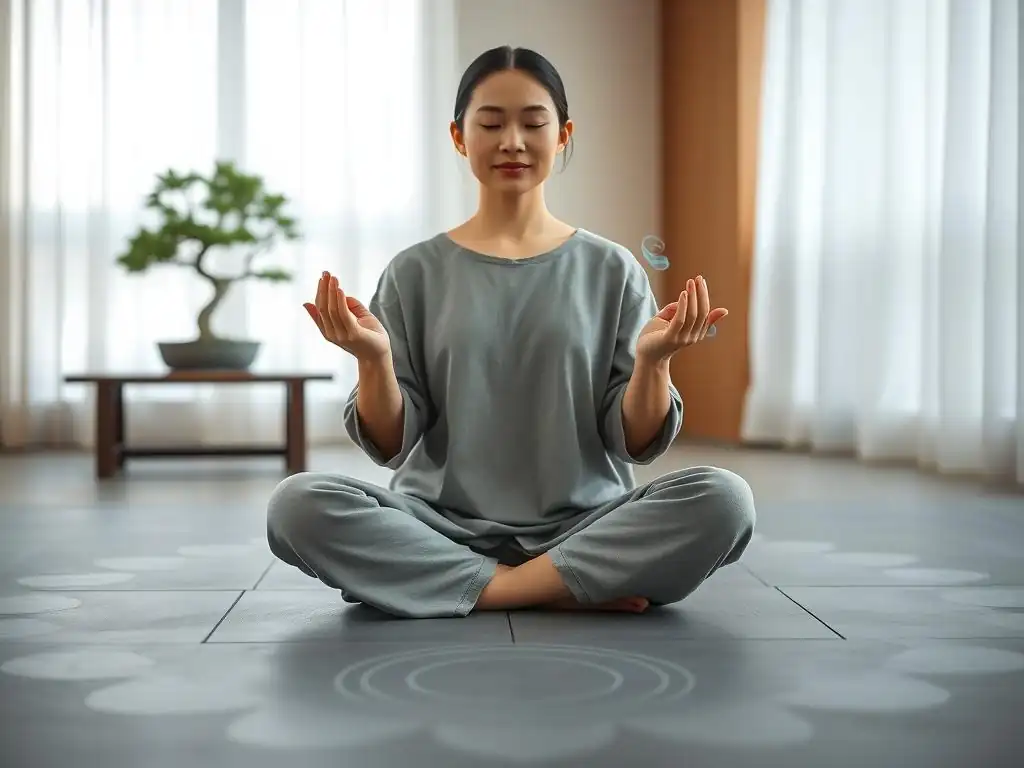
Combining Qigong with Mindfulness Meditation
Combining Qigong with dedicated mindfulness meditation practices can create a powerful synergy for enhancing mental clarity and emotional well-being. Qigong movements can serve as a form of moving meditation, cultivating present-moment awareness in action. This prepares the mind and body for deeper stillness practices. Following a Qigong session with seated or walking meditation allows practitioners to transition into a state of quiet observation, free from the need to coordinate movement.
Practicing Qigong first can help release physical tension and quiet the restless energy that often makes sitting meditation challenging. The increased body awareness cultivated through Qigong also enhances the ability to focus on bodily sensations during mindfulness practice. This combined approach reinforces the principles of attention, non-judgment, and acceptance, leading to a more profound sense of peace and significantly boosting the effects of Qigong for mental clarity.
The Synergy of Qigong and Yoga for Mental and Physical Harmony
Both Qigong and Yoga are ancient mind-body practices that promote health and well-being, and combining them can offer a comprehensive approach to mental and physical harmony. While Yoga often involves holding postures and more dynamic flows, Qigong typically emphasizes continuous, gentle movement and energy cultivation. Yoga can build physical strength, flexibility, and balance, while Qigong excels at improving energy flow, reducing stress, and calming the nervous system.
Integrating both practices allows individuals to benefit from their unique strengths. For example, using Yoga to build core strength can support better posture in Qigong, enhancing energy flow. Conversely, Qigong's focus on subtle energy and relaxed movement can bring a deeper sense of flow and mindfulness to a Yoga practice. This synergy addresses both the physical structure and the energetic system, leading to improved vitality, reduced tension, and enhanced Qigong for mental clarity and overall balance.
Nutritional Considerations for Optimal Mental Clarity While Practicing Qigong
While Qigong is a practice of movement and energy, supporting the body through proper nutrition is crucial for optimizing its effects on mental clarity. A balanced diet provides the necessary nutrients for brain function and overall vitality. Ensuring adequate intake of omega-3 fatty acids, found in fish and flaxseeds, supports brain health, while B vitamins are essential for energy metabolism and neurotransmitter production.
Avoiding excessive sugar and processed foods can help prevent energy crashes and mood swings that hinder focus. Staying hydrated is also vital, as dehydration can impair cognitive function. From a TCM perspective, eating warming, easily digestible foods and avoiding excessive cold or damp foods can support the body's Qi and blood circulation, which in turn benefits mental clarity. Nourishing the body from within complements the external and internal cultivation of energy through Qigong, creating a holistic approach to maintaining Qigong for mental clarity.
Common Mistakes to Avoid When Practicing Qigong for Mental Clarity
Improper Posture and Alignment
One of the most common mistakes beginners make when practicing Qigong is neglecting proper posture and alignment. While Qigong movements are gentle, correct alignment is crucial for allowing Qi to flow freely through the meridians. Slouching, locking the knees, or holding unnecessary tension in the shoulders or neck can impede energy circulation and reduce the effectiveness of the practice for both physical health and Qigong for mental clarity.
Proper posture typically involves standing with feet shoulder-width apart, knees slightly bent ("rooting"), the spine naturally aligned as if suspended from above, and the shoulders relaxed. The chin is slightly tucked, and the gaze is soft. Paying close attention to these foundational principles, ideally with guidance from an instructor, ensures that the practice is safe and maximally beneficial for cultivating a clear and focused mind.
Rushing Through the Movements
Qigong is meant to be practiced slowly, mindfully, and with awareness. Rushing through the movements is a significant mistake that undermines the core principles of the practice, particularly when seeking Qigong for mental clarity. Fast, jerky movements can create tension, disrupt the natural flow of breath, and prevent the practitioner from fully connecting with their body and the subtle sensations of Qi.
The slow pace allows the nervous system to calm down, facilitates deep, abdominal breathing, and provides time for the mind to focus on the present moment. It cultivates patience and perseverance. Practicing slowly is not about physical exertion but about cultivating a state of relaxed awareness and smooth energy circulation. It's better to perform just a few movements slowly and correctly than a whole sequence quickly and mindlessly.
Ignoring Body Signals and Limitations
Pushing through pain or ignoring signals from the body is counterproductive in Qigong and can lead to injury or frustration. Qigong is a non-competitive practice focused on harmony and balance, not pushing physical limits like some forms of exercise. Pain is the body's way of indicating an issue, and forcing movements can exacerbate imbalances rather than resolve them.
Practitioners should listen attentively to their body, modifying movements as needed and respecting any physical limitations. This might involve reducing the range of motion, keeping movements smaller, or simply resting when necessary. Approaching the practice with self-compassion and patience, acknowledging where the body is on any given day, is essential for a sustainable and beneficial Qigong practice that truly supports Qigong for mental clarity and overall well-being. It's not about achieving a perfect form, but about cultivating awareness and promoting gentle healing.
It's just simple stretching; it's a complex energy practice that requires deep internal awareness.
Conclusion: Embracing Qigong for a Clearer Mind and Healthier Life.
Embracing the art of Qigong offers a holistic pathway to cultivating not just physical health, but profound mental clarity and emotional well-being. Through its gentle movements, synchronized breathing, and meditative focus, Qigong provides practical tools to navigate the stresses of modern life, quiet the restless mind, and enhance cognitive function. From reducing anxiety and improving concentration to fostering emotional stability, the benefits of regular Qigong practice are far-reaching and supported by both ancient wisdom and emerging scientific evidence.
By integrating Qigong into your daily routine, starting with simple techniques and gradually exploring more advanced forms, you can actively participate in harmonizing your body's energy and calming your mind. Avoiding common pitfalls like rushing or ignoring body signals ensures a safe and effective journey. As a complementary practice, Qigong synergizes beautifully with other wellness modalities like mindfulness and proper nutrition. Ultimately, making Qigong for mental clarity a consistent part of your life is an investment in a calmer, more focused, and healthier you, empowering you to live with greater presence and vitality.
Frequently Asked Questions
What is Qigong and how does it relate to mental clarity?
Qigong is an ancient Chinese practice involving coordinated body-posture and movement, breathing, and meditation. It's believed to enhance mental clarity by calming the mind and improving the flow of qi (vital energy).
How often should I practice Qigong to experience improvements in mental clarity?
Consistency is key. Aim for at least 15-30 minutes of Qigong daily to begin experiencing benefits. You may notice improvements in your focus and mental well-being within a few weeks.
Are there specific Qigong forms that are better for mental clarity than others?
While all Qigong forms can be beneficial, practices focused on mindfulness and meditation, such as Eight Brocades or Five Elements Qigong, are particularly helpful. Focused breathing techniques are also beneficial.
Can Qigong be practiced by anyone, regardless of physical ability?
Yes! Qigong can be adapted to suit various fitness levels and physical limitations. Many movements can be modified or even performed seated, making it accessible to virtually everyone.
Where can I learn Qigong for mental clarity?
You can find classes at local community centers, yoga studios, or through online resources offered by certified Qigong instructors. Look for instructors with experience in meditative Qigong practices.
Final Reflection: Unfolding the Mind Through Qigong's Gentle Grace
The ancient practice of Qigong, far from being a relic of the past, offers a potent antidote to the mental chaos of modern life. Its ability to cultivate focus, reduce stress, and enhance cognitive function resonates deeply with the anxieties and pressures we face daily. In a world saturated with information and demands, Qigong provides a pathway to inner stillness and clarity, a sanctuary for the mind.
The exploration of Qigong's impact on mental well-being reveals a profound connection between physical movement and mental acuity. It's not simply about the exercises themselves; it's about the cultivation of a mindful presence, a conscious awareness of breath and body that permeates every aspect of life. The body is the temple of the soul,
a phrase often repeated, takes on a new significance when considering the transformative power of Qigong. The mindful movement fosters a sense of self-awareness and control, allowing us to navigate the complexities of our thoughts and emotions with greater ease and grace.
Now, consider your own journey. What aspects of your life could benefit from the gentle yet powerful influence of Qigong? Perhaps it's finding a moment of peace amidst the daily rush, sharpening your focus for improved productivity, or simply cultivating a deeper sense of self-compassion. I invite you to explore the possibilities, to embrace the art of Qigong, and to discover the transformative power of mindful movement in cultivating your own mental clarity. Begin with a single breath, a single movement, and watch as the journey unfolds.
Unleash Your Inner Calm: Start Your Qigong Journey Today!
Thank you for taking the time to explore the world of Qigong with us! We hope you've gained a deeper understanding of how this ancient practice can cultivate mental clarity and overall well-being. Now it's time to put your newfound knowledge into action.
- Begin your Qigong practice today: Even 5 minutes of gentle movement can make a significant difference. Find a quiet space, follow a simple online tutorial, and experience the transformative power of breath and movement for yourself.
- Share your experience: Tell us (and others!) about your first Qigong session. What did you notice? How did it make you feel? Sharing your journey can inspire others to begin their own.
- Explore additional resources: Dive deeper into the world of Qigong by researching different styles and finding a local instructor. There's a whole universe of calming movement waiting to be discovered!
What small step will you take today to cultivate more mental clarity in your life?