
The Significance of Tea Ceremonies for Mindfulness

Welcome to Mind Care Guide.
Are you seeking a path to inner peace amidst the daily chaos? Perhaps a moment of quiet reflection to nurture your mental well-being? Discover how ancient traditions can offer solace and strength. This article delves into the fascinating world of mindfulness and explores its connection to the serene practice of traditional tea ceremonies. Intrigued? Let's uncover how these rituals can cultivate a deeper sense of presence and tranquility in your life.
- Introduction: Cultivating Mindfulness through Traditional Tea Rituals
- Understanding Mindfulness and its Benefits for Mental Well-being
- Exploring Traditional Tea Ceremonies: A Journey into Eastern Mental Health Practices
- The Role of Tea Ceremonies in Promoting Mindfulness
- Practical Ways to Incorporate Tea Ceremony Principles into Daily Life
- The Mental Health Benefits of Regular Tea Ceremony Practice
- Comparing Tea Ceremonies to Other Mindfulness Practices
- Expert Insights on Mindfulness and Tea Ceremonies
- Overcoming Challenges in Practicing Mindful Tea Consumption
- Conclusion: Embracing Tea Ceremonies for Enhanced Mindfulness and Mental Well-being
-
Frequently Asked Questions
- How do tea ceremonies promote mindfulness?
- What are the key elements of a tea ceremony that contribute to mental well-being?
- Can anyone participate in a tea ceremony for mindfulness, even without prior experience?
- Are there different types of tea ceremonies, and which one is best for beginners interested in mindfulness?
- How can one incorporate elements of a tea ceremony into their daily life to improve mental health?
- Final Reflection: Brewing Mindfulness, One Cup at a Time
- Unlock Your Inner Calm: Start Your Tea Ceremony Journey
Introduction: Cultivating Mindfulness through Traditional Tea Rituals
In our fast-paced modern world, finding moments of peace and presence can be challenging. Mindfulness, the practice of being fully present and engaged in the current moment, has emerged as a powerful tool for enhancing mental well-being. While many associate mindfulness with meditation or yoga, ancient traditions offer alternative pathways to cultivate this state of awareness. One such path lies within the rich history and deliberate movements of traditional tea ceremonies, providing a unique and profound way to experience mindfulness through traditional tea ceremonies.
These ancient rituals, originating in Eastern cultures, are far more than just a way to prepare and consume tea; they are immersive experiences designed to slow down, focus the mind, and engage the senses. By participating in a tea ceremony, whether formal or adapted, individuals can step away from daily distractions and enter a space dedicated to intentionality and presence. This deliberate engagement with the process of tea making and drinking naturally fosters a state akin to mindful meditation, offering a tangible and accessible approach to mental clarity and emotional balance.
Understanding Mindfulness and its Benefits for Mental Well-being
What is Mindfulness? A Simple Explanation
Mindfulness is the practice of paying attention, on purpose, to the present moment, without judgment. It involves observing thoughts, feelings, bodily sensations, and the surrounding environment as they arise, accepting them without trying to change or suppress them. At its core, mindfulness is about cultivating a non-reactive awareness of what is happening right now, rather than dwelling on the past or worrying about the future.
This state of focused attention can be cultivated through various techniques, including formal meditation practices like sitting meditation or body scans, and informal practices integrated into daily activities, such as mindful eating or walking. The goal is not to empty the mind, but rather to train it to stay present and observe experiences with curiosity and openness. This simple yet profound shift in attention can have significant impacts on how we perceive and respond to the world around us.
The Proven Benefits of Mindfulness Practices
Extensive research over the past few decades has documented numerous benefits of regular mindfulness practice for mental and physical health. Studies have shown that consistent engagement with mindfulness techniques can significantly reduce symptoms of anxiety and depression, with some research indicating reductions in stress levels by 30% or more in participants practicing mindfulness regularly over several weeks. Mindfulness helps to interrupt negative thought patterns and teaches individuals to respond to stressors more effectively.
Beyond stress reduction, mindfulness has also been linked to improved focus, enhanced emotional regulation, and increased self-awareness. For instance, a study published in the journal Psychological Science found that just a few weeks of mindfulness training could improve working memory and cognitive flexibility. Furthermore, developing a mindful perspective can foster greater compassion towards oneself and others, contributing to stronger relationships and overall psychological well-being.
How Tea Ceremonies Enhance Mindfulness
Traditional tea ceremonies inherently promote mindfulness by requiring participants to engage fully with the present moment and the sensory experience. The deliberate, often slow-paced movements involved in preparing and serving the tea demand focus and attention to detail. From the precise measurement of tea leaves and water temperature to the careful handling of the utensils, each step is performed with intention, drawing the mind away from external distractions and internal chatter.
Moreover, a key element of tea ceremonies is the heightened sensory awareness it encourages. Participants are guided to notice the aroma of the dry leaves, the sound of the water heating, the visual beauty of the tea liquor, the warmth of the bowl or cup, and the complex flavors and textures of the tea itself. This deliberate engagement with multiple senses grounds the individual in the present experience, making the tea ceremony a powerful, embodied practice for cultivating mindfulness through traditional tea ceremonies.
Exploring Traditional Tea Ceremonies: A Journey into Eastern Mental Health Practices
The History and Origins of Tea Ceremonies
The history of tea ceremonies is deeply intertwined with the spread of tea drinking, which originated in China thousands of years ago. Initially consumed for medicinal purposes, tea evolved into a beverage enjoyed for pleasure and social interaction. During the Tang Dynasty (618-907 AD), tea culture flourished, and refined methods of preparation and appreciation began to emerge, often influenced by Buddhist monastic practices that valued simplicity and mindfulness. The earliest forms of tea rituals laid the groundwork for later, more elaborate ceremonies.
Tea was introduced to Japan by Buddhist monks around the 9th century, where it was initially used to help monks stay awake during long meditation sessions. Over centuries, Japanese tea culture developed into the highly formalized Chanoyu (the Way of Tea), particularly refined during the Sengoku period (15th-17th centuries). Figures like Sen no Rikyū are credited with establishing the core principles of wabi-sabi (finding beauty in imperfection and transience) within the tea ceremony, emphasizing simplicity, humility, and profound presence—elements that resonate deeply with mindfulness through traditional tea ceremonies.
Different Types of Tea Ceremonies Across Eastern Cultures: Japanese Chanoyu, Chinese Gongfu Tea Ceremony, Korean Dado
While sharing common roots in the appreciation of tea, tea ceremonies evolved distinct characteristics in different Eastern cultures. The Japanese Chanoyu, also known as Sadō, is perhaps the most globally recognized, often taking place in a dedicated tea house. It is a highly choreographed ritual emphasizing harmony ( wa), respect ( kei), purity ( sei), and tranquility ( jaku). The ceremony involves precise movements, the use of specific utensils, and the preparation of whisked matcha green tea, often lasting for an hour or more and serving as a moving meditation.
In China, the Gongfu tea ceremony ("making tea with skill") focuses on extracting the best possible flavor from the tea leaves, particularly Oolong, Pu-erh, and some black teas. Unlike the formal, spiritual emphasis of Chanoyu, Gongfu is often more relaxed and centered on the sensory pleasure and social connection of tea drinking. It involves multiple short infusions of the same leaves, highlighting the tea's evolving profile. While less formal than Chanoyu, the focus on precise brewing parameters and sensory engagement still provides a strong foundation for mindfulness through traditional tea ceremonies.
Korean Dado (the Way of Tea) shares similarities with both Japanese and Chinese practices, valuing naturalness, simplicity, and ease. Korean ceremonies often use local ceramics and emphasize connecting with nature and fostering a sense of community and respect among participants. Each tradition, despite its variations, offers a structured path to present-moment awareness.
The Core Elements of a Traditional Tea Ceremony
Despite cultural variations, most traditional tea ceremonies share core elements that contribute to their mindful nature. A dedicated space, often simple and uncluttered, helps to create a sense of separation from the outside world and encourages focus. The carefully selected utensils—such as teapots, cups, kettles, and whisks—are not merely functional but are often objects of beauty and history, handled with reverence. The quality of the tea itself is paramount, chosen for its flavor, aroma, and appearance.
The process of preparation is central, involving specific steps like warming the vessels, measuring the tea and water, controlling water temperature, and steeping time. These precise actions require concentration and presence. Serving and drinking the tea are also performed with intention, often involving quiet contemplation and appreciation of the beverage. Throughout the ceremony, there is an emphasis on slowing down, observing details, and engaging the senses, making the entire experience a deliberate exercise in mindfulness through traditional tea ceremonies.
The Role of Tea Ceremonies in Promoting Mindfulness
Sensory Awareness: Engaging the Senses for Mindfulness
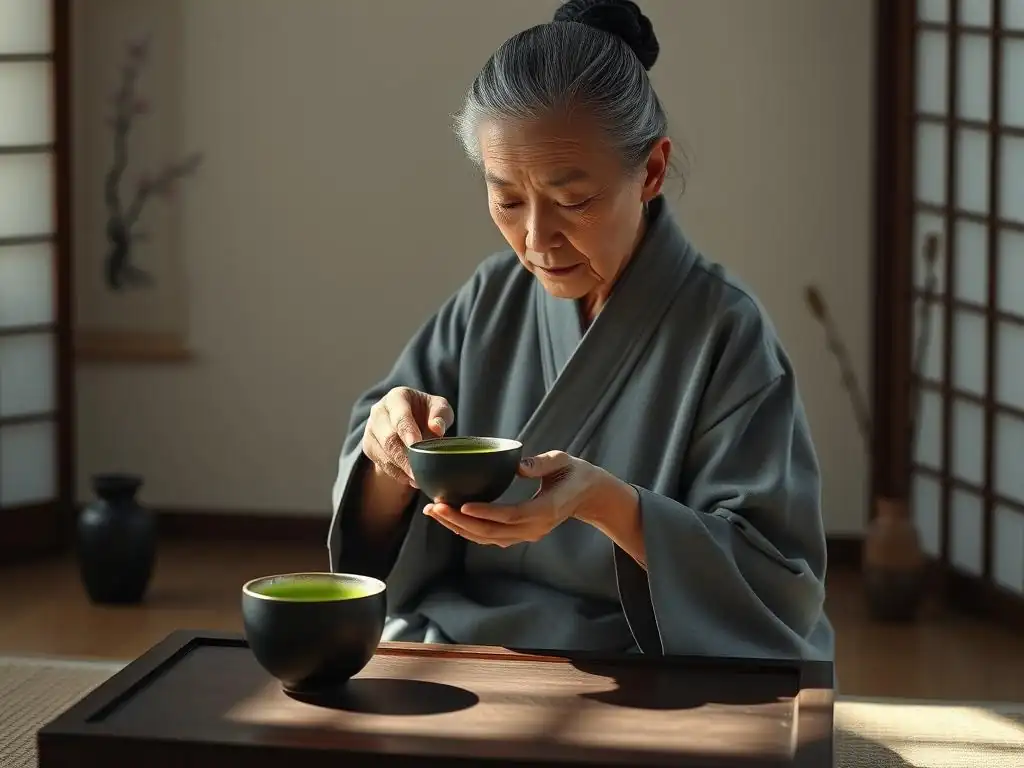
A fundamental aspect of traditional tea ceremonies that directly promotes mindfulness is the deliberate engagement of all five senses. The visual sense is stimulated by the aesthetics of the tea ware, the color of the tea liquor, and the graceful movements of the host. The sense of hearing is engaged by the sound of water heating, pouring, and sometimes the quiet rustling of tea leaves. Touch is involved in feeling the texture of the tea ware, the warmth of the cup, and the weight of the teapot.
The aromas of the dry leaves, the steeping tea, and the finished brew provide a rich olfactory experience. Finally, taste is central, as participants savor the complex flavors and mouthfeel of the tea. By intentionally directing attention to these sensory inputs, the mind is anchored firmly in the present moment, reducing the tendency to wander into thoughts about the past or future. This heightened sensory focus is a powerful technique for cultivating mindfulness through traditional tea ceremonies.
The Importance of Presence and Focus in Tea Rituals
Traditional tea ceremonies are designed to cultivate a state of deep presence and unwavering focus. The structured nature of the ritual, with its specific sequence of actions, leaves little room for distraction. Each step, from the initial purification of the utensils to the final sips of tea, requires careful attention and concentration. This deliberate engagement prevents the mind from drifting, training it to remain centered on the task at hand.
The quiet atmosphere often maintained during the ceremony further supports this focus. Participants are encouraged to observe the process, appreciate the moment, and be fully present with the host and any other guests. This shared experience of focused presence reinforces the mindful state, making the tea ceremony a communal practice in cultivating mindfulness through traditional tea ceremonies. The absence of external stimuli like phones or conversation unrelated to the tea ritual helps to create a sanctuary for focused awareness.
Tea Preparation as a Meditative Practice
The act of preparing tea within a traditional ceremony framework can be viewed as a form of active meditation. The repetitive and deliberate movements, performed with intention and awareness, mirror practices found in walking meditation or mindful movement. Focusing on the physical actions—heating the water, handling the tea leaves, pouring with precision—occupies the conscious mind in a way that allows a deeper, more relaxed state of awareness to emerge.
This focus on the physical process helps to quiet mental chatter. Instead of being lost in thoughts, the mind is engaged with the tangible reality of the tea preparation. The rhythm of the ritual can become a calming anchor, guiding the practitioner into a state of flow. This transformation of a seemingly simple task into a contemplative practice highlights how everyday activities, when approached with intention and presence, can become powerful tools for cultivating mindfulness through traditional tea ceremonies.
Practical Ways to Incorporate Tea Ceremony Principles into Daily Life
Creating a Mindful Tea Experience at Home
You don't need a formal tea house or elaborate equipment to begin cultivating mindfulness through traditional tea ceremonies principles at home. Start by designating a specific time for your tea ritual, even if it's just 10-15 minutes. Choose a quiet spot where you won't be interrupted. Select a tea that you enjoy, preferably loose leaf, which encourages a more hands-on approach.
Use simple, pleasant tea ware – a favorite mug, a small pot, whatever feels right. The key is to approach the process with intention. Put away your phone and turn off distractions. Focus on each step: boiling the water, warming your cup, adding the leaves, watching them unfurl, and smelling the aroma. Treat the process with care and respect, turning a simple act into a mindful practice.
Simple Tea Preparation Techniques for Mindfulness
To enhance the mindful aspect of your home tea ritual, focus on engaging your senses throughout the preparation. When handling the dry leaves, notice their texture, shape, and fragrance. As the water heats, listen to the sounds it makes. When you pour the water over the leaves, observe how the tea liquor changes color. Pay attention to the steam rising and its aroma.
Consider using a small teapot or gaiwan for multiple infusions, which encourages slowing down and re-engaging with the process repeatedly. With each infusion, note how the flavor and aroma evolve. This iterative process trains your attention to subtle changes and keeps you anchored in the present moment, effectively practicing mindfulness through traditional tea ceremonies in a simple, accessible way.
Adapting Tea Ceremony Elements for Stress Reduction
Many elements from formal tea ceremonies can be adapted to create a stress-reducing mindful tea practice. The emphasis on deliberate, slow movements is calming in itself. Try performing each step of your tea preparation at a slightly slower pace than usual, focusing on the physical sensations involved. The act of choosing a specific tea for its calming properties, like chamomile or certain herbal blends, can also enhance the relaxing effect.
Creating a small, dedicated space for your tea time, even if it's just a clean spot on your desk or kitchen counter, signals to your mind that this is a time for pause and reflection. Incorporating a moment of quiet contemplation before or after drinking your tea can also deepen the mindful experience. Simply sitting quietly for a minute, focusing on your breath or the warmth of the cup, can provide a valuable micro-break for stress reduction.
The Mental Health Benefits of Regular Tea Ceremony Practice
Reducing Anxiety and Stress with Mindful Tea Consumption
Regularly engaging in mindful tea practices, whether formal ceremonies or adapted home rituals, can significantly contribute to reducing anxiety and stress. The structured, repetitive nature of preparing and drinking tea provides a sense of order and control, which can be calming when facing uncertainty. Focusing on the sensory details of the tea experience diverts the mind from anxious thoughts and worries, grounding it in the present moment.
Furthermore, certain teas, particularly green and oolong teas often used in traditional ceremonies, contain L-theanine, an amino acid known to promote relaxation without causing drowsiness. While the amount varies, a typical cup of green tea might contain 10-20 mg of L-theanine. Combined with the mindful process, the physiological effects of L-theanine can enhance the stress-reducing benefits, making mindful tea consumption a powerful tool for mental well-being.
Improving Focus and Concentration through Tea Rituals
The inherent demand for focus and attention in traditional tea ceremonies directly translates into improved concentration skills. The precision required in handling delicate utensils, measuring ingredients, and controlling temperature trains the mind to stay attentive to detail and resist distractions. This practice of sustained focus during the tea ritual can strengthen the ability to concentrate in other areas of life.
By regularly engaging in an activity that requires deliberate attention for a sustained period, individuals can train their brains to filter out irrelevant stimuli and maintain focus on the task at hand. This cognitive training, embedded within the enjoyable practice of tea drinking, offers a gentle yet effective way to enhance concentration and mental clarity, showcasing the power of mindfulness through traditional tea ceremonies.
Connecting with Inner Peace and Self-Awareness
Beyond cognitive benefits, engaging in mindful tea practices can foster a deeper connection with one's inner self and cultivate a sense of inner peace. The quiet, contemplative nature of the ritual provides an opportunity for introspection and self-reflection. By slowing down and tuning into internal sensations and emotional states without judgment, individuals can gain greater self-awareness.
The ritualistic aspect of the tea ceremony can also create a sense of calm and tranquility. The deliberate pace and focus on simple, natural elements encourage a state of peacefulness. This regular practice of finding stillness and presence, even for a short time, reinforces a feeling of inner peace and resilience, demonstrating how mindfulness through traditional tea ceremonies supports emotional and psychological balance.
Comparing Tea Ceremonies to Other Mindfulness Practices
Tea Ceremonies vs. Meditation: Similarities and Differences
Both tea ceremonies and meditation aim to cultivate mindfulness, but they do so through different means. Sitting meditation typically involves focusing on the breath, a mantra, or bodily sensations while remaining still. The focus is primarily internal and often involves actively observing thoughts without engaging with them. It is a direct training of the mind to be present in stillness.
Tea ceremonies, on the other hand, are a form of active, embodied mindfulness. While they involve quiet presence, the focus is on the external actions and sensory experience of preparing and drinking tea. The ritual provides a structure and a series of physical anchors for attention, which can be easier for some individuals than pure stillness. Both practices cultivate presence and non-judgmental awareness, but tea ceremonies offer a more sensory and activity-based path to mindfulness through traditional tea ceremonies.
Tea Ceremonies vs. Yoga: Complementary Practices for Mental Well-being
Yoga is another popular mindfulness practice that combines physical postures, breath control, and meditation. Like tea ceremonies, yoga is an embodied practice that uses physical actions and sensory awareness to bring the mind into the present moment. Both practices emphasize intentional movement and a connection between mind and body.
Tea ceremonies and yoga can be seen as complementary practices. Yoga builds physical awareness and flexibility while calming the nervous system through movement and breath. Tea ceremonies cultivate presence through sensory engagement and deliberate ritual. Someone practicing yoga might find that incorporating a mindful tea ritual before or after their practice deepens their state of calm and presence, further enhancing their journey towards mindfulness through traditional tea ceremonies and movement.
Choosing the Right Mindfulness Practice for Your Needs
The best mindfulness practice is the one you will actually do consistently. For some, the structure and sensory richness of a tea ceremony might be more appealing or accessible than traditional sitting meditation. Others might prefer the physical activity of yoga or the direct mental training of breath-focused meditation. There is no single "right" way to practice mindfulness.
Consider your personality, lifestyle, and what feels most engaging and sustainable for you. Trying different approaches, including exploring mindfulness through traditional tea ceremonies, can help you discover what resonates most deeply. Many people find benefit in combining different practices, using tea rituals as a way to bring mindfulness into a daily routine alongside more formal meditation or movement practices.
Expert Insights on Mindfulness and Tea Ceremonies
Quote from a Mindfulness Expert on the Benefits of Tea Ceremonies
"Mindfulness is about cultivating present-moment awareness, and traditional tea ceremonies offer a perfect microcosm for this," notes Dr. Anya Sharma, a clinical psychologist specializing in mindfulness-based therapies. "The deliberate pace, the focus on sensory details—the warmth of the cup, the aroma of the leaves, the subtle changes in flavor—all serve to anchor attention firmly in the here and now.
For individuals who struggle with the stillness of traditional meditation, the active engagement required in a tea ritual provides a structured and accessible pathway to quiet the mind and cultivate a state of mindful presence. It’s a beautiful integration of ritual and well-being."
Quote from a Tea Ceremony Practitioner on the Importance of Ritual
According to Master Kenji Tanaka, a seasoned practitioner of the Japanese Way of Tea for over forty years, the essence of the ceremony lies in its deliberate ritual. "The steps are not arbitrary; they are honed over centuries to bring the practitioner and guest into a state of harmony and focus," he explains. "Each movement, each gesture, is an act of respect for the tea, the utensils, the space, and oneself.
This intentionality transforms the simple act of drinking tea into a profound practice of presence and respect. It teaches us to find beauty and meaning in the ordinary, which is the heart of living mindfully."
Overcoming Challenges in Practicing Mindful Tea Consumption
Common Distractions and How to Manage Them
Even when attempting a mindful tea ritual, distractions can arise. These might include intrusive thoughts about work or worries, external noise, or the urge to check your phone. Recognizing these distractions is the first step in managing them. Mindfulness isn't about eliminating thoughts, but about noticing them without judgment and gently redirecting your attention back to the present moment.
When a thought arises, simply acknowledge it ("Ah, a thought about my to-do list") and then consciously bring your focus back to the sensory experience of the tea—the feel of the cup, the warmth, the smell, the taste. If external noise is an issue, try finding a quieter time or space, or use gentle instrumental music to create a calming atmosphere. The key is patience and persistence; it's a practice, not a perfection.
Creating a Dedicated Space for Tea Rituals
Having a dedicated space, no matter how small, can significantly support a mindful tea practice. This doesn't require a separate room; it could be a clean corner of a table, a specific chair by a window, or even a designated tray. The act of preparing this space, perhaps clearing clutter or arranging your tea ware, becomes part of the ritual itself, signaling to your mind that this is a special time for presence.
Maintaining this space as a sanctuary for your tea ritual helps to associate it with calm and focus. When you sit down in this spot, your mind begins to anticipate the mindful experience. Even if the space is simple, its consistent use for your tea practice strengthens its power as an anchor for cultivating mindfulness through traditional tea ceremonies.
Maintaining Consistency in Your Mindfulness Practice
Consistency is crucial for reaping the long-term benefits of any mindfulness practice, including mindful tea consumption. It's more effective to practice for 10-15 minutes daily than for an hour once a week. Try to integrate your tea ritual into your existing routine, perhaps first thing in the morning, during a mid-afternoon break, or in the evening to wind down.
Don't be discouraged by missed days or sessions where your mind felt particularly scattered. Simply return to the practice when you can, without self-criticism. Consider using a simple tracker or setting a reminder to help build the habit. Over time, consistent engagement with mindfulness through traditional tea ceremonies or adapted rituals will strengthen your ability to stay present and enhance your overall well-being.
Conclusion: Embracing Tea Ceremonies for Enhanced Mindfulness and Mental Well-being
The Lasting Impact of Tea Ceremonies on Mental Health
Traditional tea ceremonies and their adapted modern forms offer a unique and deeply enriching pathway to cultivating mindfulness and supporting mental well-being. By emphasizing sensory awareness, deliberate action, and present-moment focus, these rituals provide a structured yet gentle method for calming the mind, reducing stress, and enhancing concentration. The historical depth and cultural significance of tea ceremonies add layers of meaning to the practice, connecting individuals to ancient traditions of contemplation and respect.
Regularly engaging with the principles of mindfulness through traditional tea ceremonies can lead to lasting positive changes in how one approaches daily life. It teaches patience, fosters appreciation for simple pleasures, and strengthens the ability to find moments of peace amidst busyness. This practice is more than just drinking tea; it is a mindful engagement with self and the world, offering a sustainable path towards greater inner peace and psychological resilience.
Resources for Learning More About Tea Ceremonies and Mindfulness
For those interested in exploring mindfulness through traditional tea ceremonies further, numerous resources are available. Books on the history and practice of Japanese Chanoyu, Chinese Gongfu, or Korean Dado can provide detailed insights into the rituals and their underlying philosophies. Local cultural centers or tea houses in some areas may offer introductory workshops or demonstrations. Online communities and resources dedicated to tea culture and mindfulness also provide valuable information and guidance. Engaging with these resources can deepen understanding and inspire consistent practice.
Frequently Asked Questions
How do tea ceremonies promote mindfulness?
Tea ceremonies, especially traditional ones, emphasize slow, deliberate movements and focused attention on the present moment, fostering a state of mindful awareness.
What are the key elements of a tea ceremony that contribute to mental well-being?
The ritualistic nature of the ceremony, the aesthetic environment, and the shared experience (if performed with others) all contribute to a sense of calm and connection, promoting mental well-being.
Can anyone participate in a tea ceremony for mindfulness, even without prior experience?
Absolutely! Most ceremonies are designed to be accessible. Focus on engaging your senses and being present in the moment, rather than striving for perfection.
Are there different types of tea ceremonies, and which one is best for beginners interested in mindfulness?
Yes, there are several variations. Simpler, less formal ceremonies are often recommended for beginners, allowing them to focus on the core principles of mindfulness without feeling overwhelmed.
How can one incorporate elements of a tea ceremony into their daily life to improve mental health?
You can adapt the principles by slowing down your tea preparation, paying attention to the aroma and taste, and creating a peaceful environment for your daily tea break.
Final Reflection: Brewing Mindfulness, One Cup at a Time
The ancient practice of the tea ceremony offers a potent antidote to the frenetic pace of modern life, a sanctuary for cultivating presence and inner peace. In a world increasingly dominated by digital distractions and relentless demands, the deliberate, ritualistic nature of the tea ceremony provides a powerful pathway to mindfulness, a skill crucial for navigating the complexities of the 21st century. Its enduring relevance is undeniable, offering a timeless technique for managing stress and fostering a deeper connection with oneself and the world around us.
The profound impact of the tea ceremony extends far beyond the simple act of drinking tea; it's a journey of self-discovery, a mindful exploration of sensory experience, and a cultivation of respect for tradition and nature. It's a practice that has shaped cultures for centuries, fostering a sense of community and shared experience. As the Zen master Thich Nhat Hanh so eloquently stated, Drink your tea slowly and reverently, as if it is the axis on which the earth revolves—slowly, evenly, without rushing toward the future; live the actual moment. Only this moment is life.
This sentiment perfectly encapsulates the essence of mindfulness as practiced within the tea ceremony, urging us to appreciate the present moment in all its fullness.
Now, consider your own life. How can you incorporate elements of mindful presence into your daily routine? Perhaps it's setting aside a few minutes each day for a quiet cup of tea, savoring the aroma and the warmth, or simply pausing to appreciate the beauty of a flower. Embrace the simplicity and intentionality of the tea ceremony, not as a rigid practice, but as a source of inspiration for cultivating mindfulness in every aspect of your life. Let the spirit of the tea ceremony guide you towards a more peaceful, present, and fulfilling existence.
Unlock Your Inner Calm: Start Your Tea Ceremony Journey
Thanks for taking the time to explore the mindful world of tea ceremonies with us! We hope you discovered new ways to find peace and focus in your daily life. Ready to deepen your practice?
- Begin your own mindful tea ritual: Try brewing your favorite tea today, focusing on each step – the scent, the warmth, the taste. Notice your breath and let go of distractions. This is your starting point.
- Share your experience: Tell us about your first mindful tea ceremony. What surprised you? What did you learn?
- Explore different tea types: Discover new flavors and aromas that enhance your mindful practice. Each tea offers a unique sensory journey.
Ready to cultivate a deeper sense of tranquility? What mindful ritual will you integrate into your daily routine today?