
Beyond Religion: Embracing Spirituality Through Mindfulness

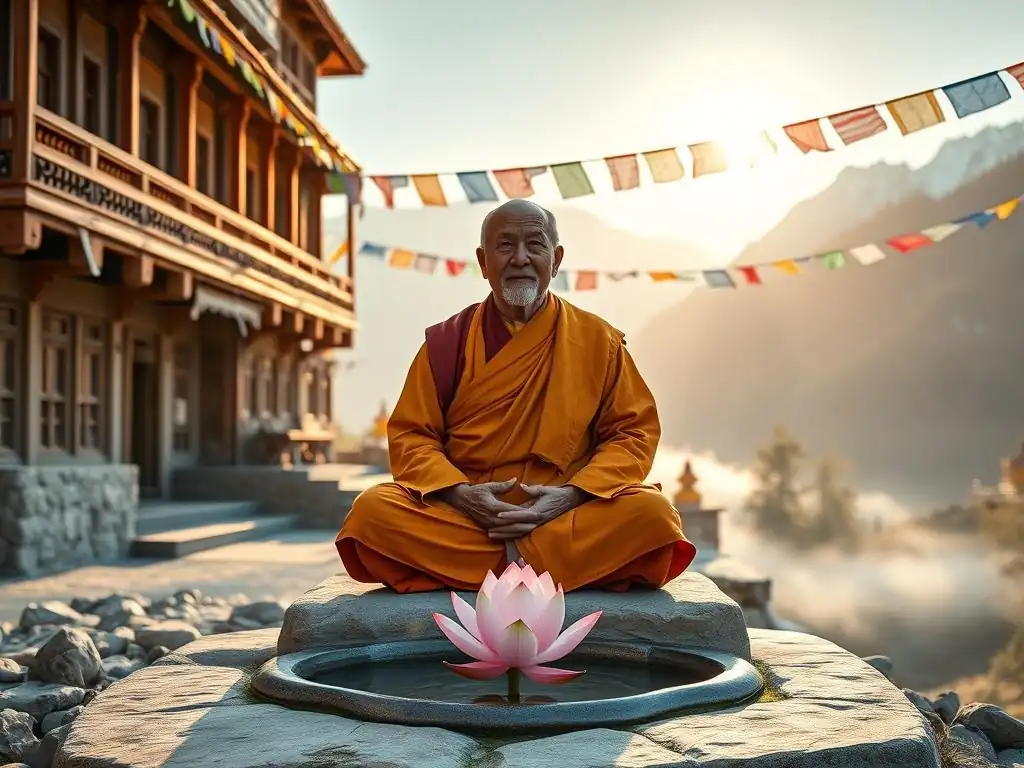
Welcome to Mind Care Guide, your sanctuary for cultivating inner peace.
Are you searching for a deeper connection, a way to navigate life's complexities with greater ease and understanding? Many find solace and strength in spirituality, but sometimes the path feels unclear. This search can be confusing. Our exploration of Mindfulness for mental wellbeing offers a powerful, secular approach to connecting with yourself and the world around you. Discover how mindfulness can unlock a profound sense of spiritual connection, fostering resilience and a more fulfilling life. Intrigued? Let's begin.
- Cultivating Inner Peace: Mindfulness and Spirituality for Mental Wellbeing
- Mindfulness: A Practical Approach to Spiritual Development
- Synergy: Mindfulness and Spirituality Enhancing Each Other
- Practical Techniques for Spiritual Growth Through Mindfulness
- Navigating Challenges in Integrating Mindfulness and Spirituality
- Benefits: Experiencing Enhanced Mental Wellbeing
- Resources for Cultivating Mindfulness and Spirituality
- Conclusion: Embracing a Holistic Approach to Wellbeing
-
Frequently Asked Questions
- What is the connection between spirituality and mindfulness, according to Mind Care Guide?
- How does practicing mindfulness contribute to mental wellbeing, as described by Mind Care Guide?
- Can mindfulness be practiced by individuals of all religious or non-religious backgrounds?
- What are some specific techniques or exercises for practicing mindfulness, according to Mind Care Guide?
- How can Mind Care Guide help individuals who are struggling with their mental health?
- Final Reflection: Cultivating Inner Peace in a Chaotic World
- Unveil Your Inner Peace: Start Your Mindfulness Journey Today
Cultivating Inner Peace: Mindfulness and Spirituality for Mental Wellbeing
Understanding Spirituality: A Personal Exploration of Meaning and Purpose
Spirituality, in its broadest sense, refers to the search for meaning and purpose in life. It's a deeply personal journey, often involving a connection to something larger than oneself – whether that's nature, humanity, a higher power, or a personal set of values and beliefs. Unlike organized religion, which typically involves specific doctrines, rituals, and community structures, spirituality is more about an individual's inner experience and quest for understanding their place in the world. It's about exploring existential questions and finding ways to live authentically and with a sense of connection.
This exploration can manifest in countless ways, from quiet contemplation and artistic expression to service to others and mindful engagement with the environment. For many, spirituality provides a framework for navigating life's challenges, offering hope, perspective, and a sense of belonging that transcends material concerns. Cultivating this inner dimension is increasingly recognized as a vital component of overall health, contributing significantly to emotional resilience and a greater capacity for joy and peace.
Spirituality and Mental Wellbeing: Fostering Resilience and Inner Peace
The connection between spirituality and mental wellbeing is well-documented across various studies and personal accounts. Engaging in spiritual practices or nurturing a spiritual outlook is often associated with lower rates of depression and anxiety, improved coping mechanisms during stressful times, and a greater sense of life satisfaction. A 2018 review of multiple studies, for instance, indicated that individuals reporting higher levels of spirituality tended to show better mental health outcomes, including increased positive affect and reduced psychological distress.
Furthermore, spirituality can foster resilience by providing individuals with a sense of hope and purpose, enabling them to persevere through adversity. It can offer a supportive community (even outside of traditional religious settings, through shared values or practices) and promote positive health behaviors. This intrinsic link highlights how nurturing one's spiritual side is not merely an abstract pursuit but a tangible strategy for enhancing mental health and fostering inner peace, complementing other approaches like therapy and lifestyle changes.
The Role of Mindfulness in Spiritual Growth
Mindfulness serves as a powerful, accessible tool for fostering spiritual growth, independent of any specific religious doctrine. It is the practice of bringing one's attention to the present moment, without judgment. By training the mind to observe thoughts, feelings, bodily sensations, and the surrounding environment with open awareness, individuals can begin to detach from distracting internal narratives and connect more deeply with their inner experience and the world around them. This present-moment awareness is fundamental to many spiritual paths, which often emphasize living fully in the now.
Through consistent mindfulness practice for mental wellbeing, individuals can develop greater self-awareness, compassion, and a sense of interconnectedness – qualities central to spiritual development. It can help quiet the mental chatter that often obscures deeper insights and values, allowing for a clearer perception of one's authentic self and the subtle wonders of existence. Mindfulness thus acts as a bridge, facilitating a more profound engagement with one's personal spiritual journey and enhancing the capacity for presence and meaning.
Mindfulness: A Practical Approach to Spiritual Development
Core Principles of Mindfulness: Presence, Acceptance, and Non-Judgment
Mindfulness is built upon several foundational principles that make it a powerful practice for both mental wellbeing and spiritual exploration. At its heart is presence – the deliberate act of paying attention to the current moment as it unfolds. This isn't about emptying the mind, but rather noticing what is happening right now, whether it's the feeling of breath, the sounds around you, or the thoughts passing through your mind. It's about stepping out of automatic pilot and engaging directly with your experience.
Equally crucial are acceptance and non-judgment. Acceptance means acknowledging your present experience, whatever it may be, without trying to fight it or wish it were different. This doesn't mean condoning harmful behavior or giving up on positive change, but simply recognizing the reality of the moment. Non-judgment involves observing thoughts, feelings, and sensations without labeling them as 'good' or 'bad.' This objective observation helps create space between you and your reactions, fostering a sense of inner freedom and clarity that is essential for spiritual insight and improved mental wellbeing.
Mindfulness Meditation Techniques: Cultivating Awareness and Calm
Various mindfulness meditation techniques can be employed to cultivate awareness and promote inner calm, making them valuable practices for enhancing spiritual life and mental health. Simple breath awareness is a common starting point, where the practitioner focuses their attention on the sensation of inhaling and exhaling. When the mind wanders, the goal is gently to notice the distraction and guide the attention back to the breath, without self-criticism. This repetitive, gentle redirection builds the muscle of attention.
Other techniques include the body scan meditation, which involves systematically bringing awareness to different parts of the body, noticing sensations without judgment. Walking meditation brings mindful awareness to the physical act of walking, focusing on the sensations in the feet and legs. Loving-kindness meditation extends compassion towards oneself and others. Engaging in these practices regularly, even for just 10-15 minutes daily, has been shown in studies to reduce stress levels, improve focus, and cultivate a greater sense of calm and emotional balance, all contributing to a stronger foundation for mindfulness for mental wellbeing and spiritual growth.
Integrating Mindfulness into Daily Life: Enhancing Wellbeing Through Simple Practices
Integrating mindfulness into daily life extends the benefits beyond formal meditation sessions, weaving present-moment awareness into the fabric of your day. This doesn't require setting aside large blocks of time but rather finding moments throughout the day to pause and pay attention. Simple acts like mindfully brushing your teeth, truly tasting your food during a meal, or fully experiencing the sensation of walking from one place to another can become opportunities for practice.
These small acts of mindful awareness accumulate, shifting your overall relationship with your experiences. Noticing the tension in your shoulders during a stressful meeting, or the joy in a simple interaction, allows for a more authentic engagement with life. This continuous practice of mindfulness for mental wellbeing helps reduce reactivity, increases appreciation for the present, and fosters a deeper connection to oneself and the world, naturally supporting one's spiritual path by promoting presence and acceptance in all aspects of life.
Synergy: Mindfulness and Spirituality Enhancing Each Other

Mindfulness as a Tool for Spiritual Connection
Mindfulness serves as an invaluable tool for deepening spiritual connection, regardless of the specific spiritual path one follows. By training the mind to be present and open, it removes many of the internal barriers that can obscure a sense of connection to something larger than oneself. Worries about the future, regrets about the past, and constant self-judgment can all create a thick fog that prevents clear seeing and a feeling of interconnectedness.
Regular mindfulness practice helps to thin this fog, allowing moments of profound presence where one might feel a stronger connection to nature, a deeper empathy for others, or a sense of awe and wonder at the simple fact of existence. This heightened awareness can transform ordinary moments into opportunities for spiritual insight, making the pursuit of mindfulness for mental wellbeing also a pathway to a richer, more connected spiritual life.
Deepening Self-Awareness Through Mindful Spiritual Practices
Combining mindfulness with specific spiritual practices can significantly deepen self-awareness. For example, engaging in mindful prayer or contemplation involves bringing full, non-judgmental attention to the words, feelings, and intentions involved, rather than letting the mind wander. Similarly, mindfully participating in rituals or sacred readings allows for a more profound engagement with their meaning and impact on one's inner state.
This mindful approach brings spiritual practices out of the realm of rote repetition and into a lived, present experience. It allows individuals to notice their own reactions, resistances, or moments of profound connection as they happen, offering valuable insights into their beliefs, values, and emotional landscape. This deeper self-awareness fostered by mindfulness is crucial for authentic spiritual growth and contributes significantly to overall mental wellbeing by promoting emotional intelligence and self-understanding.
Reducing Stress and Enhancing Resilience: The Combined Benefits
The combined practice of mindfulness and spirituality offers potent benefits for reducing stress and enhancing resilience. Mindfulness directly addresses stress by training the individual to observe stressful thoughts and feelings without being overwhelmed by them, creating a space for a more measured response rather than a reactive one. It helps regulate the nervous system, often leading to reduced physiological symptoms of stress like high blood pressure or muscle tension.
When paired with a spiritual framework, which often provides a sense of meaning, hope, and acceptance of life's challenges, the capacity to withstand adversity is further strengthened. Spirituality can offer perspective on suffering, viewing it as part of the human condition or an opportunity for growth. This combination of present-moment coping skills from mindfulness and the broader, meaning-oriented perspective from spirituality equips individuals with robust tools to navigate stress, bounce back from setbacks, and maintain strong mindfulness for mental wellbeing even in difficult times.
Practical Techniques for Spiritual Growth Through Mindfulness
Mindful Breathing Exercises for Inner Connection
Mindful breathing is one of the most accessible and fundamental techniques for cultivating both mindfulness and a sense of inner connection, crucial for spiritual growth. The simple act of focusing attention on the breath anchors you in the present moment, providing a stable point of focus amidst mental turbulence. You don't need to change your breath, just notice it – the rise and fall of the chest or abdomen, the sensation of air entering and leaving the nostrils.
Practicing mindful breathing for even just a few minutes can interrupt stress cycles, calm the nervous system, and create space for a deeper connection to your inner self and perhaps a sense of the sacred within. This practice can be done anywhere, anytime, making it a readily available tool for grounding yourself and fostering a sense of presence that is essential for both mindfulness for mental wellbeing and spiritual awareness.
Body Scan Meditation: Cultivating Body Awareness and Acceptance
The body scan meditation is a powerful technique for cultivating body awareness and acceptance, which are foundational to both physical and mental health, as well as spiritual embodiment. This practice involves systematically bringing your attention to different parts of your body, from your toes to the top of your head, noticing any sensations present – warmth, coolness, tingling, tension, absence of sensation – without judgment.
By regularly practicing the body scan, you become more attuned to the signals your body sends, such as where you hold stress or how different emotions manifest physically. This increased awareness fosters acceptance of your physical form as it is in the present moment, rather than how you think it 'should' be.
This non-judgmental acceptance of the physical self is a significant step towards holistic wellbeing and can deepen spiritual connection by honoring the body as part of the whole self. Studies have indicated that regular body scan practice can lead to reduced chronic pain and improved sleep quality for some individuals, demonstrating its tangible benefits for mindfulness for mental wellbeing.
Mindful Walking: Connecting with Nature and the Present Moment
Mindful walking is a simple yet profound practice that integrates movement with present-moment awareness, offering a wonderful way to connect with nature and enhance spiritual connection. Instead of rushing from one place to another, mindful walking involves paying deliberate attention to the sensations of walking – the feeling of your feet touching the ground, the movement of your legs, the swing of your arms, the rhythm of your breath.
When practiced outdoors, mindful walking also encourages a deeper connection with the natural world. Noticing the feel of the air on your skin, the sights and sounds of the environment, the textures beneath your feet – all of these sensory experiences anchor you in the present moment and can foster a sense of awe and interconnectedness with the living world. This practice supports mindfulness for mental wellbeing by reducing rumination and increasing sensory engagement, while simultaneously nurturing a spiritual connection to the larger ecosystem.
Overcoming Resistance to Mindfulness Practices
Integrating mindfulness into a busy life or a pre-existing spiritual framework can sometimes present challenges, one of the most common being resistance to the practice itself. This resistance can manifest as feeling like you don't have enough time, finding it difficult to quiet the mind, feeling bored or restless, or doubting the effectiveness of mindfulness. It's important to recognize that these are normal experiences and not signs of failure.
Overcoming this resistance often involves starting small – committing to just 5-10 minutes a day – and being gentle with yourself. Understanding that the goal isn't to stop thinking, but to notice thoughts without judgment, can shift perspective. Finding a style of mindfulness practice that resonates with you, whether it's formal meditation, mindful walking, or mindful eating, can also make it feel less like a chore and more like a valuable part of your routine for cultivating mindfulness for mental wellbeing.
Addressing Difficult Emotions with Compassion and Acceptance
Another significant challenge is learning to address difficult emotions that may arise during mindfulness or spiritual practice. As you become more present, you may become more aware of underlying feelings of sadness, anger, fear, or anxiety that you previously suppressed. This can be uncomfortable and even overwhelming at times. The key here is to approach these emotions with the same principles of mindfulness: awareness, acceptance, and non-judgment, coupled with compassion.
Instead of trying to push difficult feelings away, the practice encourages you to simply notice them, acknowledge their presence, and offer yourself kindness. Imagine speaking to a friend experiencing these feelings. What words of comfort and acceptance would you offer? Extending that same compassion inward can transform your relationship with difficult emotions, allowing them to be processed rather than stored, which is vital for emotional resilience and sustained mindfulness for mental wellbeing.
Maintaining Consistency in Your Practice
Maintaining consistency in both mindfulness and spiritual practice is often cited as a major hurdle. Life gets busy, motivation wanes, and it's easy to let practices slide. However, regularity is key to experiencing the cumulative benefits for mental wellbeing and spiritual growth. Even short, consistent efforts are more effective than infrequent, long sessions.
Strategies for maintaining consistency include setting a specific time each day for practice, even if it's just for a few minutes, treating it like any other important appointment. Finding a practice buddy or group can provide accountability and support. Reflecting on the positive impacts the practice has already had can also be a powerful motivator. Viewing the practice not as another task, but as an essential act of self-care and spiritual nourishment can help embed it firmly in your daily or weekly routine, ensuring the ongoing benefits of mindfulness for mental wellbeing.
Benefits: Experiencing Enhanced Mental Wellbeing
Increased Self-Compassion and Acceptance
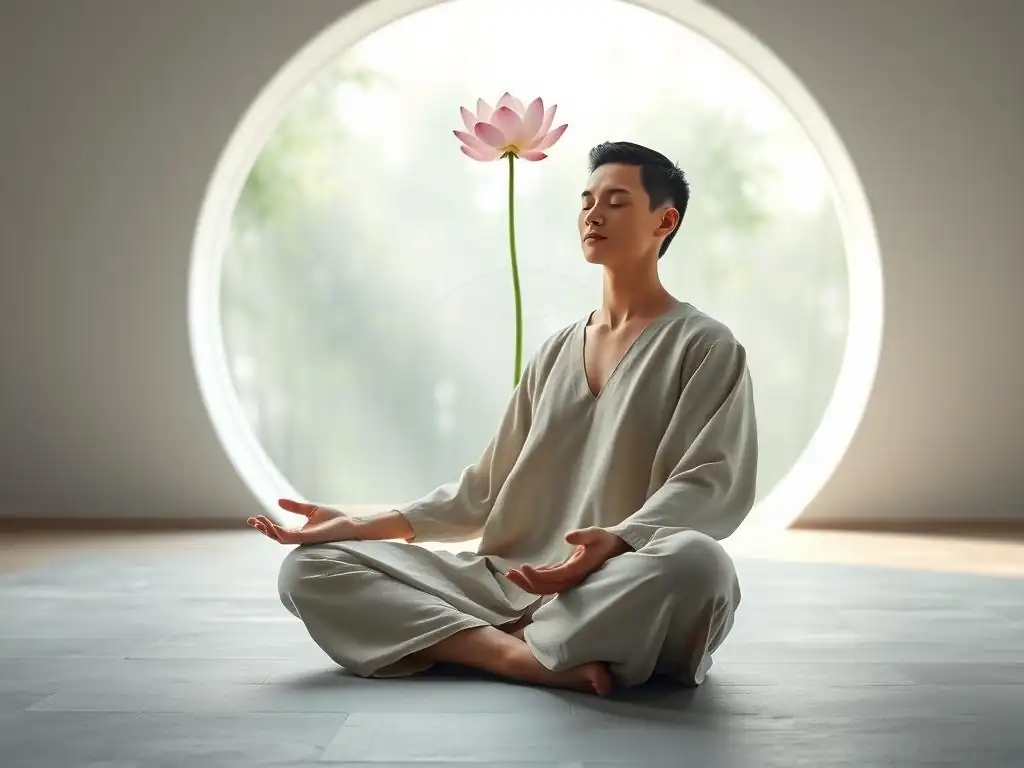
One of the most profound benefits of integrating mindfulness and spirituality is a significant increase in self-compassion and acceptance. By practicing non-judgmental awareness towards your thoughts, feelings, and imperfections, you gradually learn to treat yourself with the same kindness and understanding you would offer a dear friend. This contrasts sharply with the harsh self-criticism that often fuels anxiety and depression.
Spirituality often emphasizes themes of inherent worth, forgiveness, and interconnectedness, which further support this shift towards self-acceptance. Together, these practices help dismantle the inner critic, allowing you to embrace your humanity, flaws and all. This enhanced self-compassion is a cornerstone of robust mental wellbeing, enabling you to navigate challenges with greater kindness towards yourself and fostering a more positive self-image.
Enhanced Emotional Regulation and Resilience
Regular engagement in mindfulness and spiritual practices significantly enhances emotional regulation and resilience. Mindfulness provides the skills to observe emotions without being swept away by them, creating a pause between feeling and reacting. This allows for a more measured, intentional response to challenging situations rather than an impulsive or overwhelmed one. Studies show that consistent mindfulness practice can lead to measurable changes in brain regions associated with emotional regulation.
Coupled with the perspective often gained from spirituality – such as viewing challenges as temporary or part of a larger journey – individuals develop a greater capacity to bounce back from adversity. They are better equipped to process difficult experiences, find meaning in suffering, and maintain a sense of hope and purpose. This synergy provides a powerful foundation for navigating life's inevitable ups and downs with greater stability and strength, significantly boosting mindfulness for mental wellbeing.
A Deeper Sense of Purpose and Meaning
Embarking on a journey that integrates mindfulness and spirituality often leads to the development of a deeper sense of purpose and meaning in life. Mindfulness helps quiet the external noise and internal clutter, allowing you to connect with your core values and what truly matters to you. It clarifies your priorities and helps you live more intentionally in alignment with those values.
Spirituality, by its nature, often involves exploring existential questions and finding one's place in the world or cosmos. Whether through connecting with a higher power, serving humanity, or appreciating the interconnectedness of all things, spirituality provides a framework for understanding the significance of one's life. Together, these practices cultivate a rich inner life and a clearer sense of direction, contributing significantly to feelings of fulfillment and providing a powerful anchor for maintaining strong mindfulness for mental wellbeing.
Resources for Cultivating Mindfulness and Spirituality
Mindfulness Apps and Online Platforms
Numerous accessible resources are available to support the cultivation of mindfulness for mental wellbeing and spiritual growth. Mindfulness apps like Headspace, Calm, and Insight Timer offer guided meditations, courses on various mindfulness techniques, and tools for tracking practice consistency. These platforms often provide meditations specifically focused on themes like compassion, gratitude, or navigating difficult emotions, which resonate with spiritual exploration.
Online platforms and websites dedicated to mindfulness and mental health also offer articles, videos, and sometimes live sessions or workshops. Many are secular, focusing purely on the psychological benefits of mindfulness, while others may integrate mindfulness within broader discussions of consciousness or holistic wellbeing. Exploring these digital tools can be a convenient way to start or deepen your practice from anywhere.
Guided Meditation Resources
Guided meditations are particularly helpful for beginners or anyone who finds it challenging to meditate independently. These resources involve an instructor leading you through the meditation practice, providing prompts to focus your attention on the breath, body sensations, or specific themes. They can be found on the mindfulness apps mentioned earlier, as well as on platforms like YouTube, dedicated meditation websites, and podcasts.
Many guided meditations are designed around specific intentions, such as cultivating peace, releasing tension, or fostering self-compassion. Some also incorporate elements that touch upon spiritual themes like interconnectedness or universal love. Finding a voice and style of guidance that you connect with can make the practice more enjoyable and effective, supporting your journey in using mindfulness for mental wellbeing and spiritual development.
Books on Mindfulness and Spirituality
A wealth of literature explores the intersection of mindfulness and spirituality, offering deeper insights and guidance. Authors like Jon Kabat-Zinn, the founder of Mindfulness-Based Stress Reduction (MBSR), provide foundational texts on secular mindfulness. Pema Chödrön writes from a Buddhist perspective, offering compassionate wisdom on navigating difficult emotions through mindful awareness.
Many other authors from various spiritual traditions and secular backgrounds delve into how mindfulness can enrich one's spiritual life or how spiritual perspectives can enhance mindful living. Reading these books can provide theoretical understanding, practical exercises, and inspiring perspectives that complement your hands-on practice, enriching your understanding of mindfulness for mental wellbeing and its broader implications for a meaningful life.
Conclusion: Embracing a Holistic Approach to Wellbeing
Frequently Asked Questions
What is the connection between spirituality and mindfulness, according to Mind Care Guide?
The article suggests that mindfulness can offer a pathway to spirituality beyond religious dogma, focusing on inner experiences and connection. It emphasizes that mindfulness allows individuals to cultivate a sense of purpose and meaning without adhering to specific religious beliefs.
How does practicing mindfulness contribute to mental wellbeing, as described by Mind Care Guide?
Mind Care Guide highlights that mindfulness practices can significantly reduce stress and anxiety. By focusing on the present moment, individuals can become more aware of their thoughts and emotions, leading to improved emotional regulation and overall mental wellbeing.
Can mindfulness be practiced by individuals of all religious or non-religious backgrounds?
Yes, the article emphasizes the inclusive nature of mindfulness. It is presented as a secular practice that anyone can incorporate into their life to enhance their mental wellbeing, regardless of their religious beliefs or lack thereof.
What are some specific techniques or exercises for practicing mindfulness, according to Mind Care Guide?
While the article might not delve into specific techniques, it implies that mindfulness involves practices like meditation, deep breathing exercises, and present moment awareness. These practices help cultivate a non-judgmental awareness of thoughts and sensations.
How can Mind Care Guide help individuals who are struggling with their mental health?
Mind Care Guide offers information, support, and resources for various mental health challenges. The article suggests that mindfulness, as a tool within Mind Care Guide's broader approach, can contribute to improved mental wellbeing and a greater sense of inner peace.
Final Reflection: Cultivating Inner Peace in a Chaotic World
The pursuit of mindfulness for mental wellbeing is no longer a niche practice; it's a vital necessity in our increasingly fast-paced and demanding world. The overwhelming pressures of modern life – from social media anxieties to economic uncertainties – leave many feeling disconnected and overwhelmed. This article explored how embracing spirituality, independent of organized religion, through the practice of mindfulness can offer a powerful antidote to this pervasive sense of unease. It's a path towards reclaiming inner peace and fostering genuine wellbeing.
The exploration of mindfulness and its impact on mental wellbeing has profoundly shifted the cultural landscape. We are moving away from solely relying on external validation and material possessions for happiness, and increasingly recognizing the importance of inner peace and self-awareness. The mind is everything. What you think you become.
– Buddha. This ancient wisdom resonates deeply today as we grapple with the complexities of modern existence. The growing popularity of mindfulness practices, from meditation apps to corporate wellness programs, reflects a collective yearning for a more balanced and fulfilling life, one grounded in self-compassion and inner strength.
Now, consider your own life. Where do you feel the weight of stress and anxiety most acutely? How might incorporating even a few minutes of daily mindfulness – a quiet moment of reflection, deep breathing, or simply observing your thoughts without judgment – shift your perspective and alleviate some of that burden? I invite you to embark on this journey of self-discovery, to explore the profound power of mindfulness in cultivating inner peace and building resilience. Begin small, be patient with yourself, and allow the transformative potential of mindfulness to unfold within you. Your wellbeing is worth the effort.
Unveil Your Inner Peace: Start Your Mindfulness Journey Today
Thanks for taking the time to explore the world of mindfulness with us! We hope you gained valuable insights into how spirituality can flourish beyond traditional religious frameworks. Now it's time to put these insights into action.
- Begin your daily mindfulness practice: Even five minutes of focused breathing can make a significant difference. Try a guided meditation or simply focus on your breath and bodily sensations. This is your primary step to cultivate inner peace.
- Share your experiences: Connect with others on your mindfulness journey. Discuss your thoughts and feelings, or simply share this article with someone who might benefit from it.
- Explore further: Delve deeper into mindful living by researching different meditation techniques, yoga styles, or nature-based practices that resonate with you.
What small step will you take today to nurture your inner peace and embrace a more mindful life?