
A Holistic Approach: Combining Mind, Body, and Spirit Through Practice


Welcome to Mind Care Guide, a space dedicated to nurturing your inner peace.
Feeling overwhelmed by the complexities of life? You're not alone. We understand the journey to mental well-being can feel daunting. That's why we've created this haven, starting with a Holistic Mental Wellbeing Practices Guide, to help you navigate that journey with compassion and understanding. Discover how connecting your mind, body, and spirit can unlock a path to lasting happiness and resilience. Intrigued? Let's begin.
A Holistic Approach: Combining Mind, Body, and Spirit Through Practice
- Understanding Holistic Mental Wellbeing Practices
- Key Principles of Holistic Mental Wellbeing Practices
- Practical Techniques for Holistic Mental Wellbeing
- Integrating Holistic Practices into Daily Life
- The Role of Professional Guidance in Holistic Mental Health
- Advanced Holistic Techniques for Deeper Exploration
- Measuring Progress and Maintaining a Holistic Lifestyle
- Conclusion: Embracing a Holistic Path to Mental Wellbeing
-
Frequently Asked Questions
- What does a holistic approach to mental wellbeing actually mean?
- How does this "holistic mental wellbeing practices guide" differ from traditional mental health treatments?
- What are some examples of holistic practices that this guide might cover?
- How can I implement these holistic practices into my daily routine if I have a busy schedule?
- Is this "Holistic mental wellbeing practices guide" a substitute for professional mental health care?
- Final Reflection: Weaving the Tapestry of Wellbeing
- Unlock Your Inner Harmony: Start Your Holistic Journey Today!
Understanding Holistic Mental Wellbeing Practices
What is Holistic Mental Wellbeing?
Holistic mental wellbeing is an approach that recognizes the profound interconnectedness of a person's mental, physical, and spiritual health. It moves beyond simply addressing symptoms of mental health challenges and instead focuses on cultivating overall wellness across all dimensions of life. This comprehensive perspective acknowledges that true flourishing arises from nurturing every part of ourselves, not just the mind in isolation. A holistic mental wellbeing practices guide emphasizes integrating various practices to support this interconnected system.
This approach views mental health not as the absence of illness, but as a dynamic state of thriving. It encourages individuals to explore factors contributing to their wellbeing, including lifestyle choices, environmental influences, social connections, and personal values. By considering the whole person, holistic mental wellbeing practices aim to build resilience, promote emotional balance, and enhance a sense of purpose and connection in the world.
The Interconnectedness of Mind, Body, and Spirit
The mind, body, and spirit are not separate entities but are deeply interwoven aspects of human experience. Our thoughts and emotions can significantly impact our physical health; for example, chronic stress is linked to increased risk of heart disease and weakened immune function. Conversely, physical activity can boost mood and reduce anxiety. The spiritual dimension, whether defined through religious belief, connection to nature, or a sense of purpose, provides meaning and can be a powerful source of coping and resilience.
This intricate connection means that imbalance in one area can ripple through the others. Neglecting physical health can exacerbate mental distress, just as unresolved emotional pain can manifest as physical ailments like headaches or digestive issues. A holistic mental wellbeing practices guide understands that addressing mental health effectively requires acknowledging and nurturing this fundamental interconnectedness, fostering harmony between these vital components.
Benefits of a Holistic Approach to Mental Health
Adopting a holistic approach offers numerous benefits for mental health. Firstly, it can lead to more sustainable and profound improvements compared to focusing solely on symptom management. By addressing root causes and promoting overall wellness, individuals build a stronger foundation for long-term mental resilience. For instance, studies have shown that integrating practices like mindfulness and physical activity can significantly reduce symptoms of depression and anxiety, sometimes as effectively as medication for mild to moderate cases.
Furthermore, this comprehensive perspective empowers individuals by giving them a wider range of tools and strategies for managing their wellbeing. It encourages proactive self-care and reduces reliance on single interventions. A holistic mental wellbeing practices guide helps individuals discover practices that resonate with them personally, leading to greater engagement and consistency. This can result in improved mood, enhanced energy levels, better sleep quality, stronger relationships, and a greater sense of life satisfaction.
Key Principles of Holistic Mental Wellbeing Practices
Self-Awareness and Mindfulness
Self-awareness is the ability to understand one's own emotions, thoughts, and values, and how they influence behavior. It's the foundational principle of a holistic mental wellbeing practices guide, allowing individuals to recognize patterns, triggers, and areas needing attention. Cultivating self-awareness involves paying attention to internal states without judgment, noticing physical sensations, emotional shifts, and recurring thought processes. This non-judgmental observation is a key component of mindfulness.
Mindfulness is the practice of being fully present and engaged in the current moment, aware of one's surroundings and internal experiences without reaction or evaluation. Regular mindfulness practice, even for just a few minutes daily, can significantly reduce rumination, decrease stress levels, and improve emotional regulation. It helps create space between a stimulus and a reaction, enabling more intentional responses rather than habitual ones. This heightened awareness is crucial for identifying where imbalances exist across mind, body, and spirit.
Cultivating a Mind-Body Connection
Cultivating a strong mind-body connection involves consciously recognizing and influencing the bidirectional relationship between our thoughts, emotions, and physical state. This principle is central to a holistic mental wellbeing practices guide, encouraging practices that bridge the gap between the mental and the physical. Activities like deep breathing exercises, progressive muscle relaxation, and body scan meditations help individuals become more attuned to physical sensations and how they correlate with mental states, such as tension held during stress.
Engaging in mindful movement, such as yoga, Tai Chi, or even a simple walk, is another powerful way to strengthen this connection. These practices encourage paying attention to the body's movements and sensations, fostering a sense of presence and integration. By actively nurturing the body through exercise, nutrition, and rest, we directly support mental clarity and emotional stability. Conversely, by managing stress and cultivating positive thoughts, we can alleviate physical symptoms linked to psychological distress.
The Role of Spirituality in Wellbeing
Spirituality, broadly defined as the search for meaning, purpose, and connection to something larger than oneself, plays a significant role in holistic wellbeing. This can manifest in various ways, including religious faith, connection to nature, humanitarian efforts, or artistic expression. Engaging with one's spiritual side can provide a framework for understanding life's challenges, fostering hope, and building resilience in the face of adversity. It often involves practices like prayer, meditation, contemplation, or community involvement.
Numerous studies suggest a positive correlation between spirituality and mental health outcomes, including lower rates of depression and anxiety, increased life satisfaction, and improved coping mechanisms. A holistic mental wellbeing practices guide acknowledges that for many, nurturing the spirit is as vital as caring for the mind and body. Exploring one's values, finding sources of meaning, and connecting with a sense of purpose can provide a strong anchor, particularly during difficult times, contributing to a more integrated and fulfilling life.
Practical Techniques for Holistic Mental Wellbeing
Mindfulness Meditation for Mental Clarity
Mindfulness meditation is a core practice in any holistic mental wellbeing practices guide, offering a direct path to cultivating present-moment awareness. It involves focusing attention on a single point, such as the breath, bodily sensations, or sounds, and gently redirecting the mind when it wanders. Regular practice, even just 5-10 minutes daily, has been shown to reduce activity in the amygdala, the brain's fear center, and increase activity in the prefrontal cortex, associated with focus and decision-making. This can lead to reduced stress, improved concentration, and enhanced emotional regulation.
Guided Meditation Exercises
Guided meditation involves listening to an instructor lead you through a meditation session. This can be particularly helpful for beginners or those who find it challenging to maintain focus independently. The guide provides prompts for focusing on the breath, body, or specific visualizations, making it easier to relax and stay present. Many free and paid resources, such as apps and online videos, offer guided meditations tailored to specific goals like stress reduction, sleep improvement, or cultivating compassion, making this element of a holistic mental wellbeing practices guide easily accessible.
Body Scan Techniques
The body scan is a specific type of mindfulness meditation that involves systematically bringing awareness to different parts of the body, noticing sensations without judgment. Starting from the toes and moving up to the head, you simply observe what you feel – warmth, tingling, pressure, or nothing at all. This practice helps to cultivate body awareness, release physical tension often held unconsciously, and ground oneself in the present moment. It's an excellent technique for reducing anxiety and improving the mind-body connection, a vital part of any holistic mental wellbeing practices guide.
Yoga and Movement for Physical and Mental Harmony
Yoga is a practice that integrates physical postures (asanas), breathing techniques (pranayama), and meditation or relaxation. It is a powerful tool in a holistic mental wellbeing practices guide because it simultaneously addresses the physical, mental, and often, the spiritual dimensions. Regular yoga practice can improve flexibility, strength, and balance, while also reducing stress, calming the nervous system, and improving mood. The focus on breath and mindful movement helps to quiet the mind and enhance self-awareness.
Different Styles of Yoga and Their Benefits
Various styles of yoga cater to different needs and preferences. Hatha and Vinyasa focus on physical postures linked with breath, improving strength and flexibility. Restorative and Yin yoga are slower, more passive styles that emphasize deep relaxation and stretching connective tissues, excellent for stress reduction and calming the mind. Kundalini yoga incorporates chanting, breathwork, and specific movements aimed at awakening energy, often appealing to those seeking a more spiritual dimension in their practice. Choosing a style that resonates can make incorporating yoga into your holistic mental wellbeing practices more enjoyable and sustainable.
Integrating Movement into Daily Life
Beyond formal exercise like yoga, simply integrating more movement into daily life is crucial for holistic wellbeing. This doesn't require intensive workouts; even small changes can make a difference. Taking the stairs instead of the elevator, walking during phone calls, stretching throughout the day, or incorporating short dance breaks can boost energy levels, improve circulation, and reduce sedentary time. A holistic mental wellbeing practices guide encourages finding joyful ways to move that feel sustainable and enjoyable, making physical activity a natural part of your routine.
Nutrition for Optimal Brain Function and Mood
The food we eat has a profound impact on our mental health. The brain is a highly active organ requiring a steady supply of nutrients to function optimally. A diet rich in whole foods, healthy fats, complex carbohydrates, and lean proteins provides the necessary building blocks for neurotransmitter production and overall brain health. Conversely, diets high in processed foods, sugar, and unhealthy fats can contribute to inflammation and negatively impact mood and cognitive function. This highlights the importance of nutrition within a holistic mental wellbeing practices guide.
The Gut-Brain Connection
Emerging research has revealed a fascinating and crucial link between the gut and the brain, known as the gut-brain axis. The gut is home to trillions of microorganisms that produce neurotransmitters like serotonin (a key mood regulator), influence inflammation, and impact brain chemistry. A healthy gut microbiome, supported by a diet rich in fiber and fermented foods, is linked to improved mood and reduced anxiety. This connection underscores why dietary choices are a fundamental component of a holistic mental wellbeing practices guide.
Foods that Support Mental Wellbeing
Certain foods are particularly beneficial for brain health and mood. Omega-3 fatty acids, found in fatty fish, flaxseeds, and walnuts, are crucial for brain structure and function. B vitamins, found in whole grains, leafy greens, and legumes, are essential for energy production and neurotransmitter synthesis. Antioxidants from fruits and vegetables protect brain cells from damage. Incorporating these nutrient-dense foods while limiting processed items can significantly support mental clarity, emotional stability, and overall cognitive health, reinforcing the nutritional aspect of a holistic mental wellbeing practices guide.
Nature and its Healing Power for Mental Health
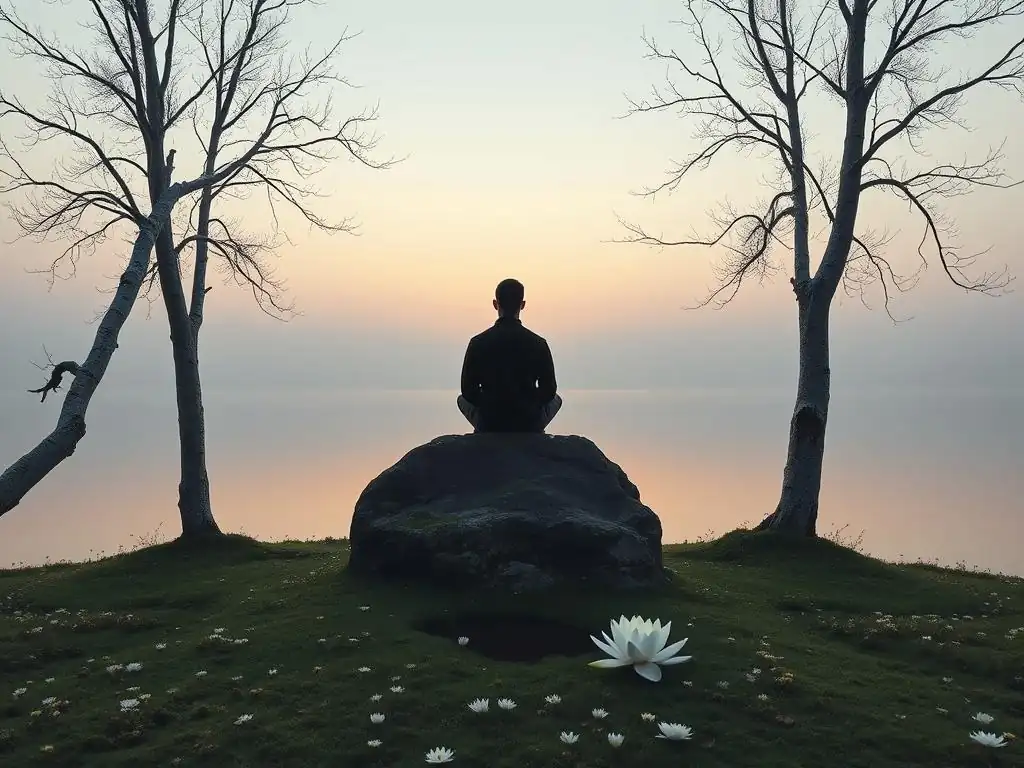
Spending time in nature has a remarkable restorative effect on mental wellbeing. Exposure to natural environments has been shown to reduce stress hormones like cortisol, lower blood pressure, and improve mood. The sights, sounds, and smells of nature can evoke feelings of calm and peace, providing a welcome respite from the demands of modern life. Integrating nature into your routine is a simple yet powerful element of a holistic mental wellbeing practices guide.
Ecotherapy and its Benefits
Ecotherapy, or nature therapy, is a formal approach that utilizes outdoor activities in nature to improve mental and physical health. This can include gardening, hiking, forest bathing (shinrin-yoku), or animal-assisted therapy. Studies suggest ecotherapy can be effective in reducing symptoms of depression, anxiety, and PTSD. It provides opportunities for physical activity, social connection (in group settings), and a sense of connection to something larger than oneself, all contributing to a comprehensive holistic mental wellbeing practices guide.
Connecting with Nature Daily
You don't need to live near a forest to benefit from nature. Simple daily interactions can make a difference. Open your windows to let in fresh air and natural sounds. Keep plants in your home or office. Take short walks in a local park or simply sit outside and observe the natural world around you. Even viewing images of nature can have a positive impact on mood. Making a conscious effort to connect with the natural world, however briefly, can be a grounding and uplifting practice within your holistic mental wellbeing routine.
Creative Expression as a Therapeutic Tool
Engaging in creative activities provides a powerful outlet for processing emotions, reducing stress, and fostering self-discovery. You don't need to be an artist to benefit; the focus is on the process, not the product. Creative expression can include painting, drawing, sculpting, writing, playing music, dancing, or any activity that allows you to express yourself non-verbally. Incorporating creative outlets is a valuable component of a holistic mental wellbeing practices guide.
Art Therapy Techniques
Art therapy is a form of psychotherapy that uses creative media to help clients explore their feelings, reconcile emotional conflicts, and improve self-awareness. Guided art therapy techniques might involve drawing your current mood, sculpting a feeling, or creating a collage representing your future hopes. These techniques can help individuals express emotions that are difficult to put into words, gain new perspectives on challenges, and reduce anxiety. While formal art therapy is led by a trained professional, many art-based exercises can be explored independently as part of a holistic mental wellbeing practices guide.
Journaling for Emotional Release
Journaling is a widely accessible and effective form of creative expression for mental wellbeing. It involves writing down your thoughts, feelings, and experiences. This can help clarify your thinking, process difficult emotions, identify patterns, and track your mood over time. There are many ways to journal, from free-form stream-of-consciousness writing to using prompts or gratitude lists. Regular journaling, even just for 10-15 minutes a day, can provide a safe space for emotional release and reflection, making it a cornerstone practice in a holistic mental wellbeing practices guide.
Integrating Holistic Practices into Daily Life
Creating a Personalized Holistic Wellness Plan
Developing a personalized holistic wellness plan is essential for successfully integrating these practices into your life. Start by assessing your current wellbeing across the mind, body, and spirit dimensions. Identify areas where you feel strong and areas where you'd like to focus your energy. Based on this assessment and the techniques described in this holistic mental wellbeing practices guide, choose 1-3 practices to begin with that resonate with you and feel manageable. Avoid trying to do too much at once, which can lead to overwhelm.
Your plan should be realistic and flexible. Consider your daily schedule, energy levels, and personal preferences. For example, if mornings are hectic, perhaps schedule meditation for the evening. If you dislike formal exercise, find active hobbies you enjoy. Write down your chosen practices and when you plan to do them. Having a tangible plan increases the likelihood of sticking with your new habits and makes the journey towards holistic mental wellbeing more structured.
Setting Realistic Goals and Expectations
Setting realistic goals is crucial for maintaining motivation and avoiding discouragement when adopting a holistic mental wellbeing practices guide. Instead of aiming for perfection, focus on consistency and progress. For instance, instead of saying "I will meditate for an hour every day," start with "I will try to meditate for 5 minutes, three times a week." Celebrate small victories, like completing a week of your chosen practice, rather than only focusing on long-term outcomes.
Understand that progress isn't always linear. There will be days when you miss a practice or feel less motivated, and that's okay. Treat these moments with self-compassion and simply return to your plan the next day. Managing expectations also means recognizing that holistic practices are not a quick fix but a journey of ongoing growth and self-discovery. Patience and persistence are key to building sustainable habits for holistic mental wellbeing.
Overcoming Challenges and Maintaining Consistency
Integrating new habits can present challenges, such as lack of time, motivation, or feeling like the practices aren't working immediately. To overcome these, try scheduling your practices like appointments, making them a non-negotiable part of your day. Find an accountability partner or join a group related to your chosen practice for support. Revisit your initial motivation – why did you start this holistic mental wellbeing practices guide journey? Reminding yourself of your 'why' can reignite your commitment.
If a particular practice feels like a chore, it might not be the right fit for you right now. Be open to adjusting your plan and trying different techniques. Consistency is more important than intensity, especially in the beginning. Aim for small, regular engagements with your practices rather than sporadic long sessions. Building routine, seeking support, and remaining flexible are vital for maintaining consistency on your path to holistic mental wellbeing.
The Role of Professional Guidance in Holistic Mental Health
When to Seek Professional Help
While a holistic mental wellbeing practices guide offers powerful tools for self-care, it's important to recognize when professional support is needed. If you are experiencing persistent feelings of sadness, anxiety, hopelessness, or intrusive thoughts that interfere with daily life, reaching out to a mental health professional is a sign of strength, not weakness. Other indicators include difficulty functioning at work or home, significant changes in sleep or appetite, withdrawal from social activities, or thoughts of self-harm.
A professional can provide diagnosis, evidence-based therapies (like CBT or DBT), and potentially medication if appropriate. They can also help you navigate complex emotions and challenges that may be difficult to address solely through self-guided practices. Integrating professional support with a holistic approach can provide a comprehensive and effective path towards healing and long-term wellbeing.
Finding a Holistic Therapist or Practitioner
If you are interested in professional guidance that aligns with a holistic mental wellbeing practices guide philosophy, look for therapists or practitioners who incorporate mind-body techniques, mindfulness, or have an interest in the spiritual dimension of health. Some professionals specialize in areas like somatic experiencing, yoga therapy, or integrative mental health. Directories of therapists often allow filtering by specialization or approach.
When searching, consider their credentials, experience, and approach to therapy. It's important to find a practitioner with whom you feel comfortable and safe. Don't hesitate to schedule initial consultations to see if the fit feels right. A skilled holistic practitioner can help you integrate various therapeutic modalities and self-care practices into a cohesive plan tailored to your specific needs.
Combining Traditional Therapy with Holistic Approaches
Combining traditional talk therapy (like cognitive-behavioral therapy or psychotherapy) with holistic approaches can create a powerful synergy for mental health. Traditional therapy provides a structured space to process trauma, challenge negative thought patterns, and develop coping skills. Integrating practices from a holistic mental wellbeing practices guide, such as mindfulness, yoga, or nutrition adjustments, can complement this work by addressing the physical and energetic components of distress, reducing stress, and building resilience outside of the therapy room.
For example, someone working through anxiety in therapy might also incorporate daily mindfulness meditation to manage anxious thoughts in the moment, use yoga to release physical tension, and focus on nutrition to support nervous system health. This integrated approach acknowledges that healing happens on multiple levels and empowers individuals with a wider range of tools for managing their mental health effectively.
Advanced Holistic Techniques for Deeper Exploration

Exploring Energy Healing Modalities
Energy healing modalities are practices that work with the body's subtle energy systems to promote balance and healing. These techniques are often explored as part of a deeper dive into a holistic mental wellbeing practices guide, though scientific understanding of their mechanisms is still evolving. They are typically used as complementary practices alongside conventional medical or psychological treatment.
Reiki and its benefits
Reiki is a Japanese technique based on the principle that a practitioner can channel energy through touch, activating the natural healing processes of the patient's body and restoring physical and emotional wellbeing. Recipients often report feeling deeply relaxed, experiencing reduced stress and anxiety, and sometimes relief from physical discomfort. While not a substitute for medical care, many find Reiki to be a calming and supportive practice for mental and emotional balance.
Acupuncture and acupressure for mental wellbeing
Acupuncture, a practice rooted in traditional Chinese medicine, involves inserting thin needles into specific points on the body to balance energy flow (Qi). Acupressure uses finger pressure on these same points. These techniques are often used to treat conditions like anxiety, depression, and insomnia. The theory is that stimulating these points can influence the nervous system, release endorphins, and regulate stress hormones, contributing to mental and emotional balance, making them relevant to a comprehensive holistic mental wellbeing practices guide.
The Power of Sound Healing
Sound healing uses vibrations and frequencies to promote relaxation and healing. This can involve various instruments like singing bowls, gongs, or tuning forks, as well as vocal toning or listening to specific types of music. The principle is that sound vibrations can impact brainwaves, induce meditative states, and release tension in the body. Exploring sound is another avenue within advanced holistic mental wellbeing practices.
Sound baths and their therapeutic effects
A sound bath is a meditative experience where participants lie down while a practitioner plays various instruments, immersing them in sound vibrations. People often report feeling deeply relaxed, experiencing reduced stress, and achieving a state of mental clarity during and after a sound bath. The resonant frequencies are thought to help calm the nervous system and facilitate a meditative state, supporting emotional release and mental peace.
Using music to enhance mental wellbeing
Music has a profound and well-documented impact on mood and emotions. Listening to calming music can reduce anxiety and stress, while upbeat music can lift mood and increase energy. Creating music, whether by playing an instrument or singing, can be a powerful form of emotional expression and stress relief. Incorporating music intentionally into your day, whether for relaxation, focus, or emotional processing, is an accessible and enjoyable part of a holistic mental wellbeing practices guide.
Measuring Progress and Maintaining a Holistic Lifestyle
Tracking your wellbeing journey
Tracking your progress is a helpful way to stay motivated and understand the impact of your holistic mental wellbeing practices. This doesn't need to be complicated. You can use a journal, a simple spreadsheet, or a wellbeing app. Note down which practices you engaged in each day, how long you spent, and how you felt before and after. Track your mood, energy levels, sleep quality, and stress levels over time.
Looking back at your entries can reveal patterns and show you which practices are most beneficial for you. Seeing tangible evidence of improvement, even small shifts, can reinforce your commitment and help you stay consistent. It also provides valuable information you can share with a therapist or practitioner if you are working with one.
Adjusting your practices as needed
A holistic approach to wellbeing is dynamic, not static. Your needs and circumstances will change over time, and your practices should evolve with you. What felt right initially might become less effective or less enjoyable. Be open to adjusting your plan as needed. If daily meditation feels too challenging, try meditating for shorter periods or switching to a walking meditation. If a particular exercise routine is no longer working, explore a new form of movement.
Regularly review your progress tracking and how you feel overall. Are your current practices supporting your goals? Are they still enjoyable? Don't be afraid to experiment and try new things from this holistic mental wellbeing practices guide or other resources. Flexibility is key to maintaining a sustainable and effective holistic lifestyle in the long term.
Fostering a long-term commitment to holistic wellbeing
Fostering a long-term commitment to holistic wellbeing involves cultivating self-compassion, patience, and resilience. Understand that setbacks are a normal part of the journey. There will be times when life gets busy, and your practices fall by the wayside. Instead of self-criticism, acknowledge the challenge and gently recommit when you can. Remind yourself why you started this journey – the desire for greater peace, energy, and overall flourishing.
Build a support system by sharing your goals with friends or family, or joining a community of like-minded individuals. Celebrate your successes, no matter how small. View your holistic practices not as chores, but as acts of self-care and investments in your future wellbeing. By embedding these practices into your routine and mindset, you cultivate a sustainable lifestyle that supports your mental, physical, and spiritual health for years to come.
Conclusion: Embracing a Holistic Path to Mental Wellbeing
Frequently Asked Questions
What does a holistic approach to mental wellbeing actually mean?
It means addressing mental health by considering the interconnectedness of mind, body, and spirit. Instead of focusing solely on symptoms, it emphasizes overall wellness and balance.
How does this "holistic mental wellbeing practices guide" differ from traditional mental health treatments?
Traditional treatments often focus primarily on symptom management through medication or therapy. This guide incorporates practices that nurture the whole person, including lifestyle factors and spiritual connection.
What are some examples of holistic practices that this guide might cover?
Examples include mindfulness meditation, yoga, spending time in nature, and practicing gratitude. These practices aim to promote emotional regulation and reduce stress by impacting multiple facets of your being.
How can I implement these holistic practices into my daily routine if I have a busy schedule?
Start small by integrating brief moments of mindfulness into your day, like mindful breathing. Gradually incorporate other practices as you can, prioritizing those that resonate most with your personal needs and preferences.
Is this "Holistic mental wellbeing practices guide" a substitute for professional mental health care?
No, this guide is not a substitute for professional help. It's a complementary resource to support your mental wellbeing alongside professional treatment if needed, but always consult a doctor for diagnosis and treatment.
Final Reflection: Weaving the Tapestry of Wellbeing
The pursuit of holistic wellbeing is no longer a niche concept; it's a vital necessity in our increasingly fragmented world. The interconnectedness of mind, body, and spirit, explored throughout this guide, is not merely a philosophical ideal, but a practical pathway to navigating the complexities of modern life and cultivating genuine, lasting happiness. Ignoring any one of these aspects leaves us vulnerable to imbalance and suffering, a truth increasingly recognized by individuals and professionals alike.
The journey towards holistic wellbeing is a deeply personal one, a continuous process of self-discovery and growth. It's a journey I've undertaken myself, and one that has profoundly shaped my understanding of what it truly means to thrive. The impact of integrating mindful practices, physical movement, and spiritual connection is undeniable, fostering resilience, clarity, and a deeper sense of purpose. As the poet Mary Oliver so eloquently stated: Tell me, what is it you plan to do with your one wild and precious life?
This question, central to a holistic approach, compels us to actively shape our wellbeing, rather than passively accepting whatever life throws our way.
Now, consider your own life. What practices resonate most deeply with you? What small steps can you take today to nurture your mind, body, and spirit? Perhaps it's a five-minute meditation, a brisk walk in nature, or simply taking a moment to appreciate the beauty around you. Embrace the journey, celebrate the small victories, and remember that the path to holistic wellbeing is a continuous unfolding, a beautiful tapestry woven with intention, self-compassion, and a commitment to living a life rich in meaning and purpose. Begin weaving your own today.
Unlock Your Inner Harmony: Start Your Holistic Journey Today!
Thanks for taking the time to explore the power of a holistic approach to well-being! We hope you've gained valuable insights into nurturing your mind, body, and spirit. Now it's time to put this knowledge into action.
- Begin your personalized holistic practice: Start with just one small change – whether it's a 5-minute meditation, a mindful walk, or incorporating a new healthy recipe into your diet. Small steps lead to significant progress!
- Share your journey: Connect with our community on social media and inspire others to prioritize their holistic well-being. Let's create a supportive network together!
- Explore additional resources: Dive deeper into specific areas that resonate with you – from yoga and mindfulness techniques to nutritional guidance. Our website offers a wealth of information to guide your path.
What small step will you take today to integrate a more holistic approach into your life?