
The Practice of Presence: A Spiritual Core in Mindfulness


Welcome to Mind Care Guide, your sanctuary for nurturing inner peace and understanding. Feeling overwhelmed by the constant demands of life? Discover how cultivating mindfulness and presence can unlock profound mental health benefits. This exploration of the spiritual core within mindfulness is just the beginning – let's embark on a journey towards greater well-being, together. What if the key to lasting happiness is simply being present? Dive in to uncover the answers...
Cultivating Presence: A Path to Mindfulness and Well-being
- Understanding Mindfulness and Presence
- The Significance of Presence in Mindfulness Practice
- Mental and Emotional Benefits of Presence Through Mindfulness
- Practical Exercises for Cultivating Presence
- Overcoming Obstacles to Presence
- Integrating Presence into Daily Life
- The Potential of Mindfulness and Presence
-
Frequently Asked Questions
- How does practicing presence, as a spiritual core in mindfulness, contribute to mental well-being?
- What are some practical techniques to cultivate presence in daily life, according to the article?
- What are the specific mental health benefits associated with cultivating mindfulness presence?
- How does the article define "presence" in the context of mindfulness and its spiritual core?
- How can someone access resources and support related to mindfulness and mental well-being through "Mind Care Guide"?
- Final Reflection: Cultivating Presence for a Flourishing Life
- Unlock Your Inner Peace: Start Practicing Presence Today
Understanding Mindfulness and Presence
Defining Mindfulness: Paying Attention Intentionally
Mindfulness is often defined as paying attention, on purpose, to the present moment, without judgment. This simple definition belies a profound practice that has roots in ancient contemplative traditions but has gained significant traction in modern psychology and healthcare. It involves consciously bringing one's awareness to internal and external experiences occurring in the here and now, whether that's the sensation of breathing, the sounds around you, or the thoughts and emotions passing through your mind. The intentional aspect is key; it's not passive observation but an active, deliberate choice to focus one's attention.
The scientific study of mindfulness has exploded in recent decades. For instance, research publications on mindfulness listed in major databases like PubMed have increased dramatically, rising from just a handful in the early 2000s to thousands annually today. This surge reflects growing evidence supporting its efficacy across various domains, from clinical applications for anxiety and depression to enhancing performance and well-being in everyday life. The core skill being honed in mindfulness practice is this ability to direct and sustain attention, noticing where the mind wanders and gently bringing it back without self-criticism.
Defining Presence: Fully Engaging with the Moment
Presence, in the context of well-being and spirituality, refers to a state of being fully engaged with the current reality. It's about inhabiting the moment completely, bringing one's full awareness, energy, and attention to whatever is happening, internally and externally. This isn't just about what you are noticing (as in mindfulness's intentional attention), but how deeply you are inhabiting that awareness. Presence implies a quality of being fully there, open and receptive to the richness of immediate experience.
Think of a conversation where you are truly present: you are not formulating your next response while the other person is speaking, nor are you replaying a past argument. Instead, you are fully listening, observing their expressions, feeling the atmosphere of the interaction. This depth of engagement is presence. It's a state that contrasts sharply with living on autopilot, where our minds are often elsewhere – rehashing the past, worrying about the future, or getting lost in distractions. Cultivating presence is about anchoring oneself firmly in the now, allowing for a more authentic and connected experience of life.
The Interconnection: Mindfulness, Presence, and Well-being
Mindfulness and presence are deeply intertwined, forming a powerful synergy for enhancing well-being. Mindfulness can be seen as the practice or the means – the intentional training of attention to the present moment. Presence can be viewed as the state or the outcome – the natural result of consistent mindfulness practice, a deeper quality of being fully engaged and available in the here and now. While mindfulness teaches you how to pay attention, presence is the experience of that attention fully landing and residing in the moment.
The cultivation of this mindfulness presence mental health benefits is significant. Regular practice helps to interrupt the automatic pilot mode that often fuels stress and anxiety. By becoming more present, individuals can observe their thoughts and emotions without getting swept away by them, leading to greater emotional regulation.
A study published in the Journal of Consulting and Clinical Psychology found that mindfulness-based interventions significantly reduced symptoms of anxiety and depression, highlighting the direct link between cultivating present-moment awareness and improved mental health outcomes. This connection underscores why fostering presence through mindfulness is a cornerstone of many therapeutic approaches and personal growth paths.
The Significance of Presence in Mindfulness Practice
Beyond Technique: Finding Deeper Meaning in Mindfulness
While mindfulness techniques like breath awareness or body scans are valuable tools, the true transformative power lies in cultivating a state of presence that extends beyond formal practice sessions. Simply going through the motions of a meditation technique without genuine engagement in the present moment limits its potential. Presence infuses the technique with life, turning a mechanical exercise into a profound exploration of one's inner and outer landscape. It is the spirit behind the form of mindfulness, guiding practitioners toward deeper insights and a more connected experience of life.
This deeper meaning emerges as presence allows individuals to encounter their experiences – pleasant, unpleasant, or neutral – with greater openness and acceptance. Instead of using mindfulness as a tool to fix or escape difficult feelings, presence encourages sitting with them. This capacity for non-judgmental awareness of difficult emotions, a core aspect of presence, is strongly linked to psychological flexibility and resilience. Research on Acceptance and Commitment Therapy (ACT), which incorporates mindfulness and acceptance principles, shows significant effectiveness in treating conditions like chronic pain and depression by fostering this willingness to be present with discomfort.
Presence as a Catalyst for Connection and Understanding
Presence is not only about connecting with oneself but also profoundly impacts our connection with others and the world around us. When we are truly present in interactions, we listen more deeply, communicate more authentically, and respond with greater empathy. This creates a fertile ground for genuine understanding and strengthens relationships. Think about a time you felt truly heard and seen by another person; chances are, they were fully present with you in that moment.
Furthermore, presence fosters a deeper connection with the environment and the activities we engage in. Eating mindfully, for example, isn't just about paying attention to taste and texture; it's about being fully present with the act of nourishment. This enhanced connection can transform mundane tasks into opportunities for awareness and appreciation. Studies on the effects of mindfulness on social interactions have shown improvements in relationship quality and reduced feelings of loneliness, suggesting that cultivating presence helps bridge the gap between self and other, fostering a sense of belonging and shared humanity.
Integrating Presence for Enhanced Well-being and Awareness
Integrating presence into daily life goes beyond scheduled meditation and extends to every moment, from washing dishes to commuting to work. This continuous cultivation of presence amplifies the mental health benefits associated with mindfulness. It helps dismantle the habit of mind-wandering, which studies indicate can occupy up to 47% of our waking hours and is often linked to unhappiness. By consistently bringing awareness back to the present, we train the mind to be less reactive and more responsive.
The cumulative effect of integrating presence is a heightened state of awareness throughout the day. This includes increased self-awareness – a clearer understanding of our thoughts, emotions, and physical sensations – as well as greater awareness of our surroundings and interactions. This enhanced awareness is foundational for making conscious choices aligned with our values, rather than reacting habitually.
For example, someone practicing presence might notice the urge to react angrily in a stressful situation but, because of their present moment awareness, can choose a more skillful response. This subtle shift, practiced consistently, significantly contributes to overall psychological resilience and a deeper sense of peace.
Mental and Emotional Benefits of Presence Through Mindfulness
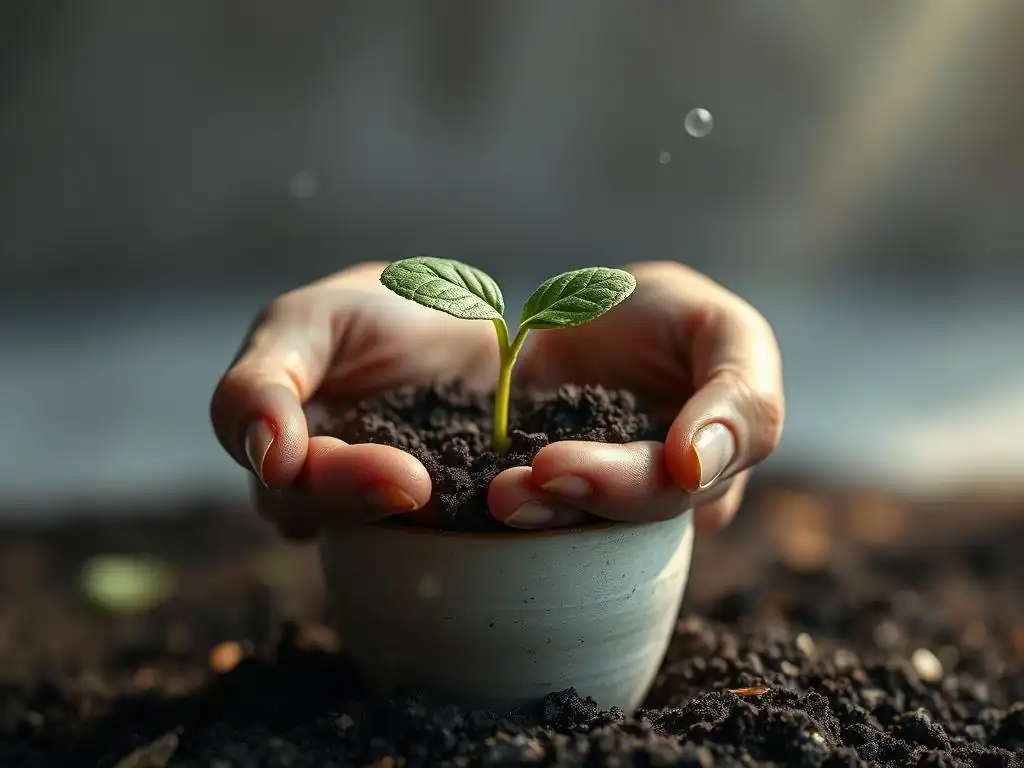
Cultivating Presence: Practical Techniques for Daily Life
Cultivating presence is an ongoing practice, not a destination. It involves intentionally bringing your attention back to the present moment throughout the day, using various anchors. The breath is perhaps the most accessible anchor, always available.
Simply pausing for a few moments to notice the sensation of inhaling and exhaling can ground you firmly in the now. Another simple technique is sensory awareness: deliberately noticing five things you can see, four things you can touch, three things you can hear, two things you can smell, and one thing you can taste. This exercise, often used to manage anxiety, pulls your awareness out of your head and into the immediate physical reality.
Incorporating short "mindful moments" into daily routines is also highly effective. This could be mindfully brushing your teeth, paying attention to the sensations and actions; mindfully walking to your car, noticing the feeling of your feet on the ground; or mindfully drinking a cup of tea, savoring the warmth and flavor. These brief but intentional pauses train the mind to be present even amidst activity. Consistency is more important than duration; even one-minute practices several times a day can gradually strengthen your capacity for presence.
The Mental Health Advantages of Present Moment Awareness
Present moment awareness, cultivated through mindfulness, offers significant mental health advantages. By anchoring attention in the now, individuals become less susceptible to the mental rumination on past events or anxious anticipation of future possibilities that often fuel psychological distress. This deliberate focus helps to interrupt cycles of negative thinking and worry.
Studies consistently demonstrate the positive impact of mindfulness presence mental health benefits. For instance, research shows that regular mindfulness practice can lead to measurable changes in brain structure and function, particularly in areas associated with attention regulation, emotion processing, and self-awareness, such as the prefrontal cortex and the amygdala. This neurobiological evidence supports the subjective reports of reduced stress and improved emotional well-being experienced by practitioners.
Reduced Anxiety and Stress Through Focused Attention
One of the most widely recognized benefits of mindfulness presence is its capacity to reduce anxiety and stress. By training the mind to focus on the present moment, individuals learn to observe anxious thoughts and stressful feelings without identifying with them or getting swept away. Instead of becoming consumed by "what ifs" about the future or regrets about the past, focused attention brings awareness back to the current reality, which is often less threatening than the scenarios our minds construct.
Meta-analyses of numerous studies, like one published in JAMA Internal Medicine reviewing over 47 trials, have concluded that mindfulness meditation programs can lead to moderate improvements in anxiety and depression symptoms. While not a cure-all, the ability to notice anxious thoughts as simply thoughts, rather than absolute truths, empowers individuals to respond with greater calm and clarity. This skill of non-reactive observation, honed through present moment focus, is a cornerstone of stress reduction.
Improved Emotional Regulation Through Observational Awareness
Presence through mindfulness significantly enhances emotional regulation. Rather than reacting impulsively to emotions, present moment awareness allows individuals to pause and observe their feelings with curiosity and non-judgment. This observational awareness creates space between the emotion and the reaction, enabling a more deliberate and skillful response. For example, instead of immediately lashing out when angry, someone practicing presence might notice the physical sensations of anger (heat, tension) and the accompanying thoughts, allowing the intensity to subside before responding.
This capacity to observe emotions without judgment is crucial. It helps dismantle the secondary suffering that often arises from resisting or judging our feelings ("I shouldn't feel this way," "This is unbearable"). By accepting emotions as temporary states, practitioners reduce their power. Research indicates that mindfulness training improves the ability to tolerate distress and reduces emotional reactivity, leading to more stable mood states and greater psychological resilience in the face of life's challenges.
Enhanced Focus and Concentration Through Present Moment Engagement
In an age of constant digital distraction, the ability to focus and concentrate is increasingly valuable for mental well-being and productivity. Cultivating presence directly addresses this challenge by training the mind to stay engaged with the task at hand. When we are fully present with an activity, our attention is less likely to wander, leading to improved concentration and efficiency.
Regular practice of present moment engagement strengthens the neural pathways associated with attention control. Studies using cognitive tests have shown that individuals who practice mindfulness often demonstrate improved performance on tasks requiring sustained attention and working memory compared to control groups. For students, this can translate to better academic performance; for professionals, increased productivity and reduced errors. This enhanced focus not only boosts performance but also reduces the stress associated with feeling scattered and overwhelmed.
Benefits of Presence: Inner Peace and Connection
Beyond managing difficult states like anxiety and stress, cultivating presence unlocks deeper benefits related to inner peace and connection. By consistently choosing to inhabit the present moment, individuals tap into a sense of calm and stability that is not dependent on external circumstances. This inner peace arises from accepting what is, rather than constantly striving for what isn't.
Furthermore, presence fosters a profound sense of connection – connection with oneself, with others, and with the broader world. It encourages a shift from a state of isolation or separation to one of interconnectedness. This sense of belonging and understanding is vital for psychological health and contributes significantly to overall life satisfaction.
Increased Self-Awareness and Understanding
Presence is a direct path to increased self-awareness. By regularly turning attention inward to observe thoughts, emotions, and bodily sensations without judgment, individuals gain a clearer understanding of their inner landscape. They begin to notice patterns of thinking, habitual emotional responses, and physical tension held in the body. This non-judgmental observation provides valuable insights into one's own reactions and motivations.
This enhanced self-awareness is foundational for personal growth. It allows individuals to recognize when they are caught in negative thought loops or reacting from old wounds, providing the opportunity to choose a different response. Gaining a deeper understanding of oneself through presence fosters a more authentic relationship with inner experiences, leading to greater self-acceptance and a stronger sense of identity.
Cultivating Compassion and Empathy
Presence naturally cultivates compassion and empathy, both for oneself and for others. As self-awareness grows, individuals become more attuned to their own suffering and vulnerabilities. Sitting with these experiences with presence and acceptance fosters self-compassion – a gentle, understanding attitude towards oneself, especially in times of difficulty.
Extending this cultivated presence outward enhances empathy. By being fully present with another person, we are better able to listen deeply, perceive their emotional state, and connect with their experience. This isn't about adopting their feelings but about being open and receptive to their reality. Research suggests that mindfulness practices can increase activity in brain regions associated with empathy and compassionate responses. This ability to connect authentically with the experiences of others strengthens social bonds and contributes to a more compassionate and understanding world.
Practical Exercises for Cultivating Presence
Cultivating presence is a skill that develops with practice. Here are several practical exercises that can help anchor you in the present moment:
Breath Awareness: Anchoring in the Present
Breath awareness is one of the most fundamental mindfulness practices.
- Find a comfortable seated position.
- Close your eyes gently or soften your gaze.
- Bring your attention to the physical sensation of your breath entering and leaving your body.
- Notice the rise and fall of your abdomen or chest, the air moving through your nostrils or mouth.
- Simply observe the breath without trying to change it. It is your anchor to the present moment.
- When your mind wanders (which it will), simply notice where it went and gently guide your attention back to the sensation of breathing.
Practicing breath awareness for even a few minutes daily can significantly enhance your capacity for presence throughout the day. It provides an immediate tool to return to the present whenever you feel scattered or overwhelmed.
Body Scan Meditation: Connecting with Physical Sensations
A body scan meditation involves systematically bringing your awareness to different parts of your body, noticing any sensations present.
- Lie down on your back or sit comfortably with your feet flat on the floor.
- Close your eyes or soften your gaze.
- Bring your attention to your feet. Notice any sensations – warmth, tingling, pressure.
- Slowly move your attention up your body: ankles, lower legs, knees, thighs, hips.
- Continue upwards, scanning your torso, back, shoulders, arms, hands, neck, and finally your head and face.
- Simply observe sensations without judgment or trying to change them.
- If you notice tension, simply acknowledge it with kindness.
This practice trains your mind to ground itself in physical reality, offering a powerful counterpoint to getting lost in thoughts. It increases interoceptive awareness – the ability to notice internal bodily cues – which is linked to emotional regulation.
Mindful Walking: Experiencing the Senses in Motion
Mindful walking transforms a mundane activity into an opportunity for presence.
- Find a place where you can walk undisturbed for 10-15 minutes.
- Begin walking at a natural pace.
- Bring your attention to the physical sensations of walking: the feeling of your feet touching the ground, the movement of your legs, the swing of your arms.
- Expand your awareness to include other senses: the sounds around you, the feel of the air on your skin, the sights you pass.
- If your mind starts planning, worrying, or drifting, gently notice it and bring your attention back to the sensations of walking and your surroundings.
Mindful walking helps integrate presence into movement, demonstrating that mindfulness presence mental health benefits can be accessed even when active. It makes everyday transitions or commutes opportunities for practice.
Sensory Awareness: Engaging with the Present Through Senses
Engaging your senses is a quick and effective way to drop into the present moment.
- Pause for a moment wherever you are.
- Notice three things you can hear right now.
- Notice three things you can see.
- Notice three things you can feel (e.g., the chair beneath you, your clothes on your skin, the temperature of the air).
- Repeat with two things for each sense, then one thing.
- You can also focus on one sense at a time, like really listening to a piece of music or truly tasting your food.
This exercise anchors your awareness in the immediate sensory input available, pulling you out of mental narratives and into direct experience. It's a versatile tool usable in almost any situation.
Overcoming Obstacles to Presence

Cultivating presence isn't always easy; obstacles like distractions, difficult emotions, and self-criticism are common. Recognizing these hurdles is the first step in navigating them with greater skill.
Managing Distractions and Wandering Thoughts
The mind's tendency to wander is perhaps the most common obstacle to presence. It's important to understand that a wandering mind is not a sign of failure; it's simply what minds do. The practice isn't about stopping thoughts, but about noticing when they arise and gently returning attention to the chosen anchor (like the breath or body).
Think of it like training a puppy: when it wanders off, you gently lead it back, not scold it. Each time you notice your mind has drifted and you bring it back to the present, you are strengthening the "muscle" of attention. Short, frequent moments of practice can be more effective than long, infrequent ones for building this capacity to manage distractions. The key is patience and persistence, acknowledging the distraction without judgment and simply redirecting focus.
Difficult emotions are another significant challenge to presence. Our natural inclination is often to avoid, suppress, or get overwhelmed by unpleasant feelings like sadness, anger, or fear. However, resisting emotions often gives them more power. Presence offers an alternative: meeting difficult emotions with acceptance and curiosity.
This involves allowing the emotion to be present without trying to push it away. It's about noticing the physical sensations and thoughts associated with the emotion, acknowledging it by name ("There is sadness," "This is frustration"), and understanding that emotions are temporary states that will pass. This non-judgmental acceptance, fostered through present moment awareness, reduces the struggle with the emotion, making it less intense and more manageable.
The Role of Self-Compassion
Self-compassion is a vital component in overcoming obstacles to presence. When the mind wanders, when difficult emotions arise, or when practice feels challenging, it's easy to fall into self-criticism ("I'm bad at this," "I should be more focused"). Self-compassion involves treating ourselves with the same kindness, understanding, and acceptance we would offer a friend facing similar difficulties.
Practicing self-compassion means acknowledging the struggle without judgment, recognizing that imperfection and difficulty are part of the human experience. It involves offering oneself comfort and soothing, rather than harsh criticism. Integrating self-compassion into mindfulness presence mental health benefits practice helps create a safe inner space to explore challenging experiences, making it easier to return to presence without the added burden of self-recrimination.
Integrating Presence into Daily Life
Formal meditation practice builds the foundation, but the true power of presence unfolds when it is integrated into the fabric of daily life. This means bringing mindful awareness to everyday activities and interactions.
Presence in Relationships: Active Listening and Empathy
Bringing presence into relationships involves truly being with the other person. This manifests most clearly in active listening, where you are fully focused on what the other person is saying, both verbally and non-verbally, without planning your response or getting distracted by your own thoughts. It's about creating a space for the other person to feel heard and seen.
- Task List: Practicing Presence in Conversation
- [ ] Put away distractions (phone, etc. ).
- [ ] Make eye contact.
- [ ] Listen with the intention to understand, not just to reply.
- [ ] Notice the other person's tone of voice and body language.
- [ ] Be aware of your own reactions (thoughts, feelings) without letting them hijack your attention from the speaker.
- [ ] Pause before responding.
This quality of presence fosters deeper connection and cultivates empathy. When we are fully present, we are more open to understanding the other person's perspective and emotional state, strengthening bonds and resolving conflicts more skillfully.
Presence at Work: Focused Productivity and Reduced Stress
Integrating presence into the workplace can significantly enhance focus, productivity, and reduce stress. Instead of multitasking or rushing through tasks, presence encourages bringing focused attention to one thing at a time. This might involve being fully present during a meeting, focusing solely on the conversation and agenda, or tackling a project by dedicating your full attention to the current step.
Mindful work practices can involve taking short breaks to simply notice your breath or stretch mindfully. It can also mean approaching challenging tasks with an attitude of acceptance, being present with feelings of frustration or pressure without letting them overwhelm you. Studies on workplace mindfulness programs have shown benefits such as decreased burnout rates and improved job satisfaction. For example, some corporate programs have reported reductions in stress-related absenteeism by fostering greater present-moment awareness among employees.
Mindful Consumption: Awareness of Choices and Impact
Mindful consumption involves bringing presence to our choices as consumers and the impact they have. This goes beyond simply eating mindfully; it extends to how we use resources, what products we buy, and the waste we generate. It's about being aware of the entire cycle, from production to disposal, and the ethical and environmental implications of our actions.
By cultivating presence in our consumption habits, we become more conscious and intentional. This might involve pausing before making a purchase to consider if it's truly needed, where it came from, and where it will go. It can also mean mindfully appreciating what we already have. This practice connects us to a larger system and encourages choices that align with our values, fostering a sense of responsibility and connection to the wider world.
The Potential of Mindfulness and Presence
The cultivation of mindfulness and presence holds immense potential for individual and collective well-being. It is a path that leads not only to reduced suffering but also to greater clarity, connection, and fulfillment.
The Growing Importance of Mindfulness and Presence
In our increasingly fast-paced, digitally-driven world, the ability to be present is becoming ever more critical. The constant barrage of information and demands on our attention makes mind-wandering and feeling overwhelmed commonplace. Mindfulness and presence offer a powerful antidote, providing tools to navigate this complexity with greater calm and intentionality. The widespread adoption of mindfulness practices in schools, workplaces, and healthcare settings reflects a growing recognition of their value in fostering resilience and mental well-being in modern life.
The scientific community continues to explore the depth and breadth of mindfulness presence mental health benefits, with research expanding into areas like addiction recovery, chronic pain management, and even leadership development. As the evidence base grows, so too does the understanding of how fundamental present-moment awareness is to human flourishing.
A Path to Holistic Well-being
Cultivating presence through mindfulness offers a path towards holistic well-being, addressing not just the absence of illness but the presence of vitality, meaning, and connection. It impacts our mental, emotional, physical, and even spiritual health.
- Mental: Improved focus, reduced rumination, greater cognitive flexibility.
- Emotional: Enhanced regulation, increased resilience, greater self-compassion.
"Mindfulness is not about clearing the mind; it's about being present with whatever is here."
- Physical: Reduced stress-related physical symptoms, improved sleep, potential positive impact on chronic conditions (often mediated by stress reduction).
- Spiritual: Deeper connection to oneself, others, and the present moment, fostering a sense of awe, gratitude, and interconnectedness.
This integrated approach recognizes that true well-being arises from attending to all dimensions of human experience, and presence is a thread that weaves them together.
Future Applications of Mindfulness and Presence in Daily Life
The potential applications of mindfulness and presence in daily life are vast and continually expanding. Beyond formal meditation, we can anticipate seeing more integration in areas like technology design (creating less distracting interfaces), education (teaching presence skills to children and adolescents), and community building (fostering mindful communication and empathy).
Imagine healthcare settings where patients are guided to be present with their healing process, or workplaces where mindful breaks are standard practice. As understanding of the mindfulness presence mental health benefits deepens, these practices are likely to become even more embedded in how we live, work, and interact, creating a more mindful and compassionate society one present moment at a time.
Frequently Asked Questions
How does practicing presence, as a spiritual core in mindfulness, contribute to mental well-being?
Practicing presence cultivates a heightened awareness of the current moment, reducing rumination on the past or anxiety about the future. This focus allows for a deeper appreciation of life and greater emotional regulation, contributing significantly to mental well-being. It helps in reducing stress.
What are some practical techniques to cultivate presence in daily life, according to the article?
The article likely suggests techniques such as mindful breathing exercises, focusing on sensory experiences like taste or touch, and engaging fully in daily activities like walking or eating. These practices help anchor attention to the present reality.
What are the specific mental health benefits associated with cultivating mindfulness presence?
Cultivating mindfulness presence has been linked to reduced symptoms of anxiety and depression, improved focus and concentration, and enhanced emotional resilience. It also promotes self-awareness and a greater sense of inner peace.
How does the article define "presence" in the context of mindfulness and its spiritual core?
The article likely defines "presence" as a state of being fully engaged in the current moment, without judgment or distraction. It highlights the spiritual core by emphasizing the connection to something larger than oneself, fostering inner peace.
"Mind Care Guide" likely offers articles, guides, and resources on its website related to mindfulness and mental health. It may also provide links to support groups, therapists, or other mental health professionals for personalized assistance.
Final Reflection: Cultivating Presence for a Flourishing Life
The pursuit of mindfulness, and the presence it cultivates, is not merely a fleeting trend; it's a vital antidote to the frenetic pace of modern life and a cornerstone of lasting mental well-being. The overwhelming evidence presented throughout this article demonstrates the profound impact that conscious presence can have on reducing stress, improving focus, and fostering a deeper connection with oneself and the world around us. This isn't just about relaxation; it's about actively shaping a healthier, more fulfilling existence.
The exploration of presence has profoundly shifted my own understanding of mental health, revealing the subtle yet powerful ways in which our attention shapes our experience. It's not enough to simply know the benefits; we must actively cultivate this inner stillness. As Thich Nhat Hanh so eloquently stated, Peace is every step. Every step you take can be a step of peace.
This quote encapsulates the essence of mindful presence – the ability to find tranquility and joy in the simplest of actions, transforming the mundane into the meaningful. This practice, far from being esoteric, is a practical tool available to everyone, regardless of background or belief.
Now, consider your own life. Where do you find yourself most disconnected from the present moment? What small adjustments can you make today to cultivate more awareness and presence in your daily activities?
Perhaps it's taking a mindful breath before responding to an email, savoring the taste of your food, or simply pausing to appreciate the beauty of nature. Begin small, be consistent, and allow the transformative power of presence to unfold in your life. The journey towards a more mindful existence is a continuous process, but the rewards – a calmer mind, a stronger spirit, and a deeper connection to yourself and the world – are immeasurable.
Unlock Your Inner Peace: Start Practicing Presence Today
Thanks for taking the time to explore the power of presence with us! We hope you've gained valuable insights into how mindfulness can enrich your life. Now it's time to put these learnings into action.
- Begin a daily presence practice: Even 5 minutes of focused attention on your breath can make a profound difference. Try a simple body scan meditation or focus on a sensory experience like the feeling of your feet on the floor. This is your key step to a more mindful existence.
- Share your experience: Tell a friend or family member about your journey into presence. Sharing your insights strengthens your practice and inspires others.
- Explore mindful activities: Experiment with activities that promote presence, such as mindful walking, mindful eating, or spending time in nature. Surprise yourself with how many moments for presence are available each day!
Ready to cultivate a deeper sense of peace and well-being? What mindful activity will you try first?