
How Prayer Calms Your Anxious Mind

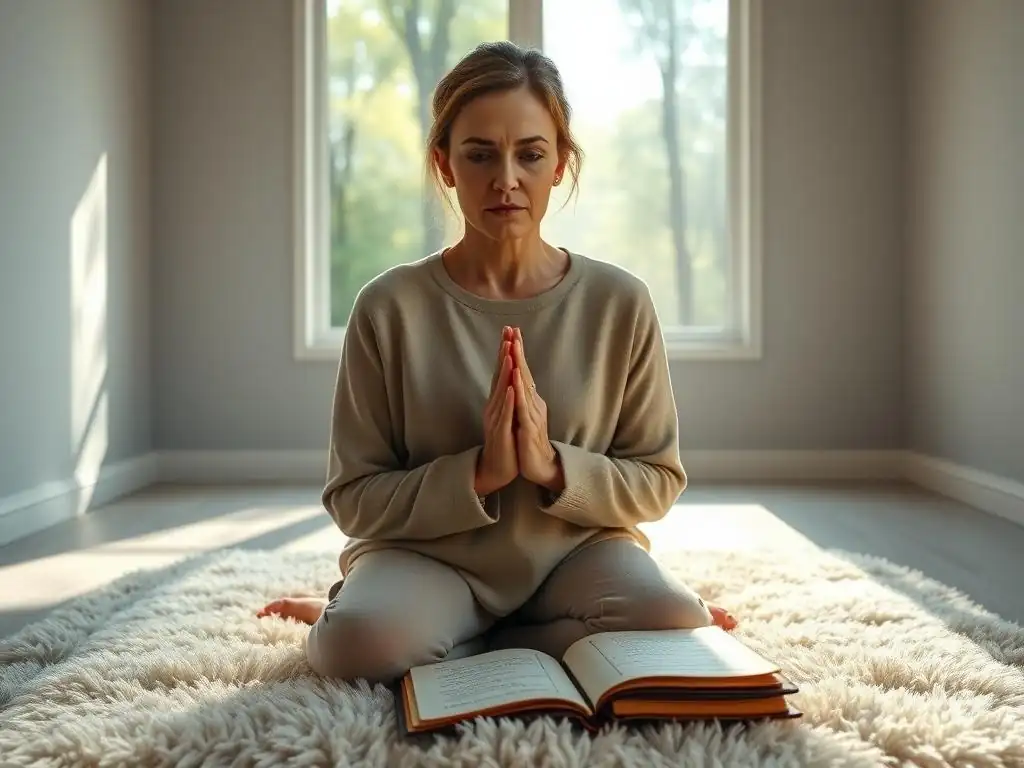
Welcome to Mind Care Guide, a sanctuary for your mental well-being. Feeling overwhelmed by anxiety? You're not alone. We understand the weight it carries. Dive into our exploration of how prayer reduces anxiety symptoms, and discover a path towards inner peace and resilience. Could a connection with something greater ease your worries? Let's explore the possibilities together...
Managing Anxiety Through Mindfulness and Meditation
- Understanding the Connection Between Mindfulness, Meditation, and Anxiety Relief
- Mindfulness and Meditation Reduces Anxiety Symptoms: The Scientific Evidence
- Practical Ways Mindfulness and Meditation Helps Manage Anxiety
- Types of Mindfulness and Meditation for Anxiety Reduction
- Incorporating Mindfulness and Meditation into Your Daily Routine for Anxiety Management
- Overcoming Challenges in Mindfulness and Meditation When Anxious
- The Role of Self-Compassion and Acceptance in Anxiety Relief Through Mindfulness
- Mindfulness and Meditation as a Complementary Therapy for Anxiety
- Conclusion: Embracing Mindfulness and Meditation for a Calmer, More Peaceful Mind
-
Frequently Asked Questions
- How does prayer actually help reduce anxiety symptoms?
- Is there scientific evidence to support the claim that prayer reduces anxiety?
- What types of prayer are most effective for managing anxiety?
- Can prayer replace professional mental health treatment for anxiety?
- What if I'm not religious; can I still benefit from practices similar to prayer?
- Final Reflection: Finding Peace in the Storm of Anxiety
- Unleash Your Inner Peace: Practical Steps to a Calmer You
Understanding the Connection Between Mindfulness, Meditation, and Anxiety Relief
Exploring the Connection: Mindfulness, Mental Health, and Meditation
Mindfulness, a practice rooted in ancient traditions, involves paying deliberate attention to the present moment without judgment. This simple act of awareness can have profound effects on mental well-being, particularly in managing anxiety. By focusing on immediate experiences—sensations, thoughts, and emotions—mindfulness helps individuals detach from the cycle of worry and rumination that often fuels anxious feelings. It's not about emptying the mind, but rather observing its contents with a sense of curiosity and acceptance. Integrating mindfulness into daily life fosters a greater sense of control over one's internal landscape, reducing reactivity to stressful situations and promoting emotional regulation.
Meditation, often used interchangeably with mindfulness but more specifically referring to formal practice sessions, serves as a structured method to cultivate this present-moment awareness. Whether sitting quietly, walking, or engaging in gentle movement, meditation provides dedicated time to train the mind to focus and return to the present when it wanders. Regular meditation practice builds the 'muscle' of attention, making it easier to apply mindful principles during everyday moments of stress or anxiety.
This consistent training helps to interrupt negative thought patterns before they escalate, offering a pause button in the midst of emotional turmoil. The synergy between mindfulness (as a state of being) and meditation (as a practice) creates a powerful approach to fostering mental resilience and finding relief from the grip of anxiety.
The Anxious Mind: Identifying Common Symptoms and Triggers
The anxious mind often manifests through a constellation of symptoms that can be both psychological and physical. Psychologically, individuals may experience excessive worry, intrusive thoughts, difficulty concentrating, irritability, and a sense of impending doom. Physically, anxiety can present as restlessness, fatigue, muscle tension, increased heart rate, shortness of breath, and digestive issues.
These symptoms can vary in intensity and frequency, significantly impacting daily functioning, work, relationships, and overall quality of life. For instance, someone with generalized anxiety disorder might spend hours each day worrying about various aspects of life, while someone with panic disorder might experience sudden, intense episodes of fear accompanied by severe physical symptoms like chest pain or dizziness.
Identifying the triggers for anxiety is a crucial step in managing it. Triggers can be external, such as stressful life events (job loss, relationship problems, financial difficulties), specific social situations (public speaking, meeting new people), or environmental factors (loud noises, crowded spaces). Internal triggers can include certain thoughts (fear of failure, self-criticism), physical sensations (a slight ache interpreted as a serious illness), or emotions (feeling overwhelmed, sadness).
For example, a person with social anxiety might be triggered by the thought of attending a party, leading to anticipatory worry days before the event. Recognizing these patterns allows individuals to anticipate challenging situations and apply coping strategies, including mindfulness and meditation techniques, to navigate them more effectively.
Mindfulness and Meditation Reduces Anxiety Symptoms: The Scientific Evidence
Studies on the Benefits of Mindfulness and Meditation for Mental Well-being
Extensive research over the past few decades has provided compelling evidence for the effectiveness of mindfulness and meditation practices in alleviating anxiety symptoms. A meta-analysis published in JAMA Internal Medicine in 2014, reviewing 47 clinical trials with 3,515 participants, found that mindfulness meditation programs showed moderate evidence of improving anxiety symptoms.
Participants engaged in programs like Mindfulness-Based Stress Reduction (MBSR) and Mindfulness-Based Cognitive Therapy (MBCT) demonstrated significant reductions in self-reported anxiety compared to control groups. Another study, published in the Journal of Consulting and Clinical Psychology in 2013, specifically examined MBCT for residual anxiety and found it effective in preventing relapse in individuals with a history of generalized anxiety disorder.
Further studies have focused on specific populations and anxiety types. Research on college students, a group often experiencing high levels of stress and anxiety, has shown that brief mindfulness interventions, even as short as two weeks, can lead to measurable decreases in anxiety scores.
Clinical trials involving individuals diagnosed with panic disorder or social anxiety have also reported positive outcomes, with participants showing reduced frequency and intensity of panic attacks or decreased fear of social situations after engaging in mindfulness-based therapies. While results can vary based on the specific type of practice, duration, and individual factors, the cumulative body of evidence strongly supports the role of mindfulness and meditation as valuable tools in a comprehensive approach to managing various forms of anxiety and improving overall mental well-being.
How Mindfulness and Meditation Impacts the Brain: Neuroscientific Perspectives
Neuroscientific research using fMRI scans and other imaging techniques is shedding light on the mechanisms by which mindfulness and meditation practices influence the brain and reduce anxiety. Studies have shown that regular meditation can lead to structural changes in brain regions associated with emotion regulation, self-awareness, and stress response.
For instance, research from Harvard University and Massachusetts General Hospital in 2011 found that participants who completed an 8-week MBSR program showed a decrease in gray matter density in the amygdala, the brain's fear center, while also showing an increase in gray matter density in areas like the hippocampus, which is involved in learning and memory, and parts of the prefrontal cortex, associated with attention and decision-making.
Furthermore, mindfulness and meditation appear to alter functional connectivity within the brain. This includes strengthening connections between the prefrontal cortex and the amygdala, which helps the rational, executive part of the brain exert more control over emotional reactions. It also involves reducing activity in the Default Mode Network (DMN), the brain network active during mind-wandering and self-referential thinking, which is often overactive in individuals with anxiety.
By quieting the DMN, mindfulness helps to lessen rumination and worry about the past or future. These neurobiological changes provide a compelling explanation for the observed psychological benefits, illustrating how training the mind through these practices can physically reshape the brain in ways that promote calmness and resilience against anxiety.
Mindfulness and Meditation and Stress Reduction: Lowering Cortisol Levels
One significant way mindfulness and meditation help manage anxiety is through their impact on the body's physiological stress response, particularly by lowering levels of cortisol. Cortisol, often referred to as the "stress hormone," is released by the adrenal glands in response to stress.
While essential for the body's fight-or-flight response, chronically elevated cortisol levels due to persistent stress and anxiety can have detrimental effects on physical and mental health, including exacerbating anxiety symptoms, impairing cognitive function, and weakening the immune system. Mindfulness and meditation practices activate the parasympathetic nervous system, the body's rest-and-digest system, which counteracts the sympathetic nervous system's stress response.
Numerous studies have investigated the link between mindfulness practice and cortisol levels. A study published in Health Psychology in 2016 found that participants who completed an MBSR program showed significantly lower levels of salivary cortisol compared to a control group over a three-month period. Another study on university students found that even brief mindfulness training led to reduced cortisol reactivity to stress.
By fostering a state of calm and reducing the perceived threat of stressors, mindfulness and meditation effectively dampen the release of cortisol, helping the body and mind return to a state of balance. This physiological effect contributes significantly to the reduction in overall stress and the alleviation of anxiety symptoms experienced by regular practitioners.
Practical Ways Mindfulness and Meditation Helps Manage Anxiety
Cultivating a Mindful Mindset: Techniques and Practices
Cultivating a mindful mindset is an ongoing process that extends beyond formal meditation sessions into everyday life. This involves intentionally bringing awareness to routine activities. Simple techniques include mindful eating, where you pay attention to the textures, smells, and tastes of your food without distraction; mindful walking, focusing on the sensation of your feet hitting the ground; or mindful listening, truly hearing the person you are speaking with without planning your response.
These practices train the mind to stay anchored in the present moment, reducing the tendency to get lost in anxious thoughts about the past or future. The key is to approach each activity with a sense of gentle curiosity and non-judgment, observing whatever arises without trying to change it.
Another practice is the "three-minute breathing space," a short, accessible technique for integrating mindfulness into busy days. It involves taking a moment to step out of automatic pilot, bringing awareness to your breath in the present moment, and then expanding that awareness to include bodily sensations, thoughts, and feelings, holding them in a space of acceptance. This brief pause can help interrupt a rising tide of anxiety, offering a moment of clarity and calm.
Regularly incorporating these small acts of mindfulness throughout the day builds resilience and makes it easier to access a state of calm when anxiety strikes. It shifts the focus from controlling or eliminating anxious thoughts to simply noticing them without getting entangled in their narrative.
The Power of Focused Breathing for Calmness
Focused breathing is perhaps the most immediate and accessible tool within mindfulness and meditation practices for calming an anxious mind. When we are anxious, our breathing often becomes shallow, rapid, and irregular, which can exacerbate feelings of panic and stress.
Conversely, consciously slowing down and regulating the breath signals to the nervous system that the perceived threat is decreasing, activating the parasympathetic response. Techniques like deep diaphragmatic breathing (breathing into the belly), box breathing (inhaling for a count, holding, exhaling for the same count, holding), or 4-7-8 breathing (inhale for 4, hold for 7, exhale for 8) can quickly interrupt the anxiety cycle.
The power of focused breathing lies in its ability to anchor attention firmly in the present moment, diverting it from anxious thoughts. By concentrating on the physical sensation of the breath entering and leaving the body, you create a space between yourself and your worries. For example, simply noticing the cool air entering your nostrils and the warm air leaving can be a powerful antidote to a racing mind.
This focus not only regulates your physiology but also provides a simple, portable technique you can use anywhere, anytime anxiety begins to surface. Practicing focused breathing regularly, even when not feeling anxious, builds your capacity to use it effectively during moments of heightened stress.
Finding Comfort and Hope Through Mindfulness During Anxious Moments
Mindfulness offers a unique pathway to finding comfort and hope precisely within the experience of anxiety, rather than trying to push it away. By cultivating a non-judgmental awareness, you learn to observe anxious thoughts and sensations without identifying with them or believing they are permanent or overwhelming. This creates psychological distance, allowing you to see that while you are experiencing anxiety, you are not defined by it. This perspective shift can be incredibly comforting, realizing that thoughts and feelings are transient states, like clouds passing in the sky.
Furthermore, mindfulness encourages acceptance of the present moment, including uncomfortable feelings. While counterintuitive, accepting anxiety ("Okay, this is how I feel right now") can reduce the secondary suffering caused by resisting or fearing the feeling itself ("I shouldn't feel this way," "This is unbearable"). This acceptance doesn't mean resignation, but rather acknowledging reality as it is.
This radical act of acceptance can diffuse the power anxiety holds over you. By gently observing the ebb and flow of anxious sensations and thoughts, practicing self-compassion, and staying grounded in the present through breath or body awareness, individuals can navigate anxious moments with greater ease, finding pockets of calm and fostering a sense of hope that relief is possible and that they possess the inner resources to cope.
Types of Mindfulness and Meditation for Anxiety Reduction
Body Scan Meditation: Cultivating Body Awareness
Body scan meditation is a foundational mindfulness practice particularly effective for reducing anxiety by anchoring awareness in physical sensations. It involves systematically bringing attention to different parts of the body, from the toes to the crown of the head, noticing any sensations present—tingling, warmth, tension, coolness, or lack thereof—without trying to change them.
This practice helps individuals become more attuned to their physical state, which is often where anxiety manifests through symptoms like muscle tension, butterflies in the stomach, or a racing heart. By observing these sensations with gentle curiosity rather than fear or judgment, the practice helps to decouple the physical symptoms from the mental narrative of anxiety.
Regular body scan meditation builds a stronger mind-body connection. Many people with anxiety live primarily in their heads, lost in thoughts of worry and future scenarios. The body scan brings attention back to the concrete reality of the physical body in the present moment. This grounding effect can be incredibly calming.
It also helps individuals recognize the early warning signs of rising anxiety in their physical sensations, allowing them to apply coping strategies sooner. For example, noticing tension in the shoulders might be an indicator of stress building, prompting the person to pause and take a few deep breaths. Practicing the body scan cultivates a sense of being more fully present in one's own body, fostering a feeling of safety and stability.
Loving-Kindness Meditation: Fostering Compassion
Loving-kindness meditation (Metta meditation) is a practice focused on cultivating feelings of warmth, compassion, and friendliness towards oneself and others. While it might not seem directly related to anxiety at first glance, it can be profoundly beneficial for reducing anxiety, especially social anxiety or anxiety fueled by self-criticism and fear of judgment. The practice typically involves silently repeating phrases wishing well-being, peace, and happiness, starting with oneself ("May I be happy, may I be healthy, may I be free from suffering"), then extending these wishes to loved ones, neutral individuals, difficult people, and finally to all beings.
Anxiety often involves a harsh inner critic or fear of not being good enough. Loving-kindness meditation directly counters this by intentionally directing positive, compassionate energy inward. Cultivating self-compassion helps to soften the self-judgment that frequently accompanies anxiety, making difficult emotions more bearable.
Extending these feelings outward can also reduce feelings of isolation and fear in social situations by fostering a sense of connection and shared humanity. Research has shown that loving-kindness meditation can increase positive emotions and reduce negative emotions like anxiety and depression. It provides a gentle, nurturing approach to transforming the internal landscape and fostering a sense of safety and belonging.
Walking Meditation: Connecting with the Present Moment
Walking meditation is a dynamic form of mindfulness practice that brings awareness to the physical sensations of walking. Unlike sitting meditation, it involves movement, making it accessible and appealing to those who find it difficult to sit still or who experience restlessness as part of their anxiety.
The practice involves paying deliberate attention to the process of walking: the lifting of the foot, the movement of the leg, the foot swinging forward, the placing of the heel down, the shifting of weight through the sole, and the lifting of the other foot. Attention can also be directed to other sensations like the rhythm of breathing, the feeling of air on the skin, or sounds in the environment.
This practice offers a powerful way to ground oneself in the present moment and interrupt the cycle of anxious thoughts. When the mind wanders to worries, the practitioner gently guides their attention back to the physical sensations of walking. The rhythmic, repetitive nature of walking itself can be naturally calming.
Walking meditation can be practiced indoors or outdoors, in a dedicated space or simply as part of your commute or daily walk. By bringing intentional awareness to a common activity, it transforms it into a mindful practice that helps to alleviate restlessness, clear the head, and cultivate a sense of calm presence amidst movement, demonstrating that mindfulness is not confined to stillness.
Visualization Meditation: Reducing Worry and Promoting Relaxation
Visualization meditation involves creating mental images to promote relaxation, reduce worry, and foster positive states of mind. This technique utilizes the power of imagination to transport the mind to a peaceful place or to mentally rehearse calm responses to stressful situations. Common visualizations for anxiety include imagining a serene natural setting, such as a tranquil beach, a peaceful forest, or a calm lake.
The practitioner engages all the senses in this imagined environment: seeing the colors, hearing the sounds, feeling the temperature or breeze, and smelling the scents. This mental escape can provide a temporary respite from anxious thoughts and activate the body's relaxation response.
Another form of visualization involves mentally picturing oneself successfully navigating a situation that typically triggers anxiety, such as a job interview or a social gathering, while remaining calm and confident. This type of visualization can help to reduce anticipatory anxiety and build self-efficacy.
While distinct from core mindfulness (which emphasizes observing reality as it is), visualization can be a complementary practice, particularly for managing specific fears or promoting a sense of safety and peace. By intentionally directing the mind towards calming imagery, visualization meditation offers a creative and engaging method to interrupt negative thought loops and cultivate feelings of relaxation and control over one's internal experience.
Incorporating Mindfulness and Meditation into Your Daily Routine for Anxiety Management
Creating a Meditation Schedule That Works for You
Integrating mindfulness and meditation into a busy daily routine requires intentionality and flexibility. The most effective approach is often to start small and build gradually. Even five to ten minutes of dedicated practice each day can yield significant benefits for managing anxiety. Consider your current schedule and identify potential windows of time – perhaps first thing in the morning before the demands of the day begin, during a lunch break, or in the evening before bed. Consistency is more important than duration, so finding a time you can realistically commit to daily is key.
It can be helpful to set a specific time and treat it like any other important appointment. Experiment with different times to see what feels most natural and sustainable. Some people find morning practice helps set a calm tone for the day, while others prefer evening meditation to unwind and process the day's stresses. Don't be discouraged if you miss a day; simply acknowledge it without judgment and return to your schedule the next day. Creating a meditation schedule is about building a supportive habit that prioritizes your mental well-being and provides a reliable tool for reducing anxiety symptoms.
Finding a Quiet Space for Mindfulness and Reflection
While mindfulness can be practiced anywhere, finding a quiet space dedicated to formal meditation can significantly enhance the experience, especially when starting out or feeling particularly anxious. This doesn't require a large or elaborate setup; a corner of a room, a comfortable chair, or even a spot on the floor can suffice. The key is to choose a location where you are least likely to be interrupted by people, pets, or external noise. Minimizing distractions allows you to focus more easily on your practice and cultivate a deeper sense of calm.
Make the space inviting and conducive to relaxation. This might involve ensuring it's tidy, adjusting lighting, or adding a cushion or blanket for comfort. While not strictly necessary for mindfulness itself, creating a dedicated physical space reinforces the mental intention to set aside time for reflection and self-care. Over time, simply entering this space can become a cue for the mind and body to begin relaxing, making it easier to transition into a mindful state and effectively use mindfulness and meditation reduces anxiety symptoms.
Using Meditation Apps to Track Progress and Insights
In the digital age, numerous meditation apps can be valuable tools for incorporating mindfulness and meditation into your daily routine and managing anxiety. Apps like Calm, Headspace, Insight Timer, and Ten Percent Happier offer guided meditations of various lengths and styles, suitable for beginners and experienced practitioners alike. They provide instructions, timers, and often soothing background sounds or music to support your practice. Guided meditations can be particularly helpful when starting, as they walk you through the process and help you stay focused.
Many apps also include features for tracking your meditation sessions, allowing you to see your consistency over time. Some offer journaling prompts or sections for recording insights gained during practice, which can help you notice patterns in your thoughts and emotions related to anxiety. While technology should not replace the core practice of present-moment awareness, meditation apps can serve as convenient reminders, accessible guides, and motivational tools that support the development of a regular mindfulness routine and its positive impact on reducing anxiety symptoms.
Overcoming Challenges in Mindfulness and Meditation When Anxious
Addressing Distractions and Racing Thoughts
One of the most common challenges when practicing mindfulness or meditation, especially when feeling anxious, is dealing with distractions and a racing mind. It's important to understand that the goal is not to eliminate thoughts, but to notice them without judgment and gently guide your attention back to your chosen anchor (like the breath or body sensations). Thinking is what minds do, and anxious minds are particularly prone to generating a rapid stream of worries and distractions. Expecting your mind to be completely silent is unrealistic and can lead to frustration.
When you notice your mind has wandered into anxious thoughts or distractions, simply acknowledge it – perhaps silently saying "thinking" or "wandering" – and with kindness, redirect your attention back to your breath or the object of your meditation. This act of noticing and returning is the essence of the practice and strengthens your ability to disengage from rumination in daily life.
Treat your wandering mind like a playful puppy; gently lead it back without scolding. Over time, this repeated practice helps to lessen the grip that anxious thoughts have on your attention, making it easier to find moments of calm.
Dealing with Feelings of Restlessness and Frustration
Feelings of restlessness and frustration are also common experiences during mindfulness and meditation, particularly when anxiety is present. Anxiety often comes with a physical urge to move or fidget, and sitting still can feel intensely uncomfortable. Frustration can arise from the perceived inability to "do it right," to quiet the mind, or to feel relaxed immediately. It's crucial to approach these feelings with patience and self-compassion. Remind yourself that these feelings are part of the experience, not a sign of failure.
If restlessness is overwhelming, consider trying a different type of practice, such as walking meditation or mindful movement, rather than forcing yourself to sit still. If frustration arises, notice it without judgment. Acknowledge the feeling ("Ah, there is frustration") and perhaps explore where you feel it in your body.
Sometimes, simply shining the light of awareness on these difficult feelings can lessen their intensity. Remember that the practice is about being with whatever arises, including discomfort, rather than trying to make it go away. Persistence, coupled with a gentle attitude towards yourself, is key to working through these challenges and allowing mindfulness and meditation reduces anxiety symptoms over time.
Seeking Guidance and Support from Meditation Teachers or Communities
While self-guided mindfulness and meditation practices are valuable, seeking guidance from experienced teachers or joining a meditation community can provide essential support, especially when navigating anxiety. A qualified teacher can offer personalized instruction, help you troubleshoot challenges like persistent racing thoughts or intense restlessness, and provide deeper insights into the practice. They can offer different techniques or perspectives that resonate more effectively with your specific needs and experiences of anxiety.
Joining a meditation group or community, whether in-person or online, offers a sense of connection and shared experience. Knowing that others face similar challenges can reduce feelings of isolation. Practicing together can be motivating and provide a supportive environment to explore your experiences. Many centers offer courses like MBSR or MBCT specifically designed to use mindfulness for stress and anxiety. This structured learning environment, guided by experienced professionals, can provide a solid foundation and ongoing support for using mindfulness and meditation reduces anxiety symptoms effectively in your life.
The Role of Self-Compassion and Acceptance in Anxiety Relief Through Mindfulness
Exploring the Benefits of Self-Compassion
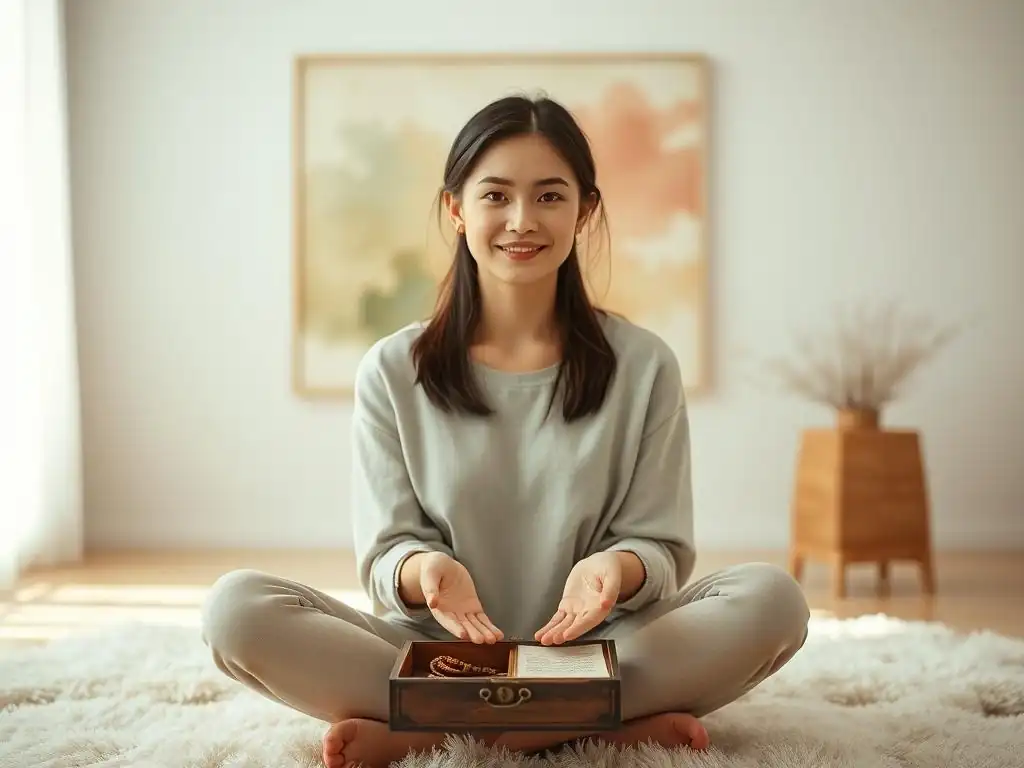
Self-compassion is a critical component of using mindfulness for anxiety relief. It involves treating yourself with the same kindness, care, and understanding you would offer a close friend who is struggling. This includes recognizing that suffering, including anxiety, is a universal human experience, rather than feeling isolated or abnormal for experiencing it. Practicing self-compassion means acknowledging your pain without judgment and responding to it with warmth and a desire to alleviate it.
For individuals with anxiety, self-criticism is often a major contributor to their distress. They may blame themselves for feeling anxious, judge their thoughts as irrational, or feel inadequate because of their struggles. Self-compassion directly counteracts this internal negativity.
Research by Kristin Neff, a leading researcher in the field, has shown that higher levels of self-compassion are correlated with lower levels of anxiety and depression and greater emotional resilience. By cultivating a compassionate attitude towards yourself and your anxious feelings, you create a safer internal environment, reducing the secondary suffering caused by self-judgment and making it easier to navigate difficult emotional states with greater ease.
Strengthening Your Personal Connection to Inner Peace
Mindfulness and meditation practices can help individuals strengthen their personal connection to inner peace, not by eliminating challenges, but by fostering a stable inner ground from which to meet them. Through regular practice, you become more familiar with the fluctuations of your internal state – the rise and fall of thoughts, emotions, and sensations. This familiarity, coupled with non-judgmental awareness, allows you to see that anxious feelings are temporary and do not represent the totality of who you are. You discover an underlying capacity for calm that exists beneath the surface turbulence of anxiety.
This inner peace isn't necessarily a feeling of euphoria, but rather a sense of stability, presence, and resilience. It comes from learning to rest your attention in the present moment, finding stillness in the breath, or cultivating a sense of groundedness in the body. As you consistently return to this inner anchor during practice, you build a stronger connection to this quiet core within yourself. This strengthened connection provides a reliable source of comfort and stability that you can access during moments of anxiety, reminding you that even amidst difficulty, a space of peace is available to you.
Finding Meaning and Purpose Through Mindfulness
Engaging in mindfulness and meditation practices can also contribute to finding meaning and purpose, which in turn can help alleviate anxiety. Anxiety often centers on fears about the future, perceived lack of control, or feeling disconnected. By cultivating present-moment awareness, mindfulness helps individuals connect more deeply with their values and what truly matters to them in the here and now. It provides clarity amidst the mental clutter, making it easier to identify goals and actions that align with a sense of purpose.
Furthermore, the journey of practicing mindfulness and navigating the challenges it presents (like facing difficult emotions) can itself become a source of meaning – a commitment to self-care, personal growth, and resilience. Sharing the practice with others or using the skills gained to be more present and compassionate in relationships can also foster a sense of connection and purpose. By helping individuals live more intentionally and connect with their deeper values, mindfulness provides a counterbalance to the often isolating and future-focused nature of anxiety, grounding them in a sense of purpose that transcends momentary worries.
Mindfulness and Meditation as a Complementary Therapy for Anxiety
Integrating Mindfulness and Meditation with Other Mental Health Treatments
Mindfulness and meditation are highly effective when integrated with other established mental health treatments for anxiety, such as therapy (like Cognitive Behavioral Therapy or Acceptance and Commitment Therapy) and, in some cases, medication. They are generally considered complementary therapies, meaning they work alongside and enhance the benefits of other approaches rather than replacing them. Therapies like CBT help individuals identify and challenge negative thought patterns, while mindfulness helps them observe those thoughts without getting entangled in them. ACT, in particular, incorporates mindfulness as a core component to help individuals accept difficult thoughts and feelings and commit to values-driven action.
Combining these approaches can provide a more comprehensive toolkit for managing anxiety. For example, a therapist might teach a patient about the cognitive distortions contributing to their anxiety, while recommending daily mindfulness practice to build their capacity to notice those thoughts without immediately believing or reacting to them. Medication can help manage severe symptoms, creating space for the individual to engage more effectively in therapy and mindfulness practices. Discussing with your mental health provider how to best integrate mindfulness into your existing treatment plan ensures a coordinated and effective strategy for reducing anxiety symptoms.
The Importance of Professional Support for Managing Anxiety
While mindfulness and meditation offer powerful tools for self-management, professional support remains crucial for effectively managing anxiety, especially when symptoms are severe or significantly impacting daily life. Anxiety disorders are complex mental health conditions that often require the expertise of trained professionals. A therapist or counselor can help diagnose the specific type of anxiety, explore its underlying causes, and develop a tailored treatment plan. They can also teach evidence-based coping strategies, including how to integrate mindfulness practices into therapeutic work.
Professional guidance is particularly important when anxiety is accompanied by other conditions like depression or trauma, or when individuals are struggling to establish a consistent practice on their own. Therapists can help navigate difficult emotional experiences that may arise during meditation and provide a safe space to process them. Relying solely on mindfulness without professional support might not be sufficient for individuals with moderate to severe anxiety disorders. A collaborative approach involving therapy, and potentially medication, alongside dedicated mindfulness practice offers the most robust path towards sustainable anxiety relief.
When to Seek Professional Help for Anxiety
Knowing when to seek professional help is vital for anyone struggling with anxiety. While occasional worry is a normal part of life, anxiety becomes a concern when it is persistent, excessive, difficult to control, and significantly interferes with your daily functioning. This might include difficulty performing tasks at work or school, avoiding social situations, experiencing physical symptoms that cause distress, or having panic attacks. If anxiety is causing you significant distress, impacting your relationships, making it hard to sleep, or leading you to avoid activities you once enjoyed, it is time to reach out for help.
Other signs that professional intervention is needed include experiencing intense fear or panic regularly, having obsessive thoughts or compulsive behaviors, or if your anxiety is accompanied by feelings of hopelessness or thoughts of self-harm. Primary care physicians can be a good first point of contact, who can then refer you to mental health specialists like therapists, psychologists, or psychiatrists. Seeking professional help is a sign of strength and a crucial step towards gaining control over anxiety and improving your overall quality of life. Mindfulness and meditation can then serve as powerful allies in the healing process guided by experts.
Conclusion: Embracing Mindfulness and Meditation for a Calmer, More Peaceful Mind
Key Takeaways: Mindfulness and Meditation as a Tool for Anxiety Management
Mindfulness and meditation offer empirically supported methods for managing anxiety by cultivating present-moment awareness and training the mind to respond differently to stressful situations. These practices help individuals understand the connection between their thoughts, feelings, and physical sensations, providing tools to interrupt the cycle of worry and rumination. Scientific evidence, including neuroscientific studies showing changes in brain structure and function, supports their effectiveness in reducing anxiety symptoms and lowering stress hormones like cortisol.
Practical techniques such as focused breathing, body scan, loving-kindness, walking, and visualization meditations provide various pathways to cultivate calm and resilience. Incorporating these practices into daily routines, even for short periods, can build consistency and strengthen their benefits. While challenges like distractions and restlessness are common, approaching them with patience and self-compassion is key. Ultimately, mindfulness and meditation serve as valuable complementary therapies, best utilized alongside professional support, empowering individuals to navigate anxiety with greater ease, acceptance, and a strengthened connection to inner peace, proving that mindfulness and meditation reduces anxiety symptoms effectively over time.
Further Resources for Mindfulness Practices and Mental Health
For those interested in exploring mindfulness and meditation further as tools for anxiety management, numerous resources are available. Reputable websites like Mindful.org and the Greater Good Science Center at UC Berkeley offer articles, guided meditations, and information on the science behind the practices. Books by authors such as Jon Kabat-Zinn, Tara Brach, and Pema Chödrön provide deep insights and practical guidance. Many local community centers, yoga studios, or religious institutions also offer meditation classes or groups.
Additionally, mental health organizations like the Anxiety & Depression Association of America (ADAA) and the National Alliance on Mental Illness (NAMI) provide information on anxiety disorders and resources for finding professional help. Utilizing a combination of self-guided practice, guided resources like apps, and potentially professional support creates a robust strategy for leveraging the power of mindfulness and meditation reduces anxiety symptoms and fostering lasting mental well-being.
Frequently Asked Questions
How does prayer actually help reduce anxiety symptoms?
Prayer can provide a sense of connection and support, fostering feelings of hope and peace. This can directly counteract the racing thoughts and feelings of isolation often associated with anxiety.
Is there scientific evidence to support the claim that prayer reduces anxiety?
While the exact mechanisms are still being studied, research suggests prayer can activate the relaxation response and improve emotional regulation. This can lead to a reduction in anxiety symptoms.
What types of prayer are most effective for managing anxiety?
There isn't a "best" type; it's about finding what resonates with you. Focused prayer, meditative prayer, and even simply expressing gratitude can be beneficial in calming the mind and reducing anxious thoughts.
Can prayer replace professional mental health treatment for anxiety?
No, prayer should be considered a complementary tool, not a replacement for professional help. Therapy and medication are often necessary for managing anxiety disorders.
What if I'm not religious; can I still benefit from practices similar to prayer?
Absolutely! Practices like meditation, mindfulness, and gratitude exercises can provide similar benefits by promoting relaxation, focus, and a sense of calm. These can be effective alternatives for those who aren't religious.
Final Reflection: Finding Peace in the Storm of Anxiety
The pervasive anxiety of modern life demands effective coping mechanisms, and the ancient practice of prayer offers a surprisingly potent antidote. This article explored the neurological and psychological pathways through which prayer can alleviate anxiety symptoms, highlighting its ability to reduce cortisol levels, promote feelings of connection and control, and foster a sense of inner peace. In a world increasingly characterized by uncertainty and stress, understanding and utilizing these benefits is more crucial than ever.
The impact of prayer on anxiety extends far beyond the individual; it shapes our collective cultural and spiritual landscape. Prayer has been a source of comfort and strength for countless generations, providing a framework for navigating life's challenges and fostering resilience in the face of adversity. It's a testament to the enduring human need for connection, meaning, and hope. Prayer is not an escape from the world, but a way of engaging with it more deeply and meaningfully.
This quote encapsulates the transformative power of prayer, not as a passive retreat, but as an active engagement with life's complexities.
Consider, reader, how you might integrate the principles discussed here into your own life. Perhaps it's setting aside a few minutes each day for quiet reflection, or joining a community of faith for shared prayer and support. Don't underestimate the power of a simple, heartfelt prayer to calm your anxious mind and foster a deeper sense of peace and well-being. Embrace the opportunity to discover the profound solace that prayer can offer in your journey through life's anxieties.
Unleash Your Inner Peace: Practical Steps to a Calmer You
Thanks for taking the time to explore the power of prayer in calming anxiety. We hope you found valuable insights into finding inner peace. Now, it's time to put these ideas into practice!
Here are a few ways to continue your journey towards a calmer mind:
- Begin a daily prayer practice: Even five minutes of quiet reflection can make a difference. Experiment with different styles of prayer to find what resonates with you.
- Share this article with someone who might benefit: Let's spread the message of peace and calm together.
- Try a guided meditation designed to complement your prayer practice – search online for “prayer and meditation.”
What small step will you take today to cultivate more peace in your life?