
The Veteran's Battle: Addressing Unique Mental Health Needs in Men


Welcome to Mind Care Guide.
We understand the invisible battles many face, especially those who've served. This isn't just another website; it's a sanctuary. Are you, or is someone you know, a veteran struggling with their mental well-being? You're not alone. Our latest article, " The Veteran's Battle: Addressing Unique Mental Health Needs in Men," delves into the specific challenges faced and, more importantly, unveils vital veteran mental health support resources available. Discover pathways to healing and rediscover hope within these pages. What steps can you take today to begin your journey toward a stronger, healthier mind?
- The Veteran's Battle: Addressing Unique Mental Health Needs in Men
- Understanding the Landscape of Veteran Mental Health
- Recognizing the Signs: Identifying Mental Health Issues in Male Veterans
- Barriers to Mental Health Care for Male Veterans
- Veteran Mental Health Support Resources: A Comprehensive Guide
- Evidence-Based Therapies for Veteran Mental Health
- Promoting Resilience and Well-being in Male Veterans
- How to Support a Male Veteran Struggling with Mental Health
- Conclusion: Empowering Male Veterans to Prioritize Mental Health
-
Frequently Asked Questions
- How does military service uniquely affect mental health in male veterans?
- What are some common mental health challenges faced by male veterans?
- Why is it important to specifically address mental health in male veterans?
- What types of mental health support resources are available for male veterans?
- How can family and friends support a male veteran struggling with their mental health?
- Final Reflection: The Unseen Scars of Service
- Unleash Your Support Network: Taking Action for Veteran Mental Wellness
The Veteran's Battle: Addressing Unique Mental Health Needs in Men
Mind Care Guide's Commitment to Veteran Well-being
Mind Care Guide understands the unique challenges faced by those who have served in the military, particularly male veterans. The transition from military life to civilian life can be complex, often bringing with it a distinct set of stressors and mental health considerations. Our commitment is to serve as a comprehensive source of information and support, illuminating the path toward healing and recovery. We aim to provide accessible information about various mental health challenges prevalent in the veteran community and highlight effective strategies and veteran mental health support resources available.
Recognizing that seeking help is a sign of strength, not weakness, Mind Care Guide strives to break down the stigma associated with mental health issues among male veterans. We are dedicated to fostering an environment where veterans feel empowered to explore their mental well-being openly. This guide is designed to offer practical insights, identify common issues, and connect veterans and their families with vital veteran mental health support resources tailored to their specific needs, promoting a journey towards lasting wellness.
Understanding the Landscape of Veteran Mental Health
The Prevalence of Mental Health Challenges Among Male Veterans
Mental health challenges are unfortunately common among those who have served, and male veterans are particularly susceptible to a range of conditions influenced by their service experiences. Estimates from the Department of Veterans Affairs (VA) and other studies suggest that a significant percentage of veterans experience conditions like Post-Traumatic Stress Disorder (PTSD), depression, anxiety disorders, and substance use disorders. For example, the prevalence of PTSD can vary widely depending on service era and combat exposure, but figures often range from around 11% to 20% of veterans from the operations in Afghanistan and Iraq.
Beyond PTSD, depression is also a substantial concern. Studies indicate that veterans may experience depression at rates higher than the general population, sometimes twice as high. This can be linked to various factors, including the difficulties of reintegration, isolation, chronic pain, and the emotional residue of combat or other traumatic experiences. Understanding these prevalence rates is the first step in acknowledging the scope of the issue and the critical need for readily available veteran mental health support resources.
Unique Stressors Faced by Male Veterans
Male veterans encounter a unique constellation of stressors that civilian populations typically do not face. These can include the direct trauma of combat exposure, witnessing death or injury, and the constant hypervigilance required in hostile environments. Beyond the operational stress, veterans often deal with the challenges of transitioning back to civilian life, which can involve difficulties finding employment, navigating complex social dynamics outside the military structure, and feeling disconnected from friends and family who may not understand their experiences.
Furthermore, the military culture itself, while fostering camaraderie and resilience, can also instill a reluctance to show vulnerability or admit to struggling. This can lead to veterans suppressing emotions and delaying seeking help for mental health issues. The loss of the strong sense of purpose, identity, and brotherhood found in military units can also be a significant stressor, contributing to feelings of isolation and a loss of direction, further underscoring the need for targeted veteran mental health support resources.
The Impact of Military Culture on Mental Health Seeking Behaviors
Military culture places a high value on strength, resilience, and self-sufficiency. While these traits are essential for effective military operations, they can become significant barriers when it comes to seeking help for mental health issues. The ingrained ethos often views admitting to psychological distress as a sign of weakness or a failure to cope, which can be particularly acute for male veterans who may feel pressure to embody traditional masculine ideals of stoicism and invulnerability.
This cultural climate contributes to the stigma surrounding mental health within the military and veteran communities. Many veterans fear that seeking help could negatively impact their careers, security clearances, or reputation among peers. This fear can lead to veterans suffering in silence for years, delaying or completely avoiding accessing crucial veteran mental health support resources, often until a crisis point is reached. Addressing this cultural barrier is paramount to encouraging help-seeking behaviors.
Recognizing the Signs: Identifying Mental Health Issues in Male Veterans
Common Mental Health Conditions Affecting Veterans: PTSD, Depression, Anxiety
Male veterans are frequently diagnosed with several key mental health conditions, with Post-Traumatic Stress Disorder (PTSD), depression, and various anxiety disorders being among the most prevalent. PTSD is often associated with combat exposure or other traumatic events experienced during service, manifesting as flashbacks, nightmares, severe anxiety, and uncontrollable thoughts about the event. Depression in veterans can present as persistent sadness, loss of interest, fatigue, and in severe cases, suicidal thoughts.
Anxiety disorders, including generalized anxiety disorder and panic disorder, are also common. These can involve excessive worry, restlessness, difficulty concentrating, and physical symptoms like increased heart rate and muscle tension. These conditions often co-occur, meaning a veteran might struggle with both PTSD and depression, or anxiety and substance use disorder, complicating diagnosis and treatment and highlighting the need for integrated veteran mental health support resources.
Identifying Symptoms of PTSD in Male Veterans
Identifying PTSD in male veterans requires looking beyond the stereotypical image of a combat-scarred individual. While flashbacks and nightmares are classic symptoms, PTSD can also manifest in more subtle ways. These include avoidance of situations or people that trigger memories of the trauma, significant changes in mood and cognition such as persistent negative beliefs about oneself or the world, difficulty experiencing positive emotions, and feeling detached from others.
Hyperarousal symptoms are also key indicators. These can include being easily startled, feeling constantly on guard, having difficulty sleeping, irritability, and outbursts of anger. It's important to note that these symptoms might not appear immediately after the traumatic event but can emerge months or even years later, making it crucial for families and friends to be aware of the signs and know where to find veteran mental health support resources.
Recognizing Signs of Depression and Anxiety in Male Veterans
Depression in male veterans may not always look like overt sadness. Sometimes it presents as irritability, anger, reckless behavior, or physical complaints like chronic pain or digestive issues. Other signs include a loss of interest in hobbies or activities they once enjoyed, changes in appetite or weight, difficulty sleeping or sleeping too much, fatigue, feelings of worthlessness or guilt, difficulty concentrating, and thoughts of death or suicide.
Anxiety in veterans can manifest as excessive worry about everyday things, feeling on edge, difficulty controlling worry, and physical symptoms like muscle tension, headaches, or stomach issues. Panic attacks, characterized by sudden episodes of intense fear accompanied by physical symptoms like chest pain, shortness of breath, and dizziness, are also a form of anxiety disorder that veterans may experience. Recognizing these varied presentations is vital for connecting veterans with appropriate veteran mental health support resources.
Substance Use Disorder in the Veteran Community
Substance use disorder (SUD) is a significant co-occurring condition among veterans dealing with mental health issues, particularly PTSD and depression. Veterans may turn to alcohol, illicit drugs, or misuse prescription medications as a way to self-medicate and cope with intense emotional pain, anxiety, or sleeplessness related to trauma or the difficulties of reintegration. This often creates a vicious cycle, where substance use exacerbates existing mental health problems and makes recovery more challenging.
Statistics show that veterans are at a higher risk for SUD compared to the general population. For instance, data suggests that veterans with PTSD are significantly more likely to also have a SUD. Addressing substance use is a critical component of comprehensive veteran mental health support resources and treatment plans, often requiring integrated care that addresses both the addiction and the underlying mental health conditions simultaneously.
The Link Between Traumatic Brain Injury (TBI) and Mental Health
Traumatic Brain Injury (TBI), often referred to as the "signature wound" of recent conflicts, has a complex and significant link to mental health challenges in veterans. TBIs, ranging from mild concussions to severe injuries, can result from blasts, falls, or other impacts experienced during service. The physical damage to the brain can directly affect mood regulation, cognitive function, and emotional processing, predisposing individuals to conditions like depression, anxiety, and irritability.
Moreover, the symptoms of TBI, such as headaches, dizziness, memory problems, and sleep disturbances, can overlap with or worsen symptoms of PTSD and depression, making diagnosis and treatment more complicated. It is common for veterans to experience both TBI and PTSD, a combination that requires specialized care and integrated veteran mental health support resources to address the intertwined physical and psychological effects effectively.
Barriers to Mental Health Care for Male Veterans
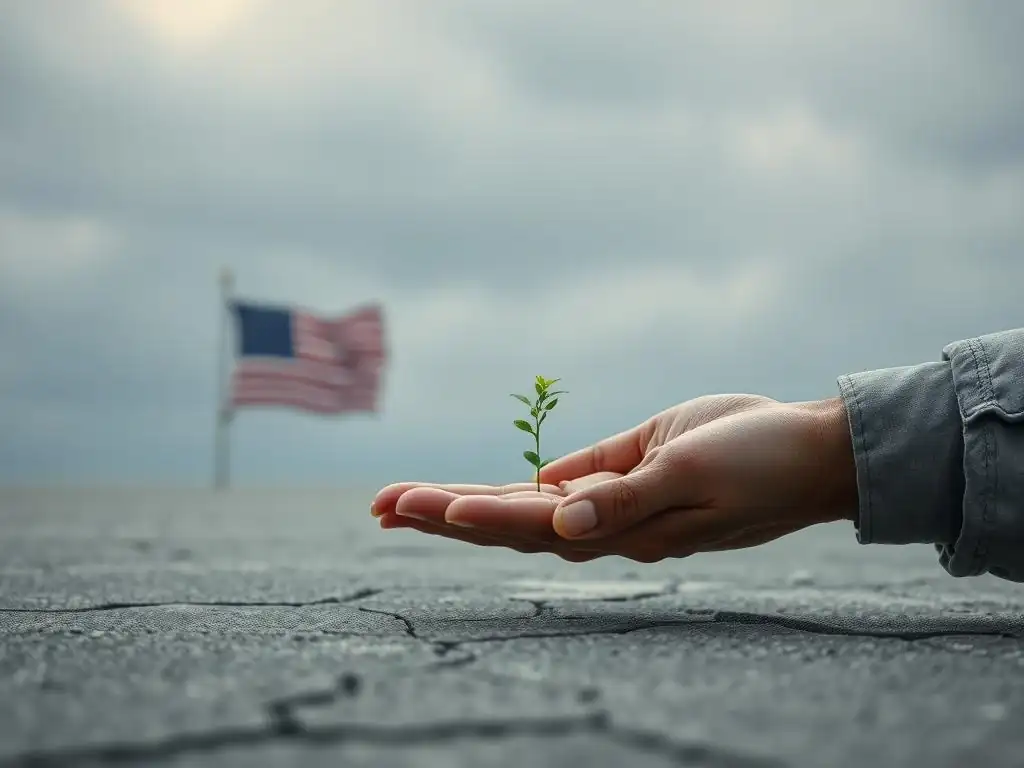
Stigma Surrounding Mental Health in Military Culture
The deeply ingrained stigma surrounding mental health within the military culture remains one of the most significant barriers preventing male veterans from seeking help. The emphasis on mental toughness and self-reliance often leads veterans to believe that admitting to mental health struggles is a sign of weakness or a personal failure. This cultural narrative discourages open conversations about emotional well-being and perpetuates the idea that one should "suck it up" or handle problems independently.
This stigma is not just internal; it is often reinforced by perceived or actual judgment from peers, leadership, and even family members who may not understand the nature of mental illness. The fear of being labeled, ostracized, or seen as incapable can be so powerful that veterans delay seeking help for years, allowing conditions to worsen. Overcoming this cultural barrier requires sustained efforts to educate, promote understanding, and highlight the strength it takes to access veteran mental health support resources.
Fear of Judgment and Discrimination
Beyond the general stigma, veterans often harbor specific fears of judgment and discrimination if they disclose mental health issues. Concerns about how a diagnosis might affect their civilian employment prospects, relationships, or even their standing within veteran communities can be potent deterrents. Some veterans worry that revealing mental health struggles could lead to being seen as unstable, unreliable, or dangerous, despite mental health conditions being treatable and not inherently linked to such outcomes.
This fear is particularly acute for those who hold positions of responsibility or leadership, whether in the military or civilian life. The perceived risk of professional repercussions or damage to their reputation can outweigh the perceived benefits of seeking help, leading them to suffer in silence. Providing confidential and non-judgmental veteran mental health support resources is crucial to alleviating these fears and encouraging veterans to take the brave step of seeking care.
Access to Care Challenges: Rural Areas and Limited Resources
Accessing timely and appropriate mental health care can be a significant hurdle for many veterans, especially those living in rural or underserved areas. Geographic distance from VA facilities or other specialized mental health providers can make regular appointments difficult or impossible. Transportation issues, the cost of travel, and the time commitment required for appointments add further layers of complexity, particularly for veterans who are working or have family responsibilities.
Even when facilities are available, limited staffing, long wait times for appointments, and navigating complex administrative processes can create frustrating barriers. While efforts are being made to expand access, the availability of specialized care for conditions common among veterans, such as trauma therapy or SUD treatment, may still be insufficient in certain regions. Expanding and promoting awareness of accessible veteran mental health support resources, including telehealth options, is vital.
While the Department of Veterans Affairs (VA) is the largest provider of veteran health care, including mental health services, navigating its system can be challenging for veterans. The process of determining eligibility, understanding available benefits, enrolling in care, and scheduling appointments can be complex and confusing. Different levels of priority based on service history, disability status, and income can add to the difficulty in accessing timely services.
Veterans may also encounter challenges transferring care between different VA facilities or coordinating care between VA and community providers. Understanding the specific mental health programs offered by the VA, such as individual therapy, group therapy, or specialized programs for PTSD or SUD, requires persistence. Clear, straightforward information and assistance in navigating the system are essential components of effective veteran mental health support resources.
Veteran Mental Health Support Resources: A Comprehensive Guide
Government Resources: VA Mental Health Services
The Department of Veterans Affairs (VA) is the primary federal provider of mental health care for eligible veterans. The VA offers a wide spectrum of services, including individual therapy, group therapy, family therapy, medication management, and specialized programs for conditions like PTSD, depression, anxiety, and substance use disorders. These services are available at VA Medical Centers, Community-Based Outpatient Clinics (CBOCs), and through telehealth options.
The VA's commitment to veteran mental health is substantial, with numerous programs designed specifically for the unique experiences of military service. Veterans can access care for a range of issues, from adjustment difficulties after leaving service to severe mental illnesses. Understanding the scope of VA mental health support resources is the first step for many veterans seeking professional help.
Accessing Mental Health Care Through the Department of Veterans Affairs (VA)
Accessing mental health care through the VA typically begins with enrolling in VA health care. Eligibility criteria vary based on service history, discharge status, and other factors. Once enrolled, veterans can contact the mental health clinic at their local VA facility or speak with their primary care provider to request a mental health evaluation. The VA uses a stepped-care model, meaning the level of care provided is matched to the veteran's needs, ranging from brief interventions to intensive outpatient or residential treatment.
The process can sometimes involve wait times, depending on the facility and the specific service needed. Veterans are encouraged to be persistent and communicate clearly about the urgency of their needs. Information about eligibility and the enrollment process is available on the VA's website and through their enrollment centers, providing crucial guidance for accessing veteran mental health support resources.
Understanding VA Eligibility and Benefits for Mental Health
VA eligibility for mental health benefits is primarily based on a veteran's service history and discharge status. Veterans who served in a theater of combat operations after November 11, 1998, or were discharged or released from active duty on or after January 28, 2003, are generally eligible for enhanced combat veteran eligibility for 10 years post-discharge, which includes mental health care. Other veterans may be eligible based on factors like service-connected disabilities, income level, or specific service eras.
Once eligible, veterans have access to a range of mental health services, often with little or no cost depending on their priority group. Benefits can include outpatient therapy, psychiatric medication, substance use treatment, and specialized programs. Understanding these specific veteran mental health support resources and eligibility rules is key for veterans to utilize the benefits they have earned through their service.
VA Crisis Line and Emergency Services for Veterans
For veterans experiencing a mental health crisis, the VA offers immediate support through the Veterans Crisis Line. This confidential service is available 24/7 via phone, text, and online chat. It connects veterans in crisis, and their families and friends, with qualified VA responders. The Crisis Line is a vital lifeline for those experiencing suicidal thoughts, severe distress, or any other mental health emergency.
In addition to the Crisis Line, VA facilities offer emergency mental health services. Veterans in acute crisis can go to a VA Medical Center emergency room or call the Crisis Line for immediate assistance and guidance on accessing urgent care. These emergency veteran mental health support resources are critical for preventing tragedies and ensuring veterans receive help when they need it most.
Non-Profit Organizations Providing Veteran Mental Health Support
Beyond government resources, a robust network of non-profit organizations is dedicated to providing veteran mental health support. Organizations like the Wounded Warrior Project, Headstrong, and the Cohen Veterans Network offer free or low-cost mental health services, including therapy, peer support, and specialized programs for trauma and transition. These organizations often fill gaps in care, provide services to veterans not eligible for VA care, or offer alternative approaches that resonate with veterans.
Many non-profits specialize in specific areas, such as providing trauma therapy, facilitating peer support groups, or offering programs focused on specific demographics or service eras. They play a crucial role in the ecosystem of veteran mental health support resources, often working in collaboration with the VA and community providers to ensure veterans receive comprehensive care.
Community-Based Mental Health Resources for Veterans
Community-based mental health resources are another essential component of veteran mental health support. These include local mental health clinics, private therapists, community support groups, and veteran service organizations (VSOs) like the American Legion and VFW, which often have programs or connections to mental health services. Accessing community resources can sometimes offer greater flexibility in scheduling, location, and choice of provider compared to larger systems.
Many communities have developed veteran-specific programs within their local mental health centers or have lists of providers who specialize in working with veterans. These resources can be particularly valuable for veterans who live far from VA facilities or prefer to receive care closer to home. Exploring local veteran mental health support resources can provide alternative pathways to care and support.
Online Mental Health Resources and Teletherapy Options for Veterans
The expansion of online mental health resources and teletherapy has significantly improved access to care for veterans, particularly those in rural areas or with mobility issues. The VA offers extensive telehealth services, allowing veterans to connect with mental health providers remotely via secure video conferencing. This includes individual therapy, group therapy, and psychiatric appointments, bringing veteran mental health support resources directly into veterans' homes.
Numerous non-profit organizations and private teletherapy platforms also offer services specifically for veterans. These platforms can provide flexibility in scheduling and allow veterans to choose from a wider pool of therapists, including those who may have military experience or specialize in veteran issues. Online resources also include websites, apps, and support forums that offer educational materials, coping tools, and peer support, supplementing professional care and expanding the reach of veteran mental health support resources.
Evidence-Based Therapies for Veteran Mental Health
Cognitive Behavioral Therapy (CBT) for PTSD and Depression
Cognitive Behavioral Therapy (CBT) is a widely used and highly effective evidence-based therapy for treating conditions common among veterans, including PTSD and depression. CBT helps individuals identify and challenge negative thought patterns and beliefs that contribute to their distress. For veterans with PTSD, CBT can help process traumatic memories and reduce symptoms like avoidance and hyperarousal.
In the context of depression, CBT focuses on identifying and modifying negative self-talk and behavioral patterns that perpetuate depressive symptoms. Therapists work with veterans to develop more balanced perspectives and engage in activities that promote positive feelings. Numerous studies have demonstrated the efficacy of CBT in significantly reducing symptoms of both PTSD and depression in veteran populations, making it a cornerstone of veteran mental health support resources.
Eye Movement Desensitization and Reprocessing (EMDR) Therapy for Trauma
Eye Movement Desensitization and Reprocessing (EMDR) therapy is another highly recommended evidence-based treatment for PTSD and trauma-related conditions, particularly effective for veterans. EMDR involves processing distressing memories by using bilateral stimulation, such as eye movements, while the veteran focuses on the traumatic event. The goal is to help the brain reprocess the memory in a way that reduces its emotional intensity and negative impact.
EMDR is thought to help the brain's natural healing process, allowing veterans to integrate traumatic experiences into their memory without the associated overwhelming emotional response. Research has shown that EMDR can significantly reduce PTSD symptoms in veterans, offering a powerful tool for healing from the psychological wounds of war and trauma. It is often available through VA facilities and specialized veteran mental health support resources.
Group Therapy and Peer Support for Veterans
Group therapy and peer support programs offer invaluable veteran mental health support by providing a sense of community, shared understanding, and mutual support among those with similar experiences. In group therapy led by a clinician, veterans can process their experiences, learn coping strategies, and practice social skills in a supportive environment. Hearing from peers who have faced similar challenges can reduce feelings of isolation and normalize their struggles.
Peer support groups, often facilitated by fellow veterans, provide a less formal setting for veterans to connect, share their stories, and offer encouragement. These groups leverage the unique bond and understanding that exists among veterans, creating a powerful network of support. Both types of groups are essential components of comprehensive veteran mental health support resources, fostering connection and reducing stigma.
Medication Management for Mental Health Conditions
Medication management is often an important part of a comprehensive treatment plan for veterans dealing with mental health conditions like depression, anxiety disorders, and PTSD, particularly when symptoms are severe or significantly impairing functioning. Antidepressants can help regulate mood and reduce symptoms of depression and anxiety, while anti-anxiety medications may be used for short-term relief of severe anxiety.
For PTSD, specific medications can help manage symptoms like hyperarousal, sleep disturbances, and irritability. Psychiatric providers work closely with veterans to determine the most appropriate medication, dosage, and monitor for effectiveness and side effects. Medication management is typically used in conjunction with therapy as part of an integrated approach to veteran mental health support resources, providing relief while addressing underlying issues.
Promoting Resilience and Well-being in Male Veterans
Building Coping Mechanisms for Stress and Trauma
Promoting resilience in male veterans involves equipping them with effective coping mechanisms to manage the ongoing effects of stress and trauma. This includes teaching skills such as stress reduction techniques, emotional regulation strategies, and problem-solving skills. Therapy, particularly CBT and Dialectical Behavior Therapy (DBT) adapted for trauma, can help veterans develop a toolbox of coping skills to navigate difficult emotions and situations.
Developing healthy coping mechanisms is an active process that requires practice and support. Instead of relying on maladaptive strategies like substance use or isolation, veterans can learn to identify triggers, manage intrusive thoughts, and respond to stress in healthy ways. Access to programs and therapies focused on building these skills is a key aspect of veteran mental health support resources aimed at long-term well-being.
Strong social support and meaningful connections are crucial for the mental well-being of veterans, acting as a protective factor against isolation and mental health challenges. Reconnecting with family and friends, building new civilian friendships, and engaging with fellow veterans can provide a sense of belonging and understanding that is often lost after leaving the military. Support from loved ones can provide emotional validation and practical assistance during difficult times.
Veteran-specific social groups, peer support programs, and community organizations offer opportunities for veterans to connect with others who share similar experiences, reducing feelings of being misunderstood or alone. Encouraging veterans to build and maintain these social networks is a vital component of promoting resilience and accessing informal veteran mental health support resources.
Promoting Physical Health and Exercise for Mental Well-being
Physical health is intrinsically linked to mental well-being, and promoting exercise and healthy lifestyle habits is an important part of veteran mental health support. Regular physical activity has been shown to reduce symptoms of depression and anxiety, improve sleep, and manage stress. Engaging in exercise can also provide a sense of accomplishment and routine, which can be particularly helpful during the transition to civilian life.
Encouraging veterans to find physical activities they enjoy, whether it's joining a gym, participating in adaptive sports, hiking, or team sports, can have a significant positive impact on their mental state. VA facilities and veteran organizations often offer programs focused on health and wellness, providing structured ways for veterans to incorporate physical activity into their lives as part of a holistic approach to veteran mental health support resources.
Mindfulness and Meditation Techniques for Veterans

Mindfulness and meditation techniques are increasingly recognized as valuable tools for veterans managing stress, anxiety, and trauma-related symptoms. Mindfulness involves paying attention to the present moment without judgment, which can help veterans reduce rumination on the past or worry about the future. Meditation practices can promote relaxation, improve focus, and help veterans develop a greater awareness of their thoughts and emotions.
These techniques can help veterans manage hyperarousal symptoms, reduce reactivity, and improve emotional regulation. Many veteran mental health support resources, including VA programs and non-profits, offer mindfulness and meditation training specifically tailored for veterans, providing accessible ways to learn and practice these beneficial skills.
Encouraging Help-Seeking Behaviors and Breaking the Stigma
A critical step in empowering male veterans is actively encouraging help-seeking behaviors and continuing to work to break down the pervasive stigma surrounding mental health. This involves open conversations about mental health within families, communities, and veteran organizations, normalizing the idea that seeking therapy or support is a sign of strength and self-care. Sharing stories of recovery and resilience from veterans who have successfully sought help can be incredibly powerful.
Educational campaigns highlighting the effectiveness of treatment and the availability of veteran mental health support resources can also help demystify the process and alleviate fears. Ultimately, creating a culture where veterans feel safe and supported in reaching out for help is paramount to ensuring they receive the care they need and deserve.
How to Support a Male Veteran Struggling with Mental Health
Recognizing the Signs of a Crisis
Supporting a male veteran struggling with mental health begins with being able to recognize signs of distress, particularly indicators of a potential crisis. These signs can include talking about death or suicide, expressing feelings of hopelessness or being a burden, increasing substance use, reckless behavior, withdrawing from social contact, extreme mood swings, giving away possessions, or saying goodbye to loved ones. Any sudden change in behavior, especially after a period of depression or distress, should be taken seriously.
It is crucial to trust your instincts if you are concerned about a veteran's well-being. Do not hesitate to reach out and express your concern in a caring and non-judgmental way. Knowing how to identify these warning signs is the first step in providing immediate support and connecting the veteran with emergency veteran mental health support resources like the Veterans Crisis Line.
Approaching a Veteran with Compassion and Understanding
Approaching a veteran who may be struggling requires empathy, patience, and a non-judgmental attitude. Choose a private, comfortable setting and express your concerns calmly and directly. Avoid using accusatory language or making assumptions about what they are experiencing. Instead, focus on specific behaviors you have observed and express your care and willingness to listen. Phrases like "I've noticed you seem more withdrawn lately, and I'm concerned about you" can open the door for communication.
Understand that they may be reluctant to talk or may minimize their struggles due to stigma or difficulty articulating their feelings. Simply offering a listening ear and letting them know they are not alone and that veteran mental health support resources are available can make a significant difference. Your presence and genuine concern can be a vital source of support.
Encouraging Professional Help and Providing Support
Once you've opened the conversation, gently encourage the veteran to seek professional help. Frame it as a sign of strength and a proactive step towards feeling better, rather than admitting failure. Offer to help them research veteran mental health support resources, make appointments, or even accompany them to an initial appointment if they are comfortable. Navigating the system can be daunting, and practical support can remove significant barriers.
Remember that encouraging help is different from forcing it. The decision to seek professional care must ultimately come from the veteran. However, your ongoing support, encouragement, and willingness to help them access veteran mental health support resources can empower them to take that crucial step towards recovery. Be patient and persistent, while respecting their autonomy.
Resources for Family Members and Caregivers of Veterans
Supporting a veteran with mental health challenges can also take a toll on family members and caregivers. It is essential for them to have access to their own support networks and veteran mental health support resources. The VA offers programs and services for families, including counseling, support groups, and educational resources to help them understand mental health conditions and how to best support their veteran.
Non-profit organizations also provide resources specifically for veteran families and caregivers, offering respite care, peer support, and information on navigating the challenges of caring for a veteran with mental health needs. Recognizing and addressing the needs of the support system is vital for the well-being of the entire family unit and enhances the overall effectiveness of veteran mental health support.
Understanding and Respecting Boundaries
While offering support is crucial, it's equally important to understand and respect the veteran's boundaries. Pushing too hard, offering unsolicited advice, or trying to force someone to talk before they are ready can be counterproductive. Be mindful of their need for privacy and autonomy. Support means being there for them, not taking over their life or recovery process.
Respecting boundaries also involves taking care of your own well-being. Supporting someone with mental health issues can be emotionally draining, and caregivers need to ensure they are not neglecting their own physical and mental health. Knowing when to step back, seeking your own support, and setting healthy boundaries are essential for sustainable support and utilizing available veteran mental health support resources effectively.
Conclusion: Empowering Male Veterans to Prioritize Mental Health
The Importance of Ongoing Mental Health Care for Veterans
Mental health care is not a one-time fix but often an ongoing journey, particularly for veterans who have experienced trauma or significant life transitions. Prioritizing ongoing mental health care is crucial for managing symptoms, preventing relapse, and building long-term resilience and well-being. This might involve regular therapy sessions, medication management, participation in support groups, or utilizing coping skills learned in treatment.
Encouraging veterans to view mental health care as a vital part of their overall health, similar to managing a chronic physical condition, is key. Continuous engagement with veteran mental health support resources helps veterans navigate challenges, maintain stability, and continue to grow and thrive in their civilian lives.
Encouraging a Culture of Support and Understanding
Creating a culture that actively supports and understands veteran mental health is a collective responsibility. This involves challenging stigma at every level – within families, communities, workplaces, and healthcare systems. Promoting open dialogue, providing education, and highlighting the positive outcomes of seeking help can help shift perceptions and make it easier for veterans to come forward.
Employers can implement veteran-friendly mental health policies, communities can host veteran support events, and individuals can educate themselves on the unique challenges veterans face. A supportive environment is essential for encouraging veterans to utilize the veteran mental health support resources available to them and fostering a sense of belonging and acceptance.
Mind Care Guide's Commitment to Providing Resources and Information for Veteran Mental Health.
Mind Care Guide is dedicated to serving as a reliable and comprehensive source of information and veteran mental health support resources for male veterans and their families. We are committed to breaking down barriers to care, providing accessible information on common mental health conditions, and highlighting the various avenues for seeking help, from government services to non-profit organizations and community-based programs.
We believe that every veteran deserves access to quality mental health care and the opportunity to achieve lasting well-being. By providing clear, empathetic, and informative content, Mind Care Guide aims to empower veterans to prioritize their mental health, connect with the support they need, and continue their journey towards a fulfilling life after service.
Frequently Asked Questions
How does military service uniquely affect mental health in male veterans?
Military service can expose veterans to traumatic experiences and combat stress, leading to conditions like PTSD, anxiety, and depression, which can manifest differently in men. The culture of stoicism often found in the military can also prevent men from seeking help.
What are some common mental health challenges faced by male veterans?
Male veterans frequently struggle with Post-Traumatic Stress Disorder (PTSD), substance abuse, and depression. These challenges can be compounded by feelings of isolation, difficulty reintegrating into civilian life, and the pressure to maintain a strong, silent facade.
Why is it important to specifically address mental health in male veterans?
Men, particularly veterans, are often less likely to seek help due to societal expectations and perceived stigma. Tailored interventions can address their specific needs and encourage them to access critical mental health services.
What types of mental health support resources are available for male veterans?
Numerous resources exist, including VA mental health services, community-based programs, and peer support groups. These resources offer therapy, medication management, and social support to help veterans manage their mental health.
How can family and friends support a male veteran struggling with their mental health?
Family and friends can provide unconditional support, encourage seeking professional help, and actively listen without judgment. Educating themselves about veteran mental health issues can also help them better understand and support their loved one's journey.
Final Reflection: The Unseen Scars of Service
The mental health challenges faced by veteran men are not relics of the past; they are a persistent and pervasive issue demanding immediate and sustained attention. The statistics are stark, the stories heartbreaking, but the potential for positive change is immense. This article has highlighted the unique barriers these men face – from ingrained societal expectations of stoicism to a lack of readily accessible and tailored support – and emphasized the crucial need for specialized resources.
The impact of these struggles extends far beyond the individual veteran, rippling outwards to affect families, communities, and the nation as a whole. The silence surrounding these issues only exacerbates the problem, perpetuating a cycle of suffering. As the poet Mary Oliver so eloquently put it: Tell me, what is it you plan to do with your one wild and precious life?
For too many veterans, the answer is tragically muted by the weight of unseen wounds. We must actively work to amplify their voices and provide the support they need to reclaim their lives and find their path to healing.
You, the reader, now hold the power to make a difference. Consider how you can contribute to a more supportive environment for veteran men. This might involve volunteering at a veteran's organization, donating to relevant charities, simply listening without judgment to a veteran's story, or advocating for better mental health policies. Let us transform the conversation from one of silent suffering to one of active support and lasting healing. The future of veteran well-being rests in our collective hands.
Unleash Your Support Network: Taking Action for Veteran Mental Wellness
Thanks for taking the time to learn about the unique mental health challenges faced by veteran men. We hope this article provided valuable insights and empowered you to understand and support those who have served. Now, let's turn that knowledge into action:
- Prioritize a conversation: Reach out to a veteran in your life – a friend, family member, or colleague – and simply ask how they're doing. Listen actively and offer your support without judgment. This simple act can make a world of difference.
- Learn more about available resources: Explore local veteran support groups or online communities dedicated to veteran mental wellness. Sharing experiences and finding a sense of community can be incredibly powerful.
- Share this article: Spread awareness by sharing this article with others who might find it helpful. Let's work together to create a more supportive environment for our veterans.
What small step can you take today to make a positive impact on a veteran's life?