
The Deep Connection Between Mindfulness and Spirituality


Welcome to Mind Care Guide, your sanctuary for nurturing inner peace.
Feeling overwhelmed? Discover the profound connection between mindfulness spirituality mental wellbeing benefits and how they can unlock a richer, more fulfilling life. This journey begins with understanding, and we're here to guide you every step of the way. Curious to learn how these practices can reshape your mental landscape? Let's explore together...
The Deep Connection Between Mindfulness and Spirituality: A Guide to Holistic Wellbeing
- Introduction: Unveiling the Synergy of Mindfulness and Spirituality
- Defining Mindfulness and Spirituality
- The Overlap: Intersections of Mindfulness and Spirituality
- Mindfulness Practices for Spiritual Connection
- Spirituality-Based Practices to Deepen Mindfulness
- Wellbeing Benefits of Integrating Mindfulness and Spirituality
- Practical Tips for Cultivating Mindfulness and Spirituality
- Addressing Challenges and Misconceptions
- Conclusion: Embracing Mindfulness and Spirituality for Holistic Wellbeing
-
Frequently Asked Questions
- What is the core connection between mindfulness and spirituality, as discussed in the Mind Care Guide article?
- How can practicing mindfulness contribute to improved mental wellbeing, as highlighted by Mind Care Guide?
- Does the Mind Care Guide article suggest that spirituality requires religious affiliation to be beneficial for mental wellbeing?
- What are some practical ways, according to Mind Care Guide, to integrate mindfulness and spirituality into daily life for enhanced mental wellbeing?
- What role do "mindfulness spirituality mental wellbeing benefits" play in addressing mental health challenges, as explained by Mind Care Guide?
- Final Reflection: Cultivating Inner Peace Through Mindfulness and Spirituality
- Unveil Your Inner Peace: Cultivate Mindfulness and Spirituality
Introduction: Unveiling the Synergy of Mindfulness and Spirituality
Exploring the Intertwined Paths of Mindfulness and Spirituality
Mindfulness and spirituality, though often discussed separately, share a profound and ancient connection. Historically, many spiritual traditions across the globe have incorporated practices akin to mindfulness, recognizing the value of present moment awareness as a path to deeper understanding, inner peace, and connection to something larger than oneself.
From contemplative prayer in Christianity and the devotional practices in Hinduism to Zen meditation in Buddhism and mindful walking in indigenous traditions, the cultivation of focused attention and open awareness has long been seen as a spiritual discipline. This historical overlap suggests that these two paths are not divergent but rather complementary facets of the human search for meaning and well-being.
This synergy is increasingly recognized in contemporary approaches to mental health and personal growth. As people seek holistic ways to navigate the complexities of modern life, the integration of mindfulness and spiritual exploration offers a powerful framework. It moves beyond addressing symptoms in isolation, instead fostering a deeper sense of connection – to oneself, to others, and to the world. This integrated approach is not tied to any specific religious doctrine but embraces the universal human experiences of awe, wonder, purpose, and interconnectedness, enhanced by the clarity and presence cultivated through mindfulness.
Why Mindfulness and Spirituality Enhance Wellbeing
The combined practice of mindfulness and spirituality offers significant benefits for mental and emotional wellbeing. Mindfulness helps anchor us in the present, reducing rumination about the past and anxiety about the future, which are common drivers of distress. By observing thoughts and feelings without judgment, we develop greater emotional regulation and a more stable sense of self. When this is integrated with spiritual practices, which often involve seeking meaning, practicing gratitude, and fostering compassion, the benefits are amplified.
Research has indicated that individuals who engage in both mindfulness and spiritual practices often report higher levels of life satisfaction and reduced symptoms of depression and anxiety compared to those who practice only one or neither. For instance, studies involving participants in mindfulness-based stress reduction (MBSR) programs who also reported a strong sense of spirituality often showed more significant reductions in stress markers like cortisol and greater increases in positive emotions.
This suggests that the synergistic effect creates a powerful buffer against life's challenges, contributing to a more robust and resilient state of mental health. The benefits of mindfulness spirituality mental wellbeing are increasingly evident in both clinical settings and personal experiences.
Defining Mindfulness and Spirituality
Mindfulness: Present Moment Awareness and Acceptance
Mindfulness is fundamentally about paying attention, in a particular way: on purpose, in the present moment, and non-judgmentally. It's the simple yet profound act of noticing our thoughts, feelings, bodily sensations, and the world around us as they are, without getting carried away by them or wishing they were different.
This practice involves intentionally bringing one's awareness to current experiences, whether it's the sensation of breathing, the taste of food, or the emotions arising in response to a situation. It's not about emptying the mind, but rather about developing a different relationship with our thoughts and feelings – one of observation rather than entanglement.
Developing present moment awareness and acceptance through mindfulness requires consistent practice. It's like training a muscle; the more we intentionally bring our attention back to the present when it wanders (which it inevitably will), the stronger our capacity for sustained presence becomes. This cultivated awareness allows us to respond to life's challenges with greater clarity and less reactivity.
Instead of being swept away by difficult emotions or stressful situations, we can pause, observe, and choose a more skillful response. This non-judgmental acceptance is key, as it allows us to embrace the full spectrum of human experience, including pain and discomfort, without resistance, which can paradoxically reduce suffering.
Spirituality: Connection, Purpose, and Meaning
Spirituality, in a broad sense, refers to the search for meaning, purpose, and connection that transcends the ordinary material aspects of life. It is often associated with a sense of interconnectedness – with oneself, others, nature, or a higher power or universal force. Unlike religion, which typically involves specific doctrines, rituals, and community structures, spirituality is a more personal and internal journey. It's about exploring one's deepest values, understanding one's place in the cosmos, and seeking experiences of transcendence or awe.
Key elements of spirituality often include a belief in something greater than oneself, a sense of wonder and awe, the cultivation of virtues like compassion, gratitude, and forgiveness, and the pursuit of practices that nourish the soul. This pursuit can manifest in countless ways, from engaging in prayer or meditation to spending time in nature, creating art, or dedicating oneself to service. Ultimately, spirituality provides a framework for understanding suffering, finding hope, and living a life aligned with one's core beliefs and values, contributing significantly to mental wellbeing by providing a sense of stability and perspective.
The Overlap: Intersections of Mindfulness and Spirituality
Mindfulness and spirituality share several core principles that explain their natural synergy. Both emphasize the importance of letting go of ego-driven desires and attachments that are sources of suffering. Mindfulness teaches us to observe thoughts without identifying with them, while spiritual paths often encourage detachment from material possessions and worldly status in pursuit of higher truths or virtues. Both also highlight the value of compassion, not just towards others, but also towards oneself. Mindfulness practice often reveals our shared humanity and struggles, fostering empathy, while spiritual traditions universally promote love, kindness, and service as central tenets.
Furthermore, both mindfulness and spirituality cultivate a deeper awareness of the present moment and a sense of connection. Mindfulness explicitly trains attention on the 'here and now,' which spiritual practices like prayer, contemplation, or ritual often aim to achieve to facilitate connection with the divine or the sacred. This shared focus on presence helps individuals move beyond the noise of daily distractions and tap into a deeper reality, whether that's the inner landscape of the mind or a sense of universal energy or consciousness. The benefits of mindfulness spirituality mental wellbeing arise partly from these shared foundations.
The Role of Presence
Presence is a cornerstone concept that binds mindfulness and spirituality together. In mindfulness, presence is the cultivated state of being fully aware of the current experience without judgment. This state allows for a clear perception of reality, free from the distortions of past regrets or future anxieties. It enables individuals to engage more fully with life, whether it's listening attentively to a loved one, appreciating the beauty of nature, or simply experiencing the sensation of breathing. This grounded presence is essential for emotional regulation and clear decision-making.
In many spiritual traditions, presence is sought as a way to connect with the divine, the sacred, or a deeper sense of self. Being fully present during prayer, meditation, or contemplation is believed to open one up to spiritual insights, experiences of grace, or a sense of unity.
For example, mystics across various traditions have described states of profound presence where the veil between the ordinary and the sacred seems to thin. When mindfulness cultivates presence, it effectively prepares the ground for deeper spiritual experiences, making one more receptive to moments of awe, transcendence, and connection that nourish the spirit and enhance overall mental wellbeing.
Mindfulness Practices for Spiritual Connection
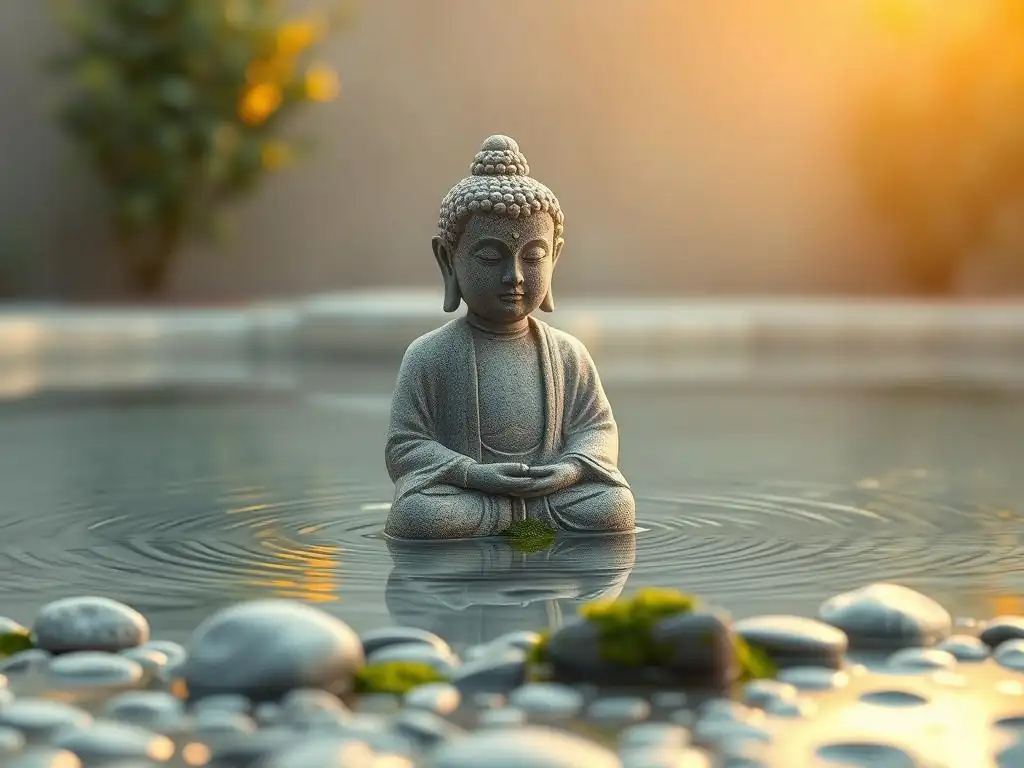
Meditation: Cultivating Inner Peace and Insight
Meditation is perhaps the most widely recognized mindfulness practice and a powerful tool for spiritual connection. Practices like Vipassana (insight meditation) or Samatha (calm abiding) train the mind to focus and observe, leading to a state of inner peace and clarity. As the mind settles, individuals may experience a sense of detachment from bothersome thoughts, revealing a deeper layer of consciousness or awareness. This quiet space can feel profoundly spiritual, offering a respite from the ego's demands and opening up the possibility of connecting with a deeper self or universal consciousness.
Consistent meditation practice can lead to profound insights about the nature of reality, the interconnectedness of all things, and one's own place within the larger scheme. Many practitioners report experiences of expanded awareness, compassion, and a sense of unity during or after meditation. For example, a study involving regular meditators might show increased activity in brain regions associated with empathy and self-awareness. This cultivation of inner peace and insight through meditation is a direct path to experiencing the spiritual dimensions of life, contributing significantly to the benefits of mindfulness spirituality mental wellbeing.
Mindful Movement: Connecting Body and Spirit
Mindful movement practices, such as yoga, Tai Chi, Qigong, or even conscious walking, offer another powerful way to integrate mindfulness and spirituality. These practices involve bringing focused attention to the physical sensations of the body as it moves, the breath, and the coordination between mind and body. By fully inhabiting the physical form with awareness, individuals can release tension, improve proprioception, and cultivate a sense of being grounded in the present moment.
Beyond the physical benefits, mindful movement can be a deeply spiritual experience. The fluid, intentional movements, often combined with breathwork, can induce a meditative state, fostering a sense of flow and connection. Many find that moving mindfully allows them to connect with the wisdom of the body, experience a sense of vitality, and feel more connected to the earth and the natural world. Practices like bowing in yoga or Tai Chi often carry spiritual significance, turning physical exercise into a form of moving meditation and devotion that nourishes both body and spirit.
Mindful Awareness in Daily Life: Integrating Spirituality
Integrating mindful awareness into daily activities transforms the mundane into opportunities for spiritual practice. This involves bringing non-judgmental attention to simple tasks like eating, washing dishes, walking, or listening to others. By fully engaging with these moments, we anchor ourselves in the present and find pockets of peace and presence amidst the busyness of life. This continuous practice cultivates a state of being, rather than just doing, bringing mindfulness into every interaction and experience.
When mindful awareness is applied to daily life with a spiritual intention, it imbues these activities with deeper meaning. Eating mindfully can become an act of gratitude for nourishment; walking mindfully in nature can become a way to connect with the sacredness of the earth; listening mindfully to a friend can become an act of compassionate presence.
This integration helps bridge the gap between formal practice and everyday living, making spirituality a constant, living presence rather than something confined to specific times or places. It reinforces the understanding that every moment holds the potential for connection and awareness, enhancing the benefits of mindfulness spirituality mental wellbeing day-to-day.
Spirituality-Based Practices to Deepen Mindfulness
Prayer and Contemplation: Fostering Connection
Prayer and contemplation are spiritual practices that can significantly deepen mindfulness by fostering focused attention and a sense of connection. While prayer can take many forms, from petitionary requests to expressions of gratitude or devotion, contemplative prayer often involves resting in silence or repeating a sacred word or phrase with focused intention. This process quietens the discursive mind, similar to meditation, and opens the practitioner to a deeper sense of presence – often experienced as connection with a higher power or the divine.
Contemplation, whether within a religious framework or simply as a practice of deep, reflective thought on a spiritual theme or question, cultivates sustained attention and insight. Unlike analytical thinking, contemplation is more about dwelling with a concept or image, allowing its meaning to unfold intuitively. This practice sharpens the ability to focus the mind and notice subtle shifts in understanding or feeling, skills central to mindfulness. By providing a focus for attention rooted in purpose and meaning, prayer and contemplation can make the path to mindfulness feel more accessible and spiritually enriching.
Nature Connection: Finding Mindfulness and Spirituality
Spending time in nature is a powerful way to cultivate both mindfulness and spirituality. The natural world provides countless opportunities to engage the senses and practice presence – observing the intricate patterns of a leaf, listening to the sound of wind in the trees, feeling the texture of bark, or simply breathing the fresh air. This sensory engagement naturally draws the mind away from internal chatter and into the external environment, grounding one in the present moment.
Beyond simple presence, nature often evokes feelings of awe, wonder, and interconnectedness, which are deeply spiritual experiences. Witnessing the grandeur of a mountain range, the vastness of the ocean, or the resilience of a tiny plant pushing through concrete can shift perspective and foster a sense of belonging to something much larger than oneself. This blend of mindful observation and spiritual awe found in nature connection offers a potent pathway to enhanced wellbeing, providing a sense of peace, perspective, and vital energy.
Service and Compassion: Embodying Values Through Action
Engaging in acts of service and cultivating compassion are spiritual practices that inherently foster mindfulness by requiring presence and attention to others' needs. When we are focused on helping another person or contributing to the well-being of our community, our attention is naturally drawn outwards, away from self-preoccupation. This focus on the present needs of others demands mindful awareness – listening attentively, observing subtle cues, and responding with intention and care.
Acts of service are often rooted in spiritual values like love, empathy, and interconnectedness. By putting these values into action, we embody our spiritual beliefs and create tangible positive impact. This not only benefits others but also deepens our own sense of purpose and connection. For example, volunteering at a local shelter requires mindful attention to the individuals being served and the tasks at hand, while simultaneously being an expression of compassion and a spiritual commitment to alleviating suffering. This active embodiment of values reinforces the benefits of mindfulness spirituality mental wellbeing by aligning inner intentions with outer actions.
Wellbeing Benefits of Integrating Mindfulness and Spirituality
Reducing Stress and Anxiety
Integrating mindfulness and spirituality provides a robust framework for reducing stress and anxiety. Mindfulness practices, such as focused breathing or body scans, directly engage the parasympathetic nervous system, promoting relaxation and reducing the physiological stress response. By training the mind to observe thoughts and feelings without judgment, mindfulness helps individuals detach from anxious thought patterns, preventing them from escalating into overwhelming stress.
When combined with spiritual practices, this effect is often amplified. Spirituality can provide a sense of perspective, reminding individuals that they are part of something larger and that difficulties are temporary. Practices like prayer, contemplation, or connecting with a supportive spiritual community can offer comfort, hope, and a sense of being supported, which are powerful antidotes to anxiety.
A study might show, for example, that participants who regularly engage in both mindful meditation and spiritual reflection report significantly lower levels of perceived stress and anxiety symptoms compared to control groups. This demonstrates the tangible benefits of mindfulness spirituality mental wellbeing in managing common psychological challenges.
Cultivating Inner Peace and Resilience
The combined path of mindfulness and spirituality is highly effective in cultivating inner peace and resilience. Mindfulness helps us become aware of our inner landscape, including difficult emotions, without being consumed by them. This non-reactive awareness allows us to navigate challenges from a place of calm observation rather than panicked reaction. As we become less tossed about by our internal states, a foundational sense of inner peace begins to emerge.
Spirituality contributes to resilience by providing a source of strength, hope, and meaning, especially during times of adversity. A belief system or spiritual framework can offer a sense of purpose that helps individuals persevere through hardship. Practices like gratitude, forgiveness, and trust – often central to spiritual life – build emotional resilience by fostering positive outlooks and healthy ways of processing difficult experiences. Together, mindfulness provides the tools to stay present and aware during difficulty, while spirituality offers the deeper context and inner resources to face challenges with strength and grace, reinforcing the benefits of mindfulness spirituality mental wellbeing.
Enhancing Self-Awareness and Emotional Regulation
Both mindfulness and spirituality are key drivers in enhancing self-awareness and emotional regulation. Mindfulness training explicitly teaches individuals to notice their thoughts, feelings, and bodily sensations as they arise. This increased awareness allows for a better understanding of one's internal triggers and patterns of reaction. By observing emotions without immediately acting on them, individuals develop the capacity to pause and choose a more skillful response, rather than being controlled by impulsive reactions.
Spirituality complements this by often encouraging introspection, reflection on one's values and motivations, and practices like confession or journaling that promote self-examination. Many spiritual traditions emphasize understanding the "true self" beyond the ego. This deeper self-awareness, combined with the mindful ability to observe emotions non-judgmentally, significantly enhances emotional regulation.
For example, someone integrating these practices might notice the onset of anger, mindfully observe the physical sensations and thoughts associated with it, and then draw upon spiritual values of patience or forgiveness to respond in a more constructive way. This synergy is a significant contributor to the benefits of mindfulness spirituality mental wellbeing.
Finding Meaning and Purpose
A profound benefit of integrating mindfulness and spirituality is the enhanced ability to find meaning and purpose in life. Spirituality inherently involves a search for meaning that transcends the material world, providing a framework for understanding one's existence and place within the universe. Whether through belief in a higher power, adherence to ethical principles, or dedication to service, spirituality offers a sense of direction and significance.
Mindfulness supports this by helping individuals become more present and aware of their values and intentions. By quieting the noise of daily distractions and internal chatter, mindfulness allows us to tune into what truly matters to us on a deeper level.
It helps us notice moments of connection, beauty, and synchronicity that might otherwise be missed, reinforcing a sense of wonder and purpose. Together, mindfulness grounds us in the present reality of our lives, while spirituality lifts our gaze towards higher aspirations and enduring values, creating a powerful foundation for a life rich in meaning and purpose, which is a core aspect of overall mental wellbeing.
Practical Tips for Cultivating Mindfulness and Spirituality

Starting a Meditation Practice
Beginning a meditation practice is a practical step towards cultivating both mindfulness and spirituality. Start small – just 5-10 minutes a day can make a difference. Find a quiet place where you won't be disturbed. You can sit comfortably on a cushion or chair, with your spine reasonably straight. Close your eyes gently or soften your gaze. Choose a focus point, such as the sensation of your breath entering and leaving your nostrils or the rise and fall of your abdomen.
When your mind inevitably wanders (which it will! ), simply notice where it went without judgment and gently guide your attention back to your chosen focus. The act of noticing the wandering and returning is the practice itself. There are many guided meditations available online or through apps that can help you get started, focusing on themes like breath awareness, body scan, or loving-kindness, some of which explicitly weave in spiritual themes like compassion or interconnectedness. Consistency is more important than duration when starting out.
Incorporating Practices into Daily Routine
Integrating mindfulness and spirituality into your daily routine doesn't require hours of dedicated time; small, intentional moments throughout the day can be very effective. For example, you can practice mindful eating by paying full attention to the taste, texture, and smell of your food for the first few minutes of a meal. You can practice mindful walking by noticing the sensation of your feet on the ground and the movement of your body as you walk to your car or between rooms.
Spirituality can also be woven into daily life. This could involve taking a moment each morning to set an intention rooted in your values, expressing gratitude for three things before bed, or pausing to appreciate the beauty of nature during your commute. Simple acts of kindness or offering a silent wish for someone's well-being are also ways to bring spiritual values into the present moment. The key is to find moments where you can pause, bring awareness, and connect with your deeper self or values, making the benefits of mindfulness spirituality mental wellbeing more consistently accessible.
Creating a Supportive Environment
Creating a supportive environment, both externally and internally, is crucial for nurturing mindfulness and spirituality. Externally, this might involve designating a quiet space in your home for practice, surrounding yourself with objects that inspire you (like meaningful symbols or natural elements), or seeking out communities – whether in-person or online – that share similar interests in mindfulness, spirituality, or personal growth. Sharing your journey with others can provide encouragement, different perspectives, and a sense of belonging.
Internally, cultivating a supportive environment means fostering an attitude of kindness and patience towards yourself. The path of mindfulness and spirituality is not always linear, and there will be challenges and setbacks. Approaching these with self-compassion, rather than self-criticism, is vital. Recognize that progress is gradual, and simply showing up for practice, even when it feels difficult, is an accomplishment. Nurturing this internal attitude of acceptance and encouragement makes the journey sustainable and more enjoyable, fostering the benefits of mindfulness spirituality mental wellbeing.
Addressing Challenges and Misconceptions
Common Obstacles
Embarking on the path of integrating mindfulness and spirituality can present several common obstacles. One of the most frequent is finding the time and motivation to practice consistently amidst busy schedules. Modern life is demanding, and dedicating even a few minutes daily can feel like a challenge. Another obstacle is the wandering mind; many beginners become discouraged when they realize how often their minds drift during meditation or other mindful activities, mistakenly believing they are "doing it wrong."
Resistance and discomfort can also arise. As mindfulness brings us into closer contact with our internal experience, we may encounter difficult emotions, uncomfortable sensations, or challenging thoughts that we have previously avoided. Similarly, exploring spirituality might bring up existential questions or confront deeply held beliefs. Navigating these internal challenges requires patience, persistence, and often, guidance from experienced teachers or mentors.
Debunking Myths
Several myths surround both mindfulness and spirituality, which can hinder practice. A common misconception about mindfulness is that it's about emptying the mind or stopping thoughts. This is inaccurate; mindfulness is about observing thoughts without judgment, recognizing them as transient mental events. Another myth is that spirituality requires adherence to a specific religion; true spirituality is a personal quest for meaning and connection that can exist independently of organized religion.
There's also a myth that integrating mindfulness and spirituality means escaping from reality or avoiding difficult emotions. On the contrary, both practices encourage facing reality as it is and engaging with emotions constructively. The benefits of mindfulness spirituality mental wellbeing are not about bypassing pain but about developing the capacity to navigate it with greater presence and resilience. Debunking these myths is essential for approaching the practices with realistic expectations and an open mind.
Integrating mindfulness and spirituality can be incredibly supportive for individuals navigating mental health conditions such as grief, trauma, depression, or anxiety, but it's crucial to approach this carefully. Mindfulness can help individuals become more aware of their internal states without being overwhelmed, which can be particularly challenging with intense emotions like those associated with grief or trauma. For someone experiencing trauma, certain mindfulness practices, particularly those focusing intensely on bodily sensations, might need to be adapted or approached with caution, ideally under the guidance of a trauma-informed therapist.
Spirituality can offer a source of comfort, hope, and meaning when dealing with profound loss or suffering. Finding a spiritual perspective on grief can provide a sense of continuity or connection to the departed, while spiritual practices might offer rituals or community support that aid in healing. However, for some, trauma may have occurred within a spiritual or religious context, making traditional spiritual practices difficult or triggering.
In such cases, exploring secular mindfulness or alternative forms of spiritual expression that feel safe and empowering is essential. It is always recommended that individuals with significant mental health challenges consult with qualified mental health professionals who can help integrate these practices safely and effectively into a broader treatment plan, ensuring that the pursuit of mindfulness spirituality mental wellbeing is supportive, not harmful.
Conclusion: Embracing Mindfulness and Spirituality for Holistic Wellbeing
The Enduring Benefits
The integration of mindfulness and spirituality offers enduring benefits for holistic wellbeing, touching upon mental, emotional, and existential dimensions of life. By cultivating present moment awareness and acceptance through mindfulness, individuals gain greater clarity, emotional regulation, and a reduced susceptibility to stress and anxiety. When this is interwoven with the search for meaning, purpose, and connection inherent in spirituality, the result is a deeper sense of peace, resilience, and fulfillment.
The combined power of these practices helps us navigate the complexities of life with greater grace and wisdom. It fosters compassion for ourselves and others, strengthens our ability to connect authentically, and provides a framework for living a life aligned with our deepest values. The benefits of mindfulness spirituality mental wellbeing are not merely about feeling better, but about cultivating a richer, more meaningful existence grounded in presence and purpose.
Continuing Your Journey
Embracing mindfulness and spirituality is a lifelong journey, not a destination. As you continue on this path, remain curious, patient, and open to exploration. Experiment with different practices – meditation, mindful movement, time in nature, contemplative prayer, acts of service – to discover what resonates most deeply with you. Be gentle with yourself on days when practice feels challenging or elusive.
Seek support and guidance from teachers, mentors, or like-minded communities if possible. Reflect regularly on how these practices are influencing your daily life and your sense of wellbeing. The continuous effort to cultivate presence and connect with something larger than yourself will undoubtedly enrich your life and contribute significantly to your ongoing mental and spiritual health. The journey of mindfulness spirituality mental wellbeing is one of continuous growth and deepening connection.
Frequently Asked Questions
What is the core connection between mindfulness and spirituality, as discussed in the Mind Care Guide article?
The article explores how both mindfulness and spirituality emphasize present moment awareness and a deeper connection to something larger than oneself. They often intertwine to foster inner peace and understanding.
How can practicing mindfulness contribute to improved mental wellbeing, as highlighted by Mind Care Guide?
Mindfulness helps reduce stress and anxiety by focusing on the present, leading to improved emotional regulation and increased self-awareness. Mind Care Guide emphasizes its role in cultivating overall mental wellbeing.
Does the Mind Care Guide article suggest that spirituality requires religious affiliation to be beneficial for mental wellbeing?
No, the article emphasizes that spirituality, within the context of mindfulness spirituality mental wellbeing benefits, doesn't necessarily require religious affiliation. It focuses on personal connection and meaning.
What are some practical ways, according to Mind Care Guide, to integrate mindfulness and spirituality into daily life for enhanced mental wellbeing?
The Mind Care Guide may suggest practices like meditation, mindful breathing, spending time in nature, and cultivating compassion. These foster a stronger sense of purpose and inner connection.
What role do "mindfulness spirituality mental wellbeing benefits" play in addressing mental health challenges, as explained by Mind Care Guide?
The article likely positions them as complementary tools alongside traditional therapies. They can help manage symptoms, improve resilience, and foster a more positive outlook on mental health challenges, emphasizing holistic wellbeing.
Final Reflection: Cultivating Inner Peace Through Mindfulness and Spirituality
The interwoven practices of mindfulness and spirituality offer a powerful antidote to the anxieties of modern life, a pathway to genuine and lasting mental wellbeing. In a world increasingly dominated by external pressures and instant gratification, the internal work of cultivating presence and connecting with something larger than ourselves becomes not just desirable, but essential for navigating the complexities of the human experience. This deep connection, explored throughout this article, offers a profound and accessible route to a more fulfilling and peaceful existence.
The exploration of mindfulness and spirituality's impact on mental wellbeing has been a deeply personal journey for me, revealing the transformative power of inner work. I've witnessed firsthand how the consistent practice of mindfulness can quiet the incessant chatter of the mind, allowing space for clarity, compassion, and a deeper understanding of oneself and the world. This resonates deeply with the words of Thich Nhat Hanh: Peace is not something you can find. Peace is something you create.
This creation, I believe, is fundamentally linked to the cultivation of both mindfulness and a spiritual connection, however that may be defined for each individual.
Now, consider your own life. What practices resonate with you from the exploration of mindfulness and spirituality presented here? How can you integrate even small moments of mindful presence into your daily routine?
Perhaps it's a few minutes of quiet meditation each morning, a conscious appreciation of a simple act like drinking your tea, or simply taking a few deep breaths when feeling overwhelmed. The journey towards greater mental wellbeing is a personal one, but the tools and insights shared here offer a starting point for your own unique path to inner peace and lasting fulfillment. Embrace the journey, and discover the transformative power within.
Unveil Your Inner Peace: Cultivate Mindfulness and Spirituality
Thank you for taking the time to explore the profound connection between mindfulness and spirituality! We hope this article has provided you with valuable insights and tools for enriching your inner life. Now it's time to put these insights into practice.
Here are a few ways to continue your journey:
- Begin a daily mindfulness practice: Even five minutes of focused breathing can make a world of difference. Start small and gradually increase your practice time as you feel comfortable.
- Share this article with a friend or family member who might also benefit from exploring mindfulness and spirituality. Let's spread the word and create a more mindful community.
- Reflect on a specific spiritual practice that resonates with you: Consider journaling about your experience, exploring different traditions, or simply dedicating some time each day to connect with your inner self.
What specific spiritual practice will you incorporate into your daily life to deepen your connection with yourself?