
Making Prayer a Habit for Lasting Mental Peace


Welcome to Mind Care Guide, a sanctuary for your mental well-being.
Are you searching for lasting peace amidst the daily storms? Many have found solace and strength through prayer, but how do you transform it from a fleeting wish into a powerful habit? Dive into our guide on Prayer for Mental Peace Habits and discover practical steps to cultivate inner tranquility and resilience. Let's explore how connecting with something bigger than ourselves can be a cornerstone of lasting mental health.
Making Prayer a Habit for Lasting Mental Peace: A Mind Care Guide
- Introduction: The Power of Prayer for Mental Wellbeing
- Establishing a Foundation: Preparing to Pray Consistently
- Building the Habit: Practical Steps to Integrate Prayer into Your Daily Life
- Overcoming Challenges: Addressing Common Obstacles to Consistent Prayer
- Deepening Your Prayer Practice: Techniques for Enhanced Mental Peace
- The Long-Term Benefits: Sustaining Your Prayer Habit for Lasting Mental Peace
- Conclusion: Embracing Prayer as a Path to Mental and Spiritual Harmony
-
Frequently Asked Questions
- How can prayer become a habit that promotes mental peace?
- What are some benefits of incorporating prayer into a routine for mental well-being?
- What types of prayer are most effective for achieving mental peace?
- How often should I pray to experience the mental peace benefits?
- What if I don't identify with a specific religion; can I still benefit from prayer for mental peace?
- Final Reflection: Cultivating Inner Stillness Through Prayer
- Unlock Your Inner Calm: Start a Daily Prayer Practice
Introduction: The Power of Prayer for Mental Wellbeing
Understanding the Connection Between Prayer and Mental Health
Prayer, as a spiritual practice, has long been recognized for its potential impact on an individual's mental and emotional state. While not a substitute for professional medical or therapeutic care, engaging in regular prayer can offer a unique pathway to inner calm and resilience.
Studies and anecdotal evidence suggest that individuals who incorporate spiritual practices like prayer into their lives often report lower levels of stress and anxiety compared to those who do not. This connection isn't necessarily tied to specific religious doctrines but rather to the act of prayer itself – the moments of quiet reflection, surrender, and connection to something larger than oneself.
Research, including surveys and observational studies, has consistently indicated a correlation between religious and spiritual engagement, which includes prayer, and various positive mental health outcomes. For instance, some large-scale surveys have found that individuals reporting higher levels of religious service attendance or personal prayer practices tend to exhibit fewer symptoms of depression and anxiety.
While correlation does not equal causation, these findings suggest that the psychological and emotional processes involved in prayer – such as fostering hope, building a sense of community (even if praying alone but feeling connected to a tradition), and providing a framework for understanding life's challenges – contribute significantly to overall mental well-being.
Why Cultivating a Prayer Habit Matters for Inner Peace
Cultivating a consistent prayer habit is crucial because its benefits tend to accumulate over time, much like the benefits of regular exercise or healthy eating. Sporadic prayer might offer temporary relief, but integrating it into your daily life allows you to build a foundation of inner peace that can withstand life's inevitable challenges. A regular prayer for mental peace habits practice provides a reliable anchor, a dedicated time to pause, breathe, and reconnect, regardless of external circumstances. This consistency helps train the mind to find moments of calm amidst chaos.
Developing a daily rhythm of prayer helps reinforce positive coping mechanisms and emotional regulation. When prayer becomes a habit, it's not just something you do in a crisis; it becomes a source of strength and perspective during ordinary times as well. This continuous engagement fosters a deeper sense of spiritual connection and purpose, which are powerful buffers against feelings of isolation, despair, and meaninglessness. Making prayer a deliberate part of your routine can transform it from an occasional activity into a vital component of your ongoing self-care and mental health strategy.
Establishing a Foundation: Preparing to Pray Consistently
Creating a Dedicated Prayer Space for Focus
Designating a specific area for prayer can significantly enhance your ability to focus and make the practice a consistent habit. This space doesn't need to be large or elaborate; it could be a comfortable chair in a quiet corner, a windowsill, or even just tidying a small surface where you can place something meaningful, like a candle or a spiritual text. The purpose is to create an environment that signals to your mind that it's time to transition from daily distractions to a state of reflection and connection.
Having a dedicated prayer space minimizes external interruptions and helps establish a routine trigger. When you go to that specific spot, your mind and body begin to associate it with prayer, making it easier to enter a contemplative state. This physical boundary helps reinforce the mental boundary needed to quiet the noise of daily life and focus on your inner spiritual practice. Over time, this space becomes a sanctuary, a reliable haven for seeking mental peace through prayer.
Setting Realistic Prayer Time Goals: Start Small, Grow Strong
When beginning to cultivate a prayer for mental peace habits practice, it's essential to set realistic goals. Aiming for an hour of prayer every day might be unsustainable and lead to discouragement. Instead, start small – perhaps five to ten minutes daily. The key is consistency, not duration. Even a brief period of focused prayer can make a difference in centering yourself and connecting spiritually.
Once you feel comfortable and consistent with your initial time goal, you can gradually increase the duration as your comfort and desire grow. Think of it like building physical stamina; you start with manageable steps and build up over time. Committing to a short, achievable prayer time makes it easier to fit into a busy schedule and reduces the likelihood of skipping days. Remember, the goal is to establish a sustainable habit that brings lasting peace, not to achieve a specific duration immediately.
Choosing Prayer Styles That Resonate with You: Contemplative Prayer, Petitionary Prayer, Thanksgiving Prayer
Prayer is not monolithic; it encompasses a wide spectrum of practices. Exploring different styles can help you find approaches that resonate most deeply with your personality and current needs. Contemplative prayer, for example, focuses on quiet presence and listening, often using a single word or phrase to still the mind. This style can be particularly helpful for reducing mental chatter and finding deep inner calm.
Other common styles include petitionary prayer, where you bring requests or needs before a higher power, and thanksgiving prayer, which centers on expressing gratitude for blessings. Many people find a blend of styles most effective. You might start your prayer time with a few moments of quiet contemplation, then offer thanks for specific things in your life, and perhaps conclude with a petition for yourself or others. Experimenting with these different approaches allows you to engage with prayer in a way that feels authentic and supportive of your journey towards mental peace.
Building the Habit: Practical Steps to Integrate Prayer into Your Daily Life

Morning Prayer Routine: Starting the Day with Intention
Integrating prayer into your morning routine sets a positive and intentional tone for the entire day. Before diving into emails, news, or the day's tasks, dedicate a few minutes to prayer. This could involve expressing gratitude for the new day, setting an intention for how you want to approach challenges, or simply sitting in quiet reflection. Starting your day with this spiritual anchor can help you feel more grounded and less reactive to stress.
Making morning prayer a non-negotiable part of your wakeup ritual is key to building the habit. For instance, immediately after waking up or while your coffee brews, go to your dedicated prayer space. This helps prevent the day's demands from immediately crowding out your intention to pray. Even a short, focused prayer can significantly impact your mindset, helping you face the day with greater peace and clarity.
Midday Prayer Break: Finding Moments of Calm and Reflection
Finding moments for prayer throughout the day, even brief ones, can act as powerful resets for your mental state. A midday prayer break doesn't need to be long – perhaps just two to five minutes during a lunch break or a quiet moment between tasks. This short pause allows you to step away from the pressures of work or daily life, take a few deep breaths, and reconnect with your spiritual center.
These short bursts of prayer serve as mini-meditations that can help reduce accumulated stress and improve focus for the rest of the day. You might use this time to offer a brief prayer of thanks, seek guidance for a current challenge, or simply acknowledge your presence in the moment. Integrating these small prayer breaks makes your overall prayer for mental peace habits more consistent and provides regular moments of calm amidst a busy schedule.
Evening Prayer and Gratitude: Reflecting on Blessings and Challenges
Concluding your day with prayer offers an opportunity for reflection, processing the day's events, and preparing for restful sleep. Evening prayer can involve reviewing the day – acknowledging both successes and challenges, expressing gratitude for positive experiences, and perhaps seeking peace or resolution for difficulties encountered. This practice helps you release the day's burdens before going to bed.
Incorporating gratitude into your evening prayer is particularly beneficial for mental well-being. Taking time to specifically thank a higher power or the universe for three to five things that happened during the day, no matter how small, shifts your focus to the positive aspects of your life. This practice has been shown to improve mood, reduce symptoms of depression, and enhance overall feelings of contentment, contributing significantly to your prayer for lasting mental peace.
Using Prayer Apps and Resources to Support Your Practice
In today's digital age, various tools and resources can support the development of a consistent prayer habit. While avoiding specific recommendations here, exploring general types of resources can be helpful. Some apps offer guided prayers, daily devotionals, or reminders to pray at specific times. Others might provide calming music or nature sounds to enhance your prayer space.
Beyond apps, many websites and online communities offer spiritual readings, scripture passages, or reflections that can enrich your prayer life. Podcasts and audio recordings of spiritual teachers or guided meditations can also serve as valuable resources. Utilizing these tools can provide structure, inspiration, and a sense of connection, making it easier to integrate prayer into your daily routine and sustain your prayer for mental peace habits over time.
Overcoming Challenges: Addressing Common Obstacles to Consistent Prayer
Dealing with Distractions During Prayer Time
One of the most common obstacles to consistent prayer is distraction. The mind is often busy, jumping from thoughts about work, family, errands, or worries. When trying to pray, these thoughts can feel overwhelming, making it difficult to focus. It's important to recognize that a wandering mind is a normal part of the process, not a sign of failure.
Strategies for dealing with distractions include setting a timer for your prayer session to create a defined boundary, choosing a quiet location free from interruptions, and gently redirecting your focus back to your prayer or chosen object of contemplation whenever your mind drifts. You can also try incorporating mindful breathing exercises before or during prayer to help calm the nervous system and bring your attention to the present moment. Consistency in returning to your intention, rather than achieving perfect stillness, is key to developing a resilient prayer for mental peace habits practice.
Managing Feelings of Doubt or Disconnection
Another significant challenge can be feelings of doubt, skepticism, or a sense of disconnection during prayer. Sometimes prayer might feel like talking to an empty room, or you might question the efficacy or purpose of the practice, especially during difficult times. These feelings are normal fluctuations in the spiritual journey and don't invalidate your effort.
When faced with doubt or disconnection, try shifting your focus from feeling a certain way to simply showing up for the practice. Continue to dedicate the time and space for prayer, even if it feels mechanical. Sometimes, the act of showing up is the prayer itself. Reading spiritual texts, listening to inspiring talks, or connecting with others who share a similar path can also help reaffirm your reasons for pursuing a prayer for mental peace habits and provide encouragement during periods of dryness.
Finding Motivation When Prayer Feels Difficult
There will inevitably be days when you lack motivation to pray. You might feel tired, overwhelmed, or simply not 'in the mood'. This is a natural part of building any habit, and it's important not to let these moments derail your progress entirely. Recognize that consistency is more important than intensity on any given day.
On days when motivation is low, lower your expectations. Commit to just two minutes of prayer, or simply sit in your prayer space for a brief period. The act of showing up, even minimally, reinforces the habit and prevents you from breaking the chain. Remind yourself why you are cultivating a prayer for mental peace habits – the long-term benefits for your well-being. Sometimes, simply beginning the prayer, even without feeling motivated, can shift your state and make the rest of the time more meaningful than you anticipated.
Deepening Your Prayer Practice: Techniques for Enhanced Mental Peace
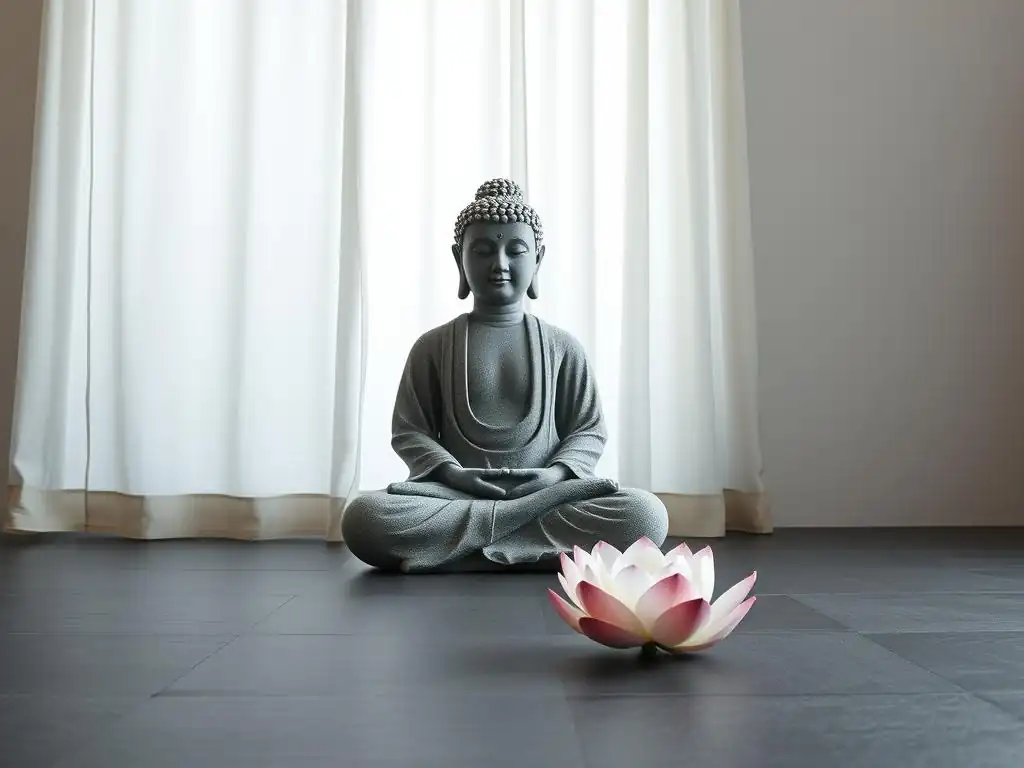
Incorporating Mindfulness into Your Prayer
Combining mindfulness with prayer can significantly deepen the practice and enhance its benefits for mental peace. Mindfulness is the practice of being fully present and aware of where you are and what you're doing, without being overly reactive or overwhelmed by what's going on around you. When applied to prayer, it means bringing your full attention to the words you are saying (or not saying), your breath, your bodily sensations, and the intention behind your prayer.
Instead of rushing through a list of requests or thoughts, try to stay present with each moment of your prayer time. Notice the feeling of your feet on the floor, the rhythm of your breathing, or the simple act of sitting in stillness. If you are using specific prayers, speak or think the words slowly, allowing their meaning to resonate. This mindful approach helps quiet the internal noise, making your prayer more focused and allowing you to experience a deeper sense of connection and calm.
Using Scripture and Spiritual Readings for Guidance
Incorporating scripture or spiritual texts from your tradition into your prayer practice can provide rich material for reflection and guidance. Reading a passage before or during prayer can offer inspiration, new perspectives, or specific themes to contemplate. For example, reading a psalm focused on trust can inform your prayer when you are feeling anxious, or a passage about love can guide your prayer for others.
These readings serve not just as intellectual exercises but as springboards for dialogue within your prayer. You can reflect on how the text applies to your life, ask questions about its meaning, or use it as a prompt for gratitude or petition. Engaging with spiritual wisdom through reading can deepen your understanding of your faith or spiritual path and provide a structured way to focus your mind during prayer, fostering a stronger sense of purpose and peace.
Journaling Your Prayers and Reflections: What am I grateful for today?
Journaling alongside your prayer practice can be a powerful tool for processing thoughts, tracking your spiritual journey, and cultivating gratitude. After your prayer time, take a few minutes to write down your thoughts, feelings, or insights that arose. You might record requests you made, moments of connection you felt, or challenges you brought to prayer.
A particularly beneficial journaling practice is focusing on gratitude. Regularly asking yourself, "What am I grateful for today?" and writing down the answers, even just three things, can significantly shift your perspective towards the positive aspects of your life. This practice, often done after or during evening prayer, reinforces the benefits of thanksgiving prayer and has been widely shown to improve mood and overall life satisfaction, contributing directly to your prayer for lasting mental peace.
Praying for Others: Cultivating Compassion and Connection
Extending your prayer beyond yourself to include others is a powerful way to deepen your practice and cultivate compassion. Praying for family, friends, colleagues, or even strangers can shift your focus outward, reducing self-preoccupation and fostering a sense of connection to the wider world. This practice is often called intercessory prayer.
Praying for others not only benefits those you are praying for (in whatever way you understand that) but also has significant positive effects on the person praying. It can reduce feelings of isolation, increase empathy, and promote a sense of purpose derived from wishing well for others. This act of compassionate concern can be a profound source of inner peace and reinforce the interconnectedness of all beings, enriching your prayer for mental peace habits.
The Long-Term Benefits: Sustaining Your Prayer Habit for Lasting Mental Peace
Experiencing Reduced Anxiety and Stress Through Prayer
One of the most frequently reported long-term benefits of a consistent prayer habit is a noticeable reduction in anxiety and stress levels. Regular prayer provides a reliable mechanism for stepping away from stressors, centering oneself, and gaining perspective. The act of surrendering worries or challenges in prayer can alleviate the mental burden they carry.
For individuals who maintain a regular prayer for mental peace habits practice, the cumulative effect can be significant. Instead of stress building up unchecked, daily prayer offers moments of release and calm. While prayer doesn't eliminate life's challenges, it can change your response to them, fostering a greater sense of resilience and emotional regulation. Many find that consistent prayer helps quiet the anxious 'what if' thoughts and promotes a more trusting and peaceful outlook.
Fostering a Sense of Hope and Optimism
A sustained prayer practice often cultivates a stronger sense of hope and optimism. By regularly connecting with a higher power or spiritual source, individuals can develop a belief in a benevolent force or a positive ultimate outcome, even in the face of adversity. Prayer can provide a framework for understanding suffering and finding meaning, which are crucial components of maintaining hope.
This hopeful perspective is not about denying difficulties but about believing in the possibility of positive change, inner strength, or divine support. A consistent prayer for mental peace habits reinforces this hopeful outlook daily, helping to counteract feelings of despair or helplessness. Over time, this fostered optimism can profoundly impact resilience and the ability to navigate life's ups and downs with greater peace.
Strengthening Your Spiritual Connection and Purpose
Beyond reducing stress, the long-term practice of prayer deepens your spiritual connection and clarifies your sense of purpose. Regular engagement allows for a more profound relationship with the divine or your spiritual beliefs, fostering a sense of belonging and meaning that transcends daily life. This connection can provide a stable identity and direction.
Understanding your purpose, or feeling connected to something larger than yourself, is a significant factor in overall mental well-being. A consistent prayer for mental peace habits helps nurture this understanding, providing moments for reflection on values, callings, and the bigger picture. This deepened spiritual foundation contributes to lasting mental peace by providing a stable source of meaning, strength, and guidance throughout life.
Conclusion: Embracing Prayer as a Path to Mental and Spiritual Harmony
Prayer for lasting mental peace: A Recap of Key Strategies
Cultivating a consistent prayer for mental peace habits is a journey that offers profound benefits for mental well-being. We've explored how understanding the connection between prayer and mental health lays the groundwork, highlighting its potential to reduce stress and foster resilience. Establishing a foundation involves creating a dedicated space, setting realistic time goals, and choosing prayer styles that resonate with you.
Building the habit requires practical integration into daily life through morning, midday, and evening routines, supported by resources like prayer apps. Overcoming challenges such as distractions and doubt involves persistence and adapting your approach. Deepening your practice through mindfulness, spiritual readings, journaling, and praying for others enhances its effectiveness. The long-term rewards include reduced anxiety, increased hope, and a strengthened sense of purpose, demonstrating that consistent prayer is a powerful pathway to lasting mental and spiritual harmony.
Further Resources for Spiritual Growth and Mental Wellbeing
For those seeking to deepen their prayer for mental peace habits and explore the connection between spirituality and mental health further, various resources are available. Many faith traditions and spiritual organizations offer guidance on prayer practices, spiritual direction, and community support. Exploring these avenues can provide structure and encouragement.
Additionally, numerous books, articles, and workshops are dedicated to the intersection of mental health and spirituality, offering insights and practical tools. While individual prayer is a powerful practice, connecting with a supportive community or seeking guidance from spiritual leaders can offer additional layers of support for both your spiritual growth and overall mental well-being journey.
Frequently Asked Questions
How can prayer become a habit that promotes mental peace?
Prayer can become a habit by setting aside a specific time and place each day. Consistency is key; even short, regular prayers can create a lasting sense of calm and connection. Linking prayer to an existing habit, like before a meal, can also help.
What are some benefits of incorporating prayer into a routine for mental well-being?
Incorporating prayer offers benefits such as reduced stress and anxiety, fostering a sense of inner peace and hope. It can also provide comfort and strength during challenging times, promoting emotional resilience.
What types of prayer are most effective for achieving mental peace?
The most effective types of prayer vary from person to person. Some find solace in gratitude prayers, while others prefer meditative prayer or asking for guidance. Experiment to find what resonates with your personal beliefs and needs.
How often should I pray to experience the mental peace benefits?
There's no set rule, but aiming for daily prayer, even if just for a few minutes, is generally recommended. Consistency is more important than duration. Find a frequency that fits your schedule and feels meaningful.
What if I don't identify with a specific religion; can I still benefit from prayer for mental peace?
Yes! You can adapt prayer to your personal beliefs. Focus on connecting with something larger than yourself, expressing gratitude, or setting intentions for positive change. Many find solace in mindfulness and meditation which can be seen as a form of secular prayer.
Final Reflection: Cultivating Inner Stillness Through Prayer
The consistent practice of prayer isn't merely a religious ritual; it's a powerful tool for cultivating lasting mental peace in our increasingly chaotic world. In a society obsessed with productivity and external validation, the ability to find inner stillness and resilience is more crucial than ever. The techniques and insights explored in this article offer a pathway to that much-needed tranquility, a path accessible to anyone seeking a deeper connection with themselves and a more peaceful existence.
The impact of prayer on the cultural and social landscape is profound, extending far beyond religious institutions. It's a testament to the human need for solace and meaning, a universal yearning reflected in diverse spiritual practices across cultures and throughout history. Prayer, in its many forms, provides a framework for self-reflection, gratitude, and connection to something larger than oneself. As the poet Mary Oliver so eloquently stated: Pay attention. Be astonished. Tell about it.
This simple yet profound advice encapsulates the essence of mindful prayer—a practice that encourages us to be present, to observe our inner world with curiosity, and to share our experiences with others.
Now, consider your own life. What small steps can you take today to integrate prayer into your daily routine? Perhaps it's a moment of silent reflection before sleep, a few minutes of meditation during your lunch break, or a heartfelt conversation with a higher power.
Don't underestimate the power of even the smallest act of devotion. Embrace the journey, allow yourself to be surprised by the peace you discover, and remember that the path to lasting mental peace is a personal one, paved with intention, consistency, and a willingness to open your heart. Begin your journey today; your future self will thank you.
Unlock Your Inner Calm: Start a Daily Prayer Practice
Thanks for taking the time to explore the power of prayer for mental peace! We hope you found valuable insights into cultivating a more mindful and tranquil life. Now it's time to put these learnings into action. Here's how you can begin your journey:
- Commit to a daily 5-minute prayer practice: Even a short, focused prayer session can make a significant difference in your overall well-being. Start small and build from there. This is your primary action for lasting change.
- Share your experiences: Connect with others on their prayer journeys and inspire them by sharing your own progress and challenges within the Mind Care Guide community (if such exists).
- Try a different style of prayer: Experiment with different approaches to prayer—guided meditation, journaling your prayers, or simply spending quiet time in reflection.
Ready to embrace the transformative power of consistent prayer? What small step will you take today to integrate this practice into your daily life?