
Glimmers of Compassion: Humane Treatment in Unexpected Corners of Medieval Care

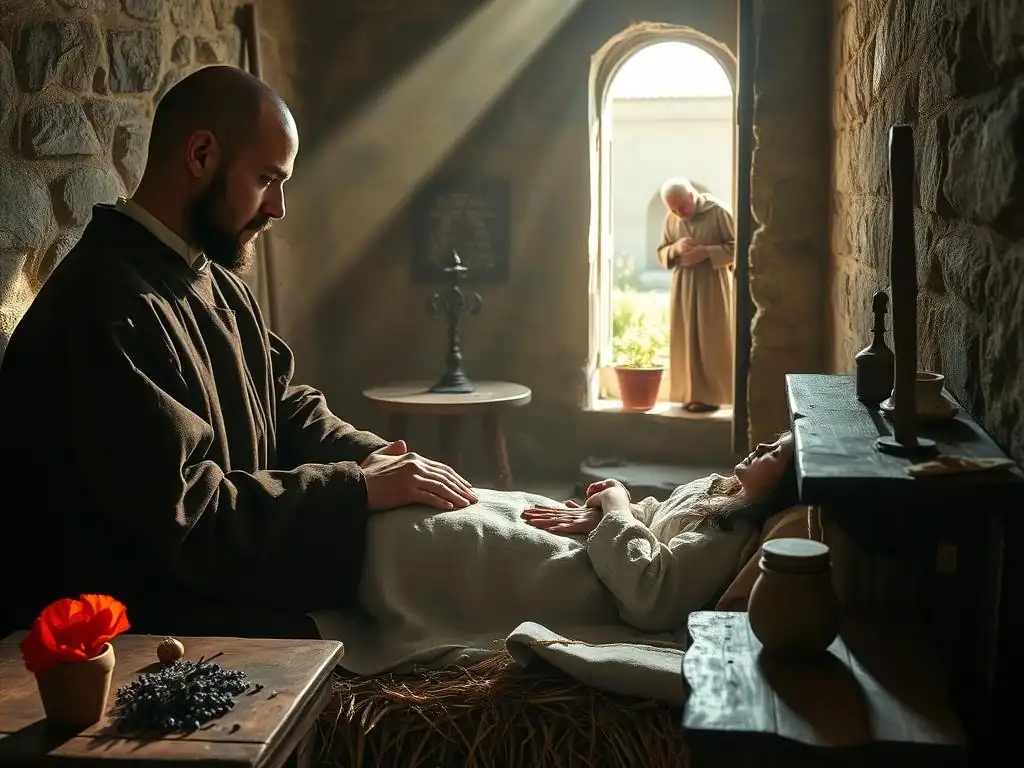
Welcome to Mind Care Guide.
Ever wondered if compassion existed in the shadows of the past? We often picture the Medieval era as a time of darkness, but within its folds, glimmers of humane treatment and understanding emerged in unexpected corners of patient care. This journey into Medieval compassionate patient care might just surprise you, revealing the seeds of empathy that bloomed long before we thought possible. Discover the stories often overlooked, and perhaps, find a new appreciation for the evolution of mental well-being. Ready to delve deeper and uncover these forgotten acts of kindness?
- Glimmers of Compassion: Humane Treatment in Unexpected Corners of Medieval Care
- Defining "Compassionate Care" in the Medieval Context
- Examples of Compassionate Care in Medieval Hospitals and Asylums
- The Role of Community and Family in Medieval Mental Healthcare
- The Influence of Medieval Medical Theories on Patient Treatment
- Medieval Perspectives on Mental Illness: Beyond Demonization
- Comparing Medieval Compassionate Care to Later Periods
- Conclusion: Reassessing the Narrative of Medieval Mental Health
-
Frequently Asked Questions
- How prevalent was compassionate patient care during the Medieval period?
- What were some examples of "unexpected corners" where compassionate care existed?
- What motivated individuals to provide compassionate care in a time often associated with brutality?
- What types of treatments were considered "humane" or compassionate in the Medieval context?
- How did the concept of "Medieval compassionate patient care" differ from modern approaches to healthcare?
- Final Reflection: Echoes of Compassion Across the Centuries
- Unleash Your Empathy: Explore the Human Side of Medieval Care
Glimmers of Compassion: Humane Treatment in Unexpected Corners of Medieval Care
The Prevailing Image of Medieval Mental Health Treatment: Brutality and Neglect
The popular imagination often paints a bleak picture of mental healthcare during the Middle Ages. This stereotype frequently depicts individuals suffering from mental illness as being chained, confined in dungeons, or subjected to cruel and superstitious practices rooted solely in beliefs about demonic possession or moral failing.
Historical accounts, particularly those focusing on later periods like the rise of large, overcrowded asylums, have contributed to this enduring image of medieval care being synonymous with brutality and a complete lack of understanding or Medieval compassionate patient care. This narrative, while holding some truth in specific instances and locations, fails to capture the full complexity of approaches to mental distress prevalent across a millennium.
This narrow view overlooks the diverse social, religious, and medical responses that existed concurrently. While harsh treatments certainly occurred, they were not the only, or necessarily the dominant, form of care. The focus on sensationalized cases or later institutional failures obscures the fact that many individuals were cared for within their communities, by families, or within structures guided by principles of charity and spiritual duty. Therefore, a more nuanced examination is necessary to uncover the hidden instances of Medieval compassionate patient care that challenge this simplistic and often misleading historical portrayal.
A Closer Look: Unveiling Instances of Compassionate Patient Care in the Middle Ages
Despite the prevailing negative image, historical evidence reveals numerous instances where individuals experiencing mental health challenges received surprisingly humane and compassionate treatment. These examples often emerged within specific social structures, religious institutions, or community settings that prioritized care based on Christian charity, familial duty, or nascent medical understanding. Far from universal neglect, these cases demonstrate a spectrum of responses that included kindness, attempts at comfort, and efforts to integrate individuals back into society or provide them with a safe, supportive environment.
Investigating sources such as hospital records, monastic rules, legal documents, and even personal letters from the period begins to unveil this less-known aspect of medieval life. These records suggest that while the understanding of mental illness was vastly different from today, the intent behind much of the care provided was often rooted in a desire to alleviate suffering and provide succor. This exploration into historical records helps us appreciate the genuine efforts towards Medieval compassionate patient care that existed alongside less enlightened practices, offering a more balanced and complete understanding of the era's approach to mental well-being.
Defining "Compassionate Care" in the Medieval Context
Beyond Restraint: What Did Humane Treatment Look Like?
Defining "compassionate care" in the medieval context requires understanding the values and limitations of the time. It did not necessarily involve modern therapeutic techniques, but rather encompassed acts of kindness, provision of basic needs, attempts at comfort, and efforts to maintain a sense of dignity and safety for the afflicted individual.
Humane treatment could manifest as ensuring adequate food, shelter, and clean clothing, offering spiritual solace through prayer and religious rituals, or providing a safe environment free from physical harm. It also included attempts at non-coercive interventions, such as herbal remedies, baths, or changes in diet, based on the medical theories of the time.
Furthermore, compassionate care often involved recognizing the individual's humanity and attempting to maintain social connections. This could mean allowing family visits, permitting participation in community life where possible, or providing meaningful occupation. While physical restraint was certainly used, particularly in cases deemed dangerous, it was not always the default or only response. Records from some institutions indicate efforts to manage behavior through less drastic means, highlighting a pragmatic, and sometimes empathetic, approach to Medieval compassionate patient care.
The Role of Religious Orders in Providing Comfort and Support
Religious orders played a pivotal role in the provision of care, including what we would recognize as Medieval compassionate patient care. Monasteries, convents, and religious hospitals were often centers of charity and healing, founded on principles of Christian love and duty towards the sick and poor. Monks and nuns ran infirmaries where physical and mental ailments were treated, often providing a level of care and comfort unavailable elsewhere. Their approach was frequently holistic, combining physical remedies with spiritual support, prayer, and a stable, ordered environment.
These religious institutions provided not just shelter, but also a community for those who might otherwise be ostracized. The rule of Saint Benedict, for instance, emphasized hospitality and care for the sick as if they were Christ himself, setting a standard for compassionate treatment. While their understanding of mental illness was limited by the science of the day, their commitment to charity and service meant that many individuals received a degree of kindness, patience, and dignity that exemplified Medieval compassionate patient care rooted in faith.
Examples of Compassionate Care in Medieval Hospitals and Asylums
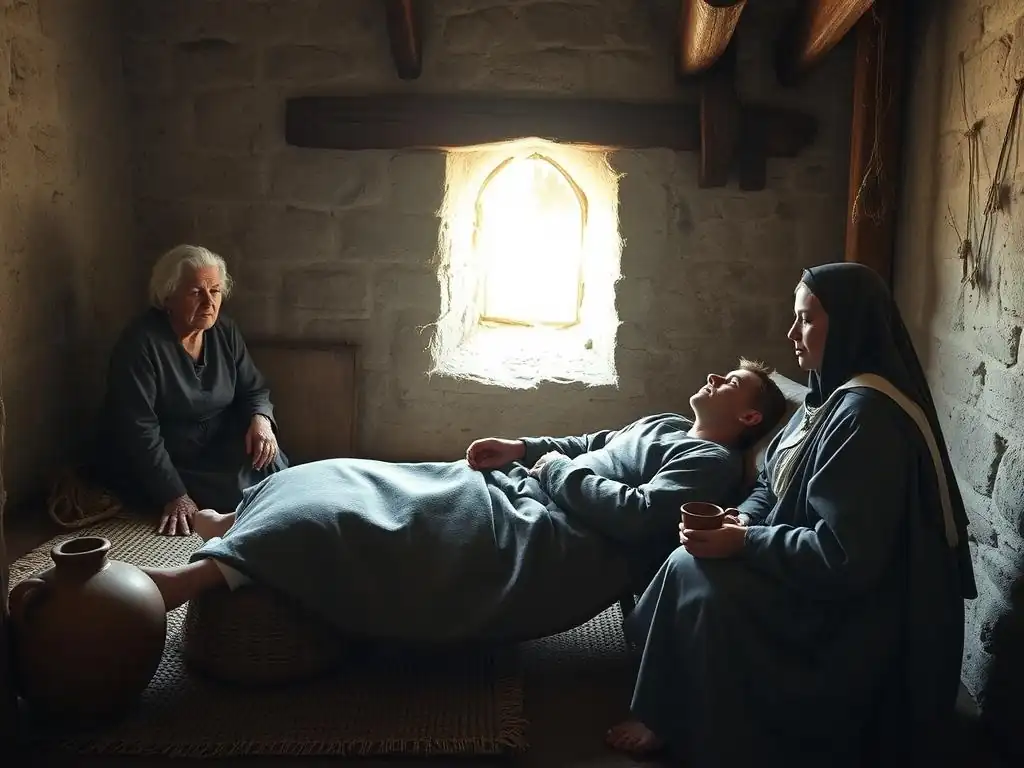
The Saint Mary of Bethlehem Hospital: Beyond the "Bedlam" Reputation
Saint Mary of Bethlehem Hospital, later infamously known as "Bedlam," often serves as the prime example of medieval cruelty towards the mentally ill. However, examining its early history reveals a more complex picture, including elements of Medieval compassionate patient care. Founded in 1247 as a general hospital focused on poverty and sickness, it only began admitting patients specifically described as "lunatic" in the late 14th century. Initially, Bedlam was a relatively small institution, housing perhaps around 20-30 patients with mental afflictions in the 15th century.
Early records, though scarce, suggest that care involved housing, feeding, and attempting various treatments like purges or baths based on humoral theory. While conditions were far from ideal by modern standards and restraint was used, the initial intent was rooted in providing shelter and care for the needy, including those with mental illness. The later deterioration into the overcrowded, spectacle-like institution of the 17th and 18th centuries is what solidified its negative image, often overshadowing the earlier, more modest, and arguably more charitable phase of Medieval compassionate patient care it offered within the context of its time.
Case Studies: The Geel Model of Community-Based Care in Belgium
One of the most remarkable and enduring examples of Medieval compassionate patient care is the town of Geel in Belgium. Dating back to the 13th century, Geel developed a unique system of community-based care centered around the shrine of Saint Dymphna, the patron saint of mental illness. Rather than being institutionalized in a single building, individuals seeking healing were placed in the homes of local families, who cared for them as part of their own household.
This foster care model, which continues in a modified form to this day, provided integration into family and community life, offering a stark contrast to isolated institutionalization. While it began with a focus on miraculous healing, the practical outcome was a system where individuals received personalized care, participated in daily life (to the extent possible), and were treated with a degree of acceptance by the townspeople. This long-standing tradition in Geel stands as a powerful historical testament to the potential for Medieval compassionate patient care within a community setting.
The Influence of Monastic Traditions on Patient Well-being
Monastic infirmaries were significant sites of Medieval compassionate patient care. Rules governing monastic life, such as those of Benedict and Augustine, explicitly mandated care for the sick and vulnerable. Monks and nuns often possessed knowledge of medicinal herbs and basic medical practices. Patients in monastic care, including those with mental afflictions, benefited from the structured, peaceful environment, regular meals, and spiritual support offered by the religious community.
These infirmaries were not solely focused on physical ailments; historical accounts and monastic texts sometimes describe care for individuals suffering from melancholy, mania, or other forms of mental distress. The emphasis was on providing comfort, maintaining cleanliness, and offering solace through prayer and confession. While not hospitals in the modern sense, these monastic settings provided a form of refuge and basic care rooted in religious duty and charity, embodying a significant aspect of Medieval compassionate patient care during the era.
The Role of Community and Family in Medieval Mental Healthcare
Family Support Networks: Caring for the Mentally Ill at Home
For many individuals experiencing mental health challenges in the Middle Ages, the primary source of care was the family unit. Unlike the later trend towards institutionalization, families often bore the responsibility of caring for their members who were unable to function independently due to physical or mental illness. This care varied greatly depending on the family's resources, social standing, and the nature of the individual's condition, but it frequently involved providing food, shelter, supervision, and protection.
While challenging, family care could offer a degree of personalized attention and emotional support that even the best medieval institutions struggled to replicate. Legal documents, such as wills, sometimes included provisions for the ongoing care of a mentally incapacitated relative, indicating a recognized familial duty. This informal, often undocumented, system of care within the home represented a widespread form of Medieval compassionate patient care, driven by kinship bonds and social expectation.
Community Integration: Acceptance and Understanding in Medieval Villages
Medieval communities, particularly in rural settings, often had closer social ties than modern societies. While fear and misunderstanding of mental illness certainly existed, there were also instances of community acceptance and support for individuals who behaved unusually. In some villages, people with chronic mental conditions were integrated into daily life, perhaps given simple tasks or looked after by neighbors, provided their behavior was not deemed dangerous or disruptive.
This integration was not always perfect and varied by individual and community, but it highlights a potential for tolerance and practical support. The lack of widespread, accessible institutions meant that communities often had to find ways to coexist with and care for their vulnerable members. This informal network of neighborly support and acceptance, where it occurred, can be seen as a form of Medieval compassionate patient care rooted in the practical necessities and social fabric of village life.
Guilds and Religious Confraternities: Providing Support and Resources
Beyond family and immediate neighbors, medieval society also had organized groups like guilds and religious confraternities that provided social welfare functions, sometimes extending to members or their families experiencing mental health issues. Guilds, associations of merchants or craftsmen, often had benevolent funds to support members who fell ill or were unable to work. This support could include financial aid, food, or even arranging for care.
Religious confraternities, lay organizations dedicated to pious works, also engaged in charitable activities that could encompass visiting the sick, providing alms, or supporting hospitals. While their primary focus might not have been mental illness specifically, their general mandate for charity meant they could be a source of aid and community support for afflicted individuals and their families. These organized forms of mutual aid demonstrate another layer of the social safety net that contributed to aspects of Medieval compassionate patient care.
The Influence of Medieval Medical Theories on Patient Treatment
The Humoral Theory and its Impact on Therapeutic Approaches
Medieval medical understanding was heavily influenced by the ancient Greek humoral theory, which posited that the body's health depended on the balance of four bodily fluids: blood, phlegm, yellow bile, and black bile. Imbalances in these humors were believed to cause various illnesses, including mental afflictions. For example, an excess of black bile was thought to cause melancholy (depression), while an excess of yellow bile might lead to choler (anger/mania).
Treatments based on this theory aimed to restore humoral balance. This could involve dietary changes, bloodletting, purging (using laxatives or emetics), or prescribing specific herbs believed to have heating, cooling, drying, or moistening properties. While these practices might seem crude today, they represented a rational, albeit incorrect, medical framework for understanding and treating illness, including mental distress. Applying these treatments was considered a form of Medieval compassionate patient care based on the best available medical knowledge.
Herbal Remedies: Hellebore and St. John's Wort in Mental Health
Herbal medicine was a significant component of medieval healthcare, and certain plants were specifically used to treat conditions associated with mental illness. Hellebore, particularly black hellebore, was a well-known remedy for melancholy and madness, believed to purge the body of excess black bile. While effective as a purgative, it is also highly toxic and its use highlights the dangers inherent in medieval treatments, yet it was prescribed with the intention of healing.
Another herb, St. John's Wort (Hypericum perforatum), was also used, often for conditions like melancholy or "possession," though its use seems to have been more varied and perhaps linked to its perceived protective or purifying properties. The preparation and administration of these herbal remedies, often by skilled apothecaries or within monastic infirmaries, represented an attempt to provide therapeutic relief. Despite the limitations of their pharmacological understanding, the use of these natural substances was considered a key element of Medieval compassionate patient care aimed at restoring health.
The Importance of Diet and Lifestyle in Medieval Mental Healthcare
Medieval physicians and caregivers also recognized the influence of diet and lifestyle on physical and mental health, aligning with humoral theory. Recommendations for treating melancholy or other mental imbalances often included specific dietary regimens aimed at correcting humoral imbalances – avoiding certain foods, favoring others. Moderate exercise, adequate sleep, and avoiding stress or emotional extremes were also frequently advised.
Travel or changes in environment might also be recommended as therapeutic interventions. These non-pharmacological approaches demonstrate a recognition that mental well-being was connected to the individual's physical state and environment. While the underlying rationale was based on humoral theory, these recommendations for diet, exercise, and stress management reflect a holistic view of health and represent a form of Medieval compassionate patient care focused on regulating the patient's daily life for therapeutic benefit.
Medieval Perspectives on Mental Illness: Beyond Demonization
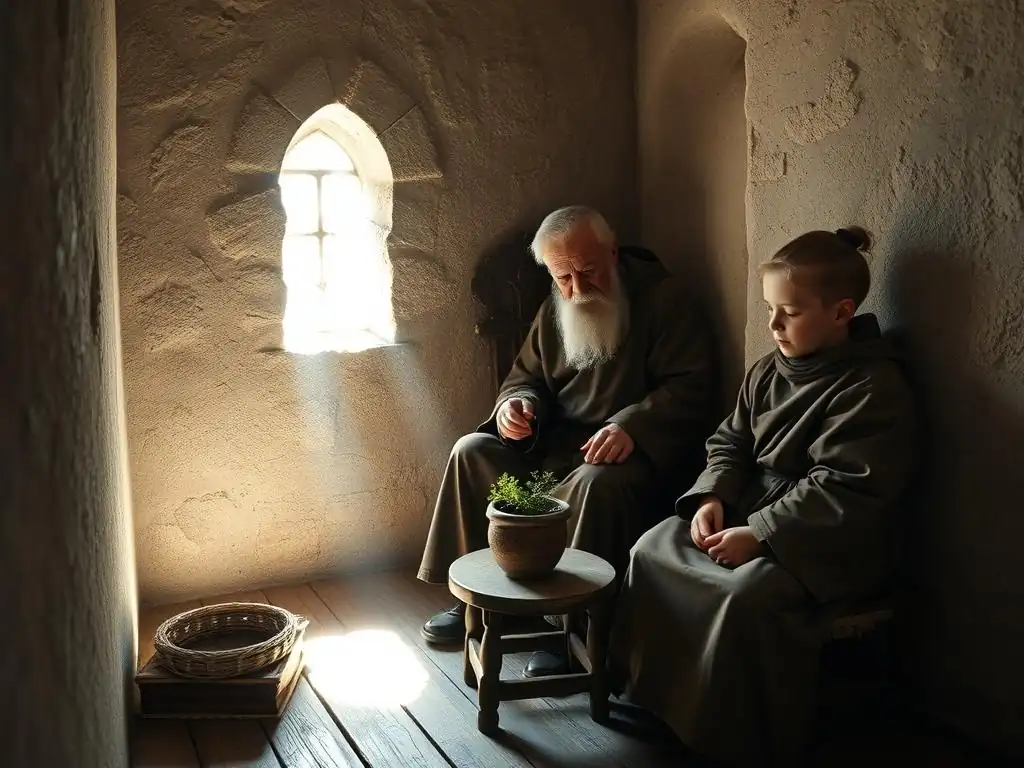
The Rise of Medical Explanations for Mental Disorders
While beliefs in demonic possession and divine punishment certainly existed and influenced some responses to mental illness, the Middle Ages also saw the development and persistence of medical explanations. Building on classical texts from Hippocrates and Galen, medieval physicians viewed many mental conditions, such as melancholy, mania, and frenzy, as physical ailments caused by imbalances in the humors, problems with the brain, or other bodily dysfunctions.
Medical treatises from figures like Constantine the African (11th century) or Bernard de Gordon (13th century) discussed the symptoms, causes (physical factors like heat, cold, diet, or emotional states), and treatments for various mental disorders within a medical framework. This medicalization, though limited by the era's scientific understanding, provided an alternative perspective to purely theological or superstitious interpretations, paving the way for treatments aimed at physical or humoral correction, considered a form of Medieval compassionate patient care by physicians.
Medieval thinkers, including physicians and theologians, also recognized that emotional states and life experiences could impact mental health. Texts sometimes described melancholy as being brought on by grief, loss, or prolonged sadness. The impact of trauma, social isolation, or significant life changes was implicitly or explicitly acknowledged as contributing factors to mental distress.
Pastoral care, provided by priests and confessors, often involved listening to individuals' troubles and offering counsel, spiritual guidance, and solace, recognizing the psychological burden of sin, guilt, or misfortune. While not clinical psychology in the modern sense, this recognition of emotional and social stressors as causes of suffering informed approaches to care that went beyond purely physical treatments or exorcism, representing a form of Medieval compassionate patient care focused on the individual's internal state and external circumstances.
Legal Documents: Wills and Property Records Reflecting Attitudes Toward Mental Capacity
Legal documents from the Middle Ages, such as wills, property transfer records, and court proceedings, offer glimpses into societal attitudes towards individuals with impaired mental capacity. These documents sometimes refer to individuals deemed "of unsound mind" or "lunatic," often in the context of managing their property or appointing guardians.
The legal system, while often focused on protecting property rights, also had mechanisms for ensuring the basic welfare of those deemed incapable of managing their own affairs. The appointment of guardians or committees to oversee their care and finances indicates a societal responsibility towards vulnerable individuals. While primarily concerned with legal capacity, these records implicitly acknowledge the existence of mental incapacitation and the need for protective measures, reflecting a pragmatic aspect of societal response that can be seen as related to Medieval compassionate patient care.
Comparing Medieval Compassionate Care to Later Periods
Contrasting Medieval Approaches with the Rise of the "Madhouse"
When comparing medieval approaches to mental health with later periods, particularly the 17th and 18th centuries, the rise of the large, custodial "madhouse" or asylum marks a significant shift. While medieval care was often decentralized – occurring in homes, small hospitals, monasteries, or communities – the later period saw increasing reliance on large institutions specifically for housing the mentally ill. These institutions, driven by factors like growing urban populations, changing social policies, and evolving medical theories, often became overcrowded, underfunded, and focused more on containment than therapy.
The medieval period, despite its limitations and occasional harshness, often retained stronger ties to community and family care, and institutional care was frequently provided within a charitable or religious framework, sometimes emphasizing spiritual comfort and basic needs. The later "madhouse" era, while paving the way for more systematic study of mental illness, also saw some of the most inhumane conditions and practices, making some aspects of earlier Medieval compassionate patient care seem relatively more integrated and humane by comparison, despite lacking modern medical knowledge.
Lessons from the Past: What Can We Learn from Medieval Compassion?
Exploring Medieval compassionate patient care offers valuable lessons for modern mental healthcare. The emphasis on community integration, as seen in models like Geel, highlights the potential benefits of keeping individuals connected to their social networks rather than isolating them. The role of family and informal care networks underscores the importance of supporting caregivers and recognizing the home as a potential site of recovery and support.
Furthermore, the holistic approach seen in some medieval settings, combining physical care with spiritual or emotional support, reminds us of the interconnectedness of mind, body, and spirit. While medieval medical theories were flawed, the intent to provide comfort, dignity, and basic necessities within the prevailing understanding of health offers a historical perspective on the enduring importance of empathy and human connection in caring for those with mental health challenges.
The Shift from Community to Institutional Care: Reasons and Consequences
The gradual shift from primarily community and family-based care in the Middle Ages towards institutionalization in later centuries was driven by a complex interplay of factors. Urbanization led to the breakdown of traditional community structures. Changing attitudes towards poverty and deviance, coupled with the rise of medical science (which initially focused on classification and containment), contributed to the idea that the mentally ill were best managed in specialized institutions.
The consequences of this shift were profound. While institutions offered concentrated care and study opportunities, they also often led to the isolation, stigmatization, and dehumanization of patients. The Medieval compassionate patient care that sometimes existed within community or small-scale religious settings was often lost in the large, impersonal asylums. Understanding this historical trajectory provides context for contemporary discussions about deinstitutionalization and the importance of community-based mental health services today.
Conclusion: Reassessing the Narrative of Medieval Mental Health
The Enduring Legacy of Compassionate Patient Care in the Middle Ages
Reassessing the historical narrative reveals that while the Middle Ages were not a golden age of mental healthcare, instances of Medieval compassionate patient care were more prevalent and varied than often assumed. From the charitable provision of basic needs in hospitals and monasteries to community integration models like Geel and the informal support of families and guilds, efforts were made to care for individuals experiencing mental distress within the social and medical frameworks of the time.
These examples challenge the monolithic view of medieval treatment as purely brutal and neglectful. They demonstrate that empathy, religious duty, and practical necessity often motivated actions aimed at alleviating suffering and providing support. The legacy lies not in advanced medical techniques, but in the fundamental human impulse to care for the vulnerable within one's community, a principle that resonates across centuries.
Moving Forward: Applying Historical Insights to Modern Mental Healthcare Practices
The study of Medieval compassionate patient care offers valuable insights applicable to contemporary mental healthcare. It underscores the importance of viewing individuals holistically, considering their social, emotional, and spiritual needs alongside physical and psychological ones. The historical examples of community support highlight the potential for reducing stigma and promoting recovery through integration rather than isolation.
Furthermore, understanding the limitations and intentions behind medieval treatments can foster a deeper appreciation for the progress made in mental health science while reminding us that the core element of effective care remains human connection and empathy. Applying these historical lessons can help inform modern approaches, emphasizing personalized care, community involvement, and a compassionate response to mental health challenges.
Promoting Empathy and Community Support in Contemporary Mental Health Systems
Ultimately, the glimmers of compassion found in unexpected corners of medieval care serve as a historical reminder of the power of empathy and community support. In an era often characterized by limited medical knowledge and significant challenges, individuals and institutions found ways to offer kindness, refuge, and basic care.
Today, as we navigate the complexities of modern mental health systems, the medieval examples encourage us to prioritize not just clinical treatment, but also the fundamental elements of human connection, social inclusion, and compassionate understanding. Fostering empathy within healthcare systems and strengthening community networks are vital steps in ensuring that individuals experiencing mental health challenges receive the dignified and supportive care they deserve, building on principles of Medieval compassionate patient care that have historical roots.
Frequently Asked Questions
How prevalent was compassionate patient care during the Medieval period?
While the Medieval period is often portrayed as harsh, there were glimmers of compassion. It wasn't universally practiced, but evidence suggests some individuals and institutions prioritized humane treatment.
What were some examples of "unexpected corners" where compassionate care existed?
Monasteries and certain hospitals, often run by religious orders, provided care that emphasized spiritual and physical comfort. Some lay caregivers also demonstrated genuine empathy towards patients.
What motivated individuals to provide compassionate care in a time often associated with brutality?
Faith, a sense of duty, and the belief in the inherent dignity of human life were significant motivators. The desire to earn divine favor also played a role.
What types of treatments were considered "humane" or compassionate in the Medieval context?
Providing comfortable beds, nutritious food, and emotional support were considered compassionate. Avoiding unnecessary pain and offering spiritual guidance were also important aspects.
How did the concept of "Medieval compassionate patient care" differ from modern approaches to healthcare?
Medieval care heavily emphasized spiritual well-being and often lacked modern medical understanding. While compassion was a factor, it coexisted with practices that might seem ineffective or even harmful by today's standards.
Final Reflection: Echoes of Compassion Across the Centuries
The humane treatment of patients, often overlooked in the popular imagination of the medieval period, reveals a surprising resilience of compassion even amidst hardship and limited medical understanding. This article has highlighted instances of empathy and care that challenge the prevailing narrative of a brutal and uncaring era, demonstrating that glimmers of humanity shone brightly even in the darkest corners of medieval society. These are not merely historical curiosities; they are powerful reminders of the enduring human capacity for kindness and the importance of recognizing and celebrating such acts, regardless of the historical context.
The enduring legacy of these compassionate practices extends far beyond the medieval period. Their impact resonates even today, shaping our understanding of ethical medical care and reminding us of the fundamental human need for empathy and dignity. The measure of a society is found not in its triumphs, but in how it treats its most vulnerable members.
This quote, though not from the medieval period, perfectly encapsulates the significance of the examples explored in this article, highlighting the timeless relevance of compassionate care. The stories of individuals who chose kindness and empathy in the face of adversity continue to inspire and challenge us to examine our own actions and values.
Consider the implications of these historical examples in your own life. How can you cultivate compassion and empathy in your daily interactions? How can you contribute to creating a more humane and caring world, drawing inspiration from the unexpected acts of kindness found in the medieval past?
Let the echoes of compassion from centuries ago inspire you to become a beacon of hope and understanding in your own time. The legacy of humane care is not just a historical record; it is a living testament to the enduring power of the human spirit and a call to action for us all.
Unleash Your Empathy: Explore the Human Side of Medieval Care
Thanks for taking the time to journey with us through the often-overlooked compassionate aspects of medieval care! We hope you gained a new appreciation for the complexities of the era. Now, it's your turn to act.
- Dive deeper: Explore local historical societies or museums to uncover more stories of human connection from this period. Many archives are surprisingly accessible.
- Share your discoveries: Did a specific story resonate with you? Discuss it on our Mind Care Guide social media channels – let's build a community of compassion!
- Challenge your perspective: Consider how the resilience and ingenuity shown in these stories might inspire your own approach to caring for others today.
What unexpected acts of compassion have you encountered, either in history or in your own life? Let's share and learn from each other.