
SelfCare Is Essential: Nurturing Yourself Through Suicide Bereavement


Welcome to Mind Care Guide, a space dedicated to nurturing your mental well-being. We understand that navigating the complexities of life can be challenging, especially when facing profound loss. Are you struggling to cope after the suicide of a loved one? This guide offers essential suicide bereavement selfcare support strategies to help you through this difficult journey. Explore further to discover practical tools and resources designed to prioritize your healing and resilience.
Self-Care Is Essential: Nurturing Yourself Through Suicide Bereavement
- Understanding Suicide Bereavement and Its Unique Challenges
- The Importance of Self-Care During Suicide Bereavement
- Practical Self-Care Strategies for Suicide Bereavement
- Building a Support System
- Overcoming Barriers to Self-Care
- Long-Term Self-Care Strategies
- Resources
- Embracing Self-Compassion on Your Healing Journey
-
Frequently Asked Questions
- What is suicide bereavement, and why is self-care so crucial during this time?
- How can I identify my specific self-care needs while grieving a suicide loss?
- What are some practical self-care strategies that can help me cope with the pain of suicide bereavement?
- Where can I find suicide bereavement selfcare support resources specifically tailored to those who have lost someone to suicide?
- Is it normal to experience complex emotions like guilt or anger after a suicide loss, and how can self-care help manage these feelings?
- Final Reflection: The Enduring Power of Self-Care in Grief
- Rediscover Your Strength: Next Steps on Your Healing Journey
Understanding Suicide Bereavement and Its Unique Challenges
The Profound Grief of Losing Someone to Suicide
Losing someone to suicide often unleashes a tidal wave of grief that is unlike any other. It is a grief compounded by shock, trauma, and a sudden, often unexpected, void. This type of loss can feel incredibly isolating, leaving survivors grappling with intense emotional pain and confusion. The immediate aftermath is often characterized by disbelief, numbness, and an overwhelming sense of unreality, making even simple daily tasks feel insurmountable.
The depth of sorrow can be physically and emotionally draining. Many survivors report experiencing symptoms such as fatigue, difficulty concentrating, loss of appetite, and intense sadness that permeates every aspect of life. The absence of the person is not just a quiet ache but can feel like a gaping wound, constantly reminding the survivor of the tragic circumstances surrounding the death. This profound grief requires significant emotional resources, highlighting the critical need for dedicated suicide bereavement selfcare support.
Why Suicide Loss is Different: Guilt, Stigma, and Unanswered Questions
Suicide loss carries layers of complexity that distinguish it from other forms of bereavement. A prevalent challenge is the heavy burden of guilt and self-blame. Survivors often ask themselves, "What could I have done differently?" or "Did I miss the signs?" This relentless questioning can lead to deep feelings of responsibility, whether founded or unfounded, significantly complicating the grieving process. Studies indicate that survivors of suicide loss are more likely to experience intense feelings of guilt compared to those bereaved by other causes.
Furthermore, societal stigma surrounding suicide adds another layer of difficulty. Historically, suicide has been shrouded in silence and judgment, leading survivors to feel shame or fear of disclosing the cause of death. This can prevent them from seeking needed support, isolating them further. The search for 'why' is also a defining characteristic; unlike deaths from illness or old age, suicide leaves behind a multitude of unanswered questions, making it incredibly hard for survivors to find closure or make sense of the tragedy. Navigating these unique challenges underscores the necessity of targeted suicide bereavement selfcare support strategies.
Acknowledging the Complex Emotional Landscape of Suicide Bereavement
The emotional landscape following a suicide loss is incredibly varied and often contradictory. Survivors may experience intense sadness alongside anger towards the deceased, the circumstances, or even themselves. Feelings of relief, particularly if the deceased struggled with long-term mental illness, can also surface, leading to further guilt and confusion about having such a feeling. Shock and denial can persist for extended periods, making it difficult to fully process the reality of the loss.
This complex mix of emotions is perfectly normal within the context of suicide bereavement. There is no single 'right' way to feel, and emotions can shift rapidly and unpredictably. Accepting this wide spectrum of feelings – from despair and rage to moments of peace or even joy – is a vital part of the healing journey. Understanding that these complex emotions are a natural response to an unnatural event is a crucial first step in providing effective suicide bereavement selfcare support.
The Importance of Self-Care During Suicide Bereavement
Why Self-Care Isn't Selfish: It's Essential for Healing
In the depths of grief, particularly the complex grief of suicide bereavement, the idea of focusing on oneself can feel wrong or selfish. Survivors may feel they don't deserve comfort or that their energy should be directed elsewhere. However, self-care during this time is not a luxury; it is a fundamental necessity for navigating immense pain and fostering healing. Think of it like the safety instruction on airplanes: secure your own oxygen mask before assisting others. You cannot effectively process your grief or sustain yourself through this incredibly difficult period if your own basic needs are neglected.
Prioritizing self-care is an act of self-preservation and resilience. It provides a necessary foundation upon which healing can begin, however slowly. Engaging in self-care practices, whether simple or complex, signals to your mind and body that you are worthy of care and attention, even when you feel broken. It is an active choice to nurture yourself through pain, enabling you to better cope with the overwhelming emotions and challenges that suicide loss presents. Effective suicide bereavement selfcare support is built on this principle.
Self-Care: A Foundation for Resilience
Resilience isn't about avoiding pain; it's about developing the capacity to navigate through it and eventually adapt. During suicide bereavement, self-care practices serve as crucial building blocks for this resilience. By consistently attending to your physical, emotional, mental, and spiritual needs, you create a stronger internal framework capable of withstanding the ongoing stresses and emotional fluctuations of grief. Simple acts like ensuring adequate sleep or taking a few moments to breathe deeply can help regulate the nervous system, which is often in overdrive after trauma.
Moreover, self-care helps maintain a sense of agency and control in a situation where you likely feel powerless. Choosing to engage in activities that nourish you, even when it's hard, reinforces your ability to take positive action for yourself. This proactive approach to well-being doesn't erase the pain, but it equips you with better coping mechanisms, allowing you to navigate difficult days with slightly more stability and less reactivity. Building this foundation of self-care is integral to long-term suicide bereavement selfcare support.
The Link Between Neglecting Self-Care and Prolonged Grief
Conversely, neglecting self-care during suicide bereavement can significantly impede the healing process and increase the risk of developing complicated or prolonged grief. When basic needs like sleep, nutrition, and emotional processing are ignored, the body and mind become depleted, making it harder to cope with intense emotions and daily stressors. This depletion can manifest as increased anxiety, depression, physical ailments, and a diminished capacity to engage with supportive relationships or therapeutic interventions.
Research consistently shows that chronic stress, often exacerbated by poor self-care during grief, negatively impacts both mental and physical health. Survivors who neglect their well-being may find themselves stuck in cycles of rumination, isolation, and despair, making it difficult to move forward. This can lead to a state where acute grief symptoms persist for years, significantly impacting quality of life. Recognizing this link emphasizes why integrating robust suicide bereavement selfcare support is not optional, but vital for preventing prolonged suffering.
Practical Self-Care Strategies for Suicide Bereavement
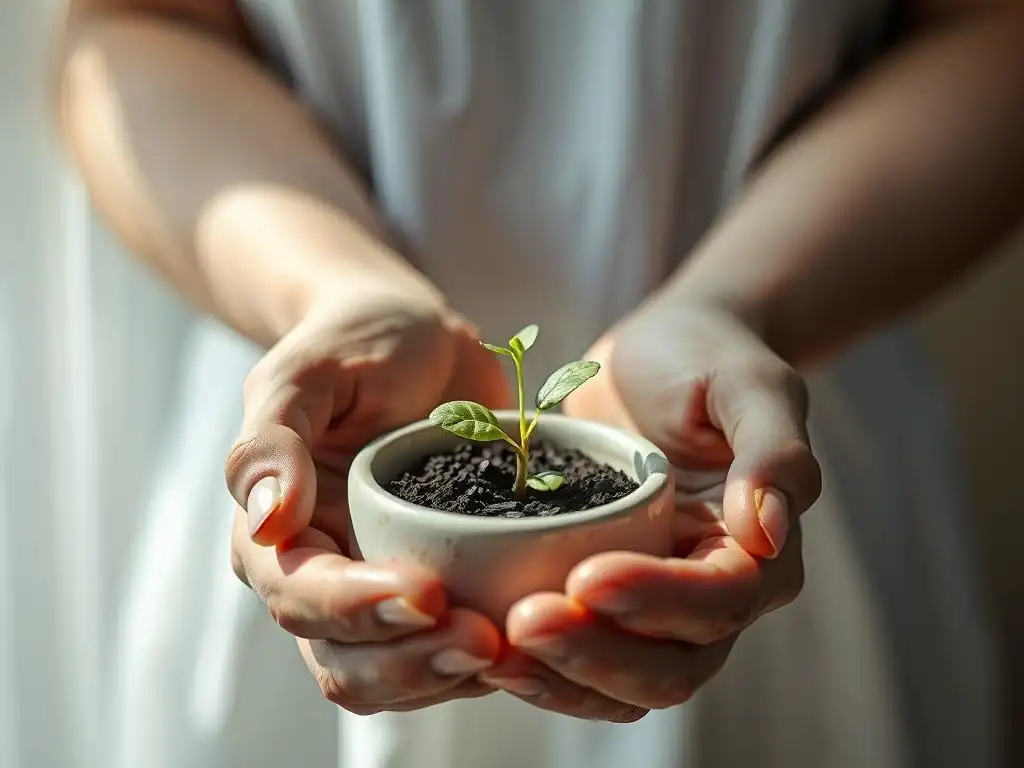
Physical Self-Care: Nourishing Your Body and Mind
Physical self-care is fundamental, providing the energy and stability needed to navigate the emotional turmoil of suicide bereavement. It involves paying attention to the basic needs of your body, which in turn supports your mental and emotional well-being. Simple, consistent efforts in this area can make a significant difference.
Prioritizing Sleep and Rest After Suicide Loss
Grief is exhausting, and sleep disturbances are incredibly common after a traumatic loss like suicide. You might struggle to fall asleep, wake up frequently, or have disturbing dreams. While perfect sleep may be elusive, prioritizing rest is crucial. Try to establish a consistent bedtime routine, even if it's just for a short period.
Create a relaxing sleep environment: dark, quiet, and cool. Limit screen time before bed and avoid caffeine or alcohol in the evening. Naps, even short ones of 20-30 minutes, can help replenish energy during the day. Aiming for 7-9 hours of rest, even if interrupted, supports your body's ability to cope.
The Power of Nutrition: Fueling Your Body During Grief
When grieving, appetite can fluctuate wildly – some may lose interest in food, while others might overeat comfort foods. However, fueling your body with nutritious food is vital for maintaining energy levels and supporting brain function. Try to eat balanced meals regularly, even if they are small. Focus on fruits, vegetables, lean proteins, and whole grains.
Stay hydrated by drinking plenty of water. Avoid relying heavily on sugar or processed foods, which can lead to energy crashes. If cooking feels overwhelming, consider simple options like smoothies, yogurt, or pre-cut fruits and vegetables. Proper nutrition is a cornerstone of effective suicide bereavement selfcare support.
Movement and Exercise: Releasing Tension and Boosting Mood
Physical activity, even gentle movement, can be incredibly beneficial for managing stress, releasing pent-up tension, and boosting mood through the release of endorphins. You don't need to run a marathon; a 20-minute walk outdoors can make a significant difference. Gentle yoga, stretching, or even just mindful movement can help you reconnect with your body and alleviate physical symptoms of stress. Find an activity you can manage and enjoy, even if it's just dancing to a favorite song in your living room. Consistency, rather than intensity, is key.
Emotional Self-Care: Processing and Validating Your Feelings
Emotional self-care involves actively acknowledging, processing, and validating the wide range of feelings that arise during suicide bereavement. It's about creating space for grief without judgment.
Creating a Safe Space for Grief Expression
It's essential to find environments or relationships where you feel safe to express your raw, unfiltered emotions without fear of judgment or uncomfortable reactions. This might be with a trusted friend, a family member who understands, a therapist, or within a support group. Allow yourself to cry, rage, question, or express confusion. Suppressing these feelings can be detrimental to the healing process. Identify one or two people or settings where you feel truly seen and heard, and make an effort to connect with them regularly.
Journaling as a Tool for Emotional Processing
Writing down your thoughts and feelings can be a powerful way to process the complexity of suicide bereavement. Journaling offers a private, non-judgmental space to explore your emotions, untangle confusing thoughts, and track your progress. You can write about the person you lost, the circumstances of their death, your feelings of guilt or anger, or simply the events of your day. There are no rules; just putting pen to paper can help externalize some of the internal chaos and provide clarity over time. Even writing for just 10-15 minutes a day can be beneficial.
Seeking Professional Counseling or Therapy
Professional help is a crucial component of suicide bereavement selfcare support for many survivors. Therapists, particularly those specializing in grief, trauma, or suicide loss, can provide expert guidance, coping strategies, and a safe space to process complex emotions, including trauma related to the discovery or circumstances of the death. Cognitive Behavioral Therapy (CBT) or Eye Movement Desensitization and Reprocessing (EMDR) can be particularly helpful for processing traumatic aspects of the loss. A therapist can help you navigate guilt, shame, and the search for meaning in a healthy way. Don't hesitate to seek a therapist experienced in suicide bereavement.
Mental Self-Care: Managing Thoughts and Cognitive Overload
Suicide bereavement can lead to cognitive difficulties, including poor concentration, intrusive thoughts, and difficulty making decisions. Mental self-care focuses on managing these challenges and finding moments of mental respite.
Practicing Mindfulness and Meditation
Mindfulness involves focusing on the present moment without judgment, while meditation is a practice to train attention and awareness. Both can be incredibly helpful in managing the overwhelming thoughts and anxiety associated with suicide loss. Even a few minutes of deep breathing exercises or a guided meditation can help ground you when feelings become intense. These practices can also help you observe intrusive thoughts without getting swept away by them, offering a sense of distance and control. Numerous free apps and online resources offer guided mindfulness and meditation practices suitable for beginners.
Limiting Exposure to Triggers
Certain places, people, dates, or media can trigger intense waves of grief or trauma related to the suicide loss. Identifying these triggers is an important part of mental self-care. While it's impossible to avoid all triggers forever, especially in the early stages, it's wise to strategically limit exposure to those that are most overwhelming.
This might mean taking a break from social media, avoiding certain locations for a while, or asking friends and family to refrain from discussing specific details. Setting boundaries around potentially triggering situations is a valid form of protecting your mental health and is part of comprehensive suicide bereavement selfcare support.
Engaging in Activities That Bring Joy and Distraction
While it might feel wrong to experience joy after a significant loss, engaging in activities that bring you even momentary pleasure or distraction is vital for mental self-care. These activities provide temporary respite from the pain and can help prevent burnout. Revisit hobbies you once enjoyed, spend time with pets, listen to music, watch a comforting movie, or engage in creative pursuits like drawing or crafting. These moments of distraction are not about forgetting your grief, but about giving your mind a necessary break and reminding yourself that life can still hold moments of lightness, even amidst sorrow.
Spiritual Self-Care: Connecting with Your Inner Self and Beliefs
Spiritual self-care involves connecting with your core values, beliefs, or a sense of purpose, which can provide comfort and meaning during profound grief.
Finding Meaning and Purpose After Suicide Loss
One of the most challenging aspects of suicide bereavement is the struggle to find meaning in the loss. While you may never fully understand "why," over time, some survivors find ways to honor the person's memory or channel their grief into positive action. This could involve advocating for mental health awareness, volunteering for suicide prevention organizations, or creating a legacy project.
Finding purpose doesn't diminish the pain, but it can provide a sense of direction and connection to something larger than the immediate suffering. This is a deeply personal journey and a significant part of long-term suicide bereavement selfcare support.
Connecting with a Spiritual Community or Practice
For many, connecting with a spiritual or faith community can provide immense comfort, a sense of belonging, and a framework for understanding loss. Attending services, engaging in prayer or meditation, or discussing existential questions with others who share similar beliefs can be grounding. If formal religion isn't your path, spiritual self-care might involve connecting with nature, practicing gratitude, or exploring philosophical texts that resonate with you. The goal is to nurture your inner world and find sources of hope or peace.
Spending Time in Nature for Reflection and Healing
Nature has a powerful capacity to soothe and restore. Spending time outdoors, whether it's a walk in a park, sitting by a body of water, or simply observing the sky, can provide a sense of perspective and calm. Nature walks can be a form of moving meditation, allowing you to process thoughts and feelings in a gentle environment. The cyclical rhythms of nature can also serve as a quiet reminder of continuity and resilience. Finding solace in the natural world is a simple yet profound aspect of spiritual and emotional suicide bereavement selfcare support.
Building a Support System
Navigating suicide bereavement in isolation is incredibly difficult and can exacerbate feelings of loneliness, shame, and despair. Social connection is a vital buffer against these challenges. Sharing your experience with others who understand, or simply being in the presence of caring individuals, can validate your feelings and remind you that you are not alone. Support groups, specifically for suicide loss survivors, are particularly powerful because they offer a unique sense of community with people who truly "get it."
In these groups, survivors can share their stories without needing to explain the nuances of suicide grief, find empathy for the complex emotions they experience (like guilt or anger), and learn coping strategies from those who are further along in their healing journey. Studies and anecdotal evidence consistently highlight the significant benefits of support groups in reducing isolation and promoting healing among suicide loss survivors. Engaging with others is a cornerstone of effective suicide bereavement selfcare support.
Identifying Trusted Friends and Family Members for Support
While support groups are invaluable, the support of trusted friends and family is also crucial. However, not everyone in your existing network may be equipped to handle the complexities of suicide grief. It's important to identify those individuals who are empathetic, patient, and willing to listen without judgment or offering platitudes. These are the people you can lean on for emotional support, practical help (like meals or errands), or simply for companionship during difficult times.
Communicate openly with your trusted circle about what kind of support is helpful. Some people might be excellent listeners but struggle with practical help, while others might be better at providing tangible assistance. Be discerning and allow yourself to gravitate towards those relationships that feel genuinely supportive and safe, rather than trying to force connections with those who inadvertently cause pain or discomfort. Building this reliable network is a key part of your personal suicide bereavement selfcare support system.
Joining a Suicide Bereavement Support Group: Finding Community and Understanding
Joining a support group specifically for suicide loss survivors offers a unique and powerful form of suicide bereavement selfcare support. Unlike general grief groups, these groups are tailored to the specific challenges associated with suicide, such as navigating stigma, guilt, and the search for answers. Being in a room with others who have walked a similar path can instantly reduce feelings of isolation and validation. Hearing others share their experiences can normalize your own complex emotions and provide hope for healing.
Organizations like the American Foundation for Suicide Prevention (AFSP), local mental health centers, or hospice services often host these specialized groups, both in-person and online. Sharing stories, coping mechanisms, and even moments of dark humor or shared understanding within these groups can be profoundly therapeutic. It provides a safe space where the specific nature of your loss is understood and acknowledged, fostering a sense of belonging that is essential for healing.
Setting Boundaries and Communicating Your Needs
During grief, energy levels are low, and emotional capacity is limited. Setting healthy boundaries is not selfish; it's a necessary act of self-preservation and a core component of suicide bereavement selfcare support. This means feeling empowered to say no to social invitations or commitments that feel overwhelming. It means asking for space when you need it and limiting interactions with individuals who are not supportive or whose presence is draining.
Clearly communicating your needs to your support system is also vital. Instead of expecting others to guess what you need, try to articulate it directly. For example, you might say, "Right now, I just need someone to listen, not offer advice," or "I could really use help with grocery shopping this week." People often want to help but don't know how. Guiding them allows you to receive the specific suicide bereavement selfcare support that is most helpful to you in the moment.
Overcoming Barriers to Self-Care
Addressing Feelings of Guilt and Shame
Feelings of guilt and shame are pervasive in suicide bereavement and often serve as significant barriers to self-care. Survivors may feel undeserving of comfort or pleasure, believing they somehow failed the person they lost. This internal narrative can make prioritizing one's own well-being feel like a betrayal. It's crucial to recognize that these feelings, while common, are often irrational and a symptom of the trauma and shock of the loss, not a reflection of your worthiness or responsibility for the death.
Addressing guilt and shame involves acknowledging these feelings without letting them dictate your actions. This can be done through journaling, talking to a therapist specializing in suicide loss, or discussing these feelings within a support group where others share similar struggles. Challenging the self-blaming thoughts and reminding yourself that you are a survivor who needs care is an active step in dismantling these barriers and allowing yourself to receive and practice suicide bereavement selfcare support.
Challenging Negative Self-Talk and Beliefs
Suicide loss can profoundly impact self-esteem, leading to negative self-talk and beliefs about oneself, others, and the world. Thoughts like "I'm a failure," "I'm unlovable," or "The world isn't safe" can become deeply ingrained. These negative thought patterns can make it difficult to engage in self-care, as they undermine your sense of worth and the belief that you deserve to feel better. Recognizing when these thoughts arise is the first step in challenging them.
Practice countering negative thoughts with more balanced or compassionate ones. For example, if you think "I should have known," try reframing it as "I did the best I could with the information I had at the time, and mental health struggles can be hidden." A therapist can teach techniques like cognitive restructuring to help you identify and challenge these unhelpful beliefs. Actively working to change negative self-talk is a powerful form of mental and emotional suicide bereavement selfcare support.
Letting Go of Perfectionism and Accepting Imperfection
Grief is inherently messy and unpredictable. There is no perfect way to grieve, and there is no perfect way to practice self-care during suicide bereavement. The expectation that you should handle everything flawlessly, feel a certain way by a certain time, or adhere strictly to a self-care regimen can become another source of stress and self-criticism. Letting go of perfectionism involves accepting that some days will be harder than others, that you will stumble, and that small steps are just as valid as large ones.
Embrace the concept of "good enough." If you planned to meditate for 20 minutes but only managed 5, that's okay. If you ate comfort food instead of a balanced meal, forgive yourself and try again next time. Healing is not a linear process, and neither is self-care in grief. Allowing for imperfection, practicing self-compassion, and celebrating small efforts are essential for making self-care sustainable and effective amidst the challenging landscape of suicide bereavement.
Long-Term Self-Care Strategies

Developing a Sustainable Self-Care Routine
Self-care is not a one-time fix for grief; it's an ongoing practice that evolves as you heal. Developing a sustainable self-care routine means integrating practices that nourish you into your daily or weekly life over the long term. This might look different from immediate crisis self-care. It involves identifying activities you enjoy and can realistically maintain, even when life gets busy or grief resurfaces. This could be a weekly support group meeting, daily walks, regular therapy sessions, or dedicating time each week to a calming hobby.
Consistency is more important than intensity. Instead of aiming for drastic changes, focus on incorporating small, manageable self-care habits that can be sustained over months and years. A sustainable routine adapts to the different phases of grief and life, providing a reliable source of support and stability. Building this long-term routine is foundational for continued well-being after suicide loss and is a key aspect of enduring suicide bereavement selfcare support.
Re-evaluating and Adjusting Your Self-Care Plan as Needed
Grief changes over time, and so do your self-care needs. What was helpful in the immediate aftermath might not be as effective a year or two down the line. Periodically re-evaluating your self-care plan is essential. Are the practices you're using still serving you? Are there new challenges arising that require different strategies? For example, as the initial shock wears off, you might find you need more focus on finding meaning or rebuilding social connections, whereas early on, the focus was on basic survival and processing trauma.
Be flexible and willing to adjust your approach. If a particular self-care strategy no longer feels helpful, try something new. If your schedule changes, find ways to adapt your routine. This ongoing process of assessment and adjustment ensures that your self-care remains relevant and effective for your evolving needs after suicide bereavement. It's an active process of listening to your body and mind and responding with compassion.
Recognizing Signs of Burnout and Seeking Additional Support
Even with a solid self-care routine, the cumulative stress of navigating suicide bereavement can lead to burnout or a worsening of symptoms. It's important to be aware of the signs that your current level of self-care and support might not be enough. These signs could include increased fatigue, loss of interest in activities you normally enjoy, withdrawal from social connections, significant changes in sleep or appetite, persistent feelings of hopelessness, or a return of intense, overwhelming grief waves.
If you recognize these signs, it's crucial to seek additional support. This might mean increasing the frequency of therapy sessions, reaching out more often to your support network, trying a different type of support group, or consulting with a doctor about physical symptoms or mental health concerns. Recognizing when you need more help is a sign of strength, not weakness, and is a vital part of long-term suicide bereavement selfcare support.
Resources
Organizations and Websites
- National organizations dedicated to suicide prevention and suicide loss bereavement.
- Websites offering comprehensive guides and articles on grief after suicide.
- Mental health associations providing information and resources on trauma and complex grief.
Books and Articles
- Books written by survivors of suicide loss sharing personal stories and coping strategies.
- Clinical guides on navigating the unique challenges of suicide bereavement.
- Articles offering specific suicide bereavement selfcare support tips and techniques.
Local Support Groups and Counseling Services
- Listings of local support groups specifically for suicide loss survivors.
- Directories of therapists and counselors specializing in grief, trauma, and suicide bereavement.
- Community mental health centers offering sliding scale or low-cost counseling services.
Embracing Self-Compassion on Your Healing Journey
Though suicide bereavement can feel incredibly isolating due to its unique challenges and the surrounding stigma, it is a shared experience among countless individuals and families worldwide. While each person's journey is unique, the core struggles with guilt, unanswered questions, and profound pain are common threads that connect survivors. Knowing that others have navigated this path and found ways to heal can provide a powerful sense of validation and hope. You are part of a community of survivors who understand aspects of your pain in a way others may not.
Connecting with this community, whether through support groups, online forums, or shared stories, reinforces the truth that you are not walking this path in solitude. This shared understanding can alleviate feelings of shame and provide a sense of belonging that is crucial for healing. Embracing this connection is a fundamental aspect of effective suicide bereavement selfcare support.
Give Yourself Permission to Grieve and Heal at Your Own Pace
There is no timeline for grieving a suicide loss. The idea that you should be "over it" by a certain point is a harmful myth. Healing is a non-linear process, often involving steps forward and backward, good days and incredibly difficult days. It requires immense patience and self-compassion. Give yourself explicit permission to grieve fully, however long it takes, and to heal at a pace that feels right for you, not according to external expectations.
This means allowing yourself to feel whatever emotions arise, without judgment, and recognizing that grief will likely resurface at unexpected times – on anniversaries, holidays, or triggered by seemingly small things. Be gentle with yourself during these waves. Rushing the process or trying to suppress your feelings will only prolong the pain. Trust that your body and mind are working towards healing in their own time, and honor that process with kindness. This permission-giving is central to nurturing yourself through suicide bereavement.
Celebrate Small Victories and Acknowledge Your Progress.
In the midst of intense grief, it can be hard to see any progress. Healing is often measured in small, subtle shifts rather than dramatic leaps. Actively acknowledging and celebrating these small victories is vital for maintaining hope and recognizing your own resilience. Did you manage to get out of bed today? Did you eat a meal? Did you connect with a friend, even briefly? Did you practice one self-care strategy, however small? These are all victories.
Recognize the immense strength it takes to simply survive each day after suicide loss, let alone actively engage in healing. Acknowledge the steps you've taken, no matter how small they seem, towards integrating your loss and moving forward. This could be attending a support group meeting, journaling for a few minutes, or simply allowing yourself a moment of peace. Celebrating progress reinforces your capacity for healing and is an essential final piece in the mosaic of suicide bereavement selfcare support.
Frequently Asked Questions
What is suicide bereavement, and why is self-care so crucial during this time?
Suicide bereavement refers to the grief experienced after losing someone to suicide. Self-care is essential for coping with the intense emotional pain and preventing burnout during this difficult period. It allows you to maintain your well-being.
How can I identify my specific self-care needs while grieving a suicide loss?
Pay attention to your physical and emotional state. Recognize signs of stress, fatigue, or overwhelming emotions. Then identify activities that bring you comfort, relaxation, or a sense of restoration and peace.
What are some practical self-care strategies that can help me cope with the pain of suicide bereavement?
Prioritize basic needs like adequate sleep, healthy eating, and gentle exercise. Engage in activities you enjoy, such as reading, listening to music, or spending time in nature. Consider seeking professional support as well.
Where can I find suicide bereavement selfcare support resources specifically tailored to those who have lost someone to suicide?
Many organizations offer specialized support groups, counseling services, and online resources for suicide bereavement. Look for resources through mental health organizations and bereavement support networks in your area or online.
Is it normal to experience complex emotions like guilt or anger after a suicide loss, and how can self-care help manage these feelings?
Yes, it's entirely normal. Self-care strategies like journaling, talking to a therapist, or participating in support groups can help you process these emotions in a healthy way. It allows you to navigate the complexities of grief.
Final Reflection: The Enduring Power of Self-Care in Grief
The devastating impact of suicide bereavement continues to ripple through communities worldwide, underscoring the urgent need for accessible and effective self-care strategies. This silent epidemic demands that we not only acknowledge the profound pain it inflicts but also actively equip ourselves and others with the tools to navigate this challenging terrain. Ignoring the importance of self-care in the face of such loss is akin to navigating a storm without a compass.
The journey through suicide bereavement is deeply personal, a winding path marked by intense emotions and profound shifts in perspective. It's a journey where self-compassion, often overlooked in the initial stages of grief, becomes the most crucial compass. The process of healing is not linear; it's a tapestry woven with moments of intense sorrow and unexpected glimmers of hope. Grief is not a disorder, it is a process.
This simple statement underscores the importance of allowing ourselves the time and space to navigate the complexities of our grief, without judgment or pressure to "get over it."
You are not alone in this journey. Remember that self-care is not selfish; it is an act of radical self-love, a testament to your resilience and strength. Take the time to explore the resources mentioned in this article, and find the practices that resonate most deeply with you. Whether it's connecting with a support group, engaging in mindful activities, or simply allowing yourself moments of quiet reflection, prioritize your well-being. Embrace the power of self-care as a vital tool in your healing process, and know that even in the darkest of times, hope and healing are possible.
Rediscover Your Strength: Next Steps on Your Healing Journey
Thank you for taking the time to explore the crucial topic of self-care after experiencing the devastating loss of someone to suicide. We hope this article provided you with comfort and some practical tools to navigate this difficult time. Remember, healing is a journey, not a destination.
Here's how you can continue nurturing yourself:
- Prioritize one small act of self-care today. This could be anything from a warm bath to listening to your favorite music, even just 5 minutes of quiet reflection. Make it something achievable and meaningful to you.
- Reach out to a support group or trusted friend/family member. Sharing your experiences can be incredibly helpful in processing your grief. Consider exploring online support networks as well.
- Share this article with someone who might find it helpful. Your experience can make a difference in the lives of others. Helping others can also be a powerful form of self-care.
What small act of self-care will you prioritize today to honor your journey of healing?