
Standing Strong Against Peer Pressure: Building Your Child's Resilient Core

Welcome to Mind Care Guide, a space dedicated to nurturing your mental well-being. Feeling overwhelmed by the pressures children face today? It's a common concern. This week, we delve into practical strategies for building resilient kids who can confidently navigate the challenges of peer pressure. Curious how to empower your child to stand strong? Let's explore the tools and techniques that can make a real difference.
Empowering Children to Navigate Peer Influence: Building Resilience and Confidence
- Understanding Peer Influence and Its Impact
- Building Resilience: The Foundation for Handling Peer Influence
- Strategies for Resisting Negative Peer Influence
- Cultivating a Supportive Family Environment
- Teaching Problem-Solving and Decision-Making
- Encouraging Healthy Friendships and Social Connections
- Addressing Specific Challenges
- Seeking Professional Support
- Long-Term Benefits of Resilience
-
Frequently Asked Questions
- How can I tell if my child is experiencing unhealthy peer pressure?
- What are some effective strategies for teaching my child about resilience?
- How can I help my child develop a strong support system to combat peer pressure?
- What if my child is being bullied as a result of resisting peer pressure?
- At what age should I start talking to my child about peer pressure and resilience?
- Final Reflection: Forging Unbreakable Bonds of Resilience
- Unleash Your Child's Inner Strength: Take Action Today!
Understanding Peer Influence and Its Impact
Defining Peer Influence: Beyond Conformity
Peer influence is the direct or indirect effect that people of the same age or status have on one another. It's often perceived negatively, associated solely with pressure to conform to group norms, whether in style, behavior, or attitudes. However, peer influence is a complex social dynamic that can be both positive and negative.
On the positive side, it can encourage participation in healthy activities, foster academic motivation, and promote the development of essential social skills and empathy. For example, a child might be influenced by friends to join a sports team or volunteer, leading to personal growth and positive experiences.
Conversely, negative peer influence can lead to engaging in risky behaviors, adopting unhealthy habits, or making choices that conflict with a child's values or family expectations. This is where the concept of peer pressure, the feeling of being pushed to do something against one's will to fit in, becomes prominent. Understanding that influence exists on a spectrum is the first step for parents aiming to raise resilient kids who handle peer pressure effectively, helping them discern between beneficial interactions and potentially harmful ones.
Psychological Effects: How Peer Influence Shapes Young Minds
The adolescent brain is particularly susceptible to social influences due to ongoing development in areas related to reward and decision-making, like the prefrontal cortex and limbic system. This heightened sensitivity means that peer approval and acceptance carry significant weight. Studies have shown that the presence of peers can increase risk-taking behavior in adolescents. For instance, research using simulated driving tasks has found that teenagers perform more risky maneuvers when observed by peers compared to when they are alone, indicating the powerful psychological pull of the group.
Furthermore, constant exposure to peer expectations, especially through social media, can contribute to increased rates of anxiety, depression, and body image issues among young people. A 2018 study published in the Journal of Abnormal Child Psychology found a correlation between high levels of peer pressure and increased depressive symptoms in adolescents. Teaching children to understand these psychological mechanisms and equipping them with tools to navigate social dynamics is crucial for building the resilient core needed for resilient kids handle peer pressure throughout their youth.
Recognizing the Signs: Identifying Undue Influence
Identifying when peer influence crosses the line into undue or negative pressure can be challenging, as children may not always articulate their struggles. Parents should look for changes in behavior, attitude, or mood that seem uncharacteristic. This could include a sudden shift in friend groups, interest in activities previously disliked, withdrawal from family, secrecy, or a decline in academic performance. For example, a child who was previously open about their friends might become guarded, or they might start expressing negative views that seem adopted from others rather than genuinely held.
Physical signs can also be indicators, such as changes in sleep patterns, appetite, or increased stress-related symptoms. It's important to approach these observations with empathy rather than accusation. Open communication, asking gentle questions about their day and feelings, is key. Recognizing these signs early allows parents to intervene and support their child in developing the skills necessary to become resilient kids handle peer pressure and make independent, healthy choices.
Building Resilience: The Foundation for Handling Peer Influence
Defining Resilience: Developing Inner Strength
Resilience is the capacity to recover quickly from difficulties; toughness. For children, it's the ability to navigate challenges, setbacks, and pressures—including peer influence—and bounce back stronger. It's not about avoiding difficulties but about developing the inner resources to cope effectively. This inner strength is built over time through supportive relationships, positive experiences, and the development of specific skills. It's what allows resilient kids handle peer pressure without compromising their values or well-being.
Developing resilience involves a combination of factors, including self-confidence, problem-solving skills, emotional regulation, and a sense of purpose. A child with a strong resilient core can face criticism, rejection, or pressure from peers and manage their emotional response, analyze the situation, and choose a course of action that aligns with their sense of self. This capacity is not innate; it is nurtured and developed through intentional effort from parents and caregivers.
Fostering Self-Esteem: Building a Positive Self-Image
A strong sense of self-esteem is a critical buffer against negative peer pressure. When children feel good about who they are, they are less likely to seek external validation from peers or feel the need to conform to gain acceptance. Self-esteem is built through positive experiences, acknowledging efforts and achievements (not just outcomes), providing unconditional love and support, and allowing children to make choices and learn from mistakes. For instance, praising a child's effort on a difficult task, regardless of the result, reinforces their belief in their capabilities.
Conversely, low self-esteem can make children more vulnerable to peer influence, as they may believe conforming is the only way to be liked or accepted. Encouraging children to identify their strengths and talents, pursue their interests, and feel valued for their unique qualities helps solidify a positive self-image. This internal confidence is fundamental in raising resilient kids handle peer pressure effectively, enabling them to trust their own judgment over external pressures.
Communication Skills: Encouraging Open Dialogue
Open and effective communication is the bedrock of a supportive family environment and a vital tool for building resilience. Encouraging children to talk openly about their experiences, feelings, and challenges, without fear of judgment, creates a safe space where they can process difficult situations, including peer pressure. This involves active listening from parents, asking open-ended questions, and sharing age-appropriate personal experiences to build connection.
Regular, casual conversations about their day, friends, and school activities provide opportunities to discuss potential peer influence scenarios before they become major issues. For example, asking "What was the most interesting thing you heard today?" or "What did you and your friends talk about at lunch?" can open doors for discussion. Children who feel comfortable communicating with their parents are more likely to seek guidance when faced with difficult peer situations, strengthening their ability to become resilient kids handle peer pressure and make healthy decisions.
Strategies for Resisting Negative Peer Influence
Teaching Assertiveness: Saying "No" Confidently
Assertiveness is the ability to express one's needs, feelings, and opinions in a way that is honest and respectful of others, while also standing up for one's own rights. Teaching children assertiveness provides them with the verbal and non-verbal tools to refuse requests or participate in activities they are uncomfortable with, without being aggressive or passive. This skill is fundamental for resilient kids handle peer pressure effectively. It involves teaching them clear phrases like "No, I'm not going to do that," or "That's not for me," delivered with confident body language.
Role-playing different scenarios can be particularly effective in practicing assertiveness. For instance, simulating a situation where a friend pressures them to break a rule or try something risky allows the child to practice saying "no" in a safe environment. Discussing why saying no is important in certain situations reinforces their understanding and commitment to their own safety and values. Mastering assertiveness empowers children to prioritize their well-being over the desire to fit in.
Role-Playing: Practicing Responses to Challenging Situations
Role-playing is a powerful technique for preparing children for real-life encounters with peer pressure. By acting out potential scenarios, children can practice assertive responses, think through different outcomes, and build confidence in their ability to handle difficult situations. These scenarios can range from being offered something they shouldn't have to being dared to do something risky, or simply being pressured to conform to a group opinion they don't share.
Parents can initiate role-playing by presenting a scenario: "Imagine your friends want you to sneak into a movie, but you know it's wrong. What could you say or do?" Encourage the child to try different responses and discuss the potential consequences of each. This practice reduces anxiety around future encounters and helps solidify their strategy for remaining resilient kids handle peer pressure when faced with actual difficult choices.
Identifying Strengths: Fostering Self-Confidence
Helping children identify and appreciate their unique strengths builds the self-confidence necessary to resist negative peer influence. When children understand their talents, skills, and positive qualities, they are less reliant on external validation from peers. This self-awareness acts as an internal compass, guiding their choices and reinforcing their sense of self-worth. Encouraging them to pursue activities they are passionate about, where they can experience success and build competence, is vital.
Regularly acknowledging a child's specific strengths, whether it's creativity, kindness, problem-solving skills, or a particular talent, reinforces their positive self-image. For example, saying "I really admire how you handled that disagreement with your friend so calmly, that shows great patience," is more impactful than generic praise. Focusing on their strengths empowers them to feel secure in who they are, making them less susceptible to pressure to be someone they're not, a key trait in resilient kids handle peer pressure.
Cultivating a Supportive Family Environment
Creating a Safe Space: Encouraging Open Communication
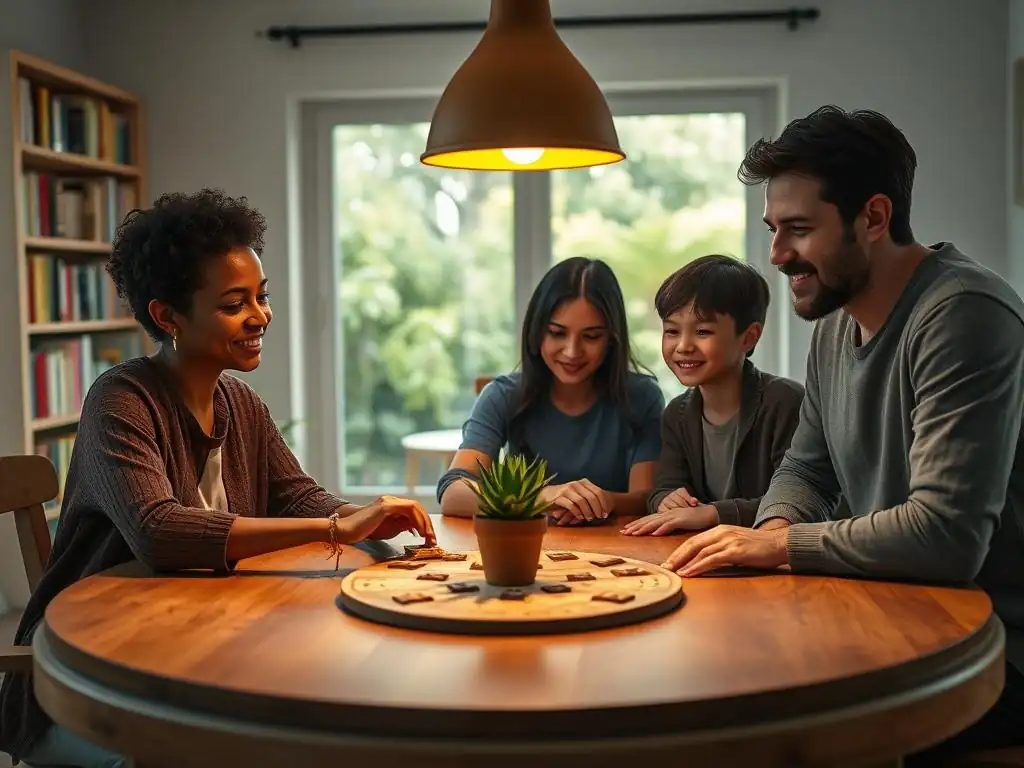
A family environment where children feel safe, loved, and accepted unconditionally is fundamental to building resilience. This safe space is characterized by open communication, where children feel comfortable sharing their thoughts, feelings, fears, and mistakes without judgment. It means actively listening when they speak, validating their emotions, even if you don't agree with their perspective, and responding with empathy and understanding.
Establishing regular check-ins, whether during dinner, bedtime, or a dedicated family time, creates opportunities for these conversations. Knowing they have a trusted adult to turn to when facing difficult peer situations significantly reduces the likelihood of them succumbing to negative pressure. This consistent safety net is a cornerstone in helping resilient kids handle peer pressure and navigate the complexities of social dynamics.
Strengthening Family Bonds: Building Connection and Support
Strong family bonds provide children with a sense of belonging and security that acts as a buffer against negative external influences. Spending quality time together, engaging in shared activities, celebrating successes, and navigating challenges as a unit strengthens these connections. Simple activities like family game nights, cooking together, or going for walks create positive shared experiences and opportunities for informal conversation.
When children feel deeply connected to their family, they are less likely to seek extreme validation or acceptance from peer groups, which can sometimes lead to engaging in risky behaviors to fit in. Research consistently shows that strong family relationships are correlated with lower rates of risky behaviors in adolescents. This foundational support system is crucial for developing resilient kids handle peer pressure and make healthy choices based on their values rather than group dictates.
Children learn by observing the adults around them. Parents and caregivers model how to communicate, resolve conflicts, set boundaries, and maintain healthy relationships. Demonstrating respect, empathy, and assertiveness in your own interactions with partners, friends, and family provides a living example for your child. This includes showing how to handle disagreements constructively and how to say "no" politely but firmly when necessary.
Discussing your own experiences (appropriately for their age) with social dynamics, setting boundaries, or dealing with difficult people can also be educational. For instance, explaining why you chose not to participate in a certain activity or how you handled a friend's difficult request can provide valuable insights. By modeling healthy social interactions and boundary setting, you equip your child with the skills and understanding needed to become resilient kids handle peer pressure in their own lives.
Teaching Problem-Solving and Decision-Making
Empowering Informed Choices: Weighing Options
Teaching children how to think critically and weigh different options is essential for navigating peer pressure. Instead of simply telling them what to do, guide them through the process of considering the potential consequences of various choices when faced with a difficult situation. For example, if they are pressured to go somewhere they shouldn't, discuss the options: going along with friends, saying no and suggesting an alternative, or leaving the situation entirely.
Encourage them to think about the pros and cons of each option, considering not just the immediate outcome but also the potential longer-term effects on their safety, well-being, and relationships. This process empowers them to make informed decisions rather than reacting impulsively to pressure. Developing this skill is a key factor in raising resilient kids handle peer pressure, as it equips them to analyze situations independently.
Analyzing Consequences: Understanding the Impact of Decisions
Understanding that every decision has consequences, both positive and negative, is a vital lesson for children. When discussing potential peer pressure scenarios, help them analyze the possible outcomes of giving in to pressure versus standing firm. This isn't about instilling fear, but about developing foresight and a realistic understanding of cause and effect. For instance, agreeing to underage drinking could lead to health risks, legal trouble, or disappointing their family, while saying no might lead to temporary social awkwardness but maintains their safety and integrity.
Use hypothetical situations or discuss real-life examples (from news, books, or appropriate personal anecdotes) to illustrate how choices play out. This helps children connect actions with results, making them more likely to pause and consider the impact before acting on impulse or pressure. This analytical ability is crucial for developing resilient kids handle peer pressure and make responsible choices.
Encouraging Critical Thinking: Questioning Motivations
Teaching children to think critically about the messages they receive from peers, media, and other sources is fundamental to resisting negative influence. Encourage them to question why someone might be pressuring them to do something. Is it for their own benefit, or for the peer's? What are the underlying reasons behind the pressure? This involves looking beyond the surface request and considering the context and potential motivations.
For example, if a friend is pressuring them to cheat on a test, encourage them to think: Why is my friend asking this? Is it fair to others? What are the risks involved? What does this say about my friend's values? By developing the habit of questioning and analyzing, children can better identify manipulative tactics and make decisions based on their own values and understanding, rather than blindly following others. This critical thinking is a hallmark of resilient kids handle peer pressure effectively.
Identifying Positive Peer Groups: Seeking Supportive Communities
The quality of a child's friendships significantly impacts their vulnerability to negative peer pressure. Encourage children to seek out and cultivate friendships with peers who share similar values, interests, and positive goals. Discuss the characteristics of a good friend: someone who is supportive, respectful, kind, and encourages positive behavior, rather than pressuring them into risky or uncomfortable situations.
Help them identify friend groups where they feel accepted for who they are, without feeling the need to pretend or compromise their values. This might involve exploring different clubs, activities, or groups based on their interests, such as sports teams, art classes, debate clubs, or youth groups. Being part of a positive peer group provides a sense of belonging and reinforces positive behaviors, making it easier for resilient kids handle peer pressure from less healthy influences.
Navigating social relationships requires a range of skills, including communication, empathy, conflict resolution, and boundary setting. Teaching children how to initiate conversations, listen actively, understand different perspectives, and handle disagreements respectfully helps them build healthy connections. These skills are essential for building and maintaining positive friendships and for confidently navigating challenging social interactions.
Role-playing social scenarios, discussing social cues, and providing opportunities for positive social interactions are all ways to help children develop these skills. Understanding how to communicate their feelings and needs effectively also empowers them to set boundaries with peers when necessary. Strong social skills contribute to a child's overall confidence and ability to form supportive relationships, which are key for resilient kids handle peer pressure.
Addressing Bullying and Exclusion: Intervention Strategies
Bullying and social exclusion are extreme forms of negative peer interaction that require specific attention. Children who are targets of bullying or consistently excluded are particularly vulnerable and may feel increased pressure to do whatever it takes to gain acceptance. It's crucial to create an environment where children feel safe reporting bullying incidents, whether they are the target or a witness.
Teach children strategies for responding to bullying, such as walking away, seeking help from a trusted adult, or using assertive language. Empowering bystanders to speak up or get help is also vital. Work with schools and organizations to address bullying policies and create a safer social environment. Addressing these issues directly supports children's emotional well-being and their ability to thrive socially, reinforcing their capacity to be resilient kids handle peer pressure.
Addressing Specific Challenges

Social media presents unique challenges regarding peer pressure. The constant visibility of peers' lives, curated to appear perfect or exciting, can create intense pressure to conform to unrealistic standards of appearance, lifestyle, or popularity. Cyberbullying is also a significant concern. It's essential to have ongoing conversations with children about their online lives, just as you would about their offline interactions.
Teach them critical media literacy skills to question what they see online, understand the difference between curated online personas and reality, and be aware of the permanence of online content. Establish clear guidelines for social media use, privacy settings, and online behavior. Encourage them to unfollow accounts that make them feel inadequate or pressured. Helping them develop a healthy relationship with social media is crucial for fostering the resilience needed for resilient kids handle peer pressure in the digital age.
Dealing with Appearance Pressures: Promoting Positive Body Image
Peer pressure related to appearance can be particularly damaging, especially during adolescence when bodies are changing. Messages from peers, media, and social media often promote unrealistic beauty standards, leading to body dissatisfaction, dieting behaviors, and even eating disorders. Parents play a vital role in counteracting these pressures by promoting a positive body image and a focus on health over appearance.
Model healthy attitudes towards food and exercise, avoid making negative comments about your own or others' bodies, and challenge unrealistic beauty standards portrayed in media. Encourage children to appreciate their bodies for what they can do rather than just how they look. Focus on health, well-being, and self-acceptance. This foundational self-acceptance is key for resilient kids handle peer pressure related to appearance.
Handling Academic Pressure: Balancing Expectations
Peer pressure can also manifest in academic settings, ranging from pressure to achieve certain grades, take specific classes, or even engage in cheating. Children may feel pressured to compete fiercely with peers or, conversely, to underachieve if the peer group values activities outside of academics more. It's important to help children develop a healthy perspective on academic success, focusing on effort, learning, and personal growth rather than solely on grades or comparison with others.
Encourage a balance between academics, extracurricular activities, and free time. Help them develop good study habits and time management skills to manage academic workload without excessive stress. Discuss the ethics of academic integrity and the importance of doing their own best work. Supporting their academic efforts while emphasizing learning over competition helps them navigate peer pressure in school and fosters the mindset of resilient kids handle peer pressure related to achievement.
Seeking Professional Support
Recognizing When to Seek Guidance: Identifying Warning Signs
While building resilience is an ongoing process, there are times when peer pressure or its effects become overwhelming for a child, necessitating professional help. Warning signs that may indicate a need for support include significant changes in mood (e.g., increased irritability, sadness, anxiety), withdrawal from friends and family, loss of interest in previously enjoyed activities, significant changes in sleep or appetite, a drop in academic performance, engagement in risky behaviors, or expressing feelings of hopelessness.
If you observe these signs persistently, or if your child directly expresses feeling unable to cope with peer pressure or social situations, it's time to consider professional help. Early intervention can prevent more serious mental health issues from developing and provide your child with effective coping strategies. Recognizing these signs is crucial for supporting the well-being of resilient kids handle peer pressure.
Finding the Right Professional: Selecting a Therapist or Counselor
Finding the right mental health professional is a key step in supporting your child. This could be a licensed therapist, counselor, psychologist, or social worker specializing in child and adolescent mental health. Look for a professional with experience in dealing with issues like peer pressure, social anxiety, self-esteem, and adolescent development. You might start by asking for recommendations from your pediatrician, school counselor, or trusted friends.
Consider scheduling initial consultations to see who feels like the best fit for your child and family. Discuss their therapeutic approach and how they involve parents in the process. The goal is to find someone who can provide a safe and supportive environment for your child to explore their challenges and develop healthier coping mechanisms.
Resources for Support: Accessing Help for Parents and Children
Numerous resources are available to support both children dealing with peer pressure and parents seeking guidance. School counselors are often a first point of contact and can provide immediate support or refer to external resources. Community mental health centers offer affordable services. Non-profit organizations focused on youth mental health or specific issues like bullying also provide valuable information and support groups.
Online resources, reputable websites (like Mind Care Guide), books, and parenting workshops can offer strategies and insights. Remember, seeking help is a sign of strength, not weakness. Accessing these resources can provide children with the tools they need to navigate peer pressure successfully and reinforce the skills parents use to raise resilient kids handle peer pressure.
Long-Term Benefits of Resilience
Preparing for Future Challenges: Building Coping Mechanisms
The resilience developed in childhood and adolescence through navigating peer pressure provides a strong foundation for facing future challenges in adulthood. Learning to cope with social difficulties, make independent decisions, and stand by one's values equips individuals with essential life skills. These experiences build a repertoire of coping mechanisms that can be applied to academic stress, workplace dynamics, relationship issues, and other life transitions.
Children who learn to be resilient kids handle peer pressure are better prepared to adapt to change, persevere through setbacks, and manage stress effectively throughout their lives. The skills gained—problem-solving, critical thinking, assertiveness, and emotional regulation—are transferable to a wide range of situations, contributing to greater overall well-being and success.
Fostering Independence: Encouraging Self-Reliance
Successfully navigating peer pressure fosters a sense of independence and self-reliance in children. When they learn to trust their own judgment and make choices aligned with their values, rather than seeking external validation, they develop a stronger sense of agency. This independence is crucial for healthy development and the ability to function autonomously as adults.
Allowing children age-appropriate opportunities to make their own decisions, experience the consequences, and solve their own problems (with support when needed) cultivates this self-reliance. Overcoming challenges related to peer influence reinforces their belief in their own capabilities, empowering them to face new situations with confidence. This journey towards independence is a natural outcome for resilient kids handle peer pressure successfully.
Creating Confident Individuals: Promoting Empathy and Wellbeing
Ultimately, building resilience against peer pressure contributes to raising confident, empathetic, and well-rounded individuals. Confidence stems from knowing one can handle difficult situations and make sound choices. Empathy is developed through understanding social dynamics and considering the perspectives of others, even when disagreeing with them. Well-being is enhanced by maintaining healthy relationships and staying true to oneself.
Resilient kids handle peer pressure not just by saying no, but by developing a strong internal compass that guides them towards positive interactions and away from harmful ones. They are more likely to form genuine connections, stand up for themselves and others, and pursue paths that lead to personal fulfillment and positive contributions to society. The effort invested in building resilience pays dividends throughout a child's life, shaping them into capable and compassionate adults.
Frequently Asked Questions
How can I tell if my child is experiencing unhealthy peer pressure?
Look for sudden changes in behavior, increased anxiety, or engaging in activities they previously disliked. These can be signs they're struggling to conform.
What are some effective strategies for teaching my child about resilience?
Encourage problem-solving skills, emotional regulation techniques, and help them build a strong sense of self-worth. This empowers them to resist negative influences.
How can I help my child develop a strong support system to combat peer pressure?
Facilitate positive relationships with family, friends, and mentors. A reliable support network provides alternative perspectives and encouragement.
What if my child is being bullied as a result of resisting peer pressure?
Address the bullying immediately. Report it to the school, support your child emotionally, and consider seeking professional help to build their coping mechanisms.
At what age should I start talking to my child about peer pressure and resilience?
Begin having these conversations at a young age, using age-appropriate language. Early discussions establish a foundation for healthy decision-making and self-confidence.
Final Reflection: Forging Unbreakable Bonds of Resilience
The ability to withstand peer pressure is not merely a childhood skill; it's a cornerstone of lifelong success and well-being. In a world increasingly saturated with social media influence and complex social dynamics, equipping children with the tools to navigate these challenges is more critical than ever. This article has explored practical strategies to build resilience in children, empowering them to make healthy choices and stand firm in their convictions.
The impact of peer pressure extends far beyond the playground or school hallways; it shapes self-esteem, decision-making, and ultimately, the trajectory of a young person's life. The subtle yet powerful influence of social circles can be both positive and negative, underscoring the importance of fostering a strong sense of self within our children. As the saying goes, The only person you are destined to become is the person you decide to be.
This simple truth, when internalized, becomes a powerful shield against the pressures of conformity. It's a lesson I've personally learned, and one I strive to instill in my own children.
Now, consider the lessons learned within these pages. How can you actively cultivate resilience in your child? What steps can you take today to strengthen their inner compass and empower them to make choices aligned with their values? Start by fostering open communication, building trust, and providing a safe space for them to express themselves without judgment. Remember, building a resilient child is an ongoing journey, filled with both challenges and triumphs. Embrace the process, and watch your child blossom into a confident, independent individual capable of navigating the complexities of life with grace and strength.
Unleash Your Child's Inner Strength: Take Action Today!
Thanks for taking the time to learn how to build your child's resilience against peer pressure. You've gained valuable insights into protecting their wellbeing and fostering their confidence. Now, let's put that knowledge into action!
- Implement one new communication strategy this week: Choose one of the techniques discussed – open dialogue, active listening, or setting clear boundaries – and actively practice it with your child. This small step will make a big difference.
- Share this article with other parents: Help spread the word and empower more families to raise resilient kids. Let's build a supportive community together.
- Consider joining a local parenting group: Connecting with other parents facing similar challenges can provide invaluable support and fresh perspectives.
What's one small change you can make today to strengthen your child's ability to resist peer pressure?