
From Anxious to Calm: Simple Dietary Shifts That Make a Difference.


Welcome to Mind Care Guide, your compassionate companion on the path to mental well-being. Feeling overwhelmed by anxiety? You're not alone. What if simple changes to your diet could unlock a calmer, more centered you? Our guide, "From Anxious to Calm: Simple Dietary Shifts That Make a Difference," explores just that – offering actionable insights and support to help you navigate your anxiety with newfound power. Curious to learn how dietary shifts reduce anxiety? Let's begin your journey to a calmer, healthier you, starting right here.
From Anxious to Calm: Simple Dietary Shifts That Make a Difference
- Understanding the Link Between Diet and Anxiety
-
Dietary Shifts to Reduce Anxiety: A Practical Guide
- 1. Embrace a Whole Foods Diet for Anxiety Relief
- 2. Prioritize Protein Intake for Mood Regulation
- 3. Balance Blood Sugar Levels for a Calm Mind
- 4. Boost Your Intake of Omega-3 Fatty Acids
- 5. Increase Magnesium-Rich Foods in Your Diet
- 6. Hydrate Adequately to Support Brain Function
- 7. Consider Probiotics and Fermented Foods for Gut Health
- Sample Meal Plan for Anxiety Reduction
- Beyond Diet: Combining Nutritional Strategies with Other Anxiety Management Techniques
- Conclusion: Long-Term Dietary Changes for Sustained Anxiety Relief
-
Frequently Asked Questions
- How can dietary shifts impact my anxiety levels?
- What are some specific foods I should avoid to reduce anxiety?
- What are some key nutrients I should focus on incorporating into my diet?
- How long does it typically take to notice a difference in anxiety levels after making dietary changes?
- Are there any other lifestyle factors that I should consider in addition to dietary shifts to manage anxiety?
- Final Reflection: Cultivating Calm Through Conscious Eating
- Unlock Your Inner Calm: Nourish Your Mind & Body Today!
Understanding the Link Between Diet and Anxiety
How Food Choices Impact Anxiety Levels
The foods we consume directly influence our brain chemistry, affecting mood, energy levels, and our body's stress response. A diet high in processed foods, refined sugars, and unhealthy fats can lead to inflammation throughout the body, including the brain. This chronic low-grade inflammation is increasingly linked to various mental health issues, including anxiety. When blood sugar levels spike and crash due to sugary foods and refined carbohydrates, it can trigger symptoms like jitters, irritability, and difficulty concentrating, which can easily mimic or exacerbate feelings of anxiety.
Furthermore, the availability of essential nutrients is critical for the synthesis of neurotransmitters, the chemical messengers in the brain that regulate mood. Deficiencies in vitamins, minerals, and amino acids can impair the production of calming neurotransmitters like serotonin and GABA, while potentially increasing the activity of stress hormones like cortisol. For example, inadequate intake of B vitamins, particularly B6 and B12, which are vital for neurotransmitter synthesis, has been associated with increased symptoms of anxiety and depression in various studies. Making dietary shifts reduce anxiety by providing the necessary building blocks for a balanced brain environment.
The Gut-Brain Axis and Anxiety: A Key Connection
Emerging research highlights the profound connection between the gut and the brain, often referred to as the gut-brain axis. This bidirectional communication pathway involves nerves (like the vagus nerve), hormones, and the immune system, and is significantly influenced by the trillions of microorganisms residing in our digestive tract – the gut microbiome. The gut produces a significant portion of the body's serotonin, a key neurotransmitter involved in mood regulation, and the health of the gut microbiome can impact this production.
An imbalanced gut microbiome, often resulting from a poor diet lacking in fiber and rich in processed foods, can lead to increased gut permeability ("leaky gut"), systemic inflammation, and altered production of microbial metabolites. Some of these metabolites can directly influence brain function and behavior. Studies have shown that individuals with anxiety disorders often exhibit different gut microbial compositions compared to healthy individuals. Therefore, supporting a healthy gut through mindful dietary shifts can be a powerful strategy to reduce anxiety symptoms by positively influencing the gut-brain axis.
Nutritional Deficiencies That Can Worsen Anxiety Symptoms
Several specific nutritional deficiencies have been consistently linked to increased anxiety symptoms. Magnesium, for instance, plays a crucial role in nerve transmission and muscle relaxation, and deficiency is relatively common, with some estimates suggesting a significant portion of the population may not meet recommended intakes. Low magnesium levels can impair the body's stress response system, potentially leading to heightened anxiety and difficulty managing stress.
Deficiencies in certain B vitamins (especially B1, B3, B6, B9, B12) are also associated with anxiety, as these vitamins are essential cofactors in the synthesis of neurotransmitters like serotonin, dopamine, and GABA. Omega-3 fatty acids, particularly EPA and DHA, are vital for brain structure and function and possess anti-inflammatory properties.
Low levels of omega-3s have been observed in individuals with anxiety disorders, and research indicates that increasing intake can help modulate inflammation and improve mood. Other nutrients like zinc, iron, and Vitamin D also play roles in brain health and immune function, and their deficiencies can contribute to or worsen anxiety symptoms, underscoring how targeted dietary shifts reduce anxiety by addressing these crucial needs.
Dietary Shifts to Reduce Anxiety: A Practical Guide
1. Embrace a Whole Foods Diet for Anxiety Relief
Focusing on Nutrient-Dense Foods
Adopting a diet centered around whole, unprocessed foods is one of the most impactful dietary shifts reduce anxiety effectively. Nutrient-dense foods are packed with vitamins, minerals, fiber, and antioxidants that nourish the brain and body, providing the essential building blocks for optimal mental function. Prioritize colorful fruits and vegetables like spinach, kale, berries, and broccoli, which are rich in antioxidants that combat inflammation.
Include lean proteins, whole grains like oats and quinoa, and healthy fats from sources like avocados, nuts, and seeds. These foods provide sustained energy release, preventing blood sugar crashes that can trigger anxiety, and supply the necessary nutrients for neurotransmitter production and overall brain health.
Minimizing Processed Foods, Sugars, and Unhealthy Fats
Conversely, minimizing or eliminating processed foods, refined sugars, and unhealthy trans and excessive saturated fats is crucial when making dietary shifts reduce anxiety. Processed foods often lack essential nutrients and are high in additives, unhealthy fats, and sugar, contributing to inflammation and blood sugar dysregulation. Sugary drinks and refined carbohydrates cause rapid spikes and crashes in blood glucose, leading to energy dips, irritability, and heightened feelings of anxiety.
Trans fats, found in many processed and fried foods, can negatively impact brain cell membranes and contribute to inflammation. By reducing these items, you remove triggers that can exacerbate anxiety and create space for more beneficial, calming foods.
2. Prioritize Protein Intake for Mood Regulation
The Role of Amino Acids in Neurotransmitter Production
Protein is broken down into amino acids, which are the fundamental building blocks for neurotransmitters – the chemical messengers that regulate mood, sleep, appetite, and stress response. Tryptophan, an essential amino acid found in protein-rich foods, is a precursor to serotonin, a neurotransmitter often associated with feelings of well-being and calmness.
Other amino acids, like tyrosine, are precursors to dopamine and norepinephrine, involved in motivation and alertness, while glutamine can be converted into GABA, an inhibitory neurotransmitter that helps calm the nervous system. Ensuring adequate protein intake throughout the day provides the necessary raw materials for your brain to produce these vital chemicals, supporting balanced mood and potentially helping dietary shifts reduce anxiety.
Best Protein Sources for Reducing Anxiety
Incorporating high-quality protein sources into each meal is a practical step in making dietary shifts reduce anxiety. Excellent options include lean meats like chicken and turkey, fatty fish such as salmon and mackerel (which also provide beneficial omega-3s), eggs, dairy products like Greek yogurt and cheese, legumes such as lentils and beans, nuts, and seeds.
Aim for approximately 20-30 grams of protein per meal to support satiety and provide a steady supply of amino acids. Pairing protein with complex carbohydrates helps stabilize blood sugar and enhances the uptake of tryptophan into the brain, further supporting serotonin synthesis and contributing to a calmer state.
3. Balance Blood Sugar Levels for a Calm Mind
Avoiding Sugar Spikes and Crashes
Fluctuations in blood sugar levels can significantly impact mood and anxiety. When you consume sugary foods or refined carbohydrates, your blood glucose rises rapidly, prompting your body to release insulin to bring it down. A rapid drop in blood sugar (a "crash") can trigger symptoms like shakiness, dizziness, confusion, and irritability – sensations that can feel very similar to or intensify anxiety symptoms.
Chronic exposure to these blood sugar rollercoasters can stress the adrenal glands and impact the body's stress response system. Maintaining stable blood sugar throughout the day is a key component of how effective dietary shifts reduce anxiety.
Choosing Complex Carbohydrates Over Simple Sugars
To maintain balanced blood sugar, prioritize complex carbohydrates over simple sugars and refined grains. Complex carbohydrates, found in whole grains, vegetables, and legumes, are digested slowly, leading to a gradual and sustained release of glucose into the bloodstream. This prevents the sharp spikes and crashes associated with simple sugars. When consuming carbohydrates, pair them with protein and healthy fats. This combination further slows down digestion and glucose absorption, promoting stable energy levels and a calmer state of mind. Examples include pairing whole-grain toast with avocado and eggs, or having lentils with brown rice and vegetables.
4. Boost Your Intake of Omega-3 Fatty Acids
The Anti-Inflammatory Effects of Omega-3s
Omega-3 fatty acids, particularly eicosapentaenoic acid (EPA) and docosahexaenoic acid (DHA), are essential fats that play a critical role in brain health and function. They are integral components of brain cell membranes, influencing cell communication and signaling. Furthermore, omega-3s are well-known for their powerful anti-inflammatory properties. Chronic low-grade inflammation in the brain is increasingly implicated in the development and severity of anxiety and other mood disorders. By reducing inflammation, omega-3s can help create a healthier environment for brain cells, potentially modulating stress responses and contributing to how dietary shifts reduce anxiety.
Food Sources and Supplementation Options
The best dietary sources of EPA and DHA are fatty fish like salmon, mackerel, sardines, and herring. Aim to consume these types of fish at least two to three times per week. For vegetarians and vegans, or those who dislike fish, alpha-linolenic acid (ALA) is an omega-3 found in plant sources such as flaxseeds, chia seeds, walnuts, and hemp seeds.
While ALA can be converted into EPA and DHA in the body, the conversion rate is often low. If dietary intake is insufficient, a high-quality omega-3 supplement (fish oil or algae-based for vegetarians/vegans) providing at least 500-1000 mg of combined EPA and DHA daily may be considered, ideally after consulting with a healthcare professional.
5. Increase Magnesium-Rich Foods in Your Diet
Magnesium's Role in Nerve Function and Relaxation
Magnesium is an essential mineral involved in over 300 biochemical reactions in the body, many of which are crucial for brain and nervous system function. It plays a key role in regulating neurotransmitters, including GABA, the body's primary inhibitory neurotransmitter that promotes relaxation and reduces nerve excitability. Magnesium also helps regulate the body's stress response by influencing the hypothalamic-pituitary-adrenal (HPA) axis. Low magnesium levels can disrupt these processes, potentially leading to increased anxiety, muscle tension, and difficulty sleeping. Ensuring adequate magnesium intake through dietary shifts reduce anxiety by supporting these vital calming mechanisms.
Top Food Sources of Magnesium
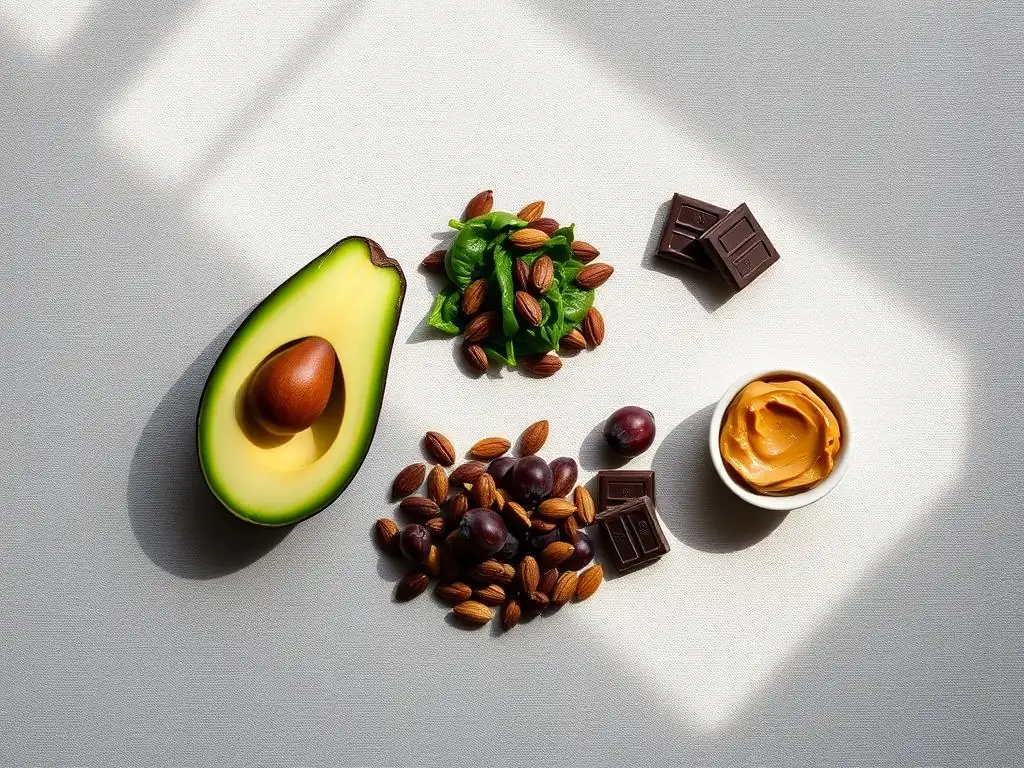
Increasing your intake of magnesium-rich foods is a simple and effective step. Excellent dietary sources include dark leafy greens like spinach and kale, nuts and seeds such as almonds, cashews, pumpkin seeds, and chia seeds, legumes like black beans and lentils, whole grains (especially oats and brown rice), and even dark chocolate (with a high cocoa content).
Incorporating a variety of these foods into your daily meals and snacks can help ensure you are meeting your magnesium needs. For example, adding spinach to a smoothie, snacking on almonds, or including beans in a salad are easy ways to boost magnesium intake throughout the day.
6. Hydrate Adequately to Support Brain Function
Dehydration and its Impact on Anxiety
Even mild dehydration can negatively impact mood, concentration, and energy levels, and can exacerbate feelings of anxiety. When you are dehydrated, your body's production of cortisol, a stress hormone, can increase. Dehydration can also affect electrolyte balance, which is crucial for nerve signaling and muscle function, potentially leading to symptoms like dizziness, fatigue, and headaches that can heighten anxiety. Feeling thirsty or having a dry mouth are already signs that you are somewhat dehydrated; optimal hydration requires consistent fluid intake throughout the day. Simple dietary shifts reduce anxiety by ensuring adequate water intake.
Tips for Staying Hydrated Throughout the Day
Making a conscious effort to stay hydrated is straightforward but often overlooked.
- Keep a water bottle with you and sip from it regularly.
- Aim to drink water consistently throughout the day, not just when you feel thirsty.
- Increase fluid intake during exercise or hot weather.
- Include hydrating foods in your diet, such as fruits and vegetables with high water content (cucumber, watermelon, strawberries).
- Limit dehydrating beverages like excessive caffeine and alcohol.
Consider setting reminders on your phone if you struggle to remember to drink water. Adequate hydration supports overall physiological function, including brain health, helping you feel calmer and more centered.
7. Consider Probiotics and Fermented Foods for Gut Health
Supporting a Healthy Gut Microbiome
As discussed with the gut-brain axis, the health of your gut microbiome significantly influences your mental well-being. A diverse and balanced community of beneficial bacteria in the gut can support the production of neurotransmitters, reduce inflammation, and positively influence brain function. Probiotics are live beneficial bacteria that can be introduced into the gut, while prebiotics are types of fiber that feed these beneficial bacteria. Incorporating foods rich in probiotics and prebiotics is a targeted approach within dietary shifts reduce anxiety by nurturing the gut-brain connection.
Incorporating Fermented Foods Into Your Diet
Fermented foods are natural sources of probiotics. Examples include:
- Yogurt (ensure it contains live and active cultures)
- Kefir (a fermented milk or water drink)
- Sauerkraut (fermented cabbage)
- Kimchi (spicy fermented vegetables)
- Tempeh (fermented soybeans)
- Miso (fermented soybean paste)
Start by incorporating small amounts of these foods into your diet regularly. Additionally, consume prebiotic-rich foods like garlic, onions, leeks, asparagus, bananas, and oats, which nourish the beneficial bacteria already present in your gut. A healthier gut microbiome contributes to reduced inflammation and improved neurotransmitter balance, supporting your efforts towards making dietary shifts reduce anxiety.
Sample Meal Plan for Anxiety Reduction
This sample plan incorporates the principles of focusing on whole foods, balanced macronutrients, and nutrient density.
Breakfast Ideas: Nourishing Starts to the Day
- Oatmeal made with rolled oats, topped with berries, nuts (almonds or walnuts), and a sprinkle of chia seeds for fiber, omega-3s, and magnesium.
- Scrambled eggs with spinach and mushrooms, served with a side of avocado toast on whole-grain bread. Provides protein, healthy fats, magnesium, and fiber.
- Greek yogurt with live and active cultures, mixed with granola (low in added sugar), berries, and a tablespoon of flaxseeds. Good source of probiotics, protein, and omega-3s.
Lunch Ideas: Fueling Your Afternoon Calm
- Lentil soup with a side salad dressed with olive oil and lemon juice. Lentils provide complex carbs, protein, and magnesium.
- Baked salmon (omega-3s) with a large serving of roasted broccoli and quinoa. A nutrient-dense meal supporting brain health and stable energy.
- Large salad with mixed greens, grilled chicken or chickpeas (protein), walnuts (omega-3s, magnesium), sliced bell peppers, cucumber, and a vinaigrette.
Dinner Ideas: Relaxing Evening Meals
- Chicken stir-fry with a variety of colorful vegetables (broccoli, carrots, snap peas) served over brown rice. Lean protein and complex carbs.
- Black bean burgers on whole-wheat buns with lettuce, tomato, and a side of sweet potato fries. Good source of protein, fiber, and magnesium.
- Baked cod or other white fish with steamed asparagus and a small baked potato. Lean protein and nutrient-rich vegetables.
Snack Ideas: Balanced Bites Between Meals
- A handful of almonds or walnuts (magnesium, omega-3s, healthy fats).
- Apple slices with almond butter (fiber, protein, healthy fats).
- Carrot sticks with hummus (fiber, protein).
- A small container of plain yogurt with a few berries (probiotics, protein).
- Edamame (protein, fiber).
Beyond Diet: Combining Nutritional Strategies with Other Anxiety Management Techniques

While making dietary shifts reduce anxiety significantly, they are most effective when integrated into a broader approach to mental well-being. Nutrition is a powerful tool, but it's rarely a standalone solution for managing anxiety, especially for moderate to severe cases.
The Importance of Exercise and Mindfulness
Regular physical activity is a proven anxiety reducer. Exercise releases endorphins, which have mood-boosting effects, and can help reduce stress hormones like cortisol. Aim for at least 30 minutes of moderate-intensity exercise most days of the week. Mindfulness and meditation practices also play a vital role. Techniques like deep breathing, meditation, and yoga can calm the nervous system, increase self-awareness, and help individuals better manage anxious thoughts and feelings. Combining these practices with supportive dietary changes creates a synergistic effect, enhancing overall resilience to stress and anxiety.
Seeking Professional Guidance for Anxiety
It is crucial to remember that dietary changes are complementary strategies and should not replace professional mental health care. If you are experiencing significant or persistent anxiety, seeking help from a therapist, counselor, psychologist, or psychiatrist is essential. They can provide diagnosis, therapy (such as Cognitive Behavioral Therapy or exposure therapy), and discuss medication options if appropriate. A registered dietitian or nutritionist can also provide personalized guidance on dietary shifts reduce anxiety based on your individual needs, health status, and potential deficiencies, ensuring your nutritional approach is safe and effective.
Conclusion: Long-Term Dietary Changes for Sustained Anxiety Relief
Making dietary shifts reduce anxiety is a journey, not a quick fix. The connection between what you eat and how you feel emotionally is undeniable, with nutrients influencing brain function, neurotransmitter balance, inflammation, and gut health. By prioritizing whole, nutrient-dense foods, balancing macronutrients, and focusing on specific anxiety-supportive nutrients like omega-3s and magnesium, you can create a foundation for greater calmness and resilience.
Making Gradual and Sustainable Changes
Attempting to overhaul your entire diet overnight can be overwhelming and unsustainable. Instead, focus on making gradual, manageable changes. Start by incorporating one or two new habits each week, such as adding a source of protein to your breakfast or swapping sugary drinks for water. Celebrate small victories and be patient with yourself. Consistency is key to experiencing the long-term benefits of how dietary shifts reduce anxiety. Remember that progress, not perfection, is the goal.
Monitoring Your Progress and Adjusting as Needed
Pay attention to how different foods make you feel. Keep a food and mood journal to track patterns and identify potential triggers or beneficial foods. Notice how changes in your diet correlate with shifts in your anxiety levels, energy, and sleep quality.
This self-monitoring allows you to personalize your approach and make adjustments as needed. Consult with healthcare professionals, including registered dietitians or therapists, to ensure your dietary changes are appropriate for your specific situation and to address any underlying health conditions or nutritional deficiencies. By committing to these sustainable dietary shifts reduce anxiety and improve your overall mental well-being over time.
Frequently Asked Questions
How can dietary shifts impact my anxiety levels?
Dietary shifts can significantly impact anxiety by influencing brain chemistry and gut health. Certain foods can promote a calmer state, while others can exacerbate anxiety symptoms. Focus on nutrient-dense options.
What are some specific foods I should avoid to reduce anxiety?
Foods to avoid include those high in processed sugars, caffeine, and excessive alcohol. These substances can cause fluctuations in blood sugar and neurotransmitter levels, leading to increased anxiety.
What are some key nutrients I should focus on incorporating into my diet?
Focus on incorporating foods rich in magnesium, omega-3 fatty acids, and B vitamins. These nutrients play a crucial role in supporting nervous system function and reducing anxiety symptoms.
How long does it typically take to notice a difference in anxiety levels after making dietary changes?
The timeline varies, but many people report experiencing noticeable improvements in anxiety levels within a few weeks of making consistent dietary changes. Patience is key.
Are there any other lifestyle factors that I should consider in addition to dietary shifts to manage anxiety?
Yes, combining dietary changes with other lifestyle factors such as regular exercise, sufficient sleep, and stress management techniques can significantly enhance anxiety reduction efforts. A holistic approach is best.
Final Reflection: Cultivating Calm Through Conscious Eating
The link between what we eat and how we feel is undeniable, and in today's fast-paced world, understanding this connection is more crucial than ever. The simple dietary shifts explored in this article—from prioritizing whole foods to minimizing processed sugars and caffeine—offer a powerful, accessible path towards reducing anxiety and cultivating a greater sense of inner peace. These aren't just fleeting trends; they represent a fundamental shift towards a more mindful and holistic approach to well-being.
The impact of food on our mental state is profound, extending far beyond simple satiation. It influences our mood, energy levels, and even our ability to manage stress. As we become more aware of the intricate relationship between our diet and our emotional landscape, we begin to take control of our mental health in a tangible way. You are what you eat,
is more than just a catchy phrase; it's a fundamental truth that holds immense power when applied to managing anxiety.
Now, consider your own relationship with food. What small changes could you implement today to nurture your mental well-being? Perhaps it's swapping sugary snacks for a handful of nuts, incorporating more leafy greens into your meals, or simply taking a moment to savor each bite with intention. The journey to a calmer, more centered you begins with one conscious choice at a time. Embrace the power of food as a tool for self-care, and watch as your anxiety diminishes and a profound sense of well-being blossoms.
Unlock Your Inner Calm: Nourish Your Mind & Body Today!
Thanks for taking the time to explore the power of diet on your mental well-being! We hope you discovered some valuable insights into managing anxiety through simple dietary changes. Now it's time to put that knowledge into action.
- Prioritize one small dietary shift: Choose just one of the recommended changes from the article (e.g., adding more magnesium-rich foods or limiting caffeine) and commit to it this week. Track how you feel!
- Share your experience: Tell us (and others!) about your progress and any unexpected benefits you experience. Your insights could inspire someone else.
- Explore complementary practices: Consider incorporating a short mindfulness exercise or gentle yoga session into your daily routine alongside your dietary changes.
Ready to feel the difference? What small dietary change will you implement first to support your mental well-being?