
Understanding Hypervigilance: A Veteran's Constant State of Alert

Welcome to Mind Care Guide.
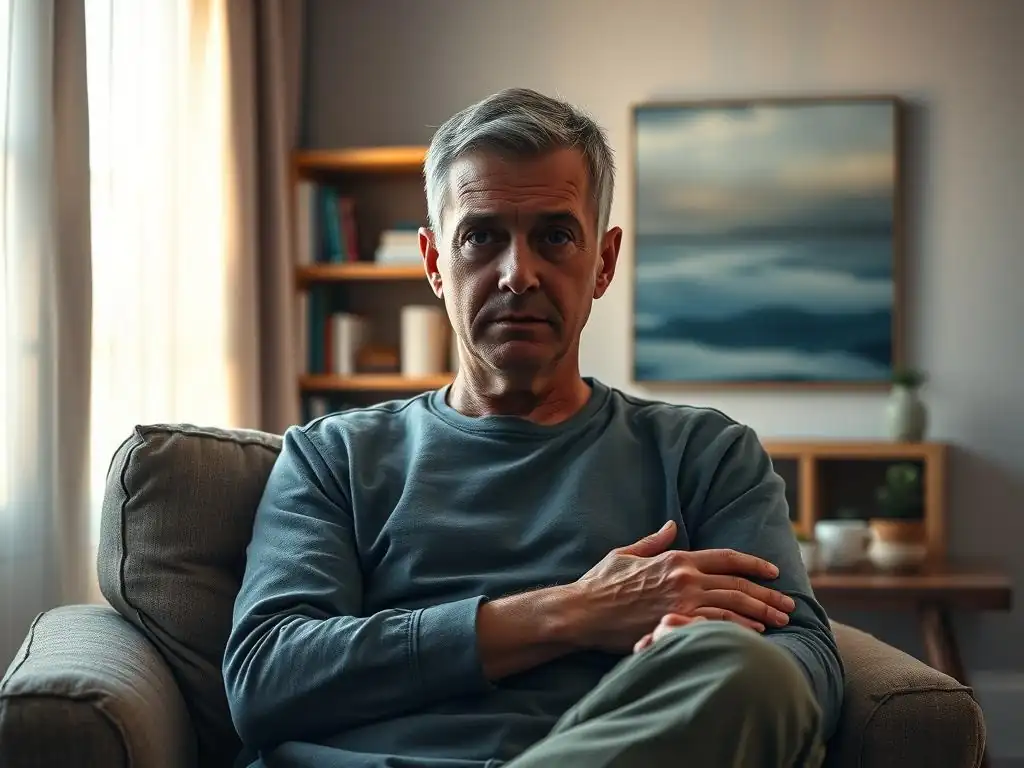
It's okay to feel like you're always on high alert. If you're a veteran struggling with persistent anxiety and feeling constantly watchful, you're not alone. This feeling, known as hypervigilance, can be exhausting and isolating. But there's hope. We understand the unique challenges you face, and we're here to help you navigate them.
This guide delves into Veteran hypervigilance coping strategies, offering practical tools and insights to reclaim your peace of mind. Curious about how to lessen the burden of constant vigilance? Let's explore together.
Understanding Hypervigilance: A Veteran's Constant State of Alert
- Introduction to Hypervigilance in Veterans
- Defining Hypervigilance
- Roots of Hypervigilance in Military Service: Trauma and PTSD
- Symptoms and Manifestations of Hypervigilance
- Impact on Daily Life and Relationships
- Coping Strategies for Hypervigilance
- Seeking Professional Help
- Building a Support System
- Long-Term Management: Promoting Resilience
- Resources for Veterans
- Conclusion: Managing Hypervigilance and Reclaiming Life
-
Frequently Asked Questions
- What is hypervigilance, and how does it relate to veterans?
- Why are veterans particularly susceptible to hypervigilance?
- What are some common symptoms of hypervigilance in veterans?
- What are some effective coping strategies for veterans dealing with hypervigilance?
- Where can veterans find support and resources for managing hypervigilance?
- Final Reflection: The Lingering Shadow of Vigilance
- Unleash Your Inner Calm: Practical Steps to Manage Hypervigilance
Introduction to Hypervigilance in Veterans
Military service often demands a heightened state of awareness, a constant readiness to detect threats in dynamic and unpredictable environments. While this vigilance is crucial for survival in combat zones, it can become a persistent and debilitating condition known as hypervigilance after returning to civilian life. For many veterans, this isn't just being watchful; it's an involuntary, intense scanning of the environment, a feeling of being perpetually on edge, searching for danger that is no longer present. This state significantly impacts their ability to relax, connect with others, and navigate the complexities of everyday life.
Understanding hypervigilance is a critical step for veterans, their families, and the community. It's not a character flaw or a sign of weakness, but rather a complex psychological and physiological response rooted in adaptive survival mechanisms honed during service. Recognizing the symptoms and finding effective veteran hypervigilance coping strategies are essential for improving quality of life and fostering successful reintegration. This article explores the nature of hypervigilance, its origins in military experience, its effects, and practical strategies for managing this challenging condition.
Defining Hypervigilance
Hypervigilance is characterized by an enhanced state of sensory sensitivity accompanied by an exaggerated intensity of behaviors whose purpose is to detect threats. It's a persistent feeling of being "on guard," where the individual is constantly scanning their surroundings for potential danger, even when objectively safe. This can manifest in various ways, from scrutinizing faces in a crowd to being acutely aware of sounds or movements that others might ignore. It's a state of being overly alert, driven by the brain's learned association of certain stimuli with past threats.
Unlike typical caution or alertness, hypervigilance is often involuntary and intrusive. It consumes mental energy and can be exhausting. Imagine walking down a quiet street but feeling the same level of alert tension as patrolling a potentially hostile area. This disconnect between the actual environment and the internal state of alert is a hallmark of hypervigilance, making it a significant challenge for veterans transitioning out of high-threat environments.
Neurobiology of Hypervigilance
Hypervigilance is deeply rooted in the brain's threat detection system, particularly the amygdala. This almond-shaped region is responsible for processing emotions, especially fear, and triggering the body's fight-or-flight response. In individuals exposed to trauma, particularly repeated or prolonged trauma common in combat, the amygdala can become hypersensitive. It learns to perceive a wider range of stimuli as potentially dangerous, leading to an overactive alarm system.
Studies using fMRI (functional magnetic resonance imaging) have shown increased amygdala activity in veterans with PTSD when exposed to neutral stimuli, suggesting their brains are interpreting non-threatening cues as potential threats. Furthermore, research indicates changes in the prefrontal cortex, the area responsible for executive functions like rational thought and emotional regulation.
This altered circuitry contributes to difficulty in dampening the fear response once it's triggered, trapping the individual in a cycle of heightened alert. The constant physiological readiness involves the sympathetic nervous system, leading to elevated heart rate, blood pressure, and muscle tension, preparing the body for action even when no action is needed.
Hypervigilance vs. General Anxiety
While hypervigilance shares some overlap with general anxiety, they are distinct. General anxiety is often characterized by excessive worry about future events, diffuse fears, and a pervasive sense of unease. Hypervigilance, conversely, is primarily focused on detecting immediate threats in the present environment. A person with general anxiety might worry about losing their job next month; a person experiencing hypervigilance is scanning the room right now for someone who might be a threat.
Consider the difference in focus: General anxiety is internal and future-oriented ("What if something bad happens?"). Hypervigilance is external and present-oriented ("Is there danger here? Now? "). While both can lead to physical symptoms like restlessness and difficulty concentrating, hypervigilance is specifically tied to sensory input and environmental scanning. It's a survival mechanism stuck in the "on" position, whereas general anxiety is a broader pattern of worry that may or may not be directly tied to immediate environmental cues. Understanding this distinction is crucial for selecting appropriate veteran hypervigilance coping strategies.
Roots of Hypervigilance in Military Service: Trauma and PTSD
Military service, especially in combat or high-stress roles, requires personnel to be constantly aware of their surroundings. This heightened state of alertness is adaptive and necessary for survival in unpredictable and dangerous environments. The brain and body become conditioned to rapidly identify potential threats, process information quickly, and react decisively. This conditioning is a strength during deployment but can become a significant challenge when that environment is left behind.
The transition back to civilian life means the external threat level dramatically decreases, but the internal threat detection system often remains on high alert. Everyday situations, like crowded places, sudden noises, or even specific smells, can trigger the same physiological and psychological responses that were appropriate in a war zone. This mismatch between the internal state and the external reality is a core driver of hypervigilance in veterans.
Combat Exposure and Alertness
Direct exposure to combat is a significant predictor of hypervigilance. In combat zones, being acutely aware of everything – the sound of footsteps, the glint of metal, changes in the environment – is literally life-saving. This constant scanning and threat assessment becomes deeply ingrained. The brain prioritizes stimuli associated with danger, and this learned association is powerful and persistent.
Estimates suggest that a substantial percentage of veterans who served in combat zones, particularly during operations like those in Iraq and Afghanistan, experienced environments where hypervigilance was a necessary survival skill. While precise numbers for hypervigilance alone are hard to isolate from PTSD statistics, studies on veterans with PTSD indicate that hyperarousal symptoms, which include hypervigilance and an exaggerated startle response, are present in a vast majority, often over 90% in clinical samples. This highlights how deeply combat exposure can imprint this heightened state of alert.
Trauma and Hypervigilance
Trauma, particularly the complex and prolonged trauma experienced in military environments, is a primary root cause of hypervigilance. Post-Traumatic Stress Disorder (PTSD), which affects a significant number of veterans (estimates vary, but can be around 11-20% of those who served in recent conflicts), includes hypervigilance as one of its core symptom clusters (hyperarousal). The traumatic experience fundamentally alters how the brain processes threat and safety.
When a person experiences a traumatic event, their brain's alarm system goes into overdrive. If trauma is repeated or prolonged, this system can get stuck in the "on" position. The individual's nervous system remains dysregulated, constantly scanning for signs of danger related to the original trauma or any stimuli associated with it. This persistent state of alert is a direct consequence of the brain attempting to prevent future trauma, but it becomes maladaptive in safe environments. Effective veteran hypervigilance coping strategies often target this trauma response.
Symptoms and Manifestations of Hypervigilance

Hypervigilance doesn't just feel like being alert; it manifests through a range of physical, psychological, and behavioral symptoms that can significantly impact a veteran's life. These symptoms are often interconnected and can create a cycle that reinforces the feeling of being constantly under threat. Recognizing these signs is the first step toward seeking help and implementing veteran hypervigilance coping strategies.
The manifestations can vary in intensity and presentation from one veteran to another, but they generally reflect an overactive threat detection system. Someone might jump at sudden noises, while another might spend hours meticulously checking locks and windows. These are not conscious choices but rather automatic reactions driven by the underlying state of heightened alert.
Physical Symptoms: Startle Response and Muscle Tension
One of the most common physical manifestations of hypervigilance is an exaggerated startle response. A sudden loud noise, an unexpected touch, or even someone walking up from behind can trigger an immediate, intense physical reaction – jumping, flinching, or yelling. This response is disproportionate to the actual threat level and is a clear indicator that the nervous system is hypersensitive.
Persistent muscle tension is another frequent symptom. Being constantly "on guard" means the body is physically prepared for action, leading to chronic tightness in muscles, especially in the neck, shoulders, and jaw. This tension can contribute to physical discomfort, headaches, and fatigue. For example, a veteran might find themselves with clenched fists or a stiff neck after simply sitting in a busy restaurant, a place their hypervigilance perceives as potentially unsafe. Studies on veterans with PTSD often report higher levels of somatic complaints related to chronic muscle tension compared to control groups.
Psychological Symptoms: Anxiety, Irritability, and Intrusive Thoughts
Psychologically, hypervigilance fuels significant anxiety. The constant scanning and anticipation of danger create a persistent feeling of unease and dread. This anxiety is often generalized, making it difficult to pinpoint a specific cause, or it can be triggered by specific environmental cues that are perceived as threatening.
Irritability is also common, stemming from the exhaustion and stress of being constantly on alert. Small annoyances can feel overwhelming when the nervous system is already overloaded. Intrusive thoughts, particularly related to past trauma or potential future threats, can plague the veteran, reinforcing the need to be vigilant. These thoughts might replay dangerous scenarios or conjure up imagined threats, making it difficult to focus on the present moment and further hindering efforts to apply veteran hypervigilance coping strategies effectively.
Hypervigilance often leads to significant behavioral changes, most notably avoidance. To manage the intense discomfort and anxiety triggered by perceived threats, veterans may begin to avoid situations, places, or even people that trigger their hypervigilance. This could mean avoiding crowds, public transportation, loud venues, or even specific routes they associate with feeling vulnerable.
This avoidance can quickly lead to social isolation. As the list of avoided situations grows, the veteran's world shrinks. They may withdraw from friends and family, finding it easier to stay in environments they deem "safe" (often their own home). This isolation, while initially feeling protective, can worsen symptoms of anxiety and depression and make it harder to access support or practice helpful veteran hypervigilance coping strategies. The cycle of hypervigilance, avoidance, and isolation becomes increasingly difficult to break without targeted intervention.
Impact on Daily Life and Relationships
The pervasive nature of hypervigilance means it doesn't stay confined to moments of perceived threat; it infiltrates every aspect of a veteran's daily life. From simple tasks like shopping to complex interactions within relationships, the constant state of alert creates significant hurdles and reduces overall quality of life.
Living with hypervigilance is exhausting. It requires immense mental and physical energy to constantly monitor the environment and manage the associated anxiety. This chronic drain can lead to fatigue, difficulty concentrating, and reduced performance in work or other activities. It fundamentally alters how a veteran experiences the world, turning routine situations into potential stressors.
Challenges in Maintaining Relationships
Hypervigilance can severely strain personal relationships. Partners, family members, and friends may struggle to understand why the veteran is constantly on edge, easily startled, or withdrawn. The veteran's irritability or sudden reactions to perceived threats can be confusing or frightening to loved ones. Trust can be eroded if the veteran misinterprets innocent actions as malicious or threatening.
For example, a partner reaching out to touch a veteran's shoulder unexpectedly might trigger an immediate, sharp reaction, leading to hurt feelings and misunderstandings. The avoidance behaviors associated with hypervigilance also mean less time spent with loved ones, leading to feelings of distance and isolation for both the veteran and their family. Open communication and understanding hypervigilance are crucial, alongside effective veteran hypervigilance coping strategies, to navigate these relationship challenges.
Impact on Sleep and Well-being
Sleep is often significantly disrupted by hypervigilance. The body and mind remain in a state of alert even during attempted rest. Veterans may have difficulty falling asleep because they are scanning their environment (checking doors, windows, listening for sounds) or because their minds are racing with anxious thoughts. Staying asleep can be difficult, with frequent awakenings triggered by minor noises or nightmares.
Chronic sleep deprivation exacerbates other symptoms, including irritability, difficulty concentrating, and increased anxiety. This poor sleep quality contributes to a general decline in overall well-being, impacting physical health, mood, and cognitive function. Restorative sleep is challenging when the nervous system is convinced that danger is always imminent, making it a key area to address when developing veteran hypervigilance coping strategies.
Difficulties in Reintegration
Reintegrating into civilian life presents unique challenges for veterans, and hypervigilance is a major barrier. Civilian environments are vastly different from military ones, with different social norms, expectations, and perceived threat levels. The skills and instincts honed for survival in combat can be maladaptive in this new context.
Simple civilian activities, such as navigating crowded supermarkets, driving in heavy traffic, or attending social gatherings, can be overwhelming and triggering for someone experiencing hypervigilance. The constant scanning, the difficulty relaxing, and the potential for exaggerated reactions make these situations stressful. This difficulty adapting can hinder employment opportunities, educational pursuits, and the ability to feel comfortable and safe in one's own community, underscoring the need for targeted veteran hypervigilance coping strategies and support during transition.
Coping Strategies for Hypervigilance
Managing hypervigilance is an ongoing process that requires patience, practice, and the development of specific skills. While professional help is often necessary, several practical veteran hypervigilance coping strategies can be implemented daily to help regulate the nervous system, reduce the intensity of the alert state, and regain a sense of safety. These strategies focus on grounding the individual in the present moment and calming the physiological stress response.
It's important to remember that these techniques are tools, not instant cures. Consistency is key. Practicing these strategies regularly, even when not feeling acutely hypervigilant, builds resilience and makes them more effective during moments of heightened alert. Finding the specific veteran hypervigilance coping strategies that work best for an individual is a personal journey.
Grounding Techniques
Grounding techniques are powerful veteran hypervigilance coping strategies designed to bring a person's attention back to the present moment and their physical body, away from anxious thoughts or environmental scanning. They help interrupt the cycle of hypervigilance by anchoring the individual in reality.
A simple and effective technique is the "5-4-3-2-1" method:
- Identify 5 things you can see.
- Identify 4 things you can feel (e.g., texture of clothing, chair beneath you).
- Identify 3 things you can hear.
- Identify 2 things you can smell.
- Identify 1 thing you can taste.
This exercise forces sensory awareness of the immediate, safe environment. Another technique involves focusing on the feeling of your feet on the ground, noticing the pressure, temperature, and contact points. Holding a comforting object or focusing on the weight of your body in a chair can also be effective ways to ground yourself and apply helpful veteran hypervigilance coping strategies when feeling overwhelmed.
Mindfulness and Meditation
Mindfulness involves paying attention to the present moment without judgment. For someone with hypervigilance, this means noticing thoughts, feelings, and sensations without getting swept away by them or reacting automatically. Meditation, as a formal practice of mindfulness, can help retrain the brain to observe stimuli rather than immediately interpreting them as threats.
Regular mindfulness practice, even just 5-10 minutes daily, can help reduce the overall reactivity of the nervous system. It teaches the veteran to acknowledge the impulse to scan or feel anxious but choose not to engage with it fully. Apps and guided meditations specifically designed for trauma survivors or veterans can be particularly helpful resources for learning these veteran hypervigilance coping strategies. The goal isn't to stop feeling alert entirely, but to gain control over the response to that feeling.
Breathing Exercises
Controlled breathing is one of the most accessible and immediate veteran hypervigilance coping strategies. When the body is in a state of fight-or-flight, breathing becomes shallow and rapid. By intentionally slowing and deepening the breath, you can signal to your nervous system that you are safe and activate the body's relaxation response (parasympathetic nervous system).
A common technique is diaphragmatic or belly breathing:
- Sit or lie comfortably.
- Place one hand on your chest and the other on your belly.
- Inhale slowly through your nose, feeling your belly rise more than your chest.
- Exhale slowly through pursed lips, feeling your belly fall. Exhale longer than you inhale (e.g., inhale for 4 counts, exhale for 6 or 7).
Repeat this for several minutes. Practicing this regularly can lower baseline anxiety and provide a quick tool to use when hypervigilance spikes. Box breathing (inhale for 4, hold for 4, exhale for 4, hold for 4) is another structured technique favored by some veterans as a method among effective veteran hypervigilance coping strategies.
Seeking Professional Help
While self-help strategies can be beneficial, hypervigilance, especially when related to trauma, often requires professional intervention. Therapists specializing in trauma-informed care can provide evidence-based treatments that address the underlying causes of hypervigilance and teach more advanced coping mechanisms. Seeking help from a mental health professional is a sign of strength and a crucial step towards recovery and applying effective veteran hypervigilance coping strategies.
Mental health providers can offer a safe space to process traumatic experiences, understand the roots of hypervigilance, and develop personalized treatment plans. They can help veterans differentiate between real and perceived threats and gradually retrain their nervous system to respond more appropriately to their environment.
Therapy Options: CBT and EMDR
Several therapeutic approaches have proven effective in treating trauma-related hypervigilance. Cognitive Behavioral Therapy (CBT) helps individuals identify and challenge the negative thought patterns and beliefs that fuel anxiety and hypervigilance. By reframing distorted thoughts about safety and threat, veterans can learn to respond differently to triggers. Exposure therapy, a component of CBT, can involve gradually confronting feared situations in a safe, controlled environment to reduce avoidance and desensitize the threat response.
Eye Movement Desensitization and Reprocessing (EMDR) is another highly recommended therapy for trauma. EMDR helps the brain reprocess traumatic memories, reducing their emotional intensity and the associated physiological responses like hypervigilance. During EMDR, the therapist guides the veteran through sets of bilateral stimulation (like eye movements or taps) while focusing on the traumatic memory and its associated feelings and beliefs. This process can help desensitize the veteran to trauma reminders and decrease the pervasive sense of threat. These therapeutic methods are powerful veteran hypervigilance coping strategies.
Medication Management
In some cases, medication can be a helpful component of a comprehensive treatment plan for hypervigilance, particularly when it co-occurs with conditions like severe anxiety, depression, or PTSD. Medications, such as selective serotonin reuptake inhibitors (SSRIs) or other anti-anxiety medications, can help regulate mood and reduce the intensity of anxiety symptoms and hyperarousal.
It's important to note that medication alone typically does not "cure" hypervigilance but can make other veteran hypervigilance coping strategies, like therapy, more accessible and effective by reducing overwhelming symptom severity. Medication management should always be overseen by a qualified medical professional, such as a psychiatrist, who can assess individual needs, prescribe appropriate medications, and monitor for effectiveness and side effects.
Finding a Qualified Therapist
Finding the right therapist is crucial. Look for mental health professionals who specialize in treating trauma, PTSD, and veteran mental health issues. They should be familiar with evidence-based practices like CBT, EMDR, or trauma-focused therapies. Resources like the Veteran Affairs (VA) health system, non-profit veteran organizations, or professional directories can help locate qualified providers.
Don't hesitate to ask a potential therapist about their experience working with veterans and their approach to treating trauma and hypervigilance. A good therapeutic relationship, built on trust and understanding, is foundational to successful treatment. Finding a therapist who is a good fit can significantly enhance the effectiveness of learned veteran hypervigilance coping strategies.
Building a Support System
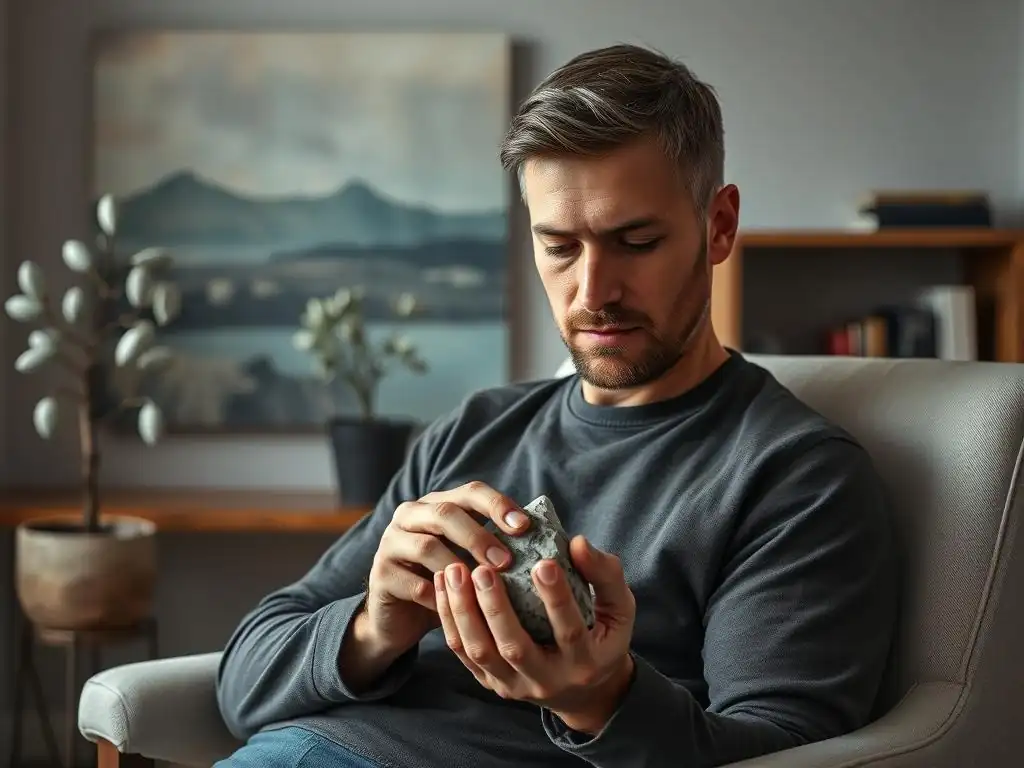
Navigating hypervigilance is challenging, and having a strong support system is invaluable. Connecting with others who understand, whether peers, family, or support groups, can provide empathy, reduce feelings of isolation, and offer practical assistance. Support systems are a vital complement to individual veteran hypervigilance coping strategies.
Isolation is a common consequence of hypervigilance and trauma. Actively working to build and maintain connections, even when it feels difficult, is essential for recovery and well-being. Support can come in many forms, each offering unique benefits.
Peer Support Groups
Connecting with other veterans who have experienced similar challenges can be incredibly validating and empowering. Peer support groups provide a safe space to share experiences, feelings, and veteran hypervigilance coping strategies with people who truly "get it." Hearing from others who are on a similar journey can reduce feelings of being alone or misunderstood.
Organizations like the Wounded Warrior Project, Disabled American Veterans (DAV), and local veteran centers often host peer support groups. The VA also offers various group therapy and support options. These groups offer not only emotional support but also practical advice and shared veteran hypervigilance coping strategies that have worked for others facing similar issues.
Online Resources
For veterans who may not have access to in-person support or prefer anonymity, numerous online resources and communities exist. Websites, forums, and social media groups dedicated to veteran mental health and PTSD offer information, connection, and support.
While online resources can be helpful, it's important to seek out reputable sources, ideally those affiliated with established veteran organizations or mental health institutions. These platforms can provide access to information about veteran hypervigilance coping strategies, educational materials for families, and forums for connecting with peers globally.
Family Support and Education
Educating family members and loved ones about hypervigilance is crucial for building understanding and fostering a supportive home environment. When families understand that sudden reactions or avoidance behaviors are symptoms of a condition, not personal attacks, they can respond with greater empathy and patience.
Family therapy or educational programs for families of veterans can provide valuable tools for communication, conflict resolution, and navigating the challenges of hypervigilance together. Family members can also learn how to support the veteran in practicing their veteran hypervigilance coping strategies and recognizing triggers while also taking care of their own well-being. A supportive family environment is a powerful protective factor against the isolating effects of hypervigilance.
Long-Term Management: Promoting Resilience
Managing hypervigilance is often a long-term process rather than a temporary fix. The goal shifts from merely coping with symptoms to building resilience, integrating the experience into one's life story, and promoting overall well-being. This involves consistently applying learned veteran hypervigilance coping strategies, maintaining healthy habits, and fostering a sense of purpose and control.
Resilience isn't about being immune to stress or triggers, but about having the capacity to bounce back and function effectively despite them. Long-term management focuses on creating a stable foundation that reduces the frequency and intensity of hypervigilant episodes and allows the veteran to live a fuller, more engaged life.
Healthy Coping Mechanisms
Developing a repertoire of healthy coping mechanisms is fundamental to long-term management. Beyond the immediate grounding and breathing techniques, this includes activities that promote relaxation, stress reduction, and emotional regulation. Regular physical exercise, for instance, is a highly effective way to release tension and regulate the nervous system, directly counteracting the physiological effects of chronic alert.
Engaging in hobbies, spending time in nature, creative pursuits (like writing or art), and practicing relaxation techniques like progressive muscle relaxation or guided imagery are all valuable veteran hypervigilance coping strategies. Avoiding unhealthy coping mechanisms, such as excessive alcohol consumption or social withdrawal, is equally important. Building these healthy habits provides alternative ways to manage stress and discomfort without reinforcing the cycle of hypervigilance.
Maintaining Routine and Structure
Predictability and structure can be incredibly grounding for someone experiencing hypervigilance. Establishing and maintaining a consistent daily routine provides a sense of control and reduces the anxiety associated with uncertainty. This includes regular sleep and wake times, scheduled meals, planned activities, and dedicated time for relaxation or self-care.
A structured routine helps regulate the body's internal clock and can improve sleep quality, a major challenge for those with hypervigilance. It also provides a framework for incorporating healthy habits and veteran hypervigilance coping strategies consistently. Knowing what to expect throughout the day can reduce the need to constantly scan and prepare for the unexpected, providing a sense of stability in a world that can often feel unpredictable due to the hypervigilance itself.
Self-Care Strategies
Prioritizing self-care is not selfish; it is essential for managing hypervigilance and promoting long-term resilience. Self-care involves intentionally engaging in activities that replenish physical, mental, and emotional energy. This looks different for everyone but might include ensuring adequate nutrition, staying hydrated, getting enough sleep (as much as the hypervigilance allows, while actively working on sleep hygiene), and taking breaks when needed.
Other self-care examples include setting healthy boundaries in relationships, saying no to overwhelming commitments, spending time with supportive people, and engaging in activities that bring joy or a sense of accomplishment. Regularly checking in with oneself and acknowledging feelings without judgment is also a key component. Consistent self-care builds a reserve of resilience that helps veterans manage the daily impact of hypervigilance and effectively utilize their learned veteran hypervigilance coping strategies.
Resources for Veterans
Accessing appropriate resources is a critical part of managing hypervigilance and supporting overall mental health. Numerous organizations and services are specifically designed to assist veterans and their families. These resources offer everything from clinical treatment to peer support and crisis intervention.
Knowing where to turn for help can make a significant difference in a veteran's journey towards recovery and improved well-being. These organizations understand the unique challenges faced by service members and provide tailored support and veteran hypervigilance coping strategies.
Veteran Affairs Mental Health Services
The Department of Veteran Affairs (VA) is a primary resource for mental healthcare for eligible veterans. VA medical centers and clinics across the country offer a wide range of mental health services, including individual therapy, group therapy, psychiatric evaluation, and medication management for conditions like PTSD and hypervigilance.
The VA employs clinicians specializing in trauma and veteran issues. Veterans can access these services by enrolling in VA healthcare. While wait times can sometimes be a factor, the VA is committed to providing comprehensive mental healthcare to those who have served, including support for developing and implementing veteran hypervigilance coping strategies.
National Center for PTSD
The National Center for PTSD (NCPTSD), part of the U.S. Department of Veterans Affairs, is a leading research and educational center focusing on trauma and PTSD. While they don't provide direct clinical care to the public, their website is an invaluable resource for veterans, families, and clinicians.
The NCPTSD website offers extensive information on PTSD symptoms (including hypervigilance), evidence-based treatments, and coping strategies. They provide fact sheets, videos, and resources to help veterans understand their experiences and find appropriate care. Their materials are often specifically tailored to the veteran experience, making them highly relevant for those seeking information on veteran hypervigilance coping strategies and related issues.
Crisis Hotlines
For veterans experiencing acute distress, suicidal thoughts, or a mental health crisis, immediate help is available through dedicated crisis hotlines. These services provide confidential support 24/7 and can connect veterans with resources in their area.
The Veteran Crisis Line is specifically designed for veterans and their families and friends. By calling, texting, or chatting online, veterans can connect with trained responders who are experienced in helping people through crises. Having these numbers readily available is an essential safety measure for any veteran struggling with the intense anxiety and distress that hypervigilance can sometimes trigger. Reaching out during a crisis is a brave and important step.
Conclusion: Managing Hypervigilance and Reclaiming Life
Hypervigilance is a challenging but manageable condition for veterans. It is a learned response, deeply ingrained by experiences during service, but it is not a permanent state. By understanding its roots, recognizing its symptoms, and actively engaging in veteran hypervigilance coping strategies, veterans can significantly reduce its impact on their lives.
The journey involves a combination of self-awareness, learned techniques, professional support, and building a strong network of understanding individuals. While the constant state of alert may feel overwhelming at times, recovery is possible. Veterans possess incredible strength and resilience, qualities honed during their service. By applying these qualities to their mental well-being and utilizing available resources and effective veteran hypervigilance coping strategies, they can navigate the transition to civilian life more smoothly, reduce the grip of hypervigilance, and reclaim a sense of peace and safety in their everyday lives.
Frequently Asked Questions
What is hypervigilance, and how does it relate to veterans?
Hypervigilance is a state of heightened alertness and sensitivity to surroundings. Veterans often experience it due to past traumatic experiences in combat, leading to a constant feeling of being on guard.
Why are veterans particularly susceptible to hypervigilance?
Veterans may develop hypervigilance due to exposure to danger and threats during military service. This can result in a heightened startle response and difficulty relaxing, even in safe environments.
What are some common symptoms of hypervigilance in veterans?
Common symptoms include difficulty sleeping, being easily startled, scanning the environment for threats, and experiencing increased anxiety or irritability. These symptoms can significantly impact daily life.
What are some effective coping strategies for veterans dealing with hypervigilance?
Effective strategies include mindfulness techniques, grounding exercises, and seeking professional therapy. Building a strong support system is also crucial for managing hypervigilance.
Where can veterans find support and resources for managing hypervigilance?
Veterans can find support through the VA (Department of Veterans Affairs), veteran support groups, and mental health professionals specializing in trauma-informed care. Mind Care Guide also offers resources and information.
Final Reflection: The Lingering Shadow of Vigilance
The pervasive nature of hypervigilance among veterans isn't simply a post-service challenge; it's a continuing crisis demanding our urgent attention. The statistics are stark, the personal stories heartbreaking, yet the understanding and support available often fall tragically short. This article has explored the multifaceted nature of this condition, highlighting its impact on daily life and the crucial need for effective coping strategies.
The weight of constant alertness, the ever-present feeling of being "on guard," is a burden that continues to shape the lives of countless veterans long after their service has ended. This isn't just about managing symptoms; it's about acknowledging the profound impact of trauma and fostering a culture of understanding and support. The scars of war are not always visible, but they are always present.
This quote encapsulates the invisible struggles many veterans face, and hypervigilance is a stark example of this hidden wound. It's a reminder that healing is a journey, not a destination, and requires ongoing commitment from both the individual and society.
You, the reader, now hold a deeper understanding of hypervigilance and the strategies available to navigate its challenges. Consider the impact of this condition not just on veterans, but on their families and communities. Take a moment to reflect on how you can contribute to a more supportive and understanding environment. Reach out to a veteran in your life, educate yourself further on the resources available, or simply offer a listening ear. The journey towards healing from hypervigilance is a collective one, and your empathy and action can make a profound difference.
Unleash Your Inner Calm: Practical Steps to Manage Hypervigilance
Thanks for taking the time to learn about hypervigilance and its impact. We hope this article provided valuable insights into managing this often-overlooked challenge. Now, let's move from understanding to action!
- Prioritize one self-soothing technique: From the strategies discussed, choose one that resonates most with you and commit to practicing it daily, even for just five minutes. This could be deep breathing, mindfulness meditation, or progressive muscle relaxation.
- Share your experience (optional): Connecting with others facing similar challenges can be incredibly empowering. Consider sharing your thoughts and experiences – or simply reading others' comments – in the comment section below.
- Explore additional resources: Take the next step towards a more peaceful you. Consider researching local support groups or online communities dedicated to trauma recovery and stress management.
What small step can you take today to cultivate a greater sense of safety and inner peace?