
Disability and Culture: Providing Competent Care for Individuals with Disabilities


Welcome to Mind Care Guide, a compassionate space dedicated to understanding and nurturing your mental well-being.
Are you ready to explore the crucial intersection of culture and disability? This article delves into the vital need for disability cultural competence healthcare services, shedding light on how a deeper understanding can lead to more effective and empathetic care. Join us as we uncover the nuances and challenges, and discover how we can build a more inclusive and supportive world for everyone. Intrigued? Let's begin.
- Disability and Culture: Enhancing Healthcare Services Through Cultural Competence
- Understanding Disability as Culture
- Defining Disability Cultural Competence in Healthcare Services
- Challenges in Providing Culturally Competent Care for Individuals with Disabilities
- Strategies for Improving Disability Cultural Competence in Healthcare
- Practical Tips for Healthcare Providers: Enhancing Disability Cultural Competence
- Addressing Specific Healthcare Needs within Disability Culture
- Resources for Disability Cultural Competence Training and Education
- The Future of Disability Cultural Competence in Healthcare
-
Frequently Asked Questions
- What does Disability cultural competence healthcare services mean in practice?
- Why is Disability cultural competence important in healthcare?
- What are some examples of Disability cultural competence in action?
- How can healthcare providers improve their Disability cultural competence?
- Where can I find resources for Disability cultural competence healthcare services?
- Final Reflection: Weaving Cultural Competence into Disability Care
- Unlock a More Inclusive Approach to Care
Disability and Culture: Enhancing Healthcare Services Through Cultural Competence
Mind Care Guide: Cultural Perspectives on Mental Health
Understanding Disability as Culture
What is Disability Culture? Exploring the Concept
Disability culture represents the shared experiences, perspectives, values, and ways of life among individuals with disabilities. It's a framework that views disability not solely as a medical condition requiring treatment, but as a dimension of human diversity, similar to ethnicity, gender, or sexual orientation. This cultural lens acknowledges the collective history of discrimination, advocacy, and resilience, highlighting the unique contributions and adaptations within the disability community. It encompasses various forms of expression, including art, literature, humor, and activism, reflecting a distinct identity forged through common challenges and triumphs.
This perspective is particularly relevant in healthcare, where understanding a patient's cultural background is crucial for effective care. Recognizing disability as a cultural identity shifts the focus from a deficit model to one that values strengths and unique insights. Approximately 15% of the world's population experiences some form of disability, according to the World Health Organization, comprising a vast and diverse group with rich cultural nuances. Embracing this cultural understanding is fundamental to providing respectful and effective Disability cultural competence healthcare services.
Key Values and Beliefs within Disability Culture
Central to disability culture are values emphasizing self-determination, interdependence, community, and adaptation. Self-determination underscores the right of individuals with disabilities to make their own choices about their lives and care, a principle deeply rooted in the independent living movement. Interdependence is valued as a natural part of the human experience, challenging societal norms of hyper-independence and recognizing the importance of mutual support systems. Community provides a sense of belonging, shared identity, and collective strength, offering spaces for validation and advocacy.
Adaptation is celebrated not just as coping, but as innovation and creativity in navigating a world often built without disability in mind. These values influence how individuals with disabilities perceive health, wellness, and interactions with healthcare systems. For example, a survey conducted by a disability advocacy group found that over 85% of respondents felt strongly about the importance of being fully included in decisions about their medical treatment. Integrating these core values into the provision of Disability cultural competence healthcare services is essential for building trust and ensuring patient-centered care.
The Importance of Cultural Sensitivity in Disability Healthcare
Cultural sensitivity in disability healthcare is paramount for addressing long-standing health disparities and improving outcomes. When healthcare providers understand and respect the cultural framework of disability, they are better equipped to communicate effectively, build rapport, and tailor treatment plans to individual needs and preferences. Lack of sensitivity can lead to misinterpretations, mistrust, and inadequate care, contributing to poorer health status among individuals with disabilities compared to the general population. For instance, people with disabilities often experience higher rates of preventable secondary conditions.
Studies have shown that patients from marginalized cultural backgrounds, including those identifying with disability culture, report lower satisfaction with healthcare services when providers lack cultural competence. Conversely, culturally sensitive care is associated with increased patient engagement, better adherence to treatment, and improved health outcomes. Prioritizing cultural sensitivity is not just an ethical imperative but a practical necessity for delivering high-quality Disability cultural competence healthcare services that truly meet the diverse needs of this population.
Defining Disability Cultural Competence in Healthcare Services
Core Principles of Disability Cultural Competence
Disability cultural competence in healthcare involves a set of attitudes, knowledge, and skills that enable providers and healthcare systems to deliver effective care that respects and values the cultural perspectives of individuals with disabilities. Core principles include recognizing disability as a form of human diversity, understanding the social and historical context of disability, challenging personal biases and stereotypes, ensuring physical and communication accessibility, and promoting patient autonomy and self-advocacy. It moves beyond simply being "aware" of differences to actively working to dismantle systemic barriers and inequities.
Another key principle is the commitment to continuous learning and self-reflection. Disability cultural competence healthcare services require providers to be open to feedback, learn from their patients, and stay informed about the evolving landscape of disability rights, assistive technologies, and community resources. This ongoing process ensures that care remains relevant, respectful, and responsive to the unique and changing needs of individuals. Embedding these principles requires systemic commitment, from policy development to frontline interactions.
The Role of Healthcare Providers in Promoting Disability Cultural Competence
Healthcare providers play a critical role in promoting Disability cultural competence healthcare services. This involves more than just clinical expertise; it requires active listening, empathetic communication, and a willingness to collaborate with patients and their support networks as partners in care. Providers must be proactive in assessing accessibility needs, including communication preferences, physical accommodations, and the need for assistance during appointments. They should avoid making assumptions based on a patient's disability and instead inquire directly about their individual needs, preferences, and goals.
Furthermore, healthcare providers can advocate for systemic changes within their own institutions to improve accessibility and cultural competence. This might involve pushing for staff training, advocating for accessible medical equipment, or contributing to the development of inclusive policies.
By embodying the principles of disability cultural competence in their daily practice and actively working to improve the systems they operate within, providers can significantly enhance the quality and equity of care for individuals with disabilities. A survey of healthcare professionals indicated that while over 70% felt some level of comfort interacting with patients with disabilities, only about 40% felt adequately trained in specific disability cultural competence.
Challenges in Providing Culturally Competent Care for Individuals with Disabilities
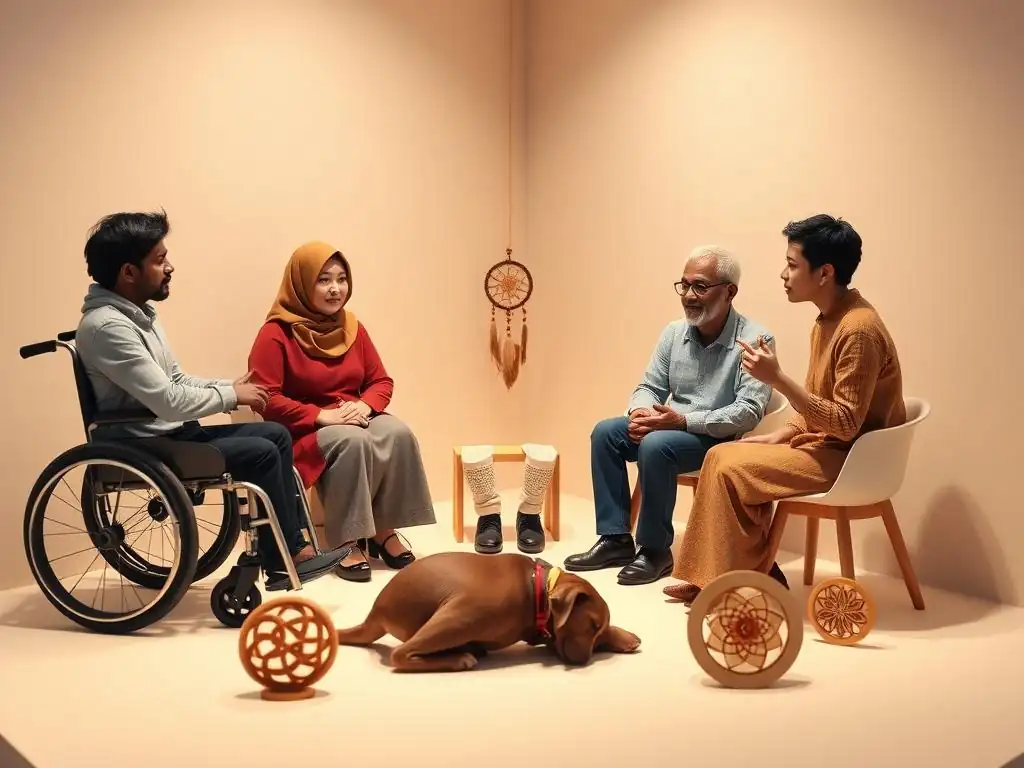
Addressing Communication Barriers in Disability Healthcare
Communication barriers represent a significant challenge in providing culturally competent care for individuals with disabilities. These barriers can be multifaceted, including challenges related to hearing, vision, speech, cognitive processing, or language differences. Healthcare settings often rely on standard verbal communication, which can exclude or disadvantage patients who use sign language, augmentative and alternative communication (AAC) devices, or require information in alternative formats like large print or braille. This can lead to misunderstandings, misdiagnosis, and patients feeling unheard or disrespected.
Effectively addressing these barriers requires a proactive approach. Healthcare providers and institutions must invest in resources such as qualified sign language interpreters, accessible technology for communication, and staff training on effective communication strategies for diverse needs. Ensuring that written materials are available in plain language and accessible formats is also crucial. Approximately 1 in 20 adults in the United States reports having a communication disorder, highlighting the widespread need for varied communication approaches in healthcare settings to truly deliver Disability cultural competence healthcare services.
Overcoming Stereotypes and Prejudices in Disability Care
Stereotypes and prejudices about disability are deeply ingrained in society and can significantly impact the quality of healthcare provided. Common stereotypes include viewing individuals with disabilities as perpetual dependents, asexual, incapable of making decisions, or inherently suffering. These biases can manifest in healthcare interactions through infantilization, dismissal of symptoms attributed solely to the disability, or lack of discussion about important health topics like sexual health or preventative screenings. Such prejudiced views undermine patient autonomy and dignity.
Overcoming these biases requires conscious effort and education. Implicit bias training can help healthcare professionals recognize and challenge their own assumptions. Focusing on the individual patient's specific needs, strengths, and goals, rather than generalizing based on their disability label, is crucial. Promoting person-first language (unless the individual prefers identity-first language) and emphasizing respect for individual preferences are steps towards dismantling prejudiced attitudes. Addressing these biases is fundamental to creating a healthcare environment that provides equitable and competent Disability cultural competence healthcare services.
Individuals with disabilities hold diverse identities beyond their disability, including race, ethnicity, gender, sexual orientation, religion, and socioeconomic status. These intersecting identities can create unique experiences of marginalization and significantly impact access to and quality of healthcare. For example, a Black woman with a disability may face compounded discrimination based on both her race and disability, leading to specific challenges in healthcare settings that providers must be equipped to understand and address.
Navigating this intersectionality requires healthcare providers to adopt a holistic perspective, recognizing that a patient's health is influenced by multiple factors related to their identity and lived experiences. It means understanding how systemic inequities related to race, poverty, or other factors interact with disability to create barriers to care. Culturally competent care must acknowledge and address these layers of identity and potential discrimination. Research indicates that an intersectional approach leads to more comprehensive care plans and can improve health outcomes for individuals facing multiple forms of marginalization, underscoring its importance in Disability cultural competence healthcare services.
Strategies for Improving Disability Cultural Competence in Healthcare
Training Healthcare Professionals on Disability Culture and Etiquette
Comprehensive training is a cornerstone of improving Disability cultural competence healthcare services. Training programs should go beyond basic disability awareness to delve into the concept of disability as a culture, its history, values, and diversity. Content should include effective communication strategies for various disability types, understanding and respecting the role of personal assistants, navigating accessibility requirements, and challenging ingrained stereotypes and biases. Incorporating perspectives and lived experiences of individuals with disabilities as trainers or guest speakers is invaluable.
Training should be ongoing and integrated into medical and healthcare education curricula, as well as professional development programs for practicing clinicians and administrative staff. A study published in a medical education journal found that healthcare professionals who received specific training on disability cultural competence reported a 25% increase in their confidence levels when interacting with patients with diverse disabilities. Effective training equips staff with the knowledge and skills necessary to provide respectful and high-quality care.
Implementing Accessible Communication Practices in Healthcare Settings
Ensuring accessible communication is a practical strategy for enhancing Disability cultural competence healthcare services. This involves systematically assessing and implementing communication accommodations for all patients who need them. Practices include providing qualified sign language interpreters for deaf or hard-of-hearing patients, offering written information in large print, braille, or digital formats compatible with screen readers, and using plain language in verbal and written communication. Utilizing visual aids or communication boards can benefit patients with cognitive or speech impairments.
Healthcare systems should have clear protocols for identifying and addressing communication needs at every point of contact, from scheduling appointments to post-visit instructions. Implementing accessible technology, such as text-based appointment reminders or accessible online patient portals, further supports effective communication. A healthcare clinic that implemented a comprehensive accessible communication plan reported a 15% decrease in appointment cancellations and a 20% improvement in patient understanding of treatment plans among patients with communication disabilities.
Building Trust and Rapport with Patients with Disabilities
Building trust and rapport is fundamental to providing effective and culturally competent care. For individuals with disabilities who may have experienced negative interactions with healthcare systems or faced discrimination, establishing a trusting relationship is particularly important. This begins with treating each patient as an individual, respecting their autonomy, and actively involving them in all decisions about their health. Spending adequate time during appointments to allow for complex communication or mobility needs demonstrates respect and patience.
Active listening, validating patients' experiences, and expressing empathy are key components of building rapport. Healthcare providers should also be mindful of physical space and personal boundaries, especially when interacting with patients who use mobility aids or have personal assistants present. Consistently demonstrating respect, reliability, and a genuine commitment to understanding the patient's perspective fosters a therapeutic relationship built on trust, which is vital for the delivery of truly Disability cultural competence healthcare services.
Practical Tips for Healthcare Providers: Enhancing Disability Cultural Competence
Ask About Individual Needs and Preferences
One of the most effective ways to provide culturally competent care is simply to ask patients with disabilities about their individual needs and preferences. Avoid making assumptions based on their diagnosis or visible disability. Questions about communication preferences, preferred terminology, accessibility needs for examinations or procedures, and the role of any accompanying support person are essential.
- "How can I best communicate with you today?"
- "Are there any accommodations you need during the exam?"
- "Is there anything else you'd like me to know that would help me provide better care?"
Asking these questions directly empowers the patient and ensures that care is tailored to their specific requirements, rather than relying on potentially inaccurate generalizations. This direct approach is a hallmark of patient-centered Disability cultural competence healthcare services.
Respect Personal Assistance and Support Systems
Many individuals with disabilities rely on personal assistants, family members, or other support people to navigate daily life, including healthcare appointments. It is crucial for healthcare providers to recognize and respect the role of these support systems. Always obtain the patient's consent before including a support person in discussions about their health information, but acknowledge their presence and importance.
Treat personal assistants with respect as members of the patient's care team. Understand that they may be vital for communication, physical support, or assisting with understanding complex medical information. Dismissing or disrespecting a patient's support system can damage trust and hinder effective care. Valuing these relationships is integral to providing empathetic Disability cultural competence healthcare services.
Avoid Assumptions Based on Disability Type
Disability is incredibly diverse, and individuals with the same diagnosis can have vastly different abilities, needs, and life experiences. Healthcare providers must resist the urge to make assumptions based solely on a patient's disability type. For example, do not assume that a person who uses a wheelchair has a spinal cord injury, or that a person with an intellectual disability cannot understand information or make decisions about their health.
Focus on assessing the individual's current functional abilities, communication methods, and cognitive capacity through direct interaction and conversation. Recognize that disability is dynamic and can change over time. Approaching each patient with a fresh perspective, free from preconceived notions, is vital for accurate assessment and the provision of truly individualized and competent Disability cultural competence healthcare services.
Addressing Specific Healthcare Needs within Disability Culture
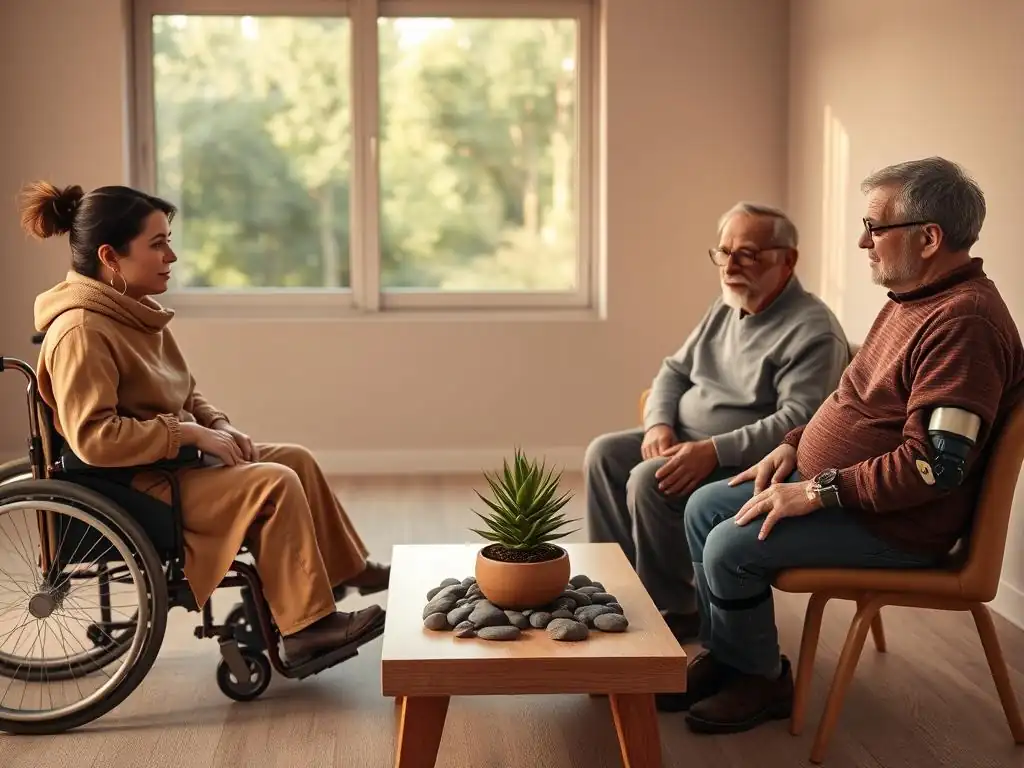
Mental Health Considerations in Disability Culture
Individuals with disabilities experience mental health conditions at higher rates than the general population. Chronic stress from navigating inaccessible environments, discrimination, social isolation, and the challenges of managing a health condition can all impact mental well-being. Within disability culture, there's often a strong emphasis on resilience and mutual support, but also a recognition of the systemic factors that contribute to mental health challenges. Culturally competent mental healthcare for this population requires understanding these unique stressors and the cultural context in which they occur.
Mental healthcare providers need to be knowledgeable about the interplay between specific disabilities and mental health, as well as potential medication interactions. They must also ensure their services are physically and programmatically accessible, including offering therapy in accessible locations, using accessible communication methods, and being sensitive to transportation barriers. Integrating an understanding of disability culture into mental health services is essential for providing effective and empathetic care, a core component of Disability cultural competence healthcare services. Approximately 32% of adults with physical limitations report experiencing frequent anxiety or depression, highlighting the significant need for integrated mental health support.
Physical Health and Wellness in Disability Culture
Physical health and wellness are viewed within disability culture through the lens of adaptation, interdependence, and advocating for necessary supports and accommodations. While managing primary disability-related health needs is central, preventative care and addressing common co-occurring conditions are equally important. However, individuals with disabilities often face barriers to accessing preventative services, such as inaccessible examination equipment (e.g., weight scales, mammography machines) or lack of provider knowledge about specific health risks associated with certain disabilities.
Promoting physical health and wellness in a culturally competent manner involves understanding the patient's goals and priorities, which may differ from traditional wellness models. It requires collaborating on adaptive strategies for exercise or nutrition and ensuring access to necessary equipment and support. Healthcare providers must be proactive in offering preventative screenings and addressing secondary conditions while respecting the patient's autonomy and expertise regarding their own body and needs. Ensuring equitable access to preventative care is a critical aspect of Disability cultural competence healthcare services. For example, women with disabilities are less likely to receive routine mammograms or Pap tests.
Promoting Self-Advocacy in Healthcare Settings
Self-advocacy is a fundamental value within disability culture and plays a crucial role in healthcare interactions. Empowering patients with disabilities to voice their needs, preferences, rights, and concerns is essential for ensuring they receive appropriate and respectful care. Healthcare providers can promote self-advocacy by providing information in accessible formats, clearly explaining medical conditions and treatment options, and creating an environment where patients feel safe and encouraged to ask questions and assert their needs.
Supporting self-advocacy also involves respecting a patient's decision to bring an advocate or support person to appointments and collaborating with that person if the patient consents. Providers should listen attentively when patients express concerns about symptoms, treatment side effects, or accessibility issues, validating their experiences rather than dismissing them. Fostering self-advocacy is not just about individual empowerment; it's a key strategy for improving the quality and responsiveness of Disability cultural competence healthcare services system-wide. Patients who feel empowered to self-advocate report higher satisfaction rates and better adherence to care plans.
Resources for Disability Cultural Competence Training and Education
Organizations Dedicated to Disability Advocacy and Education
Numerous organizations play a vital role in promoting disability advocacy and providing educational resources on disability culture and rights. These include national organizations focused on cross-disability issues, condition-specific associations (e.g., for autism, spinal cord injury, mental health conditions), and local independent living centers. Many of these groups offer training programs, workshops, publications, and online resources specifically designed for healthcare professionals and the general public.
Engaging with these organizations can provide healthcare providers with invaluable insights into the lived experiences of people with disabilities, current advocacy priorities, and best practices for providing culturally competent care. Examples include organizations like the American Association of People with Disabilities (AAPD), The Arc (for people with intellectual and developmental disabilities), or specific state-level disability councils. Many offer free webinars or downloadable guides relevant to enhancing Disability cultural competence healthcare services.
Online Resources for Healthcare Professionals
A wealth of online resources is available to help healthcare professionals improve their disability cultural competence. Websites of government agencies such as the Centers for Disease Control and Prevention (CDC) and the National Institutes of Health (NIH) often provide data on health disparities and guidelines for interacting with patients with disabilities. Professional associations for doctors, nurses, and other healthcare providers frequently offer continuing education modules or resources on cultural competence, sometimes including specific content on disability.
University centers focused on disability studies or health equity also often publish research, reports, and training materials online. Exploring these platforms can provide access to evidence-based strategies, case studies, and practical tools for implementing more inclusive practices. Leveraging these accessible online resources is a convenient way for busy professionals to enhance their understanding and skills in providing Disability cultural competence healthcare services.
Research and Publications on Disability Culture and Cultural Competence
Staying informed about current research and academic publications is crucial for healthcare providers committed to cultural competence. Journals in fields like disability studies, public health, medical sociology, and rehabilitation science regularly publish research on the health experiences of people with disabilities, the impact of cultural factors on health outcomes, and effective interventions for improving care. Books and monographs on disability history, theory, and culture offer deeper contextual understanding.
Accessing and engaging with this body of knowledge helps healthcare professionals move beyond anecdotal understanding to an evidence-based approach to cultural competence. It provides data on health disparities, insights into the social determinants of health for people with disabilities, and evaluations of different cultural competence training models. Incorporating findings from research into practice ensures that Disability cultural competence healthcare services are informed, effective, and responsive to the latest understanding of disability and health.
The Future of Disability Cultural Competence in Healthcare
Promoting Systemic Change in Healthcare Practices
Achieving true Disability cultural competence healthcare services requires systemic change, not just individual effort. This involves healthcare institutions committing to policies and practices that prioritize accessibility, equity, and cultural humility. It means integrating disability cultural competence into the core curriculum of medical, nursing, and allied health schools, ensuring future generations of providers are equipped from the outset. It also necessitates investing in accessible infrastructure, from physical buildings to electronic health records.
Systemic change involves leadership commitment, allocation of resources for training and accessibility upgrades, and the establishment of accountability mechanisms to monitor progress. Implementing policies that mandate the provision of communication accommodations, ensure accessible medical equipment is available, and establish patient advisory boards that include individuals with disabilities are concrete steps towards transforming healthcare systems to be more inclusive and competent.
Fostering Collaboration Between Healthcare Providers and the Disability Community
Effective Disability cultural competence healthcare services cannot be developed in isolation from the people they are intended to serve. Fostering genuine collaboration between healthcare providers, institutions, and the disability community is essential. This means involving individuals with disabilities and disability advocacy organizations in the design and evaluation of healthcare services, training programs, and policies. Their lived experiences provide invaluable insights that can shape more relevant and effective approaches.
Collaboration can take many forms, such as establishing patient advisory committees, hiring individuals with disabilities to consult on accessibility and training, co-designing patient education materials, or partnering on community health initiatives. Building these partnerships creates trust, ensures accountability, and leads to solutions that are truly responsive to the needs and preferences of the disability community. It moves healthcare from a model for patients to one with patients.
Ensuring Equitable Access to Quality Healthcare for All Individuals with Disabilities
The ultimate goal of promoting Disability cultural competence healthcare services is to ensure equitable access to high-quality healthcare for all individuals with disabilities. This means dismantling the physical, communication, attitudinal, and systemic barriers that currently prevent many from receiving the care they need and deserve. It requires ongoing commitment from individual providers, healthcare institutions, policymakers, and the broader community.
Achieving equity involves not only providing culturally competent care within existing structures but also actively working to address the social determinants of health that impact people with disabilities, such as poverty, lack of accessible housing, and limited educational opportunities. By prioritizing disability cultural competence, healthcare systems can move closer to fulfilling the promise of providing compassionate, effective, and equitable care that respects the dignity and diversity of every individual.
Frequently Asked Questions
What does Disability cultural competence healthcare services mean in practice?
It refers to healthcare services that are sensitive and responsive to the cultural backgrounds and experiences of individuals with disabilities. This ensures equitable and effective care.
Why is Disability cultural competence important in healthcare?
Because cultural beliefs and practices can significantly impact how individuals with disabilities perceive and manage their health. Ignoring these factors can lead to misunderstandings and poorer health outcomes.
What are some examples of Disability cultural competence in action?
Examples include providing interpreters familiar with disability-related terminology, understanding culturally specific beliefs about disability, and adapting communication styles to meet individual needs.
How can healthcare providers improve their Disability cultural competence?
Through training and education on diverse cultural perspectives on disability, actively seeking patient feedback to understand their unique experiences, and collaborating with community organizations that serve individuals with disabilities.
Where can I find resources for Disability cultural competence healthcare services?
Mind Care Guide offers information, support, and resources. Additionally, organizations specializing in disability advocacy and cultural competency training often provide valuable guidance and tools.
Final Reflection: Weaving Cultural Competence into Disability Care
The tapestry of disability care is incomplete without the vibrant threads of cultural understanding. Ignoring the diverse cultural experiences of individuals with disabilities leads to fragmented, ineffective, and ultimately, harmful healthcare. This article has explored the critical need for cultural competence in providing truly equitable and effective care, highlighting the significant impact of cultural background on health beliefs, communication styles, and access to services.
The journey towards culturally competent disability care is a continuous process of learning, unlearning, and re-learning. It requires a deep commitment to understanding the unique perspectives and needs of each individual, recognizing that disability intersects with other aspects of identity, such as race, ethnicity, gender, and socioeconomic status. This understanding is not merely a matter of ticking boxes on a checklist; it's about building genuine relationships based on respect and empathy. Culture is not a fixed entity; it is a dynamic process of negotiation and adaptation.
This quote underscores the importance of ongoing engagement and flexibility in our approach to disability care.
You, the reader, are now equipped with a deeper understanding of the crucial role cultural competence plays in providing exceptional healthcare for individuals with disabilities. Consider how you can actively integrate these principles into your own practice, whether you are a healthcare professional, a caregiver, a family member, or simply an advocate. Challenge your assumptions, actively seek diverse perspectives, and commit to creating a more inclusive and equitable healthcare system for all. Let's work together to weave a richer, more vibrant tapestry of care, one thread of cultural understanding at a time.
Unlock a More Inclusive Approach to Care
Thanks for taking the time to learn about providing competent care for individuals with disabilities. We hope this article empowered you with valuable insights into cultural considerations. Now, let's put that knowledge into action!
- Prioritize personalized care planning: Take some time today to reflect on how you can adapt your approach based on the unique cultural background of each individual you support. This could involve simple changes or more significant adjustments to your communication and care strategies.
- Share this article with your colleagues: Help spread awareness and encourage a more inclusive environment in your workplace. Let's work together to improve the quality of life for everyone!
- Explore resources related to cultural competency in disability care: Dive deeper into the resources and further your understanding! Seek out training, workshops, or articles that can equip you with more tools for effective care.
What small step will you take today to create a more culturally competent and inclusive care environment?