
The Surprising Science Behind Vitamin E and Mental Wellbeing


Welcome to Mind Care Guide, a place dedicated to nurturing your mental well-being.
Are you feeling overwhelmed, searching for that something to help lift the fog? Perhaps the answer lies in a surprising place. We often overlook the powerful connection between nutrition and our mental state. In this article, we delve into the fascinating world of Vitamin E mental health benefits, exploring the science behind how this essential nutrient can impact your mood, anxiety levels, and overall cognitive function. Prepare to unlock a new perspective on supporting your mind from the inside out.
The Surprising Science Behind Vitamin E and Mental Wellbeing
- Introduction: Unveiling the Truth About Vitamin E and Mental Health
- Myth #1: Vitamin E is Only Good for Skin and Hair
- Myth #2: All Vitamin E Supplements are Created Equal
- Myth #3: Vitamin E Can Solely Cure Depression and Anxiety
- The Benefits of Vitamin E for Mood & Cognitive Function: What the Studies Show
- How to Incorporate Vitamin E for Enhanced Mental Wellbeing: Dosage and Considerations
- Conclusion: Vitamin E and Mental Health - A Promising Connection.
-
Frequently Asked Questions
- What are the main mental health benefits associated with Vitamin E according to the article?
- How does Vitamin E potentially impact oxidative stress in the brain, and why is that important for mental health?
- Is Vitamin E a cure for mental health conditions, or is it more of a supplemental approach?
- What are some good food sources of Vitamin E that can be incorporated into a diet to support mental wellbeing?
- Are there any potential risks or side effects associated with taking Vitamin E supplements for mental health?
- Final Reflection: Unlocking the Mind's Vitamin: E's Untapped Potential
- Unlock Your Mind's Potential: Boost Your Wellbeing with Vitamin E
Introduction: Unveiling the Truth About Vitamin E and Mental Health
For years, Vitamin E has been celebrated primarily for its benefits to skin health and its role in antioxidant protection throughout the body. However, a growing body of research is shedding light on a less-discussed, yet potentially profound, connection: the surprising science behind Vitamin E and mental wellbeing. While not a magic bullet, this essential nutrient appears to play a significant role in supporting brain health and potentially influencing mood and cognitive function. This article delves into the science, separating common myths from reality, and exploring the potential Vitamin E mental health benefits.
Understanding the intricate relationship between nutrition and mental health is crucial. Our brains, like any other organ, require a steady supply of specific nutrients to function optimally. Deficiencies or imbalances can manifest in various ways, sometimes impacting mood, focus, and overall cognitive performance. As we explore the science, we'll see how Vitamin E fits into this complex picture and what current research suggests about its potential to support mental wellbeing.
Myth #1: Vitamin E is Only Good for Skin and Hair
Reality: Vitamin E's Antioxidant Power and Brain Health
While Vitamin E is indeed beneficial for skin and hair, often used in cosmetic products for its moisturizing and protective properties, its role extends far beyond external beauty. Vitamin E is a potent fat-soluble antioxidant. This means it primarily works within lipid (fat) environments in the body, like cell membranes, protecting them from damage caused by unstable molecules called free radicals. This antioxidant action is particularly critical in the brain, which is highly susceptible to oxidative stress due to its high metabolic rate and lipid content.
Oxidative stress is implicated in the progression of various neurodegenerative conditions and is increasingly being linked to mood disorders. By neutralizing free radicals, Vitamin E helps maintain the integrity of brain cells and nerve pathways. For example, studies have shown that higher levels of antioxidants like Vitamin E in the brain may help protect against cellular damage that can contribute to cognitive decline over time. This protective role is a cornerstone of understanding the potential Vitamin E mental health benefits.
Myth #2: All Vitamin E Supplements are Created Equal

Reality: Understanding Different Forms of Vitamin E for Mental Clarity
The term "Vitamin E" is often used generically, but it actually refers to a group of eight different fat-soluble compounds: four tocopherols (alpha, beta, gamma, and delta) and four tocotrienols (alpha, beta, gamma, and delta). While alpha-tocopherol is the most common form found in supplements and is the one primarily used to determine the Recommended Daily Allowance (RDA), the other forms, particularly the tocotrienols, are gaining attention for their unique properties, some of which may be especially relevant to brain health.
Research suggests that different forms of Vitamin E may have varying levels of antioxidant activity and different effects within the body. For instance, gamma-tocopherol is the most common form found in many diets (like soybean and corn oil) and has specific free radical scavenging abilities that differ from alpha-tocopherol. Tocotrienols, often found in palm oil, rice bran oil, and annatto, are being studied for their potentially stronger antioxidant properties and potential neuroprotective effects. Understanding these distinctions is important when considering Vitamin E mental health benefits, as not all supplements provide the full spectrum of these compounds.
Myth #3: Vitamin E Can Solely Cure Depression and Anxiety
Reality: Vitamin E as a Supportive Nutrient in a Holistic Mental Health Plan
It is crucial to understand that Vitamin E is not a cure for complex mental health conditions like depression or anxiety. These conditions are multifaceted, involving a combination of genetic, environmental, psychological, and biological factors. Relying solely on any single nutrient, including Vitamin E, to treat them is not supported by scientific evidence and can be detrimental. Vitamin E should be viewed as a supportive nutrient that may contribute to overall brain health and potentially play a role in mitigating some biological factors associated with mood disorders, but always as part of a comprehensive approach.
A holistic mental health plan typically involves a combination of therapies, potentially medication, lifestyle changes, stress management techniques, regular exercise, and a balanced, nutrient-rich diet. Including adequate Vitamin E intake through diet or supplementation (under guidance) can be a valuable component of this plan, supporting cellular health and antioxidant defenses in the brain. The potential Vitamin E mental health benefits are best realized when integrated into a broader strategy focused on overall well-being.
The Benefits of Vitamin E for Mood & Cognitive Function: What the Studies Show
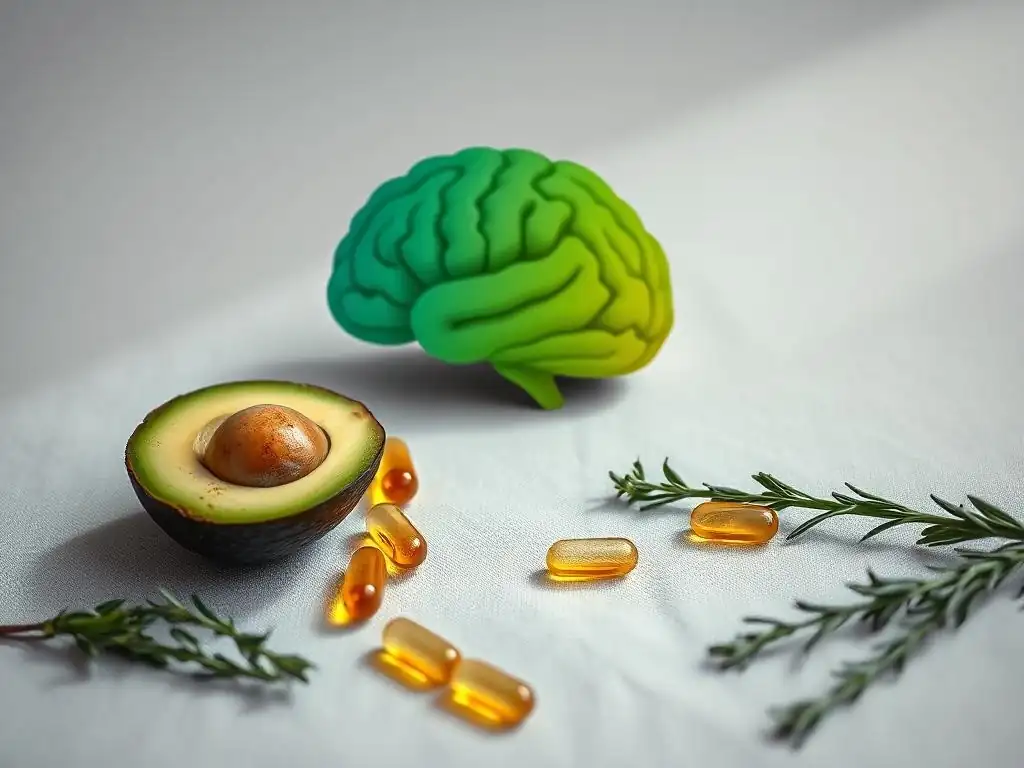
Vitamin E and Reduced Depressive Symptoms: Research Insights
While direct, large-scale clinical trials specifically on Vitamin E as a treatment for depression are limited, some research suggests a correlation between Vitamin E status and mood. For example, studies looking at dietary patterns have sometimes found that individuals with higher intakes of antioxidant-rich foods, including those high in Vitamin E, report better mood outcomes. This could be related to the role of oxidative stress in mood regulation.
One study involving older adults, for instance, noted that lower serum levels of alpha-tocopherol were associated with a higher likelihood of depressive symptoms. While such studies demonstrate association, not causation, they highlight the potential link that warrants further investigation. The hypothesis is that by reducing oxidative damage and inflammation in the brain, Vitamin E might help create a more favorable environment for neurotransmitter function and neuronal health, potentially contributing to reduced depressive symptoms. These findings underscore the need for more targeted research into the specific Vitamin E mental health benefits related to mood.
Vitamin E and Enhanced Cognitive Performance: Focus and Memory
The role of Vitamin E in protecting against oxidative damage is particularly relevant to cognitive function, including focus and memory. The brain's neurons are highly susceptible to oxidative stress, which can impair communication between cells and contribute to age-related cognitive decline. As a primary fat-soluble antioxidant in the brain, Vitamin E helps shield these vulnerable cells.
Numerous observational studies have explored the link between Vitamin E intake or blood levels and cognitive function. Some research, like findings from large cohort studies, has indicated that higher dietary intake of Vitamin E is associated with a slower rate of cognitive decline over several years.
While supplementation studies have yielded mixed results, possibly due to variations in dosage, form of Vitamin E, and study populations, the overall body of evidence suggests a protective role for Vitamin E against cognitive impairment. This protective effect is a key aspect of the potential Vitamin E mental health benefits, particularly concerning long-term brain health and cognitive vitality.
How to Incorporate Vitamin E for Enhanced Mental Wellbeing: Dosage and Considerations
Recommended Daily Intake of Vitamin E: Finding the Right Balance
Ensuring adequate intake of Vitamin E is a foundational step in supporting overall health, including potential Vitamin E mental health benefits. The Recommended Dietary Allowance (RDA) for adults aged 19 years and older is 15 milligrams (mg) of alpha-tocopherol per day. This amount is generally achievable through a balanced diet rich in Vitamin E sources.
It's also important to be aware of the tolerable upper intake level (UL) for alpha-tocopherol, which is 1,000 mg per day for adults from supplements or fortified foods. While Vitamin E is fat-soluble and stored in the body, excessive intake, particularly from high-dose supplements, can potentially interfere with blood clotting and interact with certain medications. Therefore, aiming for the RDA through diet is often the preferred approach, with supplementation considered carefully and ideally under professional guidance.
Food Sources of Vitamin E: Naturally Boosting Your Intake
Incorporating Vitamin E-rich foods into your daily diet is an effective and enjoyable way to support your mental wellbeing. Many delicious and healthy foods are excellent sources of this nutrient. Plant-based oils are particularly high in Vitamin E; for example, just one tablespoon of wheat germ oil contains about 20 mg, exceeding the RDA. Sunflower oil and safflower oil are also significant sources.
Nuts and seeds are another fantastic way to boost your Vitamin E intake. A single ounce of dry-roasted sunflower seeds provides about 7.4 mg, nearly half the RDA. Almonds are also a good source, offering about 6.8 mg per ounce. Additionally, certain vegetables like spinach and broccoli contain Vitamin E, though in smaller amounts. Incorporating a variety of these foods ensures a steady supply of Vitamin E and other beneficial nutrients that work synergistically to support health, including potential Vitamin E mental health benefits.
Choosing the Right Vitamin E Supplement: Quality and Purity Matters
If dietary intake is insufficient or a healthcare professional recommends supplementation, choosing a high-quality Vitamin E supplement is crucial. Supplements typically contain either synthetic (dl-alpha-tocopherol) or natural (d-alpha-tocopherol) forms of Vitamin E. Natural forms are generally considered more bioavailable and potent than synthetic ones. Look for labels that specify "d-alpha-tocopherol" if you prefer the natural form.
Consider whether you want a supplement containing only alpha-tocopherol or a mixed tocopherol or tocotrienol blend, depending on your specific goals and what your healthcare provider recommends. Always check for third-party testing certifications (like USP or NSF) to ensure purity and accurate labeling. Discussing supplementation with a doctor or registered dietitian is recommended, especially if you have underlying health conditions or are taking medications, to determine the appropriate form, dosage, and ensure it aligns with your pursuit of Vitamin E mental health benefits.
Conclusion: Vitamin E and Mental Health - A Promising Connection.
The science exploring the link between Vitamin E and mental wellbeing is still evolving, but the potential benefits are becoming clearer. Beyond its well-known roles in skin health and general antioxidant protection, Vitamin E's critical function in shielding the brain from oxidative stress positions it as a valuable nutrient for cognitive function and potentially mood regulation.
While it's not a standalone treatment for mental health conditions, ensuring adequate Vitamin E intake through a balanced diet rich in nuts, seeds, and oils, or through careful supplementation, can be a supportive element in a comprehensive approach to mental health. The research on Vitamin E mental health benefits continues to grow, highlighting this essential nutrient as a promising area for both preventive health and supplementary support.
Frequently Asked Questions
What are the main mental health benefits associated with Vitamin E according to the article?
The article discusses potential benefits like improved cognitive function and reduced oxidative stress in the brain, which can contribute to better mental wellbeing. However, further research is needed.
How does Vitamin E potentially impact oxidative stress in the brain, and why is that important for mental health?
Vitamin E is an antioxidant that helps neutralize harmful free radicals. Reducing oxidative stress in the brain may protect brain cells and improve mental clarity.
Is Vitamin E a cure for mental health conditions, or is it more of a supplemental approach?
Vitamin E is not a cure for mental health conditions. It's presented as a supplemental approach that may offer benefits alongside other treatments.
What are some good food sources of Vitamin E that can be incorporated into a diet to support mental wellbeing?
Good food sources include nuts, seeds, and vegetable oils. Leafy green vegetables also contain Vitamin E, contributing to overall health.
Are there any potential risks or side effects associated with taking Vitamin E supplements for mental health?
Yes, high doses of Vitamin E can potentially interfere with blood clotting. Always consult a healthcare professional before starting any new supplement regimen.
Final Reflection: Unlocking the Mind's Vitamin: E's Untapped Potential
The connection between nutritional intake and mental wellbeing is no longer a fringe theory; it's a burgeoning field of research revealing powerful links. The surprising science behind Vitamin E's impact on cognitive function and emotional regulation, as explored throughout this article, highlights a crucial, often overlooked, aspect of holistic mental health care. This isn't just about supplements; it's about understanding the intricate biochemical pathways that influence our minds and how we can proactively support them.
The exploration of Vitamin E's role in protecting against oxidative stress and inflammation, two key players in various mental health conditions, has profoundly shifted my understanding of preventative mental healthcare. It underscores the importance of a balanced diet rich in antioxidants, not just as a means to physical health, but as a vital component of mental resilience. The body is a temple, and we must treat it as such.
This quote, while simple, encapsulates the holistic approach needed to nurture both physical and mental wellbeing, and Vitamin E's role in this equation is undeniable.
Consider this your invitation to explore the potential of Vitamin E, not as a magic bullet, but as a valuable tool in your personal toolkit for mental wellness. Reflect on your current diet, consider incorporating more Vitamin E-rich foods, and consult with a healthcare professional to discuss whether supplementation might be beneficial for you. Remember, nurturing your mind is an ongoing journey, and understanding the science behind its nourishment is the first step towards a brighter, healthier future.
Unlock Your Mind's Potential: Boost Your Wellbeing with Vitamin E
Thanks for taking the time to explore the fascinating connection between Vitamin E and mental wellbeing! We hope you gained valuable insights into how this vital nutrient can support your cognitive health and overall happiness. Now it's time to put this knowledge into action.
- Prioritize Vitamin E: Begin incorporating Vitamin E-rich foods like nuts, seeds, and leafy greens into your daily diet. This simple change can make a significant difference.
- Share Your Discoveries: Spread the word! Share this article with friends and family who might benefit from learning about Vitamin E's impact on mental health.
- Explore Further: Delve deeper into the world of nutritional support for brain health. Research other essential nutrients and their roles in mental wellbeing.
Ready to take charge of your cognitive health and experience the positive effects of Vitamin E? What small changes will you implement today to boost your mental wellbeing?