
Ancient Wisdom, Modern Science: The Long History of Nature as a Healer

Welcome to Mind Care Guide, your sanctuary for navigating the complexities of mental well-being.
Feeling overwhelmed? You're not alone. We understand the challenges of modern life, and we're here to offer a comprehensive approach to nurturing your mental health. Dive into our latest article, "Ancient Wisdom, Modern Science: The Long History of Nature as a Healer," and discover how the power of nature healing for mental health can unlock a profound sense of peace and resilience. Could reconnecting with the natural world be the key to a brighter, more balanced you? Let's explore together…
Ancient Wisdom, Modern Science: The Long History of Nature as a Healer
- Introduction: Nature Healing for Mental Health - A Timeless Connection
- Ancient Civilizations and the Healing Properties of Nature
- Medieval Practices: Nature's Role in Healing and Spirituality
- The Renaissance and Enlightenment: A Renewed Focus on Observation and Nature
- 19th and 20th Century Developments: From Sanatoriums to Wilderness Therapy
- Modern Science Validates Ancient Wisdom: The Proof Behind Nature's Healing
- Practical Applications: Integrating Nature Healing for Mental Health Today
- Conclusion: Embracing Nature for Enhanced Mental Well-being
-
Frequently Asked Questions
- How does spending time in nature promote mental well-being?
- What scientific evidence supports the idea of "Nature healing for mental health"?
- What types of nature-based activities are most effective for mental health?
- Are there specific mental health conditions that "Nature healing for mental health" can help with?
- How can I incorporate more "Nature healing for mental health" into my daily life, even if I live in a city?
- Final Reflection: Reclaiming Nature's Healing Power
- Unlock Nature's Healing Power Today!
Introduction: Nature Healing for Mental Health - A Timeless Connection
Understanding the Enduring Link Between Nature and Well-being
For millennia, humanity has intuitively understood the profound connection between being in nature and experiencing a sense of well-being. From ancient texts praising the restorative power of green spaces to modern scientific studies quantifying its effects, the idea that nature can heal the mind is not new; it is a thread woven deeply into the fabric of human history and culture.
This enduring link highlights how integral our environment is not just to physical health, but crucially, to our mental and emotional states. The simple act of walking through a forest or sitting by a body of water can evoke feelings of calm, reduce stress, and improve mood, demonstrating a fundamental relationship that transcends time and geography.
This intuitive understanding has been passed down through generations, evolving from spiritual beliefs and traditional practices into areas of study like environmental psychology and ecotherapy. The consistent presence of nature's positive influence across diverse historical periods suggests it's not merely a cultural construct but a biological imperative. Our brains and bodies respond to natural environments in ways that promote healing and resilience, a connection that modern research is now rigorously exploring to better understand and harness nature healing for mental health in contemporary society.
Why Explore the Historical Roots of Nature's Healing Power?
Examining the historical roots of nature's healing power offers valuable perspective on how this concept has evolved and why it remains relevant today. Understanding that our ancestors relied on and revered nature for its restorative properties provides context for current practices and reinforces the idea that connecting with the natural world is a fundamental human need. By tracing this history, we can appreciate the long-standing belief in nature healing for mental health, seeing how different cultures and eras integrated natural elements into their approaches to physical and psychological wellness.
This historical journey also reveals how societal changes, from urbanization to technological advancements, have impacted our relationship with nature, often leading to disconnection. Studying past practices, such as ancient garden sanctuaries or medieval herbal remedies, not only highlights the continuity of this healing tradition but also inspires innovative ways to reintegrate nature into modern mental health strategies. It underscores that while scientific validation is crucial, the core principle of nature as a healer is a deeply ingrained part of our collective human experience, offering timeless wisdom for enhancing well-being.
Ancient Civilizations and the Healing Properties of Nature
The Role of Nature in Ancient Egyptian Medicine
Ancient Egyptians held a sophisticated understanding of medicine that incorporated natural elements extensively. Their pharmacopoeia was rich with plant-based remedies, using ingredients like aloe vera for skin conditions, mint for digestive issues, and poppy for pain relief.
Beyond medicinal plants, the Egyptians also recognized the importance of environment and lifestyle, often prescribing rest, specific diets, and exposure to sunlight and fresh air as part of healing regimens. Their medical papyri, such as the Ebers Papyrus dating back to approximately 1550 BCE, list hundreds of remedies derived from plants, minerals, and animal products, demonstrating a deep reliance on the natural world for health.
Furthermore, the design of their living spaces and sacred sites often incorporated gardens and water features, suggesting an appreciation for the calming and restorative qualities of nature. Temples and palaces frequently included lush gardens, providing not just sustenance or aesthetic beauty but also spaces for contemplation and recovery. This integration of nature into daily life and healing practices indicates that the Egyptians intuitively understood the benefits of a natural environment for both physical and perhaps even mental health, laying early groundwork for the concept of nature healing for mental health.
Gardens as Sanctuaries: The Gardens of Karnak Temple
The temple complexes of Ancient Egypt, particularly those like Karnak, were not merely structures for worship but often included extensive gardens designed for various purposes, including healing and spiritual solace. These gardens served as vital resources for medicinal plants used in rituals and treatments, but also offered tranquil spaces away from the heat and bustle of daily life. They were meticulously planned, incorporating trees, shrubs, flowers, and sometimes pools or canals fed by the Nile, creating an oasis-like atmosphere.
The presence of such elaborate gardens within sacred and important sites suggests they were viewed as essential components of a holistic environment that promoted well-being. While direct evidence linking these gardens specifically to mental health treatment is scarce, their function as places of peace, beauty, and resourcefulness strongly implies a recognition of their therapeutic value. These ancient sanctuaries can be seen as early examples of how structured natural spaces were utilized to support physical and emotional health, contributing to the long history of nature healing for mental health.
Nature's Influence on Ancient Greek Concepts of Health and Balance
In Ancient Greece, the concept of health was deeply intertwined with the natural world and the idea of maintaining balance within oneself and with the environment. Greek physicians believed that illness resulted from an imbalance of the body's humors (blood, phlegm, yellow bile, and black bile), and that natural factors like air, water, and location played a crucial role in health and disease.
Sanctuaries dedicated to Asclepius, the god of healing, were often located in serene natural settings, utilizing features like fresh water springs, clean air, and peaceful landscapes to aid in the healing process. Patients would undergo rituals, dream incubation, and therapies within these natural environments, emphasizing the belief that the setting itself contributed to recovery.
Philosophers and physicians alike emphasized the importance of living in harmony with nature. Hippocrates, often considered the father of Western medicine, highlighted the significance of environmental factors in his writings, advising physicians to consider the climate, water sources, and the characteristics of the land when diagnosing and treating patients. This holistic view, where the natural world was seen as a fundamental influence on human health, laid a philosophical foundation that continued to shape medical thought for centuries and underscored the inherent link between environment and well-being, a precursor to modern understanding of nature healing for mental health.
Hippocrates and the Importance of Natural Environments
Hippocrates (c. 460 – c. 370 BCE) significantly advanced the understanding of medicine by emphasizing observation and the influence of environment. In his treatise "Airs, Waters, Places," he meticulously detailed how different geographical locations, their climates, water quality, and the characteristics of the land could affect the health and temperament of their inhabitants. He argued that physicians must study these environmental factors to understand the prevalence of certain diseases in specific areas and to tailor treatments accordingly.
This empirical approach marked a shift towards understanding health within the context of the natural world, moving away from purely supernatural explanations for illness. Hippocrates' emphasis on fresh air, clean water, and appropriate climate as essential components of health and recovery highlights an early recognition of the therapeutic potential of natural environments. His work provided a foundational text for environmental medicine and underscored the ancient Greek belief that a harmonious relationship with nature was vital for maintaining both physical and mental equilibrium, a concept that resonates strongly with contemporary ideas about nature healing for mental health.
Traditional Chinese Medicine (TCM) and the Five Elements Theory
Traditional Chinese Medicine (TCM), with a history spanning thousands of years, views human health as intrinsically linked to the natural world and the balance of fundamental energies (Qi). The Five Elements theory (Wu Xing) – Wood, Fire, Earth, Metal, and Water – is a cornerstone of TCM, representing not just physical substances but also dynamic processes and phases that influence everything from the seasons and climate to organs within the body and even emotions.
Illness is often understood as an imbalance or disharmony within this elemental system, and treatment aims to restore equilibrium by working with the body's natural energies and its connection to the environment.
TCM utilizes a wide array of natural therapies, including acupuncture, dietary therapy, exercise (like Tai Chi and Qigong), and perhaps most notably, herbal medicine. The vast majority of TCM remedies are derived from plants, minerals, and animal products, prescribed based on their specific properties and how they interact with the body's elemental balance and Qi flow. The understanding that certain plants have specific effects on different organs or energetic pathways reflects a deep, empirical knowledge of the natural world's healing properties, forming a core component of nature healing for mental health within this ancient system.
Herbal Remedies and the Connection to Nature's Rhythms
Herbal medicine is a cornerstone of TCM, with a vast pharmacopoeia documented in classical texts like the Shen Nong Ben Cao Jing (Divine Farmer's Materia Medica), compiled around the 3rd century CE, which lists hundreds of medicinal substances, primarily plants. TCM practitioners select herbs not just for their chemical properties but also based on their energetic qualities (warm, cool, damp, dry) and how they relate to the Five Elements, the seasons, and the body's specific imbalances.
For instance, herbs associated with the Wood element might be used to support the Liver and Gallbladder, organs linked to anger and frustration, reflecting a connection between natural elements, bodily functions, and emotional states.
The preparation and administration of herbal formulas often take into account the time of day, the season, and the patient's overall condition, aligning treatment with the natural rhythms of the body and the environment. This holistic approach, which sees the human body as a microcosm of the natural world and seeks to restore harmony using natural substances, exemplifies how deeply embedded the concept of nature's healing power is within TCM.
The extensive and systematic use of herbal remedies, guided by principles derived from observing nature, stands as a powerful historical example of nature healing for mental health and physical well-being.
Indigenous Cultures and the Sacredness of the Natural World
Across the globe, indigenous cultures have long held profound and intricate relationships with the natural world, viewing it not merely as a resource but as sacred, sentient, and interconnected. Their traditional healing practices are deeply rooted in this worldview, often involving ceremonies, rituals, and the use of plants, animals, and natural elements to restore balance and harmony to individuals and communities. Health is understood holistically, encompassing physical, mental, emotional, and spiritual well-being, all of which are seen as dependent on a harmonious relationship with the Earth.
Healing often involves connecting with the spirits of nature, seeking guidance from elders or shamans who act as intermediaries, and participating in practices that reinforce the bond between humans and the environment. The use of medicinal plants is widespread, with extensive knowledge passed down through generations about their properties and applications. Beyond physical remedies, natural settings themselves are often central to healing rituals, providing a sacred space for cleansing, reflection, and spiritual renewal, highlighting a deep, inherent understanding of nature healing for mental health within these diverse traditions.
Sweat Lodge Ceremonies and Cleansing Rituals
Many indigenous cultures utilize cleansing rituals performed in natural settings or using natural elements as a core part of their healing and spiritual practices. The Sweat Lodge ceremony, found in various forms among Native American tribes, is a powerful example. Typically held in a dome-shaped structure made of natural materials, participants gather inside as heated stones (often volcanic rock) are brought in and water is poured over them, creating intense heat and steam. This process is accompanied by drumming, singing, prayers, and sharing, creating a physically, emotionally, and spiritually intense experience.
The sweat lodge is seen as a sacred space, representing the womb of Mother Earth, and the ceremony is a ritual of purification and rebirth. The heat and steam cleanse the body, while the prayers and communal aspect address mental and spiritual burdens.
The use of natural elements – earth (the lodge structure), water (poured on stones), fire (heating the stones), and air (the steam and breath) – is central to the ritual's power. This practice exemplifies how indigenous cultures have long utilized the transformative power of nature and ritual to promote healing, detoxification, and mental clarity, serving as a powerful historical demonstration of nature healing for mental health and spiritual well-being.
Medieval Practices: Nature's Role in Healing and Spirituality
Monasteries and the Healing Power of Gardens
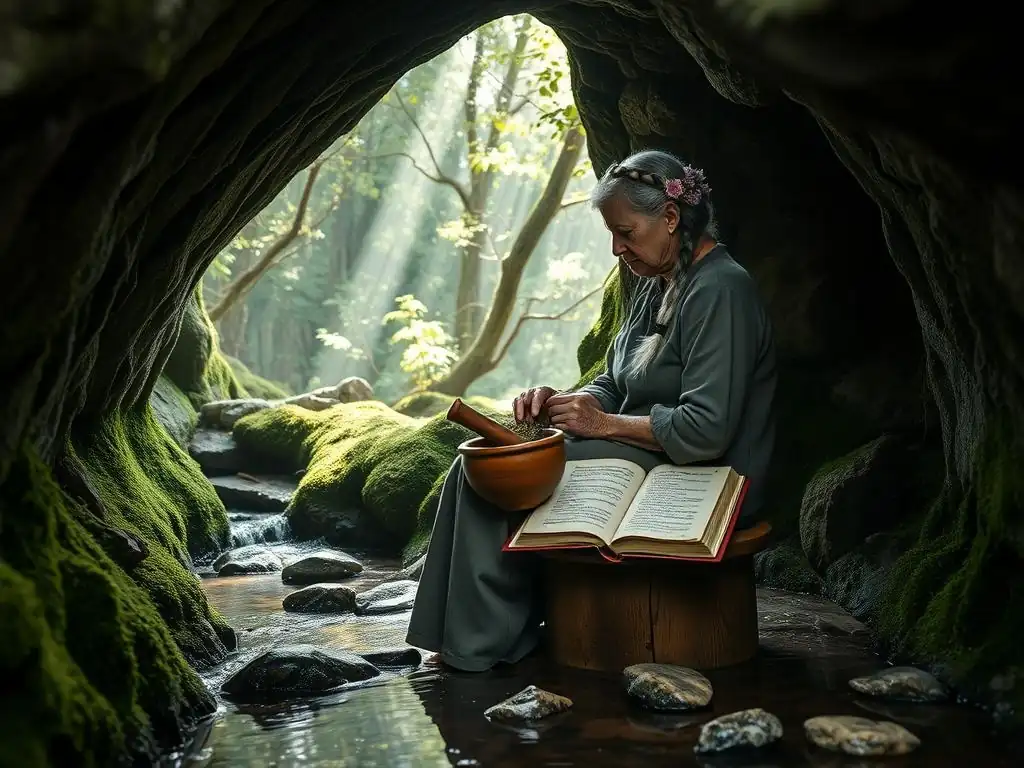
During the Middle Ages in Europe, monasteries became centers of learning, spirituality, and healing. Monks and nuns cultivated extensive gardens that served multiple purposes: providing food, supplying materials for crafts, and crucially, growing medicinal herbs. These monastic gardens were meticulously planned, often divided into sections for vegetables, fruits, and herbs, with detailed records kept on the properties and uses of various plants. The knowledge of herbal medicine preserved and expanded within these monastic communities was vital during a time when formal medical training was limited.
Beyond their practical function, these gardens also served as spaces for contemplation, prayer, and quiet reflection. The act of tending the garden itself could be meditative, and the peaceful, ordered environment offered solace. Patients seeking care at monastic infirmaries would often benefit from the remedies derived from these gardens and the calming atmosphere they provided. This integration of horticulture, healing, and spiritual practice within the monastery walls highlights a medieval recognition of the therapeutic benefits of engaging with nature, contributing to the ongoing history of nature healing for mental health.
The Rise of Herbalism and Natural Remedies
Herbalism flourished during the Medieval period, largely centered around monastic gardens and the knowledge preserved in their libraries. Texts like the Capitulare de villis vel curtis imperii, attributed to Charlemagne around 800 CE, provided detailed lists of plants to be grown in imperial estates, many with medicinal uses. Monks transcribed and expanded upon ancient Greek and Roman texts on botany and medicine, combining this knowledge with local folk traditions. This led to the development of comprehensive herbal manuals and formularies.
Specific herbs were used to treat a wide range of ailments, from digestive issues (e.g., mint, fennel) to infections (e.g., thyme, sage, known for antiseptic properties) and even conditions affecting mood or sleep (e.g., chamomile, valerian). While the understanding of disease was limited by modern standards, the empirical observation of plant effects formed the basis of treatment. The widespread reliance on natural remedies derived from cultivated gardens and wild plants underscores the deep practical dependence on nature for healing during this era, reinforcing the long tradition of using nature healing for mental health and physical ailments.
The Four Humors and the Influence of the Natural Environment
Medieval medical theory was heavily based on the ancient Greek concept of the Four Humors (blood, phlegm, yellow bile, and black bile), which were believed to be influenced by the natural world. Health was seen as a state of humoral balance, while illness resulted from imbalance. The humors were associated with the four elements (air, water, fire, earth), the four qualities (hot, cold, wet, dry), and the four seasons. This framework meant that environmental factors – such as climate, weather, and geographical location – were considered crucial determinants of health.
Physicians would take into account the patient's constitution (their natural humoral balance) and the prevailing environmental conditions when diagnosing and recommending treatments. For example, exposure to cold, damp air might be seen as increasing phlegm, leading to respiratory issues.
Treatments often involved adjusting diet, lifestyle, and using herbal remedies to counteract the perceived environmental influence and restore humoral balance. This humoral theory, prevalent throughout the Middle Ages, solidified the belief that the natural environment directly impacted the body's internal state and health, providing a theoretical basis for the role of nature in healing, including aspects related to temperament and mental state.
The Renaissance and Enlightenment: A Renewed Focus on Observation and Nature
Botanical Gardens and the Scientific Study of Medicinal Plants
The Renaissance and Enlightenment periods saw a significant shift towards empirical observation and systematic classification, profoundly influencing the study of nature. The establishment of the first botanical gardens in Europe, such as the Orto Botanico di Padova in 1545, marked a turning point. These gardens were not merely collections of plants but living laboratories dedicated to the scientific study of botany, particularly focusing on plants with medicinal properties. Scholars and physicians could observe, compare, and experiment with a wide variety of species, moving beyond reliance solely on ancient texts.
These gardens facilitated the accurate identification and description of plants, leading to advancements in taxonomy and the creation of detailed herbals with precise illustrations and descriptions of medicinal uses. This era laid the groundwork for modern pharmacology by systematically documenting the properties of plants. The focus on empirical study in a controlled natural setting within the botanical garden exemplifies a burgeoning scientific approach to understanding nature's healing capabilities, refining the knowledge base for nature healing for mental health and physical ailments through rigorous observation.
The Romantic Era: Nature as Inspiration and Solace for the Soul
The Romantic era, spanning from the late 18th to mid-19th centuries, reacted against the industrialization and rationalism of the Enlightenment by emphasizing emotion, individualism, and the sublime power of nature. Nature was viewed not just as a subject for scientific study but as a source of spiritual inspiration, emotional solace, and a reflection of the divine. Artists, poets, and philosophers celebrated wild landscapes and the transformative experience of being immersed in nature.
This period saw a cultural shift where spending time in nature was increasingly valued for its psychological and emotional benefits. Walking in the countryside, contemplating a mountain vista, or finding beauty in a forest became associated with introspection, creativity, and healing from the stresses of modern life. While not a medical approach in the modern sense, the Romantic idealization of nature profoundly influenced Western thought, cementing the cultural belief in nature's capacity to heal the spirit and mind, contributing significantly to the long-standing idea of nature healing for mental health.
William Wordsworth and the Power of Nature in Poetry
The English Romantic poet William Wordsworth (1770-1850) is a prime example of this era's reverence for nature's restorative power. His poetry is replete with descriptions of the natural world and reflections on its profound impact on his emotional and spiritual state. In works like "Lines Composed a Few Miles Above Tintern Abbey," Wordsworth describes how memories of natural landscapes sustain him during his absence, providing "sensations sweet, / Felt in the blood, and felt along the heart." He speaks of nature as a guide and guardian of his moral being and a source of deep joy and solace.
Wordsworth articulated the idea that nature has a capacity to "soothe," "restore," and "feed" the mind, offering a sense of peace and connection that is often lost in urban or social life. His vivid portrayals of natural beauty and its emotional effects resonated deeply with his contemporaries and continue to influence perceptions of nature's therapeutic value. His work provides a powerful artistic testament to the psychological benefits derived from engaging with the natural world, reinforcing the cultural narrative around nature healing for mental health long before scientific studies would explore the concept.
19th and 20th Century Developments: From Sanatoriums to Wilderness Therapy
The Rise of Sanatoriums and the Healing Environment
In the 19th and early 20th centuries, a significant medical development that highlighted the importance of environment for healing was the rise of sanatoriums, particularly for the treatment of tuberculosis (TB). Before the advent of effective antibiotics, the primary treatment for TB involved rest, good nutrition, and crucially, exposure to fresh air and sunlight in a clean, often mountainous or coastal environment. Sanatoriums were deliberately located in serene, natural settings, far from the polluted air of industrial cities.
Patients would spend hours outdoors, resting on porches or walking in the grounds, breathing the supposedly therapeutic air. While the scientific understanding of TB transmission and cure was incomplete, the observed benefits of these environments were clear enough to make them the standard treatment. This period demonstrated a widespread medical acceptance that the natural environment played a vital role in physical recovery, reinforcing the historical pattern of recognizing nature's healing potential, even if primarily focused on physical ailments at the time.
Tuberculosis Treatment and the Importance of Fresh Air
Tuberculosis was a devastating and widespread disease in the 19th century, often referred to as "consumption." With no effective drug treatment available, physicians turned to environmental factors as the best hope for recovery. Sanatoriums were built in elevated locations like the Swiss Alps or the Adirondack Mountains in the United States, chosen for their clean, crisp air and abundant sunlight. Patients followed strict regimens involving prolonged periods of rest outdoors, even in cold weather, bundled in blankets.
The belief was that fresh air and sunlight would strengthen the lungs and immune system, helping the body fight off the infection. While the exact mechanisms weren't understood, the improvements observed in patients in these settings were notable. This era solidified the medical concept that specific environmental conditions, namely clean air and sunlight found in natural settings, were essential components of a healing regimen. This focus on the therapeutic environment for physical recovery laid conceptual groundwork that would later inform ideas about the broader benefits of nature healing for mental health.
The Emergence of Wilderness Therapy and Adventure-Based Programs
The late 20th century saw the formal emergence of nature-based therapeutic approaches, building on earlier ideas about the restorative power of the outdoors. Wilderness therapy programs began to develop, particularly for adolescents and young adults struggling with behavioral issues, substance abuse, and mental health challenges. These programs take participants into remote natural environments – like mountains, deserts, or forests – for extended periods, typically weeks or months.
Activities such as hiking, camping, rock climbing, and navigation are used as therapeutic tools. The challenges presented by the wilderness environment are designed to foster resilience, self-reliance, problem-solving skills, and teamwork. Away from the distractions and pressures of daily life, participants often experience reduced anxiety and improved mood. This marked a significant step in applying the principles of nature healing for mental health within structured therapeutic interventions, moving beyond anecdotal evidence towards intentional program design.
Early Research on the Psychological Benefits of Nature
Alongside the development of nature-based therapies, the latter half of the 20th century saw the beginning of formal scientific research into the psychological benefits of nature exposure. Pioneering work by environmental psychologists started to quantify the positive effects of green spaces on human well-being. Studies began to explore how views of nature from windows could impact recovery rates in hospitals or how access to parks in urban areas correlated with lower stress levels.
Early research by figures like Roger Ulrich in the 1980s provided empirical evidence that simply viewing natural scenes could reduce stress indicated by physiological measures like blood pressure and heart rate. Stephen Kaplan and Rachel Kaplan developed the Attention Restoration Theory (ART), proposing that nature provides a restorative environment for fatigued directed attention. This foundational research provided the initial scientific backing for the long-held intuitive belief in nature healing for mental health, paving the way for more extensive studies in the decades to follow.
Modern Science Validates Ancient Wisdom: The Proof Behind Nature's Healing
The Impact of Green Spaces on Stress Reduction
Contemporary research provides robust evidence that exposure to green spaces significantly reduces stress levels. Studies have shown that spending time in parks, forests, or even having views of nature from windows can lower physiological markers of stress. For example, a study published in Environmental Health Perspectives in 2016 found that individuals living closer to green spaces had lower levels of cortisol, a primary stress hormone, in their hair samples, indicating reduced chronic stress exposure over time.
Further research using real-time monitoring has demonstrated that short walks in urban parks lead to faster recovery from stress compared to walks in urban built environments. A 2010 study in Landscape and Urban Planning showed that even brief exposure to nature scenes can promote a shift towards a more relaxed physiological state. This body of evidence confirms what ancient cultures intuitively knew: that natural environments possess inherent qualities that help calm the nervous system and mitigate the detrimental effects of stress, supporting the use of nature healing for mental health.
Cortisol Levels and Exposure to Nature
Cortisol is a hormone released by the body in response to stress. Chronically elevated cortisol levels are associated with numerous health problems, including anxiety, depression, sleep issues, and impaired immune function. Numerous studies have investigated the link between nature exposure and cortisol levels. Research conducted at the University of Michigan found that spending just 20 minutes in nature significantly lowered cortisol levels. Participants were asked to spend time in an environment of their choosing, and those who spent time in a natural setting showed a marked decrease in cortisol compared to those in urban settings.
Another study published in Frontiers in Psychology in 2019 found that a "nature pill" – defined as spending at least 10 minutes in a natural setting – was effective in reducing cortisol levels. Participants who took "nature pills" two to three times a week over an eight-week period experienced significantly lower cortisol levels than those who did not. This accumulating evidence directly demonstrates a biological pathway through which nature acts as a stress reducer, providing compelling scientific validation for the concept of nature healing for mental health.
Forest Bathing (Shinrin-Yoku): A Japanese Practice Backed by Science
Shinrin-yoku, often translated as "forest bathing," is a practice that originated in Japan in the 1980s as a form of preventative healthcare. It involves mindfully spending time in a forest environment, engaging the senses to connect with nature. Unlike hiking or jogging, the focus is on slow, contemplative immersion rather than physical exertion. While rooted in traditional Japanese appreciation for nature, Shinrin-yoku has become a subject of rigorous scientific investigation in recent decades.
Studies, primarily conducted in Japan and Korea, have shown that forest bathing can lead to a range of physiological and psychological benefits. These include reduced blood pressure, lower heart rate, decreased stress hormones like cortisol, and improved mood. The practice is also associated with enhanced immune function, specifically an increase in natural killer (NK) cells, a type of white blood cell that helps fight off infections and cancer. The scientific validation of Shinrin-yoku provides strong support for the therapeutic potential of immersive nature experiences, highlighting its role in nature healing for mental health and physical well-being.
The Science Behind Phytoncides and Immune Function
One key scientific explanation for the health benefits observed in forest environments, particularly in relation to immune function and stress reduction, is the presence of phytoncides. These are antimicrobial volatile organic compounds emitted by trees and plants, similar to essential oils, which protect them from insects and fungi. When humans breathe in these compounds, they can have measurable effects on the body.
Research has shown that exposure to phytoncides, such as alpha-pinene and limonene, found in coniferous trees like pines, firs, and spruces, can increase the activity and number of NK cells in the blood. A study led by Dr. Qing Li found that a three-day/two-night forest trip increased NK cell activity in participants by 50% and the number of NK cells by 56%, with the effects lasting for more than 30 days.
This boost in immune function, alongside the known stress-reducing effects, provides a powerful biological mechanism explaining how being in a forest environment contributes to health, offering a concrete example of nature healing for mental health and physical resilience.
Nature's Role in Improving Mood and Reducing Anxiety
Beyond stress reduction, exposure to nature has been consistently linked to improvements in mood and reductions in symptoms of anxiety and depression. Studies using large population datasets have found correlations between access to green spaces and lower prevalence of mood disorders. For instance, research published in Environmental Science & Technology in 2015 analyzed data from nearly 1,000 individuals and found that moving to a greener urban area was associated with sustained improvements in mental health, equivalent to about one-third of the effect of being married or one-tenth of the effect of being employed.
Experimental studies also demonstrate immediate effects. Spending time in natural environments, whether a park, forest, or garden, has been shown to reduce feelings of worry, rumination (repetitive negative thoughts), and symptoms of anxiety. A 2015 study in PNAS found that a 90-minute walk in a natural setting decreased activity in the subgenual prefrontal cortex, a brain region associated with rumination, compared to a walk in an urban environment. This growing body of evidence underscores the direct impact of nature on brain function and emotional states, solidifying its role in nature healing for mental health.
Serotonin and Dopamine: The Neurochemical Connection
While research is ongoing, there is evidence suggesting that nature exposure can influence neurotransmitter levels in the brain, including serotonin and dopamine, which play crucial roles in mood regulation and motivation. Increased exposure to sunlight, often associated with spending time outdoors, is known to affect serotonin production, potentially contributing to improved mood and reduced symptoms of seasonal affective disorder (SAD).
Furthermore, engaging in physical activity in nature, such as walking or hiking, releases endorphins, which have mood-boosting effects. The calming and pleasurable sensory input from nature – the sights, sounds, and smells – may also stimulate the release of dopamine and other feel-good chemicals. While more research is needed to fully map these neurochemical pathways, the observed psychological benefits of nature exposure align with the known functions of these neurotransmitters, providing a potential biological basis for how nature contributes to improved mood and overall mental well-being, supporting the mechanisms behind nature healing for mental health.
Attention Restoration Theory (ART): Recharging the Mind in Nature
Developed by environmental psychologists Stephen and Rachel Kaplan, Attention Restoration Theory (ART) provides a psychological framework for understanding why nature is so restorative for the mind, particularly in combating mental fatigue. ART posits that directed attention – the type of focused attention required for tasks like working, studying, or navigating complex social situations – is a finite resource that can become depleted, leading to fatigue, irritability, and impaired cognitive function.
Nature environments, according to ART, possess qualities that allow directed attention to rest while engaging "involuntary attention," which requires no effort. These qualities include "being away" (escaping daily routines), "extent" (feeling immersed in a larger world), "fascination" (elements that capture attention effortlessly, like a flowing stream or rustling leaves), and "compatibility" (the sense that the environment fits one's needs and purposes).
Spending time in nature allows directed attention to recover, leading to improved focus, problem-solving abilities, and a sense of mental clarity. This theory explains a key mechanism through which nature healing for mental health occurs, specifically by restoring cognitive capacity and reducing mental fatigue.
Practical Applications: Integrating Nature Healing for Mental Health Today
Creating Your Own Healing Garden at Home
One accessible way to integrate nature healing for mental health into daily life is by creating a personal healing garden, regardless of its size. This doesn't require a large backyard; a balcony with potted plants, a windowsill herb garden, or even a few indoor plants can provide significant benefits. The act of gardening itself – sowing seeds, watering, weeding, and observing growth – is inherently mindful and can reduce stress and anxiety.
Studies have shown that gardening lowers cortisol levels and improves mood. For example, research published in the Journal of Health Psychology in 2010 found that gardening lowered cortisol more effectively than reading.
Designing your garden with sensory elements in mind can enhance its therapeutic value. Include plants with pleasant scents (like lavender or jasmine), soothing sounds (like ornamental grasses or bamboo), interesting textures, and visually appealing colors. Making it a space where you can simply sit, observe, and be present can provide a daily dose of nature's restorative power. Even small interactions with plants in an urban apartment have been shown to reduce physiological signs of stress, demonstrating that you can cultivate nature healing for mental health right at home.
Engaging in Mindful Outdoor Activities
Mindfully engaging with the outdoors is a powerful way to leverage nature healing for mental health. This involves being fully present and using your senses to connect with the natural environment around you. Instead of rushing through a walk or hike while distracted by thoughts or devices, try to pay attention to the sights, sounds, smells, and textures of nature. Notice the details of a leaf, the pattern of bark on a tree, the sound of birdsong, or the feeling of the breeze on your skin.
Mindful outdoor activities can take many forms, from a slow walk in a local park to dedicated forest bathing or simply sitting quietly by a body of water. The key is intentional presence and sensory engagement. This practice can interrupt negative thought patterns, reduce rumination, and promote a sense of calm and groundedness. Regular mindful engagement with nature has been shown to decrease symptoms of anxiety and depression and increase feelings of peace and well-being, making it a practical tool for enhancing mental health.
Hiking, Walking, and Nature Photography
Specific activities like hiking, walking in natural areas, and nature photography are excellent ways to combine physical activity with nature exposure, amplifying the benefits for mental health. Hiking or walking in parks or trails provides both the physical benefits of exercise (releasing endorphins) and the psychological benefits of being in nature (stress reduction, mood improvement). Studies have shown that walking in nature reduces negative thoughts and increases feelings of happiness compared to walking in urban environments.
Nature photography encourages mindful observation and appreciation of the natural world. Focusing on capturing the beauty or details of a landscape, plant, or animal requires paying close attention to the environment, fostering a deeper connection. This creative engagement can be highly therapeutic, promoting a state of flow and reducing stress. Whether it's a strenuous hike or a leisurely stroll with a camera, these activities offer structured ways to access the healing power of nature, contributing to improved mental well-being through active nature healing for mental health.
Seeking Professional Guidance in Nature-Based Therapies
For individuals facing significant mental health challenges, seeking professional guidance through nature-based therapies can be a highly effective option. This field has grown considerably, offering structured therapeutic interventions that utilize the natural environment as a key component of treatment. Examples include wilderness therapy programs, which use challenging outdoor experiences to promote personal growth and behavioral change, and ecotherapy, which encompasses a range of practices like therapeutic gardening, nature walks, and nature-assisted psychotherapy led by trained mental health professionals.
These therapies integrate psychological principles with intentional interaction with nature. A therapist might guide a session while walking in a park, use horticulture as a therapeutic activity, or incorporate elements of the natural world into counseling sessions. The therapist helps clients process emotions, develop coping strategies, and gain insights, leveraging nature's inherent ability to promote calm, reduce stress, and facilitate connection. For those seeking structured support, consulting with a professional trained in nature-based approaches offers a guided path to harnessing nature healing for mental health.
Conclusion: Embracing Nature for Enhanced Mental Well-being
The Future of Nature Healing for Mental Health
The future of nature healing for mental health looks promising, driven by increasing scientific evidence and growing public awareness of the benefits of connecting with nature. Research is likely to continue exploring the precise mechanisms through which nature impacts the brain and body, potentially leading to more targeted and personalized nature-based interventions. We may see greater integration of green spaces into urban planning and healthcare settings, with hospitals incorporating healing gardens and cities prioritizing access to parks and natural reserves for public health reasons.
Furthermore, collaborations between mental health professionals, environmental scientists, and urban planners could lead to innovative therapeutic approaches and policies that make nature accessible to more people, particularly those in underserved communities. Technology might also play a role, perhaps through virtual reality nature experiences or apps that encourage outdoor activity, though these will likely complement rather than replace direct interaction with the natural world. The recognition of nature as a vital component of public health and individual well-being is expanding, suggesting that nature healing for mental health will become an increasingly mainstream approach.
Reconnecting with Our Natural Roots: A Path to Holistic Wellness
The long history of humanity's connection with nature for healing, from ancient practices to modern science, underscores a fundamental truth: we are part of the natural world, and our well-being is deeply intertwined with it. Reconnecting with our natural roots is not just a therapeutic strategy; it is a path towards holistic wellness that addresses physical, mental, emotional, and even spiritual dimensions of health. In an increasingly urbanized and technology-driven world, consciously seeking out and engaging with nature can counteract the stresses of modern life and restore a sense of balance and peace.
Embracing nature healing for mental health means recognizing the value of spending time outdoors, cultivating relationships with plants and animals, and advocating for the preservation of natural spaces. It involves simple acts like taking a walk in a park, gardening, or simply sitting under a tree, as well as more structured approaches like nature therapy. By honoring this ancient wisdom and leveraging modern scientific understanding, we can harness the profound power of nature to nurture our minds, heal our spirits, and foster a deeper connection to ourselves and the world around us.
Frequently Asked Questions
How does spending time in nature promote mental well-being?
Spending time in nature can reduce stress hormones like cortisol, increase feelings of calm, and improve overall mood and cognitive function.
What scientific evidence supports the idea of "Nature healing for mental health"?
Studies have shown that exposure to nature can lower blood pressure, improve attention span, and even boost immune function, all of which contribute to mental well-being.
What types of nature-based activities are most effective for mental health?
Activities like forest bathing (Shinrin-yoku), hiking, gardening, or simply sitting in a park can be beneficial. The key is to engage with nature in a mindful way.
Are there specific mental health conditions that "Nature healing for mental health" can help with?
Nature has been shown to be helpful for managing anxiety, depression, and stress-related disorders. It can also improve focus and concentration in individuals with ADHD.
How can I incorporate more "Nature healing for mental health" into my daily life, even if I live in a city?
Even small doses of nature can make a difference. Try visiting a local park, adding plants to your home, or simply looking at nature pictures to experience some benefits.
Final Reflection: Reclaiming Nature's Healing Power
The ancient understanding of nature's restorative power is not merely a historical curiosity; it's a vital key to addressing the pervasive mental health challenges of our modern world. The overwhelming evidence presented throughout this article—from traditional practices to cutting-edge scientific research—demonstrates a profound connection between our engagement with the natural world and our psychological well-being. This isn't simply a trend; it's a rediscovery of a fundamental truth.
The impact of nature on our mental health is undeniable, weaving its way through our cultural narratives and personal experiences. We see it in the growing popularity of ecotherapy, the rise of nature-based mindfulness practices, and the increasing awareness of the benefits of simply spending time outdoors. This resonates deeply with my own experiences, finding solace and clarity in the quiet strength of the natural world. In every walk with nature, one receives far more than he seeks.
- John Muir. This quote encapsulates the profound, often unexpected, gifts nature offers to those who seek its healing embrace.
Now, consider your own relationship with nature. What steps can you take to integrate its restorative power into your daily life? Perhaps it's a daily walk in a park, tending a small garden, or simply taking a few moments to appreciate the beauty of a sunrise. No matter how small, these actions can contribute to a deeper connection with the natural world and, in turn, nurture your mental and emotional well-being. Embrace this ancient wisdom, and discover the modern healing power of nature within yourself.
Unlock Nature's Healing Power Today!
Thanks for exploring the fascinating intersection of ancient wisdom and modern science in natural healing! We hope you gained valuable insights into the power of nature to support your well-being. Now, it's time to take action and integrate these principles into your life.
- Begin your personalized nature-healing journey: Identify one natural remedy or practice mentioned in the article that resonates with you most, and commit to incorporating it into your daily routine this week. Even small steps make a big difference!
- Share your experience! Tell us (and others!) in the comments below about your chosen practice and how it's impacting your life. Let's build a community of natural healing enthusiasts!
- Explore further: Consider delving deeper into a specific area that piqued your interest—perhaps researching herbal remedies, mindful nature walks, or other natural approaches to well-being.
What simple step towards natural healing will you take today, and why?