
Creating a Personalized Nutrition Plan for Your Mental Health Needs


Welcome to Mind Care Guide, a safe space dedicated to nurturing your mental wellbeing. Are you ready to discover how the food you eat can profoundly impact your mood and mental clarity? Dive into our "Nutrition for Mental Wellbeing Guide" to unlock personalized strategies for crafting a diet that supports a happier, healthier you. Let's begin this journey towards a brighter mind, together.
Crafting a Personalized Nutrition Plan for ADHD Management
- Understanding the Connection: Nutrition and ADHD
- Why Personalize Your Nutrition Plan for ADHD?
-
Step-by-Step Guide to Building Your Personalized Nutrition Plan
- Step 1: Assessing Current Dietary Habits and ADHD Symptoms
- Step 2: Setting Realistic Goals for Improved ADHD Management Through Diet
- Step 3: Incorporating ADHD-Friendly Foods into Your Diet
- Step 4: Eliminating or Reducing Foods That Exacerbate ADHD Symptoms
- Step 5: Creating a Sample Meal Plan for a Week of Improved ADHD Management
- Step 6: Monitoring Your Progress and Making Adjustments
- Optimizing Your Nutrition for ADHD: Advanced Strategies
- Long-Term Strategies for Sustaining a Healthy Diet for ADHD Management
- Nutrition for ADHD Management Guide: Key Takeaways
-
Frequently Asked Questions
- What is the core principle behind using nutrition for mental well-being?
- How can I create a personalized nutrition plan for my mental health?
- What are some key nutrients that are particularly important for mental well-being?
- Where can I find reliable resources and support for implementing a nutrition plan?
- How long does it typically take to see improvements in mental health after starting a nutrition plan?
- Final Reflection: Nourishing the Mind, Body, and Soul
- Unlock Your Mental Wellness: Nourish Your Mind, Body & Soul
Understanding the Connection: Nutrition and ADHD
For individuals managing Attention-Deficit/Hyperactivity Disorder (ADHD), the impact of diet on symptoms is a topic of growing interest and research. While nutrition is not a cure for ADHD, a well-structured eating plan can significantly influence focus, energy levels, mood, and impulsivity. This understanding forms a crucial part of a comprehensive approach to managing ADHD, complementing other strategies like behavioral therapy and medication. Exploring nutrition for mental wellbeing provides valuable insights into how food choices directly affect brain function and overall mental clarity.
The intricate relationship between what we eat and how our brain functions is particularly relevant for those with ADHD. Nutrient deficiencies or sensitivities to certain foods can potentially exacerbate symptoms like restlessness, inattention, and emotional dysregulation. Conversely, a diet rich in specific nutrients known to support brain health can help stabilize mood, improve concentration, and enhance cognitive performance. Creating a personalized nutrition plan tailored to individual needs can be a powerful tool in navigating the daily challenges associated with ADHD.
The Gut-Brain Axis: Impact on Neurotransmitter Production
The gut-brain axis, a complex communication network linking the digestive system and the brain, plays a pivotal role in mental health, including conditions like ADHD. This bidirectional pathway involves neurological, endocrine, and immunological signaling. The gut microbiome, the trillions of microorganisms residing in the intestines, is a key player in this axis, influencing everything from nutrient absorption to the production of neurotransmitters.
Specific gut bacteria are involved in synthesizing neurotransmitters like serotonin and dopamine, which are crucial for mood, motivation, attention, and executive function – areas often affected by ADHD. An imbalance in the gut microbiome, sometimes referred to as dysbiosis, can disrupt this production and signaling, potentially impacting ADHD symptoms. For instance, roughly 90% of serotonin is produced in the gut. Supporting a healthy gut microbiome through dietary choices, such as consuming fermented foods and fiber, can therefore indirectly support neurotransmitter balance and potentially improve mental wellbeing.
Key Nutrients for ADHD Management: A Foundation
Certain nutrients have been identified as particularly important for brain health and cognitive function, making them foundational elements in a nutrition for mental wellbeing guide specifically for ADHD. These include omega-3 fatty acids, which are critical components of brain cell membranes; proteins, which provide the building blocks for neurotransmitters; and certain vitamins and minerals like B vitamins, zinc, iron, and magnesium, which are cofactors in numerous brain processes.
Deficiencies in these nutrients have, in some studies, been linked to more severe ADHD symptoms. For example, research has often shown lower levels of omega-3 fatty acids in individuals with ADHD compared to their neurotypical peers. Iron and zinc are vital for dopamine metabolism, a neurotransmitter central to ADHD pathophysiology. Ensuring adequate intake of these key nutrients through diet or targeted supplementation, under professional guidance, is a fundamental step in optimizing nutritional support for ADHD management.
Why Personalize Your Nutrition Plan for ADHD?
While general healthy eating guidelines benefit everyone, personalizing a nutrition plan is especially important for managing a complex condition like ADHD. Each individual experiences ADHD differently, with varying symptom profiles, co-occurring conditions, and unique dietary needs or sensitivities. A one-size-fits-all approach is unlikely to be maximally effective.
Tailoring dietary recommendations ensures that the plan addresses the specific challenges and physiological responses of the individual. What might exacerbate symptoms in one person (e.g., artificial colors) might have little effect on another. Furthermore, considering personal preferences, lifestyle, and cultural background makes the plan more sustainable and enjoyable, increasing the likelihood of long-term adherence and success in using nutrition for mental wellbeing.
Individual Needs: Recognizing Varied ADHD Presentations
ADHD manifests along a spectrum, with presentations primarily hyperactive-impulsive, primarily inattentive, or combined. These different profiles can influence how diet impacts symptoms. For example, someone with significant hyperactivity might be more sensitive to sugar crashes or stimulants, while someone with primarily inattentive type might struggle more with maintaining consistent energy levels for focus.
Beyond the core symptoms, individual metabolic rates, genetic predispositions, and existing health conditions (like allergies or sensitivities) all shape dietary needs. Some individuals might have a higher requirement for certain nutrients due to genetic variations affecting absorption or metabolism. Recognizing these varied presentations and underlying physiological differences is essential for creating an effective, personalized nutrition for mental wellbeing guide.
The Role of Diet in Managing ADHD Symptoms: Focus and Impulsivity
Dietary choices directly influence brain chemistry and energy availability, impacting core ADHD symptoms like focus and impulsivity. Consuming balanced meals with sufficient protein and healthy fats helps stabilize blood sugar levels, preventing the crashes that can lead to irritability, poor concentration, and increased impulsivity. For example, starting the day with a breakfast rich in protein and fiber, like scrambled eggs with vegetables or oatmeal with nuts, provides sustained energy compared to sugary cereals.
Conversely, diets high in refined sugars and processed foods can lead to rapid blood sugar spikes and subsequent crashes, potentially worsening hyperactivity and difficulty concentrating. Certain food additives have also been implicated in exacerbating hyperactivity in sensitive children. By making informed dietary choices, individuals can create a more stable internal environment that supports better regulation of attention and behavior.
Considering Co-occurring Conditions: Anxiety, Depression, and Sleep Disorders
It is estimated that a significant percentage of individuals with ADHD also experience co-occurring conditions such as anxiety (up to 50%), depression (up to 30%), and sleep disorders (ranging from 25% to 75%). A personalized nutrition plan must take these into account, as dietary strategies beneficial for ADHD can often also support the management of these related issues.
For instance, diets rich in omega-3 fatty acids and lean protein can be supportive for both ADHD and depression. Avoiding excessive caffeine and sugar, while promoting regular meal timing, can improve sleep quality, which in turn positively impacts ADHD symptoms. Addressing nutritional needs comprehensively, considering the interplay between ADHD and co-occurring conditions, is key to developing a truly effective nutrition for mental wellbeing guide.
Step-by-Step Guide to Building Your Personalized Nutrition Plan
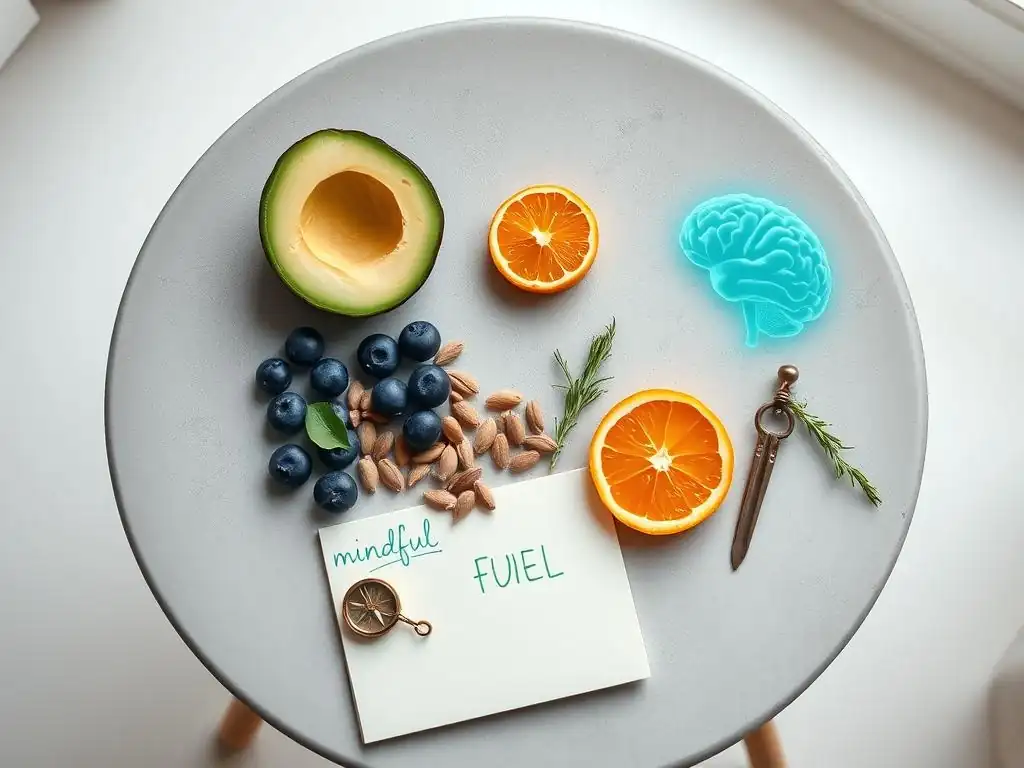
Creating a personalized nutrition plan for ADHD is a process that involves assessment, goal setting, strategic food choices, and ongoing monitoring. It's not about drastic, overnight changes but rather sustainable adjustments that support long-term brain health and symptom management.
This step-by-step guide outlines a practical approach to developing a diet that aligns with your individual needs and helps you leverage nutrition for mental wellbeing. Remember that consulting with healthcare professionals, especially a registered dietitian specializing in mental health or ADHD, can provide invaluable support throughout this journey.
Step 1: Assessing Current Dietary Habits and ADHD Symptoms
The first step is to understand your starting point. This involves looking honestly at what you currently eat and how your ADHD symptoms fluctuate.
Keeping a Food Journal and Symptom Tracker
A food journal is a powerful tool for identifying potential links between diet and symptoms. For a week or two, record everything you eat and drink, including portion sizes and the time of day. Simultaneously, track your ADHD symptoms – noting periods of high focus or significant difficulty concentrating, impulsivity spikes, energy levels, and mood shifts.
- Record meals, snacks, and beverages.
- Note time of consumption.
- Document portion sizes.
- Rate symptom severity (e.g., focus on a scale of 1-5, energy levels, irritability).
- Look for patterns: Do symptoms worsen after certain foods or meals? Do they improve after others?
Analyzing this data can reveal surprising connections and highlight areas for improvement. For example, you might notice that afternoons are particularly challenging if lunch was high in refined carbohydrates, or that focus is sharpest after a protein-rich breakfast.
Identifying Potential Nutritional Deficiencies via Testing
While not always necessary, sometimes blood tests can reveal specific nutritional deficiencies that might be contributing to symptoms. Common deficiencies explored in the context of ADHD include iron, zinc, magnesium, and vitamin D.
- Discuss testing options with your doctor.
- Consider tests for ferritin (iron storage), zinc, magnesium, and vitamin D levels.
- Understand that testing provides a snapshot and should be interpreted alongside dietary intake and symptoms.
If tests reveal a deficiency, your doctor or a dietitian can recommend targeted dietary changes or supplementation to address it. For example, low ferritin levels are observed in a subset of individuals with ADHD and can impact dopamine synthesis; addressing this might involve increasing intake of iron-rich foods like lean meats, lentils, and spinach.
Step 2: Setting Realistic Goals for Improved ADHD Management Through Diet
Based on your assessment, establish clear, achievable goals for your personalized nutrition plan. Focus on gradual, sustainable changes rather than attempting a complete dietary overhaul at once.
Focusing on Gradual Changes in Food Choices
Instead of eliminating entire food groups overnight, aim to make small, manageable swaps. For example, if you typically have sugary cereal for breakfast, a first goal might be to switch to oatmeal. Once that feels comfortable, you might add nuts or seeds for protein and healthy fats.
- Choose one or two dietary habits to change initially.
- Replace less supportive foods with more nutrient-dense options.
- Celebrate small victories as you make positive changes.
Incremental changes are less overwhelming and more likely to stick long-term, fostering a positive relationship with your nutrition for mental wellbeing journey.
Defining Measurable Outcomes Related to Focus and Behavior
Link your dietary goals to specific, observable improvements in your ADHD symptoms. This helps track progress and provides motivation.
- Goal Example 1: "Reduce afternoon energy crashes by ensuring lunch includes protein and fiber." (Measurable outcome: fewer days feeling significantly tired or unfocused after lunch).
- Goal Example 2: "Improve morning focus by eating a protein-rich breakfast daily." (Measurable outcome: ability to concentrate on a specific task for 30 minutes without distraction before 10 AM).
- Goal Example 3: "Reduce impulsive snacking by having healthy snacks prepared." (Measurable outcome: fewer instances of unplanned snacking between meals).
Defining what success looks like in tangible terms makes it easier to evaluate the effectiveness of your nutrition plan and make necessary adjustments.
Step 3: Incorporating ADHD-Friendly Foods into Your Diet
Focus on adding nutrient-dense foods known to support brain health and stable energy levels. These foods form the foundation of a supportive nutrition for mental wellbeing guide.
The Power of Protein for Neurotransmitter Synthesis
Protein is vital for the production of neurotransmitters like dopamine and norepinephrine, which are often dysregulated in ADHD. Including a source of protein at every meal helps provide the necessary building blocks and contributes to stable blood sugar levels, supporting sustained focus.
Block Quote:
Protein helps slow down the absorption of carbohydrates, leading to a more gradual release of glucose into the bloodstream. This stability can prevent the "sugar highs and lows" that sometimes exacerbate ADHD symptoms.
Examples of good protein sources include lean meats (like chicken or turkey), fish, eggs, beans, lentils, nuts, seeds, and dairy or fortified plant-based alternatives. Aim for roughly 20-30 grams of protein per main meal. For context, 3 ounces of cooked chicken breast provides about 25 grams of protein.
Healthy Fats for Brain Function and Cell Communication
Omega-3 fatty acids, particularly EPA and DHA found in fatty fish, are crucial for brain structure and function. They are incorporated into brain cell membranes, influencing communication between neurons. Studies often highlight the potential benefits of omega-3 supplementation or increased dietary intake for improving attention and reducing hyperactivity in some individuals with ADHD.
Inline Code: Omega-3s (EPA/DHA) are essential fatty acids the body cannot produce efficiently on its own.
Sources of healthy fats include fatty fish (salmon, mackerel, sardines), walnuts, flaxseeds, chia seeds, avocados, and olive oil. Aim to include sources of healthy fats in your daily diet. For instance, a 3.5-ounce serving of salmon can contain over 2 grams of omega-3 fatty acids.
Fiber-Rich Foods for Stable Blood Sugar and Attention
Fiber, found in fruits, vegetables, whole grains, beans, and lentils, is essential for digestive health and plays a key role in stabilizing blood sugar. Fiber slows the absorption of sugar into the bloodstream, preventing rapid spikes and crashes. This stability is crucial for maintaining consistent energy and focus throughout the day.
Task List:
- [x] Include non-starchy vegetables with lunch and dinner.
- [x] Choose whole fruits over fruit juice.
- [x] Opt for whole grains (brown rice, quinoa, whole wheat bread) instead of refined grains.
- [x] Add beans or lentils to soups, stews, or salads.
Adequate fiber intake (aiming for roughly 25-30 grams per day) supports not only blood sugar control but also a healthy gut microbiome, further contributing to overall nutrition for mental wellbeing. A cup of black beans contains about 15 grams of fiber.
Step 4: Eliminating or Reducing Foods That Exacerbate ADHD Symptoms
Just as some foods support brain function, others can potentially worsen symptoms in sensitive individuals. Identifying and reducing these can be a critical part of a personalized plan.
Artificial Additives and Their Effect on Hyperactivity
Research, particularly in children, has suggested a link between certain artificial food colorings and preservatives and increased hyperactivity. While the effect varies greatly between individuals, some people with ADHD may be particularly sensitive.
Consider reducing or eliminating foods containing:
- Artificial food dyes (e.g., Red 40, Yellow 5, Yellow 6)
- Artificial flavors
- Certain preservatives (e.g., sodium benzoate)
Checking food labels for these ingredients is a practical step. Many countries, like the UK, have placed warnings on foods containing certain artificial colors due to these concerns.
The Impact of Sugar on Impulsivity and Focus
While sugar doesn't cause ADHD, high intake of added sugars can lead to energy crashes that mimic or exacerbate symptoms like difficulty focusing, irritability, and impulsivity. The rapid spike and subsequent drop in blood sugar can disrupt cognitive performance.
Italics: Limiting added sugars in drinks, snacks, and processed foods is a common recommendation in a nutrition for mental wellbeing guide for ADHD.
This doesn't mean eliminating all sugar, but rather focusing on reducing added sugars found in sodas, candies, pastries, and many processed foods, while still enjoying natural sugars found in whole fruits as part of a balanced diet. The American Heart Association recommends no more than 24 grams (6 teaspoons) of added sugar per day for most women and 36 grams (9 teaspoons) for men. Many common sweetened beverages contain far more than this in a single serving.
Limiting Processed Foods and Refined Carbohydrates
Processed foods and refined carbohydrates (like white bread, white pasta, and sugary snacks) are often low in essential nutrients and fiber but high in added sugar, unhealthy fats, and artificial additives. Their rapid digestion can lead to blood sugar volatility.
Strikethrough: ~Eating a diet high in processed foods is beneficial for brain health.~
Prioritizing whole, unprocessed foods helps ensure a higher intake of vitamins, minerals, fiber, and healthy fats, providing a more stable and nutrient-rich foundation for managing ADHD symptoms.
Step 5: Creating a Sample Meal Plan for a Week of Improved ADHD Management
Once you understand which foods to include and which to limit, you can start building a meal plan. This sample provides a template focusing on balanced meals and snacks throughout the day to maintain stable energy and support cognitive function.
---
Meal Plan Focus: Stable Energy & Focus
---

**Monday:**
- Breakfast: Scrambled eggs with spinach and whole-wheat toast
- Lunch: Lentil soup with a side salad
- Dinner: Baked salmon with roasted broccoli and quinoa
- Snacks: Apple slices with almond butter, a handful of walnuts

**Tuesday:**
- Breakfast: Greek yogurt with berries and chia seeds
- Lunch: Leftover salmon and vegetables
- Dinner: Chicken stir-fry with mixed vegetables and brown rice
- Snacks: Carrot sticks with hummus, hard-boiled egg

**Wednesday:**
- Breakfast: Oatmeal with nuts and a sprinkle of cinnamon
- Lunch: Turkey and avocado wrap on whole-wheat tortilla
- Dinner: Beef and bean chili
- Snacks: Orange, small handful of almonds

**Thursday:**
- Breakfast: Smoothie with spinach, banana, protein powder, and almond milk
- Lunch: Leftover chili
- Dinner: Baked chicken breast with sweet potato and green beans
- Snacks: Cottage cheese with pineapple, a few whole-wheat crackers

**Friday:**
- Breakfast: Whole-wheat pancakes with a side of scrambled eggs
- Lunch: Tuna salad (made with Greek yogurt or avocado) on lettuce wraps
- Dinner: Homemade pizza on whole-wheat crust with plenty of vegetables and lean protein
- Snacks: Pear, small piece of dark chocolate (70%+ cocoa)

**Saturday:**
- Breakfast: Veggie omelet
- Lunch: Quinoa salad with chicken or chickpeas, cucumbers, tomatoes, and a light vinaigrette
- Dinner: Lean ground beef burgers (no bun, or on whole-wheat bun) with a large side salad
- Snacks: Edamame (steamed), a few olives

**Sunday:**
- Breakfast: Yogurt parfait with granola, fruit, and nuts
- Lunch: Leftover burgers and salad
- Dinner: Roasted chicken with root vegetables (carrots, parsnips)
- Snacks: Bell pepper strips with guacamole, a small handful of trail mix
Horizontal Line:
Breakfast Ideas for Sustained Focus in the Morning
Starting the day with a balanced breakfast is crucial for individuals with ADHD. A meal containing protein, healthy fats, and complex carbohydrates provides sustained energy and supports neurotransmitter production, helping to set the stage for better focus and cognitive function throughout the morning.
Good options include eggs, Greek yogurt, cottage cheese, protein smoothies, oatmeal topped with nuts or seeds, and whole-wheat toast with avocado or nut butter. Aim to avoid sugary cereals, pastries, or juices that can lead to a rapid energy crash shortly after eating. For example, a study involving children with ADHD found that those who ate a high-protein breakfast performed better on cognitive tasks later in the morning compared to those who ate a high-carbohydrate breakfast.
Lunch Options for Balanced Energy and Concentration
Lunch should continue to provide balanced nutrients to maintain energy levels and concentration through the afternoon. Combining lean protein sources with complex carbohydrates and plenty of vegetables is key.
Salads with protein (chicken, fish, beans), turkey or lean meat wraps on whole-wheat tortillas, lentil or bean soups, and leftovers from a balanced dinner are excellent choices. Try to include a source of fiber and protein to prevent the post-lunch slump that can significantly impact productivity and focus in the afternoon. A lunch consisting of a large salad with grilled chicken and mixed vegetables provides protein, fiber, and essential vitamins.
Dinner Recipes for Calmness and Restful Sleep
Dinner should ideally be a balanced meal that supports relaxation and prepares the body for restful sleep, which is often challenging for individuals with ADHD. Including sources of tryptophan (an amino acid precursor to serotonin and melatonin) and magnesium can be beneficial.
Examples include lean protein like turkey or chicken, fish rich in omega-3s, complex carbohydrates like sweet potatoes or brown rice, and plenty of leafy greens or other vegetables. Avoiding heavy, greasy meals or excessive caffeine and sugar close to bedtime is also important. A dinner of baked turkey breast, sweet potato, and steamed broccoli provides tryptophan, complex carbs, and magnesium, potentially aiding in relaxation before sleep.
Step 6: Monitoring Your Progress and Making Adjustments
A personalized nutrition plan is not static; it requires ongoing monitoring and adjustment based on how you feel and how your symptoms are responding.
Tracking ADHD Symptoms and Medication Effectiveness
Continue using your symptom tracker and food journal to observe the impact of your dietary changes. Are you noticing improvements in focus, impulsivity, mood, or energy? Is your medication seemingly more effective or are its side effects less pronounced?
Regularly reviewing your notes can help you identify which changes are working and which might need modification. Be patient; it can take time to see significant effects from dietary changes.
Consulting with a Registered Dietitian or ADHD Specialist
Working with a healthcare professional, particularly a registered dietitian with expertise in ADHD or mental health, can provide invaluable support. They can help you:
- Refine your meal plan based on your specific needs and responses.
- Identify potential nutrient interactions or sensitivities.
- Recommend appropriate testing or supplementation if necessary.
- Provide strategies for overcoming challenges like sensory issues or executive function difficulties related to meal planning and preparation.
Their expertise ensures your plan is safe, effective, and truly personalized, optimizing the potential of nutrition for mental wellbeing in your ADHD management journey.
Optimizing Your Nutrition for ADHD: Advanced Strategies

Once you have a solid foundation with a personalized whole-foods-based diet, you can explore additional strategies to further optimize your nutrition for ADHD management.
Supplementation: Omega-3s, Iron, and Zinc Considerations
While a nutrient-dense diet is the primary goal, sometimes supplementation is necessary to address specific deficiencies or ensure adequate intake of key nutrients. Omega-3 fatty acids (EPA/DHA), iron (especially for those with confirmed deficiency), and zinc are among the most commonly considered supplements in the context of ADHD.
Studies on omega-3 supplementation for ADHD have shown mixed but often promising results, with some individuals experiencing improvements in attention and hyperactivity. For example, a meta-analysis published in 2020 suggested that omega-3 supplementation might have a small but significant effect on ADHD symptoms, particularly hyperactivity. However, supplementation should always be discussed with a healthcare provider to determine appropriate dosage and necessity based on individual needs and dietary intake. Taking too much of certain supplements, like iron or zinc, can be harmful.
The Importance of Hydration for Cognitive Function
Dehydration, even mild, can negatively impact cognitive function, leading to fatigue, difficulty concentrating, and irritability – symptoms that can overlap with or worsen ADHD challenges. Ensuring adequate fluid intake throughout the day is a simple yet crucial aspect of supporting brain health.
Aim to drink water consistently throughout the day, rather than waiting until you feel thirsty. The general recommendation is about 8 cups (around 2 liters) of water per day, but individual needs vary based on activity level, climate, and other factors. Monitoring urine color (pale yellow indicates good hydration) is a simple way to gauge your hydration status.
Regular Meal Timing for Stable Blood Sugar and Focus
Eating meals and snacks at regular intervals helps maintain stable blood sugar levels, preventing the energy dips and spikes that can impair focus and increase impulsivity. Skipping meals, particularly breakfast, can lead to poor concentration and increased difficulty with self-regulation later in the day.
Aim for three balanced meals and 1-2 healthy snacks per day, spaced relatively evenly. For instance, eating breakfast within an hour or two of waking, lunch around midday, a snack in the afternoon, and dinner in the evening helps provide a consistent supply of glucose to the brain and prevent excessive hunger that can lead to poor food choices.
Long-Term Strategies for Sustaining a Healthy Diet for ADHD Management
Implementing dietary changes is one thing; sustaining them over the long term requires planning, consistency, and strategies to navigate common challenges associated with ADHD, such as executive function difficulties or sensory sensitivities.
Building a Supportive Environment for Healthy Eating
Make healthy eating the easy choice by structuring your environment. This involves stocking your kitchen with nutrient-dense foods, minimizing the presence of trigger foods, and organizing your pantry and refrigerator for easy access to healthy options.
- Keep fruits, vegetables, and prepared healthy snacks visible and readily available.
- Store less supportive foods out of sight or avoid buying them altogether.
- Organize your kitchen so that cooking and preparing healthy meals feels less overwhelming.
A supportive environment reduces the need for constant decision-making and willpower, which can be particularly taxing for individuals with executive function challenges.
Batch Cooking and Meal Preparation Techniques
Executive function difficulties can make meal planning and preparation challenging tasks. Batch cooking and meal prepping on a day when you have more energy can significantly reduce daily effort.
Examples:
- Cook a large batch of grains (quinoa, brown rice) or protein (chicken breasts, lentils) to use in meals throughout the week.
- Wash and chop vegetables in advance.
- Prepare entire meals ahead of time that can be easily reheated.
Investing a few hours on the weekend or a dedicated day can save significant time and mental energy during busy weekdays, making it easier to stick to your personalized nutrition plan for mental wellbeing.
Handling Sensory Sensitivities and Food Preferences
Sensory sensitivities are common in individuals with ADHD and can affect food textures, smells, and tastes, leading to a limited diet. Acknowledging and working with these sensitivities is crucial for creating a sustainable plan.
- Introduce new foods gradually and in different preparations (e.g., cooked vs. raw vegetables).
- Focus on incorporating preferred textures or flavors.
- Don't force disliked foods; find alternative sources for necessary nutrients.
- Experiment with different cooking methods or seasonings.
For example, if you dislike the texture of cooked vegetables, try incorporating raw veggies into salads or smoothies. If certain smells are overwhelming, opt for foods that require less cooking or preparation that produces strong odors. Flexibility and creativity are key to building a varied and enjoyable diet that supports your nutrition for mental wellbeing goals despite sensory challenges.
Nutrition for ADHD Management Guide: Key Takeaways
Developing a personalized nutrition plan is a powerful, complementary strategy within a comprehensive approach to managing ADHD. It acknowledges the profound connection between diet and brain function and empowers individuals to make choices that support their unique needs. This guide to nutrition for mental wellbeing highlights that small, consistent dietary changes can contribute significantly to improved focus, mood stability, and overall quality of life.
The Importance of a Multifaceted Approach to ADHD
It's vital to remember that nutrition is one piece of the puzzle in managing ADHD. An effective approach typically involves a combination of strategies, which may include behavioral therapy, coaching, medication (if appropriate), exercise, sufficient sleep, and stress management techniques.
View nutrition as a supportive pillar that enhances the effectiveness of other interventions and promotes overall physical and mental resilience. A comprehensive nutrition for mental wellbeing guide emphasizes integration with other therapies for the best outcomes.
Empowering Yourself Through Personalized Nutrition Strategies
Taking an active role in your diet puts you in the driver's seat of your health journey. By understanding how different foods affect you personally and implementing tailored strategies, you gain a sense of control and empowerment over your ADHD symptoms.
This personalized approach moves beyond generic advice, allowing you to build a sustainable lifestyle that supports your unique brain chemistry and daily challenges. It's about discovering what truly nourishes your body and mind.
Resources for Further Learning and Support on ADHD and Nutrition
Navigating the world of nutrition and ADHD can be complex. Fortunately, numerous resources are available to provide further information and support.
- Registered Dietitians specializing in mental health or neurodevelopmental disorders.
- ADHD coaching services that incorporate lifestyle strategies.
- Reputable health organizations and websites focused on ADHD and nutrition research.
- Books and guides written by qualified professionals on diet and ADHD.
Seeking professional guidance ensures you receive accurate, evidence-based information tailored to your specific situation, making your personalized nutrition for mental wellbeing journey as effective and supportive as possible.
Frequently Asked Questions
What is the core principle behind using nutrition for mental well-being?
The core principle is that nutrition directly impacts brain function and neurotransmitter production. A balanced diet can positively influence mood, energy levels, and cognitive abilities. It aims to address deficiencies that may contribute to mental health challenges.
How can I create a personalized nutrition plan for my mental health?
Start by identifying any dietary deficiencies or sensitivities through testing or observation. Then, focus on incorporating nutrient-rich foods tailored to your specific needs and mental health concerns. Consulting with a registered dietitian or healthcare professional is highly recommended.
What are some key nutrients that are particularly important for mental well-being?
Essential nutrients include omega-3 fatty acids, B vitamins, magnesium, and zinc. These support brain health, neurotransmitter synthesis, and overall mood regulation. A deficiency in any of these can exacerbate mental health symptoms.
Where can I find reliable resources and support for implementing a nutrition plan?
Mind Care Guide provides comprehensive information, support, and resources for various mental health challenges. You can also seek guidance from registered dietitians, therapists, and support groups specializing in nutrition and mental health.
How long does it typically take to see improvements in mental health after starting a nutrition plan?
The timeline varies depending on individual factors and the severity of the condition. However, some people may notice subtle improvements within a few weeks, while more significant changes might take several months of consistent adherence to the plan.
Final Reflection: Nourishing the Mind, Body, and Soul
The connection between what we eat and how we feel is undeniable, and understanding this link is more crucial now than ever before. In a world grappling with increasing rates of stress, anxiety, and depression, prioritizing nutrition for mental wellbeing is not a luxury, but a necessity. This guide has explored the intricate relationship between diet and mental health, highlighting the power of personalized nutrition plans to support emotional resilience and overall well-being.
This journey of exploring the impact of nutrition on mental health has been deeply personal, underscoring the importance of mindful eating and self-awareness. It's not just about eliminating certain foods; it's about cultivating a relationship with food that fosters both physical and mental strength. The food you eat can be either the safest and most powerful form of medicine or the slowest form of poison.
– Ann Wigmore. This quote perfectly encapsulates the profound impact our dietary choices have on our mental and physical state, reminding us of the responsibility we have in nurturing ourselves holistically.
Now, I invite you to reflect on your own relationship with food and its influence on your mental well-being. Consider the small changes you can implement today – perhaps incorporating more nutrient-rich foods, practicing mindful eating, or seeking professional guidance to create a personalized plan. Remember, this is a journey, not a race. By prioritizing your nutritional needs, you are investing in a healthier, happier, and more resilient you. Start small, be consistent, and embrace the transformative power of nourishing your mind, body, and soul.
Here's a CTA for the article "Creating a Personalized Nutrition Plan for Your Mental Health Needs" on MindCareGuide.org, following your specifications:
Unlock Your Mental Wellness: Nourish Your Mind, Body & Soul
Thank you for taking the time to explore the powerful connection between nutrition and mental well-being! You've now learned how food can significantly impact your mood and energy levels. Ready to take the next step?
- Prioritize one nutrient: Identify one nutrient highlighted in the article that resonates most with your current needs (e.g., Omega-3s, Magnesium) and incorporate it into your diet this week. Start small – one new food or supplement is a fantastic beginning!
- Share your experience: Tell us (and others!) about your chosen nutrient and how incorporating it into your diet is impacting your mental well-being. Join the conversation in the comments below!
- Explore further: Browse our other articles on MindCareGuide.org for more in-depth information and personalized tips to optimize your mental health journey through nutrition.
What's one small change you're inspired to make today to nourish your mind?