
Qigong for Emotional Stability: Techniques to Navigate Life's Challenges

Welcome to Mind Care Guide.
Feeling overwhelmed? You're not alone. We understand the constant ebb and flow of emotions, and we're here to help you find your center. In this guide, we'll explore Qigong emotional stability techniques benefits, offering practical strategies to navigate life's challenges with greater ease and resilience. Curious about how ancient practices can impact your modern life? Let's begin.
Qigong for Emotional Stability: Techniques to Navigate Life's Challenges
- Introduction to Qigong and Emotional Well-being
- Qigong Techniques for Emotional Stability: A Practical Guide
- Benefits of Qigong for Emotional Stability: What to Expect
- Integrating Qigong into Your Daily Routine for Emotional Health
- Qigong Emotional Stability Techniques Benefits: A Summary
-
Frequently Asked Questions
- What is Qigong and how can it benefit emotional stability?
- What are some specific Qigong techniques for improving emotional well-being?
- How often should I practice Qigong to experience its emotional stability benefits?
- Are there any risks associated with practicing Qigong?
- Where can I learn Qigong for emotional stability techniques?
- Final Reflection: Cultivating Inner Peace Through Qigong
- Unlock Your Inner Calm: Start Your Qigong Journey Today!
Introduction to Qigong and Emotional Well-being
Understanding Qigong: A Path to Mental and Emotional Balance
Qigong, an ancient Chinese mind-body practice, translates roughly to "cultivating energy." It involves slow, deliberate movements, meditation, and controlled breathing techniques designed to optimize energy (Qi) flow within the body. Rooted in traditional Chinese medicine (TCM) principles, Qigong posits that blockages or imbalances in Qi can contribute to physical ailments and emotional distress. Regular practice aims to clear these blockages, promoting harmony between mind and body.
This practice is not merely physical exercise; it's a holistic discipline that addresses the interconnectedness of physical, mental, and emotional states. By focusing on gentle movements and deep breathing, practitioners learn to quiet the 'monkey mind,' reduce internal chatter, and cultivate a sense of calm presence. Many individuals find that consistent engagement with Qigong provides a tangible pathway toward improved focus, reduced anxiety, and a greater sense of inner peace, essential components of Qigong emotional stability.
The Connection Between Energy Flow and Emotional Health
In traditional Chinese medicine, emotions are intrinsically linked to the body's vital energy (Qi) and specific organ systems. For example, anger is associated with the Liver, worry with the Spleen, fear with the Kidneys, sadness with the Lungs, and joy (or lack thereof) with the Heart. When Qi is stagnant or imbalanced within these systems, it can manifest as persistent or overwhelming emotional states. Conversely, unresolved emotional issues can disrupt Qi flow, creating a vicious cycle.
Qigong techniques are specifically designed to harmonize and regulate this energy flow. By stimulating meridians (energy pathways) and supporting organ systems through targeted movements and breathing, Qigong helps to release stagnant emotional energy and cultivate balanced Qi. This energetic regulation is considered fundamental to achieving and maintaining emotional well-being, offering practical Qigong emotional stability techniques for daily life.
Why Qigong is Effective for Emotional Regulation
Qigong's effectiveness in promoting emotional regulation stems from its multi-faceted approach. Physically, the slow, mindful movements activate the parasympathetic nervous system, counteracting the 'fight or flight' response associated with stress and anxiety. This physiological shift promotes a state of relaxation, making it easier to process and manage intense emotions. Simultaneously, the focus on breath control teaches practitioners techniques to calm themselves in moments of distress.
Beyond the physiological, Qigong cultivates mindfulness and self-awareness. By paying close attention to bodily sensations and internal states during practice, individuals become more attuned to their emotional landscape without judgment. This heightened awareness allows for earlier recognition of emotional triggers and patterns, enabling a more skillful response rather than an automatic reaction. This combination of physiological calm and increased self-awareness makes Qigong a powerful tool for enhancing emotional stability.
Qigong Techniques for Emotional Stability: A Practical Guide
Foundational Qigong Practices for Emotional Balance
Diaphragmatic Breathing: Calming the Nervous System
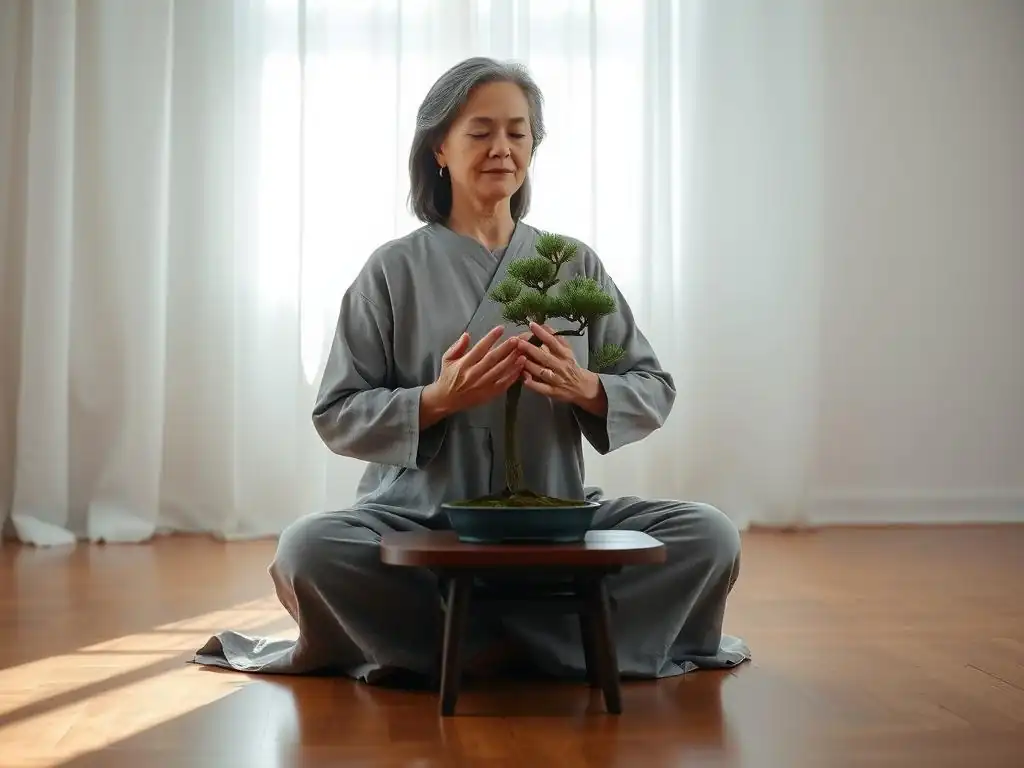
Diaphragmatic breathing, also known as abdominal breathing, is a cornerstone of Qigong and a fundamental technique for calming the nervous system. This deep breathing style involves inhaling deeply into the abdomen, allowing the diaphragm to contract and the belly to expand, and exhaling slowly, allowing the belly to fall. Unlike shallow chest breathing, which can exacerbate stress, diaphragmatic breathing signals the body to relax, reducing heart rate and blood pressure.
Practicing diaphragmatic breathing for even a few minutes can significantly impact emotional state. It directly influences the vagus nerve, a major component of the parasympathetic nervous system, promoting a sense of calm and grounding. Many find that incorporating this breathwork before challenging situations or during moments of emotional intensity helps to anchor them and prevent escalation of feelings like anxiety or frustration.
Standing Meditation (Zhan Zhuang): Grounding and Stability
Zhan Zhuang, or "standing like a tree," is a powerful static Qigong practice that cultivates deep roots and internal stability. It involves standing in various postures, often with knees slightly bent and arms held in specific positions, while maintaining relaxation and internal awareness. Though seemingly simple, Zhan Zhuang builds physical strength, improves posture, and, crucially, fosters mental stillness and emotional resilience.
By holding a stable posture for an extended period, practitioners confront physical discomfort and mental restlessness, learning to observe these sensations without reacting. This practice strengthens willpower, improves focus, and cultivates a profound sense of being grounded. This physical and mental rooting translates directly into increased emotional stability, helping individuals feel more centered and less easily swayed by external circumstances or turbulent internal states.
Gentle Stretching and Movement: Releasing Emotional Blockages
Qigong incorporates gentle, flowing movements and stretches designed to release tension and promote the smooth flow of Qi throughout the body. According to TCM, emotions can become "stuck" in specific areas or organ systems, creating physical stiffness or discomfort. For example, tension in the shoulders and neck is often associated with stress or worry, while tightness in the chest can relate to grief or anxiety.
Movements like gentle arm swings, spinal twists, and stretches targeting specific meridian pathways help to loosen tight muscles and fascia, facilitating the release of stagnant energy and trapped emotions. This physical release often leads to an emotional catharsis, allowing feelings to dissipate rather than accumulate. Regular gentle movement is a vital component of Qigong emotional stability techniques for maintaining flexibility and preventing emotional stagnation.
Specific Qigong Exercises for Managing Emotions
Qigong for Anxiety Relief: Soothing the Shen (Spirit)
Anxiety is often associated with an overactive mind and a disturbed Shen (spirit), according to TCM. Qigong techniques for anxiety focus on calming the mind, grounding the energy, and harmonizing the Heart and Kidney energies.
The "Kidney Breathing" Technique for Calming Fear
This technique focuses on breathing deeply into the lower abdomen and back, the area associated with the Kidney energy in TCM. Fear is the emotion linked to the Kidneys. By directing breath and awareness to this area, practitioners aim to strengthen Kidney Qi and soothe the associated emotion of fear and its manifestation as anxiety. The practice involves visualizing a calming blue light filling the Kidney area during inhalation and tension releasing during exhalation.
Regular practice of Kidney Breathing can help anchor scattered energy and promote a sense of security and calm. Many individuals report feeling more grounded and less susceptible to panic or excessive worry after incorporating this specific breathwork into their routine.
Cloud Hands: Gentle Flow for Anxiety
Cloud Hands is a fundamental Qigong movement found in many styles. It involves slow, circular movements of the arms, torso, and legs, coordinating breath with motion. The gentle, repetitive nature of Cloud Hands is inherently calming and meditative.
The continuous, flowing motion helps to quiet mental chatter and bring awareness into the body. It promotes smooth circulation of Qi, which is essential for soothing the Shen and reducing anxious energy. The gentle turning of the torso also helps to release tension in the core, often a storage place for stress.
Qigong for Anger Management: Harmonizing Liver Qi
Anger, frustration, and irritability are linked to imbalances or stagnation in the Liver Qi in TCM. Qigong for anger management aims to smooth the flow of Liver Qi, release tension held in the sides of the body, and promote a sense of spaciousness and ease.
The "Liver Cleansing Breath" for Releasing Frustration
This breathing technique involves a specific sound and exhalation pattern associated with the Liver. While standing, practitioners inhale deeply, and then exhale slowly through the mouth with a soft "shhhhh" sound, often while bending slightly forward or to the side, visualizing tension and frustration leaving the body.
The "shhh" sound is believed to vibrate at a frequency that helps to release stuck Liver Qi. This intentional exhalation allows for a conscious release of pent-up energy associated with anger and frustration, preventing it from accumulating and causing harm.
Shooting the Arrow: Redirecting Aggression
Shooting the Arrow is a movement often found in the Eight Brocades (Ba Duan Jin) Qigong set. It involves mimicking the action of pulling and releasing a bowstring, expanding the chest and stretching the sides of the torso.
This expansive movement helps to open the chest and stretch the muscles along the sides of the body, areas associated with the Liver meridian. The action of "shooting" can also serve as a symbolic release or redirection of aggressive or frustrated energy in a controlled, healthy manner.
Qigong for Grief and Sadness: Nourishing Lung Qi
Grief and sadness are emotions associated with the Lungs in TCM. Prolonged sadness can deplete Lung Qi, leading to symptoms like shortness of breath, fatigue, and a weakened immune system. Qigong for grief focuses on nourishing Lung energy, opening the chest, and facilitating the release of held sorrow.
The "Lung Opening Breath" for Releasing Sadness
This technique involves deep, expansive inhalations that fill the chest and upper back, followed by complete, sometimes sighing, exhalations. Often performed with arm movements that open the chest, like raising arms overhead or out to the sides.
By consciously expanding the chest and focusing on the breath, this technique helps to release the physical constriction often felt with sadness. The sighing exhalation allows for a natural expression and release of sorrow, preventing it from becoming trapped within the body.
Separating the Clouds: Letting Go of Sorrow
Separating the Clouds is a movement where the hands start together in front of the chest and slowly move apart, as if gently pushing clouds aside, often while inhaling and raising the arms.
This movement symbolically and physically opens the chest and upper body, areas associated with the Lungs and the holding of grief. The action of "separating" can represent the process of letting go of heavy emotions, allowing space for lighter feelings to emerge.
Qigong for Depression: Activating Vital Energy
Depression is often characterized by low energy, stagnation, and a lack of vitality. Qigong for depression focuses on activating Qi flow, stimulating circulation, and cultivating a sense of warmth and aliveness. Techniques often involve rhythmic movements that invigorate the body and lift the spirit.
The "Heart Opening Breath" for Cultivating Joy
This breath involves full, deep inhalations that expand the chest and upper back, often with arm movements that open the front of the body, like reaching arms out or slightly back. The Heart is associated with joy and vitality in TCM.
Opening the chest physically can help counteract the collapsed posture often seen in depression and encourages a feeling of openness and receptivity. Focusing on filling the chest with vital energy during inhalation aims to nourish the Heart Qi and cultivate feelings of warmth and joy.
Carrying the Moon: Uplifting the Spirit
Carrying the Moon is a gentle, circular movement where the hands trace a large arc in front of the body, as if scooping up and carrying the moon. This movement often involves a slight shift of weight and gentle twisting.
The rhythmic, circular nature of this movement is both grounding and uplifting. It encourages smooth Qi circulation throughout the torso and limbs, helping to disperse stagnation and activate vital energy. The upward motion can symbolize lifting the spirit and cultivating a sense of hope.
Advanced Qigong Practices for Emotional Resilience
Small Universe Circulation: Balancing Yin and Yang
The Small Universe, or Microcosmic Orbit, is an advanced meditative Qigong practice focusing on circulating energy along two main meridians: the Conception Vessel (Ren Mai) running up the front of the body and the Governing Vessel (Du Mai) running up the spine. This practice involves using the mind (Yi) to guide Qi through this circuit.
Mastering the Small Universe helps to balance the body's Yin and Yang energies, which is fundamental to deep emotional stability. Consistent practice is believed to strengthen the nervous system, calm the mind profoundly, and build a reservoir of vital energy, making one significantly more resilient to emotional stressors over time.
Emotional Alchemy: Transforming Negative Emotions
Some advanced Qigong and Neigong (internal cultivation) practices delve into the concept of "Emotional Alchemy," where practitioners learn to consciously work with intense or negative emotions not just to release them, but to transform their energy into something beneficial. This might involve specific visualizations, sounds, or energetic meditations.
For example, practitioners might learn to perceive the energy of anger not just as destructive heat, but as a powerful force that can be directed towards positive action or internal strengthening once it is refined. This process requires significant self-awareness and energetic sensitivity cultivated through years of foundational practice, offering a profound level of Qigong emotional stability techniques benefits by turning challenges into growth opportunities.
Benefits of Qigong for Emotional Stability: What to Expect
Reduced Stress and Anxiety: Qigong's Calming Effects
One of the most immediate and widely reported benefits of Qigong is its profound calming effect on the nervous system, leading to reduced stress and anxiety levels. The slow movements, deep breathing, and meditative focus activate the parasympathetic response, counteracting the body's stress hormones.
While individual results vary, many practitioners observe a significant decrease in daily stress within weeks of starting a regular practice. Some studies and practitioner reports indicate that consistent Qigong can lead to a reduction in perceived stress by 20-40% over several months, offering a tangible pathway to peace. This is a core aspect of the Qigong emotional stability techniques benefits.
Improved Mood and Emotional Regulation: Finding Balance
Qigong helps to balance the flow of Qi associated with different organ systems, which in turn helps to harmonize the emotions linked to those systems. By releasing stagnation and promoting smooth circulation, Qigong can lift low moods and temper excessive emotional reactions.
Practitioners often report feeling more even-keeled, less prone to dramatic mood swings, and better able to navigate challenging feelings without being overwhelmed. This improved emotional regulation is a direct result of the internal balance cultivated through consistent practice, enhancing overall emotional well-being.
Increased Self-Awareness and Emotional Intelligence
The mindful nature of Qigong practice encourages introspection and heightened awareness of internal states – both physical sensations and emotional fluctuations. By paying non-judgmental attention to what arises during practice, individuals become more familiar with their own emotional patterns, triggers, and responses.
This increased self-awareness is a cornerstone of emotional intelligence. Recognizing emotions as they arise, understanding their potential roots, and observing how they manifest in the body allows for a more conscious choice in how to respond, rather than reacting impulsively. This cultivated awareness is a significant Qigong emotional stability techniques benefit.
Enhanced Resilience to Life's Challenges
Consistent Qigong practice builds internal strength and vitality, creating a stronger energetic foundation. This enhanced resilience is not about avoiding difficulties, but about developing the capacity to meet challenges with greater inner fortitude and flexibility.
When faced with stressors or setbacks, practitioners who engage in regular Qigong often find they can recover more quickly emotionally. The practice cultivates a sense of groundedness and inner peace that acts as an anchor during turbulent times, helping individuals to bend like bamboo rather than break like a brittle twig.
Integrating Qigong into Your Daily Routine for Emotional Health

Creating a Consistent Qigong Practice
Consistency is key to unlocking the full Qigong emotional stability techniques benefits. Even short, regular sessions are more effective than infrequent long ones. Aim to practice for 10-20 minutes daily, perhaps in the morning to set a calm tone for the day or in the evening to release accumulated stress.
Find a quiet space where you won't be interrupted. Start with a few simple techniques, like diaphragmatic breathing or gentle stretching, and gradually add more movements as you become comfortable. Treating your practice time as a non-negotiable appointment with yourself can help build the habit.
Tips for Maximizing the Emotional Benefits of Qigong
To deepen the emotional benefits, approach your practice with intention and mindfulness. Focus on your breath and the sensations in your body. Allow emotions to surface without judgment, observing them simply as energy or information moving through you.
Vary your practice based on your emotional state. If you're feeling anxious, focus on grounding techniques. If you're feeling stuck or low, incorporate more invigorating movements. Listening to your body and tailoring your practice can significantly enhance its effectiveness for emotional balance.
Finding a Qualified Qigong Instructor
While many basic Qigong techniques can be learned from books or videos, learning from a qualified instructor offers significant advantages, especially when seeking Qigong emotional stability techniques for specific emotional challenges. An instructor can provide personalized guidance, correct your form, and offer deeper insights into the energetic principles at play.
Look for instructors certified by reputable organizations or those with extensive experience. A good teacher can help you refine your practice, understand how different movements relate to emotional states, and support you on your journey toward greater emotional well-being.
Qigong Emotional Stability Techniques Benefits: A Summary
Key Takeaways: Qigong as a Tool for Emotional Well-being
Qigong offers a powerful, holistic approach to cultivating emotional stability. Through gentle movements, focused breathing, and mindful awareness, it helps to regulate the nervous system, harmonize internal energy flow, and release emotional blockages.
The practice provides practical techniques for managing specific emotions like anxiety, anger, sadness, and depression. By addressing the root energetic imbalances associated with these states, Qigong supports the body's natural capacity for healing and balance, making it an invaluable tool for anyone seeking greater peace and resilience.
Further Exploration: Resources for Learning More About Qigong
Exploring Qigong further can deepen your understanding and enhance your practice. Many books and online resources offer introductions to basic forms like the Eight Brocades (Ba Duan Jin) or the Five Animal Frolics. Seeking out local classes or workshops with experienced teachers is also highly recommended.
Consistent practice and dedicated learning about the principles behind Qigong will unlock its full potential. The journey of cultivating Qigong emotional stability techniques benefits is ongoing, offering continuous opportunities for growth, self-discovery, and profound well-being.
Frequently Asked Questions
What is Qigong and how can it benefit emotional stability?
Qigong is an ancient Chinese practice involving coordinated body-posture and movement, breathing, and meditation. It promotes emotional stability by regulating the nervous system and reducing stress hormones.
What are some specific Qigong techniques for improving emotional well-being?
Specific techniques include Eight Brocades Qigong, Five Element Qigong, and practices focused on balancing the emotions associated with each organ system, such as anger with the liver. These techniques help cultivate inner harmony and resilience.
How often should I practice Qigong to experience its emotional stability benefits?
While individual results vary, practicing Qigong for at least 15-30 minutes several times a week is generally recommended. Consistency is key to experiencing lasting benefits for emotional stability.
Are there any risks associated with practicing Qigong?
Qigong is generally safe, but individuals with pre-existing health conditions should consult with a healthcare professional before starting. It's important to listen to your body and avoid pushing yourself too hard.
Where can I learn Qigong for emotional stability techniques?
You can learn Qigong through qualified instructors, online courses, or workshops. Look for instructors who are certified and experienced in teaching Qigong for mental well-being.
Final Reflection: Cultivating Inner Peace Through Qigong
The ancient practice of Qigong offers a powerful antidote to the stresses of modern life, providing tangible techniques to cultivate emotional stability and resilience in the face of adversity. In a world increasingly characterized by anxiety and uncertainty, the ability to regulate one's emotional state is not a luxury, but a necessity. Qigong, with its emphasis on mindful movement, breathwork, and energy cultivation, provides a practical pathway to achieve this crucial inner balance.
The profound impact of Qigong on emotional well-being extends far beyond the individual. By fostering inner peace, we contribute to a more compassionate and harmonious society. As we learn to manage our own emotional responses, we become better equipped to navigate interpersonal relationships with greater empathy and understanding. The greatest glory in living lies not in never falling, but in rising every time we fall.
– Nelson Mandela. This sentiment perfectly encapsulates the spirit of Qigong – a practice that empowers us to rise above challenges, not by suppressing emotions, but by cultivating the inner strength to navigate them with grace and resilience.
Consider the ways in which you can integrate the principles of Qigong into your daily life. Perhaps it's starting with just five minutes of gentle Qigong exercises each morning, focusing on your breath and body awareness. Or maybe it's incorporating mindful movement into your existing routine, paying attention to the sensations in your body as you walk or work. You don't need to become a master; you simply need to begin.
Embrace the journey of self-discovery and emotional growth that Qigong offers, and unlock the potential for a more peaceful and fulfilling life. The path to emotional stability begins with a single breath, a single movement, a single intention. Begin today.
Unlock Your Inner Calm: Start Your Qigong Journey Today!
Thank you for taking the time to explore the power of Qigong for emotional well-being. We hope you found practical techniques to help navigate life's challenges with greater ease. Now it's time to put your newfound knowledge into action!
- Begin your daily Qigong practice: Start with just 5 minutes of the breathing exercises we covered, and gradually increase the duration as you feel comfortable. This is your key to unlocking inner peace.
- Share your experience: Let others know about the benefits of Qigong by recommending this article to a friend who might also benefit from this practice.
- Explore a local Qigong class: Immerse yourself further by finding a class near you and connecting with a supportive community. This is a fantastic step for consistent practice and learning.
Ready to experience the transformative power of Qigong for yourself? What small step will you take today to cultivate more emotional stability?