
The Science of SelfCare: How It Rewires Your Brain for Calm


Welcome to Mind Care Guide, a sanctuary for your mental well-being.
Feeling overwhelmed? You're not alone. Discover the transformative power of self-care and unlock a path to inner peace. Our article, " Selfcare rewires brain calmness," delves into the fascinating science behind how simple acts of self-compassion can literally reshape your brain for greater resilience and tranquility. Curious to learn how? Let's explore the science together and begin your journey to a calmer, more centered you...
The Science of Self-Care: How It Rewires Your Brain for Calm
- Understanding the Neuroscience of Self-Care: Brain Rewiring Explained
- Self-Care Techniques for Brain Health and Emotional Wellbeing
- Practical Strategies for Implementing Self-Care and Rewiring Your Brain
- Long-Term Benefits of Self-Care: Sustaining Brain Calmness and Mental Health
- Advanced Self-Care Techniques for Deep Brain Rewiring
-
Frequently Asked Questions
- How does self-care actually rewire the brain for calmness?
- What specific types of self-care activities are most effective for promoting brain calmness?
- How long does it typically take to experience the brain-calming benefits of consistent self-care?
- What role does neuroplasticity play in the process of self-care rewiring the brain?
- Can self-care completely eliminate feelings of anxiety or stress, or is it more about management?
- Final Reflection: Rewiring Your Brain for a Calmer You
- Unlock Your Inner Calm: Start Rewiring Your Brain Today!
Understanding the Neuroscience of Self-Care: Brain Rewiring Explained
The Brain's Response to Stress: The Amygdala and HPA Axis
When faced with a perceived threat, your brain's stress response system kicks into high gear. At the core of this immediate reaction is the amygdala, a small almond-shaped structure located deep within the brain's temporal lobe. Often referred to as the brain's "alarm center," the amygdala quickly processes emotional stimuli and triggers the fight-or-flight response.
This rapid activation bypasses the slower, more deliberate processing of the prefrontal cortex, leading to immediate physiological changes designed for survival, such as increased heart rate, rapid breathing, and muscle tension. If this response is triggered frequently or for prolonged periods, the amygdala can become hyperactive, making you more prone to stress and anxiety.
Beyond the initial amygdala activation, chronic stress engages the hypothalamic-pituitary-adrenal (HPA) axis. This complex system involves a chain reaction starting in the hypothalamus, which signals the pituitary gland, which then signals the adrenal glands to release stress hormones, primarily cortisol. Cortisol is essential for mobilizing energy and suppressing non-essential functions during stress.
However, persistently high levels of cortisol due to chronic stress can have detrimental effects on brain structure and function, including shrinking the hippocampus (a region crucial for memory and learning) and disrupting the balance of neurotransmitters. Understanding this fundamental stress response is the first step in appreciating how selfcare rewires brain calmness by counteracting these negative processes.
How Self-Care Practices Impact Neural Pathways: Dopamine, Serotonin, and GABA
Self-care practices actively influence the brain's neurochemistry, particularly impacting key neurotransmitters associated with mood, motivation, and calmness. Engaging in activities like exercise, meditation, or spending time in nature can stimulate the release of dopamine, often called the "feel-good" neurotransmitter. Dopamine is linked to pleasure, reward, and motivation, and its increase can create positive feedback loops, encouraging you to repeat the self-care behavior. Consistent self-care helps reinforce these positive pathways, gradually shifting the brain's default state away from stress reactivity towards a more balanced and motivated state.
Furthermore, self-care significantly impacts serotonin and gamma-aminobutyric acid (GABA). Serotonin plays a crucial role in regulating mood, sleep, appetite, and social behavior. Many self-care activities, including adequate sleep, sunlight exposure, and certain foods, can support healthy serotonin levels. GABA is the primary inhibitory neurotransmitter in the brain, acting like a brake on neuronal activity. It helps reduce excitability and promotes a sense of calm and relaxation. Practices like meditation and yoga have been shown to increase GABA levels, directly contributing to reduced anxiety and promoting that desired state where selfcare rewires brain calmness effectively.
Neuroplasticity and Self-Care: Rewiring for Calmness and Resilience
The brain is not static; it possesses a remarkable ability to change and adapt throughout life, a property known as neuroplasticity. Every thought, feeling, and experience shapes neural pathways, strengthening some connections while weakening others. This means that chronic stress can reinforce pathways associated with fear and anxiety, but conversely, consistent self-care can build and strengthen pathways associated with calmness, resilience, and positive emotional states. Neuroplasticity is the fundamental mechanism by which selfcare rewires brain calmness over time.
Engaging regularly in self-care activities encourages the growth of new neurons (neurogenesis) and the formation of new synaptic connections in beneficial brain regions, such as the prefrontal cortex (involved in executive function, decision-making, and emotional regulation) and the hippocampus. Studies using brain imaging techniques, like fMRI, have shown that consistent mindfulness meditation practice, a form of self-care, can lead to measurable increases in gray matter density in areas linked to self-awareness, compassion, and fear modulation, while potentially decreasing gray matter in the amygdala.
This physical restructuring demonstrates the profound capacity of self-care to physically and functionally rewire the brain for greater resilience against stress and a deeper sense of calm.
Self-Care Techniques for Brain Health and Emotional Wellbeing
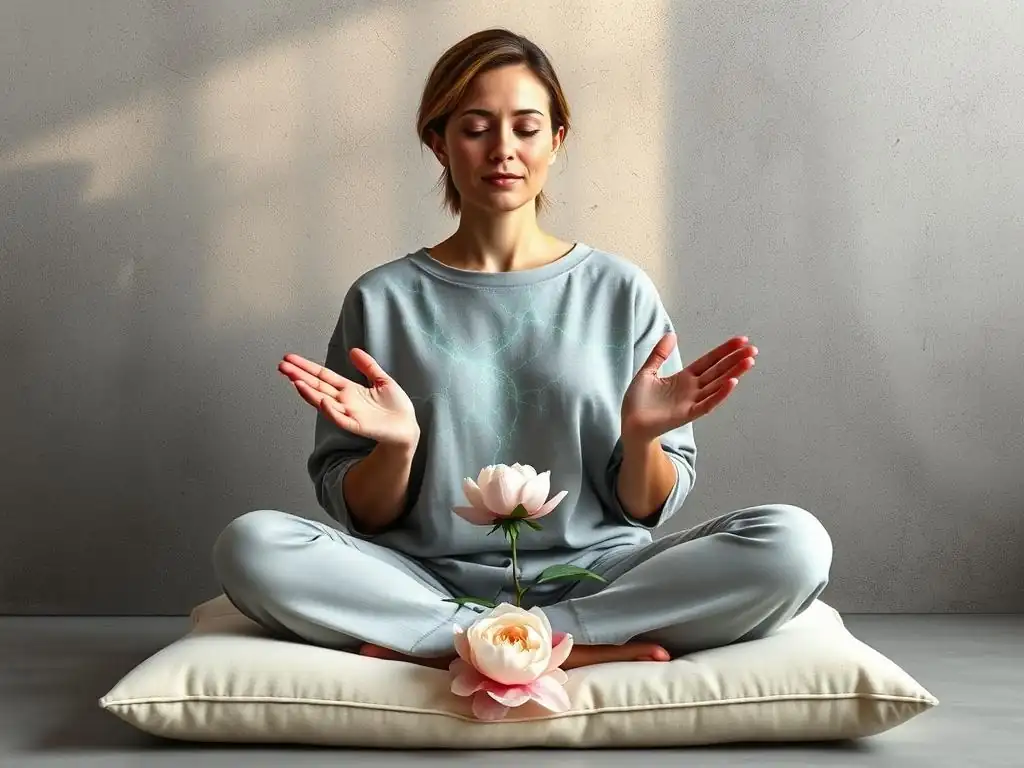
Mindfulness Meditation: Cultivating Calmness and Reducing Stress
Mindfulness meditation is a powerful self-care practice involving focusing attention on the present moment without judgment. By training the mind to observe thoughts, feelings, and sensations as they arise, individuals can learn to interrupt the cycle of rumination and worry that often fuels stress and anxiety. Regular mindfulness practice helps create a mental distance from stressful triggers, allowing for a more measured and less reactive response. This intentional shift in attention is a key way that this form of selfcare rewires brain calmness patterns.
The Science Behind Mindfulness and Brain Changes: Increased Gray Matter
Neuroscientific research provides compelling evidence for the brain-altering effects of mindfulness. Studies, such as those conducted by Harvard researchers, have demonstrated that participants who completed an 8-week mindfulness program showed significant increases in gray matter density in the hippocampus, a brain region critical for memory, learning, and emotional regulation. They also observed decreases in gray matter in the amygdala, the brain's stress center. These structural changes suggest that mindfulness helps strengthen areas associated with positive emotional processing and cognitive control while reducing the reactivity of the fear response system.
Practical Mindfulness Exercises for Daily Self-Care: Breath Awareness and Body Scan
Incorporating mindfulness into your daily routine doesn't require hours of dedicated practice. Simple exercises can be highly effective. Breath awareness is one fundamental technique: Find a quiet spot, sit comfortably, close your eyes, and simply focus your attention on the sensation of your breath entering and leaving your body. If your mind wanders (which it will), gently guide your attention back to your breath without judgment.
Start with just 5 minutes a day. Another effective practice is the body scan meditation, where you systematically bring your attention to different parts of your body, noticing sensations without trying to change them. This helps cultivate present-moment awareness and can reduce physical tension stored in the body, contributing to overall calmness.
Physical Activity and Brain Function: A Powerful Self-Care Tool
Physical activity is one of the most accessible and impactful forms of self-care for brain health and emotional wellbeing. Engaging in regular exercise doesn't just benefit your body; it profoundly affects your brain chemistry and structure. Exercise acts as a natural stress reliever, helping to regulate the HPA axis and reduce circulating levels of stress hormones like cortisol. This physiological effect is a direct mechanism by which active selfcare rewires brain calmness and resilience.
Exercise and Neurotransmitter Release: Boosting Mood and Reducing Anxiety
One of the primary ways exercise benefits the brain is by stimulating the release of a cocktail of beneficial neurotransmitters. Endorphins, often referred to as the body's natural painkillers and mood elevators, are released during exercise, creating feelings of euphoria sometimes called a "runner's high."
Beyond endorphins, exercise boosts levels of dopamine, norepinephrine, and serotonin—all neurotransmitters vital for regulating mood, motivation, attention, and stress response. For example, a single bout of moderate-intensity exercise can lead to an immediate, albeit temporary, improvement in mood, and consistent activity builds long-term resilience against anxiety and depression by maintaining healthier baseline levels of these chemicals.
Types of Exercise That Promote Brain Health and Calmness: Yoga and Aerobic Exercise
While any physical activity is beneficial, certain types of exercise have particularly notable effects on brain health and promoting calmness. Aerobic exercise, such as brisk walking, jogging, swimming, or cycling, increases blood flow to the brain, delivering essential oxygen and nutrients. This improved circulation supports neurogenesis (the growth of new brain cells), particularly in the hippocampus, which is crucial for memory and emotional regulation.
Aim for at least 150 minutes of moderate-intensity aerobic activity per week. Yoga, which combines physical postures, breath control, and meditation, offers a unique blend of benefits. The physical movement helps release tension, while the focus on breath and mindfulness components directly engages the calming effects of meditation, making it an excellent self-care practice for reducing stress and enhancing brain calmness.
The Role of Sleep in Brain Repair and Self-Care
Sleep is not merely a period of rest; it is an active and essential process during which the brain performs critical maintenance, consolidation of memories, and emotional processing. Adequate, quality sleep is a fundamental pillar of self-care and plays a vital role in maintaining brain health and regulating mood. During sleep, the brain clears metabolic waste products that accumulate during wakefulness, including proteins linked to neurodegenerative diseases. This nightly 'clean-up' is crucial for optimal cognitive function and emotional stability, directly supporting the goal that selfcare rewires brain calmness.
Sleep Deprivation and Its Impact on Mental Health: Increased Cortisol Levels
Insufficient or poor-quality sleep has a significant negative impact on mental health. Even short-term sleep deprivation can impair cognitive functions like attention, concentration, and decision-making. Chronically, lack of sleep disrupts the balance of neurotransmitters and hormones, including increasing levels of the stress hormone cortisol. Elevated cortisol due to sleep deprivation can heighten amygdala activity, making individuals more reactive to stress and increasing vulnerability to anxiety disorders and depression. Studies consistently show a strong correlation between sleep disturbances and the onset or worsening of mental health conditions, highlighting why prioritizing sleep is a non-negotiable form of self-care.
Optimizing Sleep Hygiene for a Calmer Brain: Consistent Sleep Schedule and Sleep Environment
Improving sleep hygiene involves establishing habits and creating an environment conducive to restful sleep. A cornerstone of good sleep hygiene is maintaining a consistent sleep schedule, going to bed and waking up at roughly the same time every day, even on weekends. This helps regulate your body's internal clock (circadian rhythm).
Your sleep environment also plays a crucial role: ensure your bedroom is dark, quiet, and cool. Avoiding screens (phones, tablets, TVs) for at least an hour before bed is also critical, as the blue light emitted can suppress melatonin production, making it harder to fall asleep. Implementing these simple self-care strategies significantly enhances sleep quality, contributing to a calmer and more resilient brain.
Nutrition and Brain Health: Fueling Your Mind for Optimal Function
The food you eat has a profound impact on your brain's structure and function, influencing everything from your mood to your cognitive abilities. Nutrition is a critical, yet often overlooked, aspect of self-care for mental wellbeing. A diet rich in whole, unprocessed foods provides the essential nutrients, vitamins, and minerals that the brain needs to operate optimally and support the complex processes by which selfcare rewires brain calmness. Poor nutrition, conversely, can contribute to inflammation and oxidative stress, negatively impacting brain health and exacerbating symptoms of anxiety and depression.
The Gut-Brain Connection and Self-Care Through Diet: Probiotics and Prebiotics
Emerging research highlights the intricate connection between the gut and the brain, mediated by the gut microbiome—the trillions of microorganisms living in your digestive tract. This gut-brain axis influences mood, stress response, and even cognitive function.
A healthy gut microbiome, fostered by a diet rich in fiber and fermented foods, can produce neurotransmitters like serotonin and GABA and influence the activity of the vagus nerve, a major communication pathway between the gut and the brain. Consuming probiotic-rich foods (like yogurt, kefir, sauerkraut) and prebiotic-rich foods (like garlic, onions, bananas, oats) as part of your self-care diet supports a balanced gut microbiome, which in turn can positively impact your mental state and contribute to a calmer brain.
Foods That Promote Brain Health and Reduce Anxiety: Omega-3 Fatty Acids and Antioxidants
Certain foods are particularly beneficial for brain health and can help reduce anxiety. Omega-3 fatty acids, found abundantly in fatty fish (salmon, mackerel, sardines), flaxseeds, chia seeds, and walnuts, are essential building blocks for brain cells and have anti-inflammatory properties. Research suggests that adequate omega-3 intake is associated with lower rates of depression and anxiety.
Antioxidants, found in colorful fruits and vegetables (berries, leafy greens, broccoli), protect brain cells from damage caused by oxidative stress. Consuming a diet rich in these nutrients fuels your brain, reduces inflammation, and supports the neural pathways that promote calmness, making dietary choices a fundamental aspect of how selfcare rewires brain calmness.
Practical Strategies for Implementing Self-Care and Rewiring Your Brain
Creating a Personalized Self-Care Plan for Mental Wellbeing
Implementing self-care effectively requires a thoughtful approach, not just spontaneous acts. A personalized self-care plan helps ensure that you are consistently engaging in activities that truly nourish your mind and body. This plan should be tailored to your individual needs, lifestyle, and preferences. It involves identifying what activities genuinely help you relax, recharge, and feel more centered. This proactive planning is essential for establishing the routines that allow selfcare rewires brain calmness over the long term.
Identifying Your Needs and Prioritizing Self-Care Activities: Stress Assessment and Prioritization Matrix
Start by assessing your current stress levels and identifying specific areas of your life that feel draining. A simple stress assessment questionnaire or journaling about when and why you feel stressed can provide valuable insights. Once you have a clearer picture of your stressors and energy drains, you can identify self-care activities that directly address these issues.
A prioritization matrix can help: list potential self-care activities and rank them based on their potential impact on your wellbeing and how feasible they are to integrate into your schedule. Focus on activities that offer high impact and are relatively easy to start. For example, if social isolation is a stressor, prioritizing a weekly call with a friend would rank high.
Setting Realistic Goals for Self-Care and Brain Health: SMART Goals for Self-Care
Setting realistic and achievable goals is crucial for sticking to your self-care plan. Using the SMART framework (Specific, Measurable, Achievable, Relevant, Time-bound) can be very helpful. Instead of a vague goal like "exercise more," set a SMART goal like "I will go for a 30-minute brisk walk three times this week on Monday, Wednesday, and Friday evenings."
For brain health related to sleep, a SMART goal could be: "I will aim to be in bed by 10:30 PM every night for the next month to ensure 7-8 hours of sleep." Setting these specific, time-bound goals makes your self-care intentions concrete and trackable, increasing your likelihood of success and ensuring that your efforts to help selfcare rewires brain calmness are consistent.
Overcoming Obstacles to Self-Care: Time Management and Self-Compassion
Even with the best intentions, implementing self-care can be challenging due to various obstacles, such as lack of time, feelings of guilt, or simply not knowing where to start. Recognizing these common barriers is the first step to overcoming them. It's easy to let self-care fall to the bottom of a busy to-do list, especially when faced with work deadlines, family responsibilities, and social obligations. However, viewing self-care as a non-negotiable necessity for maintaining your capacity to handle these demands is a crucial mindset shift.
Common Barriers to Self-Care and How to Address Them: Lack of Time and Guilt
Two of the most frequently cited barriers to self-care are lack of time and feelings of guilt. Many people feel they don't have enough hours in the day to dedicate to themselves, or they feel guilty taking time away from work or family obligations. To address lack of time, try scheduling self-care activities into your calendar just like any other important appointment.
Even finding 15-30 minutes for a walk, meditation, or reading can make a difference. Combat guilt by reframing self-care not as selfish, but as essential for your ability to be present, effective, and healthy for yourself and others. Remind yourself that you are more capable of caring for others when you are well-rested and regulated.
The Importance of Self-Compassion in the Self-Care Journey: Mindfulness-Based Self-Compassion
Self-compassion is a vital ingredient in a sustainable self-care practice. It involves treating yourself with the same kindness, understanding, and acceptance you would offer a friend who is struggling. It means recognizing that imperfection and difficulty are part of the human experience.
When you miss a self-care goal or feel overwhelmed, instead of self-criticism, practice self-compassion. Techniques like Mindfulness-Based Self-Compassion (MBSC) involve acknowledging difficult feelings without judgment and offering yourself comfort and reassurance. Embracing self-compassion reduces stress associated with striving for perfection and makes the self-care journey less daunting, fostering a more gentle and effective process where selfcare rewires brain calmness through acceptance.
Long-Term Benefits of Self-Care: Sustaining Brain Calmness and Mental Health
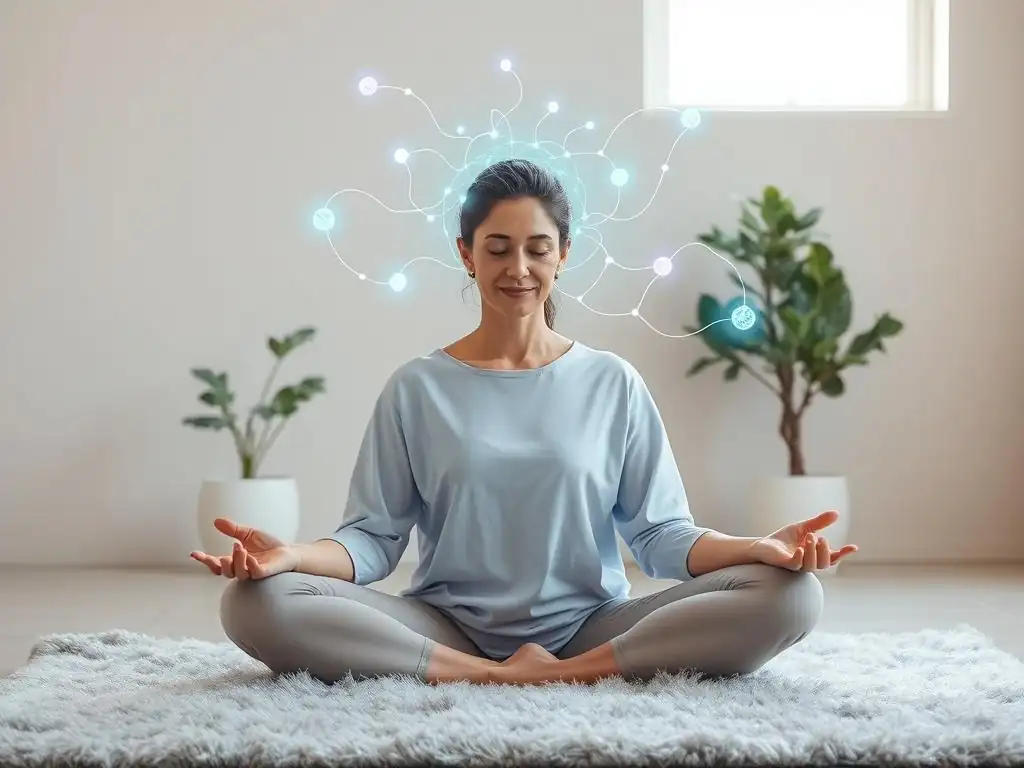
Consistent engagement in self-care is not a quick fix but an ongoing practice that yields cumulative, long-term benefits for brain structure, function, and overall mental health. Just as consistent physical exercise strengthens muscles and the cardiovascular system, consistent self-care strengthens the neural pathways associated with resilience, emotional regulation, and calmness. The brain's neuroplasticity means that these positive changes become more entrenched over time, creating a positive feedback loop where self-care becomes easier and its benefits become more profound.
The Cumulative Effect of Self-Care on Brain Structure and Function: Improved Cognitive Function
Over months and years, regular self-care practices lead to measurable and significant changes in the brain. As mentioned, mindfulness can increase gray matter in the hippocampus and prefrontal cortex. Regular aerobic exercise promotes neurogenesis and improves connectivity between different brain regions. Consistent quality sleep supports optimal neuronal health and function. These cumulative structural and functional changes translate into improved cognitive function, including better focus, enhanced memory, improved problem-solving skills, and greater mental clarity. Sustained self-care builds a brain that is not only calmer but also more efficient and capable.
Building Resilience Through Consistent Self-Care Practices: Increased Emotional Regulation
One of the most significant long-term benefits of consistent self-care is the development of increased resilience. Resilience is the ability to bounce back from adversity, cope with stress, and adapt to challenging circumstances. Self-care practices, by strengthening the prefrontal cortex and regulating the amygdala and HPA axis, improve your capacity for emotional regulation.
You become less reactive to stressors and better able to manage difficult emotions without becoming overwhelmed. This enhanced emotional control is a direct outcome of how consistent selfcare rewires brain calmness and stress response systems, allowing you to navigate life's inevitable challenges with greater ease and stability.
Maintaining a Self-Care Routine for Lifelong Mental Wellbeing: Relapse Prevention Strategies
Maintaining a self-care routine is key to sustaining long-term brain calmness and mental wellbeing. Think of it like maintaining physical health – it requires ongoing effort. Developing relapse prevention strategies can help you stay on track. This involves identifying potential triggers that might disrupt your routine (e.g., increased work stress, illness, social events) and planning how you will navigate them.
It also includes building flexibility into your plan; life happens, and it's okay if you miss a day or two. The key is not perfection, but consistency over time. Having a support system, regularly reviewing and adjusting your self-care plan, and practicing self-compassion when you stumble are all vital components of maintaining a lifelong commitment to the practices that ensure selfcare rewires brain calmness for lasting benefit.
Advanced Self-Care Techniques for Deep Brain Rewiring
Neurofeedback and Self-Care: A Technological Approach to Calmness
Neurofeedback, also known as EEG biofeedback, is an advanced technique that allows individuals to train their brainwave activity. Sensors are placed on the scalp to measure electrical activity in different brain regions. This activity is then displayed in real-time (often as a video game or auditory signal) to the individual.
The goal is to teach the brain to produce more desirable brainwave patterns (e.g., increasing alpha or theta waves associated with relaxation and focus, while decreasing high-beta waves associated with anxiety). By providing this immediate feedback, the brain learns to self-regulate its activity. While typically administered by trained professionals, it represents a fascinating technological extension of self-care, directly targeting the brain's electrical patterns to promote calmness.
Heart Rate Variability (HRV) Biofeedback: Enhancing Emotional Regulation
Heart Rate Variability (HRV) Biofeedback is another advanced self-care technique focusing on the physiological connection between the heart and the brain. HRV is the natural variation in the time interval between heartbeats. A higher, more regular HRV is generally associated with better emotional regulation and resilience to stress, indicating a well-functioning autonomic nervous system.
HRV biofeedback involves using a sensor (often clipped to a finger or earlobe) to monitor HRV and then teaching the individual breathing techniques or mental exercises designed to increase HRV. By consciously influencing heart rhythm patterns, individuals learn to shift their nervous system towards a more balanced state, directly enhancing their ability to manage stress and promoting a state where selfcare rewires brain calmness through physiological control.
Integrating Advanced Techniques into a Holistic Self-Care Approach
While mindfulness, exercise, sleep, and nutrition form the foundation of self-care for brain health, advanced techniques like neurofeedback and HRV biofeedback can be powerful additions for individuals seeking deeper self-regulation or struggling with specific challenges like anxiety or PTSD. These techniques are not typically standalone solutions but are most effective when integrated into a broader, holistic self-care approach.
They offer specific tools to target physiological and neurological patterns, complementing the benefits gained from lifestyle-based practices. Combining these methods—for instance, using HRV biofeedback to enhance meditation practice or using neurofeedback to support improved sleep—can accelerate the process by which selfcare rewires brain calmness, offering sophisticated pathways to enhance mental wellbeing and resilience.
Frequently Asked Questions
How does self-care actually rewire the brain for calmness?
Self-care practices stimulate the release of neurotransmitters like dopamine and serotonin, which promote feelings of pleasure and well-being. This repeated activation of positive neural pathways strengthens them, making calmness more accessible.
What specific types of self-care activities are most effective for promoting brain calmness?
Activities that engage the parasympathetic nervous system, such as mindfulness meditation, deep breathing exercises, and spending time in nature, are particularly effective. These help reduce stress hormones and promote relaxation.
How long does it typically take to experience the brain-calming benefits of consistent self-care?
While some immediate relief is possible, it generally takes consistent practice over several weeks or months to notice significant and lasting changes in brain function and overall calmness. Regularity is key.
What role does neuroplasticity play in the process of self-care rewiring the brain?
Neuroplasticity is the brain's ability to reorganize itself by forming new neural connections throughout life. Self-care promotes positive neuroplastic changes, strengthening pathways associated with calmness and resilience.
Can self-care completely eliminate feelings of anxiety or stress, or is it more about management?
While self-care can significantly reduce anxiety and stress, it's often about effective management rather than complete elimination. It provides tools and strategies to cope with challenges and build resilience.
Final Reflection: Rewiring Your Brain for a Calmer You
The science of self-care isn't just a trendy buzzword; it's a revolutionary approach to mental well-being, offering a tangible pathway to a calmer, more resilient you. Understanding how self-care practices literally reshape our brain's neural pathways provides a powerful antidote to the relentless pressures of modern life. This knowledge empowers us to actively cultivate inner peace, rather than passively waiting for it to arrive.
The impact of prioritizing self-care extends far beyond individual well-being; it ripples outwards, influencing our relationships, productivity, and even our societal fabric. A culture that values self-care fosters empathy, resilience, and a greater capacity for compassion. As the Dalai Lama wisely stated, The purpose of our lives is to be happy. But to be happy we must be healthy.
This simple truth underscores the profound interconnectedness of physical and mental health, and the crucial role self-care plays in achieving both.
Now, consider your own life. What small, consistent acts of self-care can you integrate into your daily routine? Perhaps it's a mindful walk in nature, a few minutes of deep breathing, or simply setting aside time for a beloved hobby. Don't underestimate the power of these seemingly small choices; they are the building blocks of a calmer, more fulfilling life. Begin today, and watch as your brain, and your life, are rewired for lasting peace.
Unlock Your Inner Calm: Start Rewiring Your Brain Today!
Thank you for taking the time to explore the science behind self-care! We hope you gained valuable insights into how nurturing yourself can lead to a calmer, more resilient you. Now it's time to put this knowledge into action.
- Prioritize one self-care practice: Choose just one activity from the article that resonates with you—a calming walk, mindful breathing, or a relaxing bath—and schedule it into your day. Make it a non-negotiable appointment with yourself.
- Share your journey: Tell a friend or family member about your chosen self-care practice. Sharing your commitment can help you stay accountable and inspire others to prioritize their well-being.
- Explore our community: (Optional – remove if no community exists) Join our forum to connect with others on their self-care journeys, share tips, and find support.
What small step will you take today to begin rewiring your brain for calm?