
Your AntiInflammatory Kitchen: Essential Foods for a Happier Brain

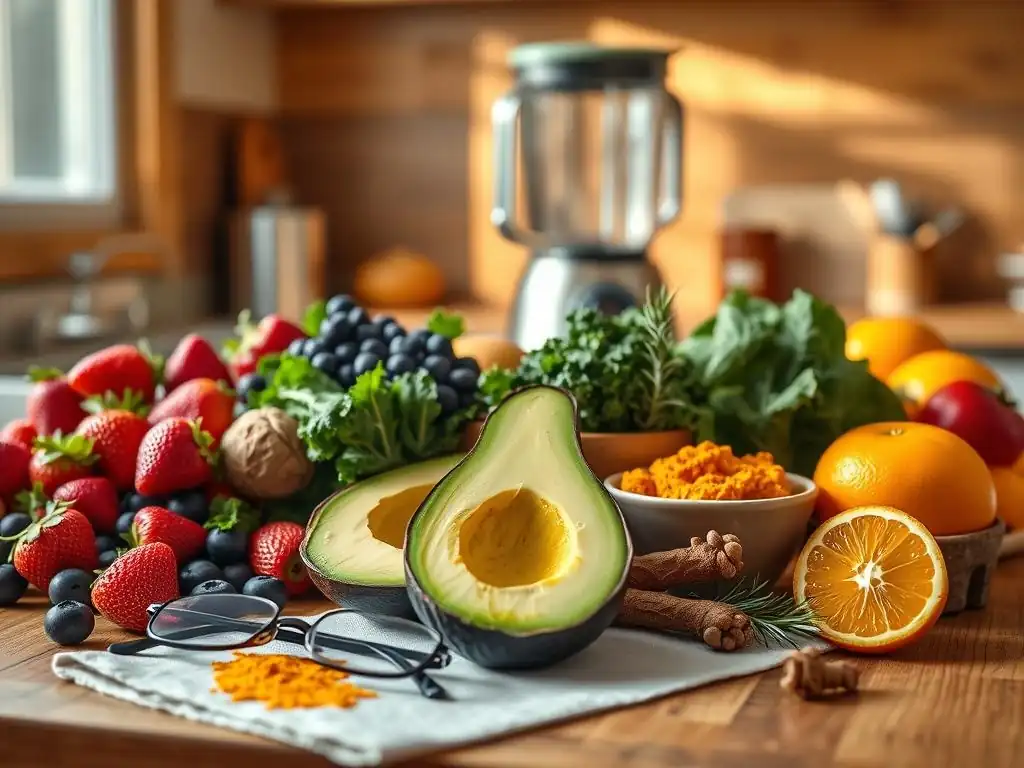
Welcome to Mind Care Guide, your sanctuary for nurturing mental well-being.
Are you ready to unlock the power of your plate for a brighter mind? We understand the struggles that come with navigating mental health, and we're here to offer guidance and support. In this article, we delve into the fascinating connection between diet and mood, exploring how antiinflammatory foods brain health can be a game-changer. Curious to discover how simple dietary changes can positively impact your mental landscape? Let's embark on this journey together.
- Your AntiInflammatory Kitchen: Essential Foods for a Happier Brain - Mind Care Guide
-
Essential Anti-Inflammatory Foods for Brain Health
- Leafy Green Vegetables: A Brain-Boosting Powerhouse
- Fatty Fish: Omega-3s for Optimal Brain Function
- Berries: Antioxidant-Rich Protection for Your Brain
- Nuts and Seeds: Healthy Fats and Nutrients for Cognitive Health
- Olive Oil: A Key Ingredient for Brain Health
- Turmeric: The Power of Curcumin for Brain Inflammation
- Dark Chocolate: Flavonoids and Brain Protection
- Building Your Anti-Inflammatory Kitchen: A Practical Guide
- Lifestyle Factors Complementing Your Anti-Inflammatory Diet
- Conclusion: Nurturing Your Brain with Anti-Inflammatory Foods
-
Frequently Asked Questions
- What is the connection between anti-inflammatory foods and brain health?
- Which specific foods are considered "anti-inflammatory" and beneficial for brain health?
- How often should I incorporate anti-inflammatory foods into my diet for noticeable brain health benefits?
- Can dietary changes alone address serious mental health conditions?
- Where can I find more information and resources about anti-inflammatory diets and brain health?
- Final Reflection: Nourishing the Mind, One Bite at a Time
- Unlock Your Brain's Potential: Fuel Your Mind with Anti-Inflammatory Power!
Your AntiInflammatory Kitchen: Essential Foods for a Happier Brain - Mind Care Guide
The Connection Between Inflammation and Mental Wellbeing
Chronic inflammation, a prolonged immune response within the body, is increasingly recognized as a significant factor influencing mental health. While acute inflammation is a necessary process for healing injuries and fighting infections, when it persists, it can affect various systems, including the brain. Research suggests that elevated levels of inflammatory markers, such as C-reactive protein (CRP) and pro-inflammatory cytokines like IL-6 and TNF-alpha, are often observed in individuals experiencing conditions like depression, anxiety, and cognitive decline. This systemic inflammation can cross the blood-brain barrier, directly impacting neural pathways and neurotransmitter function, potentially disrupting mood regulation and cognitive processes.
The brain, despite making up only about 2% of body weight, consumes a disproportionately high amount of energy and is sensitive to inflammatory signals. Neuroinflammation, inflammation specifically within the brain and spinal cord, can damage neurons and glial cells, impairing communication between brain regions. This can manifest as symptoms ranging from brain fog and fatigue to more severe psychiatric symptoms. An anti-inflammatory diet aims to mitigate this chronic inflammation throughout the body, thereby supporting a healthier environment for optimal brain function and mental well-being. Focusing on antiinflammatory foods brain health is a proactive step in this direction.
How Anti-Inflammatory Foods Support Cognitive Function
Anti-inflammatory foods are rich in compounds like antioxidants, omega-3 fatty acids, vitamins, and minerals that work synergistically to combat inflammation at a cellular level. Antioxidants, for instance, neutralize harmful free radicals that can cause oxidative stress, a key driver of inflammation and cellular damage, including in brain cells. Omega-3 fatty acids, particularly DHA (docosahexaenoic acid), are structural components of brain cell membranes and possess potent anti-inflammatory properties, helping to regulate the inflammatory response in the brain.
Furthermore, these beneficial foods provide essential nutrients that support neurotransmitter production, improve blood flow to the brain, and promote neurogenesis (the growth of new neurons). By reducing systemic and neuroinflammation, an anti-inflammatory diet helps protect against neuronal damage and supports the integrity of brain structures crucial for learning, memory, and mood regulation. Embracing antiinflammatory foods brain health can therefore be a powerful strategy for maintaining cognitive sharpness and emotional resilience over the long term.
Essential Anti-Inflammatory Foods for Brain Health
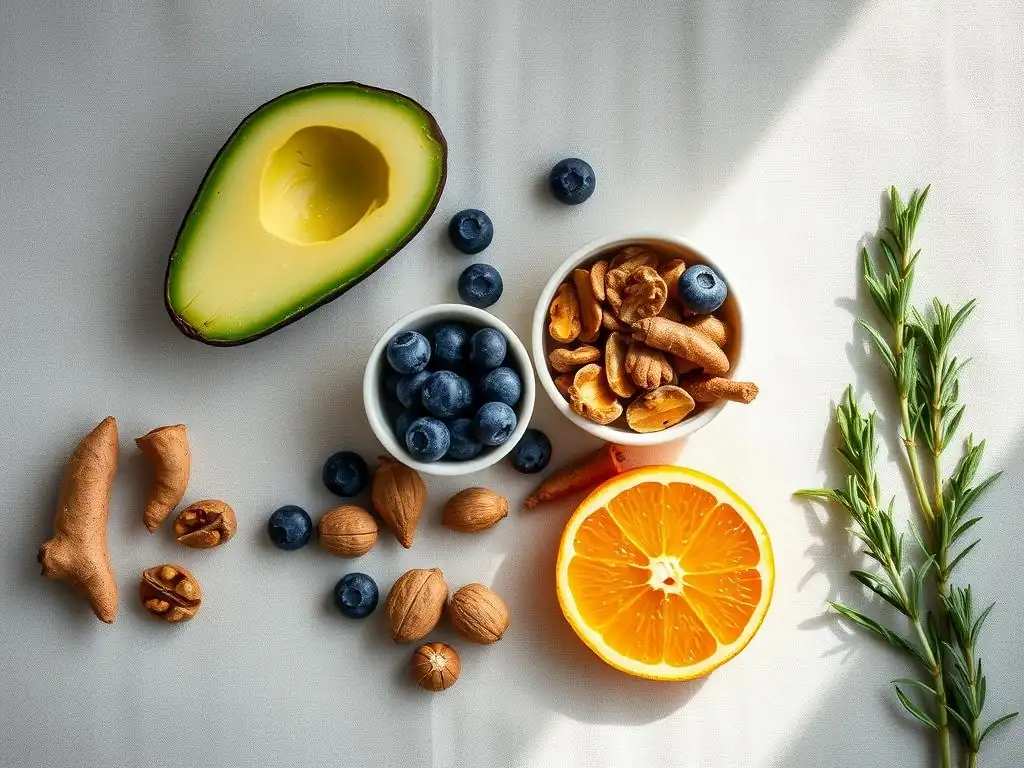
Leafy Green Vegetables: A Brain-Boosting Powerhouse
Leafy green vegetables like spinach, kale, collard greens, and romaine lettuce are nutritional powerhouses packed with vitamins, minerals, and phytonutrients known for their anti-inflammatory effects. They are particularly rich in vitamin K, lutein, folate, and beta-carotene, compounds linked to slower cognitive decline. For example, a study published in Neurology involving over 950 older adults found that those who ate about one serving of leafy greens per day showed a cognitive age 11 years younger than those who ate none. This highlights the significant protective effect these vegetables can have on brain health.
The high levels of antioxidants and anti-inflammatory compounds in leafy greens help protect brain cells from damage caused by inflammation and oxidative stress. Folate, a B vitamin abundant in greens, is crucial for neurological function and helps reduce levels of homocysteine, an amino acid that, when elevated, is associated with increased risk of cognitive impairment and inflammation. Incorporating a variety of leafy greens into your daily meals is a simple yet effective way to boost your intake of these vital nutrients and support antiinflammatory foods brain health goals.
Benefits of Spinach, Kale, and Other Leafy Greens for Brain Inflammation
Spinach is an excellent source of folate, vitamin K, and antioxidants like alpha-lipoic acid, which has been studied for its potential role in reducing inflammation and improving nerve function. Kale is renowned for its high concentration of vitamins A, C, and K, as well as powerful antioxidants like quercetin and kaempferol, which have demonstrated anti-inflammatory effects in various studies. Collard greens offer a good source of calcium and vitamins A, C, and K, contributing to overall cellular health and reducing inflammatory markers.
Beyond specific nutrients, the fiber content in leafy greens supports a healthy gut microbiome, which is increasingly linked to brain health and reduced systemic inflammation. A balanced gut flora can influence the production of short-chain fatty acids (SCFAs), some of which have anti-inflammatory properties and can cross the blood-brain barrier. Regularly consuming a diverse range of leafy greens provides a broad spectrum of nutrients that work together to combat inflammation and support optimal cognitive function, making them cornerstone antiinflammatory foods brain health champions.
Fatty Fish: Omega-3s for Optimal Brain Function
Fatty fish are perhaps the most well-known source of the long-chain omega-3 fatty acids EPA (eicosapentaenoic acid) and DHA (docosahexaenoic acid), which are critical for brain structure and function. DHA, in particular, is a major structural component of brain cell membranes, making up about 10-20% of the total lipid content in the cerebral cortex. These omega-3s play a vital role in reducing inflammation throughout the body, including the brain, by influencing the production of signaling molecules called eicosanoids.
Studies consistently show a link between higher consumption of fatty fish or higher blood levels of omega-3s and a reduced risk of cognitive decline, dementia, and depression. For instance, research suggests that regular intake of omega-3s can help lower levels of amyloid-beta plaques in the brain, which are implicated in Alzheimer's disease. Including fatty fish in your diet a couple of times a week is a highly effective way to provide your brain with these essential anti-inflammatory fats and support overall brain health and cognitive function.
Salmon, Mackerel, and Sardines: Rich Sources of Anti-Inflammatory Omega-3s
Salmon is celebrated for its abundant omega-3 content, with a typical 3-ounce serving of wild-caught salmon containing roughly 1.2 to 1.8 grams of combined EPA and DHA. Farmed salmon also provides omega-3s but may have a different fatty acid profile depending on its feed. Mackerel is another excellent source, often providing even higher amounts of omega-3s per serving than salmon, alongside vitamin D and selenium. Sardines, small and often more affordable, are packed with omega-3s, calcium, and vitamin D, offering significant nutritional value.
These fish are not only rich in anti-inflammatory omega-3s but also provide high-quality protein, B vitamins, and minerals like selenium, all of which contribute to brain health. Choosing smaller fish like sardines and mackerel can also help minimize exposure to potential environmental toxins like mercury, which can be a concern with larger predatory fish. Prioritizing these fatty fish as part of your dietary pattern is a powerful way to leverage antiinflammatory foods brain health benefits.
Berries: Antioxidant-Rich Protection for Your Brain
Berries, including blueberries, strawberries, raspberries, and blackberries, are vibrant fruits loaded with antioxidants, particularly flavonoids like anthocyanins, which give them their deep colors. These powerful compounds are known to cross the blood-brain barrier and accumulate in brain regions associated with learning and memory, where they can exert their protective effects. Antioxidants in berries help combat oxidative stress, a process where unstable molecules called free radicals damage cells, contributing to inflammation and cellular aging in the brain.
Research indicates that regular berry consumption is associated with improved cognitive function and reduced cognitive decline in older adults. For example, studies have shown that the anthocyanins in blueberries can enhance communication between brain cells and stimulate the growth of new neurons. Including a variety of colorful berries in your diet provides a diverse array of antioxidants and anti-inflammatory compounds, making them delicious and effective antiinflammatory foods brain health allies.
Blueberries, Strawberries, and Raspberries: Fighting Oxidative Stress and Inflammation
Blueberries are often hailed as a top brain food due to their exceptionally high levels of anthocyanins. These compounds have been shown to improve memory and cognitive performance in human studies. Strawberries are rich in vitamin C, another potent antioxidant, and contain flavonoids like pelargonidin. Research suggests that higher strawberry intake is linked to lower levels of inflammatory markers. Raspberries provide ellagic acid, an antioxidant with anti-inflammatory properties, along with fiber and vitamin C.
Consuming a mix of these berries ensures a broad spectrum of beneficial compounds. They can be easily incorporated into breakfast cereals, smoothies, salads, or enjoyed as a simple snack. Their natural sweetness makes them a healthier alternative to processed sugary foods, which can promote inflammation. Adding a daily serving of mixed berries is a simple step towards incorporating more antiinflammatory foods brain health support into your diet.
Nuts and Seeds: Healthy Fats and Nutrients for Cognitive Health
Nuts and seeds are excellent sources of healthy fats, protein, fiber, vitamins, and minerals that support brain function and help reduce inflammation. They provide monounsaturated and polyunsaturated fats, including some omega-3 fatty acids (particularly in walnuts, chia seeds, and flaxseeds), as well as vitamin E, a potent antioxidant that protects brain cell membranes from oxidative damage. Minerals like magnesium, zinc, and selenium found in nuts and seeds are also crucial for nerve signaling and cognitive processes.
Regular consumption of nuts has been associated with better cognitive performance and a reduced risk of age-related cognitive decline. For instance, studies have shown that individuals who regularly eat nuts tend to score higher on cognitive tests. Their combination of healthy fats, fiber, and protein helps stabilize blood sugar levels, preventing inflammatory spikes that can negatively impact brain function. Incorporating a handful of nuts or seeds into your daily routine is a simple way to boost your intake of these beneficial antiinflammatory foods brain health essentials.
Walnuts, Almonds, Chia Seeds, and Flaxseeds: Fueling Your Brain with Essential Nutrients
Walnuts are unique among nuts for their high content of alpha-linolenic acid (ALA), a plant-based omega-3 fatty acid. ALA is converted to EPA and DHA in the body, although the conversion rate is relatively low, it still contributes to the overall omega-3 intake. Walnuts also provide antioxidants and other compounds that may protect against oxidative damage and inflammation in the brain. Almonds are rich in vitamin E, magnesium, and fiber, all supporting brain health.
Chia seeds and flaxseeds are outstanding sources of ALA omega-3s and fiber. These seeds form a gel-like consistency when mixed with liquid, which can aid digestion and nutrient absorption. They are also good sources of antioxidants and minerals. Grinding flaxseeds before consumption is recommended to maximize the absorption of their beneficial compounds. Including a variety of these nuts and seeds provides a diverse profile of nutrients that fuel cognitive function and contribute to an anti-inflammatory diet for brain health.
Olive Oil: A Key Ingredient for Brain Health
Olive oil, particularly extra virgin olive oil, is a cornerstone of the Mediterranean diet, a dietary pattern consistently linked to better cognitive function and a reduced risk of neurodegenerative diseases. Its primary benefit comes from its high concentration of monounsaturated fats, especially oleic acid, and powerful antioxidants called polyphenols. These compounds work together to reduce inflammation throughout the body and protect brain cells from oxidative damage.
Polyphenols in extra virgin olive oil, such as oleocanthal, have anti-inflammatory properties similar to non-steroidal anti-inflammatory drugs (NSAIDs), although much milder. Studies have shown that consuming extra virgin olive oil can improve learning and memory and help clear amyloid-beta plaques in animal models of Alzheimer's disease. Choosing high-quality extra virgin olive oil, which retains more of its beneficial polyphenols due to minimal processing, is key to maximizing its anti-inflammatory and brain-protective effects.
Extra Virgin Olive Oil: Its Anti-Inflammatory Properties and Benefits
Extra virgin olive oil (EVOO) is produced by cold-pressing olives, a process that preserves the oil's natural antioxidants and polyphenols. These compounds are responsible for many of EVOO's health benefits, including its potent anti-inflammatory action. Oleocanthal, one specific polyphenol in EVOO, has been shown to inhibit enzymes involved in inflammation, similar to how ibuprofen works. Other polyphenols like hydroxytyrosol also contribute to its antioxidant and anti-inflammatory profile.
Regularly using EVOO as your primary cooking oil, in salad dressings, or drizzled over foods is an effective way to incorporate its benefits into your diet. Its healthy fats and antioxidants contribute to better blood flow, reduced oxidative stress, and decreased inflammation, all of which are crucial for maintaining a healthy brain and supporting cognitive function. This makes extra virgin olive oil a fundamental component of an anti-inflammatory diet for brain health.
Turmeric: The Power of Curcumin for Brain Inflammation
Turmeric, a vibrant yellow spice commonly used in Indian cuisine, contains a powerful compound called curcumin, which is responsible for most of its health benefits. Curcumin is a potent anti-inflammatory and antioxidant agent that has been extensively studied for its potential therapeutic effects on various conditions, including those affecting the brain. While curcumin makes up only a small percentage of turmeric by weight, its effects are significant.
Research suggests that curcumin can cross the blood-brain barrier and exert its anti-inflammatory effects directly within the brain. It works by inhibiting several molecules known to play major roles in inflammation. Studies have also explored curcumin's potential role in improving memory and stimulating brain-derived neurotrophic factor (BDNF), a protein that supports the survival and growth of brain cells and is crucial for learning and memory.
How Turmeric and Curcumin Can Reduce Brain Inflammation
Curcumin's anti-inflammatory power stems from its ability to block the activity of NF-κB, a protein complex that plays a key role in regulating the immune response and triggering inflammation. By inhibiting NF-κB, curcumin can reduce the production of pro-inflammatory cytokines and other inflammatory mediators in the brain. It also acts as a strong antioxidant, neutralizing free radicals that contribute to neuroinflammation and oxidative damage.
To enhance the absorption of curcumin, which is generally poor on its own, it's recommended to consume turmeric with black pepper, which contains piperine. Piperine can significantly boost curcumin bioavailability. Incorporating turmeric into your cooking, such as in curries, soups, or golden milk, or considering a high-quality curcumin supplement (often combined with piperine) can be effective ways to harness the anti-inflammatory benefits of this potent spice for antiinflammatory foods brain health.
Dark Chocolate: Flavonoids and Brain Protection
Good news for chocolate lovers: dark chocolate, specifically varieties with 70% cacao or higher, can be a beneficial addition to an anti-inflammatory diet for brain health. Dark chocolate is rich in flavonoids, a type of antioxidant found in plants. Cocoa flavonoids, such as epicatechin, are particularly noted for their potential positive effects on the brain. They possess antioxidant and anti-inflammatory properties and are thought to improve blood flow to the brain.
Studies have shown that consuming dark chocolate or cocoa products can improve cognitive performance, including memory, attention, and processing speed. The flavonoids are believed to protect neurons from oxidative damage and inflammation and may stimulate the production of neurotrophic factors. While it should be consumed in moderation due to its calorie content, a small piece of high-cacao dark chocolate can offer a delicious way to support your brain health.
Benefits of Dark Chocolate (70% Cacao or Higher) for Cognitive Function
The high concentration of flavonoids in dark chocolate (especially above 70% cacao) contributes to its brain-boosting effects. These flavonoids can improve blood flow to the brain by promoting the production of nitric oxide, which helps relax blood vessels. Better blood flow ensures that brain cells receive adequate oxygen and nutrients. Furthermore, the antioxidant and anti-inflammatory properties of cocoa flavonoids help protect brain cells from damage and reduce neuroinflammation.
It's important to choose dark chocolate with a high percentage of cacao and low sugar content to maximize the benefits and minimize potential negative effects of added sugar. Look for labels indicating 70% cacao or higher. Enjoying a small portion, perhaps 1 ounce (about 28 grams), a few times a week can be a pleasant way to incorporate this brain-friendly treat into your routine. Remember, moderation is key, but this makes for a delightful addition to the list of antiinflammatory foods brain health champions.
Building Your Anti-Inflammatory Kitchen: A Practical Guide
Stocking Your Pantry with Anti-Inflammatory Staples
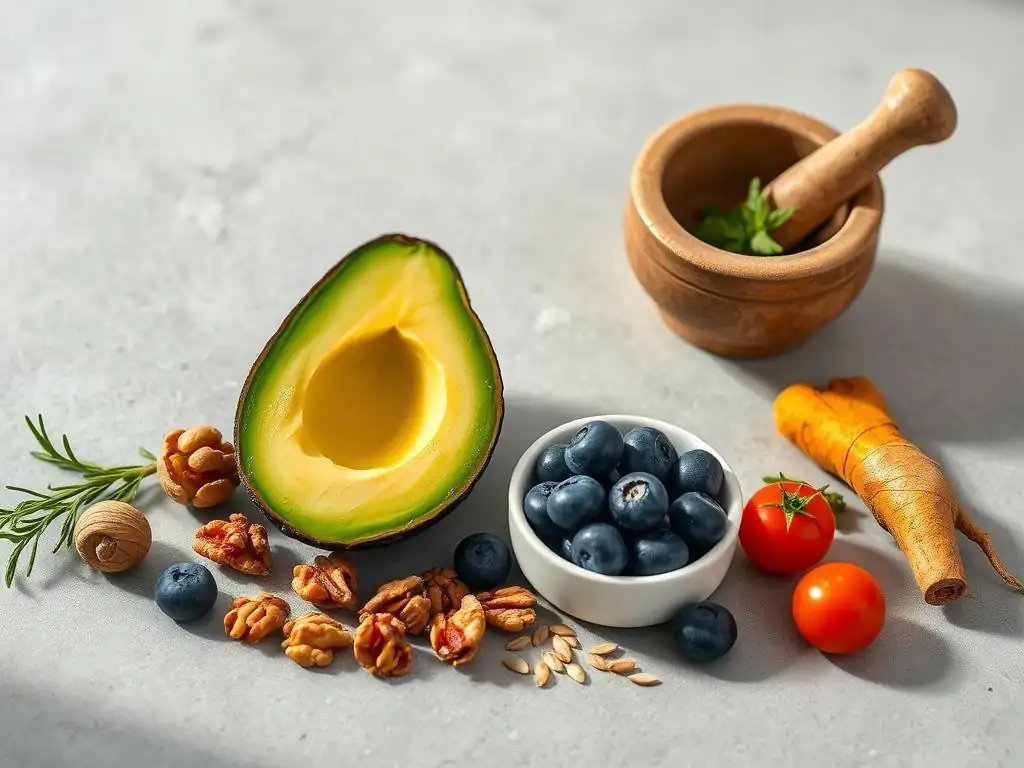
Creating an anti-inflammatory kitchen doesn't require a complete overhaul overnight, but rather a gradual stocking of key ingredients. Focus on filling your pantry, fridge, and freezer with the foods discussed above.
- [ ] Pantry: Extra virgin olive oil, walnuts, almonds, chia seeds, flaxseeds, turmeric, black pepper, cinnamon, ginger, whole grains (oats, quinoa), legumes (lentils, beans), green tea.
- [ ] Fridge: Leafy greens (spinach, kale, romaine), colorful vegetables (broccoli, bell peppers, carrots), fruits (berries, avocados, oranges), plain yogurt (probiotic-rich).
- [ ] Freezer: Frozen berries, frozen vegetables, fatty fish fillets (salmon, mackerel, sardines).
Having these staples readily available makes it much easier to prepare anti-inflammatory meals and snacks. Consider buying in bulk for non-perishables like nuts, seeds, and grains if you use them frequently.
Recipe Ideas: Incorporating Anti-Inflammatory Foods into Your Diet
Integrating these foods into your daily meals can be both simple and delicious. Start by swapping inflammatory ingredients for anti-inflammatory ones – for instance, use olive oil instead of vegetable oils high in omega-6 fats, or add a handful of spinach to your morning smoothie.
Here are a few ideas:
- Breakfast: Oatmeal topped with berries, walnuts, chia seeds, and a sprinkle of cinnamon. Scrambled eggs with sautéed spinach and mushrooms cooked in olive oil.
- Lunch: Large salad with mixed greens, grilled salmon or sardines, colorful vegetables, avocado, and an olive oil-based dressing. Lentil soup with added turmeric and ginger.
- Dinner: Baked salmon with roasted broccoli and quinoa. Chicken stir-fry with plenty of colorful vegetables, ginger, and turmeric, served with brown rice.
- Snacks: A handful of almonds or walnuts, a small bowl of mixed berries, plain yogurt with berries and seeds, dark chocolate (70%+ cacao).
Experiment with different combinations and find recipes that you enjoy. Making small, consistent changes is more sustainable than aiming for perfection immediately.
Sample Anti-Inflammatory Meal Plan for Brain Health
This is a flexible example; adjust portion sizes and specific foods based on your needs and preferences.
- Monday:
- Breakfast: Oatmeal with blueberries, walnuts, and chia seeds.
- Lunch: Spinach salad with chickpeas, cucumber, bell peppers, and olive oil dressing.
- Dinner: Baked salmon with roasted asparagus and quinoa.
- Tuesday:
- Breakfast: Smoothie with kale, berries, flaxseeds, and plant-based milk.
- Lunch: Leftover baked salmon and quinoa.
- Dinner: Lentil soup with a side of steamed broccoli.
- Wednesday:
- Breakfast: Scrambled eggs with spinach and a side of sliced avocado.
- Lunch: Tuna (packed in olive oil) salad with mixed greens and tomatoes.
- Dinner: Chicken breast stir-fry with mixed vegetables, ginger, and turmeric, served with brown rice.
- Thursday:
- Breakfast: Plain yogurt with raspberries, almonds, and a drizzle of honey.
- Lunch: Leftover chicken stir-fry and brown rice.
- Dinner: Sardines on whole-grain toast with a side salad.
- Friday:
- Breakfast: Oatmeal with strawberries and walnuts.
- Lunch: Large salad with grilled chicken or beans, mixed greens, and olive oil dressing.
- Dinner: Homemade vegetable curry with turmeric and coconut milk, served with quinoa.
- Weekend: More flexibility, focusing on incorporating fatty fish, plenty of vegetables, and berries into meals.
Remember to stay hydrated throughout the day, primarily with water.
Tips for Maintaining an Anti-Inflammatory Diet Long-Term
Consistency is key when aiming for the long-term benefits of an anti-inflammatory diet for brain health. Instead of viewing it as a restrictive diet, think of it as a sustainable lifestyle change focused on nourishing your body and brain.
- Plan Ahead: Meal prepping or planning your meals for the week can help you stick to your goals and avoid last-minute unhealthy choices.
- Focus on Addition, Not Just Restriction: Instead of dwelling on foods to avoid, focus on incorporating more anti-inflammatory foods into your existing meals. Add spinach to everything, sprinkle seeds on salads, snack on berries.
- Educate Yourself: Learn about the foods that benefit you and why. Understanding the connection between antiinflammatory foods brain health can be highly motivating.
- Be Patient: Dietary changes take time to show effects. Focus on how you feel – increased energy, better mood, improved digestion – as indicators of progress.
- Allow Flexibility: It's okay to enjoy occasional treats that aren't strictly anti-inflammatory. The goal is progress, not perfection. Aim for an 80/20 rule – 80% anti-inflammatory foods, 20% flexibility.
- Stay Hydrated: Water is essential for all bodily functions, including brain health.
Lifestyle Factors Complementing Your Anti-Inflammatory Diet
Diet is a powerful tool for managing inflammation, but it's part of a larger picture. Several lifestyle factors work synergistically with an anti-inflammatory diet to support optimal brain health and mental well-being. Incorporating these habits alongside your focus on antiinflammatory foods brain health can significantly enhance the positive outcomes.
The Importance of Exercise for Reducing Inflammation
Regular physical activity is a potent anti-inflammatory intervention. Exercise helps reduce levels of pro-inflammatory markers in the body and increases the production of anti-inflammatory compounds. It also improves circulation, which is beneficial for delivering oxygen and nutrients to the brain.
Studies show that both aerobic exercise (like walking, running, or swimming) and resistance training can help lower systemic inflammation. Aim for at least 150 minutes of moderate-intensity or 75 minutes of vigorous-intensity exercise per week, as recommended by health guidelines. Even incorporating more movement throughout the day, like taking the stairs or going for short walks, can contribute to reducing inflammation and supporting overall health, including brain health.
Stress Management Techniques for Brain Health
Chronic stress is a major contributor to inflammation. When you're stressed, your body releases hormones like cortisol, which, in excess and over long periods, can promote inflammation and negatively impact brain function and structure. Finding effective ways to manage stress is crucial for reducing this inflammatory burden.
Techniques such as mindfulness meditation, deep breathing exercises, yoga, spending time in nature, engaging in hobbies, or talking to a therapist can help regulate the stress response. Regularly practicing stress management can lower cortisol levels, reduce inflammation, and create a more supportive environment for brain health. Pairing stress reduction with an anti-inflammatory diet amplifies the protective effects on your cognitive and mental well-being.
The Role of Sleep in Reducing Inflammation and Supporting Cognitive Function
Sleep is a critical period for the body and brain to repair and regenerate. During sleep, the brain clears out metabolic waste products that accumulate during the day, including those associated with inflammation. Chronic sleep deprivation, defined as consistently getting less than 7-9 hours of quality sleep per night, is linked to increased levels of inflammatory markers.
Poor sleep can impair cognitive functions like memory, attention, and decision-making. Prioritizing sufficient, restorative sleep helps regulate the body's inflammatory response and supports brain health. Establishing a regular sleep schedule, creating a relaxing bedtime routine, and ensuring your sleep environment is dark, quiet, and cool can improve sleep quality. Just as antiinflammatory foods brain health are essential, so too is adequate rest.
Conclusion: Nurturing Your Brain with Anti-Inflammatory Foods
The Long-Term Benefits of an Anti-Inflammatory Diet for Mental Well-being
Adopting an anti-inflammatory diet focused on nutrient-dense whole foods is a powerful, proactive strategy for supporting both physical and mental well-being over the long term. By consistently choosing foods rich in antioxidants, omega-3s, vitamins, and minerals – such as leafy greens, fatty fish, berries, nuts, seeds, olive oil, and turmeric – you actively work to reduce chronic inflammation, a key contributor to many health challenges, including those affecting the brain.
The long-term benefits extend beyond just cognitive function, positively influencing mood, energy levels, and overall resilience. While dietary changes are not a cure-all, they provide a fundamental foundation for a healthier brain and a happier mind. This approach aligns with the growing understanding of the interconnectedness of diet, inflammation, and mental health, empowering individuals to take tangible steps towards enhancing their well-being through their daily food choices. Embracing antiinflammatory foods brain health is an investment in your future.
Resources for Further Learning About Anti-Inflammatory Diets and Brain Health
To delve deeper into the science and practical application of an anti-inflammatory diet for brain health, consider exploring resources from reputable organizations. Many universities and health institutions publish guides and research summaries on this topic. Additionally, registered dietitians specializing in neurological health or inflammatory conditions can provide personalized guidance. Look for cookbooks or websites that offer recipes specifically tailored to an anti-inflammatory eating pattern, making it easier to integrate these principles into your daily life. Continuous learning and practical application are key to sustaining this beneficial lifestyle.
Frequently Asked Questions
What is the connection between anti-inflammatory foods and brain health?
Inflammation in the body can negatively impact the brain. Anti-inflammatory foods can help reduce this inflammation, potentially leading to improved cognitive function and overall mental well-being.
Which specific foods are considered "anti-inflammatory" and beneficial for brain health?
Foods rich in omega-3 fatty acids, such as fatty fish, as well as colorful fruits and vegetables containing antioxidants are highly beneficial. Spices like turmeric and ginger also possess potent anti-inflammatory properties.
How often should I incorporate anti-inflammatory foods into my diet for noticeable brain health benefits?
Aim for consistent inclusion in your daily diet. Regular consumption of anti-inflammatory foods over time is more likely to yield positive and lasting effects on brain health.
Can dietary changes alone address serious mental health conditions?
While an anti-inflammatory diet can support brain health, it's crucial to remember it's not a cure-all. It should be considered part of a holistic approach alongside professional mental health care, therapy, and medication if needed.
Where can I find more information and resources about anti-inflammatory diets and brain health?
The Mind Care Guide website offers a comprehensive range of articles, support resources, and information related to mental well-being, including the link between anti-inflammatory foods and cognitive function.
Final Reflection: Nourishing the Mind, One Bite at a Time
The connection between what we eat and the health of our brains is undeniable, and the power of an anti-inflammatory diet to improve cognitive function is increasingly recognized as a crucial factor in overall well-being. This isn't just about avoiding illness; it's about actively cultivating a sharper mind, enhanced mood, and a brighter future. The foods we choose are not merely fuel; they are the building blocks of our mental landscape.
The journey towards a healthier brain through dietary choices is a deeply personal one, a testament to the intricate relationship between our bodies and the world around us. It's about understanding the subtle ways inflammation can impact our cognitive abilities, from memory and focus to mood regulation and even our risk of neurodegenerative diseases. The food you eat can be either the safest and most powerful form of medicine or the slowest form of poison.
– Ann Wigmore. This quote underscores the profound impact of our dietary choices, reminding us that we have the power to nurture or neglect our most precious organ.
Now, consider your own plate. What steps can you take today to incorporate more anti-inflammatory foods into your daily life? Perhaps it's adding a vibrant serving of berries to your breakfast, swapping processed snacks for a handful of almonds, or experimenting with delicious, brain-boosting recipes featuring colorful vegetables and healthy fats. This isn't about perfection; it's about progress. Start small, make conscious choices, and savor the journey towards a happier, healthier brain. Your mind will thank you for it.
Unlock Your Brain's Potential: Fuel Your Mind with Anti-Inflammatory Power!
Thanks for taking the time to explore the world of anti-inflammatory eating for better brain health! You've just learned how powerful food choices can be. Now it's time to put that knowledge into action.
Here's how to get started:
- Prioritize your plate: Start incorporating at least three new anti-inflammatory foods from the article into your meals this week. Focus on the ones that excite you most!
- Share your journey: Tell us (and your friends!) about your experience trying these new foods. What challenges did you face? What recipes worked best?
- Discover more: Explore Mind Care Guide for even more recipes and brain-boosting tips!
What's one small change you can make today to nourish your brain with delicious, anti-inflammatory goodness?