
Forest Bathing Explained: ShinrinYoku's Secrets for Stress Reduction


Welcome to Mind Care Guide, your sanctuary for cultivating inner peace and understanding.
Feeling overwhelmed? You're not alone. Discover the profound impact of nature on your mental well-being as we delve into the Forest bathing stress reduction benefits. Uncover the ancient practice of Shinrin-Yoku and learn how immersing yourself in the forest can unlock a pathway to tranquility. Ready to breathe deeper and feel lighter? Let's explore the secrets together.
Forest Bathing Explained: Shinrin-Yoku's Secrets for Stress Reduction
- Introduction to Forest Bathing and Its Stress-Reducing Power
- Forest Bathing Stress Reduction Benefits: A Deeper Dive
- The Science Behind Forest Bathing: How Nature Heals
- How to Practice Forest Bathing for Optimal Stress Relief
- Integrating Forest Bathing into Your Mental Well-being Routine
- Forest Bathing Safety and Considerations
- Conclusion: Embracing Forest Bathing for Lasting Stress Reduction
-
Frequently Asked Questions
- What exactly is forest bathing, and how does it relate to stress reduction?
- What are the specific Shinrin-Yoku techniques that contribute to stress reduction?
- What are the proven stress reduction benefits associated with regular forest bathing?
- How often should I practice forest bathing to experience noticeable stress reduction benefits?
- Are there any potential downsides or precautions to consider before trying forest bathing for stress reduction?
- Final Reflection: Reconnecting with Nature, Reclaiming Our Wellbeing
- Unlock Nature's Calm: Your Shinrin-Yoku Journey Starts Now!
Introduction to Forest Bathing and Its Stress-Reducing Power
Understanding Shinrin-Yoku: The Japanese Art of Forest Bathing
Shinrin-Yoku, often translated as "forest bathing," is a practice that originated in Japan in the 1980s. It is not about hiking or exercising, but rather about immersing oneself in the atmosphere of the forest or any natural environment using all five senses. The core principle is to simply be present in nature, allowing the natural world to soothe the mind and body. This mindful engagement with nature is considered a form of preventative healthcare and stress reduction.
This practice encourages slowing down and consciously connecting with the surroundings – noticing the sunlight filtering through leaves, the scent of pine needles, the sound of birdsong, the feel of bark, and the taste of fresh air. It's a deliberate act of disconnecting from urban stressors and technology, and reconnecting with the calming rhythms of the natural world. The goal is to achieve a state of relaxation and restoration that actively counteracts the effects of chronic stress.
The Growing Popularity of Forest Bathing for Mental Well-being
In an increasingly urbanized and digitally connected world, the concept of seeking solace and healing in nature has gained significant traction globally. As awareness of the negative impacts of stress and burnout rises, people are actively seeking accessible and effective methods for mental well-being. Forest bathing offers a powerful antidote to the constant demands of modern life, providing a tangible way to step back, breathe deeply, and find peace.
Scientific research supporting the physiological and psychological benefits of spending time in nature has further fueled the popularity of Shinrin-Yoku. Studies demonstrating its positive impact on mood, anxiety, and stress hormones resonate with individuals looking for natural ways to support their mental health. This growing body of evidence highlights the profound forest bathing stress reduction benefits, positioning it as a valuable practice within the broader landscape of holistic self-care and mental wellness strategies.
Forest Bathing Stress Reduction Benefits: A Deeper Dive
Physiological Benefits of Forest Bathing: Lowering Cortisol Levels
One of the most significant forest bathing stress reduction benefits is its observable impact on the body's stress response, particularly the reduction of cortisol levels. Cortisol is often referred to as the "stress hormone," and chronically elevated levels are linked to numerous health problems, including anxiety, depression, sleep issues, and weakened immune function. Spending time in a forest environment has been shown to directly influence the production and regulation of this hormone.
Research conducted in Japan and other countries has provided compelling data. For instance, studies comparing participants who spent time in forests versus urban areas consistently show lower salivary cortisol concentrations in the forest group. Some studies have indicated a reduction of approximately 10-15% in cortisol levels after just a few hours of forest bathing compared to control groups. This physiological effect underscores how immersing oneself in nature can actively mitigate the biological markers of stress.
Forest Bathing and Reduced Anxiety: Calming the Nervous System
Beyond hormonal changes, forest bathing has a profound calming effect on the nervous system, directly contributing to reduced feelings of anxiety. The sympathetic nervous system is responsible for the "fight or flight" response, often overactive in individuals experiencing stress and anxiety. Conversely, the parasympathetic nervous system promotes rest and digestion, facilitating a state of calm. Shinrin-Yoku helps shift the balance towards the parasympathetic state.
Engaging the senses in a peaceful natural setting helps interrupt the cycle of anxious thoughts and physiological arousal. The gentle sounds, calming visuals, and fresh air work together to quiet the mind and relax the body. Participants often report feeling more peaceful, less restless, and generally more at ease after a forest bathing session. This shift towards a more relaxed state is a key component of the forest bathing stress reduction benefits.
The Impact of Forest Bathing on Blood Pressure and Heart Rate
Chronic stress is a known contributor to cardiovascular issues, including elevated blood pressure and increased heart rate. The relaxation induced by forest bathing extends to the cardiovascular system, offering tangible benefits for heart health and stress management. Studies have measured these physiological changes during and after time spent in natural environments.
Research has shown that spending time in forests can lead to a measurable decrease in both systolic and diastolic blood pressure. Average reductions of 5-7 mmHg in systolic and 2-5 mmHg in diastolic pressure have been observed in some studies. Similarly, heart rate tends to decrease significantly, reflecting the body's shift from a stressed state to a more relaxed one. These cardiovascular effects are powerful indicators of the physiological forest bathing stress reduction benefits.
Enhanced Mood and Emotional Well-being Through Shinrin-Yoku
The mental benefits of forest bathing extend beyond simply reducing negative states like stress and anxiety; they actively promote positive emotional well-being and improve mood. Nature has an inherent ability to uplift the spirit and foster feelings of contentment and peace.
Spending time mindfully in a forest can help alleviate symptoms of depression and improve overall emotional resilience. Participants often report feeling more joyful, hopeful, and less irritable after a session. This improvement in mood is thought to be linked to a combination of factors, including the reduction in stress hormones, the calming effect on the nervous system, and the simple pleasure derived from being in a beautiful, tranquil environment. The cumulative effect contributes significantly to the overall forest bathing stress reduction benefits and a greater sense of emotional balance.
The Science Behind Forest Bathing: How Nature Heals
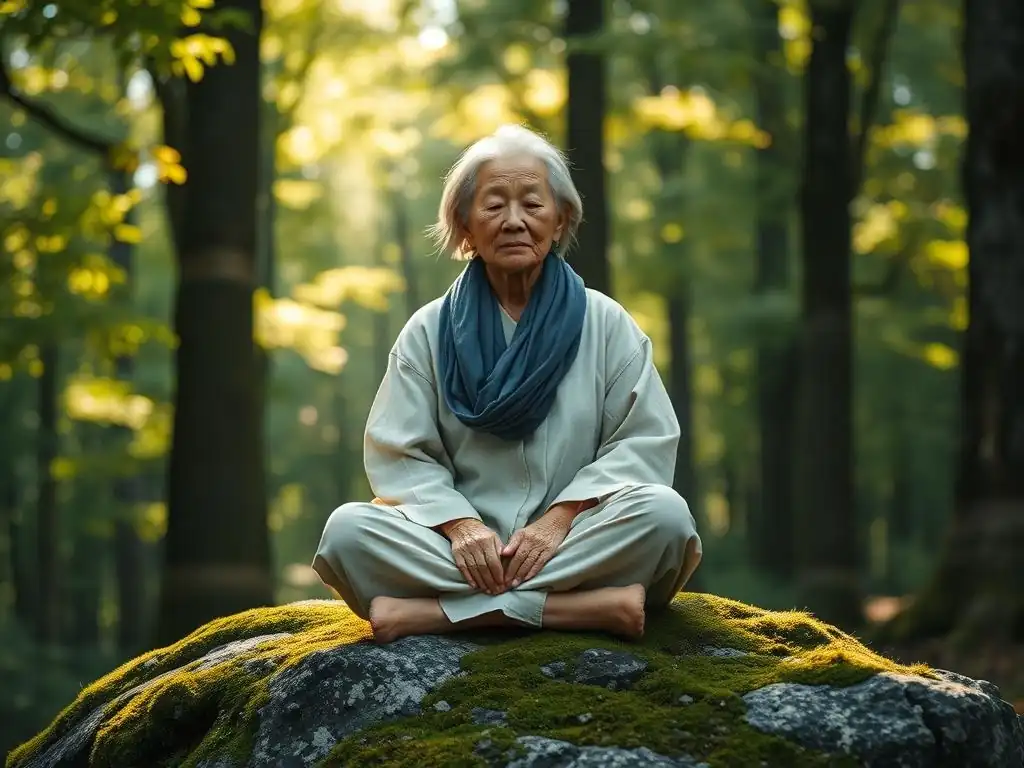
Phytoncides: The Natural Compounds that Boost Immunity and Reduce Stress
One fascinating scientific explanation for the health benefits of forest bathing lies in airborne chemicals called phytoncides. These are antimicrobial organic compounds emitted by trees and plants, particularly conifers, to protect themselves from insects and fungi. When humans inhale these compounds, they appear to have positive effects on our immune systems and stress levels.
Studies have shown that exposure to phytoncides can increase the activity and number of natural killer (NK) cells, a type of white blood cell that plays a crucial role in fighting viruses and tumor cells. Furthermore, inhaling these compounds has been linked to reductions in stress hormones like adrenaline and noradrenaline, alongside the previously mentioned cortisol reduction. This suggests that the very air of the forest contains properties that contribute to the forest bathing stress reduction benefits and overall physical health.
The Role of Sight, Sound, and Smell in Forest Bathing's Effects
Forest bathing engages all five senses, and each sensory input contributes uniquely to the overall therapeutic effect. The visual input of lush greenery, natural patterns (like fractals in tree branches), and soft light is inherently calming and restorative compared to the harsh, angular, and often overwhelming visual stimuli of urban environments.
The sounds of nature – rustling leaves, flowing water, birdsong – have been shown to induce a state of relaxation, reducing activity in the amygdala, the brain's fear center. Conversely, urban noise tends to increase stress responses. The smells of the forest, from phytoncides to damp earth and decaying leaves, trigger olfactory responses linked to memory and emotion, often evoking feelings of peace and nostalgia. The tactile experience of touching bark, feeling the breeze, or walking on soft ground further grounds the individual. This multi-sensory engagement is fundamental to unlocking the forest bathing stress reduction benefits.
Grounding and Earthing: Connecting with the Earth for Stress Relief
Another concept often associated with the benefits of spending time in nature, including forest bathing, is grounding or earthing. This refers to the practice of direct physical contact with the surface of the Earth, such as walking barefoot on grass, soil, or sand. The theory is that the Earth's surface possesses a negative electrical charge, and connecting with it can help neutralize free radicals in the body and balance its electrical potential.
While research is still emerging, proponents suggest that grounding can influence physiological parameters related to stress and inflammation. Some studies have indicated potential effects on sleep quality, pain levels, and even cortisol rhythms, suggesting a link between direct Earth contact and stress reduction. Although not strictly limited to forests, the practice of grounding is easily integrated into a forest bathing experience, potentially amplifying the forest bathing stress reduction benefits by fostering a deeper physical connection with the natural world.
How to Practice Forest Bathing for Optimal Stress Relief
Preparing for Your Forest Bathing Experience: What to Bring and Wear
Preparation for forest bathing is minimal, emphasizing comfort and a lack of distraction. The goal is to remove barriers to mindful immersion. Start by choosing comfortable, weather-appropriate clothing that allows for ease of movement and protection from elements like sun or light rain. Layers are often a good idea.
Footwear should be comfortable and suitable for walking slowly on uneven terrain – sturdy walking shoes or boots are typically best. Unlike hiking, you won't need heavy gear. Bring water to stay hydrated, and perhaps a small, lightweight mat or cushion if you anticipate wanting to sit or lie down. Leave your phone on silent or airplane mode, or ideally, leave it behind altogether to truly disconnect.
Finding the Right Forest Bathing Location: Accessibility and Sensory Qualities
The ideal location for forest bathing is a place where you feel safe, comfortable, and can easily access nature without significant logistical stress. While dense forests are traditional, any natural setting with trees will suffice – a local park with mature trees, a nature reserve, or even a quiet, tree-lined path.
Consider locations that offer a variety of sensory experiences: areas with interesting trees, plants, water features (like a stream or pond), and places where you can sit or stand comfortably. Accessibility is key; choose a location that is easy to get to and navigate, removing potential sources of frustration. The goal is to find a place where you can relax and let your senses open up to the environment, maximizing the forest bathing stress reduction benefits.
Guided Forest Bathing Techniques: Mindful Breathing and Sensory Immersion
While forest bathing can be as simple as walking slowly and being present, specific techniques can enhance the experience and deepen the forest bathing stress reduction benefits. Guided techniques often involve invitations to focus on particular senses.
- Slow Walking: Move at a pace significantly slower than a typical walk, allowing yourself to notice details.
- Mindful Breathing: Stop periodically to simply breathe deeply, inhaling the forest air and exhaling tension.
- Sensory Invitations:
- Sight: Notice the colors, shapes, light patterns, textures. Find something beautiful to focus on.
- Sound: Listen to the wind, birds, insects, rustling leaves. What is the furthest sound? The closest?
- Smell: Inhale deeply. What scents do you notice? Pine, damp earth, flowers?
- Touch: Feel the bark of a tree, the texture of a leaf, the coolness of a stone, the ground beneath your feet.
- Taste: Simply taste the air – it may feel fresh or clean.
These invitations help anchor you in the present moment, diverting attention away from stressors and towards the soothing reality of the natural world.
Creating Your Own Forest Bathing Ritual: Personalized Exploration
Forest bathing doesn't require a rigid structure; you can personalize your experience to create a ritual that resonates with you and enhances the forest bathing stress reduction benefits. Think about what aspects of nature you find most calming or invigorating.
You might start with a brief intention-setting moment before entering the forest. Perhaps you dedicate the first ten minutes solely to listening, the next ten to observing light, and so on. You could find a favorite spot to sit quietly for an extended period, or choose a specific tree to visit regularly. Some people enjoy sketching, writing, or simply meditating in nature. The key is to approach the experience with curiosity and openness, allowing the forest to guide you towards relaxation and peace in a way that feels natural and effective for you.
Integrating Forest Bathing into Your Mental Well-being Routine

Forest Bathing vs. Traditional Therapy: Complementary Approaches to Mental Health
It is important to understand that while forest bathing offers significant forest bathing stress reduction benefits and supports mental well-being, it is not a substitute for professional therapy or medical treatment for mental health conditions. Traditional therapy, such as cognitive behavioral therapy (CBT) or dialectical behavior therapy (DBT), provides structured approaches to process trauma, manage complex emotions, and address underlying psychological issues.
However, forest bathing can be a powerful complementary practice. It can help reduce the physiological and emotional intensity of stress and anxiety, potentially making it easier for individuals to engage more effectively in therapy. It provides a restorative space for self-regulation and emotional processing that can support insights gained in therapeutic sessions. Many therapists now recognize the value of nature exposure as an adjunct to conventional treatment plans.
Combining Forest Bathing with Other Relaxation Techniques: Meditation and Yoga
The forest bathing stress reduction benefits can be amplified when combined with other established relaxation and mindfulness techniques. Practices like meditation and yoga share core principles with Shinrin-Yoku, such as present moment awareness, deep breathing, and gentle movement.
Integrating meditation into a forest bathing session, perhaps by finding a quiet spot to sit and focus on your breath amidst the sounds of nature, can deepen the meditative state. Similarly, practicing gentle yoga or stretching outdoors in a natural setting can enhance both the physical and mental relaxation aspects. This synergistic approach allows individuals to build a robust toolkit for managing stress and cultivating inner peace by leveraging the unique strengths of each practice.
Making Forest Bathing a Regular Habit: Scheduling and Goal Setting
To truly reap the long-term forest bathing stress reduction benefits, consistency is key. Occasional visits are helpful, but integrating forest bathing into your regular routine can provide sustained support for your mental and physical health. This requires intentional scheduling and perhaps setting realistic goals.
Start small if necessary – even 20-30 minutes spent mindfully in a nearby park or green space a few times a week can make a difference. Look at your weekly schedule and identify potential windows of time. Treat these sessions as important appointments for your well-being. You might set a goal, such as visiting a natural area once a week or aiming for a certain number of hours per month. Making it a regular habit helps reinforce the positive physiological and psychological changes associated with spending time in nature.
Forest Bathing Safety and Considerations
Potential Risks and Precautions During Forest Bathing
While forest bathing is generally safe, it's important to be aware of potential risks and take appropriate precautions. These are often the same considerations one would have when spending time outdoors.
- Environmental Hazards: Be mindful of weather conditions (rain, heat, cold), uneven terrain (risk of slips or falls), and potential wildlife (insects, ticks, snakes, etc. ).
- Navigation: Even in familiar areas, pay attention to your surroundings to avoid getting lost, especially if venturing off main paths.
- Allergies: Be aware of potential plant allergies.
- Personal Safety: Inform someone where you are going and when you expect to return, especially if practicing alone in a remote area.
Preparation and awareness are the best defenses against these potential issues, ensuring a safe and enjoyable experience that maximizes the forest bathing stress reduction benefits without unnecessary worry.
Forest Bathing for Specific Populations: Children, Seniors, and Individuals with Disabilities
Forest bathing can be adapted for nearly everyone, including children, seniors, and individuals with disabilities, allowing them to also experience the forest bathing stress reduction benefits. The key is to tailor the experience to individual needs and abilities.
For children, forest bathing can be presented as a playful exploration, encouraging curiosity about nature through games like scavenger hunts focused on sensory details. For seniors or those with mobility challenges, choose locations with accessible trails, benches for resting, and shorter durations. Focus on seated sensory invitations rather than extensive walking. Individuals with sensory sensitivities may benefit from quieter, less stimulating environments. Always prioritize comfort, safety, and making the experience accessible and enjoyable for the specific individual or group.
Ethical Considerations: Respecting Nature and Minimizing Environmental Impact
As we seek solace and healing in nature, it's crucial to do so responsibly, respecting the environment that provides such significant forest bathing stress reduction benefits. Practicing ethical forest bathing involves minimizing our impact on the natural world.
This includes staying on designated paths to avoid trampling delicate vegetation, not disturbing wildlife, and carrying out everything you carry in (Leave No Trace principles). Avoid picking plants or removing natural objects unless explicitly permitted and part of a guided educational activity. Leave the natural environment as you found it, or even better, participate in local conservation efforts. Our mindful presence should be one of reverence and stewardship, ensuring that these healing spaces remain healthy and accessible for future generations.
Conclusion: Embracing Forest Bathing for Lasting Stress Reduction
The Future of Forest Bathing and Mental Health Care
The recognition of the profound forest bathing stress reduction benefits and its positive impact on overall well-being is leading to its increasing integration into various health and wellness sectors. We are seeing a growing interest from healthcare providers, therapists, and public health initiatives in prescribing or recommending time in nature as part of holistic treatment plans.
Programs are emerging that specifically incorporate Shinrin-Yoku principles for populations dealing with chronic stress, anxiety, depression, and even chronic physical illnesses. As research continues to deepen our understanding of the mechanisms behind nature's healing power, it is likely that forest bathing and other nature-based therapies will become more widely accepted and utilized tools in the future of preventative care and mental health support.
Resources for Learning More About Shinrin-Yoku and Nature-Based Therapy
For those interested in exploring the forest bathing stress reduction benefits further and learning how to deepen their practice or even train as a guide, numerous resources are available. Many books delve into the science and practice of Shinrin-Yoku, offering detailed guidance on techniques and philosophy.
Organizations dedicated to nature and forest therapy offer workshops, guided walks, and certification programs. Local parks departments and nature centers often host events or provide information about accessible green spaces. While links are not provided here, a simple search for terms like "forest bathing guide," "Shinrin-Yoku workshops," or "nature therapy training" will yield a wealth of information to help you continue your journey into the healing power of the forest.
Frequently Asked Questions
What exactly is forest bathing, and how does it relate to stress reduction?
Forest bathing, also known as Shinrin-Yoku, is the practice of immersing yourself in nature to promote well-being. It leverages the stress reduction benefits of natural environments through sensory engagement.
What are the specific Shinrin-Yoku techniques that contribute to stress reduction?
Shinrin-Yoku involves consciously engaging your senses – sight, smell, sound, touch, and taste – within a forest setting. This mindful presence helps calm the nervous system and reduce cortisol levels.
What are the proven stress reduction benefits associated with regular forest bathing?
Studies show that forest bathing can lower blood pressure, heart rate, and cortisol levels, all indicators of reduced stress. It also improves mood and boosts the immune system.
How often should I practice forest bathing to experience noticeable stress reduction benefits?
Even short sessions, around 20-30 minutes, can provide noticeable stress reduction benefits. Aim for regular practice, perhaps a few times a week, to maximize the positive effects.
Are there any potential downsides or precautions to consider before trying forest bathing for stress reduction?
While generally safe, be mindful of allergies, insects, and potential hazards like uneven terrain. Also, ensure you have proper clothing and hydration. Consult a doctor if you have pre-existing health conditions.
Final Reflection: Reconnecting with Nature, Reclaiming Our Wellbeing
The ancient practice of Shinrin-yoku, or forest bathing, offers a powerful antidote to the pervasive stress of modern life. In a world increasingly dominated by screens and relentless demands, the simple act of immersing ourselves in the natural world provides a surprisingly effective pathway to tranquility and improved mental health. The benefits, as explored throughout this article, are not merely anecdotal; scientific research increasingly validates the profound impact of forest immersion on our physiological and psychological wellbeing.
The enduring appeal of Shinrin-yoku lies in its inherent simplicity and accessibility. It's a reminder that true rejuvenation isn't found in expensive retreats or complicated techniques, but in the quiet embrace of nature. Nature holds the key to our aesthetic, intellectual, cognitive and even spiritual satisfaction.
This quote, though not directly about forest bathing, perfectly encapsulates the profound connection we share with the natural world and the restorative power it holds. The growing awareness of this connection, fueled by increasing stress levels and a yearning for authentic wellbeing, is shaping a cultural shift towards prioritizing mindful engagement with nature.
Consider, reader, how often you disconnect from the natural world. How often do you allow yourself the simple pleasure of a mindful walk amongst the trees, breathing deeply and allowing the sights, sounds, and smells to wash over you? I invite you to make a conscious effort to incorporate forest bathing, or even shorter periods of nature immersion, into your daily routine.
Even a few minutes spent observing the intricate details of the natural world can offer a profound sense of peace and revitalization. Embrace the opportunity to reconnect with the earth, and rediscover the restorative power of nature within yourself.
Unlock Nature's Calm: Your Shinrin-Yoku Journey Starts Now!
Thanks for taking the time to explore the powerful benefits of forest bathing! We hope you've gained a deeper understanding of how Shinrin-Yoku can transform your stress levels and reconnect you with nature. Now it's time to put your newfound knowledge into practice.
Here are a few ways to begin your own Shinrin-Yoku experience:
- Plan your first forest visit: Identify a local park, woodland, or even a green space near your home and schedule a dedicated time to immerse yourself in nature. Remember, even a short walk can make a difference!
- Share your experience: Tell your friends and family about the joys of forest bathing and encourage them to join you on your next excursion. Sharing your newfound peace is a powerful act in itself.
- Create a nature journal: Document your sensory experiences in the forest – the sights, sounds, smells, and feelings – to enhance your mindfulness and deepen your connection with nature.
Ready to breathe deeply and embrace the tranquility of the forest? What natural space will you explore first?