
Beyond the Mat: How Yoga Transforms Your Mental Wellbeing


Welcome to Mind Care Guide, a sanctuary for your mental well-being.
Are you searching for a deeper sense of calm and resilience in a world that often feels overwhelming? Perhaps you've heard whispers of its power, but aren't quite sure how it all connects... This is the starting point. Dive into Beyond the Mat: How Yoga Transforms Your Mental Wellbeing and discover the profound yoga mental wellbeing benefits waiting to unlock inner peace and strength. Curious to learn how a simple practice can reshape your mental landscape? Let's begin.
- Beyond the Mat: Exploring Yoga's Transformative Mental Wellbeing Benefits
- Understanding the Yoga-Mental Health Connection
- Key Yoga Practices for Enhanced Mental Wellbeing
- Specific Mental Health Conditions and Yoga's Role
-
Tips for Starting Your Yoga Journey for Mental Wellbeing
- Choosing the Right Style of Yoga for Your Needs: Hatha, Restorative, Yin, Vinyasa
- Finding a Qualified Yoga Instructor: Prioritizing Experience and Understanding of Mental Health
- Creating a Safe and Supportive Practice Environment: At Home or in a Studio
- Setting Realistic Goals and Expectations: Embracing the Process of Self-Discovery
- The Science Behind Yoga's Mental Wellbeing Benefits
- Integrating Yoga into Your Mental Health Care Plan
- Conclusion: Embracing Yoga for a Healthier, More Balanced Mind
-
Frequently Asked Questions
- How does yoga specifically improve mental wellbeing?
- What are the main yoga mental wellbeing benefits discussed in the article?
- Can any type of yoga offer mental wellbeing benefits?
- How often should I practice yoga to experience the mental wellbeing benefits?
- Is yoga a replacement for traditional mental health treatments?
- Final Reflection: Finding Inner Peace Through the Practice of Yoga
- Unleash Your Inner Peace: Start Your Yoga Journey Today!
Beyond the Mat: Exploring Yoga's Transformative Mental Wellbeing Benefits
Introduction: Unveiling Yoga's Potential for Mental Wellness
In today's fast-paced world, navigating the complexities of mental health is more crucial than ever. Stress, anxiety, and depression affect millions globally, prompting a search for effective coping mechanisms and pathways to inner peace. While traditional therapies and medications play a vital role, many are discovering the profound impact of complementary practices. Among these, yoga stands out not merely as a physical exercise but as a holistic discipline offering significant yoga mental wellbeing benefits. It's a practice that integrates movement, breath, and mindfulness, addressing the mind-body connection in a unique way.
Yoga's ancient roots provide a timeless framework for cultivating resilience and emotional balance. It offers practical tools for managing daily pressures and fostering a deeper understanding of oneself. As we delve into the multifaceted ways yoga supports mental health, we uncover its potential to transform not just our physical state but our entire inner landscape, paving the way for enhanced mental wellness and a more grounded existence.
Understanding the Yoga-Mental Health Connection
How Yoga Impacts the Nervous System: Stress Reduction and Regulation
Yoga has a remarkable effect on the autonomic nervous system, specifically influencing the balance between the sympathetic (fight-or-flight) and parasympathetic (rest-and-digest) branches. Regular practice helps to dampen the overactivity of the sympathetic nervous system, which is often in overdrive during periods of chronic stress or anxiety. This shift is mediated by several physiological changes, including a reduction in cortisol, the primary stress hormone. Studies have shown that consistent yoga practice can lead to a measurable decrease in cortisol levels, sometimes by 10-15% or more in stressed individuals, indicating a significant calming effect on the body's stress response system.
Furthermore, yoga stimulates the vagus nerve, a key component of the parasympathetic nervous system that plays a crucial role in regulating mood, heart rate, and digestion. By activating the vagus nerve through slow, controlled breathing and mindful movement, yoga encourages a state of relaxation and promotes heart rate variability, a marker of resilience and nervous system health. This regulation helps individuals become less reactive to stressors, improving their ability to manage anxiety and promoting a sense of calm that extends beyond the yoga mat, demonstrating significant yoga mental wellbeing benefits.
The Mind-Body Connection: Yoga as a Holistic Approach to Mental Health
Yoga operates on the principle that the mind and body are inextricably linked, each influencing the other profoundly. Physical tension held in the body, often a manifestation of emotional stress or trauma, can perpetuate negative thought patterns and emotional states. Conversely, a restless or anxious mind can create physical symptoms like muscle tightness, digestive issues, or headaches. Yoga directly addresses this connection by using physical postures (asanas), breath control (pranayama), and meditation to release physical tension and calm the mental chatter.
This holistic approach means that working with the body through yoga can directly impact the mind, and training the mind through mindfulness can ease physical discomfort. For example, releasing tension in the hips or shoulders during a pose might also release stored emotional energy, leading to emotional relief. By fostering greater body awareness, individuals learn to recognize the physical sensations associated with their emotions and stress levels, providing an opportunity to respond more skillfully rather than react automatically. This integrated perspective is central to the transformative yoga mental wellbeing benefits.
Yoga for Anxiety Relief: Calming the Mind and Body
Anxiety is often characterized by a racing mind, physical restlessness, and a feeling of being overwhelmed. Yoga provides a structured practice that directly counters these symptoms by grounding the individual in the present moment and regulating physiological responses. The emphasis on breath awareness in yoga is particularly effective for anxiety relief; focusing on slow, deep inhalations and exhalations helps to interrupt the anxiety cycle and activate the parasympathetic nervous system, promoting relaxation.
Specific yoga poses, especially those that are grounding or require gentle stretching, can help release physical tension commonly associated with anxiety, such as tightness in the chest or shoulders. The combination of mindful movement and breath control helps to quiet the incessant stream of anxious thoughts, offering a much-needed respite. Regular practice can significantly reduce the frequency and intensity of anxiety symptoms, with some studies showing self-reported anxiety levels decreasing by 30-50% or more in participants who consistently engage in yoga, highlighting the profound yoga mental wellbeing benefits for those struggling with anxiety.
Yoga for Depression: Lifting the Spirits and Promoting Emotional Balance
Depression often manifests as low energy, feelings of hopelessness, and difficulty experiencing pleasure. Yoga can be a powerful tool in managing these symptoms by promoting physical activity, increasing energy levels, and fostering a sense of connection and self-efficacy. Moving the body, even gently, releases endorphins, natural mood boosters that can help lift spirits and combat feelings of lethargy. Yoga also encourages individuals to reconnect with their physical selves, which can be particularly challenging during depressive episodes, helping to break the cycle of withdrawal and inactivity.
The practice of yoga cultivates self-compassion and acceptance, crucial elements for those dealing with depression. It provides a non-judgmental space to explore emotions and physical sensations without the pressure to "fix" them immediately.
Over time, the discipline and routine of a regular yoga practice can instill a sense of accomplishment and control, empowering individuals to take an active role in their recovery. While not a standalone cure, integrating yoga into a comprehensive treatment plan for depression has shown promising results, with improvements in mood and energy levels often reported within weeks of starting a consistent practice, underscoring the valuable yoga mental wellbeing benefits.
Key Yoga Practices for Enhanced Mental Wellbeing
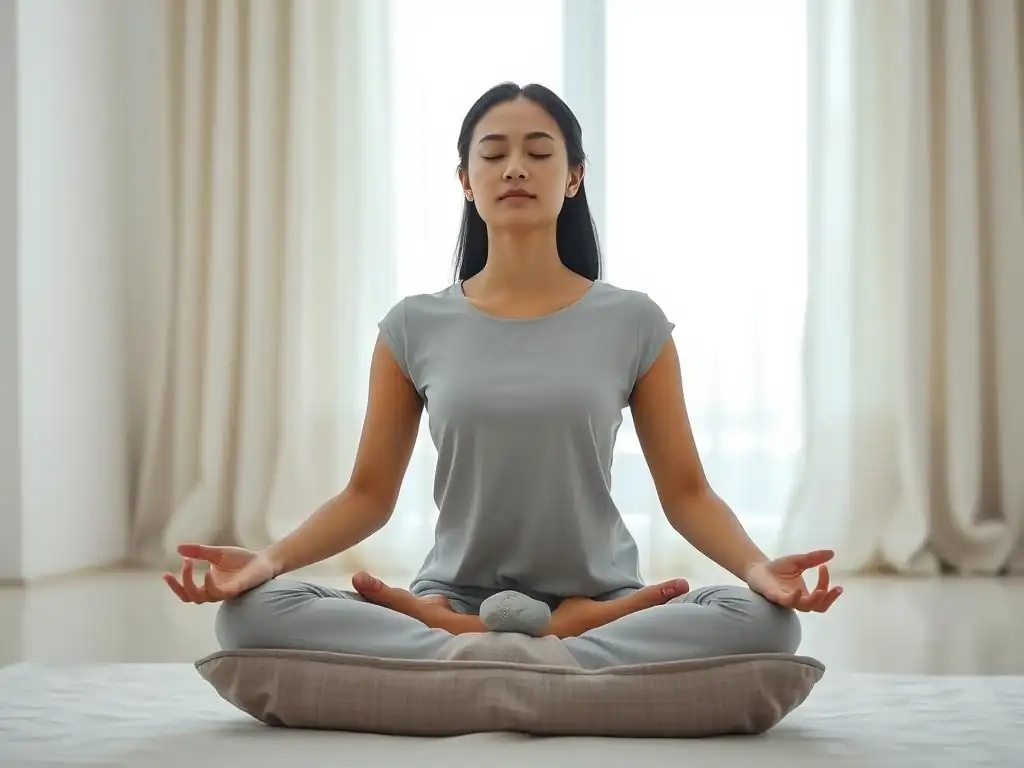
Asanas (Postures): Cultivating Body Awareness and Stability for Mental Clarity
Asanas, the physical postures of yoga, are more than just stretches; they are tools for cultivating body awareness and stability, both physically and mentally. By focusing on alignment, sensation, and breath within each pose, practitioners learn to be fully present in their bodies, diverting attention away from worries or distractions. This heightened body awareness helps individuals recognize where they hold tension and provides a means to release it, directly impacting their mental state.
Holding poses requires focus and concentration, training the mind to stay engaged rather than wandering. This practice of sustained attention translates into improved mental clarity and the ability to focus on tasks outside of yoga. Furthermore, the physical challenge of some poses, when approached mindfully, builds resilience and teaches practitioners to stay calm and breathe through discomfort, a skill invaluable for navigating life's challenges and enhancing overall yoga mental wellbeing benefits.
Specific Asanas for Anxiety Reduction: Child's Pose, Legs-up-the-Wall Pose, Corpse Pose
- Child's Pose (Balasana): This gentle, restorative pose is deeply calming. Kneeling on the mat, the torso rests on the thighs, and the forehead is grounded on the mat. It encourages introspection and provides a sense of safety and retreat, helping to quiet a racing mind and soothe the nervous system. Spending just a few minutes in this pose can significantly reduce feelings of overwhelm.
- Legs-up-the-Wall Pose (Viparita Karani): A simple inversion that helps calm the nervous system and reduce fatigue. Lying on the back with legs extended up a wall, this pose encourages blood flow to the upper body and promotes relaxation. It can help alleviate anxiety, insomnia, and even mild depression by promoting a state of rest. Many find this pose particularly effective before sleep.
- Corpse Pose (Savasana): Often practiced at the end of a yoga session, Savasana is a pose of conscious relaxation. Lying flat on the back, the body is completely still, allowing the mind to settle and integrate the benefits of the practice. While seemingly simple, surrendering fully in Savasana can be challenging for an anxious mind, but consistent practice trains the body and mind to relax deeply, reinforcing the yoga mental wellbeing benefits.
Asanas for Mood Enhancement: Backbends (Cobra, Bridge), Warrior Poses (I & II)
- Backbends (Cobra Pose - Bhujangasana, Bridge Pose - Setu Bandhasana): Backbends are often associated with opening the chest and heart, which can help counteract the slumped posture common in depression and sadness. Physically opening the front of the body can create a feeling of expansion and energy. These poses can be invigorating and help lift stagnant energy, promoting feelings of optimism and vitality. Even gentle backbends can stimulate the nervous system positively.
- Warrior Poses (Warrior I - Virabhadrasana I, Warrior II - Virabhadrasana II): These standing poses build strength, stability, and confidence. Grounding through the feet and extending powerfully through the limbs can cultivate a sense of empowerment and resolve. Holding these strong postures can help combat feelings of helplessness and inertia often associated with low mood, fostering resilience and demonstrating tangible yoga mental wellbeing benefits.
Pranayama (Breathwork): Mastering Breath for Mental Calm and Focus
Pranayama, the practice of controlling the breath, is a cornerstone of yoga's impact on mental health. The breath is intimately connected to our emotional state; rapid, shallow breathing often accompanies anxiety, while slow, deep breathing signals relaxation. By consciously regulating the breath, we can directly influence our nervous system and mental state. Pranayama techniques offer immediate tools for managing stress, calming the mind, and enhancing focus, unlocking significant yoga mental wellbeing benefits.
Regular pranayama practice improves respiratory function and oxygenation, which can have a positive impact on brain function and mood. It trains the mind to concentrate, using the breath as an anchor, which is a fundamental skill for meditation and mindfulness. Mastering even simple breath techniques provides individuals with a powerful, portable tool they can use anytime, anywhere, to regain composure and clarity.
Different Pranayama Techniques for Mental Health: Ujjayi Breath, Alternate Nostril Breathing (Nadi Shodhana), Bumblebee Breath (Brahmari)
- Ujjayi Breath (Victorious Breath): Also known as ocean breath, this technique involves breathing through the nose with a slight constriction at the back of the throat, creating a gentle, audible sound. This conscious, rhythmic breathing helps to calm the nervous system, build internal heat, and maintain focus throughout a physical yoga practice. It's excellent for reducing agitation and bringing awareness to the present moment.
- Alternate Nostril Breathing (Nadi Shodhana): This technique involves closing off one nostril at a time to inhale and exhale through the other, alternating sides. It is believed to balance the left and right hemispheres of the brain and the Ida and Pingala nadis (energy channels), promoting mental clarity, reducing stress, and preparing the mind for meditation. Practicing Nadi Shodhana for just 5-10 minutes can significantly reduce anxiety and promote a sense of calm balance.
- Bumblebee Breath (Brahmari): This soothing technique involves inhaling deeply and exhaling slowly while making a humming sound with the mouth closed. The vibration created by the humming can have a profoundly calming effect on the nervous system and the mind. It is particularly helpful for reducing anxiety, anger, and insomnia, offering immediate relief and promoting inner peace.
The Science Behind Breathwork: How Pranayama Affects the Brain
Scientific research has begun to illuminate the mechanisms by which pranayama exerts its powerful effects on the mind. Conscious, controlled breathing, particularly slow exhalations, stimulates the vagus nerve, which, as mentioned earlier, activates the parasympathetic nervous system. This leads to a decrease in heart rate, blood pressure, and stress hormones like cortisol, shifting the body into a state of relaxation.
Furthermore, breathwork can influence brainwave activity. Practices like Nadi Shodhana have been shown to increase alpha brain waves, which are associated with relaxed alertness, while decreasing beta waves, linked to stress and anxiety. The increased oxygen supply and improved carbon dioxide regulation facilitated by pranayama also optimize brain function, potentially improving mood, cognitive performance, and emotional regulation. These physiological changes underpin the significant yoga mental wellbeing benefits derived from consistent breathwork.
Meditation and Mindfulness: Deepening Inner Peace and Self-Awareness
Meditation and mindfulness are often integrated into yoga practice, offering profound avenues for cultivating inner peace and self-awareness. While asanas prepare the body and pranayama calms the breath, meditation trains the mind to observe thoughts and emotions without judgment, fostering a state of non-reactivity. This practice helps individuals gain perspective on their mental patterns and reduce the tendency to be swept away by negative or anxious thoughts.
Mindfulness, whether practiced formally in meditation or informally throughout the day, involves paying attention to the present moment with curiosity and acceptance. By bringing awareness to sensations, thoughts, and feelings as they arise, individuals develop a greater capacity to tolerate discomfort, reduce rumination, and appreciate simple experiences. This cultivation of present-moment awareness is a core component of the transformative yoga mental wellbeing benefits, enabling a more grounded and less stress-reactive state of being.
Types of Yoga Meditation for Mental Clarity: Yoga Nidra, Mindfulness Meditation, Samatha-Vipassana
- Yoga Nidra (Yogic Sleep): A state of conscious deep relaxation, Yoga Nidra guides practitioners through layers of awareness, from the physical body to emotions and thoughts, leading to profound rest and rejuvenation. It is highly effective for reducing stress, anxiety, and insomnia, and can help process difficult emotions or experiences. A single session of Yoga Nidra is often equated to several hours of deep sleep in terms of restorative benefits.
- Mindfulness Meditation: While practiced in many traditions, mindfulness meditation is often incorporated into yoga. It involves focusing attention on a specific anchor, such as the breath or bodily sensations, and gently bringing the mind back whenever it wanders. This practice strengthens the 'muscle' of attention and non-judgmental observation, helping to manage distracting thoughts and cultivate mental clarity.
- Samatha-Vipassana: Derived from Buddhist traditions but often integrated into yoga philosophy, Samatha (calm abiding) meditation cultivates concentration and stillness, while Vipassana (insight) meditation involves observing the nature of reality, including thoughts and feelings, with clear awareness. Practicing both leads to a calm yet insightful mind, fostering deeper self-understanding and emotional regulation, contributing significantly to yoga mental wellbeing benefits.
Integrating Mindfulness into Daily Life for Sustained Mental Wellbeing
The benefits of mindfulness meditation are not limited to the mat or cushion; they can be integrated into everyday activities to cultivate sustained mental wellbeing. Simple practices like mindful eating, mindful walking, or paying full attention during conversations can help individuals stay grounded in the present and reduce the tendency to worry about the future or ruminate on the past.
Bringing a mindful awareness to daily routines helps to interrupt automatic, often stressful, patterns of thought and behavior. For example, noticing the physical sensations of washing dishes or the feeling of the sun on your skin during a walk can transform mundane tasks into opportunities for presence and calm. This consistent practice of mindfulness, extending the principles learned in yoga and meditation into all aspects of life, reinforces the long-term yoga mental wellbeing benefits and builds resilience against daily stressors.
Specific Mental Health Conditions and Yoga's Role
Yoga for Stress Management: Techniques for Handling Daily Pressures
Chronic stress is a pervasive issue with significant impacts on both physical and mental health. Yoga offers a comprehensive toolkit for managing stress by addressing its physiological and psychological components. The combination of physical movement, breathwork, and mindfulness helps to lower stress hormones, calm the nervous system, and improve the body's ability to recover from stressful events.
Specific yoga techniques particularly effective for stress management include gentle stretching poses that release physical tension, calming pranayama practices like Ujjayi or Nadi Shodhana, and restorative poses like Child's Pose or Legs-up-the-Wall that promote deep relaxation. Regular practice builds resilience, enabling individuals to face daily pressures with greater ease and less reactivity. Research consistently shows that individuals who practice yoga regularly report significantly lower stress levels compared to non-practitioners, validating the powerful yoga mental wellbeing benefits in this area.
Yoga and PTSD: Healing Trauma Through Mindful Movement
Post-Traumatic Stress Disorder (PTSD) can manifest as hypervigilance, anxiety, emotional numbing, and a feeling of being disconnected from one's body. Trauma-informed yoga, specifically designed for individuals with PTSD, provides a safe and empowering space to reconnect with the body in a gentle, controlled manner. These practices emphasize choice, predictability, and present-moment awareness, helping individuals regain a sense of safety and control over their physical and emotional experience.
Yoga helps individuals with PTSD tolerate physical sensations and emotions that may have previously felt overwhelming or triggering. By practicing mindful movement and breathwork, they can learn to regulate their nervous system responses and reduce symptoms like hyperarousal and dissociation. While not a replacement for therapy, trauma-informed yoga has shown promising results as a complementary treatment, helping individuals reduce anxiety, improve emotional regulation, and foster a greater sense of embodiment and self-compassion, significantly contributing to their healing journey and highlighting crucial yoga mental wellbeing benefits in trauma recovery.
Yoga for Sleep Improvement: Establishing a Restful Night's Routine
Insomnia and disrupted sleep are common symptoms of anxiety, stress, and depression. Yoga can significantly improve sleep quality by calming the nervous system, reducing mental rumination, and establishing a relaxing evening routine. Gentle yoga sequences practiced before bed can help release physical tension and prepare the body for rest.
Restorative poses like Legs-up-the-Wall or Supported Bound Angle Pose (Supta Baddha Konasana) are particularly effective for promoting relaxation and preparing the mind for sleep. Pranayama techniques such as Brahmari or slow, deep breathing can quiet a busy mind and induce a state of calm conducive to falling asleep. Incorporating a short, gentle yoga or meditation practice into a nightly routine can help regulate sleep patterns and improve sleep duration and quality, underscoring the practical yoga mental wellbeing benefits for sleep issues. Many report falling asleep faster and experiencing fewer nighttime awakenings after starting a regular evening yoga practice.
Yoga for Addiction Recovery: Supporting Sobriety Through Holistic Practices
Addiction recovery is a challenging journey that involves addressing not only physical dependence but also underlying emotional and psychological factors. Yoga offers valuable support by providing tools for stress reduction, emotional regulation, craving management, and reconnection with the self. The physical practice helps individuals reconnect with their bodies in a healthy way, counteracting the physical neglect often associated with addiction.
Mindfulness and meditation practices cultivate self-awareness, helping individuals identify triggers and cravings without immediately acting on them. Pranayama provides immediate techniques for managing anxiety and stress, common contributors to relapse. Furthermore, the non-judgmental and supportive environment of a yoga class can foster a sense of community and belonging, reducing feelings of isolation. Many recovery programs now incorporate yoga, recognizing its significant role in supporting sobriety, emotional healing, and overall yoga mental wellbeing benefits during recovery.
Tips for Starting Your Yoga Journey for Mental Wellbeing
Choosing the Right Style of Yoga for Your Needs: Hatha, Restorative, Yin, Vinyasa
Exploring different styles of yoga is key to finding a practice that best supports your mental wellbeing goals.
- Hatha Yoga: Often a good starting point, Hatha focuses on basic postures and breath control at a slower pace, providing a solid foundation for learning alignment and building body awareness.
- Restorative Yoga: Emphasizes deep relaxation and healing, using props like bolsters and blankets to support the body in gentle poses held for extended periods. This style is particularly beneficial for reducing stress, anxiety, and fatigue, prioritizing relaxation as a core yoga mental wellbeing benefit.
- Yin Yoga: Involves holding passive stretches for longer durations (3-5 minutes or more), targeting deep connective tissues. Yin can be mentally challenging but also deeply meditative, helping to cultivate patience and mindfulness while releasing tension stored in the body.
- Vinyasa Yoga: A more dynamic style where movement is linked with breath in a flowing sequence. Vinyasa can be energizing and help release pent-up energy, but the faster pace might be less suitable for individuals experiencing high anxiety unless guided carefully.
Consider your current energy levels, physical condition, and mental state when choosing a style. If you're feeling overwhelmed or depleted, Restorative or gentle Hatha might be more beneficial. If you need to release energy and build resilience, Vinyasa or a more active Hatha class could be suitable.
Finding a Qualified Yoga Instructor: Prioritizing Experience and Understanding of Mental Health
The guidance of a qualified and compassionate yoga instructor can significantly enhance your experience and ensure your practice is safe and beneficial, particularly when using yoga for mental health support. Look for instructors who have received comprehensive training (e.g., RYT-200 or RYT-500 certifications).
Even better, seek out instructors who have specific training or experience in trauma-informed yoga, yoga for mental health, or therapeutic applications of yoga. These instructors are often more attuned to the unique needs of individuals dealing with mental health challenges, prioritizing a safe, non-triggering, and supportive class environment. Don't hesitate to reach out to instructors before joining a class to discuss your needs and see if they feel like a good fit for your journey towards improved yoga mental wellbeing benefits.
Creating a Safe and Supportive Practice Environment: At Home or in a Studio
Whether you practice at home or in a studio, cultivating a safe and supportive environment is crucial for unlocking the full yoga mental wellbeing benefits. If practicing at home, designate a quiet space free from distractions. Ensure the temperature is comfortable and you have enough room to move freely. You might add calming elements like soft lighting or a comfortable mat.
If attending a studio class, observe the environment. Does it feel welcoming and non-competitive? Do you feel comfortable with the instructor and the other students? A supportive community can greatly enhance the practice experience. It's important to feel safe enough to be present in your body and explore your emotional landscape without judgment. Remember that your yoga practice is a personal journey, and the environment should feel like a sanctuary.
Setting Realistic Goals and Expectations: Embracing the Process of Self-Discovery
Approaching yoga with realistic goals and expectations is key to a sustainable and rewarding practice for mental wellbeing. Yoga is not a quick fix, but a journey of self-discovery and gradual transformation.
- Start small:
- Begin with short practices, perhaps 10-15 minutes a few times a week.
- Gradually increase duration and frequency as you feel comfortable.
- Focus on consistency:
- Even short, regular practices are more beneficial than infrequent long ones.
- Aim for progress, not perfection.
- Listen to your body and mind:
- Some days you may have more energy, others less.
- Be compassionate with yourself and adjust your practice accordingly.
- Embrace the process:
- Notice the subtle shifts in your mood, energy, and perspective over time.
- Celebrate small victories in managing stress or finding moments of calm.
Recognize that the yoga mental wellbeing benefits unfold gradually. Some days may feel easier than others, and that's okay. The practice itself, the dedication to showing up for yourself, is a significant step toward improved mental wellness.
The Science Behind Yoga's Mental Wellbeing Benefits
Research and Studies on Yoga and Mental Health
A growing body of scientific research supports the anecdotal evidence of yoga's positive impact on mental health. Numerous studies have investigated the effects of yoga on conditions like anxiety, depression, PTSD, and stress. For example, a meta-analysis published in the Journal of Consulting and Clinical Psychology reviewing multiple studies found that yoga interventions significantly reduced symptoms of depression and anxiety. Another study in the Journal of Traumatic Stress indicated that trauma-informed yoga can lead to a significant reduction in PTSD symptoms among women survivors of trauma.
Research often measures physiological markers like cortisol levels, heart rate variability, and inflammatory markers, finding favorable changes associated with regular yoga practice. Brain imaging studies are also beginning to reveal how yoga affects brain structure and function, showing changes in areas related to emotional regulation, stress response, and self-awareness. While more large-scale, controlled trials are always needed, the existing evidence provides a strong scientific basis for the powerful yoga mental wellbeing benefits.
How Yoga Affects Brain Chemistry: Exploring Neurotransmitters and Hormones
Yoga's impact on mental wellbeing is partly mediated by its influence on brain chemistry, particularly neurotransmitters and hormones involved in mood regulation and stress response. Regular yoga practice has been shown to increase levels of Gamma-Aminobutyric Acid (GABA), a neurotransmitter that acts as an inhibitory messenger in the brain, helping to reduce nerve cell activity and promote a sense of calm. Low GABA levels are associated with anxiety and depression. Studies using magnetic resonance spectroscopy have found that GABA levels in the brain are significantly higher after a single yoga session compared to other forms of exercise like walking.
Beyond GABA, yoga may also influence other neurotransmitters like serotonin and dopamine, which play key roles in mood, pleasure, and motivation. The release of endorphins during physical activity can also contribute to feelings of well-being and pain reduction. Furthermore, as mentioned earlier, yoga helps regulate stress hormones like cortisol, preventing the damaging effects of chronic high levels. These neurochemical changes are central to understanding the profound yoga mental wellbeing benefits observed by practitioners.
The Role of Yoga in Reducing Inflammation and Promoting Overall Health
Chronic inflammation in the body has been increasingly linked to various mental health conditions, including depression and anxiety. Stress is a known contributor to inflammation. Yoga, through its stress-reducing and physiological regulatory effects, can play a role in reducing systemic inflammation.
Studies have shown that regular yoga practice can lower levels of inflammatory markers such as C-reactive protein (CRP) and cytokines. For instance, research published in the Journal of Alternative and Complementary Medicine found that participants in a yoga program had significantly lower levels of certain inflammatory biomarkers compared to a control group. By mitigating the body's inflammatory response and promoting overall physical health through improved circulation, digestion, and sleep, yoga creates a healthier environment for the brain, further supporting the comprehensive yoga mental wellbeing benefits.
Integrating Yoga into Your Mental Health Care Plan
Combining Yoga with Therapy: A Complementary Approach
Yoga can serve as a powerful complement to traditional mental health therapies such as psychotherapy or counseling. Therapy provides a space to process thoughts, emotions, and past experiences, while yoga offers practical tools for managing the physiological and emotional responses that arise both during and outside of therapy sessions. The body awareness cultivated in yoga can help individuals in therapy become more attuned to the physical manifestations of their emotions or trauma, providing valuable insights for therapeutic work.
Many therapists recognize the value of incorporating mind-body practices and may recommend yoga as a supplementary tool. For example, someone working through anxiety in therapy might use yoga's breathwork techniques to manage panic attacks between sessions. Similarly, someone processing trauma might find trauma-informed yoga helpful in reconnecting with their body safely. This integrated approach leverages the strengths of both modalities, offering a more comprehensive pathway to healing and enhanced yoga mental wellbeing benefits.
Yoga as a Self-Care Practice: Prioritizing Your Mental Wellbeing
In the context of mental health, self-care is not a luxury but a necessity. Yoga provides a structured and effective form of self-care that prioritizes the connection between mind and body. Dedicating time to a regular yoga practice is an act of self-compassion, signaling to yourself that your mental and physical wellbeing are important.
Engaging in yoga as a self-care practice means carving out time for yourself, moving your body in a way that feels good, breathing consciously, and allowing yourself moments of stillness and introspection. This consistent nurturing can help prevent burnout, build resilience against stress, and maintain emotional balance. Treating yoga as a non-negotiable part of your routine reinforces its role as a foundational element in supporting your long-term yoga mental wellbeing benefits.
Long-Term Benefits of Regular Yoga Practice: Sustained Mental Health Improvements
While immediate benefits like reduced stress or improved mood can be felt after a single session, the most profound yoga mental wellbeing benefits are realized through consistent, long-term practice. Over time, regular yoga helps to rewire the brain's response to stress, strengthen neural pathways associated with calm and positive emotions, and build lasting emotional resilience.
Individuals who maintain a regular yoga practice often report sustained improvements in anxiety and depression symptoms, better sleep quality, enhanced ability to manage stress, and a greater sense of overall well-being. The skills learned on the mat – mindfulness, breath control, self-compassion, and non-reactivity – become integrated into daily life, enabling individuals to navigate challenges with greater equanimity. The cumulative effect of consistent practice leads to significant, enduring enhancements in mental health.
Conclusion: Embracing Yoga for a Healthier, More Balanced Mind
Recap of Yoga's Transformative Mental Wellbeing Benefits
Yoga is far more than a physical exercise; it is a powerful practice with profound and scientifically supported yoga mental wellbeing benefits. We've explored how it calms the nervous system, reduces stress hormones, and positively influences brain chemistry by increasing beneficial neurotransmitters like GABA. Yoga helps release physical tension, often a repository for emotional stress, and fosters a vital mind-body connection that enhances self-awareness and emotional regulation.
From providing specific techniques for anxiety and depression relief to supporting recovery from trauma and addiction, yoga offers practical tools applicable to a wide range of mental health challenges. Its emphasis on breathwork, mindfulness, and physical postures provides a holistic approach to cultivating inner peace, resilience, and clarity. The research consistently validates these effects, showing measurable improvements in stress levels, mood, and sleep quality among practitioners.
Encouragement to Explore and Personalize Your Yoga Journey
Embarking on a yoga journey for mental wellbeing is a deeply personal and rewarding path. There is no single "right" way to practice, and finding what resonates with you is part of the exploration. We encourage you to consider the different styles of yoga, experiment with various pranayama techniques, and explore the benefits of integrating meditation and mindfulness into your routine.
Remember to approach your practice with patience, self-compassion, and realistic expectations. Find a qualified instructor who creates a safe space, and cultivate an environment that supports your practice, whether at home or in a studio. By embracing yoga, you are choosing to invest in your mental health, nurturing a healthier, more balanced mind and unlocking the transformative yoga mental wellbeing benefits that await you beyond the mat.
Frequently Asked Questions
How does yoga specifically improve mental wellbeing?
Yoga improves mental wellbeing by reducing stress hormones like cortisol and increasing neurotransmitters associated with happiness, such as serotonin and GABA. It also fosters a sense of mindfulness and present moment awareness.
What are the main yoga mental wellbeing benefits discussed in the article?
The article highlights benefits like reduced anxiety, improved mood regulation, increased self-awareness, and enhanced stress management skills through regular yoga practice.
Can any type of yoga offer mental wellbeing benefits?
While most types of yoga can offer some benefits, styles focusing on mindfulness and breathwork, like Hatha or Restorative yoga, are particularly effective for improving mental wellbeing.
How often should I practice yoga to experience the mental wellbeing benefits?
Consistency is key. Aim for at least 2-3 times per week for a noticeable improvement in mental wellbeing. Even short sessions can provide significant benefits.
Is yoga a replacement for traditional mental health treatments?
No, yoga is a complementary therapy, not a replacement for professional mental health treatment. It can be used alongside therapy and medication to enhance overall wellbeing.
Final Reflection: Finding Inner Peace Through the Practice of Yoga
The transformative power of yoga extends far beyond physical flexibility; it's a potent tool for cultivating mental wellbeing in our increasingly stressful world. The benefits explored in this article – from stress reduction and improved focus to enhanced self-awareness and emotional regulation – are not merely theoretical; they are deeply relevant to the challenges we face daily. In a society constantly demanding more from us, finding inner peace is not a luxury, but a necessity.
The journey of self-discovery through yoga is a deeply personal one, and its influence on our cultural landscape is undeniable. Yoga's growing popularity reflects a collective yearning for holistic wellbeing, a move away from solely focusing on physical health towards a more integrated approach to mind, body, and spirit. Yoga is not about touching your toes; it's about what you learn on the way down.
– Jigar Gor. This quote perfectly encapsulates the profound mental and emotional growth that unfolds through consistent practice. It's a journey of self-acceptance, resilience, and the cultivation of inner strength.
Now, consider your own life. What areas of your mental wellbeing could benefit from the gentle yet powerful practice of yoga? I invite you to explore the possibilities, to step onto your mat, not just as a physical exercise, but as a pathway to a calmer, more centered, and ultimately, more fulfilling life. Begin with even just five minutes a day; the seeds of inner peace are sown with intention and nurtured with consistent practice. Embrace the journey, and discover the transformative power that awaits you.
Unleash Your Inner Peace: Start Your Yoga Journey Today!
Thanks for taking the time to explore the powerful connection between yoga and mental wellbeing! We hope this article provided you with valuable insights and inspiration. Ready to take the next step?
- Begin your personalized yoga practice: Start with a simple 15-minute flow—even a few sun salutations can make a difference. Find a quiet space and focus on your breath.
- Share your experience: Connect with our community on social media and share your journey, successes, and challenges. Let's inspire each other!
- Explore different yoga styles: Experiment with Yin, Hatha, or Vinyasa to find what resonates with your body and mind. Every style offers unique benefits.
What's one small step you can take today to incorporate yoga into your daily routine and cultivate inner peace?