
Relaxation Techniques for Managing Stress in Relationships


Welcome to Mind Care Guide.
Are you navigating the choppy waters of stressful relationships and searching for a lifeline? It's okay to feel overwhelmed. Our comprehensive guide to relaxation techniques offers practical tools and empathetic support to help you navigate these challenges and cultivate a more peaceful inner landscape. Discover how to manage the stress, reclaim your emotional well-being, and build healthier connections, starting with our guide to Stressful relationships, relaxation techniques guide. Eager to find your calm? Let's begin.
Relaxation Techniques for Managing Stress in Relationships
Stress is a natural part of life, but when it permeates our closest connections, especially in stressful relationships, its impact can be profound. Learning effective relaxation techniques is not just beneficial for individual well-being; it's a vital tool for navigating the complexities and tensions that can arise between partners, family members, or close friends. This guide explores how understanding relationship stress and implementing practical relaxation methods can foster healthier, more resilient bonds.
- Understanding Stress in Relationships and Its Impact
- Relaxation Techniques for Reducing Relationship Stress
- Deep Breathing Exercises for Calming Anxiety
- Progressive Muscle Relaxation (PMR) for Releasing Tension
- Mindfulness Meditation for Cultivating Awareness
- Visualization and Guided Imagery for Positive Outcomes
- Yoga and Tai Chi for Stress Relief
- Creating a Relaxation Routine
- Seeking Professional Help
- Maintaining Long-Term Relationship Well-being
-
Frequently Asked Questions
- How can relaxation techniques help with stressful relationships?
- What are some effective relaxation techniques I can use when dealing with relationship stress?
- How often should I practice relaxation techniques to see a difference in my relationship?
- Can relaxation techniques completely solve all the problems in my relationship?
- Where can I find more information and resources on relaxation techniques and managing stress in relationships?
- Final Reflection: Finding Calm Amidst the Storm of Relationships
- Unwind Your Relationships: Discover Lasting Peace
Understanding Stress in Relationships and Its Impact
Stress within relationships can manifest in countless ways, from minor irritations to significant conflicts. Recognizing its roots and effects is the first step towards managing it effectively. Unaddressed stress can erode intimacy, communication, and overall satisfaction, turning potentially fulfilling connections into stressful relationships. Implementing relaxation techniques is key to mitigating these negative outcomes.
The Link Between Stressful Relationships and Mental Health
The connection between the quality of our relationships and our mental health is well-documented. Chronic stress from stressful relationships can contribute to a range of mental health challenges, including increased anxiety, depression, and even physical ailments like high blood pressure and weakened immune function. Studies have shown that individuals in high-conflict relationships often report higher levels of cortisol, the primary stress hormone, which over time can have detrimental effects on brain function and emotional regulation.
Furthermore, the emotional toll of constant tension or conflict in a relationship can lead to feelings of isolation, hopelessness, and decreased self-esteem. This negative cycle perpetuates stress, making it harder to engage in positive interactions or seek solutions. A relaxation techniques guide for managing stress specifically within relationships offers practical ways to break this cycle and support both individual and relational well-being.
Identifying Sources of Stress in Relationships
Identifying the specific sources of stress in your relationship is crucial for effective management. Common stressors include financial pressures, differences in parenting styles, disagreements about household responsibilities, lack of quality time together, communication breakdowns, and external pressures from work or extended family. For instance, a survey might reveal that approximately 60% of couples cite finances as a significant source of conflict, while parenting disagreements affect around 50%.
Understanding the root causes allows individuals and couples to address the issues directly, rather than just reacting to the symptoms. Is the stress primarily from external factors impacting the relationship, or does it stem from internal dynamics and communication patterns? Pinpointing these areas helps tailor the application of relaxation techniques for maximum benefit.
Recognizing Symptoms of Relationship Stress
The signs of stress in a relationship can be behavioral, emotional, and even physical. Emotionally, you might experience increased irritability, frustration, resentment, or emotional distance from your partner. Behaviorally, this could manifest as frequent arguments, withdrawal, criticism, or difficulty compromising. Physically, relationship stress can contribute to symptoms like sleep disturbances, headaches, digestive issues, or fatigue.
Recognizing these symptoms early is vital. For example, if you notice you or your partner are consistently snappy, avoiding conversations about sensitive topics, or experiencing unexplained physical complaints whenever certain relationship issues arise, these could be clear indicators of underlying stress. Acknowledging these signs opens the door to implementing strategies from a relaxation techniques guide to proactively manage the tension before it escalates.
Relaxation Techniques for Reducing Relationship Stress
Once you understand the impact of stress and can identify its sources and symptoms, the next step is to actively reduce it. Relaxation techniques offer powerful tools for calming the nervous system, gaining perspective, and fostering a more positive emotional state, which in turn improves interactions within the relationship. These methods provide a much-needed antidote to the heightened reactivity often seen in stressful relationships.
How Relaxation Promotes Emotional Regulation and Communication
Relaxation techniques, such as deep breathing or meditation, directly impact the body's stress response. By activating the parasympathetic nervous system, they counteract the "fight or flight" response, reducing heart rate, lowering blood pressure, and calming the mind. This physiological shift is critical for emotional regulation; it moves you from a state of high reactivity to one where you can think more clearly and manage your emotions effectively.
Improved emotional regulation directly enhances communication in stressful relationships. When you are calm, you are less likely to react defensively or aggressively during disagreements. Instead, you can listen more attentively, express yourself more constructively, and approach conflict resolution with a more open and empathetic mindset. This ability to stay grounded even amidst tension is a cornerstone of healthy relationship dynamics, making a relaxation techniques guide invaluable.
Benefits of Relaxation for Individual and Relational Well-being
Practicing relaxation offers numerous benefits that spill over from individual health into relational health. On a personal level, consistent relaxation can reduce overall anxiety and depression, improve sleep quality, boost energy levels, and enhance general mood. This makes you a more present, patient, and positive person to be around, benefiting your partner and others in your life.
Relationally, when both individuals are less stressed and more emotionally regulated, the potential for conflict decreases, and the capacity for connection increases. Relaxation creates space for empathy, understanding, and shared calm. It can transform interactions from tense standoffs into opportunities for mutual support and problem-solving, significantly improving the experience of being in a relationship and providing a pathway out of stressful relationships.
Combining Relaxation with Relationship Support
While relaxation techniques are powerful tools for managing individual stress that impacts relationships, they are often most effective when combined with other forms of relationship support. This could include open and honest communication with your partner about stressors, setting healthy boundaries, or seeking couples counseling. Relaxation practices can make these conversations and therapeutic processes more accessible and productive.
For instance, practicing a few minutes of deep breathing before a difficult conversation can help both individuals approach it with greater calm and clarity. Similarly, couples therapy, such as Emotionally Focused Therapy (EFT), often incorporates elements of emotional regulation and mindfulness, which are amplified by a personal relaxation practice. Integrating relaxation into a broader strategy for relationship health provides a comprehensive approach to navigating the challenges inherent in stressful relationships.
Deep Breathing Exercises for Calming Anxiety
Breathwork is one of the most immediate and accessible ways to influence your body's stress response. Simple, conscious breathing can interrupt the cycle of anxiety and panic, which are often heightened in stressful relationship situations. Learning specific breathing techniques provides a readily available tool for calming the nervous system anytime, anywhere.
Diaphragmatic Breathing: A Guide
Diaphragmatic breathing, also known as belly breathing, is a fundamental technique for promoting relaxation. It involves engaging the diaphragm, the large muscle located below the lungs, to pull more air into the lungs efficiently. To practice, find a comfortable position, either sitting or lying down. Place one hand on your chest and the other just below your rib cage, on your abdomen. Inhale slowly through your nose, feeling your abdomen rise while your chest remains relatively still.
Exhale slowly through pursed lips, feeling your abdomen fall. Focus on making the exhale longer than the inhale, perhaps inhaling for a count of four and exhaling for a count of six or seven. Practice this for 5-10 minutes daily. This simple technique can significantly reduce the physiological symptoms of stress and anxiety, making it easier to manage difficult emotions that arise in stressful relationships.
Alternate Nostril Breathing (Nadi Shodhana) for Balancing Emotions
Alternate nostril breathing, or Nadi Shodhana in yoga, is a technique believed to balance the left and right hemispheres of the brain, promoting emotional calm and mental clarity. It's particularly useful when feeling agitated or emotionally unbalanced, common states in stressful relationships. To practice, sit comfortably with a straight spine. Close your right nostril with your right thumb and inhale slowly through your left nostril.
Close your left nostril with your right ring finger, release your thumb from the right nostril, and exhale slowly through the right nostril. Then, inhale through the right nostril, close it with your thumb, release your ring finger from the left nostril, and exhale through the left nostril. This completes one cycle. Repeat this pattern for 5-10 cycles, focusing on the smooth flow of breath. This practice can help quiet the mind and foster a sense of equilibrium, making it easier to approach relationship challenges with a balanced perspective.
Using Breathwork to De-escalate Arguments
Breathwork can be a powerful tool for de-escalating arguments in real-time. When tensions rise and you feel your heart rate quicken and your voice getting louder, pausing to take a few deep breaths can break the cycle of reactivity. Suggesting a brief pause to "take a few breaths" can also signal to your partner that you want to calm down and approach the conversation more constructively, rather than continuing a destructive pattern.
For example, during a heated discussion about finances, you might feel overwhelming anxiety. Instead of lashing out, you could say, "I'm feeling really overwhelmed right now. Can we pause for 30 seconds and just breathe?" Then, together or individually, practice 3-5 cycles of slow, deep diaphragmatic breaths. This simple act can lower the emotional temperature, allowing both individuals to re-engage with the conversation from a calmer state, improving the chances of a productive outcome in stressful relationships.
Progressive Muscle Relaxation (PMR) for Releasing Tension
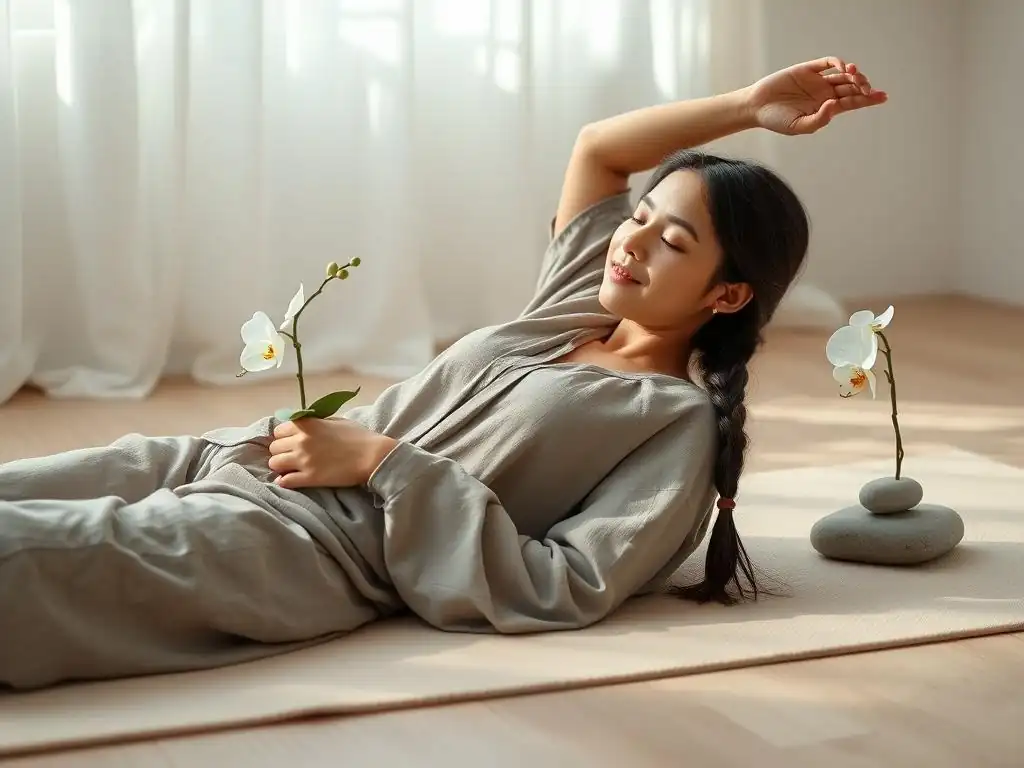
Stress often manifests as physical tension stored in the body. Progressive Muscle Relaxation (PMR) is a technique that involves systematically tensing and then releasing different muscle groups in the body. This process helps you become more aware of where you hold tension and provides a method for consciously releasing it, reducing both physical discomfort and the psychological effects of stress, particularly helpful when dealing with the physical toll of stressful relationships.
PMR Techniques for Reducing Tension and Reactivity
The core principle of PMR is the contrast between tension and relaxation. You work through major muscle groups, typically starting from the feet and moving up to the head. For each group, you tense the muscles firmly but without straining for about 5-10 seconds, then abruptly release the tension and notice the feeling of relaxation for 20-30 seconds before moving to the next group. This deliberate process heightens your awareness of what relaxation feels like in contrast to tension.
Regular practice of PMR helps reduce overall muscle tension, which can alleviate stress-related symptoms like headaches, back pain, and jaw clenching. More importantly for relationships, reducing physical tension can also decrease emotional reactivity. When your body is less physically tense, you may find yourself less prone to snapping or feeling overwhelmed during stressful interactions. Incorporating PMR into your routine is a valuable part of a comprehensive relaxation techniques guide for managing stressful relationships.
Guided PMR Practice
While you can practice PMR on your own using a written guide, many people find guided audio recordings helpful, especially when first learning the technique. These recordings typically walk you through the process, prompting you to tense and release each muscle group in sequence. A typical guided session might take 15-20 minutes and can be done while sitting or lying down comfortably.
Listening to a guided PMR session before a potentially stressful conversation with your partner, or after a conflict, can help release accumulated tension and prepare you for calmer engagement. Many free resources are available online or through apps that offer guided PMR specifically for stress and anxiety reduction. Integrating guided practice can make PMR more accessible and effective in your efforts to manage relationship stress.
Tailoring PMR to Specific Stressors: Parenting Conflicts
PMR can be tailored to address tension related to specific relationship stressors. For example, if parenting disagreements are a major source of conflict and you notice you hold tension in your shoulders and neck after discussions about childcare or discipline, you can focus extra attention on those muscle groups during your PMR practice. Before a planned discussion about a difficult parenting issue, spend 10 minutes focusing on releasing tension in your upper body.
Similarly, if financial stress causes you to clench your jaw or stomach, dedicate more time to those areas during your PMR session. By becoming aware of how different stressors manifest physically and using PMR to target those areas, you can more effectively release the physical stress that contributes to emotional reactivity. This personalized approach enhances the utility of this relaxation techniques guide for stressful relationships.
Mindfulness Meditation for Cultivating Awareness
Mindfulness meditation involves paying attention to the present moment without judgment. This practice cultivates awareness of your thoughts, feelings, bodily sensations, and the environment. In the context of relationships, mindfulness helps you become more aware of your own reactions, your partner's cues, and the dynamics playing out between you, fostering a more conscious and less reactive way of being in stressful relationships.
Practicing Mindfulness to Improve Empathy
Mindfulness practice can significantly enhance empathy within a relationship. By training your mind to observe thoughts and feelings without immediately reacting, you develop a greater capacity to step back from your own perspective and consider your partner's. Regular meditation can increase activity in brain regions associated with empathy and compassion.
For example, when your partner expresses a complaint, instead of instantly becoming defensive (a common reaction in stressful relationships), mindfulness allows you to pause, notice your own defensive thoughts and feelings, and then choose to listen more fully to what your partner is saying. This ability to suspend judgment and truly hear another person is fundamental to building empathy and resolving conflict constructively.
Using Mindfulness to Manage Anger
Anger is a common and destructive emotion in stressful relationships. Mindfulness provides tools to manage anger by helping you recognize the physical and emotional sensations associated with it as they arise, before they escalate into destructive behavior. Instead of being swept away by anger, you learn to observe it as a temporary state.
When you feel anger surfacing during a conversation, you can pause, notice the tightness in your chest, the heat in your face, the racing thoughts. Simply acknowledging these sensations without acting on them creates a space between the feeling and your reaction. You can then choose a more skillful response, such as taking a break, using 'I' statements, or practicing a breathing exercise, rather than saying something hurtful you might regret. This mindful approach is a core component of any effective relaxation techniques guide for difficult relationship dynamics.
Guided Mindfulness Meditations for Strengthening Bonds
Many guided mindfulness meditations are specifically designed for relationships or cultivating positive emotions like compassion and connection. Practicing these meditations can help shift your internal state towards greater openness and warmth. Some meditations might guide you to focus on feelings of gratitude for your partner, send kind thoughts towards them, or visualize positive interactions.
Engaging in these guided practices, either individually or sometimes together, can help reframe your perspective on the relationship and your partner. It can reduce rumination on past conflicts and help you appreciate the positive aspects of the connection. Regular practice of mindfulness, especially with a focus on relational themes, supports the ongoing effort to transform stressful relationships into more harmonious ones.
Visualization and Guided Imagery for Positive Outcomes
Visualization and guided imagery involve creating mental images or scenes to promote relaxation and desired outcomes. This technique leverages the power of the mind to influence emotional and physiological states. It can be particularly useful in relationships for preparing for difficult conversations, processing past negative experiences, or strengthening positive connections by mentally rehearsing positive scenarios.
Creating Positive Mental Images
One simple visualization technique is to create and hold a positive mental image related to your relationship. This could be a cherished memory, like a happy vacation together, or a desired future state, like a calm and connected conversation. When feeling stressed or anticipating conflict, take a few moments to close your eyes and vividly recall or imagine this positive scene.
Focus on the sensory details: what you saw, heard, felt, and even smelled or tasted in that moment. Immerse yourself in the positive emotions associated with the image – joy, peace, connection, love. Holding onto these positive images can help counteract the negative thought patterns that often dominate in stressful relationships and create a mental space for more positive interactions.
Using Visualization to Improve Communication
Visualization can be used to mentally rehearse difficult conversations or interactions, improving your confidence and approach. Before discussing a sensitive topic with your partner, visualize the conversation going well. See yourself speaking calmly and clearly, and visualize your partner listening attentively and responding respectfully. Imagine yourself handling potential challenges with grace and empathy.
This mental rehearsal isn't about predicting the future perfectly, but about preparing your mind and body for a positive engagement. It can reduce anxiety about the conversation and help you stay focused on your goals for the interaction – to communicate effectively and maintain connection, even when addressing challenging issues within stressful relationships. This proactive use of visualization is a practical application from a relaxation techniques guide.
Guided Imagery Exercises for Enhancing Intimacy
Guided imagery can also be used to enhance intimacy and connection. There are guided sessions available that encourage you to visualize shared positive experiences, focus on feelings of warmth and connection towards your partner, or imagine building stronger bonds. These exercises can help shift your focus away from stressors and towards the positive aspects of the relationship.
For example, a guided exercise might ask you to visualize a shared moment of deep connection, focusing on the feelings of closeness and understanding. Or it might guide you to imagine a protective, loving light surrounding your relationship, shielding it from external pressures. Regularly engaging in such exercises can help reinforce positive feelings and intentions, countering the emotional distance that can develop in stressful relationships.
Yoga and Tai Chi for Stress Relief
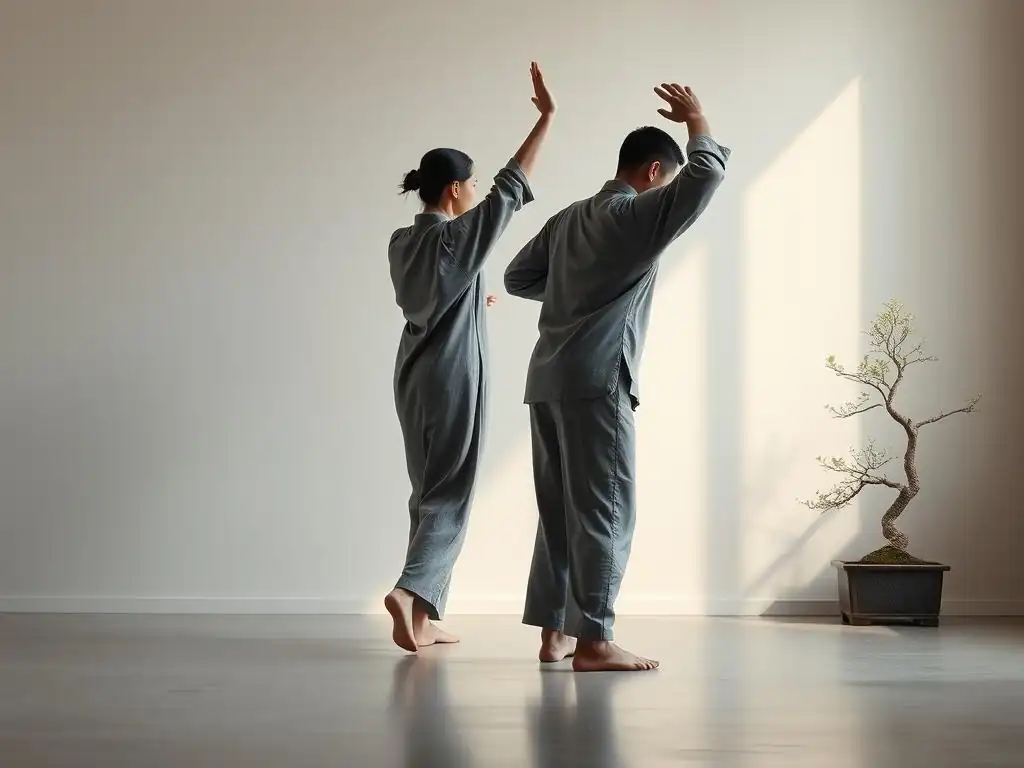
Mind-body practices like yoga and Tai Chi combine physical movement, breath awareness, and meditation to promote relaxation and well-being. They are excellent for reducing stress and tension stored in the body and calming the mind, offering a holistic approach to managing the physical and emotional toll of stressful relationships.
Yoga Poses to Release Tension: Supported Bridge Pose, Legs-Up-the-Wall Pose
Certain yoga poses are particularly effective at releasing physical tension and promoting relaxation. Supported Bridge Pose (Setu Bandhasana with support) involves lying on your back with knees bent, feet flat, and a block or cushion placed under your sacrum (lower back). This gentle inversion and backbend opens the chest and shoulders and can be held comfortably for several minutes, promoting deep relaxation and releasing tension often held in the hips and lower back due to stress.
Legs-Up-the-Wall Pose (Viparita Karani) is another restorative pose where you lie on your back and extend your legs up a wall, resting your hips near the wall. This pose helps calm the nervous system, reduce fatigue, and alleviate stress-related swelling in the legs and feet. Holding these poses for 5-15 minutes can significantly reduce physical tension and quiet the mind, providing relief from the physical symptoms often associated with stressful relationships.
Tai Chi Movements for Improving Balance
Tai Chi is a gentle form of exercise consisting of slow, flowing movements. It emphasizes balance, coordination, and mindful breathing. The practice promotes relaxation by focusing attention on the body and movement, diverting the mind from stressful thoughts. Tai Chi has been shown to reduce stress, anxiety, and depression, and improve sleep quality.
The slow, deliberate movements, such as "grasping the sparrow's tail" or "wave hands like clouds," require concentration, which helps quiet mental chatter. The focus on balance and posture also improves body awareness. Practicing Tai Chi can instill a sense of calm and groundedness that is beneficial when navigating the ups and downs of stressful relationships. It provides a moving meditation that integrates mind and body for stress reduction.
Integrating Yoga and Tai Chi into Your Routine
Incorporating yoga or Tai Chi into your regular routine can provide consistent stress relief. Aim for even short sessions, such as 15-20 minutes a few times a week, to experience benefits. Many online resources, studios, or community centers offer classes or videos suitable for beginners. Consider practicing together with your partner as a shared activity; this can not only provide mutual stress relief but also serve as a bonding experience, reinforcing positive connection away from the pressures of stressful relationships.
Even simple stretches and mindful movement integrated throughout the day can make a difference. For example, taking a few minutes to do some gentle neck rolls or shoulder stretches while focusing on your breath can release tension built up during a stressful interaction. Making these practices a consistent part of your life is a key component of a long-term relaxation techniques guide for relationship well-being.
Creating a Relaxation Routine
Consistency is key when using relaxation techniques to manage stress, especially the ongoing stress that can arise in stressful relationships. Developing a regular relaxation routine ensures you are proactively building resilience rather than just reacting to stress as it occurs. A routine helps make these practices a sustainable part of your life.
Setting Realistic Goals
When starting a relaxation routine, it's important to set realistic goals. Don't aim for an hour of meditation every day if you're new to the practice and have a packed schedule. Begin with small, manageable steps. Could you commit to 5 minutes of deep breathing in the morning? Or 10 minutes of PMR before bed? Perhaps one 30-minute yoga session per week?
Start small and gradually increase the duration or frequency as the practices become more integrated into your life. Consistency with a small amount of time is far more effective than sporadic long sessions. Tailor your goals to fit your lifestyle and the specific stressors you face in your relationship.
Identifying Triggers and Implementing Strategies
Part of creating an effective routine involves identifying your relationship stress triggers – the specific situations, topics, or times of day that tend to cause tension or conflict. Once identified, you can proactively implement relaxation strategies before or during these triggering moments. For example, if evenings after work are often stressful, schedule 10 minutes of mindfulness meditation or a short walk before reconnecting with your partner.
If discussions about finances consistently lead to arguments, agree to start those conversations with 5 minutes of shared deep breathing. Having a plan for how you will use your relaxation techniques when you anticipate or encounter a trigger empowers you to respond differently than you might have in the past, shifting the dynamic in stressful relationships.
The Importance of Consistency
The benefits of relaxation techniques accumulate over time with consistent practice. Just like building a muscle, your ability to relax and manage stress improves with regular effort. Daily or near-daily practice helps lower your baseline stress level, making you less reactive to everyday stressors in your relationship.
Think of it as building an emotional and physiological buffer. When you consistently engage in relaxation, your nervous system becomes less prone to entering a full-blown stress response. This resilience is invaluable for navigating the inevitable challenges that arise in any relationship, and it is fundamental to moving from stressful relationships towards greater peace and connection. Make consistency a priority in your relaxation techniques guide.
Seeking Professional Help
While relaxation techniques are powerful tools for self-management, there are times when the stress in a relationship is overwhelming or rooted in complex issues that require professional support. Recognizing when to seek help is a sign of strength and a crucial step towards healing and improving stressful relationships.
When to Consider Therapy
Consider seeking professional help if:
- Stress and conflict are persistent and significantly impacting your or your partner's mental or physical health.
- Communication has broken down to the point where productive conversations are impossible.
- You are experiencing emotional or physical abuse.
- You feel stuck in negative patterns that you cannot break on your own.
- Past trauma is impacting the relationship dynamics.
- Relaxation techniques alone are not providing sufficient relief.
A therapist can provide a safe space to explore complex issues, teach advanced coping strategies, and facilitate healthier communication patterns that are difficult to establish when navigating deeply stressful relationships without guidance.
Types of Therapy: Emotionally Focused Therapy (EFT), Cognitive Behavioral Therapy (CBT)
Several types of therapy can be particularly helpful for managing relationship stress and improving dynamics. Emotionally Focused Therapy (EFT) is a well-researched approach that focuses on identifying and changing negative interaction cycles and strengthening the emotional bond between partners. It helps individuals express their needs and fears in a way that draws their partner closer rather than pushing them away, directly addressing the emotional core of stressful relationships.
Cognitive Behavioral Therapy (CBT) can help individuals identify and challenge negative thought patterns and behaviors that contribute to stress and conflict. While often used individually, CBT principles can be applied to relationship issues, helping partners change unhelpful ways of thinking about each other or the relationship. Understanding these options is part of a comprehensive approach that complements a relaxation techniques guide.
Finding a Qualified Therapist
Finding the right therapist is important. Look for licensed mental health professionals such as licensed marriage and family therapists (LMFTs), licensed clinical social workers (LCSWs), or licensed professional counselors (LPCs). Consider therapists who specialize in couples counseling or have experience working with relationship issues. You can search online directories, ask for referrals from your doctor, or check with your insurance provider.
It's okay to meet with a few therapists to find someone you feel comfortable with and who seems like a good fit for your specific needs and the challenges you face in your relationship. Seeking therapy is an investment in the health and future of your relationship and your own well-being, offering support that goes beyond individual relaxation techniques when dealing with stressful relationships.
Maintaining Long-Term Relationship Well-being
Managing stress in relationships is not a one-time fix but an ongoing process. Maintaining long-term relationship well-being requires continued effort, self-awareness, and a commitment to nurturing the connection. Relaxation techniques are a vital part of this maintenance strategy, but they are most effective when integrated into a broader approach to relationship health.
The Role of Self-Care
Self-care is fundamental to maintaining relationship well-being. When you prioritize your own physical and mental health, you are better equipped to handle stress and engage positively with your partner. Self-care includes getting adequate sleep (aim for 7-9 hours for most adults), eating nutritious food, exercising regularly (at least 150 minutes of moderate aerobic activity per week), and engaging in activities you enjoy that recharge you.
Neglecting self-care can lead to burnout, increased irritability, and decreased patience, all of which can exacerbate stress in relationships. Making self-care a non-negotiable part of your life is not selfish; it's essential for being a healthy, present, and supportive partner, helping you better navigate stressful relationships.
Continued Practice of Relaxation Techniques
Just as you wouldn't stop exercising once you reach a fitness goal, the continued practice of relaxation techniques is necessary to maintain stress management skills. Life will continue to present challenges, and relationships will have their ups and downs. Regularly using breathing exercises, mindfulness, PMR, or other techniques keeps your stress response regulated and your emotional resilience strong.
Even during periods of relative calm, maintaining a daily or weekly relaxation practice serves as preventative care, building a reserve of calm and presence that you can draw upon when stress inevitably arises. This consistent effort is a cornerstone of using a relaxation techniques guide effectively for long-term relationship health.
Building a Supportive Network
Beyond the primary relationship, having a supportive network of friends, family, or community members is crucial for overall well-being and provides an outlet for stress outside the relationship. Talking to trusted friends or family members can offer perspective, emotional support, and practical advice.
Engaging in community activities or support groups can also reduce feelings of isolation that can sometimes accompany stressful relationships. A strong external support system can provide stability and encouragement, making it easier to implement healthy coping strategies, including relaxation techniques, and navigate relationship challenges with greater resilience. Building connection both inside and outside the relationship is key to long-term well-being.
Frequently Asked Questions
How can relaxation techniques help with stressful relationships?
Relaxation techniques can help by reducing your overall stress levels, making you more calm and rational in conflict situations. This leads to better communication and problem-solving.
What are some effective relaxation techniques I can use when dealing with relationship stress?
Some effective techniques include deep breathing exercises, mindfulness meditation, and progressive muscle relaxation. These can help calm your nervous system.
How often should I practice relaxation techniques to see a difference in my relationship?
Consistency is key. Aim to practice daily, even for just 10-15 minutes, to build resilience to stress. Over time, this will improve your reaction to relationship stressors.
Can relaxation techniques completely solve all the problems in my relationship?
No. Relaxation techniques are a tool for managing your own stress response. They are not a substitute for open communication, therapy, or addressing underlying relationship issues.
Where can I find more information and resources on relaxation techniques and managing stress in relationships?
Mind Care Guide offers a comprehensive guide covering both relaxation techniques and strategies for navigating stressful relationships. You can also explore other mental health resources.
Final Reflection: Finding Calm Amidst the Storm of Relationships
The ability to navigate the complexities of relationships while maintaining emotional well-being is a crucial skill in today's fast-paced world. Stressful relationships are, unfortunately, a common experience, impacting mental and physical health significantly. This guide has explored practical relaxation techniques to help manage the inevitable pressures that arise in even the healthiest partnerships.
The exploration of mindfulness, deep breathing, and progressive muscle relaxation has been a journey not only for the reader but for me as well. The process of researching and compiling these techniques highlighted the pervasive nature of relationship stress and the urgent need for accessible coping mechanisms. The most important thing in life is to learn how to give out love, and to let it come in.
– Morrie Schwartz. This quote underscores the importance of self-care within the context of nurturing relationships; we cannot pour from an empty cup.
Now, consider how you can integrate these techniques into your own life. Perhaps dedicate five minutes each morning to mindful breathing, or try progressive muscle relaxation before a potentially challenging conversation. Remember, self-care isn't selfish; it's essential for building strong, resilient, and fulfilling relationships. Take the time to prioritize your well-being – your relationships, and your life, will thank you for it.
Unwind Your Relationships: Discover Lasting Peace
Thanks for taking the time to explore practical relaxation techniques for a healthier, happier relationship! We hope you gained valuable insights into managing stress and improving communication. Ready to put these strategies into action?
- Prioritize a daily relaxation practice: Start small – even 5 minutes of deep breathing can make a world of difference. Consistency is key!
- Share this article with your partner: Open a conversation about stress management and see how you can support each other. It's a great starting point for deeper connection.
- Try a guided meditation together: This can be a surprisingly fun and bonding experience, fostering intimacy and reducing stress simultaneously.
What simple relaxation technique will you try first to improve your relationship dynamics? Let's hear about your experience in the comments below!