
Surprising Ways Yoga Boosts Your Mood


Welcome to Mind Care Guide.
Feeling overwhelmed? You're not alone. We understand the journey to mental well-being can feel daunting. But what if we told you there was a simple, accessible practice that could significantly uplift your spirits? Dive into our article, " Surprising Ways Yoga Boosts Your Mood Naturally," and discover how this ancient practice can be a powerful tool in your self-care toolkit. Ready to unlock a happier, healthier you? Let's explore together.
Surprising Ways Yoga Boosts Your Mood
- Introduction: The Mind-Body Connection in Yoga
- The Science Behind Yoga's Mood-Boosting Effects
- Unexpected Psychological Benefits of Practicing Yoga
- Specific Yoga Practices and Their Mood Benefits
- Integrating Yoga for Natural Mood Enhancement
- Real-Life Impact: Stories of Yoga Boosting Mood Naturally
- Addressing Potential Barriers to Starting Yoga
- Conclusion: Embracing Yoga for a Brighter Mood
-
Frequently Asked Questions
- How exactly does yoga boost mood naturally?
- Can any type of yoga improve my mood, or are some better than others?
- How often should I practice yoga to experience noticeable mood improvements?
- Besides mood, what other mental health benefits can yoga provide?
- Is yoga a substitute for professional mental health treatment?
- Final Reflection: The Unexpected Alchemy of Yoga and Mood
- Unleash Your Inner Sunshine: Boost Your Mood with Yoga
Introduction: The Mind-Body Connection in Yoga
Yoga is often perceived primarily as a physical exercise discipline focused on flexibility and strength. While it certainly offers these benefits, its true power lies in its profound connection between the mind and body. This ancient practice, originating in India thousands of years ago, integrates physical postures (asanas), breathing techniques (pranayama), and meditation or relaxation, working synergistically to influence both physiological and psychological states. Understanding this holistic approach is key to appreciating how yoga impacts mental well-being.
This mind-body connection is not merely philosophical; it's rooted in how our nervous system operates. Stress, for instance, manifests physically as muscle tension, shallow breathing, and increased heart rate. Conversely, physical practices like deep breathing and gentle movement, central to yoga, can directly signal the nervous system to calm down, influencing our emotional and mental state. This two-way street is what makes yoga a powerful tool for managing mood and enhancing overall mental health.
Beyond the Physical: Yoga's Holistic Impact
While the physical benefits of yoga, such as improved balance, increased muscle tone, and enhanced flexibility, are widely recognized, its influence extends far beyond the mat. Yoga is designed to unify disparate aspects of the self – the physical, mental, emotional, and spiritual. This holistic perspective views well-being not just as the absence of illness but as a state of harmony and integration. By engaging the body in mindful movement and the breath in controlled patterns, yoga helps to quiet the incessant chatter of the mind and bring a sense of presence and calm.
This integrated approach means that addressing physical tension can release emotional blocks, and calming the mind can ease physical discomfort. For someone experiencing anxiety, for example, the physical tension held in the shoulders or jaw can be just as debilitating as the racing thoughts. Yoga offers techniques to consciously release this physical tension, which in turn can alleviate the mental and emotional burden. This comprehensive impact is why many people report feeling not just physically better, but also more centered, peaceful, and emotionally balanced after a yoga session.
Why Yoga is More Than Just Exercise
Distinguishing yoga from conventional exercise is crucial to understanding its unique benefits for mood. While many forms of exercise release endorphins and reduce stress, yoga incorporates elements that specifically target the nervous system and mental state in distinct ways. The emphasis on breath awareness (pranayama) is a primary differentiator; conscious, regulated breathing has a direct physiological effect on the vagus nerve, which plays a significant role in regulating mood and stress. Slow, deep breathing activates the parasympathetic nervous system, counteracting the "fight or flight" response and promoting relaxation.
Furthermore, the meditative aspect of yoga encourages mindfulness – the practice of being present in the moment without judgment. This cultivates an awareness of thoughts and feelings without getting swept away by them, a critical skill for managing negative rumination, a common feature of low mood or anxiety. Unlike goal-oriented exercise focused on performance or calories burned, yoga often emphasizes non-judgment, self-compassion, and acceptance of one's current state, fostering a kinder relationship with oneself. This combination of mindful movement, intentional breath, and non-competitive self-exploration is why yoga boosts mood naturally in ways that differ from purely physical activity.
The Science Behind Yoga's Mood-Boosting Effects
The ancient wisdom of yoga is increasingly supported by modern scientific research, providing tangible evidence for its positive impact on mental health. Studies utilizing neuroimaging and biochemical analysis are shedding light on the specific mechanisms through which yoga influences the brain and body to improve mood states. Understanding this science helps validate why practices like gentle poses and mindful breathing can be so effective in enhancing well-being.
Research indicates that regular yoga practice can lead to measurable changes in brain structure and function, particularly in areas related to stress regulation and emotional processing. Furthermore, it influences the body's chemical messengers, impacting everything from neurotransmitter levels to inflammatory markers. This scientific backing provides a compelling case for integrating yoga into mental wellness strategies, demonstrating that its benefits are far more than anecdotal; they are rooted in observable biological processes.
Yoga and Neurotransmitters: Boosting Serotonin and Dopamine
One of the key scientific explanations for how yoga boosts mood naturally involves its effect on neurotransmitters, the brain's chemical messengers. Studies suggest that regular yoga practice can increase the levels of mood-enhancing neurotransmitters like serotonin and dopamine. Serotonin is often associated with feelings of well-being and happiness, and low levels are linked to depression. Dopamine plays a role in the brain's reward and pleasure centers, influencing motivation and mood.
For instance, research published in the Journal of Alternative and Complementary Medicine found that participants who practiced yoga three times a week for 12 weeks showed significantly increased levels of gamma-aminobutyric acid (GABA) in the brain compared to a control group. GABA is an inhibitory neurotransmitter that helps regulate nerve activity, and low GABA levels are associated with anxiety and depression. This increase in GABA, along with potential effects on serotonin and dopamine pathways, contributes to the calming and mood-lifting effects reported by yoga practitioners.
Yoga's Influence on the Stress Response: Calming the Nervous System
Yoga is particularly effective at modulating the body's stress response system, primarily the hypothalamic-pituitary-adrenal (HPA) axis. When stressed, the HPA axis releases cortisol, often called the "stress hormone." Chronic stress leads to elevated cortisol levels, which can negatively impact mood, sleep, and overall health. Yoga practices, especially those incorporating slow movement and deep breathing, help to dampen the activity of the HPA axis.
Studies have shown that individuals who regularly practice yoga exhibit lower levels of cortisol in their saliva and blood compared to those who don't. For example, a study involving individuals with major depressive disorder found that participants who added yoga to their treatment regimen showed greater reductions in cortisol levels and depressive symptoms than those receiving standard care alone.
By reducing the physiological markers of stress, yoga helps create a calmer internal environment, which in turn supports more stable and positive mood states. This ability to directly counter the stress response is a major reason why yoga boosts mood naturally for many people.
How Yoga Reduces Inflammation Linked to Mood Disorders
Emerging research highlights a connection between chronic inflammation in the body and mood disorders like depression and anxiety. Inflammation is the body's natural response to injury or infection, but when it becomes chronic, it can affect brain function and contribute to mental health challenges. Yoga has been shown to have anti-inflammatory effects, offering another pathway through which it can positively influence mood.
Several studies have measured inflammatory markers, such as C-reactive protein (CRP) and various cytokines, in individuals who practice yoga. A review of multiple studies indicated that yoga interventions consistently led to reductions in these inflammatory biomarkers. For example, a study involving breast cancer survivors found that a 12-week yoga program significantly reduced fatigue and inflammatory markers like IL-6. By helping to lower systemic inflammation, yoga may help mitigate one of the underlying biological factors contributing to mood dysregulation, further demonstrating how yoga boosts mood naturally through physiological means.
Unexpected Psychological Benefits of Practicing Yoga
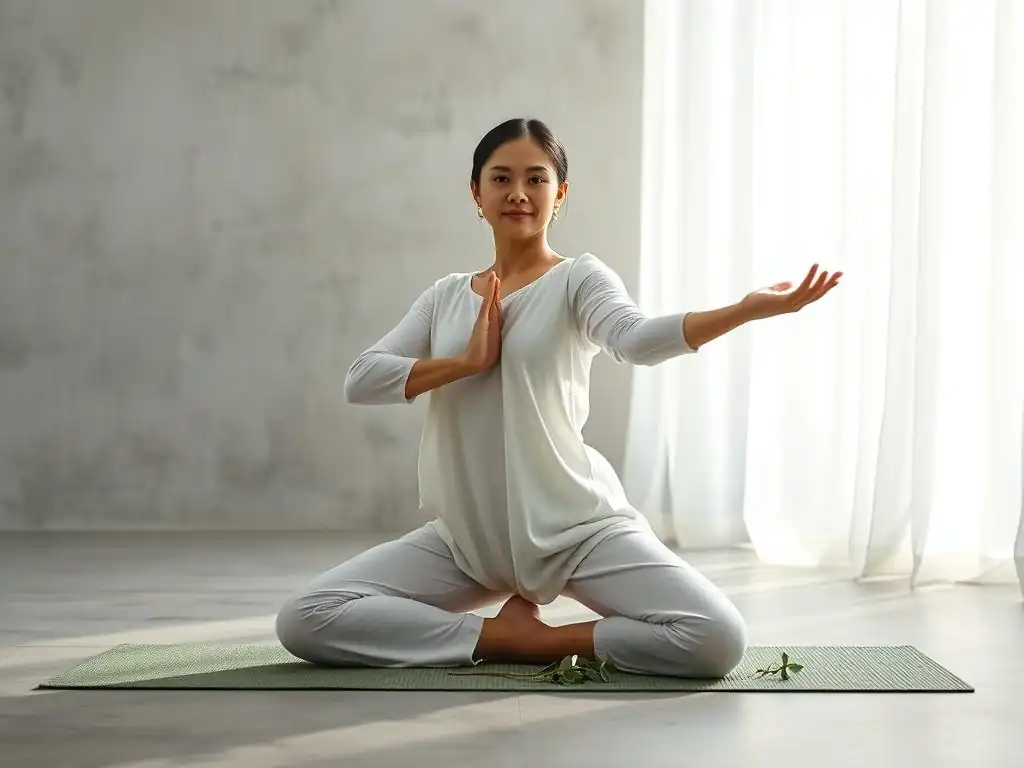
Beyond the well-documented physical and neurochemical effects, yoga cultivates a range of psychological benefits that contribute significantly to improved mood. These benefits often arise subtly from the mindful engagement required by the practice and can lead to lasting changes in how individuals perceive themselves and interact with the world around them. These less obvious impacts are powerful contributors to enhanced mental well-being.
Regular yoga practice can reshape internal narratives, improve self-perception, and build emotional resilience. It provides a safe space to explore one's physical and emotional limits, fostering a sense of empowerment and acceptance. These psychological shifts are often the most transformative aspects of yoga for mental health, helping individuals navigate life's challenges with greater ease and a more positive outlook.
Cultivating Mindfulness and Presence Through Yoga
One of the most significant psychological benefits of yoga is its capacity to cultivate mindfulness – the practice of paying attention to the present moment without judgment. During a yoga class, instructors often guide participants to focus on their breath, bodily sensations, and the movements of the poses. This deliberate focus helps to quiet the mind's tendency to wander into worries about the future or regrets about the past, which are common sources of anxiety and low mood.
By repeatedly bringing attention back to the present moment during practice, individuals train their minds to be less reactive to negative thoughts and emotions. This skill extends beyond the yoga mat, enabling practitioners to observe challenging situations or feelings with greater clarity and less emotional entanglement in daily life. This enhanced presence and reduced rumination is a core mechanism by which yoga boosts mood naturally, helping individuals feel more grounded and less overwhelmed by mental noise.
Enhancing Emotional Regulation and Resilience
Yoga provides a practical framework for developing emotional regulation skills. The physical challenges of holding poses, combined with the instruction to breathe deeply and remain present, teach practitioners how to stay calm and centered when faced with discomfort or difficulty. This experience of navigating physical challenge with grace and awareness translates into an increased ability to manage emotional challenges outside of practice.
Regularly moving through poses that might feel awkward or challenging, while being encouraged to accept one's limitations without judgment, builds resilience and self-compassion. Practitioners learn to observe difficult emotions as temporary states rather than identifying with them completely. This fosters a sense of agency and confidence in their ability to handle emotional ups and downs, significantly contributing to a more stable and positive mood over time.
Fostering Self-Compassion and Acceptance
Many people struggle with harsh self-criticism, which can severely impact mood and self-esteem. Yoga offers a powerful antidote by emphasizing non-judgment and acceptance of oneself, exactly as they are, in the present moment. In a yoga class, there is no competition, no requirement to perform perfectly. Instructors often encourage listening to one's body and respecting its current capabilities, modifying poses as needed.
This focus on self-acceptance during practice helps dismantle the inner critic. By treating their bodies and minds with kindness on the mat, practitioners learn to extend that same compassion to themselves in all aspects of life. This fosters a healthier, more positive self-image and reduces the negative self-talk that often fuels anxiety and depression. This cultivation of self-compassion is a profound psychological benefit, helping individuals build a stronger foundation for lasting mood improvement.
Specific Yoga Practices and Their Mood Benefits
While the holistic practice of yoga as a whole is beneficial, different components and styles can offer specific advantages for mood enhancement. Understanding how individual elements like poses, breathwork, and meditation contribute can help individuals tailor their practice to their specific needs and challenges. Each facet of yoga plays a unique role in influencing mental state and promoting well-being.
Whether seeking to release physical tension contributing to stress, calm a racing mind, or cultivate a deeper sense of peace, various yoga techniques offer targeted benefits. Combining these elements creates a powerful synergy that addresses mood from multiple angles. Exploring these specific practices reveals the depth and versatility of yoga as a tool for natural mood elevation.
The Role of Asanas (Poses) in Releasing Tension
Asanas, or physical postures, are perhaps the most recognizable aspect of yoga. While they build strength and flexibility, their impact on mood stems significantly from their ability to release physical tension stored in the body. Stress and emotional distress often manifest as chronic muscle tightness, particularly in areas like the shoulders, neck, hips, and jaw. Holding certain poses, especially restorative or gentle stretches, allows these areas to soften and release accumulated tension.
For example, poses like Child's Pose (Balasana), Forward Folds (Uttanasana), or Reclining Bound Angle Pose (Supta Baddha Konasana) are known for their calming effects. By gently stretching and opening the body, these postures signal the nervous system to relax. The physical release of tension can lead to a palpable sense of relief and ease, directly impacting one's emotional state. This physical unwinding is a fundamental way that yoga boosts mood naturally by alleviating the bodily manifestation of stress.
Pranayama (Breathwork) Techniques for Instant Calm
Pranayama, the practice of conscious breath control, is arguably the most potent tool within yoga for directly influencing the nervous system and mood. The breath is intimately connected to our emotional state – rapid, shallow breathing is typical of anxiety, while slow, deep breathing accompanies relaxation. By deliberately altering breathing patterns, we can send powerful signals to the brain.
Techniques like Ujjayi breath (victorious breath), Nadi Shodhana (alternate nostril breathing), or Dirga Swasam (three-part breath) are specifically designed to calm the nervous system. For instance, Nadi Shodhana has been shown to balance activity in the two hemispheres of the brain and reduce heart rate variability associated with stress. Even a few minutes of conscious, deep breathing can significantly lower cortisol levels and induce a state of calm, offering an immediate way that yoga boosts mood naturally in moments of stress or anxiety.
Meditation and Relaxation Practices in Yoga
Yoga often includes elements of meditation and deep relaxation, such as Savasana (corpse pose) or guided meditations. These practices are crucial for integrating the physical and breathing work and allowing the nervous system to fully settle. Meditation cultivates present moment awareness and reduces the mind's tendency to dwell on negative thoughts, while deep relaxation techniques actively lower physiological arousal.
Spending time in stillness and conscious relaxation helps to reduce the baseline level of stress in the body and mind. It allows for a deeper connection with inner peace and quiet. Even just 5-10 minutes of Savasana at the end of a practice can significantly shift one's state from agitated to calm. These meditative and relaxation components are essential for solidifying the mood-boosting effects of the physical practice and breathwork, offering a complete system for enhancing mental well-being.
Integrating Yoga for Natural Mood Enhancement
Making yoga a regular part of one's life is key to experiencing its full benefits for mood. Consistency, rather than intensity, is often the most important factor. Finding ways to weave yoga into daily or weekly routines, even in short bursts, can create cumulative positive effects on mental well-being. This integration requires finding a practice that resonates and establishing habits that are sustainable.
The beauty of yoga is its adaptability. It can be practiced in a studio, at home, alone, or with others. It can be vigorous or gentle, long or short. The goal is to find a way to engage with the practice regularly so that its mood-enhancing effects become a consistent part of life. This section explores practical steps for making yoga a natural and effective tool for boosting mood.
Finding the Right Style and Practice for You
Yoga encompasses a wide spectrum of styles, from vigorous Vinyasa and Ashtanga to gentle Hatha, restorative, or Yin yoga. The "right" style depends entirely on individual needs, physical condition, and preferences. For someone seeking stress reduction and calm, a slower, more meditative style like Restorative or Yin might be most beneficial. For others, a more dynamic practice that allows for physical exertion and release might be better suited to alleviate tension and boost energy, thereby improving mood.
Experimentation is key. Trying different classes, instructors, or online resources can help uncover the style that feels most supportive and enjoyable. Some might prefer the structure of a class, while others thrive with the flexibility of a home practice using apps or videos. Finding a style that feels accessible and appealing increases the likelihood of sticking with it, ensuring that yoga boosts mood naturally as a regular part of your routine.
Consistency is Key: Making Yoga a Habit
Like any practice aimed at long-term well-being, consistency is paramount for yoga to effectively boost mood. Sporadic practice offers temporary relief, but regular engagement leads to cumulative benefits, rewiring the brain and nervous system for greater resilience and emotional stability. Aiming for multiple shorter sessions per week is often more effective than one long session every great while.
Even 15-20 minutes of focused practice daily or several times a week can make a significant difference. This could involve a few simple poses, 10 minutes of breathwork, or a short guided meditation. The key is to make it a non-negotiable part of your schedule, perhaps linking it to an existing habit like waking up or before bed. Building this consistent habit ensures that you regularly tap into the mood-enhancing power of yoga, allowing it to naturally support your mental health over time.
Yoga as a Complement to Other Mental Wellness Practices
Yoga is not a replacement for professional mental healthcare but serves as a powerful complementary practice. It can work in synergy with therapy, medication, or other self-care strategies to provide a more comprehensive approach to mental well-being. For individuals managing conditions like anxiety or depression, integrating yoga into their existing treatment plan can enhance outcomes and provide additional coping tools.
Therapists often recommend mindfulness and body awareness practices, and yoga naturally incorporates both. Discussing your yoga practice with your mental health provider can be beneficial, as they may offer insights or suggestions on how to best integrate it with your specific treatment goals. Viewing yoga as a supportive pillar within a broader wellness strategy maximizes its potential to help manage symptoms and improve overall quality of life.
Real-Life Impact: Stories of Yoga Boosting Mood Naturally

Hearing about the tangible impact of yoga on real people's lives can be incredibly inspiring. While scientific studies provide statistical evidence, personal accounts illustrate the transformative power of the practice in overcoming specific mental health challenges and improving daily mood. These stories highlight how consistent practice can lead to profound changes in emotional states and overall well-being.
From reducing the frequency and intensity of panic attacks to finding renewed energy and hope in the face of depression, personal narratives underscore the practical benefits of yoga. These examples serve as powerful testaments to the fact that yoga boosts mood naturally, not just in theory, but in the lived experiences of individuals seeking greater peace and emotional balance.
Case Study 1: Reducing Anxiety Through Regular Practice
Consider the case of Sarah, a 35-year-old graphic designer who struggled with chronic anxiety and frequent panic attacks. She felt constantly on edge, her mind racing with worries about work, relationships, and the future. Medications provided some relief, but she sought a non-pharmacological way to manage her symptoms and feel more in control. She started attending gentle Hatha yoga classes twice a week, initially skeptical but willing to try anything.
Within a couple of months, Sarah noticed a significant shift. The focus on breath in class helped her develop techniques to calm herself during moments of heightened anxiety outside of practice. She became more aware of the physical sensations associated with rising panic and learned to use deep breathing to ground herself.
While she still experienced anxiety occasionally, the panic attacks became less frequent and less intense. She reported feeling more present, less reactive to stressful triggers, and generally calmer throughout her day. Her yoga practice became a vital tool for managing her anxiety, demonstrating how consistent yoga boosts mood naturally by building resilience and coping skills.
Case Study 2: Combating Depression with Mindful Movement
John, a 50-year-old who had experienced recurrent episodes of depression, found it difficult to motivate himself to engage in activities he once enjoyed. He felt a pervasive sense of low energy, hopelessness, and withdrawal. Encouraged by his therapist, he reluctantly joined a beginner's yoga group specifically for mental health. The slow pace and emphasis on gentle movement and breath were initially challenging, but he committed to attending once a week.
Over several months, John began to experience subtle but meaningful changes. The physical act of moving his body, even gently, helped to combat the lethargy. The focus on mindfulness in class helped interrupt his negative thought spirals, offering moments of respite.
He started feeling a sense of accomplishment after each session and found that the practice helped him feel more connected to his body and less trapped in his mind. While managing depression remained an ongoing journey, yoga provided him with a tool to increase his energy levels, improve his outlook, and feel more capable of engaging with life, illustrating how yoga boosts mood naturally even in the face of significant challenges.
Case Study 3: Improving Overall Well-being and Outlook
Emily, a busy working mother of two, wasn't struggling with a specific diagnosis but felt overwhelmed, stressed, and disconnected from herself. She felt constantly drained and found it hard to find joy in her daily life. Seeking a way to de-stress and recharge, she began practicing Vinyasa yoga at a local studio three times a week. The dynamic flow helped her release pent-up energy and tension, while the final relaxation (Savasana) became a cherished time for stillness.
Emily found that the physical challenge provided a healthy outlet for stress, and the rhythmic breathing helped clear her head. She started sleeping better and felt more patient with her children and partner. The sense of community in the studio also provided valuable social connection.
Most importantly, she felt a renewed sense of vitality and optimism. Her practice helped her carve out time for herself, improve her energy levels, and shift her perspective from feeling overwhelmed to feeling more capable and content. This highlights how yoga boosts mood naturally by improving overall resilience and creating space for self-care and positive emotions.
Addressing Potential Barriers to Starting Yoga
Despite the compelling benefits, starting yoga can feel daunting. Perceived physical limitations, lack of time, cost, or feeling intimidated by the practice are common barriers. Addressing these concerns directly can help individuals feel more confident about taking the first step towards incorporating yoga into their lives for mood enhancement. Recognizing these hurdles is the first step in overcoming them.
It's important to remember that yoga is accessible to nearly everyone, regardless of age, fitness level, or body type. Many resources and modifications are available to make the practice safe and effective. Overcoming these initial barriers is crucial to unlocking the powerful ways yoga boosts mood naturally.
Overcoming Physical Limitations or Injuries
A common misconception is that you need to be flexible or strong to do yoga. In reality, yoga is a practice that meets you where you are. Most poses can be modified to accommodate physical limitations, injuries, or chronic conditions using props like blocks, straps, blankets, and chairs. Many studios and online platforms offer classes specifically designed for beginners, seniors, or those with specific health concerns, focusing on gentle movements and modifications.
Communicating any physical issues with a qualified instructor before class is essential. They can offer personalized guidance and ensure you practice safely. Starting slowly with gentle styles like Chair Yoga, Restorative Yoga, or beginner-level Hatha focuses on foundational movements and breath, building strength and flexibility gradually. The goal is mindful movement, not advanced acrobatics, making yoga accessible and beneficial for almost everyone.
Finding Time and Resources for Practice
In today's busy world, finding time for self-care can be a significant challenge. However, the mood-boosting effects of even short, consistent yoga practice make it a valuable investment of time. As mentioned earlier, consistency is more important than duration. Even 15-20 minutes a few times a week can yield noticeable benefits.
Resources for yoga are more abundant and varied than ever. While studio classes offer community and direct instruction, they can be costly and require travel time. Online platforms, YouTube channels, and yoga apps provide a wealth of classes at various lengths, styles, and price points, many of which are free or low-cost. Practicing at home offers flexibility to fit yoga into a packed schedule, whether it's first thing in the morning, during a lunch break, or in the evening. Finding the right combination of accessibility and cost makes it easier to integrate yoga into your routine.
Dealing with Self-Consciousness or Intimidation
Walking into a yoga studio or even starting a home practice can feel intimidating, especially if you're new or feel self-conscious about your body or abilities. Images in media often portray highly flexible practitioners, which can create unrealistic expectations and feelings of inadequacy. It's crucial to remember that yoga is a personal journey, not a performance.
Choosing beginner-specific classes or starting with online resources in the privacy of your own home can help ease initial discomfort. Many studios cultivate welcoming, non-judgmental environments. Focus on your own experience on the mat – your breath, your sensations – rather than comparing yourself to others. Remembering that everyone started as a beginner and that the practice is about self-discovery and well-being, not perfection, can help overcome self-consciousness and allow you to experience how yoga boosts mood naturally without external pressure.
Conclusion: Embracing Yoga for a Brighter Mood
Integrating yoga into your life offers a powerful, natural pathway to enhancing mood and overall mental well-being. Backed by both ancient wisdom and modern science, the practice provides a comprehensive set of tools – physical postures, breathwork, and mindfulness – that work together to reduce stress, regulate emotions, improve resilience, and cultivate a more positive outlook. From calming the nervous system and balancing neurotransmitters to fostering self-compassion and releasing physical tension, the ways yoga boosts mood naturally are numerous and profound.
Embarking on a yoga journey is an investment in your mental health. It's a practice that meets you where you are, adaptable to individual needs and circumstances. By committing to consistent practice, even in small increments, you unlock its transformative potential. Yoga offers a sustainable and empowering approach to navigating life's challenges with greater ease, presence, and emotional balance, leading to a more fulfilling and joyful life.
The Long-Term Benefits of a Yoga-Centered Approach
Committing to yoga as a long-term practice yields cumulative benefits that extend far beyond immediate mood uplift. Over time, regular yoga can lead to structural and functional changes in the brain associated with improved emotional regulation, reduced reactivity to stress, and enhanced cognitive function. It builds a strong foundation of resilience, making individuals better equipped to handle future challenges without experiencing significant dips in mood.
Furthermore, consistent practice fosters a deeper connection with oneself, promoting self-awareness and self-acceptance. This ongoing journey of self-discovery contributes to a more stable and positive sense of self, independent of external circumstances. The sustained reduction in stress hormones and inflammation also supports long-term physical health, creating a virtuous cycle where improved physical well-being reinforces positive mental states. This holistic, long-term impact is the true power of how yoga boosts mood naturally and sustainably.
Resources for Further Exploration of Yoga and Well-being
For those interested in exploring how yoga boosts mood naturally further, numerous resources are available. Many local yoga studios offer introductory classes, workshops specifically focused on stress or anxiety, or gentle/restorative sessions. Online platforms like Glo, Yoga with Adriene (YouTube), or Gaia offer vast libraries of classes catering to all levels and interests, allowing practice anytime, anywhere.
Books on yoga philosophy, specific techniques like pranayama, or the intersection of yoga and mental health can provide deeper understanding. Engaging with qualified yoga therapists or instructors specializing in trauma-informed or therapeutic yoga can also provide personalized guidance. Exploring these resources can help individuals find the support and practices needed to integrate yoga effectively into their lives for lasting mood enhancement.
Frequently Asked Questions
How exactly does yoga boost mood naturally?
Yoga combines physical postures, breathing techniques, and meditation, which can reduce stress hormones and increase neurotransmitters like serotonin, leading to a more balanced mood. It also encourages mindfulness and self-awareness.
Can any type of yoga improve my mood, or are some better than others?
While all yoga styles offer benefits, restorative yoga and yoga nidra are particularly effective for relaxation and mood enhancement. Styles that incorporate vigorous movement can also release endorphins.
How often should I practice yoga to experience noticeable mood improvements?
Consistency is key. Aim for at least three times a week to start experiencing the mood-boosting effects of yoga. Even short, 15-20 minute sessions can make a difference.
Besides mood, what other mental health benefits can yoga provide?
Yoga can help manage anxiety, depression, and stress. It can also improve sleep quality, focus, and self-esteem.
Is yoga a substitute for professional mental health treatment?
No, yoga should be considered a complementary therapy, not a replacement for professional help. If you are struggling with a mental health condition, consult a therapist or psychiatrist.
Final Reflection: The Unexpected Alchemy of Yoga and Mood
The profound connection between yoga and mood isn't just a fleeting trend; it's a powerful, scientifically-backed pathway to natural well-being that's more relevant than ever in our increasingly stressful world. In a society grappling with anxiety and depression, finding accessible and effective methods for self-care is paramount, and yoga offers a surprisingly potent solution, impacting both mental and physical health simultaneously.
The exploration of yoga's mood-boosting effects throughout this article highlights its enduring influence on our cultural landscape. It's no longer a niche practice relegated to studios; yoga is increasingly integrated into mainstream wellness routines, reflecting a growing societal awareness of the mind-body connection. The body benefits from movement, and the mind benefits from stillness.
This simple truth, often overlooked in our fast-paced lives, is at the heart of yoga's enduring appeal and its ability to cultivate a more balanced and joyful existence.
Now, consider your own life. What small steps can you take to incorporate the principles of yoga – breathwork, mindful movement, and self-compassion – into your daily routine? Perhaps it's starting with just five minutes of mindful breathing each morning, or committing to a weekly yoga class. Don't underestimate the transformative power of these seemingly small actions. Embrace the opportunity to cultivate inner peace and unlock the natural mood-boosting potential within yourself. The journey to a happier, healthier you begins with a single breath, a single pose, a single step towards a more mindful life.
Unleash Your Inner Sunshine: Boost Your Mood with Yoga
Thanks for taking the time to explore the surprising mood-boosting power of yoga! We hope you've discovered some new ways to nurture your well-being. Ready to take the next step?
- Try a short, guided yoga flow today. Even 10 minutes can make a difference in your energy and mood. Focus on poses that feel good to you.
- Share this article with a friend who could benefit from some mood-boosting techniques. Let's spread the joy!
- Consider exploring different yoga styles – perhaps Yin Yoga for deep relaxation or Vinyasa for a more energetic practice.
What's one small step you can take today to incorporate yoga into your routine and brighten your day?