
Can You Grow New Brain Cells? Understanding Neurogenesis and Plasticity

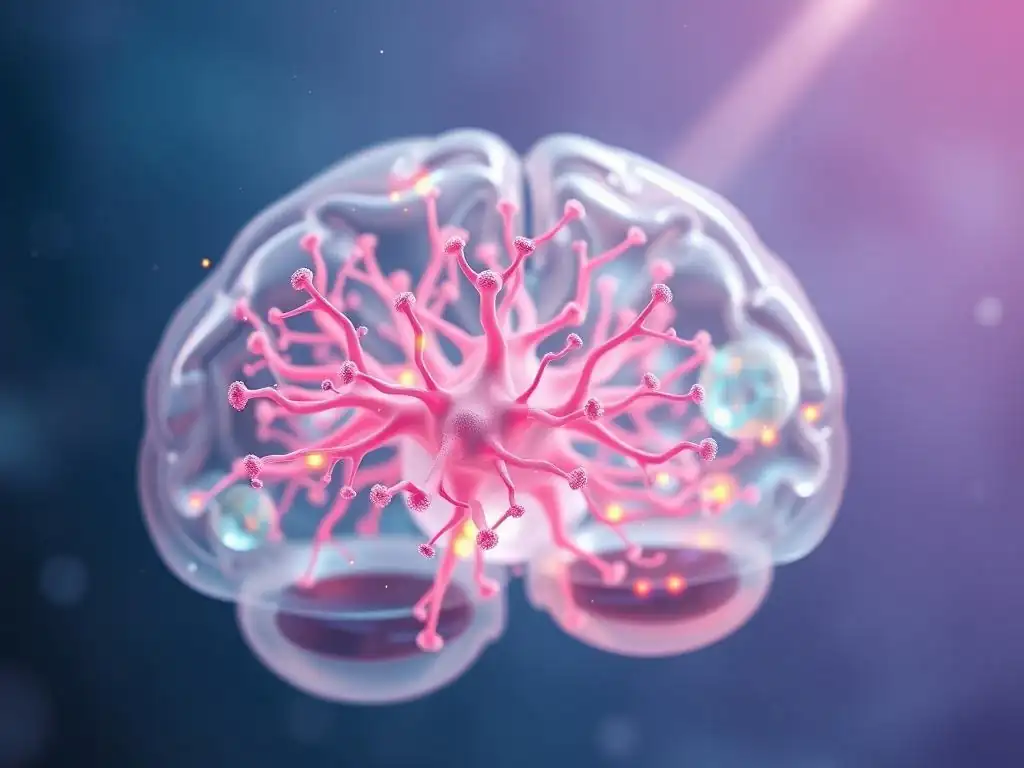
Welcome to Mind Care Guide, a safe space to explore the intricacies of your mental well-being. Feeling like your brain's potential is fixed? Think again. Dive into this week's article where we unravel the fascinating science of neurogenesis brain cell growth, exploring how you can actively cultivate new neural pathways and unlock a more resilient and adaptable mind. Discover practical strategies and surprising insights that could revolutionize your understanding of mental health and pave the way for lasting positive change. Ready to grow?
Can You Grow New Brain Cells? Understanding Neurogenesis and Plasticity
- Introduction: Exploring Neurogenesis and Brain Plasticity for Mental Well-being
- What is Neurogenesis? Defining New Brain Cell Growth
- Where Does Neurogenesis Occur in the Adult Human Brain?
- The Science Behind Neurogenesis: How New Brain Cells Develop
- Neurogenesis and Brain Plasticity: A Symbiotic Relationship
- Factors That Promote Neurogenesis and Brain Cell Growth
- Activities and Therapies That Support Neurogenesis and Plasticity
- Challenging the Myths: Neurogenesis Misconceptions and Realities
- Neurogenesis and Mental Health: Implications and Benefits
- The Future of Neurogenesis Research: Potential Therapies and Interventions
- Conclusion: Embracing Neurogenesis and Brain Plasticity for a Healthier Mind
-
Frequently Asked Questions
- How does Mind Care Guide define neurogenesis in the context of mental well-being?
- What role does brain plasticity play alongside neurogenesis for individuals facing mental health challenges?
- Does Mind Care Guide suggest any lifestyle changes to promote neurogenesis brain cell growth?
- Are there specific resources or support systems recommended by Mind Care Guide for those seeking help with neurogenesis or mental well-being?
- Can neurogenesis be a factor in recovery from mental health conditions, according to Mind Care Guide?
- Final Reflection: The Ever-Evolving Brain: A Journey into Neurogenesis
- Unlock Your Brain's Potential: Start Growing Today!
Introduction: Exploring Neurogenesis and Brain Plasticity for Mental Well-being
Mind Care Guide's Perspective on Brain Health
At Mind Care Guide, we believe that understanding the intricate workings of the brain is fundamental to achieving optimal mental well-being. Traditionally, it was thought that the adult brain was a fixed entity, incapable of generating new neurons. However, groundbreaking research in neuroscience has revealed a different picture: the brain is remarkably dynamic, possessing the capacity for change and even the growth of new brain cells. This paradigm shift is crucial for how we approach mental health, suggesting that our brains are not static but can adapt, heal, and improve over time through processes like neurogenesis and plasticity.
Our perspective is rooted in the science that empowers individuals. By exploring the potential for neurogenesis brain cell growth, we aim to equip our readers with knowledge that fosters hope and encourages proactive steps towards brain health. This understanding challenges deterministic views of mental health conditions and highlights the brain's inherent ability to adapt and form new connections, offering new avenues for recovery and resilience. It underscores the importance of lifestyle factors and therapeutic interventions that can actively support this remarkable capacity.
The Promise of Brain Cell Regeneration for Mental Health
The discovery that the adult human brain can generate new neurons, a process known as neurogenesis, holds immense promise for the field of mental health. Conditions like depression, anxiety, and PTSD have been linked to structural changes in the brain, including reduced volume in certain areas. The ability to grow new brain cells suggests a potential biological mechanism for recovery and resilience against these challenges. If we can understand and harness neurogenesis, it could pave the way for novel therapeutic strategies that go beyond symptom management to address the underlying neural circuits.
This capacity for neurogenesis brain cell growth offers a tangible biological basis for the effectiveness of various mental health interventions. For instance, activities known to improve mood and cognitive function, such as exercise and learning, have been shown to stimulate neurogenesis. This suggests that lifestyle changes and certain therapies might not just alter brain activity but also physically remodel the brain structure. The prospect of actively promoting brain cell regeneration provides a powerful, hopeful narrative for individuals navigating mental health challenges, emphasizing the brain's capacity for repair and adaptation throughout life.
What is Neurogenesis? Defining New Brain Cell Growth
The Scientific Definition of Neurogenesis
Neurogenesis is the complex process by which new neurons are generated in the brain. This process involves the division and differentiation of neural stem cells and progenitor cells into mature neurons. These newly formed neurons then migrate to specific areas of the brain and integrate into existing neural circuits, forming new connections and potentially altering brain function. While neurogenesis is most prolific during embryonic development, it was once believed to cease almost entirely after childhood. However, research over the past few decades has definitively shown that neurogenesis continues in specific regions of the adult mammalian brain, including humans.
The scientific definition emphasizes the origin of these new cells from non-neuronal stem cell populations. These stem cells reside in specific niches within the brain and possess the remarkable ability to self-renew and differentiate into various cell types, including neurons and glial cells. The regulation of this neurogenesis brain cell growth is incredibly complex, influenced by a myriad of internal and external factors, including genetic predispositions, environmental stimuli, physiological states, and pathological conditions. Understanding this fundamental biological process is key to unlocking its potential therapeutic applications.
Differentiating Neurogenesis from Gliogenesis
It is important to differentiate neurogenesis from gliogenesis, although both involve the generation of new cells in the brain. Neurogenesis specifically refers to the birth of new neurons – the electrically excitable cells that transmit information through chemical and electrical signals. Neurons are the fundamental units of the nervous system responsible for processing and transmitting information, enabling everything from thought and memory to movement and sensation. The growth of new neurons is the core of neurogenesis brain cell growth.
Gliogenesis, on the other hand, is the process of generating new glial cells. Glial cells, such as astrocytes, oligodendrocytes, and microglia, are non-neuronal cells that provide essential support and protection for neurons. They play crucial roles in maintaining the brain's environment, supplying nutrients, forming myelin sheaths, and participating in immune responses within the central nervous system. While both processes are vital for brain health and function, neurogenesis specifically addresses the creation of new information-processing units (neurons), whereas gliogenesis focuses on the support system for these neurons. Both processes occur throughout life, but their regulation and function differ significantly.
Where Does Neurogenesis Occur in the Adult Human Brain?
Neurogenesis in the Hippocampus: Memory and Learning
In the adult human brain, the most well-established and studied site of neurogenesis is the dentate gyrus, a region within the hippocampus. The hippocampus is a brain structure critically involved in learning, memory formation, and spatial navigation. The continuous generation of new neurons in this area is thought to play a significant role in these cognitive functions. Studies in rodents have demonstrated that blocking neurogenesis in the hippocampus impairs certain types of learning and memory, particularly those involving pattern separation – the ability to distinguish between similar experiences.
The newly born neurons in the hippocampal dentate gyrus undergo a maturation process, extending axons and dendrites to integrate into the existing hippocampal circuitry. This integration allows them to participate in neural networks involved in processing new information and consolidating memories. The rate of hippocampal neurogenesis is influenced by various factors, including age, stress levels, physical activity, and learning experiences. This specific site of neurogenesis brain cell growth highlights a potential biological link between lifestyle, brain structure, and cognitive function, particularly regarding memory and learning processes.
Neurogenesis in the Subventricular Zone (SVZ): Olfactory Bulb Connection
Another prominent site of adult neurogenesis in mammals, including humans, is the subventricular zone (SVZ), which lines the lateral ventricles. Progenitor cells in the SVZ generate neuroblasts, which are immature neurons. In rodents, these neuroblasts migrate extensively along the rostral migratory stream to the olfactory bulb, the brain region responsible for processing smells. Once in the olfactory bulb, these cells differentiate into interneurons, which are inhibitory neurons that modulate the activity of other neurons.
While the migration route and destination are less pronounced in adult humans compared to rodents, evidence suggests that the SVZ is a source of new neurons throughout life. Some research indicates that SVZ-derived cells may migrate to other brain regions beyond the olfactory bulb, although the extent and functional significance of this migration in humans are still areas of active research.
The SVZ's capacity for neurogenesis brain cell growth, particularly its connection to the olfactory system in many species, suggests a role in sensory processing and potentially other functions, although its exact contribution to human cognition and behavior is still being fully elucidated.
The Science Behind Neurogenesis: How New Brain Cells Develop
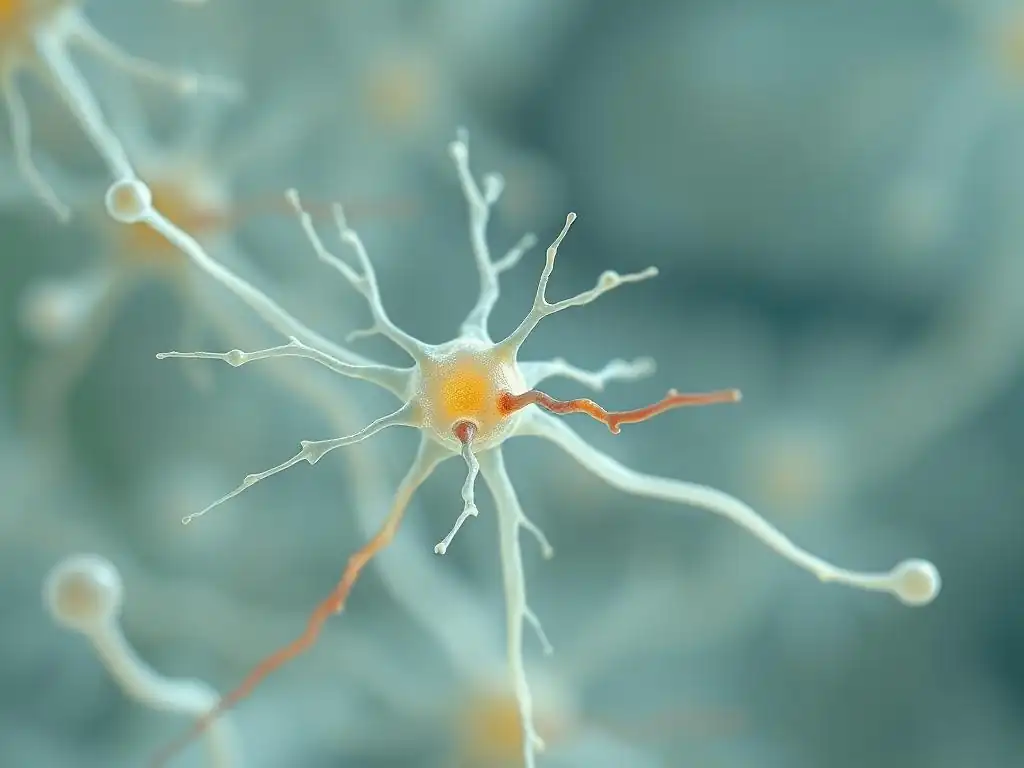
Stages of Neurogenesis: From Neural Stem Cells to Mature Neurons
The process of neurogenesis is a multi-stage journey beginning with neural stem cells. These are self-renewing cells with the potential to differentiate into various neural cell types. The first stage is proliferation, where neural stem cells divide to produce more stem cells and also progenitor cells. Progenitor cells are more committed to a specific lineage but still undergo further division. The second stage is differentiation, where progenitor cells commit to becoming neuroblasts, the precursors of neurons. These neuroblasts then undergo maturation.
Maturation involves the growth of axons and dendrites, the development of synapses (connections with other neurons), and the acquisition of electrical excitability. This is a critical phase where the new cell becomes a functional neuron. The final stage is survival and integration.
For a new neuron to persist and contribute to brain function, it must survive programmed cell death (apoptosis) and successfully integrate into existing neural circuits by forming functional synapses with other neurons. Only a fraction of the newly generated cells successfully complete this entire process and become long-lasting, functional components of the brain, highlighting the selectivity of neurogenesis brain cell growth.
Factors Influencing Neurogenesis: A Complex Interplay
The rate and success of neurogenesis are influenced by a complex interplay of intrinsic and extrinsic factors. Intrinsic factors include genetic predisposition, age, and hormonal status. For example, certain genes are known to regulate stem cell proliferation and differentiation, while aging is generally associated with a decline in the rate of neurogenesis. Hormones like estrogen and testosterone have also been shown to impact neurogenesis.
Extrinsic factors encompass a wide range of environmental and physiological influences. Positive factors include physical exercise, environmental enrichment, learning, and certain dietary components (like omega-3 fatty acids). Conversely, negative factors such as chronic stress, sleep deprivation, sedentary lifestyle, aging, and certain neuroinflammatory conditions can suppress neurogenesis. This complex regulatory network means that our lifestyle choices and environment can significantly impact our brain's capacity for neurogenesis brain cell growth, offering avenues for intervention to promote brain health.
Neurogenesis and Brain Plasticity: A Symbiotic Relationship
Understanding Brain Plasticity: Rewiring the Brain
Brain plasticity, also known as neuroplasticity, is the remarkable ability of the brain to change and adapt throughout life. It refers to the brain's capacity to reorganize itself by forming new neural connections. This can happen in response to learning new skills, experiences, environmental stimuli, or even injury. Plasticity occurs at multiple levels, from changes in the strength of individual synapses (synaptic plasticity) to the formation of entirely new neurons (neurogenesis) and the reorganization of large-scale neural networks.
This ability to "rewire" the brain is fundamental to learning, memory, recovery from brain injury, and adaptation to changing circumstances. For example, learning a new language or musical instrument physically alters the brain's structure and function by strengthening specific neural pathways. Similarly, after a stroke, the brain can sometimes reroute functions from damaged areas to healthy ones through plastic changes. Understanding brain plasticity is key to appreciating the brain's dynamic nature and its potential for lifelong learning and adaptation.
How Neurogenesis Contributes to Enhanced Brain Plasticity
Neurogenesis is considered a specific form of structural brain plasticity. The addition of new neurons, particularly in areas like the hippocampus, directly contributes to the brain's ability to reorganize and form new connections. These new neurons integrate into existing circuits and can participate in learning and memory processes. Their presence increases the complexity and computational capacity of the neural network in that region.
Furthermore, the process of generating and integrating new neurons requires and promotes other forms of plasticity. For instance, the survival and integration of new neurons depend on their ability to form synapses with existing neurons, a process that itself involves synaptic plasticity. The presence of new neurons may also stimulate changes in glial cells and the extracellular matrix, further contributing to the overall plastic environment of the brain. Thus, neurogenesis brain cell growth doesn't just add new components; it facilitates and interacts with other mechanisms of brain plasticity, enhancing the brain's overall capacity for adaptation and change.
Factors That Promote Neurogenesis and Brain Cell Growth
Lifestyle Choices and Neurogenesis: Diet, Exercise, and Sleep
Our daily lifestyle choices have a profound impact on the rate of neurogenesis. Physical exercise is one of the most potent known stimulators of neurogenesis, particularly aerobic activity. Studies consistently show that regular exercise increases the proliferation and survival of new neurons in the hippocampus across various species. For instance, moderate exercise for several weeks can lead to a significant increase in new neurons in the hippocampal dentate gyrus in rodents. This neurogenesis brain cell growth is thought to contribute to the mood-boosting and cognitive benefits of exercise.
Diet also plays a crucial role. Diets rich in omega-3 fatty acids, found in fish like salmon, and flavonoids, present in berries and dark chocolate, have been linked to increased neurogenesis. Conversely, diets high in saturated fats and sugar can suppress it. Adequate and quality sleep is also essential; chronic sleep deprivation is known to reduce neurogenesis. Prioritizing a balanced diet, regular physical activity, and sufficient sleep are fundamental strategies for supporting your brain's natural capacity for generating new cells.
The Role of Mental Stimulation in Fostering New Neuron Development
Engaging in mentally stimulating activities is another powerful way to promote neurogenesis. Learning new skills, reading, solving puzzles, and exploring novel environments all challenge the brain and encourage the formation of new neural connections. This environmental enrichment and cognitive engagement have been shown to increase the survival and integration of newly born neurons, particularly in the hippocampus. When you learn something new, your brain is actively working to incorporate this information, and neurogenesis can be part of this process.
For example, studies have shown that rodents housed in enriched environments with toys, tunnels, and opportunities for social interaction exhibit higher rates of hippocampal neurogenesis compared to those in standard laboratory cages. Similarly, learning complex tasks can increase the survival of new neurons. This suggests that actively challenging your brain through continuous learning and engaging activities helps to create a favorable environment for neurogenesis brain cell growth and the subsequent integration of these new cells into functional circuits, supporting cognitive vitality.
Stress Management and its Impact on Neurogenesis
Chronic stress is a significant suppressor of neurogenesis. Elevated levels of stress hormones, particularly cortisol, can impair the proliferation, differentiation, and survival of neural stem cells in the hippocampus. This reduction in neurogenesis is believed to contribute to the structural changes observed in the brains of individuals with chronic stress-related conditions like major depression and anxiety disorders, potentially impacting mood and memory.
Implementing effective stress management techniques is therefore vital for maintaining healthy neurogenesis. Practices such as mindfulness meditation, yoga, deep breathing exercises, spending time in nature, and ensuring adequate social support have been shown to reduce stress hormone levels and can positively influence neurogenesis. By mitigating the negative effects of chronic stress, these strategies help to preserve the brain's capacity for neurogenesis brain cell growth, supporting resilience and overall mental well-being. Prioritizing stress reduction is a critical component of a brain-healthy lifestyle.
Activities and Therapies That Support Neurogenesis and Plasticity
Cognitive Training and Neurogenesis
Cognitive training, which involves structured exercises designed to improve specific cognitive functions like memory, attention, or problem-solving, has shown promise in supporting neurogenesis and plasticity. While direct evidence linking cognitive training specifically to increased neurogenesis in humans is challenging to obtain, studies in animal models and correlational human studies suggest a connection. Engaging in challenging cognitive tasks increases neural activity in relevant brain regions, which can create a supportive environment for the survival and integration of new neurons.
For instance, learning a new language or musical instrument requires sustained cognitive effort and has been associated with structural changes in the brain, including increased gray matter volume in certain areas. This suggests that the intense neural activity involved in such learning processes might promote neurogenesis brain cell growth or, at the very least, enhance the survival and integration of existing new neurons. While more research is needed, incorporating novel and challenging cognitive activities into your routine is a practical way to support brain plasticity and potentially neurogenesis.
Mindfulness and Meditation: Enhancing Brain Cell Growth
Mindfulness and meditation practices, known for their stress-reducing effects, have also been linked to positive structural changes in the brain, including potential effects on neurogenesis. By reducing the levels of stress hormones like cortisol, which are detrimental to neurogenesis, meditation creates a more favorable environment for new cell survival. Regular meditation has been associated with increased gray matter density in areas such as the hippocampus, a key site for neurogenesis.
Although the direct link between meditation and increased neurogenesis in humans is still being explored, the observed structural changes and the reduction in stress hormones, a known suppressor of neurogenesis, suggest an indirect positive influence. For example, a study found that participants who completed an 8-week mindfulness-based stress reduction (MBSR) program showed an increase in gray matter density in the hippocampus compared to a control group. This finding supports the idea that practices like mindfulness meditation can contribute to brain health and potentially facilitate neurogenesis brain cell growth, contributing to improved emotional regulation and cognitive function.
The Benefits of Exercise for Neurogenesis
As mentioned earlier, exercise is arguably the most robustly supported activity for promoting neurogenesis. Aerobic exercise, in particular, has been shown to significantly increase the proliferation and survival of new neurons in the hippocampal dentate gyrus in numerous animal studies. For example, running on a treadmill for just a few weeks has been shown to double the rate of neurogenesis in the hippocampus of adult mice.
The mechanisms by which exercise promotes neurogenesis are multifaceted and include increased production of brain-derived neurotrophic factor (BDNF), a protein that supports the survival, growth, and differentiation of neurons. Exercise also improves blood flow to the brain, delivering essential nutrients and oxygen, and reduces inflammation, creating a healthier environment for neurogenesis brain cell growth.
Engaging in regular moderate-to-vigorous exercise is a powerful tool for enhancing brain health and supporting the brain's capacity for generating new neurons. Aiming for at least 150 minutes of moderate aerobic activity per week, as recommended by health guidelines, can have significant benefits for your brain.
Challenging the Myths: Neurogenesis Misconceptions and Realities
Myth: Neurogenesis Stops After Childhood
One of the most enduring myths in neuroscience was that the brain's capacity to generate new neurons ceased shortly after birth or early childhood. This belief stemmed from early studies that focused primarily on the developing brain and lacked the sophisticated techniques needed to detect low levels of neurogenesis in adulthood. For decades, the dogma was that the adult brain was a static structure in terms of neuron number.
This misconception led to a view of brain injury and neurodegenerative diseases as largely irreversible, as the brain was thought incapable of replacing lost neurons. It also limited research into therapies aimed at stimulating brain repair through cell regeneration. The persistence of this myth hindered exploration into the brain's true dynamic capabilities and the potential for lifelong adaptation and recovery.
Reality: Neurogenesis Continues Throughout Adulthood
Contrary to the long-held myth, scientific evidence has conclusively demonstrated that neurogenesis continues throughout adulthood in specific brain regions, most notably the hippocampus and subventricular zone. Using advanced techniques like carbon-14 dating of neuronal DNA (which can track cells born after atmospheric nuclear testing released traceable isotopes) and post-mortem analysis of brain tissue, researchers have confirmed the presence of newly generated neurons in the brains of individuals well into their 70s and 80s.
While the rate of neurogenesis may decline with age, it does not stop entirely. This reality fundamentally changes our understanding of the adult brain, revealing it as a dynamic organ capable of structural change and the potential for repair. The continued capacity for neurogenesis brain cell growth throughout life opens up exciting possibilities for therapeutic interventions aimed at boosting this process to combat age-related cognitive decline and neurodegenerative diseases.
Myth: The Brain is Static and Unchangeable
Another related myth is that the overall structure and function of the adult brain are largely fixed and unchangeable after a certain developmental period. This view implies that once neural circuits are established, they remain static, and significant rewiring or structural alteration is impossible. This perspective can lead to a sense of hopelessness regarding recovery from brain injury or overcoming ingrained behavioral patterns and mental health challenges.
This misconception fails to acknowledge the brain's remarkable property of plasticity. While certain foundational structures are established early, the brain is continuously adapting and reorganizing based on experiences, learning, and even injury.
Reality: The Brain is Highly Plastic and Adaptable
The overwhelming evidence from neuroscience research supports the reality that the brain is highly plastic and capable of significant structural and functional change throughout life. This plasticity is the biological basis for learning, memory, skill acquisition, and recovery from brain damage. Synaptic plasticity, the strengthening or weakening of connections between neurons, occurs constantly in response to neural activity. Furthermore, as discussed, neurogenesis adds new neurons to the network, contributing to this adaptability.
Examples of brain plasticity are abundant: musicians show structural changes in brain regions related to auditory processing and motor control; learning a new language increases gray matter in language areas; and stroke survivors can regain lost functions as the brain reroutes pathways. The brain's plasticity, including its capacity for neurogenesis brain cell growth, means that it is not a rigid machine but a dynamic, adaptable organ capable of lifelong learning, healing, and resilience. This reality offers a hopeful perspective for improving mental well-being and cognitive function at any age.
Neurogenesis and Mental Health: Implications and Benefits
Neurogenesis and Depression: A Potential Link
Research suggests a strong link between impaired neurogenesis and mood disorders, particularly major depression. Studies in animal models have shown that chronic stress, a major risk factor for depression, significantly suppresses hippocampal neurogenesis. Furthermore, many effective antidepressant treatments, including selective serotonin reuptake inhibitors (SSRIs) and exercise, have been shown to promote neurogenesis in animal brains. This has led to the hypothesis that reduced neurogenesis in the hippocampus may contribute to the development or persistence of depressive symptoms, and that promoting neurogenesis could be a mechanism by which antidepressants exert their therapeutic effects.
While the direct causal link in humans is still being investigated, the correlation is compelling. Individuals with depression often exhibit reduced hippocampal volume, which aligns with the idea of impaired neurogenesis. The prospect that boosting neurogenesis brain cell growth could alleviate depressive symptoms offers a promising avenue for developing new treatments that target the underlying neural deficits rather than just managing symptoms. This biological perspective adds depth to our understanding of depression and highlights potential pathways for recovery.
Neurogenesis and Anxiety: Exploring the Connection
Similar to depression, disruptions in neurogenesis have also been implicated in anxiety disorders. The hippocampus plays a role in regulating the stress response and processing emotional information. Impaired neurogenesis in this region, potentially induced by chronic stress, could contribute to heightened anxiety levels and difficulties in fear extinction (the process of learning that a previously feared stimulus is no longer dangerous).
Animal studies have shown that increased hippocampal neurogenesis can reduce anxiety-like behaviors. This suggests that the generation of new neurons in the hippocampus may help to modulate the activity of neural circuits involved in fear and anxiety. While the exact mechanisms in humans are complex and still being unravelled, the connection between stress, impaired neurogenesis brain cell growth, and anxiety symptoms provides a biological framework for understanding these conditions and exploring therapeutic strategies that aim to restore healthy neural function through promoting new cell growth.
Neurogenesis and Cognitive Function: Boosting Memory and Learning
Given the hippocampus's crucial role in memory and learning and its status as a primary site of adult neurogenesis, it is not surprising that neurogenesis is strongly linked to cognitive function. The integration of new neurons into hippocampal circuits is thought to be essential for certain types of learning, particularly those involving the formation of new declarative memories (memories of facts and events) and spatial memory.
Studies in rodents have demonstrated that increasing neurogenesis enhances performance on learning and memory tasks, while inhibiting neurogenesis impairs them. For example, mice with higher rates of hippocampal neurogenesis are better at distinguishing between similar environments. In humans, activities that promote neurogenesis, such as exercise and learning, are also associated with improved cognitive performance, particularly in areas related to memory and executive function. This highlights the potential of promoting neurogenesis brain cell growth as a strategy for enhancing cognitive reserve, slowing age-related cognitive decline, and potentially mitigating cognitive deficits associated with neurological and psychiatric conditions.
The Future of Neurogenesis Research: Potential Therapies and Interventions
Harnessing Neurogenesis for Neurological Disorders
The discovery of adult neurogenesis has opened up exciting possibilities for treating neurological disorders characterized by neuronal loss or dysfunction, such as Alzheimer's disease, Parkinson's disease, and stroke. If we can find ways to stimulate the generation and integration of new neurons in specific brain regions, it could potentially replace lost cells or repair damaged circuits, leading to functional recovery.
Current research is exploring various strategies, including identifying and administering growth factors that promote neurogenesis, using genetic approaches to enhance the proliferation or survival of neural stem cells, and developing small molecules that can stimulate neurogenesis. While challenges remain in directing the differentiation of new cells and ensuring their proper integration into complex circuits, the potential for harnessing neurogenesis brain cell growth to restore function in damaged brains is a major focus of regenerative medicine and neuroscience research.
Investigating the Therapeutic Potential of Neurogenesis-Promoting Drugs
The link between impaired neurogenesis and conditions like depression and anxiety has spurred interest in developing pharmacological interventions that specifically target and promote neurogenesis. While many existing antidepressants and mood stabilizers may indirectly influence neurogenesis, researchers are exploring novel drug candidates designed to directly enhance the proliferation, survival, or integration of new neurons.
These potential neurogenesis-promoting drugs could offer new treatment options, particularly for individuals who do not respond to current therapies. Research is also investigating whether combining pharmacological approaches with lifestyle interventions known to promote neurogenesis (like exercise) could yield synergistic benefits. While still in the early stages, the development of drugs that specifically enhance neurogenesis brain cell growth represents a promising frontier in the treatment of mental health disorders and neurological conditions, aiming to address underlying biological deficits.
Conclusion: Embracing Neurogenesis and Brain Plasticity for a Healthier Mind
Mind Care Guide's Final Thoughts on Brain Health and Neurogenesis
At Mind Care Guide, we believe that the evidence for adult neurogenesis and brain plasticity offers a profoundly hopeful perspective on mental health and cognitive function. The brain is not a fixed entity destined for inevitable decline, but rather a dynamic organ capable of remarkable change, adaptation, and even regeneration throughout life. Understanding that you can grow new brain cells empowers you to take an active role in your brain health journey.
This scientific understanding underscores the importance of lifestyle choices and therapeutic strategies that support the brain's natural capacity for neurogenesis brain cell growth and plasticity. It provides a biological basis for the benefits of exercise, learning, stress management, and certain therapies in promoting mental well-being and cognitive vitality. Embracing this knowledge moves us beyond passive acceptance of brain limitations towards proactive engagement in fostering a healthier, more resilient mind.
Taking Action: Practical Steps to Support Your Brain's Natural Ability to Grow and Adapt
Armed with the knowledge that your brain can grow new cells and rewire itself, you can take practical steps to support this incredible capacity.
- Prioritize Physical Activity: Aim for regular aerobic exercise, such as brisk walking, running, swimming, or cycling. Even moderate amounts can significantly benefit neurogenesis.
- Engage Your Mind: Continuously challenge your brain by learning new skills, reading diverse materials, solving puzzles, or engaging in creative activities. Novelty and complexity are key.
- Manage Stress Effectively: Incorporate stress-reducing practices into your routine, such as mindfulness meditation, deep breathing, yoga, or spending time in nature.
- Nourish Your Brain: Adopt a balanced diet rich in fruits, vegetables, whole grains, and sources of omega-3 fatty acids. Limit processed foods, excessive sugar, and unhealthy fats.
- Ensure Quality Sleep: Aim for 7-9 hours of consistent, quality sleep per night. Sleep is crucial for brain repair and consolidation processes, potentially including neurogenesis.
- Stay Socially Connected: Positive social interactions are beneficial for overall brain health and can buffer the negative effects of stress.
By incorporating these strategies into your daily life, you actively support your brain's natural ability for neurogenesis brain cell growth and plasticity, paving the way for improved mood, enhanced cognitive function, and greater resilience throughout life.
Frequently Asked Questions
How does Mind Care Guide define neurogenesis in the context of mental well-being?
Neurogenesis, according to Mind Care Guide, refers to the growth of new neurons in the brain, impacting cognitive function and potentially improving mental health outcomes. It's a key area of study for understanding brain plasticity.
What role does brain plasticity play alongside neurogenesis for individuals facing mental health challenges?
Brain plasticity allows the brain to reorganize itself by forming new neural connections throughout life. This, combined with neurogenesis, can help overcome challenges and build resilience.
Does Mind Care Guide suggest any lifestyle changes to promote neurogenesis brain cell growth?
Yes, Mind Care Guide likely suggests lifestyle changes like exercise, a healthy diet, and stress management to promote neurogenesis. These factors can positively influence brain health.
Are there specific resources or support systems recommended by Mind Care Guide for those seeking help with neurogenesis or mental well-being?
The site likely offers resources such as articles, support groups, and links to professional mental health services to assist individuals in understanding and addressing mental health concerns related to brain health.
Can neurogenesis be a factor in recovery from mental health conditions, according to Mind Care Guide?
Potentially, yes. Mind Care Guide might explain how promoting new brain cell growth can contribute to recovery by enhancing cognitive functions and improving overall brain health during treatment.
Final Reflection: The Ever-Evolving Brain: A Journey into Neurogenesis
The capacity for our brains to grow and change throughout life is not merely a scientific curiosity; it's a revolutionary understanding with profound implications for our health, well-being, and potential. This revelation, that neurogenesis—the birth of new brain cells—is a real and ongoing process, challenges long-held beliefs about the brain's fixed nature and opens doors to innovative approaches to brain health and disease treatment. The implications are staggering, offering hope for those facing neurological challenges and inspiring a deeper appreciation for the dynamic power of the human mind.
The ongoing research into neurogenesis has profoundly impacted my understanding of the human brain, shifting my perspective from a deterministic view to one of incredible plasticity and resilience. The ability to cultivate new brain cells through lifestyle choices—exercise, diet, mental stimulation—is incredibly empowering. The brain is like a muscle. The more you use it, the stronger it gets.
This simple analogy encapsulates the core message of neurogenesis: our brains are not static entities, but rather organs that respond dynamically to our actions and experiences. This understanding shifts the responsibility for brain health from a passive acceptance of aging to an active engagement in fostering its growth and vitality.
Now, consider your own brain. What steps can you take today to nurture its growth? Will you prioritize regular exercise, a balanced diet rich in brain-boosting nutrients, and engage in mentally stimulating activities that challenge and expand your cognitive abilities? The power to cultivate new brain cells, to enhance your cognitive function, and to improve your overall well-being rests within your grasp. Embrace the potential of neurogenesis and embark on a journey of lifelong brain growth and development. Your future self will thank you for it.
Unlock Your Brain's Potential: Start Growing Today!
Thanks for exploring the fascinating world of neurogenesis with us! We hope you gained valuable insights into your brain's incredible capacity for growth and change. Now it's time to put that knowledge into action. Ready to nurture your mind?
- Prioritize brain-boosting activities: Incorporate daily activities like mindful meditation, engaging in challenging mental exercises such as learning a new language or playing a musical instrument, or even simply taking a brisk walk in nature. This is your first step toward fostering neurogenesis.
- Share your newfound knowledge: Discuss what you've learned with friends and family. Inspire them to explore the power of their own brains! A shared journey toward better brain health is even more rewarding.
- Join our community: Discover more resources and connect with others on a similar journey by visiting our forum.
What small step will you take today to nurture your brain's incredible potential?