
Neuroinflammation: Protecting Your Brain's Plasticity from Internal Threats

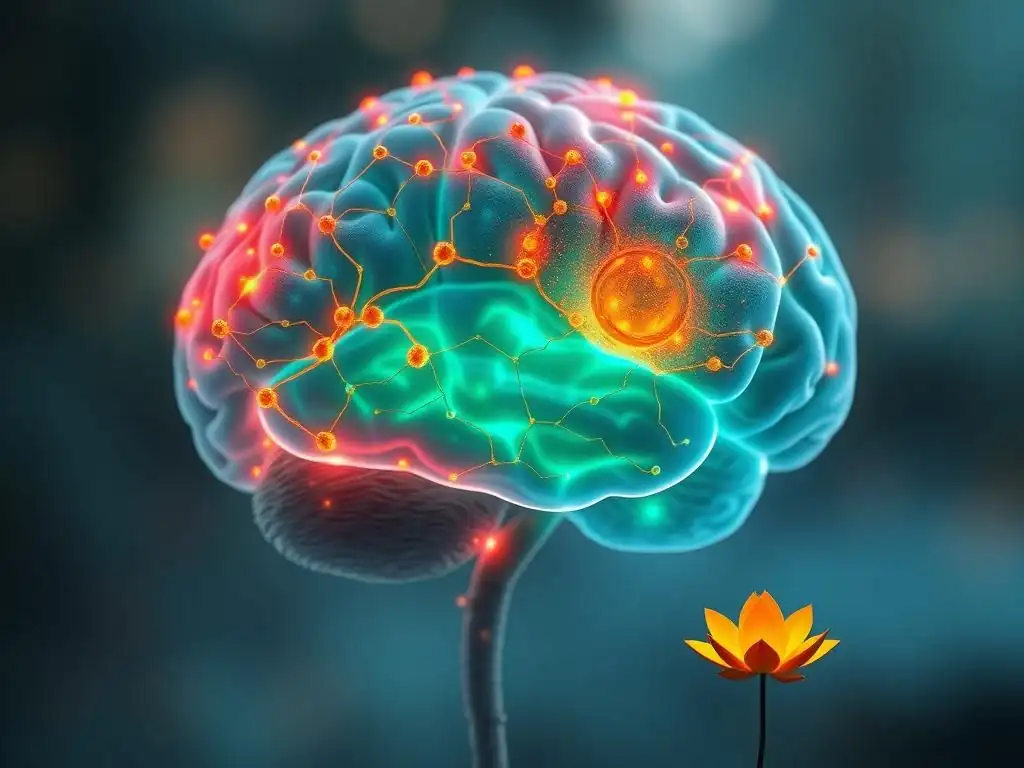
Welcome to Mind Care Guide, a sanctuary dedicated to understanding and nurturing your mental well-being. Are you experiencing unexplained mood swings, persistent fatigue, or cognitive fog? The connection between these symptoms and brain inflammation might be more profound than you realize. Delve into our comprehensive guide, " Neuroinflammation: Protecting Your Brain's Plasticity from Internal Threats," to uncover the latest research and practical strategies for supporting your brain's health and resilience. Could calming the storm within unlock a brighter, clearer future for you? Let's explore together...
Neuroinflammation: Protecting Your Brain's Plasticity from Internal Threats
- Understanding Neuroinflammation and Brain Health
- The Link Between Neuroinflammation and Mental Health Challenges
- Causes of Neuroinflammation: Identifying the Internal Threats
- Protecting Your Brain's Plasticity: Strategies for Reducing Neuroinflammation
- Diagnosing Neuroinflammation: Tests and Assessments
- Future Directions in Neuroinflammation Research and Mental Health Support
- Brain Inflammation Mental Health Support: Resources and Further Reading
-
Frequently Asked Questions
- What is neuroinflammation, and how does it relate to mental well-being?
- How can neuroinflammation threaten the brain's plasticity?
- What are some potential causes of neuroinflammation that could impact mental health?
- Where can I find mental health support related to brain inflammation?
- What are some strategies for reducing neuroinflammation and promoting mental health?
- Final Reflection: Nurturing Neuroplasticity: A Path to Mental Well-being
- Unlock Your Brain's Potential: Boosting Neuroplasticity Today!
Understanding Neuroinflammation and Brain Health
What is Neuroinflammation? Defining Brain Inflammation
Neuroinflammation refers specifically to an inflammatory response within the brain and spinal cord, the central nervous system (CNS). Unlike inflammation in other parts of the body, which primarily involves immune cells from the bloodstream, neuroinflammation is largely mediated by the brain's own resident immune cells, primarily microglia and astrocytes. These glial cells are essential for maintaining brain health, clearing debris, and supporting neurons, but when activated inappropriately or excessively, they release inflammatory molecules like cytokines and chemokines. This can disrupt normal brain function.
While microglia and astrocytes are the main players, other cell types like oligodendrocytes and neurons can also contribute to the inflammatory cascade. The process can involve the release of pro-inflammatory signals such as TNF-alpha, IL-1 beta, and IL-6, which can affect synaptic function, neurogenesis (the birth of new neurons), and overall neuronal survival. Understanding the precise mechanisms of this brain inflammation is crucial because it directly impacts brain plasticity – the brain's ability to reorganize itself by forming new neural connections throughout life. Chronic activation of these inflammatory pathways is a key concern for long-term cognitive and mental well-being.
The Role of Inflammation in the Brain: A Double-Edged Sword
Inflammation in the brain, like in the rest of the body, serves a protective purpose in acute situations. For instance, following a brain injury or infection, a rapid inflammatory response helps to clear damaged cells, fight off pathogens, and initiate repair processes. This acute neuroinflammation is typically short-lived and tightly regulated, contributing positively to recovery and helping to preserve brain function. It's a necessary part of the brain's defense system.
However, when the inflammatory response becomes chronic or dysregulated, it shifts from being protective to being detrimental. Persistent activation of microglia and astrocytes can lead to a prolonged release of pro-inflammatory mediators and reactive oxygen species, which can damage neurons and synapses. This chronic brain inflammation can impair the very processes that underpin brain plasticity, such as synaptic strengthening and the formation of new neural circuits. Over time, this sustained inflammatory state is increasingly linked to neurodegenerative diseases and various mental health conditions, highlighting the critical need to manage this internal threat.
Neuroinflammation vs. Systemic Inflammation: Key Differences
While neuroinflammation occurs specifically within the central nervous system, systemic inflammation is a body-wide inflammatory response. Although distinct, these two types of inflammation are often interconnected. Systemic inflammation, triggered by factors like chronic infections, autoimmune diseases, obesity, or poor diet, can significantly influence the brain. Inflammatory molecules from the bloodstream can cross the blood-brain barrier, a protective layer that regulates passage into the brain, particularly when this barrier is compromised by chronic systemic inflammation.
Once inflammatory signals from the body enter the brain, they can activate the resident glial cells, initiating or exacerbating brain inflammation. This bidirectional communication means that addressing systemic inflammation is often a critical step in managing neuroinflammation. For example, individuals with chronic inflammatory conditions like rheumatoid arthritis or inflammatory bowel disease often have higher rates of depression and cognitive issues, partly due to the spillover effects of systemic inflammation into the brain, contributing to neuroinflammation and impacting mental health support needs.
The Link Between Neuroinflammation and Mental Health Challenges
Neuroinflammation and Cognitive Decline: Impact on Brain Plasticity
Chronic neuroinflammation is a significant factor implicated in cognitive decline and neurodegenerative diseases. Persistent inflammatory signaling can impair synaptic function, reduce the density of synapses, and inhibit neurogenesis in key brain regions like the hippocampus, which is critical for learning and memory.
Studies have shown that elevated levels of inflammatory markers such as C-reactive protein (CRP) and cytokines like IL-6 in the bloodstream are associated with accelerated cognitive decline in older adults. For instance, some research suggests that individuals with persistently high CRP levels may experience a rate of cognitive decline up to 20% faster than those with low levels over several years.
The detrimental impact of brain inflammation on cognitive abilities like memory, attention, and executive function appears directly related to its interference with brain plasticity. By damaging neural circuits and hindering the brain's capacity to form new connections, chronic inflammation undermines the very foundation of cognitive resilience. This link is particularly evident in conditions like Alzheimer's disease, where neuroinflammation is a prominent feature alongside amyloid plaques and tau tangles, playing a significant role in disease progression and the severity of cognitive impairment.
Neuroinflammation's Impact on Mental Disorders: Depression
Research increasingly points to neuroinflammation as a key player in the development and persistence of major depressive disorder (MDD). The "cytokine hypothesis of depression" proposes that inflammatory signals can alter neurotransmitter metabolism (reducing serotonin and dopamine availability), disrupt neural circuits involved in mood regulation, and impair neurogenesis. Studies consistently show that a significant subset of individuals with depression, estimated to be around 30-40%, exhibit elevated levels of inflammatory markers in their blood and cerebrospinal fluid compared to healthy individuals.
Furthermore, inducing inflammation in healthy volunteers (e.g., through vaccination or cytokine administration) can trigger depressive-like symptoms, including fatigue, anhedonia (loss of pleasure), and social withdrawal. This suggests a direct causal link between brain inflammation and depressive symptoms. Managing inflammation is becoming recognized as a potential therapeutic target for depression, particularly in those with evidence of inflammatory activation, highlighting the importance of considering inflammatory pathways when providing mental health support for depression.
Neuroinflammation and Mood Disorders: Anxiety
Beyond depression, neuroinflammation is also strongly associated with anxiety disorders. Inflammatory mediators can influence brain regions involved in fear and anxiety processing, such as the amygdala and prefrontal cortex. They can also modulate the activity of the hypothalamic-pituitary-adrenal (HPA) axis, the body's main stress response system. Chronic inflammation can lead to HPA axis dysregulation, contributing to heightened anxiety and stress reactivity.
Conditions characterized by chronic systemic inflammation, such as autoimmune diseases or chronic infections, often have a high comorbidity with anxiety disorders. For example, individuals with inflammatory bowel disease have been reported to experience anxiety at rates significantly higher than the general population, sometimes exceeding 40-50%. This connection underscores how inflammation originating in the body can impact brain circuits and contribute to anxiety symptoms. Addressing brain inflammation and its systemic drivers is therefore an important consideration in providing comprehensive mental health support for anxiety.
Causes of Neuroinflammation: Identifying the Internal Threats
Lifestyle Factors Contributing to Brain Inflammation
Several common lifestyle factors can significantly contribute to chronic neuroinflammation. Poor sleep quality and chronic sleep deprivation are major culprits; studies indicate that insufficient sleep (e.g., consistently less than 7 hours per night) can increase circulating levels of pro-inflammatory cytokines like IL-6 and TNF-alpha by measurable amounts, sometimes up to 10-20% in certain populations. Chronic stress, especially when unmanaged, leads to prolonged activation of the stress response system and elevated cortisol, which can initially suppress but eventually exacerbate inflammation depending on the duration and nature of the stressor.
A sedentary lifestyle also plays a role. Lack of regular physical activity is associated with higher levels of systemic inflammation, which can spill over into the brain. Conversely, consistent moderate exercise has been shown to reduce inflammatory markers. Other factors like smoking and excessive alcohol consumption are well-known inflammatory triggers that can contribute to brain inflammation over time. Addressing these lifestyle habits is fundamental to reducing the internal inflammatory burden on the brain and supporting overall mental well-being.
Dietary Influences on Neuroinflammation and Mental Well-being
Diet is a powerful modulator of inflammation throughout the body, including the brain. Diets high in refined sugars, processed foods, saturated and trans fats, and red meat are pro-inflammatory. These dietary patterns can promote systemic inflammation, disrupt the gut microbiome, and directly contribute to the activation of inflammatory pathways in the brain. For instance, a diet high in saturated fat has been shown in some studies to increase microglial activation in animal models within weeks.
Conversely, diets rich in anti-inflammatory components can help mitigate brain inflammation. These include diets high in omega-3 fatty acids (found in fatty fish), antioxidants (found in fruits and vegetables, particularly berries and leafy greens), fiber (whole grains, legumes), and monounsaturated fats (olive oil). Adopting a Mediterranean-style diet, for example, has been associated with lower levels of inflammatory markers like CRP, sometimes by 20-30%, and is linked to better cognitive health outcomes. Nutritional choices are therefore a critical lever for influencing brain inflammation and supporting mental health.
Environmental Toxins and Their Impact on Brain Inflammation
Exposure to certain environmental toxins can also trigger or exacerbate neuroinflammation. Heavy metals like lead and mercury, pesticides (e.g., organophosphates), air pollutants (particulate matter), and certain industrial chemicals are known neurotoxicants. Upon entering the body, they can cross the blood-brain barrier and directly activate glial cells, leading to a sustained inflammatory response.
For example, chronic exposure to fine particulate matter (PM2.5) from air pollution has been linked to increased markers of neuroinflammation in post-mortem brain studies. While quantifying the exact impact on brain inflammation for individual exposures is complex, population-level studies suggest that environmental factors contribute to a portion of neurodevelopmental and neurodegenerative issues, potentially mediated partly through inflammatory mechanisms. Reducing exposure to known neurotoxicants is an important, albeit sometimes challenging, strategy for protecting brain health.
The Gut-Brain Axis and Neuroinflammation: A Crucial Connection
The gut-brain axis is a complex communication network linking the gut microbiome, the gut lining, and the central nervous system. This axis plays a crucial role in modulating brain inflammation. The trillions of microorganisms in our gut produce various metabolites; some, like short-chain fatty acids (SCFAs) produced from fiber fermentation, have anti-inflammatory properties. Others, produced by less beneficial bacteria or from the breakdown of unhealthy foods, can be pro-inflammatory.
Dysbiosis, an imbalance in the gut microbiome composition, or increased intestinal permeability ("leaky gut") can lead to systemic inflammation. This inflammation, along with microbial metabolites and even components of bacteria themselves, can signal the brain via the vagus nerve or by crossing the blood-brain barrier. This can activate microglia and contribute to neuroinflammation. Studies have shown differences in the gut microbiome composition in individuals with various neurological and mental health conditions, suggesting that targeting the gut could be a pathway for managing brain inflammation and providing relevant mental health support.
Protecting Your Brain's Plasticity: Strategies for Reducing Neuroinflammation
Anti-Inflammatory Diet for Brain Health: Foods to Include and Avoid
Adopting an anti-inflammatory diet is one of the most effective strategies for reducing brain inflammation. Prioritize foods rich in omega-3 fatty acids, such as salmon, mackerel, sardines, chia seeds, and walnuts. Aim for several servings per week of fatty fish or consider a high-quality supplement after consulting a healthcare provider. Load up on fruits and vegetables, especially brightly colored ones like berries, leafy greens (spinach, kale), and cruciferous vegetables (broccoli, cauliflower), which are packed with antioxidants and phytochemicals.
Include sources of healthy fats like olive oil, avocados, and nuts. Incorporate fiber-rich foods such as legumes, whole grains, and seeds, which support a healthy gut microbiome. Simultaneously, minimize or eliminate pro-inflammatory foods: refined sugars, sugary drinks, processed meats, excessive red meat, trans fats (found in many processed snacks), and excessive saturated fats. Limiting alcohol intake is also important. Making these dietary shifts provides essential building blocks to calm brain inflammation and foster a healthier environment for brain plasticity.
Lifestyle Modifications to Reduce Neuroinflammation: Exercise and Sleep
Beyond diet, specific lifestyle changes are powerful tools for combating brain inflammation. Regular physical exercise is consistently shown to have anti-inflammatory effects both systemically and in the brain. Aerobic exercise, in particular, such as brisk walking, jogging, or swimming for at least 150 minutes per week (e.g., 30 minutes most days), can reduce levels of pro-inflammatory cytokines and increase anti-inflammatory molecules. Exercise also promotes blood flow to the brain and supports neurogenesis, directly benefiting brain plasticity.
Prioritizing quality sleep is equally vital. Chronic sleep deprivation disrupts the body's circadian rhythms and immune function, leading to increased inflammation. Aim for 7-9 hours of consistent, restorative sleep per night. Practice good sleep hygiene: maintain a regular sleep schedule, create a dark and quiet sleep environment, and avoid screens before bed. Addressing sleep issues is a foundational step in reducing inflammatory stress on the brain and enhancing overall resilience, contributing significantly to brain inflammation mental health support.
Supplements for Neuroinflammation: Evidence-Based Options
While diet and lifestyle are primary, certain supplements may offer additional support in reducing brain inflammation. Omega-3 fatty acid supplements, particularly EPA and DHA, have the most robust evidence for their anti-inflammatory properties. Dosages vary, but studies often use between 1-3 grams of combined EPA/DHA daily. Turmeric, containing the active compound curcumin, is another popular supplement with demonstrated anti-inflammatory effects, though absorption can be a challenge (often taken with black pepper extract).
Probiotic and prebiotic supplements can help support a healthy gut microbiome, indirectly influencing the gut-brain axis and potentially reducing neuroinflammation. Other supplements sometimes discussed include Alpha-Lipoic Acid, Resveratrol, and Vitamin D, all of which have shown anti-inflammatory potential in some studies. However, the evidence base varies, and it is crucial to consult with a healthcare professional before starting any new supplement regimen, especially when seeking brain inflammation mental health support, to ensure safety and appropriateness.
Stress Management Techniques for Brain Inflammation Control
Chronic stress is a significant driver of inflammation, making stress management techniques essential for controlling brain inflammation. Techniques that activate the body's relaxation response can help regulate the HPA axis and reduce the release of stress hormones that contribute to inflammation. Practices such as mindfulness meditation, deep breathing exercises, yoga, and Tai Chi have been shown to reduce levels of inflammatory markers like CRP and IL-6 in individuals who practice them regularly.
Even simple activities like spending time in nature, engaging in hobbies, or spending time with pets can reduce stress and promote a sense of well-being, indirectly lowering the inflammatory burden. Finding stress management strategies that resonate with you and incorporating them consistently into your daily or weekly routine is a proactive step towards protecting your brain from the damaging effects of chronic inflammation and supporting your mental health resilience. This is a key component of effective brain inflammation mental health support.
Diagnosing Neuroinflammation: Tests and Assessments
Identifying the Symptoms of Neuroinflammation
Identifying brain inflammation through symptoms alone is challenging because the symptoms are often non-specific and overlap with many other conditions, including mental health disorders. Common symptoms potentially linked to neuroinflammation include:
- Cognitive changes: Brain fog, difficulty concentrating, memory issues, slowed thinking.
- Mood disturbances: Increased anxiety, depression, irritability, apathy.
- Fatigue and malaise: Persistent tiredness not relieved by rest.
- Sleep disturbances: Difficulty falling asleep or staying asleep.
- Physical symptoms: Headaches, increased sensitivity to pain, sometimes gastrointestinal issues (linked to the gut-brain axis).
Because these symptoms are so general, they cannot definitively diagnose neuroinflammation. They can, however, serve as indicators that warrant further investigation, particularly if they are persistent or unexplained. Discussing these symptoms thoroughly with a healthcare professional is the first step in exploring potential underlying causes, including inflammation, and determining the appropriate path for evaluation and potential brain inflammation mental health support.
MRI for Assessing Brain Inflammation
Magnetic Resonance Imaging (MRI) is a powerful tool for visualizing the brain, but its role in directly assessing brain inflammation is complex and often limited to specific contexts. Standard MRI sequences can detect structural changes in the brain, such as lesions, swelling, or atrophy, which might be caused by severe or focal inflammation (e.g., in conditions like multiple sclerosis or stroke). However, standard MRI does not typically provide a direct measure of the molecular inflammatory processes occurring at a subtle or chronic level throughout the brain, which is often the case in neuroinflammation linked to mental health.
Advanced MRI techniques, such as diffusion tensor imaging (DTI) or specific contrast-enhanced sequences, can sometimes offer more insight into tissue integrity and inflammation, but they are not routine diagnostics for generalized neuroinflammation. Positron Emission Tomography (PET) scans using specific radiotracers that bind to activated glial cells (like TSPO tracers) are emerging research tools that can visualize neuroinflammation more directly, but these are currently primarily used in research settings and not widely available for clinical diagnosis of neuroinflammation underlying mental health conditions.
Working with Healthcare Professionals for Neuroinflammation Management
Given the complexity of diagnosing and managing brain inflammation, collaborating closely with healthcare professionals is essential. This might involve a multidisciplinary team including primary care physicians, neurologists, psychiatrists, registered dietitians, and potentially specialists in immunology or functional medicine. These professionals can help evaluate your symptoms, medical history, lifestyle, and potentially order relevant tests.
While direct tests for brain inflammation are limited, healthcare providers can assess systemic inflammatory markers (like CRP, ESR, or specific cytokines if available), evaluate for underlying conditions contributing to inflammation (e.g., infections, autoimmune diseases, gut issues), and assess cognitive and mental health status. Based on a comprehensive evaluation, they can help develop a personalized plan that may include dietary changes, lifestyle modifications, stress management techniques, and potentially targeted therapies or supplements aimed at reducing inflammation and providing appropriate brain inflammation mental health support.
Future Directions in Neuroinflammation Research and Mental Health Support
Novel Therapies Targeting Neuroinflammation
Research into brain inflammation is a rapidly evolving field, leading to the exploration of novel therapeutic approaches. Scientists are investigating drugs that specifically target key inflammatory molecules (e.g., cytokine inhibitors) or modulate the activity of glial cells (microglia and astrocytes). While some such therapies exist for specific neurological diseases with a clear inflammatory component (like certain types of multiple sclerosis), developing therapies for the more diffuse, chronic neuroinflammation linked to mental health is challenging.
Other areas of research include exploring the potential of resolving inflammation rather than just blocking it, using molecules called resolvins and protectins. Gene therapy and cell-based therapies aimed at modulating neuroinflammatory responses are also being investigated in preclinical studies. The goal is to develop treatments that can dampen detrimental brain inflammation without compromising the brain's essential immune functions, offering new avenues for brain inflammation mental health support in the future.
The Potential of Personalized Medicine in Managing Brain Inflammation
The concept of personalized medicine holds significant promise for managing brain inflammation and its impact on mental health. Recognizing that individuals have different genetic predispositions, environmental exposures, gut microbiome compositions, and lifestyle factors influencing their inflammatory profiles, a one-size-fits-all approach is unlikely to be optimal. Personalized medicine aims to tailor interventions based on an individual's unique biological and environmental profile.
This could involve using biomarkers (like genetic markers related to inflammation, specific inflammatory proteins, or microbiome analysis) to identify individuals most susceptible to brain inflammation or those whose mental health challenges are most likely linked to inflammatory pathways. Treatment plans could then be customized, focusing on the most relevant dietary, lifestyle, or therapeutic interventions for that specific person. This tailored approach is expected to improve the effectiveness of interventions aimed at reducing brain inflammation and enhancing brain inflammation mental health support.
Hope for Enhanced Brain Plasticity Through Neuroinflammation Control
The growing understanding of the detrimental effects of chronic brain inflammation on brain plasticity also brings hope. If chronic inflammation impairs the brain's ability to adapt, learn, and repair itself, then effectively controlling or reducing this inflammation should theoretically create a more favorable environment for plasticity to occur. Research supports this idea, showing that anti-inflammatory interventions can improve neurogenesis and synaptic function in animal models.
In humans, studies on lifestyle interventions (diet, exercise) known to reduce inflammation often show concomitant improvements in cognitive function and mood, suggesting a link between reducing brain inflammation and enhancing brain resilience and plasticity. While more research is needed to fully elucidate the extent to which plasticity can be restored, the potential to mitigate the negative impacts of inflammation offers a promising path forward for improving long-term brain health and providing more effective brain inflammation mental health support.
Brain Inflammation Mental Health Support: Resources and Further Reading
Support Groups for Individuals with Neuroinflammatory Conditions
Navigating conditions potentially linked to brain inflammation can be challenging, and connecting with others facing similar struggles can provide invaluable brain inflammation mental health support. While specific neuroinflammation-focused support groups might be less common, individuals can find support through groups dedicated to related conditions often associated with inflammation, such as:
- Chronic fatigue syndrome or ME (Myalgic Encephalomyelitis) support groups.
- Groups for autoimmune or chronic inflammatory diseases (e.g., IBD, arthritis) that often involve systemic inflammation impacting the brain.
- General mental health support groups focusing on depression, anxiety, or cognitive issues, where inflammation might be an underlying factor for some members.
These groups offer a space to share experiences, coping strategies, and find emotional support from peers who understand the daily challenges. Many organizations host online forums or local in-person meetings.
Online Resources for Understanding and Managing Neuroinflammation
Numerous reputable online resources can provide further information on brain inflammation, its links to health, and strategies for management. Educational websites from major health organizations (like the National Institutes of Health or specific disease foundations) often have sections explaining inflammation's role in various conditions. Academic institutions and research centers frequently publish accessible summaries of their findings.
Websites focused on nutrition and lifestyle medicine often provide detailed guides on anti-inflammatory diets and exercise strategies. While searching for brain inflammation mental health support online, it is crucial to rely on sources that are evidence-based and reviewed by medical professionals. Look for sites associated with universities, government health agencies, or established patient advocacy groups to ensure the information is accurate and reliable.
Finding Support for Mental Well-being and Neuroinflammation
Finding comprehensive brain inflammation mental health support often requires addressing both the potential physical drivers (like inflammation) and the mental health symptoms directly. If you suspect inflammation might be impacting your mental health, the first step is consulting with a healthcare professional for evaluation. They can help determine if inflammation is a likely contributor and guide you towards appropriate medical management.
Simultaneously, seeking support for your mental well-being is crucial. This can involve therapy (such as cognitive behavioral therapy or acceptance and commitment therapy) to help manage symptoms of depression or anxiety, develop coping strategies, and improve resilience. Connecting with a registered dietitian can help you implement an anti-inflammatory diet. Remember that managing conditions potentially linked to brain inflammation is often a journey requiring patience, consistent effort, and a supportive network of both healthcare providers and personal connections.
Frequently Asked Questions
What is neuroinflammation, and how does it relate to mental well-being?
Neuroinflammation is inflammation within the brain and nervous system. It can negatively impact brain plasticity and is increasingly linked to various mental health challenges.
How can neuroinflammation threaten the brain's plasticity?
Chronic neuroinflammation can disrupt the brain's ability to reorganize and adapt, which is essential for learning and recovery. This can manifest as cognitive decline or emotional instability.
What are some potential causes of neuroinflammation that could impact mental health?
Causes can range from infections and autoimmune disorders to chronic stress and poor diet. These factors can trigger an inflammatory response in the brain, affecting mental function.
Mind Care Guide offers information, support, and resources related to neuroinflammation and its impact on mental well-being. We aim to provide a comprehensive guide for navigating these challenges.
What are some strategies for reducing neuroinflammation and promoting mental health?
Lifestyle changes such as adopting an anti-inflammatory diet, managing stress, and getting enough sleep can help. Medical interventions may also be necessary in some cases, so consult a professional.
Final Reflection: Nurturing Neuroplasticity: A Path to Mental Well-being
The intricate dance between neuroinflammation and mental health is no longer a theoretical concept; it's a critical understanding shaping the future of mental health support. Ignoring the insidious impact of brain inflammation on our cognitive abilities and emotional well-being is akin to ignoring a wildfire threatening a vital forest. The consequences are far-reaching and demand immediate attention.
Understanding the profound influence of neuroinflammation on our mental landscape has been a deeply personal journey for me. Witnessing the debilitating effects of untreated inflammation on individuals struggling with mental health challenges underscores the urgent need for increased awareness and proactive strategies. The brain is not a machine; it is a garden that needs tending.
This quote perfectly encapsulates the delicate balance we must strive to maintain, actively nurturing our brain's health to foster resilience and well-being. The more we learn about the intricate connection between inflammation and mental health, the more empowered we become to cultivate a thriving mental garden.
Now, consider your own brain health. What steps can you take today to reduce inflammation and protect your cognitive function? This isn't about achieving perfection; it's about making conscious choices – incorporating anti-inflammatory foods into your diet, prioritizing stress management techniques, and seeking professional support when needed. By actively engaging in these practices, you are not just protecting your brain; you are investing in a brighter, healthier, and more fulfilling future. Let's cultivate a society that prioritizes brain health, fostering a future where mental well-being is not just a hope, but a reality for all.
Unlock Your Brain's Potential: Boosting Neuroplasticity Today!
Thanks for diving deep into the fascinating world of neuroinflammation and its impact on brain plasticity! You've now armed yourself with valuable knowledge to protect and enhance your cognitive health. Ready to put this learning into action?
- Prioritize brain-boosting nutrients: Identify three foods rich in antioxidants and omega-3 fatty acids to add to your diet this week. This small step can significantly contribute to reducing neuroinflammation.
- Incorporate mindful movement: Try a 15-minute guided meditation or a brisk walk in nature today. Reducing stress is crucial for maintaining healthy brain function.
- Share your insights: Discuss your newfound knowledge with a friend or family member – spreading awareness is key!
What simple change will you make today to nurture your brain's incredible plasticity?