
The Ultimate Guide to Rewiring Your Brain for Better Mental Health

Welcome to Mind Care Guide, a space dedicated to nurturing your mental well-being.
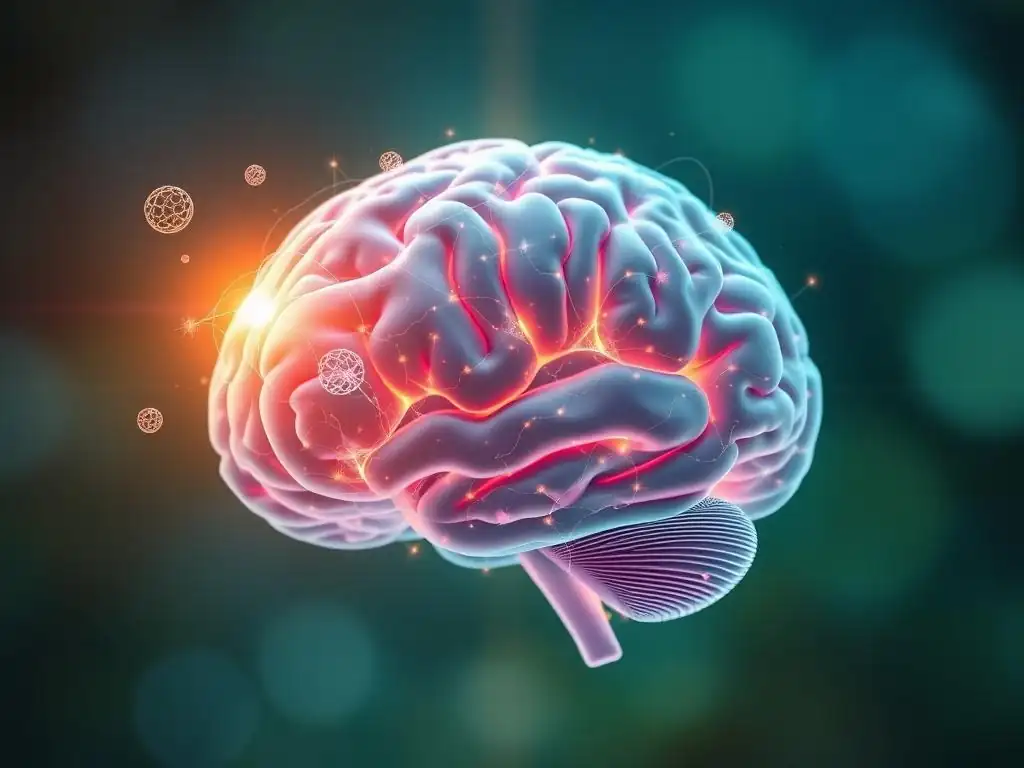
Feeling stuck in negative thought patterns? You're not alone. The power to change lies within your own brain. But how do you unlock it? This guide delves into the fascinating science of rewiring your brain for mental health, offering practical strategies and insightful knowledge to help you reclaim control and pave the way for a brighter, more resilient you. Explore the neuroscience and begin your journey to a healthier mind.
The Ultimate Guide to Neuroplasticity for Mental Well-being
- Understanding Neuroplasticity and Mental Health
- Identifying Thought Patterns Impacting Mental Well-being
- Techniques for Promoting Neuroplasticity for Enhanced Mental Health
- Practical Strategies for Promoting Neuroplasticity
- Addressing Challenges in the Neuroplasticity Process
- The Long-Term Benefits of Neuroplasticity for Mental Health
- Resources for Further Learning and Support
-
Frequently Asked Questions
- How does rewiring your brain help with mental health?
- What are some practical techniques for rewiring my brain?
- How long does it take to see results from rewiring my brain?
- Is rewiring your brain a permanent solution for mental health issues?
- Where can I find resources and support for rewiring my brain for mental health?
- Final Reflection: Unlocking Your Brain's Potential for Lasting Well-being
- Unleash Your Brain's Potential: Start Rewiring Today!
Understanding Neuroplasticity and Mental Health
What is Neuroplasticity and Why Does It Matter?
Neuroplasticity refers to the brain's remarkable ability to reorganize itself throughout life. Far from being a static organ, the brain can change its structure and function in response to experiences, learning, and even injury. This involves forming new neural connections, altering existing ones, and even generating new neurons in certain areas.
Understanding neuroplasticity is crucial for mental health because it offers a scientific basis for change and recovery. It means that the negative patterns of thought and behavior associated with conditions like anxiety, depression, or PTSD are not fixed; the brain has the capacity to adapt and create healthier pathways. This dynamic process is the foundation of rewiring brain for mental health.
The significance of neuroplasticity extends deeply into therapeutic interventions. Techniques such as cognitive behavioral therapy (CBT), mindfulness, and even certain forms of physical exercise leverage the brain's plasticity to promote positive changes. For example, studies using brain imaging techniques like fMRI have shown that consistent mindfulness practice can lead to measurable changes in brain regions associated with self-awareness, compassion, and fear modulation, such as the prefrontal cortex and amygdala.
This demonstrates that intentional effort can physically alter the brain's landscape, directly impacting emotional regulation and overall mental well-being. Recognizing this inherent ability empowers individuals to take an active role in their mental health journey by actively engaging in practices that support brain rewiring.
The Science Behind Brain Change
At a cellular level, neuroplasticity involves several key mechanisms. One primary process is synaptic plasticity, which refers to the strengthening or weakening of connections (synapses) between neurons. When you learn something new or repeat a specific thought or action, the synapses involved in that pathway become stronger, making it easier for the signal to pass through in the future.
Conversely, pathways that are used less frequently tend to weaken. This principle, often summarized as "neurons that fire together, wire together," explains how habits, both helpful and unhelpful, are formed and reinforced. Another mechanism is neurogenesis, the birth of new neurons, primarily occurring in the hippocampus, a region critical for learning and memory, and also implicated in mood regulation.
Beyond synaptic changes and neurogenesis, neuroplasticity also encompasses changes in glial cells, which support neurons, and alterations in the structure of entire brain regions. For instance, learning a new language or musical instrument has been shown in research to increase the volume of certain brain areas involved in language processing or motor skills, respectively.
Similarly, chronic stress can lead to detrimental changes, like reduced volume in the prefrontal cortex and hippocampus, while interventions aimed at stress reduction can help mitigate these effects. This ongoing scientific exploration provides tangible evidence that the brain is constantly adapting, underscoring the potential for rewiring the brain for mental health through targeted practices and experiences.
How Experiences Shape Your Brain
Every experience you have, from learning a new skill to reacting to a stressful situation, influences the neural pathways in your brain. Positive, challenging experiences can foster growth and resilience by building stronger connections in areas associated with problem-solving and emotional regulation. For example, overcoming a significant obstacle can strengthen neural circuits in the prefrontal cortex, enhancing future coping abilities.
Conversely, repeated negative experiences, such as chronic stress or trauma, can reinforce neural pathways associated with fear, anxiety, and negative self-belief, making these responses more automatic and difficult to manage. This is why individuals who experience trauma may develop hypervigilance or heightened anxiety responses; their brains have adapted to perceive constant threat based on past experiences.
The impact of experiences is particularly profound during critical periods of development, but the brain remains plastic throughout life. Learning new skills, engaging in complex problem-solving, and even social interactions all contribute to shaping neural architecture. For instance, engaging in regular social connection can strengthen pathways related to empathy and social cognition.
Furthermore, therapeutic processes like exposure therapy, used for phobias or PTSD, work by creating new, positive experiences with the feared stimulus in a safe environment, gradually weakening the old fear-based neural associations and building new, calmer responses. This continuous interaction between your environment, your actions, and your brain's structure highlights the opportunity available for intentional rewiring brain for mental health.
Identifying Thought Patterns Impacting Mental Well-being
Recognizing Unhelpful Thought Patterns (e.g., Rumination, Avoidance)
Unhelpful thought patterns are repetitive, often negative ways of thinking that can significantly impact mental health. Two common examples are rumination and avoidance. Rumination involves dwelling on negative thoughts or problems, replaying them over and over in your mind without actively seeking solutions.
This can be like a broken record, often focusing on past mistakes or perceived failures. For instance, someone might constantly rehash a minor social awkwardness from days ago, analyzing every detail and feeling increasing levels of shame or anxiety. This pattern strengthens the neural circuits associated with these negative emotions and thoughts, making them more dominant and easier to access in the future.
Avoidance, in the context of thought patterns, can manifest as actively trying not to think about something distressing or difficult. While this might offer temporary relief, it prevents processing the underlying issue and can reinforce the idea that the thought or feeling is too dangerous to confront. For example, someone feeling anxious about a presentation might distract themselves constantly instead of preparing or addressing their fears.
This avoids triggering the uncomfortable feelings, but it also prevents the brain from learning that the situation can be managed or that the fear is disproportionate. Both rumination and avoidance, by consistently directing mental energy towards negative or suppressive loops, contribute to maintaining problematic neural pathways rather than facilitating rewiring brain for mental health.
The Connection Between Thought Patterns and Mental Health (e.g., Stress, Low Self-Esteem)
The way you think directly influences your emotional state and overall mental health. Unhelpful thought patterns like catastrophic thinking (assuming the worst-case scenario) or black-and-white thinking (seeing things only in extremes) can significantly increase stress levels.
When you constantly anticipate disaster or view minor setbacks as utter failures, your body's stress response is triggered repeatedly, leading to chronic stress which, as mentioned earlier, can negatively impact brain structure, particularly in the hippocampus and prefrontal cortex. This creates a vicious cycle where negative thoughts fuel stress, and stress impairs the brain's ability to regulate emotions and think rationally, making it harder to break free from the pattern.
Furthermore, thought patterns profoundly affect self-esteem. Critical self-talk, comparison to others, or focusing solely on perceived flaws can erode confidence over time. If you constantly tell yourself "I'm not good enough" or "I always fail," these thoughts reinforce neural pathways associated with low self-worth.
This is not just a psychological phenomenon; research suggests that consistent negative self-referential processing can impact activity in brain regions involved in self-perception and emotional processing. By repeatedly activating these negative circuits, you inadvertently train your brain to default to a state of low self-esteem. Recognizing this powerful connection between thoughts and feelings is the first step in actively pursuing rewiring the brain for mental health.
Self-Reflection: Identifying Areas for Growth
Becoming aware of your own thought patterns is a critical step in the process of rewiring brain for mental health. Self-reflection involves paying conscious attention to the thoughts that run through your mind, particularly during challenging or emotionally charged situations. This isn't about judging your thoughts, but rather observing them with curiosity. You might start by noticing recurring themes – do you often jump to negative conclusions?
Do you tend to blame yourself excessively? Do you worry excessively about the future? Keeping a thought journal can be incredibly helpful here, allowing you to track patterns over time and see them more objectively.
Identifying areas for growth means pinpointing which specific thought patterns are causing distress or hindering your well-being. For example, you might notice that whenever a plan doesn't go perfectly, your immediate thought is "I've failed completely," leading to feelings of hopelessness. Or perhaps you find yourself constantly comparing your life to curated social media portrayals, triggering feelings of inadequacy.
Once these patterns are identified, they become targets for change. This conscious identification process begins to create a slight distance between you and the thought, which is the initial leverage needed to start modifying the ingrained neural pathways associated with these patterns. It's the conscious mind beginning to influence the automatic brain.
Techniques for Promoting Neuroplasticity for Enhanced Mental Health

Cognitive Behavioral Techniques: Reframing Thoughts
Cognitive Behavioral Therapy (CBT) is a powerful approach that directly leverages neuroplasticity by targeting unhelpful thought patterns and behaviors. One core technique is cognitive reframing, which involves identifying negative or irrational thoughts and challenging them with more balanced and realistic perspectives. For instance, if the thought is "I'm a complete failure because of this mistake," reframing might involve asking: "Is this truly a complete failure, or a learning opportunity?
What evidence supports or contradicts this thought? What would I tell a friend in this situation?" By actively questioning and modifying thoughts, you are creating new neural pathways that bypass the old, ingrained negative ones.
This process isn't simply thinking positively; it's about thinking realistically and flexibly. With consistent practice, challenging and reframing thoughts becomes easier and more automatic. Each time you choose to evaluate a thought rather than blindly accepting it, you strengthen the neural circuits associated with rational evaluation and weaken those linked to automatic negative responses.
Research on CBT has shown measurable changes in brain activity and structure in individuals treated for depression and anxiety, demonstrating its effectiveness in rewiring the brain for mental health. It teaches the brain a new way to respond to internal and external stimuli by consciously altering the cognitive appraisal process.
Activities to Stimulate Brain Change
Engaging in activities that challenge and stimulate the brain is fundamental to promoting neuroplasticity. Learning new skills, whether it's a new language, a musical instrument, or a complex craft, creates new neural connections and strengthens existing ones in diverse brain regions. For example, learning a new language increases gray matter density in areas related to language processing.
Similarly, activities that require problem-solving, critical thinking, or creativity, such as puzzles, strategic games, or artistic pursuits, all contribute to building a more robust and flexible brain network. These activities require the brain to work in new ways, forcing it to adapt and build new pathways.
Variety is key in stimulating brain change. Regularly exposing your brain to novel experiences and challenges prevents it from becoming complacent. This could involve taking a different route to work, trying a new type of cuisine, visiting a museum, or learning about a topic completely outside your usual interest. Such novelty activates different brain regions and encourages the formation of diverse neural connections. This constant engagement with the world in new ways keeps the brain active and adaptable, laying the groundwork for effective rewiring brain for mental health by increasing overall brain health and connectivity.
Meditation and its Impact on the Brain
Meditation, particularly mindfulness meditation, has garnered significant attention for its profound effects on brain structure and function, providing a powerful tool for rewiring the brain for mental health. Studies have shown that consistent meditation practice can lead to increased gray matter density in areas associated with learning, memory, self-awareness, and emotional regulation, such as the hippocampus and parts of the prefrontal cortex. Conversely, it has been linked to decreased gray matter density in the amygdala, the brain's fear center, suggesting a reduced reactivity to stress and negative stimuli.
Beyond structural changes, meditation also alters brain activity patterns. It can increase activity in areas related to focused attention and decrease activity in the Default Mode Network (DMN), which is often overactive in rumination and self-referential negative thinking. By training the mind to observe thoughts without judgment and return focus to the present moment, meditation helps to weaken the ingrained pathways of wandering, anxious thought. Even short, consistent meditation practices, such as 10-20 minutes daily, have been shown to induce measurable changes in brain function over just a few weeks, highlighting its accessibility and potential for significant positive impact.
Skill Acquisition and Neuroplasticity
The process of acquiring new skills is a prime example of neuroplasticity in action. Whether you're learning to juggle, code, paint, or play chess, your brain is actively forming and strengthening neural connections specific to that skill. For instance, learning to play a musical instrument involves complex motor skills, auditory processing, memory, and emotional expression, engaging a wide network of brain regions. Studies have shown that musicians often have increased gray matter volume in areas related to auditory processing and motor control, as well as enhanced connections between the brain hemispheres.
Skill acquisition requires focused attention, repetition, and effortful practice, all of which drive neuroplastic change. As you move from being a novice to becoming proficient, the neural pathways become more efficient, requiring less conscious effort. This isn't limited to traditionally "cognitive" skills; physical skills like dancing or playing a sport also build new neural networks related to coordination, balance, and spatial awareness. Actively engaging in the process of learning new skills provides a direct means of stimulating brain growth and flexibility, contributing significantly to the goal of rewiring brain for mental health by building confidence and competence.
Physical Activity and Brain Health
Physical exercise is one of the most powerful catalysts for neuroplasticity and overall brain health. Regular aerobic exercise, in particular, increases blood flow to the brain, delivering essential oxygen and nutrients. It also promotes the release of brain-derived neurotrophic factor (BDNF), a protein often referred to as "Miracle-Gro" for the brain. BDNF supports the growth, survival, and function of neurons and synapses, playing a crucial role in neurogenesis and synaptic plasticity, especially in the hippocampus.
Numerous studies have demonstrated the positive impact of exercise on mental health and cognitive function. For example, regular physical activity has been shown to reduce symptoms of depression and anxiety, improve memory and executive function, and even slow cognitive decline in older adults. A study published in the journal Molecular Psychiatry in 2018, analyzing data from over 1.2 million adults, found that individuals who exercised reported fewer days of poor mental health in the past month compared to those who did not exercise.
The types of activity that seemed most beneficial included team sports, cycling, and aerobic exercise. Incorporating consistent physical activity is a fundamental strategy for supporting rewiring the brain for mental health.
Positive Self-Talk for Mental Wellness
The internal dialogue you have with yourself profoundly influences your mental state and the neural pathways in your brain. Positive self-talk involves consciously replacing critical, negative thoughts with supportive, compassionate, and realistic affirmations. Instead of thinking "I'm terrible at this," you might reframe it as "This is challenging, but I can learn and improve." This isn't about ignoring difficulties, but about approaching them with a mindset that fosters resilience rather than despair.
Practicing positive self-talk helps to build and strengthen neural circuits associated with self-compassion, optimism, and resilience. Initially, it might feel artificial or forced, but with repetition, these new thought patterns become more automatic. You are essentially training your brain to default to a more supportive internal environment. This conscious effort to shift internal language is a direct application of the principles of neuroplasticity, actively working towards rewiring brain for mental health by cultivating a more positive internal landscape.
Cultivating Gratitude
Cultivating gratitude involves regularly focusing on and appreciating the positive aspects of your life, no matter how small. This can be done through practices like keeping a gratitude journal, where you list things you are thankful for each day, or simply taking a moment each day to reflect on what went well. This intentional shift in focus away from deficits or problems towards appreciation has tangible effects on the brain.
Studies using fMRI have shown that engaging in gratitude practices can increase activity in brain regions associated with morality, reward, and social bonding, such as the medial prefrontal cortex. Regularly activating these areas helps to strengthen the neural pathways associated with positive emotions and well-being. By consistently directing your attention towards the good, you are actively rewiring the brain for mental health, making it more inclined to notice and appreciate positivity in the future and potentially counteracting the brain's natural negativity bias.
Practical Strategies for Promoting Neuroplasticity
Setting Achievable Goals
Setting achievable goals is a practical strategy that supports neuroplasticity by providing direction and reinforcing positive behaviors. When you set a realistic goal and work towards it, you engage problem-solving skills and executive functions located in the prefrontal cortex. Breaking down larger goals into smaller, manageable steps makes the process less overwhelming and provides regular opportunities for success. Each successful step forward, no matter how small, provides a sense of accomplishment and reinforces the neural pathways associated with motivation and goal attainment.
Achieving goals, even minor ones, triggers the release of dopamine, a neurotransmitter associated with reward and motivation. This dopamine release strengthens the neural connections related to the actions that led to success, making you more likely to repeat those actions in the future. This positive feedback loop is essential for building new habits and breaking old ones, directly supporting the process of rewiring brain for mental health. It provides a tangible framework for applying neuroplastic principles in daily life, demonstrating that consistent, directed effort yields results.
Creating a Supportive Environment
Your environment plays a significant role in shaping your brain through continuous interaction. Creating a supportive environment involves surrounding yourself with positive influences, whether they are people, places, or routines, that encourage healthy habits and reduce stressors. This might mean spending more time with supportive friends and family, creating a calm and organized living space, or minimizing exposure to negative news or toxic relationships.
A supportive environment reduces chronic stress, which is known to impair neuroplasticity. It also provides opportunities for positive social interaction, which is crucial for brain health and the strengthening of neural circuits related to empathy and connection. Furthermore, having access to resources that support your mental health journey, such as books, online communities, or professional help, makes it easier to engage in practices that promote rewiring the brain for mental health. Consciously shaping your external world can significantly impact your internal landscape.
Establishing a Consistent Routine
Consistency is key when it comes to promoting neuroplasticity and embedding new habits. Establishing a consistent routine for activities that support mental health, such as exercise, meditation, gratitude practice, or learning, helps to reinforce the associated neural pathways. When you perform an action repeatedly at a similar time or in a similar context, your brain becomes more efficient at performing that action, eventually making it feel more automatic and less effortful.
For example, committing to a 15-minute walk every morning or a 10-minute meditation before bed helps to create a predictable pattern that the brain can follow. Over time, these consistent practices strengthen the neural connections related to physical activity or mindfulness, making them easier to maintain even on days when motivation is low. This deliberate structure provides the necessary repetition for the brain to build and solidify new, positive habits, which is fundamental to sustainable rewiring brain for mental health.
Monitoring Progress and Acknowledging Achievements
Tracking your progress and acknowledging your achievements are vital for maintaining motivation and reinforcing the positive changes happening in your brain. When you are actively working on rewiring your brain for mental health, progress may not always be linear or immediately obvious. Keeping a journal, using a habit tracker app, or simply reflecting on how you felt at the beginning of a journey versus how you feel now can provide valuable perspective.
Celebrating small wins, whether it's successfully reframing a negative thought, sticking to your exercise routine for a week, or having a positive social interaction, reinforces the positive behaviors and stimulates the brain's reward system. Acknowledging effort and persistence, not just perfect outcomes, is crucial. This conscious recognition of progress helps to strengthen the neural pathways associated with self-efficacy and motivation, making it more likely that you will continue with the practices that support brain change.
Addressing Challenges in the Neuroplasticity Process
Addressing Resistance
Resistance is a common challenge when attempting to change ingrained thought patterns and behaviors. It can manifest as procrastination, self-sabotage, or feeling overwhelmed by the effort required. This resistance often stems from the brain's preference for familiar, even unhelpful, pathways because they require less energy than forging new ones. The brain likes efficiency, and the old patterns are highly efficient due to years of reinforcement. Overcoming resistance requires conscious effort and a willingness to tolerate discomfort.
One way to address resistance is by starting small. Instead of committing to an hour of daily meditation, try five minutes. Instead of tackling your biggest fear head-on, take a tiny, manageable step. This reduces the perceived threat and makes the new behavior less daunting. Understanding that resistance is a normal part of the process, rather than a sign of failure, is also crucial. Patience and self-compassion are key; acknowledge the resistance without letting it derail your efforts entirely. Gradually increasing the challenge as the new pathways strengthen helps in the long-term process of rewiring brain for mental health.
Managing Setbacks and Sustaining Motivation
Setbacks are inevitable when working on rewiring brain for mental health. There will be days when old habits resurface, negative thoughts feel overwhelming, or motivation wanes. Viewing setbacks not as failures, but as learning opportunities, is essential for sustained progress. Analyze what triggered the setback without self-judgment and consider how you can navigate similar situations differently in the future.
Sustaining motivation over the long term requires more than just initial enthusiasm. It often involves connecting with your "why" – remembering the reasons you started this journey. Finding a support system, whether friends, family, or a support group, can provide encouragement during challenging times. Tracking progress, as mentioned earlier, helps visualize how far you've come. Adjusting goals or strategies when needed also prevents burnout and keeps the process feeling manageable. Persistence, even in the face of difficulty, is what ultimately drives lasting neuroplastic change.
Seeking Professional Guidance (e.g., Therapy, Coaching)
While self-directed efforts are powerful, sometimes the challenges in rewiring the brain for mental health are too complex or deeply rooted to address alone. Seeking professional guidance from therapists, counselors, or coaches specializing in mental health can provide invaluable support and expertise. Therapists trained in modalities like CBT, Dialectical Behavior Therapy (DBT), or Eye Movement Desensitization and Reprocessing (EMDR) can provide structured techniques specifically designed to identify and modify unhelpful thought patterns and process difficult experiences.
Mental health professionals can offer personalized strategies, help identify underlying issues contributing to negative patterns, and provide a safe space to explore challenging emotions. They can also offer accountability and support, which are crucial for maintaining motivation. For example, a therapist might help someone identify the specific triggers for their rumination and develop concrete coping mechanisms, guiding the brain towards healthier responses. Professional support can significantly accelerate and deepen the process of rewiring brain for mental health, making it more effective and sustainable.
The Long-Term Benefits of Neuroplasticity for Mental Health
Improved Emotional Regulation
One of the most significant long-term benefits of rewiring brain for mental health is improved emotional regulation. By strengthening neural pathways associated with mindfulness, self-awareness, and rational appraisal (often involving the prefrontal cortex), and potentially weakening those linked to automatic emotional reactivity (like in the amygdala), individuals become better equipped to manage their emotions. This means experiencing emotions fully, but being less likely to be overwhelmed by them or react impulsively.
Over time, consistent practice of techniques like reframing, meditation, and gratitude can lead to a more balanced emotional state. You might find yourself less prone to extreme mood swings, more resilient in the face of stress, and better able to bounce back from difficult experiences. This isn't about eliminating negative emotions, but about developing the capacity to navigate them with greater skill and less distress, indicating a more flexible and adaptive brain.
Enhanced Cognitive Abilities
Promoting neuroplasticity through learning, exercise, and mindful practices also leads to enhanced cognitive abilities. The same processes that support emotional well-being also benefit areas like memory, attention, problem-solving, and executive functions. For instance, studies have shown that regular aerobic exercise can improve memory function, particularly in the hippocampus. Learning new skills sharpens focus and problem-solving capabilities.
A brain that is actively engaged in learning and adapting is a brain that is more efficient and capable. This can translate to improved concentration at work or school, better decision-making, increased creativity, and a greater capacity to learn new things throughout life. These cognitive benefits are a natural byproduct of intentionally rewiring the brain for mental health and contribute to a greater sense of competence and confidence.
Increased Overall Well-being
Ultimately, the long-term benefits of embracing neuroplasticity extend to increased overall well-being. By actively shaping your brain for better emotional regulation and enhanced cognitive function, you create a foundation for a more fulfilling life. This includes feeling more resilient, experiencing more positive emotions, having stronger relationships (as social skills improve with better emotional management), and finding greater meaning and purpose.
The understanding that your brain is capable of change instills a sense of hope and agency. It shifts the perspective from being a passive recipient of your mental state to being an active participant in shaping it. This empowerment, combined with the concrete improvements in emotional and cognitive function, contributes significantly to a higher quality of life and a sustained state of mental wellness, demonstrating the profound impact of rewiring brain for mental health on every aspect of your existence.
Resources for Further Learning and Support
Books and Articles on Neuroplasticity
There are numerous valuable resources available for those interested in delving deeper into the science and application of neuroplasticity for mental health. Popular science books like "The Brain That Changes Itself" by Norman Doidge offer compelling stories of individuals who have harnessed neuroplasticity to overcome significant challenges. Other authors like Daniel Siegel explore the intersection of neuroscience and mindfulness, providing practical insights into how practices like meditation impact brain function.
Academic articles and reputable health websites also provide current research findings and in-depth explanations. Looking for articles published in journals focused on neuroscience, psychology, or psychiatry can offer detailed scientific perspectives. Websites from organizations like the National Institute of Mental Health (NIMH) or reputable universities often provide accessible summaries of complex research, offering further avenues for understanding the mechanisms behind rewiring the brain for mental health.
Online Programs and Workshops
Many online programs and workshops are available that teach practical techniques for applying neuroplasticity principles to improve mental well-being. These can range from guided meditation courses and mindfulness training programs to online CBT workshops and brain training exercises. Platforms like Coursera, edX, and specialized mental health websites offer structured learning experiences led by experts in the field.
These programs often provide guided exercises, educational modules, and interactive elements that help individuals understand the concepts of neuroplasticity and implement strategies like cognitive reframing, gratitude practices, or stress reduction techniques. While not a substitute for professional therapy when needed, these resources can be excellent tools for self-improvement and for learning actionable steps towards rewiring the brain for mental health in a structured format.
Support Networks and Communities
Connecting with others who are also on a journey of improving their mental health can provide invaluable support, encouragement, and shared learning opportunities. Online forums, social media groups, and local support groups focused on mental wellness, mindfulness, or specific conditions like anxiety or depression offer platforms for sharing experiences, challenges, and successes.
Being part of a community reduces feelings of isolation and provides a sense of belonging. Learning from others' experiences and offering support in return can be incredibly motivating. Many of these communities also share resources, tips, and strategies related to promoting brain health and applying neuroplasticity principles in daily life. Engaging with a supportive network reinforces positive behaviors and provides accountability, making the process of rewiring brain for mental health feel less solitary and more achievable.
Frequently Asked Questions
How does rewiring your brain help with mental health?
Rewiring your brain, also known as neuroplasticity, allows you to change negative thought patterns and behaviors. This can lead to improved emotional regulation and reduced symptoms of various mental health challenges.
What are some practical techniques for rewiring my brain?
Techniques include mindfulness meditation, cognitive behavioral therapy (CBT), and neurofeedback. These methods help you become aware of and modify your thought processes and responses.
How long does it take to see results from rewiring my brain?
The time frame varies depending on the individual and the techniques used. However, with consistent effort, many people start to notice positive changes within a few weeks or months.
Is rewiring your brain a permanent solution for mental health issues?
While rewiring the brain can significantly improve mental well-being, it requires ongoing effort. Maintaining healthy habits and practicing techniques can help sustain positive changes over time.
Where can I find resources and support for rewiring my brain for mental health?
Websites like Mind Care Guide offer information, support, and resources. You can also seek guidance from qualified mental health professionals who specialize in neuroplasticity-based therapies.
Final Reflection: Unlocking Your Brain's Potential for Lasting Well-being
The strategies outlined in this guide—from mindfulness practices to cognitive restructuring—aren't just theoretical exercises; they are powerful tools readily available to reshape your mental landscape. Understanding the brain's plasticity, its capacity to change and adapt, empowers us to actively participate in our own healing and growth, moving beyond passive acceptance of mental health challenges.
The journey of rewiring your brain for better mental health is a deeply personal one, a continuous process of self-discovery and self-compassion. It's about cultivating a relationship with your mind that is both understanding and proactive. As Viktor Frankl so eloquently stated, >“Between stimulus and response there is a space. In that space is our power to choose our response. In our response lies our growth and our freedom.” This space, this conscious pause between thought and reaction, is precisely where the power of rewiring resides. It's the fertile ground where new, healthier neural pathways can take root.
You now hold the key to unlocking your brain's incredible potential. Don't just read these techniques; embrace them. Experiment with different strategies, find what resonates with you, and commit to consistent practice. Remember, progress isn't linear; there will be setbacks. But with perseverance and self-kindness, you can cultivate a more resilient, joyful, and fulfilling mental life. Begin today. Your brain, and your well-being, will thank you.
Unleash Your Brain's Potential: Start Rewiring Today!
Thanks for taking the time to explore the power of rewiring your brain for better mental health! You've now equipped yourself with valuable knowledge to take control of your well-being. Let's put that knowledge into action.
Here are a few steps you can take to begin your journey:
- Implement one new mindfulness technique from the article this week. Even five minutes a day can make a difference! This is your key step to start experiencing positive change.
- Share your biggest takeaway from the article with a friend or family member – spreading awareness is incredibly powerful.
- Try journaling about your progress and challenges; this reflective practice can help uncover hidden insights and strengthen your commitment.
What small, positive change will you make today to start rewiring your brain for a brighter future?