
Exercise Your Way to a Better Brain: Physical Activity and Neuroplasticity


Welcome to Mind Care Guide, your sanctuary for nurturing mental well-being. Are you curious about how physical activity can reshape your brain? Discover the incredible power of exercise to boost brain neuroplasticity benefits in our latest exploration of the neuroscience of mental health. Join us as we unlock the secrets to a sharper, more resilient mind – your journey to enhanced well-being starts here.
Exercise Your Way to a Better Brain: Physical Activity and Neuroplasticity
- Introduction: Unlocking Brain Potential with Exercise
- Neuroscience of Exercise: How Physical Activity Reshapes the Brain
- Exercise Boosts Brain Neuroplasticity Benefits: A Deep Dive
- Types of Exercise for Optimal Neuroplasticity
- Creating an Exercise Routine for Brain Enhancement
- Beyond the Gym: Integrating Physical Activity into Daily Life
- Maximizing the Neuroplasticity Benefits of Exercise: Additional Strategies
- Real-Life Examples: Exercise and Neuroplasticity in Action
- Conclusion: Empowering Your Brain Through Movement
-
Frequently Asked Questions
- What is neuroplasticity, and why is it important for mental well-being?
- How does exercise specifically boost brain neuroplasticity benefits, according to Mind Care Guide?
- What types of exercise are most effective for improving neuroplasticity?
- How much exercise does Mind Care Guide recommend to experience neuroplasticity benefits?
- Besides exercise, what other lifestyle factors can support neuroplasticity and mental well-being?
- Final Reflection: The Ever-Evolving Brain: A Workout for the Mind and Body
- Unlock Your Brain's Potential: Start Moving Today!
Introduction: Unlocking Brain Potential with Exercise
Understanding the Connection Between Exercise and Brain Health
For decades, the prevailing view was that the adult brain was largely fixed, with limited capacity for change or growth. However, groundbreaking research has revealed the incredible adaptability of the brain, a property known as neuroplasticity. This refers to the brain's ability to reorganize itself throughout life, forming new neural connections in response to learning, experience, and yes, physical activity. Far from being static, the brain is a dynamic organ constantly being shaped by our actions and environment.
This understanding fundamentally changes how we view aging and cognitive decline. It suggests that we are not simply passive recipients of cognitive fate but active participants in shaping our brain health. Physical exercise, often seen primarily for its benefits to physical fitness and cardiovascular health, has emerged as a powerful modulator of brain structure and function, directly influencing the mechanisms of neuroplasticity. Engaging in regular physical activity is now recognized not just as a way to stay fit, but as a vital strategy for maintaining and enhancing brain vitality across the lifespan.
Why Exercise is Crucial for Neuroplasticity and Mental Well-being
Exercise acts as a potent catalyst for neuroplasticity by stimulating various biological processes essential for brain growth and function. It increases blood flow to the brain, delivering vital oxygen and nutrients. Crucially, physical activity promotes the production of neurotrophic factors, particularly brain-derived neurotrophic factor ( BDNF). Often referred to as "Miracle-Gro" for the brain, BDNF supports the survival of existing neurons and encourages the growth and differentiation of new neurons and synapses.
The comprehensive way exercise boosts brain neuroplasticity benefits extends significantly to mental well-being. Conditions like depression, anxiety, and stress are often associated with reduced neuroplasticity and atrophy in certain brain regions. Regular physical activity has been shown to counteract these effects, fostering resilience and improving mood. By promoting the formation of new neural pathways and strengthening existing ones, exercise enhances the brain's ability to adapt to challenges, regulate emotions, and process information effectively, offering a powerful, non-pharmacological intervention for supporting mental health.
Neuroscience of Exercise: How Physical Activity Reshapes the Brain
The Science Behind Exercise-Induced Neuroplasticity
The physiological mechanisms by which exercise promotes neuroplasticity are complex and interconnected. Beyond increased blood flow, physical activity triggers a cascade of molecular and cellular events within the brain. One key mechanism is the upregulation of BDNF, which is synthesized in various brain regions and plays a critical role in synaptic plasticity – the strengthening or weakening of connections between neurons. Higher levels of BDNF facilitate learning and memory formation by enhancing synaptic transmission and encouraging the growth of dendritic spines, which are critical for receiving signals from other neurons.
Furthermore, exercise promotes neurogenesis, the birth of new neurons, primarily in the hippocampus. While the rate of neurogenesis declines with age, exercise can significantly boost this process, even in older adults. This influx of new neurons is thought to contribute to improved learning and memory function. Exercise also influences neurotransmitter systems, such as dopamine, serotonin, and norepinephrine, which are crucial for mood regulation, motivation, attention, and cognitive function. The combined effect of these biological changes underscores the profound impact of movement on the brain's ability to rewire itself.
Key Brain Regions Affected by Physical Activity: Hippocampus, Prefrontal Cortex, Cerebellum
Physical activity has a particularly pronounced effect on specific brain regions vital for cognitive function and emotional regulation. The hippocampus, a structure deeply involved in learning, memory formation, and spatial navigation, shows significant increases in volume and neurogenesis in response to regular exercise. Studies have demonstrated that aerobic exercise can increase the size of the hippocampus by roughly 1-2% annually in older adults, a reversal of typical age-related decline. This growth is directly linked to improvements in spatial memory and other cognitive tasks.
The prefrontal cortex, responsible for executive functions like planning, decision-making, working memory, and impulse control, also benefits substantially from exercise. While less dramatic volume changes are observed compared to the hippocampus, exercise enhances connectivity within the prefrontal cortex and improves its efficiency. This leads to better attention span, enhanced problem-solving abilities, and improved emotional regulation. The cerebellum, traditionally known for coordinating voluntary movements, is increasingly recognized for its role in cognitive processing and emotional control; exercise strengthens cerebellar function and its connections with other brain regions, contributing to overall cognitive and motor skill enhancement.
Exercise Boosts Brain Neuroplasticity Benefits: A Deep Dive
Enhanced Cognitive Function: Memory, Learning, and Focus
One of the most compelling ways exercise boosts brain neuroplasticity benefits is through its positive impact on cognitive function. Regular physical activity improves various aspects of cognition, including memory, learning capacity, and the ability to focus and maintain attention. The increased production of BDNF and enhanced neurogenesis in the hippocampus directly support the consolidation of memories and the ability to acquire new information.
Consider studies involving school-aged children, where even relatively short bursts of physical activity before learning tasks have been shown to improve attention and information retention. In adults, consistent aerobic exercise programs, often involving 150 minutes of moderate activity per week, have demonstrated improvements in scores on tests measuring executive function and processing speed. These benefits are not limited to specific age groups; research indicates that regular movement can help maintain cognitive sharpness throughout life and even improve function in individuals experiencing mild cognitive impairment.
Improved Mood and Reduced Risk of Mental Health Disorders
The link between physical activity and mental well-being is well-established, and neuroplasticity provides a key biological explanation. Exercise influences neurotransmitter systems like serotonin, dopamine, and norepinephrine, which are critical for mood regulation. Furthermore, by promoting neurogenesis and synaptic plasticity, exercise helps build resilience in brain circuits involved in stress response and emotional processing.
Research consistently shows that regular exercise can be as effective as some antidepressant medications in treating mild to moderate depression. A meta-analysis pooling data from numerous studies found that exercise significantly reduced symptoms of depression. Similarly, physical activity is a powerful tool for managing anxiety; the physiological effects, such as reduced muscle tension and regulated breathing, combined with the neurochemical changes, contribute to a calmer state. The way exercise boosts brain neuroplasticity benefits contributes to a more robust and adaptable brain, better equipped to handle stress and less susceptible to the pathways that lead to mood disorders.
Protective Effects Against Neurodegenerative Diseases: Alzheimer's Disease, Parkinson's Disease
Beyond enhancing current cognitive function, consistent physical activity offers significant protective effects against age-related cognitive decline and neurodegenerative diseases such as Alzheimer's disease and Parkinson's disease. While not a cure, exercise can delay the onset or slow the progression of these conditions by promoting brain health and resilience.
Studies suggest that individuals who engage in regular exercise have a significantly lower risk of developing Alzheimer's disease compared to sedentary individuals. For example, some longitudinal studies estimate that active individuals may have a 20-50% reduced risk. Exercise helps by reducing inflammation, improving cardiovascular health (which impacts brain health), and promoting the growth factors and neuroplastic changes that help the brain resist damage.
In Parkinson's disease, exercise, particularly activities involving balance and coordination, can help maintain motor function and potentially slow the degeneration of dopamine-producing neurons. The protective way exercise boosts brain neuroplasticity benefits offers a compelling reason to prioritize movement throughout life.
Types of Exercise for Optimal Neuroplasticity
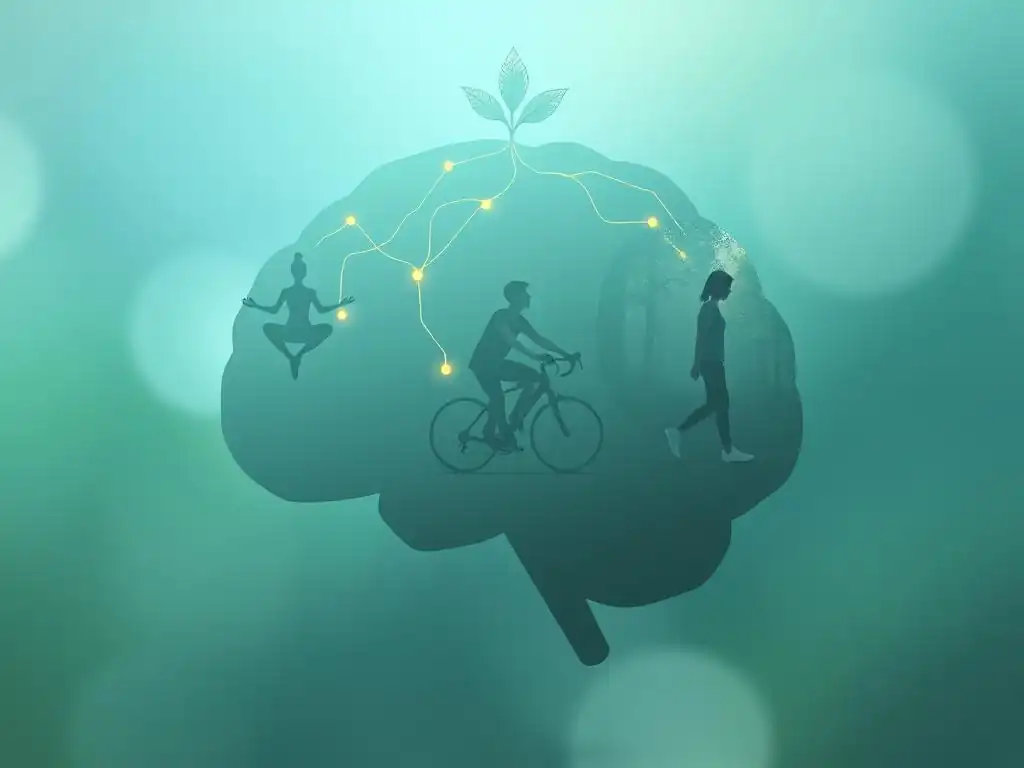
Aerobic Exercise: Cardiovascular Benefits for Brain Health
Aerobic or cardiovascular exercise, such as running, swimming, cycling, or brisk walking, is perhaps the most studied form of activity in relation to brain health. These activities elevate heart rate and increase blood flow, ensuring the brain receives ample oxygen and nutrients. This improved circulation is vital for supporting neuronal function and clearing metabolic waste products.
Beyond blood flow, aerobic exercise is a potent stimulator of BDNF production and neurogenesis in the hippocampus. A study involving older adults showed that six months of regular aerobic exercise led to significant increases in hippocampus volume and improved spatial memory. The benefits extend to the prefrontal cortex, enhancing executive functions. Aiming for at least 150 minutes of moderate-intensity aerobic exercise or 75 minutes of vigorous-intensity exercise per week, as recommended by major health organizations, is a solid target for reaping these brain-boosting rewards.
Strength Training: Building Muscle and Strengthening Neural Connections
While aerobic exercise often takes center stage for brain health, strength training or resistance exercise also plays a crucial role. Lifting weights, using resistance bands, or performing bodyweight exercises builds muscle mass and strength, but its benefits extend far beyond the musculoskeletal system. Strength training improves insulin sensitivity and reduces systemic inflammation, both of which are beneficial for brain health.
Furthermore, strength training has been shown to positively impact cognitive function, particularly executive functions and memory. The neuromuscular coordination required for strength training strengthens the connections between the brain and muscles. Studies have demonstrated that older adults participating in resistance training programs show improvements in cognitive performance, sometimes comparable to or even exceeding those seen with aerobic exercise alone. Including strength training two to three times per week complements the aerobic benefits and offers a more comprehensive approach to how exercise boosts brain neuroplasticity benefits.
Mind-Body Practices: Yoga, Tai Chi, and Their Impact on Brain Plasticity
Mind-body practices like yoga and Tai Chi combine physical movement with mindfulness and controlled breathing, offering a unique blend of benefits for both physical and mental well-being. These practices reduce stress and anxiety, known detractors of neuroplasticity, and promote relaxation.
Research indicates that regular practice of yoga or Tai Chi can increase gray matter volume in various brain regions, including the hippocampus and prefrontal cortex. Tai Chi, with its emphasis on balance, coordination, and slow, deliberate movements, has been shown to improve cognitive function, particularly in older adults, and may help reduce the risk of falls, which can have significant negative impacts on brain health due to injury. Yoga's combination of physical postures, breathwork, and meditation helps regulate the nervous system and reduce cortisol levels, creating an environment conducive to neuroplastic change and stress resilience.
Creating an Exercise Routine for Brain Enhancement
Determining Your Fitness Level and Setting Realistic Goals
Embarking on an exercise journey for brain health requires a thoughtful approach, starting with an honest assessment of your current fitness level. Are you completely new to exercise, or are you returning after a break? Understanding your starting point helps prevent injury and burnout. Consult with a healthcare provider before starting a new exercise program, especially if you have underlying health conditions.
Setting realistic, achievable goals is paramount for long-term adherence. Instead of aiming for daily marathon training immediately, start small. Perhaps commit to three brisk 20-minute walks per week. As you build consistency and fitness, you can gradually increase the duration, frequency, or intensity. Break down larger goals into smaller, manageable steps, celebrating each milestone to maintain motivation. Remember, the goal isn't peak athleticism unless that's what you desire, but rather consistent, sustainable movement that supports brain health.
Incorporating Variety and Progression into Your Workouts
To maximize the neuroplasticity benefits and prevent boredom, it's crucial to incorporate variety into your exercise routine. Engaging in different types of activities challenges the brain in new ways and works different muscle groups. Mix aerobic activities like dancing or swimming with strength training sessions and mind-body practices like yoga.
Progression is also key. As your fitness improves, your body and brain adapt to the current level of challenge. To continue seeing benefits and stimulating further neuroplasticity, you need to gradually increase the difficulty of your workouts. This could mean walking faster, lifting slightly heavier weights, or holding yoga poses for longer. This concept of progressive overload applies not just to muscle growth but also to the brain's ability to adapt and strengthen neural pathways.
The Importance of Consistency and Long-Term Commitment
Perhaps the single most important factor in leveraging how exercise boosts brain neuroplasticity benefits is consistency. Occasional bursts of intense activity are beneficial, but the most profound and lasting changes in brain structure and function occur with regular, sustained effort over time. Aim for a routine you can stick to week after week, month after month.
Building a long-term commitment involves finding activities you genuinely enjoy, making exercise a non-negotiable part of your schedule, and being patient with yourself. There will be days when motivation is low, but having a routine makes it easier to push through. Consider finding an exercise buddy or joining a class for accountability. The cumulative effect of consistent movement is what truly rewires the brain for enhanced cognitive function and improved mental well-being over the lifespan.
Beyond the Gym: Integrating Physical Activity into Daily Life
Active Commuting: Walking, Cycling, and Public Transportation
Integrating physical activity doesn't always require a dedicated trip to the gym. Transforming your daily commute can be a simple yet effective way to incorporate more movement. If feasible, consider walking or cycling to work or errands. Even walking part of the way to a public transport stop or getting off a stop earlier can add significant steps and activity minutes to your day.
Choosing active commuting options not only contributes to your overall physical activity levels but also provides exposure to natural light and fresh air, which have their own positive effects on mood and circadian rhythms, indirectly supporting brain health. A 2016 study published in the Journal of Environmental Psychology found that active commuting was associated with higher levels of well-being. These small changes can contribute significantly to the cumulative way exercise boosts brain neuroplasticity benefits over time.
Active Breaks: Short Bursts of Movement Throughout the Day
Sitting for prolonged periods is detrimental to both physical and cognitive health. Breaking up sedentary time with short bursts of movement can counteract some of these negative effects and help maintain focus and energy levels throughout the day. Even 5-10 minutes of activity can make a difference.
Examples of active breaks include taking a brisk walk around the office or block, doing some jumping jacks or squats, climbing stairs instead of taking the elevator, or stretching. Setting a timer to remind yourself to move every hour can be helpful. These brief periods of activity increase blood flow to the brain, helping to refresh cognitive function and combat mental fatigue. They serve as mini-boosts to brain activity and support overall neuroplasticity throughout the day.
Recreational Activities: Sports, Hiking, and Dancing
Finding enjoyable recreational activities that involve physical movement is a fantastic way to stay active consistently without feeling like it's a chore. Engaging in sports, hiking, dancing, gardening, or playing active games with family and friends can provide significant physical and mental benefits.
These activities often involve complex movements, coordination, and strategic thinking, which provide additional cognitive challenges that further stimulate neuroplasticity. For instance, learning new dance steps or coordinating movements in a team sport requires the brain to form and strengthen new neural pathways. The social interaction often involved in these activities also adds another layer of benefit for mental well-being. Making activity fun is a sustainable strategy for leveraging how exercise boosts brain neuroplasticity benefits long-term.
Maximizing the Neuroplasticity Benefits of Exercise: Additional Strategies

Nutrition for Brain Health: Fueling Your Workouts and Cognitive Function
While exercise is a powerful driver of neuroplasticity, its effects are significantly amplified when supported by optimal nutrition. The brain requires a steady supply of specific nutrients to function efficiently, repair itself, and build new connections. A diet rich in omega-3 fatty acids (found in fatty fish, flaxseeds), antioxidants (from colorful fruits and vegetables), vitamins (especially B vitamins and Vitamin D), and minerals is crucial.
Proper hydration is also non-negotiable; even mild dehydration can impair cognitive function. Consuming balanced meals and snacks that provide sustained energy supports both your physical performance during workouts and your brain's ability to utilize the benefits of that activity. Think of nutrition as providing the high-quality building blocks the brain needs to undergo the structural and functional changes promoted by exercise.
Sleep and Recovery: Allowing Your Brain to Consolidate Learning
Exercise stimulates the brain, but sleep is when much of the crucial work of consolidation and repair takes place. Adequate, quality sleep is essential for memory consolidation, learning, and allowing the brain to clear metabolic waste products that accumulate during the day. Chronic sleep deprivation impairs cognitive function and can hinder the very neuroplastic processes that exercise promotes.
Aim for 7-9 hours of quality sleep per night. Establishing a regular sleep schedule, creating a relaxing bedtime routine, and ensuring your sleep environment is dark, quiet, and cool can significantly improve sleep quality. Allowing for rest days in your exercise routine is also important for physical recovery, which indirectly supports brain recovery and prepares you for subsequent activity that will continue to enhance neuroplasticity.
Mindfulness and Stress Management: Reducing the Impact of Stress on Brain Plasticity
Chronic stress is a known detriment to neuroplasticity, particularly in the hippocampus and prefrontal cortex. High levels of stress hormones like cortisol can damage neurons and impair the formation of new connections. Incorporating stress management techniques alongside exercise can create a more favorable environment for brain health and neuroplastic change.
Practices such as mindfulness meditation, deep breathing exercises, spending time in nature, or engaging in hobbies can help regulate the stress response. Combining exercise with mindfulness, as in practices like yoga or mindful walking, can be particularly potent. By reducing the negative impact of stress, these strategies allow the brain to more effectively utilize the benefits derived from physical activity, further enhancing the way exercise boosts brain neuroplasticity benefits.
Real-Life Examples: Exercise and Neuroplasticity in Action
Case Studies: Individuals Who Improved Their Brain Health Through Exercise
Consider the numerous anecdotal accounts and smaller case studies of individuals who have seen remarkable cognitive improvements after adopting regular exercise. For instance, an individual in their late 60s experiencing mild memory lapses might start a program of brisk walking and strength training three times a week. After six months, they might report feeling sharper, remembering names more easily, and having better focus during conversations or tasks. While individual results vary, such cases illustrate the potential for exercise to positively impact cognitive function.
Another example could involve someone recovering from a stroke or traumatic brain injury. Physical therapy, which is essentially targeted exercise, is a cornerstone of rehabilitation. Patients relearn motor skills and cognitive functions because the brain, through neuroplasticity, is forming new pathways to compensate for damaged areas. This is a powerful demonstration of the brain's ability to reorganize itself through movement and repetition.
Research Highlights: Studies Demonstrating the Benefits of Physical Activity on the Brain
Scientific research provides robust evidence for how exercise boosts brain neuroplasticity benefits. A landmark study published in PNAS in 2011 showed that a one-year program of moderate-intensity aerobic exercise increased hippocampus volume by approximately 2% in older adults, while the control group showed a decline. This structural change was directly correlated with improvements in memory function.
Another significant area of research involves the impact of exercise on mood disorders. A meta-analysis published in JAMA Psychiatry in 2016 concluded that physical activity is an effective treatment for depression, highlighting its role in influencing neurotransmitter systems and promoting neurobiological changes associated with improved mood regulation. These studies, among many others, provide compelling evidence that physical activity is a potent tool for enhancing brain health and resilience across the lifespan.
Conclusion: Empowering Your Brain Through Movement
The Takeaway: Exercise as a Powerful Tool for Enhancing Neuroplasticity and Mental Well-being
The evidence is clear and compelling: physical exercise is one of the most powerful tools we have for enhancing brain neuroplasticity and supporting mental well-being. Far from being limited to physical fitness, movement directly influences the brain's structure and function, promoting the growth of new neurons, strengthening neural connections, and improving communication between different brain regions. The multifaceted way exercise boosts brain neuroplasticity benefits translates into tangible improvements in cognitive function, mood, and resilience against age-related decline and mental health challenges.
Understanding the science behind how exercise remodels the brain provides a powerful motivation to get moving. It empowers us to see physical activity not just as a means to control weight or build muscle, but as a direct investment in our cognitive health and emotional stability. Incorporating regular movement into our lives is a proactive and accessible strategy for building a healthier, more adaptable brain.
Embracing an Active Lifestyle for a Healthier, More Resilient Brain
Embracing an active lifestyle is a commitment to nurturing your brain's incredible capacity for change. It doesn't require becoming a competitive athlete; consistent, moderate activity is highly effective. Find activities you enjoy, make movement a regular part of your routine, and explore ways to integrate physical activity into your daily life beyond structured workouts.
By combining regular exercise with supportive strategies like good nutrition, adequate sleep, and stress management, you create an optimal environment for neuroplasticity to flourish. The payoff is a more resilient brain, better equipped to learn, remember, focus, and navigate the complexities of life with greater emotional balance. Start today, even with small steps, and experience firsthand how exercise boosts brain neuroplasticity benefits, paving the way for a healthier, sharper, and more vibrant mind.
Frequently Asked Questions
What is neuroplasticity, and why is it important for mental well-being?
Neuroplasticity refers to the brain's ability to reorganize itself by forming new neural connections throughout life. This is crucial for learning, adapting, and recovering from mental health challenges.
How does exercise specifically boost brain neuroplasticity benefits, according to Mind Care Guide?
Exercise enhances neuroplasticity by increasing blood flow to the brain, stimulating the production of growth factors that support neuron growth and survival, and promoting the release of neurotransmitters that improve mood and cognitive function.
What types of exercise are most effective for improving neuroplasticity?
While all forms of exercise offer benefits, aerobic exercises like running, swimming, and cycling are particularly effective. Strength training and mind-body practices such as yoga can also contribute to neuroplasticity.
How much exercise does Mind Care Guide recommend to experience neuroplasticity benefits?
Aim for at least 150 minutes of moderate-intensity or 75 minutes of vigorous-intensity aerobic exercise per week, combined with strength training exercises at least twice a week. Consult your doctor before starting any new exercise program.
Besides exercise, what other lifestyle factors can support neuroplasticity and mental well-being?
Other important factors include maintaining a healthy diet, getting adequate sleep, managing stress levels, engaging in mentally stimulating activities, and fostering strong social connections.
Final Reflection: The Ever-Evolving Brain: A Workout for the Mind and Body
The connection between physical exercise and brain health is no longer a fringe theory; it's a fundamental truth with profound implications for our well-being. Understanding how exercise boosts brain neuroplasticity—the brain's remarkable ability to reorganize itself—is crucial in an era increasingly focused on cognitive enhancement and longevity. This isn't just about sharper minds; it's about building resilience against age-related cognitive decline and improving overall quality of life.
The impact of this discovery extends far beyond the gym and into the very fabric of our society. We are witnessing a shift in how we approach mental health, recognizing the interconnectedness of physical and mental well-being. This understanding challenges the traditional separation of mind and body, fostering a more holistic approach to health and wellness. The body achieves what the mind believes.
This simple yet powerful statement highlights the profound influence of our beliefs and actions on our physical and mental state, underscoring the importance of incorporating regular exercise into our lives.
Now, consider your own life. What steps can you take today to integrate more physical activity into your routine? It doesn't require a marathon; even small changes, like taking the stairs instead of the elevator or a brisk walk during your lunch break, can make a significant difference. Embrace the power of neuroplasticity; nurture your brain through movement, and unlock the incredible potential within you. Let this knowledge inspire you to invest in your brain's health, not just for today, but for a brighter, sharper, and more fulfilling future.
Unlock Your Brain's Potential: Start Moving Today!
Thanks for exploring the powerful connection between exercise and brain health! You've learned how physical activity can boost neuroplasticity and enhance cognitive function. Now it's time to put this knowledge into action.
Here's how you can get started:
- Prioritize a 30-minute workout, three times this week. This is your primary goal – even a brisk walk will make a difference!
- Share this article with a friend or family member who could benefit from improving their brain health. Let's spread the word about the power of movement.
- Try a new activity – consider something you've always wanted to try, like dancing, swimming, or hiking. Expanding your physical activities can surprisingly boost your mental flexibility, too!
Ready to experience the transformative effects of exercise on your brain? What small step will you take this week to prioritize your brain health through movement?