
Decoding the TM Mantra: More Than Just a Sound


Welcome to Mind Care Guide, a sanctuary for your mental well-being.
Are you grappling with anxiety and searching for a natural, effective solution? You're not alone. We understand the struggles, and that's why we're diving deep into the world of Transcendental Meditation (TM). Uncover the surprising TM mantra benefits anxiety relief may offer – it's more than just a sound; it's a pathway to inner peace. Intrigued? Join us as we decode the TM mantra and explore its potential to transform your life.
- Decoding Transcendental Meditation: Stress Reduction and Beyond
- TM Mantra Benefits: Stress Reduction, Focus, and Overall Well-being
- Receiving Your Personalized TM Mantra
- Integrating TM into Your Daily Routine
- TM vs. Other Stress Reduction Techniques
- Maximizing TM Benefits: Deepening Your Practice
- TM: Real-Life Experiences and Benefits
- Conclusion: Embracing Transcendental Meditation for Lasting Well-being
-
Frequently Asked Questions
- What exactly is the TM mantra, and how is it used for anxiety relief?
- How does the practice of TM and the TM mantra differ from other forms of meditation?
- What are the key TM mantra benefits anxiety relief practitioners experience?
- Is learning and using a TM mantra something that can be done independently, or is guidance required?
- How quickly can someone expect to see TM mantra benefits anxiety relief after starting the practice?
- Final Reflection: The Enduring Power of the TM Mantra
- Unlock Your Inner Calm: Start Your TM Journey Today!
Decoding Transcendental Meditation: Stress Reduction and Beyond
What is Transcendental Meditation?
Transcendental Meditation (TM) is a specific form of mantra meditation that originated in India and was introduced to the West by Maharishi Mahesh Yogi in the mid-20th century. Unlike some other meditation techniques that involve focused concentration or open monitoring of thoughts, TM is characterized as a practice of "effortless transcending." The technique involves sitting comfortably with closed eyes and silently repeating a specific, personalized mantra. The aim is to allow the mind to settle down naturally to a state of deep rest and expanded awareness, distinct from the active thinking process.
The practice is typically performed for 15–20 minutes twice a day. Proponents describe it as a simple, natural technique that doesn't require concentration or effort. The state achieved during TM is said to be a unique state of restful alertness, where the body gains deep rest significantly greater than ordinary sleep, while the mind remains inwardly awake. This deep rest is believed to be the foundation for the many physiological and psychological benefits reported by practitioners.
The Role of the Mantra in TM Practice
In Transcendental Meditation, the mantra is not a word with meaning or a sound to be concentrated upon. Instead, it is described as a specific sound vibration selected for its particular resonant quality. The mantra acts as a vehicle for the mind to settle inward. As the practitioner repeats the mantra effortlessly and silently, the mind is said to naturally gravitate towards quieter levels of thought until it transcends thinking altogether, reaching a state of pure consciousness.
The mantra is considered crucial because it is designed to be easy for the mind to work with, allowing the thinking process to become more refined and subtle. It's not about analyzing the mantra or focusing intently on it, but rather allowing it to be present in the mind. This effortless approach differentiates TM from concentration techniques. The sound quality of the mantra is believed to facilitate the process of transcending, leading the mind to a state of deep inner quietude.
Differentiating TM Mantras from Other Mantras
TM mantras are distinct from mantras used in many other spiritual or meditation practices. In traditions like Kundalini Yoga or devotional practices, mantras often have specific meanings, invoke deities, or are chanted aloud with intent or concentration. These mantras might be used for affirmation, purification, or building energy.
Conversely, TM mantras are selected from a specific set of sounds, often described as 'bija' or seed mantras, which are considered meaningless sounds in themselves. They are assigned individually by a certified TM teacher during instruction and are meant to be kept private and used only during the meditation session. The emphasis in TM is on the sound's effect on the nervous system and mind, guiding the transcending process, rather than the meaning, chanting, or concentration associated with other mantra traditions.
TM Mantra Benefits: Stress Reduction, Focus, and Overall Well-being
How TM Mantras Facilitate Relaxation and Reduce Stress
The core mechanism by which the TM mantra facilitates relaxation and stress reduction lies in its ability to effortlessly settle the mind to a state of deep physiological rest. As the mind transcends active thinking, the body follows suit, entering a state often referred to as the "relaxation response." During this state, metabolic rate decreases significantly, oxygen consumption drops, and breathing becomes slower and shallower.
This deep rest counteracts the physiological effects of stress. Studies, like those published in the Journal of the American Medical Association or Hypertension, have shown that regular TM practice can lead to reductions in blood pressure, sometimes comparable to the effects of medication for mild hypertension. Furthermore, research indicates a decrease in stress hormones like cortisol and adrenaline. For individuals seeking TM mantra benefits anxiety relief, this systemic reduction in physiological arousal is fundamental, helping to calm the nervous system which is often in a state of heightened alert due to anxiety.
The Science Behind TM: Brainwave Activity and Stress Hormones
Scientific research on Transcendental Meditation has often focused on changes in brainwave patterns and biochemical markers of stress. Electroencephalography (EEG) studies frequently show an increase in alpha wave activity, particularly in the frontal regions of the brain, during TM practice. Alpha waves are typically associated with a relaxed, yet alert state. Some research also notes the presence of coherent alpha and theta waves across different brain regions, suggesting integrated brain functioning during the practice.
Beyond brainwaves, TM's impact on neurochemistry is significant. As mentioned, cortisol, often called the primary stress hormone, has been shown to decrease with regular TM practice. For example, some studies have reported average reductions in cortisol levels ranging from 10% to 30% over several weeks or months of consistent practice. The TM mantra benefits anxiety relief are partly attributed to this hormonal rebalancing, as chronic high cortisol levels are linked to increased anxiety and stress vulnerability.
TM Benefits for Mental Clarity and Focus
Regular practice of TM is often associated with improved cognitive function, including enhanced mental clarity and focus. The deep rest achieved during meditation allows the nervous system to discharge accumulated stress and fatigue, which can otherwise impair cognitive performance. By providing a regular period of profound rest and settling the mind, TM helps to reduce mental clutter and improve the ability to concentrate.
Practitioners often report a greater sense of alertness and efficiency in their daily activities after meditating. Research has explored TM's impact on executive functions, such as attention and working memory. While specific percentage improvements vary across studies, the general trend indicates that TM can lead to significant improvements in attentional capacity and reduced distractibility, contributing to better focus in academic, professional, or personal pursuits.
TM and Emotional Well-being: A Holistic Approach
The TM mantra benefits anxiety relief and overall emotional well-being through a holistic pathway that addresses both the physiological and psychological aspects of stress. By reducing the body's stress response (lower heart rate, blood pressure, stress hormones), TM helps to break the cycle where physical tension fuels emotional distress. This physiological calm provides a foundation for greater emotional resilience.
Furthermore, the experience of transcending during TM is described as connecting with a deep inner reservoir of peace and stability. Regular access to this state can cultivate a sense of inner strength and equanimity, making individuals less reactive to stressors and more able to navigate challenging emotions. While specific studies on depression or severe anxiety disorders are complex, research consistently points to TM's effectiveness in reducing general stress and anxiety symptoms, fostering a more positive emotional outlook and enhancing overall psychological balance.
Receiving Your Personalized TM Mantra
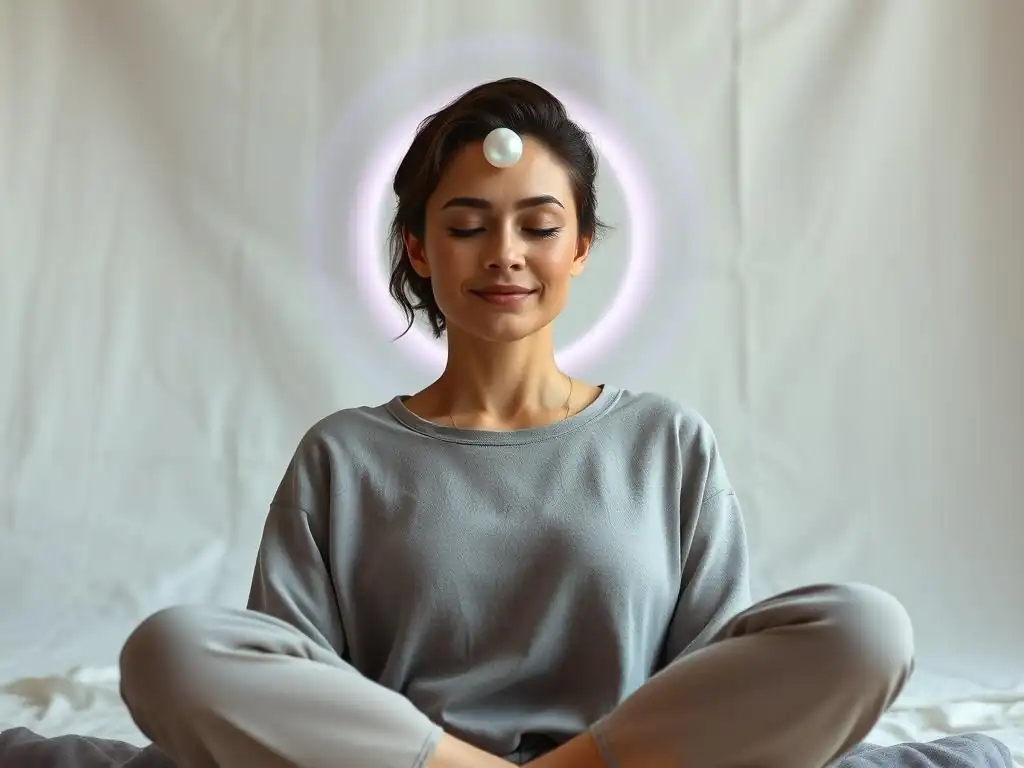
The Importance of Qualified TM Instruction
Receiving proper instruction from a certified teacher is considered essential in Transcendental Meditation. The technique is taught systematically over several days, including lectures, personal instruction in the technique with the mantra, and group checking sessions. This structured approach ensures that the individual learns the technique correctly and effortlessly.
A qualified teacher is trained to guide the student through the specific mechanics of using the mantra and understanding the experience of transcending. They also provide follow-up support to ensure the practice is effective and to address any questions or experiences that arise. Learning from a certified teacher is emphasized because the TM organization maintains that the technique's effectiveness relies on being taught precisely as passed down through their tradition.
The Mantra Selection Process: Sounds and Their Effects
In Transcendental Meditation, the mantra assigned to a student is selected by the certified teacher based on specific criteria, which traditionally involve the student's age and sometimes other factors. The mantras used are drawn from a specific list of ancient Sanskrit sounds or 'bija' mantras, which are considered suitable for the practice of transcending.
The selection process is not random; each sound is believed to have a particular vibratory quality that facilitates the mind's inward journey. The teacher, guided by their training, chooses the mantra deemed most appropriate for the individual student to naturally experience the settling of the mind. It's important to understand that the effectiveness comes from the correct use of the sound in the TM technique, not from the sound itself having an inherent "power" or meaning to be contemplated.
Avoiding Misconceptions About Mantra Selection
There are several common misconceptions about how TM mantras are selected and used. One is that the mantra is chosen based on a student's personality, astrological sign, or specific problems they are facing. This is inaccurate; the selection is based primarily on age and follows a standardized procedure within the TM teaching tradition.
Another misconception is that the mantra must be chanted aloud or focused on intensely. The instruction emphasizes silent, effortless use. Furthermore, thinking that one can choose their own mantra or learn the technique from a book or app is strongly discouraged by the TM organization, as they assert that the specific, personalized instruction by a certified teacher is crucial for the technique to work correctly and yield the intended TM mantra benefits anxiety relief and beyond. The privacy of the assigned mantra is also emphasized to maintain its effectiveness as a tool for effortless transcending.
Integrating TM into Your Daily Routine
Creating a Consistent TM Practice
Consistency is key to realizing the full TM mantra benefits anxiety relief, stress reduction, and improved well-being. The standard recommendation is to practice for 20 minutes in the morning and 20 minutes in the evening. Establishing specific times for these sessions can help build the habit. For example, meditating before breakfast and before dinner or before bed often fits well into daily schedules.
Finding a routine that works with your lifestyle is crucial. This might mean waking up slightly earlier for the morning session or dedicating a specific time slot after work or before winding down in the evening. Treat your meditation sessions as non-negotiable appointments with yourself. Over time, this consistency helps the nervous system become more stable and resilient, reinforcing the positive effects of the practice.
Establishing a Dedicated Meditation Space
While TM can technically be practiced anywhere quiet and comfortable, having a dedicated space can significantly support a consistent routine. This space doesn't need to be large or elaborate – a comfortable chair in a quiet corner of a room is sufficient. The key is that it is relatively free from distractions, allowing you to close your eyes and settle inward without interruption.
Ensuring the space is quiet and that you won't be disturbed (e.g., by turning off phones, letting family members know you need quiet time) is more important than the aesthetics of the space itself. The aim is to create an environment where you feel comfortable and can easily transition into the state of restful alertness facilitated by the TM mantra. This dedicated time and space signal to your mind and body that it's time to rest deeply and transcend.
Maintaining Motivation and Addressing Challenges in TM
Maintaining motivation with any new habit, including TM, can sometimes be challenging. It's helpful to remember why you started practicing – perhaps for TM mantra benefits anxiety relief, stress reduction, or greater clarity. Reflecting on the positive changes you've experienced, even subtle ones, can be a powerful motivator.
If you encounter challenges, such as feeling restless during meditation, thinking too much, or feeling like "nothing is happening," it's important to remember that these are common experiences and not signs of failure. The effortless nature of TM means there's no "right" or "wrong" way to have thoughts or experiences during practice.
If difficulties persist, contacting your certified TM teacher for "checking" (a session where the teacher listens to your experience and helps refine the technique) is highly recommended. This support system is part of the TM program and is designed to help you maintain the purity and effectiveness of your practice.
TM vs. Other Stress Reduction Techniques
TM vs. Mindfulness Meditation
While both Transcendental Meditation and Mindfulness Meditation are popular techniques for stress reduction, they differ fundamentally in their approach and goals. Mindfulness typically involves paying attention to the present moment without judgment, often focusing on breath, bodily sensations, or thoughts as they arise. It's a practice of observing the contents of consciousness.
TM, conversely, is a process of transcending or going beyond the active thinking mind to experience a state of pure consciousness. It uses a specific, meaningless mantra as a vehicle for the mind to settle inward effortlessly, rather than focusing on or observing thoughts or sensations. Research comparing the two techniques sometimes shows distinct physiological patterns, with TM often associated with deeper rest and specific brainwave coherence patterns different from those typically seen in mindfulness practices. While both offer TM mantra benefits anxiety relief and stress reduction, the mechanism and subjective experience can differ.
TM vs. Yoga for Stress Reduction
Yoga is a comprehensive practice that often includes physical postures (asanas), breathing exercises (pranayama), and sometimes meditation or devotional practices. While yoga can be highly effective for stress reduction through its combination of physical movement, breathwork, and mental focus, its approach is different from TM. Yoga integrates the mind and body through active engagement and controlled techniques.
TM, on the other hand, is solely a mental technique performed while sitting comfortably. It doesn't involve physical postures or specific breathing exercises. While both practices can lead to reduced stress hormones and a calmer nervous system, yoga achieves this through active engagement and conscious control, whereas TM aims for effortless transcending to achieve a state of deep rest. Many people find that combining TM with a physical practice like yoga provides a well-rounded approach to well-being.
TM as Part of a Comprehensive Wellness Plan
Recognizing that no single technique is a panacea, TM can be a powerful component within a broader wellness strategy. Integrating TM into a lifestyle that also includes balanced nutrition, regular physical activity, adequate sleep, and potentially other supportive practices like therapy or counseling can significantly enhance overall health and resilience.
For those specifically seeking TM mantra benefits anxiety relief, combining regular meditation with cognitive behavioral therapy (CBT) or other therapeutic approaches can address both the physiological stress response and the cognitive patterns associated with anxiety. TM provides a foundation of deep rest and reduced physiological stress, making it potentially easier to engage with and benefit from other health-promoting activities and therapies. It acts as a powerful tool for cultivating inner calm that supports other aspects of a healthy lifestyle.
Maximizing TM Benefits: Deepening Your Practice
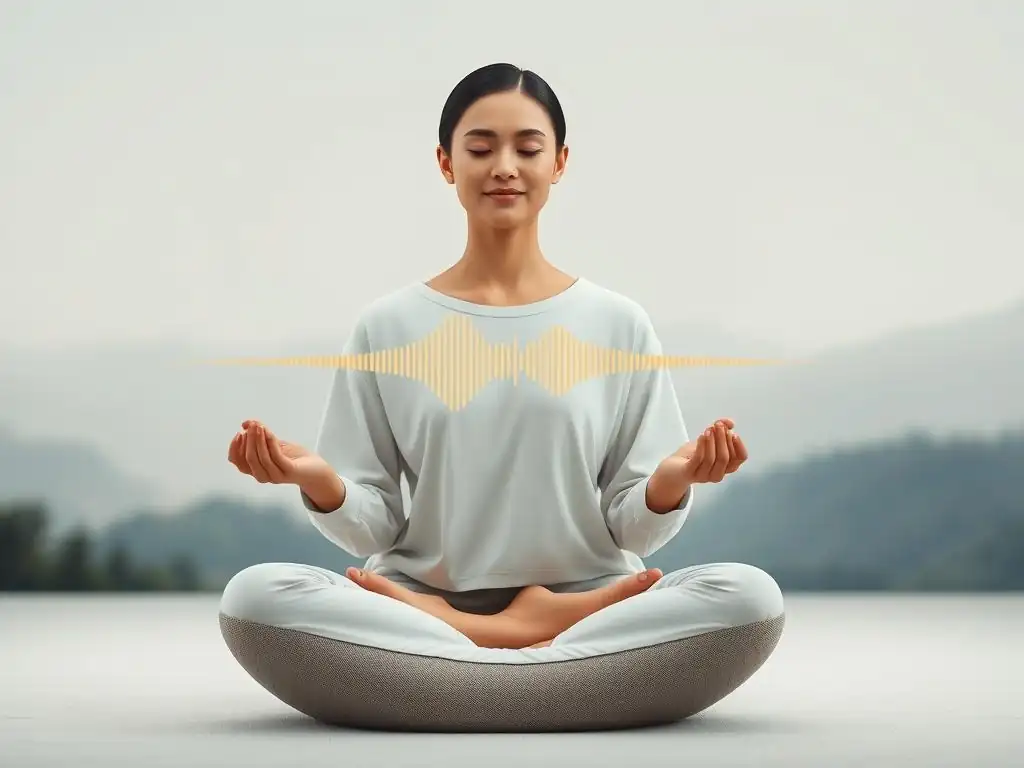
Advanced Techniques and Refinement of Practice
After establishing a consistent foundation with the basic TM technique, practitioners have opportunities to deepen their experience and further maximize the TM mantra benefits anxiety relief and overall growth. The TM organization offers advanced lectures and techniques, sometimes referred to as TM-Sidhi program, which are designed to build upon the state of consciousness cultivated during the basic TM practice.
These advanced techniques involve specific procedures used after or in conjunction with the regular TM session. They are taught only to individuals who have been practicing TM regularly for a significant period and who receive instruction from specially trained teachers. The aim is to accelerate the process of unfolding potential consciousness and integrating the restful alertness experienced during TM into daily life more fully.
Seeking Expert Guidance and Support
Ongoing support from certified TM teachers is a crucial aspect of the TM program designed to help practitioners maintain the purity and effectiveness of their practice over time. This support is available through regular "checking" sessions, where a teacher listens to a practitioner's experience and provides guidance to ensure they are using the technique correctly and effortlessly.
Group meditations and advanced lectures are also offered, providing a community context and deeper understanding of the principles behind the technique. If a practitioner feels their TM mantra benefits anxiety relief or other benefits are plateauing, or if they encounter difficulties or questions about their practice, consulting with a certified teacher is the recommended path to address these issues and ensure continued progress.
The Long-Term Impact of TM on Well-being
The long-term impact of consistent Transcendental Meditation practice extends beyond immediate stress reduction. Over months and years, regular TM is associated with cumulative effects on physiological and psychological health. Studies have indicated long-term reductions in risk factors for cardiovascular disease, such as high blood pressure.
Psychologically, long-term practitioners often report increased resilience to stress, improved emotional stability, greater self-actualization, and a deeper sense of inner peace. The consistent experience of transcending during TM is believed to gradually refine the nervous system, leading to a more stable and integrated state of functioning in daily life. This cumulative effect underscores why TM is often viewed not just as a quick fix for stress or a tool for TM mantra benefits anxiety relief, but as a lifelong practice for personal growth and lasting well-being.
TM: Real-Life Experiences and Benefits
Personal Accounts of TM Practitioners
Countless individuals from diverse backgrounds have shared personal accounts of how Transcendental Meditation has positively impacted their lives. These range from busy professionals reporting reduced stress and improved productivity to students experiencing less anxiety around exams and better focus in their studies. Many describe a newfound sense of calm and clarity that permeates their daily activities.
For example, a marketing executive might share how 20 minutes of TM in the morning helps them approach challenging meetings with greater equanimity, or a parent might explain how their evening meditation helps them unwind and be more present with their family. While individual experiences vary, a common theme in these accounts is the subjective feeling of deep rest and a greater ability to handle the pressures of modern life without feeling overwhelmed, reinforcing the real-world TM mantra benefits anxiety relief and stress management.
Beyond general stress reduction, TM has shown promising impacts for individuals facing specific stress-related health challenges. Research has explored its effects on conditions like hypertension, insomnia, and symptoms associated with post-traumatic stress. While not a substitute for medical treatment, TM is often used as a complementary therapy.
For instance, a veteran might report reduced hypervigilance and improved sleep after incorporating TM into their routine, or someone with high blood pressure might see a noticeable drop in readings over several months of consistent practice, sometimes allowing for reduced reliance on medication under medical supervision. These real-world outcomes highlight how the physiological and psychological shifts facilitated by the TM mantra benefits anxiety relief and helps manage the symptoms of various stress-related conditions, improving quality of life.
Conclusion: Embracing Transcendental Meditation for Lasting Well-being
Frequently Asked Questions
What exactly is the TM mantra, and how is it used for anxiety relief?
The TM mantra is a specific sound or word given to an individual for use during Transcendental Meditation (TM). It's used as a tool to quiet the mind and promote a state of relaxed awareness, thus reducing anxiety.
How does the practice of TM and the TM mantra differ from other forms of meditation?
Unlike some meditation practices that focus on concentration or mindfulness, TM involves the effortless repetition of a mantra. This allows the mind to settle naturally, promoting a unique state of restful alertness and reducing anxiety.
What are the key TM mantra benefits anxiety relief practitioners experience?
Regular TM practice with a mantra can lead to reduced stress and anxiety, improved sleep quality, and a greater sense of inner peace. It helps individuals develop better emotional regulation and resilience.
Is learning and using a TM mantra something that can be done independently, or is guidance required?
Learning TM and receiving a personalized mantra typically requires instruction from a certified TM teacher. They provide guidance on the proper technique to ensure optimal anxiety relief and long-term benefits.
How quickly can someone expect to see TM mantra benefits anxiety relief after starting the practice?
While individual experiences vary, some people report feeling a sense of calm and relaxation shortly after beginning TM. More significant and lasting anxiety relief often develops with consistent daily practice over weeks or months.
Final Reflection: The Enduring Power of the TM Mantra
The quiet hum of the TM mantra, far from being a mere sound, offers a potent pathway to navigating the anxieties of modern life. Its impact resonates deeply, providing a tangible tool for managing stress in an increasingly frenetic world. The benefits extend beyond simple relaxation, touching upon profound shifts in mental clarity and emotional well-being.
The exploration of the TM mantra's influence on anxiety relief has been a deeply personal journey, highlighting the often-overlooked power of inner stillness in a society that constantly demands our attention. The mind is everything. What you think you become.
– Buddha. This ancient wisdom underscores the transformative potential of practices like Transcendental Meditation, offering a direct route to shaping our internal landscape and, consequently, our external experiences. The ongoing research into the physiological effects of the TM technique further validates its efficacy, moving beyond anecdotal evidence to provide a scientific basis for its benefits.
Now, consider your own relationship with stress and anxiety. What small steps can you take today to cultivate inner peace? Perhaps it's a few minutes of quiet reflection, a mindful walk in nature, or the exploration of a practice like Transcendental Meditation. The journey to a calmer, more centered self begins with a single breath, a single moment of intention. Embrace the opportunity to discover the profound benefits waiting within, and unlock the transformative power of inner stillness.
Unlock Your Inner Calm: Start Your TM Journey Today!
Thanks for taking the time to explore the power of Transcendental Meditation! We hope you gained a deeper understanding of its transformative benefits. Are you ready to experience the calm for yourself?
- Begin your personal TM practice: Find a certified instructor in your area and schedule an introductory session. This is a vital step toward experiencing the profound benefits of meditation.
- Share your thoughts and experiences: Join our community on social media or online forums and share your journey with others exploring TM. Let’s create a supportive environment for mindful growth!
- Explore further: Dive into scientific research on TM’s effectiveness by searching for reputable studies online.
What’s the first step you’ll take to incorporate the calming power of TM into your life?