
Traditional Practices, Modern Hope: Integrating Culture into Mental Health Support

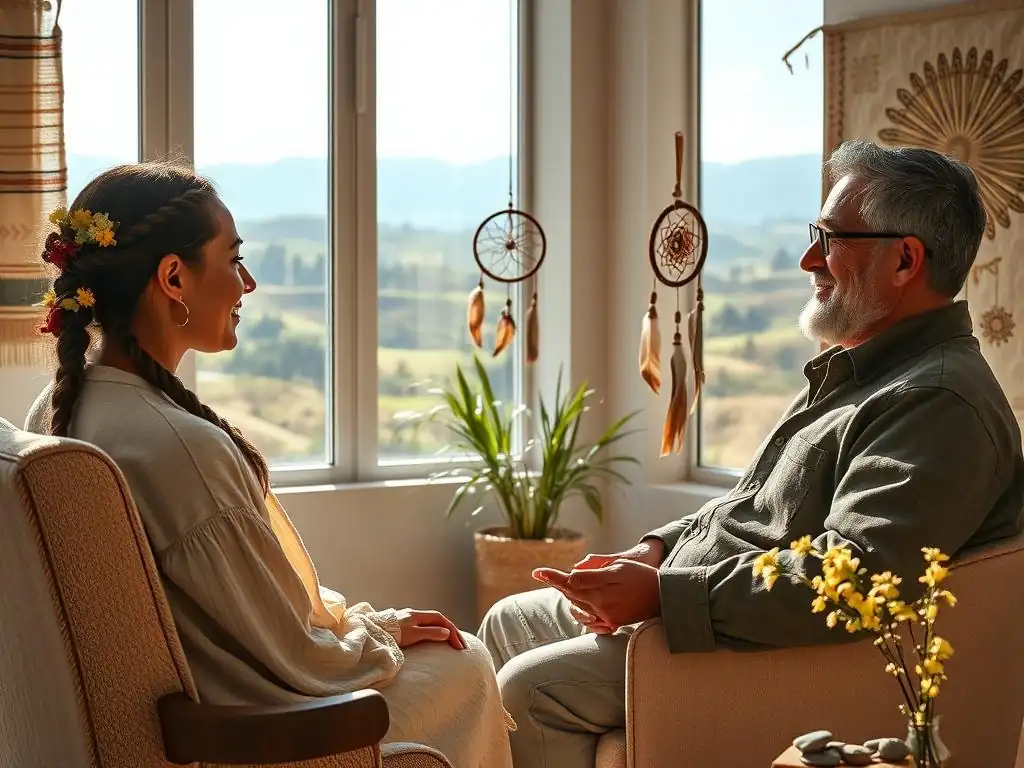
Welcome to Mind Care Guide, a space dedicated to nurturing your mental well-being. We understand the unique challenges life presents, and we're here to offer support and guidance.
Are you searching for ways to bridge the gap between traditional wisdom and modern mental health practices? Our latest article delves into Cultural Mental Health Integration Strategies, exploring how honoring diverse cultural backgrounds can significantly improve mental health outcomes, particularly within the context of Crisis Intervention & Suicide Prevention. Discover how these strategies offer a powerful pathway towards healing and resilience. Intrigued? Let's explore together...
Traditional Practices, Modern Hope: Integrating Culture into Mental Health Support
- Introduction: Bridging the Gap Between Culture and Mental Wellness in Indigenous Communities
- The Importance of Cultural Mental Health Integration Strategies
- Traditional Healing Practices as Cornerstones of Mental Well-being
- Modern Mental Health Approaches Enhanced by Cultural Understanding
- Case Studies: Successful Cultural Mental Health Integration Programs
- Overcoming Barriers to Cultural Mental Health Integration
- Practical Steps for Implementing Cultural Mental Health Integration Strategies
- Resources and Support for Indigenous Mental Health
- The Future of Culturally Integrated Mental Health
- Conclusion: Fostering Resilience Through Cultural Mental Health Integration
-
Frequently Asked Questions
- How does cultural integration impact mental health treatment effectiveness?
- What are some examples of traditional practices that can be integrated into mental health support?
- Why is it important to consider cultural background when addressing mental health challenges?
- What are some challenges in implementing cultural mental health integration strategies?
- How can individuals find culturally sensitive mental health resources?
- Final Reflection: Weaving Tradition and Progress in Mental Healthcare
- Unleash Your Inner Strength: Cultivating Cultural Well-being
Introduction: Bridging the Gap Between Culture and Mental Wellness in Indigenous Communities
The Urgent Need for Culturally Sensitive Mental Health Care
Indigenous communities across the globe face significant disparities in mental health outcomes compared to non-Indigenous populations. Data consistently indicates higher rates of depression, anxiety, substance use disorders, and tragically, suicide. For example, in many Indigenous communities in North America, suicide rates can be several times the national average, particularly among youth.
This stark reality underscores an urgent need for mental health care that is not only accessible but also deeply resonant with the cultural values, histories, and lived experiences of these populations. Standard Western therapeutic models, while effective in some contexts, often fail to address the unique challenges stemming from historical trauma, ongoing discrimination, and the erosion of traditional ways of life.
Addressing this crisis requires a fundamental shift towards culturally sensitive approaches. This involves recognizing that mental wellness is intrinsically linked to cultural identity, community connection, and spiritual beliefs. Effective cultural mental health integration strategies must move beyond mere translation or superficial acknowledgment of culture; they must be built upon a foundation of respect, collaboration, and the incorporation of Indigenous worldviews and healing practices. Without this sensitivity, mental health interventions can inadvertently cause further harm by dismissing or devaluing traditional coping mechanisms and support systems.
Understanding the Link Between Cultural Identity and Suicide Prevention
Cultural identity serves as a vital protective factor against negative mental health outcomes, including suicidal ideation and behavior, within Indigenous communities. Strong connections to language, traditions, ceremonies, and community provide a sense of belonging, continuity, and purpose. These elements foster resilience and offer frameworks for understanding and navigating life's challenges. Conversely, the disruption of cultural practices, forced assimilation policies, and the intergenerational trauma resulting from residential schools or similar institutions have severely weakened these protective factors, contributing to increased vulnerability.
For many Indigenous individuals, mental distress is not solely an individual pathology but is deeply interconnected with the health of the community, the land, and spiritual well-being. Suicide prevention efforts, therefore, must acknowledge this holistic perspective. Strategies that reinforce cultural identity, revitalize traditional practices, and empower communities to reclaim their narratives can significantly strengthen resilience. Integrating cultural components into mental health support helps individuals reconnect with their heritage, access traditional sources of healing, and build supportive networks that understand their unique experiences, thus offering a powerful buffer against despair.
The Importance of Cultural Mental Health Integration Strategies
Defining Cultural Competency in Mental Health Support
Cultural competency in mental health support goes beyond simply being aware that different cultures exist. It is a dynamic, ongoing process that involves developing the ability to understand, appreciate, and effectively interact with people from diverse cultural backgrounds. For mental health professionals working with Indigenous populations, this means recognizing the profound impact of historical events like colonization, forced displacement, and residential schools on current mental health challenges. It requires understanding Indigenous peoples' diverse worldviews, communication styles, family structures, and healing practices, while also acknowledging the significant variations between different Indigenous nations and communities.
Crucially, cultural competency involves self-reflection on one's own cultural biases and assumptions. It necessitates building trust through humility, respect, and active listening. Instead of positioning themselves as sole experts, culturally competent practitioners collaborate with clients, families, and communities, recognizing them as holders of valuable knowledge about their own healing. This collaborative approach ensures that mental health services are not just delivered to a community but are developed with and by the community, making them more relevant, accessible, and ultimately, more effective. True cultural mental health integration strategies are grounded in this principle of respectful partnership.
Why Standard Mental Health Approaches Often Fail Indigenous Populations
Standard Western mental health approaches, often rooted in individualistic perspectives and specific therapeutic modalities like talk therapy, can be ineffective or even alienating for Indigenous populations for several reasons. Firstly, the focus on the individual can clash with the more communal and holistic understanding of well-being prevalent in many Indigenous cultures, where health is seen as interconnected with family, community, land, and spirit. A therapy session focused solely on individual feelings might not resonate if the person understands their distress as a symptom of community or historical issues.
Secondly, these approaches often pathologize behaviors or ways of thinking that are culturally normative or responses to trauma. For instance, non-linear storytelling or indirect communication styles might be misinterpreted in a clinical setting. Furthermore, the historical context of forced assimilation and mistreatment by institutions can create deep-seated mistrust of Western systems, including healthcare.
Presenting mental health services in a way that feels foreign, impersonal, or dismissive of traditional beliefs can reinforce this mistrust and discourage individuals from seeking help or continuing with treatment. Effective cultural mental health integration strategies must explicitly counter these factors by being relational, context-aware, and trust-building.
Traditional Healing Practices as Cornerstones of Mental Well-being
The Role of Elders and Knowledge Keepers in Mental Health
Elders and Knowledge Keepers hold esteemed positions within Indigenous communities, serving as living libraries of history, culture, language, and traditional wisdom. Their role extends significantly into the realm of mental and spiritual well-being. They are often the first point of contact for individuals experiencing distress, offering guidance, support, and traditional forms of counseling rooted in cultural teachings and life experience. Unlike formal therapists, Elders provide support within familiar community settings, often through conversation, storytelling, and shared activities, fostering a sense of safety and connection.
Integrating the wisdom and guidance of Elders into contemporary mental health services is a powerful cultural mental health integration strategy. This can involve inviting Elders to co-facilitate therapy sessions, lead talking circles, or provide cultural consultation to mental health staff. Their involvement helps to ground interventions in cultural relevance, build trust with community members, and provide access to traditional healing methods that resonate deeply. Their presence also validates the importance of cultural practices in the healing journey, reinforcing cultural identity as a source of strength.
Incorporating Traditional Ceremonies and Rituals for Healing
Traditional ceremonies and rituals are integral to the spiritual, emotional, and physical health of Indigenous peoples. Practices such as sweat lodge ceremonies, pipe ceremonies, smudging (purification using sacred herbs), vision quests, and healing dances serve various therapeutic functions. They provide structured ways to process grief, trauma, and emotional pain; foster connection to the spiritual world and ancestors; reinforce community bonds; and promote a sense of cleansing and renewal. These ceremonies often involve communal participation, emphasizing collective healing and support.
Incorporating these practices into mental health care requires collaboration with cultural practitioners and community leaders to ensure they are conducted respectfully and appropriately. This might involve offering access to on-site ceremonial spaces, scheduling therapy around community ceremonies, or funding community-led healing camps that center traditional practices. For example, some programs have found success in integrating talking circles, a traditional form of group counseling where everyone has an equal opportunity to speak without interruption, into their services. These cultural mental health integration strategies acknowledge that healing is not solely a clinical process but also a spiritual and communal one.
Indigenous Storytelling as a Therapeutic Tool: Sharing Experiences and Building Resilience
Storytelling is a fundamental aspect of Indigenous cultures, serving as a primary means of transmitting knowledge, history, values, and lessons across generations. As a therapeutic tool, storytelling allows individuals to share their experiences, including trauma and distress, in a culturally familiar and safe format. Sharing personal narratives within a supportive group or with a trusted Elder can be incredibly validating and empowering, helping individuals to process difficult emotions and find meaning in their experiences. Traditional stories also offer archetypes and narratives of resilience, survival, and overcoming adversity, providing powerful metaphors for understanding and navigating personal challenges.
Incorporating storytelling into mental health support can take many forms, from structured talking circles focused on specific themes to encouraging the use of traditional narratives as a framework for understanding personal struggles. For instance, a therapist might work with an Indigenous client to explore how their experience relates to traditional stories of overcoming hardship or transformation. This cultural mental health integration strategy respects Indigenous ways of knowing and communicating, making the therapeutic process more accessible and relevant. It also reinforces the healing power of community and shared experience, moving away from isolated, individualistic approaches.
Modern Mental Health Approaches Enhanced by Cultural Understanding

Adapting Cognitive Behavioral Therapy (CBT) to Cultural Contexts
Cognitive Behavioral Therapy (CBT) is a widely used therapeutic modality that focuses on identifying and changing negative thought patterns and behaviors. While effective for many, standard CBT manuals may not directly address the unique cultural contexts and historical experiences of Indigenous peoples. Adapting CBT involves modifying its language, examples, and techniques to be culturally relevant. For example, instead of focusing solely on individual irrational thoughts, adapted CBT might explore how historical trauma, systemic discrimination, or collective grief influence thought patterns and beliefs about self and the world.
Culturally adapted CBT might incorporate traditional concepts of balance, harmony, or connection to the land into the therapeutic framework. It could use storytelling or traditional metaphors to explain concepts like automatic thoughts or core beliefs. The therapeutic relationship itself must be built on trust and cultural humility, acknowledging the power dynamics inherent in the clinical setting.
Some adapted models involve family or community members in sessions, reflecting the communal nature of healing. This form of cultural mental health integration strategy recognizes the value of evidence-based practices while ensuring they are delivered in a way that respects and resonates with Indigenous worldviews.
Integrating Mindfulness and Meditation Rooted in Indigenous Traditions
Mindfulness and meditation practices, focused on present moment awareness, have gained popularity in Western mental health. These concepts, however, are not new to Indigenous cultures, which have long incorporated practices promoting presence, reflection, and connection to the spiritual and natural world. Traditional Indigenous practices like spending time in nature, participating in ceremonies, drumming, singing, or engaging in traditional crafts often involve elements of focused attention and mindful presence that can be therapeutic.
Integrating mindfulness into mental health support for Indigenous peoples can be enhanced by grounding these practices in traditional contexts. Instead of using generic meditation scripts, practitioners might guide clients in mindful walks on the land, focus on the sensory experience of traditional drumming, or use guided visualizations based on traditional stories or connection to ancestors. This approach validates traditional practices as pathways to well-being and makes mindfulness more accessible and meaningful. It's a powerful cultural mental health integration strategy that leverages existing cultural strengths to support emotional regulation and stress reduction.
The Use of Technology to Deliver Culturally Relevant Mental Health Services
Technology offers promising avenues for expanding access to mental health services in remote or underserved Indigenous communities, but its implementation must be culturally sensitive. Telehealth, for instance, can connect individuals with therapists who understand their cultural background, even if geographically distant. Mobile apps or online platforms can deliver culturally relevant content, such as mental wellness tips framed within traditional teachings, virtual talking circles, or access to language revitalization resources which support cultural identity.
Developing culturally relevant technological tools requires active collaboration with Indigenous communities to ensure the content, design, and delivery methods are appropriate and respectful. This might involve using Indigenous languages, incorporating traditional art or symbols, and ensuring platforms are accessible and user-friendly. For example, a mental health app might feature stories from Elders or offer guided meditations linked to specific landforms important to the community. While technology can overcome geographical barriers, it's crucial that it complements, rather than replaces, face-to-face interactions and community-based support systems. Effective cultural mental health integration strategies leverage technology thoughtfully and ethically.
Case Studies: Successful Cultural Mental Health Integration Programs
Case Study 1: The Native American Rehabilitation Association (NARA) Northwest
The Native American Rehabilitation Association (NARA) Northwest, based in Portland, Oregon, is a prime example of an organization providing comprehensive health services, including mental health and addiction treatment, grounded in Native American traditions and culture. NARA offers a blend of Western clinical approaches and traditional healing practices, such as sweat lodge ceremonies, talking circles, and access to traditional healers. Their programs are designed and delivered by Native staff who understand the cultural context of their clients.
NARA's approach recognizes that historical trauma and cultural disconnection are significant factors in addiction and mental health issues. By integrating cultural activities and traditional values into treatment, they provide a healing environment that validates clients' identities and experiences. While specific outcome data varies by program, their model is widely respected for its holistic and culturally centered care, demonstrating that effective treatment for Native populations must be rooted in cultural understanding and respect. This case highlights the power of cultural mental health integration strategies implemented by and for the community.
Case Study 2: The We Matter Campaign
The We Matter Campaign is a national Indigenous-led organization in Canada dedicated to supporting Indigenous youth struggling with challenging life circumstances, including mental health issues and thoughts of suicide. While not a direct clinical service provider, the campaign uses digital platforms and storytelling to share messages of hope and resilience from Indigenous role models, Elders, and peers. They collect and disseminate videos and stories that speak directly to the experiences of Indigenous youth, often incorporating cultural references and languages.
The campaign's strength lies in its culturally relevant messaging and peer-to-peer support model. By featuring the voices of Indigenous people sharing their struggles and triumphs, they create a sense of connection and reduce feelings of isolation. They also provide links to culturally appropriate resources. The We Matter Campaign demonstrates an effective cultural mental health integration strategy that leverages digital media to foster hope, build community, and connect youth with support systems that understand their unique cultural context. Their impact is measured in the thousands of youth reached and the positive messages disseminated across the country.
Case Study 3: White Bison's Wellbriety Movement
White Bison is an American non-profit organization that offers healing resources to Native Americans, particularly focusing on addiction recovery and historical trauma. Their "Wellbriety" movement is a cultural mental health integration strategy that blends principles of recovery (like the 12 Steps) with Native American spiritual and cultural teachings. Wellbriety emphasizes the importance of culture, sobriety, and healing from historical grief and trauma as interconnected paths to wellness.
White Bison provides culturally specific workbooks, training programs, and community support circles. Their materials often incorporate traditional symbols, stories, and ceremonies. For example, their "Mending the Sacred Hoop" curriculum helps individuals and communities heal from the impacts of historical trauma. While quantitative outcome data can be challenging to collect comprehensively across diverse communities, the widespread adoption of the Wellbriety model and anecdotal evidence of its positive impact suggest that integrating cultural and spiritual teachings significantly enhances the recovery process for many Native individuals.
Overcoming Barriers to Cultural Mental Health Integration
Addressing Historical Trauma and its Impact on Mental Health
Historical trauma, the cumulative emotional and psychological wounding across generations resulting from massive group trauma such as colonization, slavery, and genocide, is a profound barrier to effective mental health care for Indigenous peoples. The legacy of policies like residential schools, forced removals, and the suppression of cultural practices manifests today as intergenerational trauma, contributing to high rates of mental health issues, addiction, and suicide. Individuals may carry the pain and coping mechanisms of their ancestors, even if they did not directly experience the initial trauma.
Effective cultural mental health integration strategies must explicitly acknowledge and address historical trauma. This requires a trauma-informed approach that understands the widespread impact of trauma and incorporates this understanding into all aspects of service delivery. Healing from historical trauma is often a collective process that involves reclaiming cultural identity, language, and history, as well as engaging in traditional healing practices.
Mental health services need to create safe spaces for individuals and communities to process this trauma, offering interventions that are sensitive to its complex and ongoing nature. This includes supporting community-led healing initiatives and incorporating traditional knowledge about resilience and healing.
Combating Stigma Associated with Mental Illness within Indigenous Communities
Stigma surrounding mental illness and seeking help exists in many societies, but it can be compounded within Indigenous communities by factors like shame, fear of judgment, and the historical context of having their experiences pathologized by external systems. Some individuals may feel that mental health struggles are a personal failing or a source of shame for their family. Furthermore, seeking help from formal mental health services might be perceived as betraying traditional ways or inviting unwanted external interference, especially given past negative experiences with institutions.
Combating this stigma requires culturally sensitive public awareness campaigns led by trusted community members, including Elders and youth leaders. Sharing stories of recovery and resilience from within the community can help normalize discussions about mental health. Integrating mental health conversations into existing cultural gatherings and activities can also make the topic more accessible.
Furthermore, ensuring that mental health services are delivered in a culturally respectful and confidential manner, perhaps by Indigenous practitioners or within familiar community settings, can reduce the fear associated with seeking help. These cultural mental health integration strategies focus on building trust and creating a supportive environment where seeking help is seen as a sign of strength.
Improving Access to Culturally Competent Mental Health Professionals
A significant barrier to effective mental health care for Indigenous populations is the severe shortage of culturally competent mental health professionals. Many remote communities lack any mental health services, and even in urban areas, finding practitioners who understand Indigenous cultures, histories, and the impact of trauma can be challenging. Non-Indigenous practitioners may lack the necessary training or cultural humility to work effectively with Indigenous clients, potentially leading to misdiagnosis, ineffective treatment, or re-traumatization.
Addressing this requires multi-faceted cultural mental health integration strategies focused on workforce development. This includes supporting and incentivizing Indigenous individuals to pursue careers in mental health, providing scholarships and culturally relevant training programs. It also involves providing mandatory, comprehensive cultural competency training for all mental health professionals working with Indigenous clients, focusing on historical context, trauma-informed care, and collaboration with traditional healers. Furthermore, increasing funding for Indigenous-controlled health organizations can empower communities to develop and deliver their own services staffed by practitioners who share their cultural background.
Practical Steps for Implementing Cultural Mental Health Integration Strategies

Engaging with Indigenous Communities and Leaders
Authentic engagement is the foundational step for implementing effective cultural mental health integration strategies. This means approaching communities with respect, humility, and a genuine willingness to listen and learn. It involves building relationships with community leaders, Elders, youth, and families before designing or implementing any program. Community engagement should not be a one-time consultation but an ongoing partnership where communities are empowered to identify their own needs, priorities, and preferred approaches to mental health and healing.
Practical steps include attending community gatherings, participating in cultural events (when invited and appropriate), holding listening sessions specifically for mental health needs, and establishing community advisory boards composed of diverse community members. Funding should be provided to support community-led planning processes. Decision-making power should be shared, ensuring that programs reflect community values and priorities. This collaborative approach ensures that cultural mental health integration strategies are relevant, accepted, and sustainable because they are rooted in the community's own vision for wellness.
Training Mental Health Professionals in Cultural Sensitivity and Awareness
Providing comprehensive training in cultural sensitivity, awareness, and humility is crucial for mental health professionals who work with or plan to work with Indigenous populations. This training should go beyond a brief overview of different cultures and delve into the historical context of colonization, the impacts of historical trauma, the diversity of Indigenous cultures, and the importance of Indigenous worldviews and healing practices. Training should ideally be co-facilitated by Indigenous educators and practitioners.
Specific training topics should include trauma-informed care principles, understanding the role of Elders and traditional healers, effective communication across cultures, recognizing and addressing personal biases, and practical skills for incorporating cultural elements into therapeutic practice (e.g., using metaphors, understanding family dynamics, working with interpreters if needed). Ongoing professional development and supervision that incorporate cultural considerations are also essential. Investing in this training is a key cultural mental health integration strategy that improves the quality and appropriateness of care delivered.
Developing Culturally Relevant Mental Health Resources and Materials
The availability of mental health resources and materials that are culturally relevant and accessible is vital. This includes brochures, websites, videos, workbooks, and therapeutic tools that are translated into Indigenous languages (where appropriate), use culturally familiar imagery and concepts, and are framed within Indigenous worldviews and values. Standard resources may be confusing or alienating if they do not reflect the client's lived reality.
Developing these resources requires collaboration with Indigenous artists, storytellers, language speakers, and mental health experts. For instance, a resource on coping skills might incorporate traditional breathing exercises or mindfulness practices rather than generic ones. Materials discussing trauma could acknowledge historical context explicitly. Resources should also highlight local community supports and traditional healing options alongside clinical services. This cultural mental health integration strategy ensures that information and tools are not only understandable but also validating and empowering for Indigenous individuals seeking support.
Resources and Support for Indigenous Mental Health
National Indigenous Mental Health Resources
Several national organizations provide resources and support specifically tailored to Indigenous mental health needs. These organizations often offer helplines, online information, directories of services, and culturally specific programs. For example, in Canada, the Hope for Wellness Help Line provides immediate mental health counseling and crisis intervention to all Indigenous peoples across Canada, available 24/7 via phone and online chat, often connecting callers with Indigenous counselors or those knowledgeable about Indigenous cultures.
In the United States, the Indian Health Service (IHS) provides a range of behavioral health services, though access and resources can vary significantly by location. These national bodies are crucial components of a broader network supporting cultural mental health integration strategies.
Local Community Mental Health Services
Access to local, community-based mental health services is paramount, as these services can be most responsive to the specific needs and cultural nuances of individual communities. Ideally, these services are controlled and operated by the community itself, ensuring cultural appropriateness and trust. Community health centers, tribal health departments, and Indigenous-specific mental wellness programs offer counseling, cultural activities, and support groups.
These services often work to integrate traditional healing practices and involve Elders and cultural practitioners. Finding local resources often involves contacting tribal offices, community health representatives, or local Indigenous organizations. The strength of these services lies in their ability to implement cultural mental health integration strategies tailored to the specific context of their community.
Crisis Hotlines and Support Networks Specific to Indigenous Populations
Given the disproportionately high rates of suicide and mental health crises, access to immediate crisis support is critical. Some regions and countries have established crisis hotlines specifically for Indigenous peoples, staffed by individuals trained in cultural sensitivity and the unique challenges faced by these communities. These hotlines can provide immediate support, crisis intervention, and referrals to culturally appropriate services.
Examples include the Hope for Wellness Help Line mentioned previously or localized crisis lines run by tribal health services. Beyond formal hotlines, community-based support networks, including peer support groups and Elder support systems, also serve as vital crisis resources, offering immediate, culturally familiar comfort and guidance. These networks are essential elements of effective cultural mental health integration strategies aimed at suicide prevention.
The Future of Culturally Integrated Mental Health
Promoting Research on the Effectiveness of Cultural Mental Health Interventions
While anecdotal evidence and community wisdom strongly support the value of cultural mental health integration strategies, there is a significant need for rigorous, community-driven research to demonstrate their effectiveness using culturally appropriate methodologies. Traditional Western research paradigms may not adequately capture the holistic nature of Indigenous healing or measure outcomes that are meaningful within a cultural context (e.g., connection to land, spiritual well-being, cultural identity strength).
Future efforts must prioritize funding and support for research led by Indigenous scholars and communities. This research should explore which specific cultural practices are most impactful for different mental health challenges, how traditional healing integrates with clinical care, and the long-term outcomes of culturally integrated programs. Such research is vital for advocating for increased resources, informing best practices, and ensuring that cultural mental health integration strategies are recognized and supported by policymakers and healthcare systems.
Advocacy for Policy Changes that Support Indigenous Mental Well-being
Systemic barriers, including underfunding of Indigenous health services, lack of recognition for traditional healing practices within healthcare systems, and ongoing impacts of discriminatory policies, hinder effective cultural mental health integration. Advocating for policy changes at local, regional, and national levels is crucial to dismantle these barriers and create an environment where culturally sensitive care can thrive.
Advocacy efforts should focus on increasing sustainable funding for Indigenous-controlled mental health services, recognizing and supporting the role of traditional healers and cultural practitioners within healthcare frameworks, and incorporating cultural competency requirements into professional licensing and training. Policies should also support land-based healing initiatives and cultural revitalization efforts, recognizing their importance for mental wellness. These policy changes are necessary to move cultural mental health integration strategies from isolated initiatives to standard practice.
Empowering Indigenous Communities to Lead Their Own Mental Health Initiatives
Ultimately, the most effective cultural mental health integration strategies are those designed, implemented, and governed by Indigenous communities themselves. Empowering communities means providing them with the resources, funding, and autonomy to develop mental health programs that are truly reflective of their unique cultures, histories, and needs. This shifts the paradigm from external agencies providing services to communities to communities leading their own healing journeys.
Support for community-led initiatives can include direct funding, capacity-building resources, training for community members as mental wellness workers, and policy changes that recognize tribal or community authority over health services. This approach fosters self-determination, strengthens community capacity, and ensures that mental health support is delivered in a way that is inherently respectful, relevant, and sustainable. Empowering communities is the most profound form of cultural mental health integration.
Conclusion: Fostering Resilience Through Cultural Mental Health Integration
Reaffirming the Importance of Cultural Identity in Mental Health Recovery
Throughout this article, we have explored how cultural identity is not merely a backdrop but a central pillar of mental wellness and recovery for Indigenous peoples. The strength derived from connection to language, traditions, land, and community provides a powerful foundation for resilience in the face of historical trauma and ongoing adversity. Effective mental health support must recognize, validate, and actively reinforce this connection. Cultural mental health integration strategies are essential because they honor Indigenous ways of knowing and healing, transforming mental health care from a potentially alienating process into one that is affirming and empowering.
Healing from mental health challenges and preventing suicide in Indigenous communities requires approaches that look beyond individual symptoms to address the broader historical, social, and cultural determinants of health. By weaving traditional practices, Elder wisdom, and cultural values into contemporary mental health services, we create pathways to healing that resonate deeply and foster a sense of belonging and purpose.
A Call to Action: Supporting Culturally Sensitive Mental Health Care for Indigenous Communities
The urgent mental health crisis facing many Indigenous communities demands a collective response. This response must prioritize and invest in cultural mental health integration strategies. For policymakers, this means supporting Indigenous-led initiatives, increasing funding, and enacting policies that recognize and value traditional healing. For mental health professionals, it means committing to ongoing cultural competency training, practicing humility, and collaborating respectfully with Indigenous clients, families, and communities.
For non-Indigenous allies, it means listening to and amplifying Indigenous voices, supporting Indigenous-controlled organizations, and educating ourselves about the history and ongoing realities faced by Indigenous peoples. Supporting culturally sensitive mental health care is not just about improving health outcomes; it is about reconciliation, justice, and honoring the inherent strength and resilience of Indigenous cultures. By working together, grounded in respect and understanding, we can foster healing and build a future where mental wellness is accessible and culturally relevant for all Indigenous individuals and communities.
Frequently Asked Questions
How does cultural integration impact mental health treatment effectiveness?
Cultural integration enhances treatment effectiveness by ensuring relevance and accessibility of mental health services. This helps to build trust and reduce stigma within diverse communities.
What are some examples of traditional practices that can be integrated into mental health support?
Examples include incorporating traditional healing methods, ceremonies, and spiritual practices into therapy. Also, promoting community-based support systems like elder involvement.
Why is it important to consider cultural background when addressing mental health challenges?
Ignoring cultural background can lead to misdiagnosis, ineffective treatment, and increased disparities. Cultural sensitivity fosters better understanding and tailored interventions.
What are some challenges in implementing cultural mental health integration strategies?
Challenges include lack of culturally competent providers, funding limitations, and resistance to change. Overcoming these requires training, advocacy, and community engagement.
How can individuals find culturally sensitive mental health resources?
Look for providers who specialize in cultural mental health, check with community organizations, or consult the Mind Care Guide's resource directory for culturally relevant support.
Final Reflection: Weaving Tradition and Progress in Mental Healthcare
The integration of cultural practices into mental health support is no longer a niche concept; it's a critical necessity for equitable and effective care. Ignoring the profound influence of culture on mental well-being is not only ethically problematic but also undermines the very foundation of successful treatment. We must move beyond a one-size-fits-all approach and embrace the richness and diversity of human experience.
The exploration of culturally sensitive mental health strategies has profoundly impacted my understanding of holistic well-being. It's highlighted the urgent need to move beyond Western-centric models and acknowledge the validity and efficacy of traditional healing methods. These practices, often passed down through generations, offer invaluable insights into understanding and addressing mental health challenges within specific cultural contexts. Culture is not just a set of beliefs and practices, but a way of being in the world, shaping our perceptions, emotions, and behaviors.
This understanding underscores the importance of incorporating these perspectives into modern therapeutic approaches.
Consider the impact of this knowledge on your own life. How can you actively seek out culturally sensitive resources and support systems? How can you become a more informed advocate for inclusive mental health practices within your community? Let this exploration serve as a catalyst for change, prompting you to engage in respectful dialogue, champion culturally appropriate care, and ultimately contribute to a more just and compassionate mental health landscape for all.
Unleash Your Inner Strength: Cultivating Cultural Well-being
Thanks for taking the time to explore the powerful connection between culture and mental health! We hope you gained valuable insights into how traditional practices can support your well-being. Now it's time to put that knowledge into action.
- Prioritize a cultural practice that resonates with you: Whether it's joining a community group, learning a traditional art form, or simply spending more time connecting with your heritage, find something that nourishes your soul.
- Share your experience: Let others know how cultural practices have impacted your well-being. Start a conversation—your story can inspire others!
- Explore resources: Investigate local organizations or online communities focused on cultural preservation and mental health support. Discover new ways to connect with your heritage and strengthen your resilience.
What cultural practice will you prioritize this week to nurture your mental and emotional well-being?