
The Four Humors Theory: How Medieval Physicians Understood Mental Imbalance

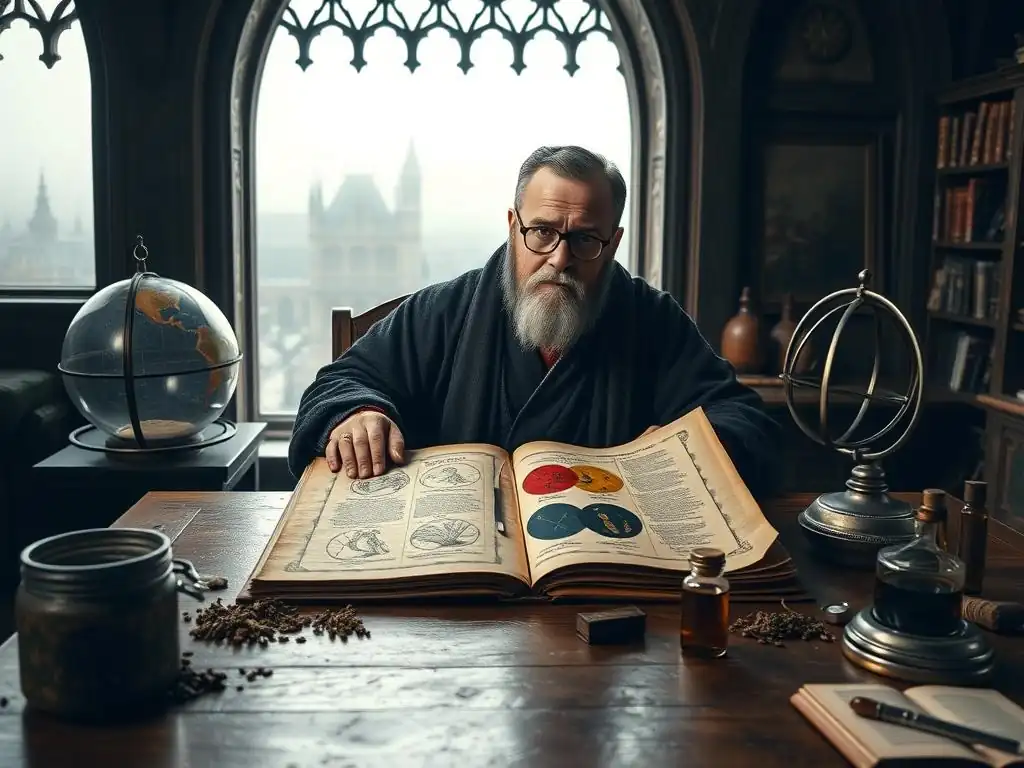
Welcome to Mind Care Guide, a sanctuary for understanding mental well-being. Ever wondered how our ancestors perceived the intricacies of the human mind? Delve into the fascinating – and sometimes bewildering – world of Medieval mental imbalance theories, starting with a look at the influential Four Humors Theory. Prepared to be surprised by how ancient beliefs shaped the way we understand ourselves, and perhaps even find echoes of these ideas in modern perspectives? Let's explore...
The Four Humors Theory: How Medieval Physicians Understood Mental Imbalance
- Introduction to Medieval Mental Imbalance Theories
- The Four Humors: A Foundation of Medieval Medicine
- Humoral Theory and its Influence on Medieval Mental Health Understanding
- Identifying Humoral Imbalances and Their Psychological Manifestations
- Treatments for Mental Imbalance Based on Humoral Theory
- Case Studies: Examples of Humoral Theory in Medieval Mental Health Practice
- Criticisms and Limitations of the Four Humors Theory
- Legacy of the Four Humors Theory in Modern Mental Health
- Conclusion: Reflecting on Medieval Mental Imbalance Theories
-
Frequently Asked Questions
- What were the four humors, and how were they connected to mental imbalance?
- How did the four humors theory influence medieval medical practices related to mental health?
- Was the four humors theory the only explanation for mental imbalance in the medieval period?
- What are some examples of mental or emotional states associated with specific humor imbalances?
- How does the four humors theory compare to modern understandings of mental health?
- Final Reflection: Echoes of the Humors in Modern Understanding
- Unlock Your Inner Medieval Physician: Explore the Humors!
Introduction to Medieval Mental Imbalance Theories
Historical Mental Health Perspectives
Throughout history, societies have grappled with understanding and treating what we now recognize as mental health conditions. In the medieval period, roughly from the 5th to the 15th century, the prevailing medical framework for explaining both physical and mental ailments was rooted in ancient Greek and Roman philosophy, particularly the humoral theory. This perspective viewed the human body and mind as interconnected systems governed by fundamental substances, or humors.
Unlike modern biomedical models that focus on neurochemistry or genetics, medieval thought attributed mental imbalance to disruptions in the body's internal harmony, often influenced by external factors like diet, environment, and even astrological alignments. This historical context is crucial for appreciating the evolution of our understanding of the mind and its challenges.
Medieval mental imbalance theories were deeply intertwined with broader cosmological and physiological beliefs. Physicians, often drawing upon texts translated from Arabic and Greek scholars like Avicenna and Galen, saw mental states as direct reflections of the body's internal balance. Concepts like melancholy, mania, and phrenitis were not abstract psychological constructs but physical conditions with identifiable causes within the humoral system.
Treatments, therefore, focused on restoring this physical balance, highlighting a holistic view where the mind was inseparable from the bodily state. Examining these past perspectives offers valuable insight into how different eras have conceptualized distress and sought pathways to well-being, showcasing the significant shift from purely physiological models to today's more complex biopsychosocial approaches.
Understanding Mental Wellbeing Through the Lens of the Past
Exploring medieval mental imbalance theories allows us to trace the origins of various therapeutic approaches and diagnostic categories, even if they were based on now-outdated science. The humoral model, while scientifically inaccurate by modern standards, provided a comprehensive framework that attempted to explain a wide range of human experiences, from temperament to severe mental distress.
It offered a logical system for medieval physicians to categorize symptoms and prescribe interventions, giving structure to the often bewildering manifestations of mental health issues. Understanding this historical lens helps us appreciate the ingenuity and limitations of past medical practice in the absence of sophisticated diagnostic tools or neurobiological knowledge.
Looking at how medieval physicians approached mental well-being underscores the long-standing human desire to find order and meaning in suffering. Their focus on diet, lifestyle, and environmental factors as influences on mental state, although framed through humors, echoes some modern holistic health principles.
While their specific treatments like bloodletting or purging are no longer practiced for mental conditions, the underlying idea that physical health impacts mental state remains a cornerstone of contemporary health advice. By studying these historical approaches, we gain perspective on the progress made in mental health care and recognize the continuous effort across centuries to understand and alleviate psychological distress.
The Four Humors: A Foundation of Medieval Medicine
Defining the Four Humors: Blood, Phlegm, Yellow Bile, and Black Bile
The cornerstone of medieval medicine, and consequently, medieval mental imbalance theories, was the concept of the four humors. Derived from the ancient Greek physician Hippocrates and significantly elaborated upon by Galen, this theory proposed that the human body contained four primary fluids: blood, phlegm, yellow bile (or choler), and black bile (or melancholy). Each humor was associated with specific qualities, seasons, elements, and organs. Blood, linked to air and spring, was hot and wet, primarily associated with the heart and liver.
Phlegm, tied to water and winter, was cold and wet, originating in the brain and lungs. Yellow bile, connected to fire and summer, was hot and dry, associated with the gallbladder. Finally, black bile, linked to earth and autumn, was cold and dry, believed to originate in the spleen and stomach.
Maintaining a proper balance, or eukrasia, of these four humors was considered essential for good health, both physical and mental. An imbalance, dyskrasia, was believed to be the root cause of disease. This balance was dynamic, constantly influenced by diet, climate, age, and emotional state.
Physicians meticulously studied a patient's complexion, pulse, urine, and even stools to assess the state of their humors. The dominance or deficiency of a particular humor was thought to determine not only susceptibility to certain illnesses but also a person's basic temperament or personality. For instance, someone with a predominance of blood was considered sanguine (optimistic, sociable), phlegm made one phlegmatic (calm, sluggish), yellow bile choleric (irritable, ambitious), and black bile melancholic (thoughtful, gloomy).
The Connection Between Humors and Physical Health in Medieval Thought
In medieval medical understanding, the state of the humors directly dictated a person's physical health. A surplus or deficiency of any humor, or an imbalance in their qualities (hot/cold, wet/dry), was believed to manifest as specific physical symptoms. For example, an excess of blood might cause fever or redness, while an excess of phlegm could lead to chills, coughs, or lethargy.
Yellow bile was associated with heat-related ailments, jaundice, and digestive issues, while black bile was linked to conditions like chronic diseases, skin problems, and digestive complaints such as indigestion or constipation. This systemic view meant that a physician treating a physical ailment first sought to identify which humor was out of balance and then prescribed treatments aimed at restoring equilibrium.
This strong connection between humors and physical health meant that any intervention for illness, regardless of its manifestation, focused on the humoral system. Dietary recommendations were tailored to a person's dominant humor or the humor perceived to be in excess; for instance, someone with excess phlegm (cold and wet) might be advised to eat warm, dry foods. Purging, either through laxatives (like senna or rhubarb) or emetics, was used to expel excess humors.
Bloodletting, a common practice, was intended to reduce an overabundance of blood or alter the humoral composition. Even external applications like poultices or baths were chosen based on their perceived hot/cold or wet/dry qualities to counteract the humor causing the illness. This comprehensive physical approach was the primary avenue for addressing health problems, including those we would now classify as mental health disorders, under medieval mental imbalance theories.
Humoral Theory and its Influence on Medieval Mental Health Understanding
How the Balance of Humors Affected Mental State
Within the framework of medieval medicine, the balance of the four humors was considered just as critical for mental state as it was for physical health. Each humor was thought to influence specific psychological attributes and emotional tendencies. A well-balanced individual, with humors in proper proportion and quality, was expected to exhibit stable temperament and rational thought.
However, any significant deviation – an excess, deficiency, or corruption of one or more humors – was believed to directly impact the mind, leading to various forms of mental imbalance. This physiological explanation for mental states was the dominant paradigm throughout the medieval period, shaping how conditions like depression, anxiety, and even what might be considered psychotic symptoms were understood.
Medieval physicians meticulously observed a patient's behavior, speech, and emotional responses, interpreting them as symptoms of underlying humoral disturbances. For instance, excessive laughter, impulsivity, or rapid speech might be attributed to an excess of hot, wet blood or hot, dry yellow bile. Conversely, prolonged sadness, fearfulness, or withdrawal was often linked to an excess of cold, dry black bile.
This direct causal link between bodily fluids and mental states meant that psychological conditions were viewed primarily as medical problems, requiring physical interventions to restore humoral equilibrium. The concept of mental illness as a distinct category separate from physical disease was not the prevailing view; rather, mental distress was a manifestation of bodily dysfunction.
The Role of Humoral Imbalance in Medieval Explanations of Mental Illness
Humoral imbalance served as the primary diagnostic explanation for a wide spectrum of mental illnesses in the medieval era. Conditions like melancholy (severe depression), mania (periods of extreme excitement or agitation), phrenitis (fever-induced delirium or acute psychosis), and hysteria (often associated with women and attributed to the wandering of the uterus, though also framed in humoral terms) were all interpreted through this lens.
A physician encountering a patient exhibiting symptoms of severe agitation might diagnose an excess of yellow bile or heated blood, leading to treatments aimed at cooling and purging these humors. Someone suffering from profound sadness and lethargy would likely be diagnosed with an excess of black bile, requiring interventions to warm and dry the body and expel the offending humor.
The specific type of imbalance was thought to determine the nature of the mental disturbance. For example, "melancholia adust" was a term used for a particularly severe form of melancholy believed to result from black bile that had been "burnt" or corrupted, leading to more intense symptoms like delusions or hallucinations.
This detailed categorization, based on the perceived state of the humors, provided a framework for physicians to differentiate between various forms of mental suffering, even if their understanding of the underlying biology was fundamentally flawed. Consequently, treatments were highly individualized, based on the physician's assessment of the specific humoral dyskrasia causing the mental symptoms, making humoral theory the bedrock of medieval mental imbalance theories and their associated therapeutic practices.
Identifying Humoral Imbalances and Their Psychological Manifestations
Symptoms Associated with Excess Blood: Sociability, Confidence, Mania
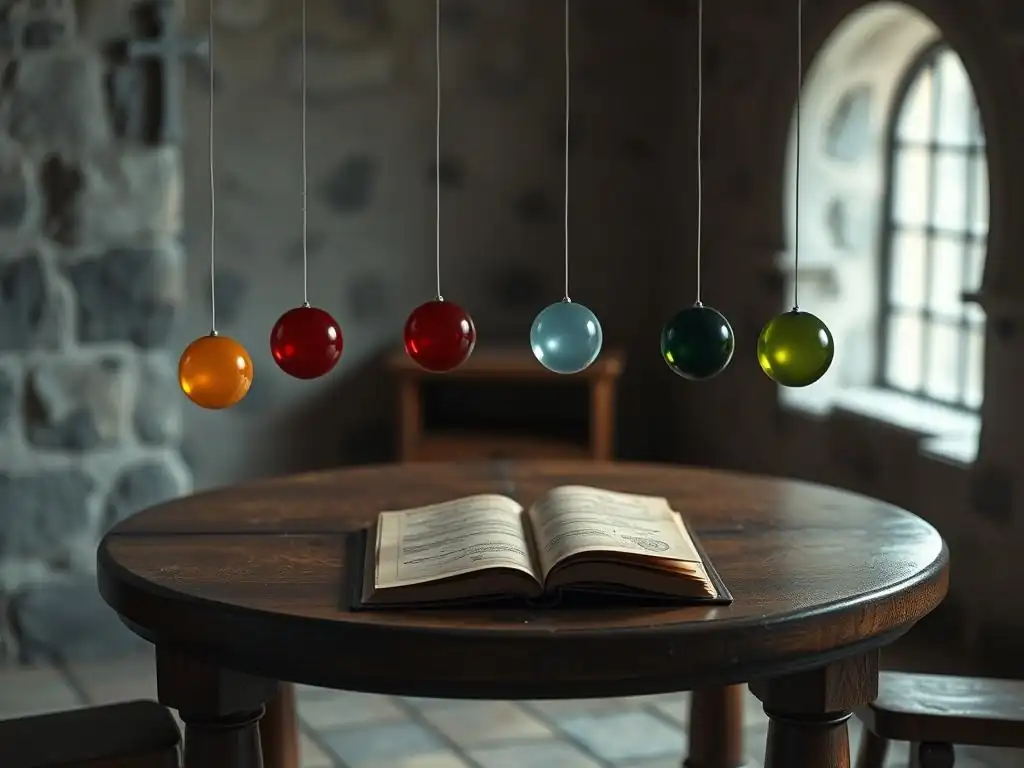
An excess of blood, the hot and wet humor associated with the sanguine temperament, was believed to manifest psychologically in several ways. On the less severe side, an individual might exhibit heightened sociability, optimism, confidence, and a cheerful disposition. These were seen as natural extensions of blood's warm and vital qualities.
However, when the excess was significant, it could lead to more pronounced mental imbalance. Symptoms associated with a pathological excess of blood included excessive excitement, impulsivity, restlessness, rapid speech, and even periods resembling mania. Historical texts might describe individuals becoming overly boisterous, reckless, or prone to sudden fits of passion or irrational exuberance.
Medieval physicians would look for physical signs accompanying these psychological symptoms to confirm a diagnosis of sanguine imbalance. These might include a ruddy complexion, strong pulse, and a feeling of heat. The belief was that too much blood overheated the brain and body, disrupting rational thought and leading to excessive vitality and emotional lability. Therefore, treatment for these manic-like states often involved cooling and reducing the blood humor, most commonly through bloodletting, but also through cooling foods and environments. This demonstrates how closely physical and psychological symptoms were linked under medieval mental imbalance theories.
Symptoms Associated with Excess Phlegm: Lethargy, Apathy, Dullness
An excess of phlegm, the cold and wet humor linked to the phlegmatic temperament, was associated with psychological manifestations characterized by a lack of vitality and emotional dampening. Individuals with a phlegmatic imbalance might exhibit symptoms such as profound lethargy, apathy, listlessness, and a general dullness of mind and spirit. They might be slow to react, emotionally unresponsive, and prone to excessive sleepiness. This state was seen as a direct consequence of phlegm's cold and wet nature, which was believed to "dampen" the body's vital spirits and cognitive functions, making the individual inert and unengaged with the world.
Physical signs that might accompany these mental symptoms could include a pale complexion, a weak pulse, a tendency towards chills, and excessive mucus production (such as a persistent cough or runny nose). The cold and wet qualities of phlegm were thought to chill the brain and slow down metabolic processes, leading to both physical sluggishness and mental torpor.
Treatment for phlegmatic imbalance and associated mental dullness focused on warming and drying the body, often through heating spices, dry foods, exercise, and potentially purgatives to expel the excess phlegm. This approach highlights the medieval belief that restoring physical warmth and dryness was key to alleviating cold and wet mental states within the framework of medieval mental imbalance theories.
Symptoms Associated with Excess Yellow Bile: Irritability, Anger, Impulsivity
An excess of yellow bile, the hot and dry humor associated with the choleric temperament, was strongly linked to psychological states characterized by intensity and agitation. Individuals with an imbalance of yellow bile were believed to be prone to extreme irritability, quick temper, aggression, and impulsivity. Their emotions were seen as hot and volatile, leading to sudden outbursts of anger or frustration.
In more severe cases, an excess of yellow bile could contribute to states of agitation, restlessness, and even acute delirium or frenzy, particularly if combined with heat or fever (phrenitis). The hot and dry nature of this humor was thought to "burn" or "agitate" the spirits, disrupting rational control and leading to uncontrolled emotional responses and behaviors.
Physical indicators of excessive yellow bile might include a yellowish complexion, a rapid and strong pulse, digestive issues like nausea or vomiting (especially of bile), and a feeling of excessive internal heat. The liver and gallbladder, associated with yellow bile, were seen as central to these imbalances.
Treatment aimed at cooling and purging the excess heat and dryness, often involving cooling foods, cooling baths, and purgatives specifically designed to expel yellow bile. This approach demonstrates the medieval understanding that managing intense, agitated mental states required physically reducing the "fiery" humor causing the disturbance, a key aspect of medieval mental imbalance theories concerning volatile temperaments and acute psychological distress.
Symptoms Associated with Excess Black Bile: Melancholy, Depression, Anxiety
An excess of black bile, the cold and dry humor associated with the melancholic temperament, was the primary explanation for conditions we would now broadly categorize as depression, profound sadness, and certain forms of anxiety or fearfulness. Individuals suffering from an imbalance of black bile were believed to experience persistent low mood, despair, fear without apparent cause, withdrawal from social interaction, loss of interest in activities, and sometimes fixed irrational beliefs or delusions.
This state, known as melancholy, was attributed to the cold and dry nature of black bile, which was thought to "cool" and "dry" the brain and spirits, leading to a state of inertia, sadness, and dark thoughts.
Physical symptoms accompanying melancholy might include a sallow or dark complexion, cold extremities, poor appetite, constipation, and disturbed sleep. The spleen, associated with black bile, was often implicated in these conditions. In severe cases, particularly if the black bile was believed to be "adust" or burnt, symptoms could escalate to include paranoia, hallucinations, or suicidal ideation.
Treatment for melancholic imbalance focused on warming and moistening the body and expelling the excess black bile. This could involve warm baths, moistening foods, gentle exercise, specific herbs (like borage or hellebore, although hellebore was potent and sometimes dangerous), and purgatives or enemas. The extensive focus on melancholy in medieval texts highlights the significant role of black bile imbalance in medieval mental imbalance theories concerning states of prolonged sadness and despair.
Treatments for Mental Imbalance Based on Humoral Theory
Medieval Therapeutic Approaches: Bloodletting, Diet, and Herbal Remedies
Medieval treatments for mental imbalance were firmly rooted in the principle of restoring humoral balance. Physicians employed a variety of methods aimed at correcting perceived excesses or deficiencies of the four humors. One of the most pervasive techniques was bloodletting, or phlebotomy, based on the belief that reducing the volume of blood could cool the body, reduce plethora (excess blood), and alter the overall humoral composition.
This was performed by cutting a vein (venesection) or using heated cups to draw blood to the surface (cupping), often at specific points on the body believed to correspond to the affected humor or organ. For instance, bloodletting from veins near the head might be prescribed for conditions associated with excess blood or heat affecting the brain.
Dietary regulation was another fundamental therapeutic approach. Food was classified according to its humoral qualities (hot/cold, wet/dry), and specific diets were prescribed to counterbalance the dominant or excessive humor. Someone with melancholic symptoms (cold and dry) might be advised to eat warm, moistening foods like fatty meats and sweet wines, while someone with choleric symptoms (hot and dry) might be given cooling, moistening foods like lettuce and cucumbers.
Herbal remedies were also extensively used, with specific herbs chosen based on their perceived humoral properties and their effect on the body. For example, herbs considered warming and drying might be used for phlegmatic conditions, while those seen as cooling and moistening could treat choleric states. Purgatives and emetics were also common to expel perceived excess humors through bodily evacuations.
Restoring Humoral Balance: The Physician's Role
The medieval physician's primary role in treating mental imbalance was to act as an expert interpreter of the patient's humoral state and to prescribe interventions to restore equilibrium. This involved a detailed examination of the patient, including observation of physical signs (complexion, pulse, urine), questioning about symptoms (both physical and mental), and considering factors like the patient's age, lifestyle, environment, and the season, all of which were believed to influence the humors.
Based on this assessment, the physician would formulate a diagnosis identifying the specific humoral imbalance responsible for the mental distress. For example, diagnosing melancholy meant identifying an excess of black bile.
Treatment plans were then carefully crafted to counteract the identified imbalance. If excess blood was causing mania, bloodletting was the primary intervention, perhaps combined with cooling foods. If excess black bile was causing melancholy, the physician might prescribe warming and moistening remedies, gentle purgatives, and activities considered cheering. The physician also acted as a counselor, advising on lifestyle changes, sleep patterns, and emotional regulation, all viewed through the lens of maintaining humoral harmony. The physician's authority and knowledge of complex humoral theory were crucial in navigating the perceived causes and cures for mental suffering under medieval mental imbalance theories.
The Use of Astrology in Diagnosing and Treating Humoral Mental Disorders
In medieval medicine, astrology was frequently integrated into the diagnostic and therapeutic process, including the treatment of mental disorders understood through the humoral framework. Each of the four humors was associated with specific planets and zodiac signs. Blood was linked to Jupiter and Aries, phlegm to the Moon and Cancer, yellow bile to Mars and Leo, and black bile to Saturn and Capricorn. The position and influence of these celestial bodies at the time of a person's birth, the onset of illness, or the time of treatment were believed to impact the state and balance of their humors.
Physicians, especially later in the medieval period, might consult astrological charts to help determine the dominant humor in a patient, predict the course of an illness, or identify the most auspicious time for interventions like bloodletting or administering purgatives. For example, performing bloodletting when the moon was in a "sanguine" sign or planet was in a favorable position for blood might be considered more effective or safer.
While not universally accepted by all physicians, the integration of astrology provided another layer of complexity and diagnostic information within the humoral system, reflecting the medieval worldview where the microcosm of the human body was seen as intimately connected to the macrocosm of the universe. This highlights the diverse influences shaping medieval mental imbalance theories and their associated practices.
Case Studies: Examples of Humoral Theory in Medieval Mental Health Practice
Case Study: A Knight Plagued by Melancholy and Treated with Rue and Rest
Consider the hypothetical (but illustrative) case of Sir Alaric, a knight in his late 30s, who, after a period of strenuous campaigning and poor diet, developed profound melancholy. His symptoms included overwhelming sadness, loss of interest in jousting and feasting, disturbed sleep, vivid fearful dreams, and a belief that misfortune was constantly impending.
A local physician, Master Thomas, examined Sir Alaric, noting his sallow complexion, cold extremities, and slow pulse. Based on these physical signs and the psychological symptoms of despair and fear, Master Thomas diagnosed an excess of black bile, likely exacerbated by the knight's physically taxing and emotionally draining lifestyle which, in medieval thought, could "burn" humors.
Master Thomas's treatment plan for Sir Alaric focused on warming, moistening, and gently purging the black bile. He prescribed a diet rich in warm, moistening foods like chicken broth, sweet fruits, and moderate amounts of wine, avoiding cold or dry foods like hard cheese or lentils. For medication, he recommended a concoction containing rue, an herb believed to dispel melancholy, mixed with honey and warm water, to be taken daily.
Crucially, he also prescribed rest from military duties, gentle exercise like walking in pleasant gardens, and exposure to cheerful company, all aimed at counteracting the cold, dry, and isolating nature of black bile. After several weeks following this regimen, Sir Alaric's mood gradually improved, his sleep normalized, and his interest in life returned, a result Master Thomas attributed to the successful restoration of his humoral balance, a classic example of medieval mental imbalance theories put into practice.
Case Study: A Woman Suffering from Hysteria and Treated with Strong Scents
Another illustrative case, reflecting medieval understandings often applied to women, involves Lady Eleanor, who experienced episodes of breathlessness, palpitations, fainting spells, and emotional lability, sometimes accompanied by irrational crying or laughter. These symptoms were frequently attributed to "hysteria," a condition medieval physicians often linked to disturbances originating in the uterus, but also interpreted through the humoral lens, often involving a build-up of morbid humors or vapors. The prevailing theory was that the uterus, if "wandering" or filled with noxious vapors, could cause distress throughout the body and mind.
Lady Eleanor's physician, Master John, suspected a humoral component to her condition, possibly involving corrupted phlegm or an excess of cold, wet humors affecting the reproductive organs and subsequently the brain. His treatment aimed to draw the "wandering" uterus back into place and expel the noxious vapors.
A common medieval treatment for hysteria involved the use of strong-smelling substances. Master John prescribed applying foul-smelling substances (like burnt feathers or assafoetida) to Lady Eleanor's nose to repel the uterus downwards, and pleasant-smelling substances (like rose or jasmine) to her lower abdomen to attract it.
He also recommended fumigating her room with aromatic herbs and might suggest warm hip baths or pessaries containing herbs believed to warm and dry the uterus and expel morbid humors. While based on a flawed understanding of female anatomy and mental health, this treatment exemplifies how medieval physicians applied humoral principles and other prevailing theories (like the wandering uterus) to address complex symptoms of distress, showcasing a specific approach within medieval mental imbalance theories concerning women's health.
Criticisms and Limitations of the Four Humors Theory
The Decline of Humoral Theory and the Rise of Modern Medicine
The dominance of the Four Humors Theory began to wane significantly towards the end of the medieval period and into the Renaissance, facing increasing scrutiny and challenges that paved the way for modern medicine. Early criticisms arose from anatomists and physicians who observed discrepancies between humoral explanations and findings from dissections.
Figures like Andreas Vesalius in the 16th century, through detailed anatomical studies, began to shift focus from abstract humoral balance to the structure and function of specific organs. The development of more precise diagnostic tools, albeit rudimentary at first, also started to highlight the limitations of relying solely on humoral assessment.
The Scientific Revolution of the 17th century delivered further blows to humoral theory. The rise of chemistry led to new understandings of bodily substances that did not align with the four humors. The invention of the microscope revealed microscopic structures and processes previously invisible.
Physicians like Thomas Sydenham emphasized empirical observation and specific disease entities rather than generalized humoral imbalances. While humoral concepts lingered in popular belief and some medical practices for centuries, they were gradually superseded by germ theory, cellular pathology, and eventually, biochemical and neurological understandings of health and disease. This intellectual shift marked a fundamental departure from medieval mental imbalance theories, moving towards a more localized and empirical view of illness.
Challenges to the Four Humors Paradigm: Lack of Empirical Evidence, Oversimplification
One of the most significant challenges to the Four Humors paradigm was its fundamental lack of verifiable empirical evidence based on rigorous observation or experimentation. The theory was largely based on philosophical reasoning and broad correlations rather than testable hypotheses. While medieval physicians were keen observers, their interpretations were constrained by the theoretical framework they inherited.
They could see symptoms but lacked the tools and methodology to confirm the existence or precise role of the four humors as defined by the theory. For instance, while blood was clearly visible, black bile as a distinct, pervasive humor causing melancholy was a theoretical construct rather than a consistent anatomical finding.
Furthermore, the theory, despite its detailed elaborations, was ultimately an oversimplification of the complex human body and mind. Attributing every physical and mental ailment to the imbalance of just four fluids proved insufficient to explain the vast diversity of diseases and psychological conditions observed. It struggled to account for localized infections, specific genetic predispositions, or the intricate workings of the nervous system and brain chemistry, factors now known to be crucial in both physical and mental health.
This oversimplification limited diagnostic accuracy and therapeutic effectiveness, as treatments based on humoral correction were often ineffective or even harmful (as in excessive bloodletting). The inability of the humoral model to adequately explain the growing body of anatomical and physiological knowledge ultimately led to its decline as the dominant framework for understanding health and medieval mental imbalance theories.
Legacy of the Four Humors Theory in Modern Mental Health
The Enduring Influence of Holistic Approaches to Mental Well-being
While the scientific basis of the Four Humors Theory has been entirely disproven, some aspects of the medieval approach resonate with modern holistic perspectives on mental well-being. The medieval emphasis on the interconnectedness of mind and body, diet, lifestyle, environment, and emotional state as factors influencing mental health finds echoes in contemporary integrated care models. Modern approaches increasingly recognize that factors such as nutrition, exercise, sleep hygiene, stress management, and social connections significantly impact psychological health. This mirrors the humoral concept that external and internal factors constantly influence the body's internal balance, which in turn affects the mind.
For example, a modern therapist might recommend exercise and improved diet to a patient with depression, not to balance humors, but because research shows physiological benefits that impact mood and energy levels. Similarly, recognizing the impact of seasonal changes or living environment on mood aligns conceptually with the medieval understanding of climate and season influencing humors.
While the mechanism is understood differently, the idea that a person's overall physical state and environment are crucial to their mental well-being is a thread that connects medieval and modern holistic health philosophies. The medieval view, despite its inaccuracies, promoted a comprehensive outlook that considered the whole person and their context, a valuable lesson for modern mental health care.
Lessons from the Past: Understanding the Evolution of Mental Health Care
Studying medieval mental imbalance theories offers crucial lessons about the evolution of mental health care and the importance of scientific progress. It highlights how deeply ingrained theoretical frameworks, even if flawed, can shape understanding and treatment for centuries. The transition from humoral theory to modern biomedical and psychological models demonstrates the power of empirical investigation, technological advancement, and critical thinking in refining our understanding of complex conditions. It underscores the necessity of continuously questioning existing paradigms and seeking evidence-based explanations.
Furthermore, examining the past reveals the long history of human attempts to alleviate psychological suffering. Medieval physicians, working within their limited knowledge, genuinely sought to help their patients. Their approaches, though often ineffective or misdirected by modern standards, were rational within their own framework.
This historical perspective fosters empathy for past efforts and reminds us that our current understanding is also subject to future refinement. It encourages humility and a commitment to ongoing research and improved care, recognizing that the journey to fully understand and treat mental health conditions is a continuous process of learning and adaptation, building upon the cumulative efforts across millennia, including those based on medieval mental imbalance theories.
Conclusion: Reflecting on Medieval Mental Imbalance Theories
The Significance of the Four Humors in the History of Mental Health
The Four Humors Theory holds significant historical importance as the dominant framework for understanding health and disease, including mental imbalance, throughout the medieval period. It provided a comprehensive, albeit fundamentally flawed, system that medieval physicians used to diagnose, categorize, and treat a wide range of physical and psychological conditions.
This theory shaped medical practice, informed scholarly texts, and influenced popular beliefs about health and temperament for over a thousand years. It represents a critical stage in the history of medicine, illustrating how ancient philosophical ideas were integrated into practical medical approaches and how mental states were primarily viewed through a physiological lens.
Understanding the role of the four humors in medieval mental imbalance theories is essential for appreciating the trajectory of mental health care. It shows the stark contrast between past and present explanations for psychological distress and highlights the immense progress made through scientific inquiry.
While treatments like bloodletting or purging based on humoral principles are no longer used for mental conditions, the historical context reveals a consistent human effort to find rational explanations and effective interventions for the challenges of the mind. The theory's eventual decline underscores the dynamic nature of scientific knowledge and the necessity of moving beyond outdated paradigms based on empirical evidence.
Exploring Diverse Perspectives on Mental Wellbeing
Examining medieval mental imbalance theories encourages us to appreciate the diversity of perspectives on mental well-being that have existed throughout history and continue to exist today. While the humoral model is no longer scientifically valid, its existence reminds us that the way we understand and address mental health is culturally and historically contingent. It prompts us to consider how different societies and eras have defined "normal" and "abnormal" mental states and the various methods they have employed to promote well-being and alleviate suffering.
This historical journey from humors to neurochemistry, genetics, and psychosocial models demonstrates the complex and evolving nature of our understanding. It highlights the value of interdisciplinary approaches that consider biological, psychological, and social factors. By exploring these diverse perspectives, including those rooted in medieval mental imbalance theories, we gain a richer appreciation for the human experience of mental health, the progress that has been achieved, and the ongoing need for compassionate, evidence-based care that respects the complexity of the human mind.
Frequently Asked Questions
What were the four humors, and how were they connected to mental imbalance?
The four humors were blood, phlegm, yellow bile, and black bile. Medieval physicians believed an imbalance in these humors directly caused both physical and mental illnesses. The goal was to restore balance for treatment.
Treatments focused on balancing the humors, often through diet, bloodletting, or herbal remedies. The theory shaped how physicians diagnosed and treated mental distress during that era. It was a dominant explanatory framework.
Was the four humors theory the only explanation for mental imbalance in the medieval period?
No, while dominant, it wasn't the only one. Religious and superstitious beliefs also played a role, sometimes attributing mental illness to demonic possession or divine punishment. Some argued for natural causes besides humor imbalances.
What are some examples of mental or emotional states associated with specific humor imbalances?
Excess black bile was associated with melancholia (depression). Too much blood could lead to a sanguine temperament, characterized by optimism but also potentially mania. Humoral excess was thought to affect behavior.
How does the four humors theory compare to modern understandings of mental health?
The four humors theory is largely discredited in modern medicine. However, it represents an early attempt to understand the biological basis of mental states, a concept still relevant today. Modern neuroscience provides more accurate explanations.
Final Reflection: Echoes of the Humors in Modern Understanding
The Four Humors theory, though outdated in its scientific approach, offers a surprisingly relevant lens through which to view our contemporary understanding of mental health. Its emphasis on the interconnectedness of physical and emotional well-being resonates powerfully with modern holistic approaches to mental illness, reminding us that the mind and body are not separate entities. The enduring legacy of this theory highlights the persistent human need to understand and categorize the complexities of the human psyche.
The enduring power of the Humors lies not just in its historical significance, but in its reflection of our ongoing struggle to define and treat mental imbalance. The search for balance, whether through bloodletting, dietary changes, or modern therapies, remains a central theme in our approach to mental health. The body is a microcosm of the universe, and the balance of the humors reflects the balance of the cosmos.
This ancient belief, though scientifically inaccurate, speaks to a deeper truth about our interconnectedness and the importance of seeking harmony within ourselves and our environment.
Consider the implications of this historical perspective on your own life. How do you approach your own mental and physical well-being? Do you recognize echoes of the Humors theory – the search for balance and harmony – in your own self-care practices? Let the legacy of the Four Humors inspire you to explore the holistic nature of your own health, recognizing the intricate connection between mind, body, and spirit. By understanding the past, we can better navigate the complexities of mental health in the present and build a more compassionate and informed future.
Unlock Your Inner Medieval Physician: Explore the Humors!
Thanks for diving into the fascinating world of the Four Humors! We hope you gained a fresh perspective on how mental health was understood in the Middle Ages. Now it's time to put your newfound knowledge to use!
- Dive deeper: Research a specific humor (blood, phlegm, yellow bile, or black bile) and explore its historical significance and modern parallels. Think about how this understanding might relate to your own well-being.
- Share your thoughts: What surprised you most about the Four Humors theory? Leave a comment below and share your insights with our community!
- Create your own "Humor Balance" chart: Design a simple chart to track your own emotional and physical state, reflecting on how different factors might influence your "humoral balance."
Ready to explore the connection between historical understanding and modern well-being? Let's discuss!