
Beyond Awareness: Practical Steps Indigenous Communities Can Take for Prevention

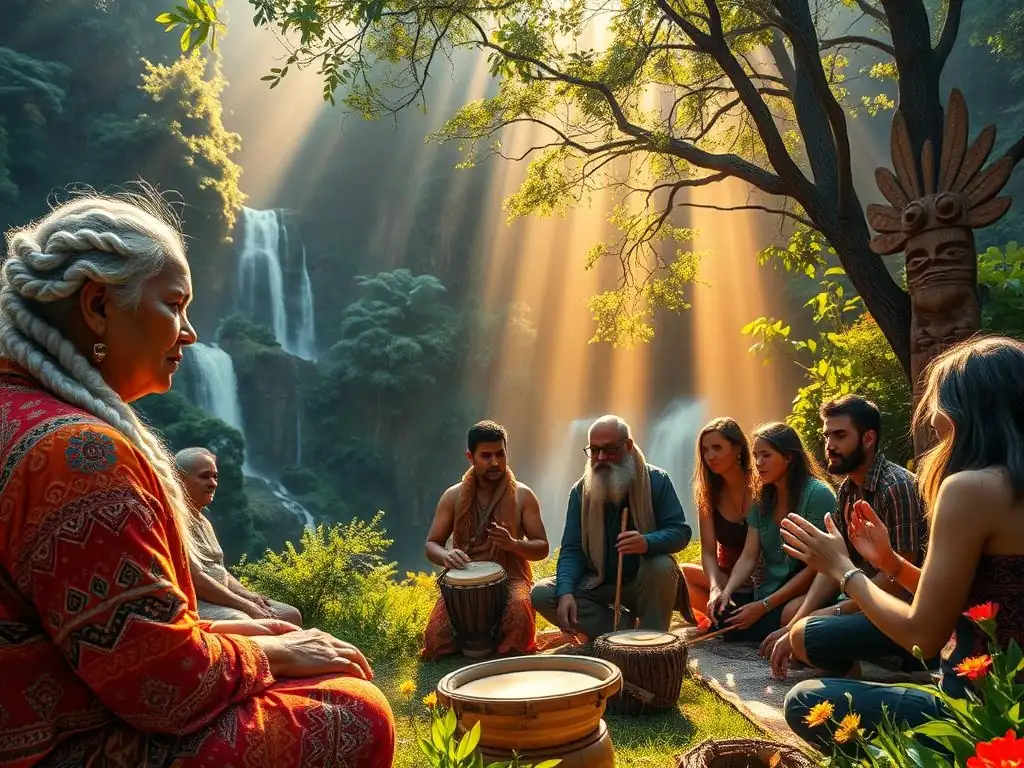
Welcome to Mind Care Guide, a sanctuary for understanding and nurturing your mental well-being.
Feeling overwhelmed by the complexities of mental health? You're not alone. Dive into our latest article, "Beyond Awareness: Practical Steps Indigenous Communities Can Take for Prevention," where we explore crucial strategies and resources. Discover how to empower yourself and your community with actionable steps that go beyond simply recognizing the problem, and begin building a stronger, healthier future. Curious about what those steps are? Let's explore them together.
- Beyond Awareness: Practical Indigenous Mental Health Prevention Steps
- Addressing Root Causes: Holistic Approaches to Indigenous Mental Wellness
- Indigenous-Led Initiatives: Empowering Communities for Wellness
-
Practical Steps for Indigenous Mental Wellness Prevention
- Strengthening Cultural Identity and Connection to Land
- Promoting Language Revitalization and Intergenerational Knowledge Transfer
- Creating Safe Spaces for Open Dialogue and Healing
- Addressing Substance Use and Addictions Through Culturally Relevant Programs
- Implementing Early Intervention Strategies for At-Risk Youth
- Integrating Mental Wellness Education into Schools and Community Programs
- Enhancing Access to Culturally Safe Mental Healthcare Services
- Collaborating for Change: Partnerships and Support
- Measuring Success: Evaluating Indigenous Mental Wellness Prevention Efforts
- Resources for Indigenous Mental Wellness Support
- Continuing the Journey: Sustaining Indigenous Mental Wellness Prevention Efforts
-
Frequently Asked Questions
- What are some practical first steps Indigenous communities can take for mental health prevention?
- How can cultural practices be integrated into mental health prevention strategies?
- What role does community leadership play in successful Indigenous mental health prevention?
- How can early intervention programs benefit Indigenous youth?
- What are some effective ways to address historical trauma in mental health prevention efforts?
- Final Reflection: Weaving Resilience: Practical Steps Towards Indigenous Mental Wellness
- Unleash Your Community's Resilience: Take Action Today!
Beyond Awareness: Practical Indigenous Mental Health Prevention Steps
Understanding the Urgent Need for Mental Wellness in Indigenous Communities
Indigenous communities across the globe carry a disproportionate burden of mental health challenges. This urgent need stems from a complex interplay of historical, social, and economic factors. High rates of trauma, including intergenerational trauma resulting from residential schools and other colonial policies, profoundly impact mental well-being. These historical injustices have fractured social structures, disrupted cultural practices, and eroded traditional coping mechanisms, leaving many individuals and communities vulnerable. Statistics consistently show higher rates of depression, anxiety, substance use disorders, and tragically, suicide rates that are significantly elevated compared to non-Indigenous populations, sometimes by factors of several times, particularly among youth.
Addressing this crisis requires moving beyond simply acknowledging the problems to implementing concrete, practical steps for Indigenous mental health prevention. It's not enough to raise awareness; action is critical. Effective prevention strategies must be rooted in understanding the unique historical context and contemporary challenges faced by each community. This involves recognizing that mental wellness is intrinsically linked to cultural identity, connection to land, and social determinants of health. Therefore, prevention efforts must be holistic, culturally relevant, and community-led to be truly impactful and sustainable in fostering resilience and healing.
Addressing Root Causes: Holistic Approaches to Indigenous Mental Wellness
The Impact of Colonial Trauma on Indigenous Mental Wellbeing
Colonial policies, such as the residential school system, forced displacement, and the suppression of cultural practices, inflicted deep and lasting wounds on Indigenous peoples. This historical trauma, characterized by collective emotional and psychological injury across generations, manifests today in various forms of distress, including high rates of PTSD, depression, and substance use.
The severing of family ties, loss of language, and disconnection from traditional lands created a void that continues to impact mental health outcomes. For instance, studies have shown a correlation between the number of residential school attendees in a family and increased risk factors for mental health issues in subsequent generations.
Understanding and addressing this trauma is a fundamental practical step for Indigenous mental health prevention. Healing requires acknowledging the past, supporting truth and reconciliation efforts, and creating safe spaces for survivors and their descendants to process their experiences. Trauma-informed approaches must be integrated into all mental wellness services, recognizing that many individuals seeking help may be carrying the weight of historical and intergenerational pain. This involves training service providers in culturally sensitive and trauma-informed care and supporting traditional healing practices that have historically helped communities cope with adversity.
Mental wellness is profoundly influenced by social determinants such as poverty, inadequate housing, lack of access to clean water, food insecurity, discrimination, and limited educational and employment opportunities. Indigenous communities often face significant inequities in these areas due to systemic issues rooted in colonialism. For example, unemployment rates in some remote Indigenous communities can be drastically higher than the national average, contributing to stress, hopelessness, and increased vulnerability to mental health challenges. Similarly, overcrowded or substandard housing can exacerbate stress and impact overall well-being.
Addressing these systemic inequities is a crucial practical step for Indigenous mental health prevention. This requires advocating for policy changes and investments that improve living conditions, create economic opportunities, and ensure equitable access to essential services like education and healthcare. Prevention efforts must extend beyond clinical interventions to include initiatives that promote social justice and address the root causes of disadvantage. Empowering communities to have control over local resources and decision-making is vital in building environments that support mental wellness.
Cultural Continuity as a Mental Wellness Protective Factor
Cultural continuity, encompassing strong ties to language, traditional practices, spirituality, and connection to ancestral lands, serves as a powerful protective factor against mental health challenges in Indigenous communities. When cultural connections are strong, individuals often report a greater sense of identity, belonging, purpose, and resilience. Research has shown that communities with higher levels of cultural continuity indicators, such as self-government, land control, and cultural education programs, tend to have significantly lower rates of suicide among youth. This highlights the profound link between cultural vitality and mental well-being.
Promoting and strengthening cultural continuity is an essential practical step for Indigenous mental health prevention. This involves supporting language revitalization efforts, providing opportunities for cultural education and intergenerational knowledge transfer, facilitating access to traditional lands for ceremonies and healing practices, and celebrating Indigenous arts, music, and storytelling. These activities not only reinforce cultural identity but also provide traditional coping mechanisms and support systems that are vital for mental resilience.
Indigenous-Led Initiatives: Empowering Communities for Wellness
The Power of Community-Based Mental Wellness Programs
Community-based mental wellness programs are vital because they are developed and delivered by and for Indigenous peoples, ensuring cultural relevance and community ownership. These programs often integrate traditional healing practices with contemporary therapeutic approaches, creating a holistic and accessible system of care. Examples include Elder-led talking circles, land-based healing camps, cultural ceremonies focused on healing trauma, and peer support networks rooted in community values. Data from communities that have implemented such programs often show positive outcomes, including reduced rates of substance use and improved self-reported mental well-being among participants.
Empowering communities to design and deliver their own mental wellness services is a critical practical step for Indigenous mental health prevention. This requires providing adequate resources and funding directly to Indigenous organizations and governments, trusting their expertise in knowing what their community needs. These programs foster a sense of collective responsibility for health and healing, leveraging existing social networks and cultural strengths. They move away from deficit-based models to asset-based approaches that build on the inherent resilience and wisdom within the community.
Supporting Indigenous Knowledge Systems and Healing Practices
Indigenous knowledge systems and healing practices offer profound insights into mental wellness and provide effective, culturally appropriate pathways to healing. These practices, which have sustained communities for millennia, often view health holistically, encompassing the physical, mental, emotional, and spiritual dimensions, as well as the interconnectedness of individuals with their families, communities, and the natural world. Supporting practices like traditional ceremonies, plant medicines, storytelling, and guidance from Elders provides individuals with culturally safe and relevant options for addressing distress and promoting well-being.
Integrating and supporting these traditional approaches alongside Western mental healthcare is a key practical step for Indigenous mental health prevention. This involves recognizing the validity and efficacy of Indigenous healing methods, ensuring access to traditional healers, and creating spaces within healthcare systems that respect and accommodate these practices. Training non-Indigenous healthcare providers about cultural safety and the importance of Indigenous healing is also essential for fostering respectful collaboration and ensuring individuals have choices in their healing journey.
Building Capacity Within Indigenous Communities: Training and Resources
Sustainable mental wellness prevention requires building capacity within Indigenous communities themselves. This means investing in training for community members to become mental health workers, peer support facilitators, cultural helpers, and traditional healers. Empowering individuals with the skills and knowledge to support their own community members increases accessibility to care, reduces reliance on external services, and ensures that support is provided by people who understand the local context, culture, and history. For example, training community health representatives in mental health first aid or crisis intervention provides immediate, local support.
Providing adequate resources, including funding, infrastructure, and ongoing professional development opportunities, is a crucial practical step for Indigenous mental health prevention. This investment enables communities to develop and sustain their own programs and services, tailored to their specific needs. Building capacity also involves supporting community-led research and evaluation initiatives to ensure programs are effective and culturally appropriate, fostering a cycle of continuous improvement and learning.
Practical Steps for Indigenous Mental Wellness Prevention
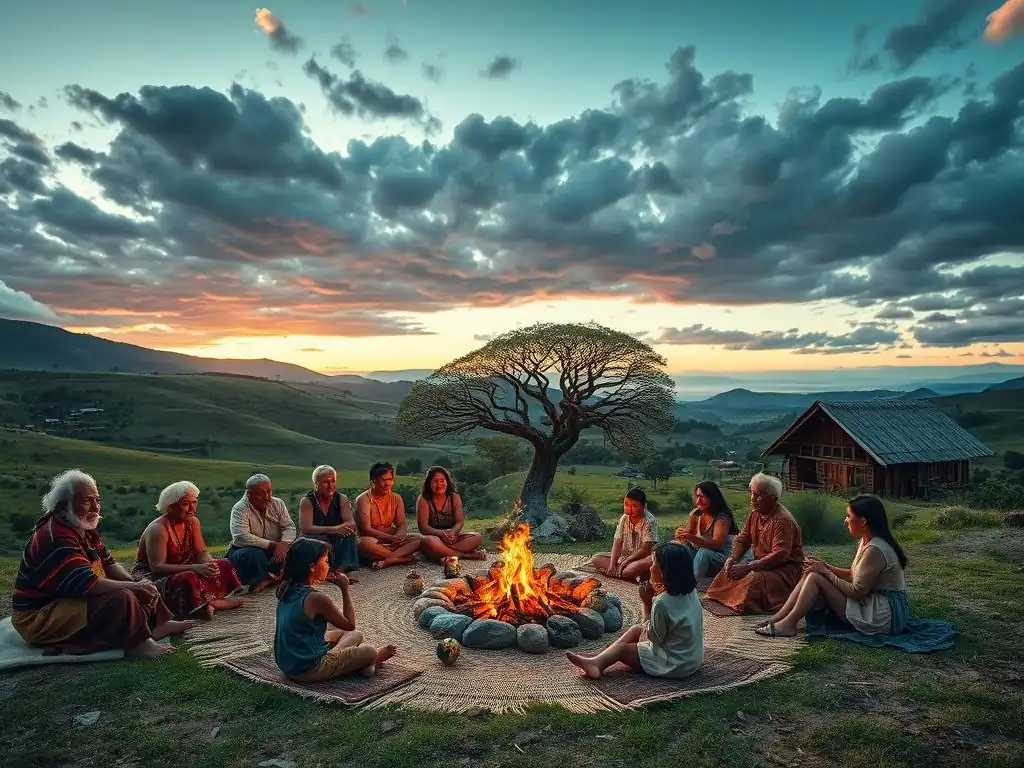
Strengthening Cultural Identity and Connection to Land
Strengthening cultural identity and connection to ancestral lands are foundational practical steps for Indigenous mental health prevention. Engaging in cultural practices such as ceremonies, drumming, singing, dancing, and traditional arts reinforces identity and belonging. Connecting with the land through hunting, fishing, gathering traditional foods and medicines, and participating in land-based camps provides healing, teaches resilience, and fosters a sense of stewardship and responsibility. These activities counteract the effects of cultural disconnection and historical trauma.
For instance, youth land-based programs have shown significant positive impacts on participants' self-esteem, cultural pride, and reduced engagement in risky behaviors. These programs often incorporate traditional teachings, Elder guidance, and connection to nature, providing a stark contrast to environments where youth may feel marginalized or disconnected. Supporting initiatives that make these cultural and land-based connections accessible to all community members, particularly youth and those who have been disconnected, is vital for fostering mental wellness.
Promoting Language Revitalization and Intergenerational Knowledge Transfer
Language is a carrier of culture, history, and identity. The loss of Indigenous languages due to colonial policies has significantly impacted cultural continuity and mental well-being. Promoting language revitalization efforts is a critical practical step for Indigenous mental health prevention. Learning and speaking traditional languages strengthens cultural identity, facilitates communication between generations, and provides access to traditional knowledge embedded within the language itself, including teachings about holistic health and well-being.
Supporting intergenerational knowledge transfer through mentorship programs, cultural camps, and community language classes ensures that Elders can pass on their wisdom, traditions, and healing practices to younger generations. This transfer of knowledge builds resilience, strengthens family and community bonds, and provides youth with a strong cultural foundation. Initiatives that pair youth with Elders for language learning or traditional skills apprenticeship are powerful examples of how this can be achieved, fostering connection and preventing feelings of isolation and hopelessness.
Creating Safe Spaces for Open Dialogue and Healing
Creating safe, culturally appropriate spaces where individuals can openly discuss their experiences, challenges, and feelings without fear of judgment is essential for mental wellness prevention. This includes supporting talking circles, sharing circles, and community gatherings facilitated by Elders or trained mental health professionals who understand the cultural context. These spaces allow for collective healing, validation of experiences, and the sharing of coping strategies rooted in cultural wisdom.
These safe spaces can exist in various forms – within community centers, schools, healthcare settings, or even outdoors on the land. They provide opportunities for individuals to connect with others who share similar experiences, reducing isolation and building social support networks. Ensuring that facilitators are culturally competent and that the environment is respectful of traditional protocols and values is paramount to the success of these initiatives as practical steps for Indigenous mental health prevention.
Addressing Substance Use and Addictions Through Culturally Relevant Programs
Substance use and addiction are often linked to trauma, poverty, and lack of opportunity, and they significantly impact mental health. Addressing these issues through culturally relevant prevention and treatment programs is a crucial step. Programs that integrate traditional healing practices, Elder counseling, connection to culture, and land-based therapy often resonate more deeply with Indigenous individuals than conventional approaches alone. These programs recognize that addiction is often a response to pain and disconnection and focus on healing the underlying trauma.
Supporting community-led initiatives that offer a spectrum of care, from prevention education and early intervention to culturally safe treatment and aftercare, is vital. Examples include on-reserve treatment centers that incorporate traditional ceremonies, peer support groups based on cultural principles, and land-based healing programs that remove individuals from triggering environments and reconnect them with nature and culture. These practical steps for Indigenous mental health prevention address substance use not just as an individual problem but within its broader social and historical context.
Implementing Early Intervention Strategies for At-Risk Youth
Indigenous youth face unique challenges and are often at higher risk for mental health issues and suicide due to the cumulative effects of historical trauma, social determinants, and cultural disconnection. Implementing early intervention strategies is a critical practical step for Indigenous mental health prevention among this vulnerable population. This involves identifying youth who may be struggling early on and providing them with timely, culturally appropriate support.
Early intervention programs can include school-based mental wellness programs, youth mentorship initiatives led by Elders or positive role models, land-based camps focused on building resilience and cultural pride, and access to culturally safe counseling services. For example, a mentorship program pairing youth with community leaders has shown promise in increasing school engagement and reducing feelings of hopelessness. These initiatives aim to provide youth with coping skills, strengthen their cultural identity, and connect them with supportive adults and peers before crises occur.
Integrating Mental Wellness Education into Schools and Community Programs
Integrating mental wellness education into school curricula and community programs helps destigmatize mental health issues, increases literacy about signs and symptoms, and teaches coping strategies from a young age. For Indigenous communities, this education must be culturally relevant, incorporating traditional understandings of health and well-being and addressing the specific historical context and experiences of Indigenous peoples.
Teaching children and youth about emotional regulation, healthy relationships, the impact of trauma, and the importance of seeking help in a way that is culturally sensitive and age-appropriate is a proactive practical step for Indigenous mental health prevention. This can involve incorporating mental wellness themes into traditional storytelling, arts, and activities. For adults, community workshops and programs can provide information on recognizing signs of distress in themselves and others, supporting loved ones, and accessing available resources, including traditional healing options.
Enhancing Access to Culturally Safe Mental Healthcare Services
While community-led initiatives and traditional healing are paramount, ensuring access to culturally safe Western mental healthcare services is also necessary. Culturally safe care means that individuals feel respected, understood, and safe when accessing services, and that providers are aware of and sensitive to their cultural background, history, and experiences. Lack of culturally safe options is a significant barrier to care for many Indigenous people.
Enhancing access involves training healthcare providers in cultural safety and trauma-informed care, increasing the number of Indigenous mental health professionals, and ensuring services are geographically accessible, particularly in remote communities. It also means creating service environments that are welcoming and respectful of Indigenous cultures, potentially incorporating elements like smudging areas or opportunities to have Elders present during sessions. Making mental healthcare culturally safe is a vital practical step for Indigenous mental health prevention, ensuring that when individuals need professional support, they can access it without facing further harm or discrimination.
Collaborating for Change: Partnerships and Support
The Role of Government and Organizations in Supporting Indigenous Mental Wellness
Governments and non-Indigenous organizations have a crucial role to play in supporting Indigenous mental wellness, primarily by upholding their responsibilities and acting as true partners. This involves moving beyond paternalistic approaches to supporting Indigenous self-determination in health and wellness. Practical steps include providing consistent, long-term, and adequate funding directly to Indigenous health authorities and community-led organizations, respecting their priorities and governance structures.
Furthermore, governments must address the systemic inequities and historical injustices that contribute to mental health disparities. This involves policy changes related to clean water, housing, education, and justice. Non-Indigenous organizations can support by building respectful relationships with Indigenous communities, offering resources and expertise when requested, and advocating for policy changes that support Indigenous mental wellbeing. This support should be guided by the principle of "nothing about us without us," ensuring Indigenous voices lead the way in developing solutions.
Building Bridges Between Traditional Healing and Mental Healthcare
Building bridges between traditional Indigenous healing practices and Western mental healthcare systems is essential for providing comprehensive and culturally appropriate support. This collaboration acknowledges the value and effectiveness of both approaches and offers individuals a wider range of options for their healing journey. Practical steps include creating referral pathways between traditional healers and clinical services, co-developing treatment plans that incorporate both approaches, and training healthcare providers on the benefits and protocols of traditional healing.
Successful examples of this collaboration exist, where traditional healers work alongside therapists in community health centers or hospitals, or where land-based healing programs are integrated into addiction treatment pathways. Fostering mutual respect and understanding between practitioners from different systems is key. This collaboration is a significant practical step for Indigenous mental health prevention, ensuring that individuals can access the forms of support that best meet their needs and cultural preferences.
Fostering Collaboration Between Indigenous Communities and Healthcare Providers
Effective mental wellness prevention requires strong, trusting relationships between Indigenous communities and healthcare providers, both Indigenous and non-Indigenous. Historical negative experiences and systemic racism have created barriers to trust, which must be actively dismantled. Practical steps involve healthcare providers engaging in cultural safety training, spending time in communities to understand local contexts and needs, and working collaboratively with community leaders and health committees to design and deliver services.
Establishing community advisory boards, conducting needs assessments in partnership with communities, and ensuring that services are delivered in a way that is accessible, respectful, and responsive to community input are all vital. For example, a community might work with a regional health authority to develop a mobile mental wellness unit that travels to remote areas, staffed by providers who have built relationships with community members. This collaborative approach ensures that services are not just available but are also utilized and trusted as part of the practical steps for Indigenous mental health prevention.
Measuring Success: Evaluating Indigenous Mental Wellness Prevention Efforts
Developing Culturally Grounded Evaluation Methods
Evaluating the success of Indigenous mental wellness prevention efforts requires methods that are culturally grounded and meaningful to the communities involved. Western evaluation frameworks may not adequately capture the holistic nature of Indigenous well-being or the subtle impacts of culturally based interventions. Practical steps involve working with communities to define what success looks like from their perspective, using indicators that reflect cultural values, collective well-being, and connection to land and culture, in addition to individual health outcomes.
This can involve using qualitative methods like storytelling, sharing circles, and interviews to gather rich information about the impact of programs, alongside quantitative data where appropriate. Evaluation processes should be collaborative, empowering communities to lead or co-lead the evaluation and ensuring that findings are shared back in a way that is accessible and useful for community decision-making. Developing culturally grounded evaluation methods is a crucial practical step for Indigenous mental health prevention, ensuring that efforts are truly making a difference from the community's perspective.
Tracking Progress and Identifying Areas for Improvement
Regularly tracking progress using the culturally grounded indicators helps communities understand what is working well and identify areas that need improvement. This is an ongoing process, not a one-time event. Practical steps involve establishing community-based data collection systems, ensuring data is owned and controlled by the community, and using this information to inform planning and resource allocation.
For example, a community might track indicators such as participation rates in cultural programs, reports of increased connection to Elders, reductions in crisis calls, or feedback from youth about feeling more hopeful. Analyzing this data allows communities to adapt their strategies, refine their programs, and ensure that resources are directed towards the most effective practical steps for Indigenous mental health prevention.
Sharing knowledge about what works and what doesn't is essential for advancing Indigenous mental wellness prevention efforts across different communities and regions. Practical steps involve creating platforms for communities to share their experiences, successes, and challenges with each other, as well as with researchers, policymakers, and service providers.
This can take the form of community-led conferences, workshops, publications, or online forums. Documenting program models, evaluation findings, and lessons learned in a way that respects Indigenous knowledge protocols is important. Sharing best practices fosters a learning environment, prevents communities from having to "reinvent the wheel," and helps advocate for broader systemic changes based on evidence from the ground. It is a collective practical step towards improving Indigenous mental health prevention efforts nationwide.
Resources for Indigenous Mental Wellness Support
- Community Health Centers and Mental Wellness Teams
- Traditional Healers and Cultural Support Workers
- National and Regional Indigenous Health Organizations
- Crisis Lines with culturally specific support options
- Land-Based Healing Programs
- Youth Centers and Elder Programs
- Residential School Survivor Support Lines and Services
- Substance Use Treatment Centers (culturally relevant)
Continuing the Journey: Sustaining Indigenous Mental Wellness Prevention Efforts
Advocating for Policy Changes that Support Indigenous Mental Wellbeing
Sustaining Indigenous mental wellness prevention efforts requires ongoing advocacy for policy changes at all levels of government. Many of the challenges faced by Indigenous communities are rooted in discriminatory laws and policies. Practical steps involve advocating for the full implementation of the Truth and Reconciliation Commission's Calls to Action, particularly those related to health and education.
Advocacy should also focus on ensuring adequate, equitable, and predictable funding for Indigenous-led health and wellness services, addressing the social determinants of health, and supporting Indigenous self-determination in healthcare governance. This involves working with Indigenous political organizations, community leaders, and allies to influence legislative processes and hold governments accountable to their commitments. Advocating for policy changes is a fundamental practical step for creating the systemic conditions necessary for long-term mental wellness in Indigenous communities.
Promoting Ongoing Education and Awareness
Promoting ongoing education and awareness within and outside Indigenous communities is crucial for sustaining prevention efforts. Within communities, this involves continuous learning about mental health, healing strategies, and cultural resilience. For non-Indigenous populations, it means increasing understanding of the historical context, contemporary challenges, and the strengths and resilience of Indigenous peoples.
Practical steps include developing culturally appropriate educational materials, hosting workshops and public events, and leveraging various media to share stories of hope, healing, and community-led initiatives. Educating healthcare providers, educators, and policymakers about cultural safety, trauma-informed care, and the importance of Indigenous knowledge is also vital. Ongoing education helps to combat stigma, build empathy, and foster the partnerships needed to support Indigenous mental health prevention.
Empowering Future Generations to Lead the Way in Mental Wellness Prevention
Ultimately, sustaining Indigenous mental wellness prevention efforts means empowering future generations to take on leadership roles. Youth are not just the future; they are already leaders and change-makers. Practical steps involve investing in youth development programs that build leadership skills, cultural pride, and mental health literacy.
Creating opportunities for youth to participate in community planning, decision-making processes related to health and wellness, and program delivery is essential. Supporting youth-led initiatives, such as peer support networks, cultural events, and advocacy campaigns, empowers them to shape their own futures and the future of their communities.
Mentoring young people, connecting them with Elders and positive role models, and providing them with the resources they need to thrive ensures that the journey towards mental wellness prevention continues with renewed energy and vision. These are vital practical steps for Indigenous mental health prevention that build a legacy of health and resilience.
Frequently Asked Questions
What are some practical first steps Indigenous communities can take for mental health prevention?
Begin by assessing community needs and strengths, then focus on culturally relevant programs and community-led initiatives to ensure relevance and ownership.
How can cultural practices be integrated into mental health prevention strategies?
Incorporate traditional healing practices, language revitalization programs, and storytelling to strengthen cultural identity and resilience, acting as protective factors against mental health issues.
What role does community leadership play in successful Indigenous mental health prevention?
Strong community leadership is vital for advocating, securing resources, and ensuring the sustainability of prevention programs. They provide guidance and maintain cultural sensitivity.
How can early intervention programs benefit Indigenous youth?
Early intervention programs can identify and address risk factors like trauma or substance abuse, promoting healthy development and preventing the escalation of mental health challenges. They foster early resilience.
What are some effective ways to address historical trauma in mental health prevention efforts?
Acknowledging and addressing the impact of historical trauma through culturally sensitive counseling, intergenerational healing programs, and community dialogues is crucial for long-term healing and prevention.
Final Reflection: Weaving Resilience: Practical Steps Towards Indigenous Mental Wellness
The fight for Indigenous mental wellness isn't just about raising awareness; it's about building sustainable, community-led solutions that address the systemic issues fueling the crisis. The statistics are stark, but the power to change them resides within the vibrant tapestry of Indigenous cultures and communities themselves. This article highlighted practical, culturally relevant strategies, emphasizing the importance of reclaiming traditional practices and fostering self-determination.
The journey towards healing is a collective one, deeply intertwined with the ongoing struggle for self-determination and the reclamation of Indigenous sovereignty. The strength and resilience demonstrated by Indigenous communities in the face of immense adversity is truly inspiring. We must not forget that the strength of a nation derives from the integrity of its home.
This quote, though not directly about mental health, speaks to the fundamental need for strong, supportive communities – a cornerstone of effective prevention strategies. The ongoing fight for land rights, cultural preservation, and self-governance directly impacts mental wellness, and acknowledging this interconnectedness is crucial.
Now, it's your turn. Consider the practical steps outlined in this article – from revitalizing traditional healing practices to advocating for policy changes – and identify one action you can take, no matter how small, to contribute to the collective effort. Perhaps it's learning more about local Indigenous organizations, supporting Indigenous-led initiatives, or simply amplifying the voices and stories of Indigenous communities. Let's move beyond awareness and actively participate in building a future where Indigenous mental wellness thrives.
Unleash Your Community's Resilience: Take Action Today!
Thank you for taking the time to learn about practical prevention strategies for Indigenous communities. We hope this article provided valuable insights and empowered you with new knowledge. Now, let's turn that knowledge into action.
- Prioritize a single, impactful initiative: Identify one prevention strategy from the article that resonates most strongly with your community's needs and resources, and begin planning its implementation. This could involve reaching out to local organizations or starting a small pilot program.
- Share this knowledge: Forward this article to other community leaders and organizations who could benefit from these strategies. Consider organizing a discussion or workshop to foster collaboration and build community support.
- Explore additional resources: Research additional relevant organizations or programs that align with the chosen prevention strategy for even more support and guidance.
What specific step will your community take to build a stronger, healthier future?